
Decoding Barb Communication: What Their Darting, Flashing, and Colors Mean

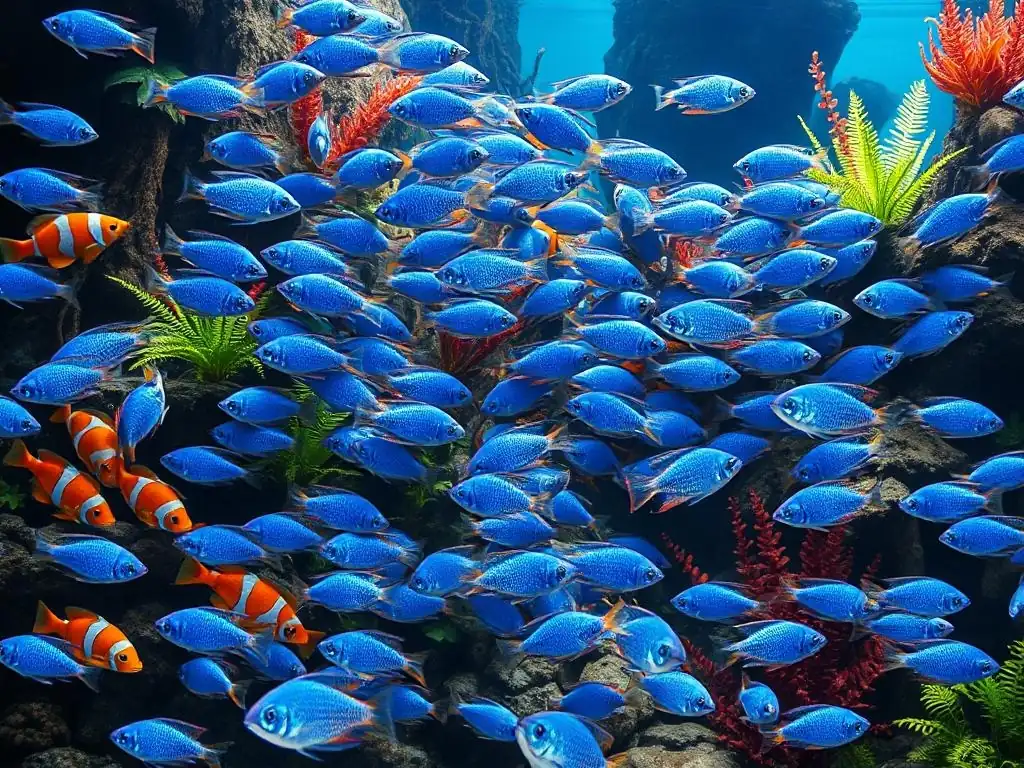
Welcome to Aquarium Mastery!
Ever wondered what your Barb fish are really trying to tell you? Their vibrant colors, darting movements, and even the occasional flash aren't random – they're a language all their own. We're diving deep into Barb fish behavior meanings today, unlocking the secrets behind their aquatic conversations. Ready to decode their communication and create a thriving, harmonious aquarium? Let's get started!
- Understanding Barb Fish Behavior: An Introduction to Cyprinid Communication
- Barb Darting Behavior: Interpreting Sudden Movements
- Barb Flashing: What Does Rubbing Against Objects Really Mean?
- The Language of Color: How Barb Fish Use Coloration to Communicate
- Decoding Barb Fish Social Interactions: Hierarchy and Schooling
- Recognizing Signs of Stress and Illness in Barb Fish
-
Frequently Asked Questions
- What does it mean when my Barb fish are darting around the tank rapidly?
- Why are my Barb fish flashing or rubbing against objects in the aquarium?
- Do the colors of Barb fish have any significance in their behavior?
- What does it mean if my Barb fish are nipping at each other's fins?
- How can I better understand the "language" of my Barb fish and interpret their behaviors?
- Final Reflection: Unveiling the Secrets of the Barb
- Unlock the Secrets of Your Barbs: Become a True Fish Whisperer!
Understanding Barb Fish Behavior: An Introduction to Cyprinid Communication
Why Understanding Barb Behavior is Crucial for Aquarium Success
Understanding barb fish behavior is paramount for any aquarist aiming for a thriving and healthy aquatic environment. These active cyprinids communicate through a variety of subtle and overt cues, from their swimming patterns to their coloration. By learning to interpret these "Barb fish behavior meanings," aquarists can proactively identify stress, illness, or social imbalances within their tank, often before physical symptoms become apparent. This early detection is critical for intervening effectively and preventing widespread health issues or aggression.
Observing the intricate social dynamics and individual actions of barbs provides invaluable insight into their well-being. For instance, a cohesive school of Tiger Barbs exhibiting synchronized movements and vibrant colors is a strong indicator of a healthy, low-stress environment. Conversely, erratic darting or faded coloration can signal underlying problems, prompting the aquarist to investigate water parameters, tank mate compatibility, or potential diseases. This proactive approach based on behavioral understanding significantly enhances the longevity and vitality of a barb community.
Key Indicators of Barb Fish Health and Happiness
Several key indicators can help aquarists gauge the health and happiness of their barb fish. Healthy barbs typically display consistent, fluid swimming patterns, often schooling tightly when feeling secure or exploring the tank when comfortable. Their fins should be erect and undamaged, and their bodies free of visible lesions, spots, or fungal growths. A good appetite and enthusiastic feeding response are also strong indicators of well-being, with healthy barbs readily accepting food within moments of it being offered.
Beyond physical appearance, the consistency of their "Barb fish behavior meanings" is a vital sign. Happy barbs will maintain their typical schooling structure, engage in playful chases that don't escalate into prolonged aggression, and exhibit vibrant, stable coloration. Any significant deviation from these norms—such as prolonged hiding, isolation from the school, or a sudden loss of color intensity—should prompt an immediate investigation. Regular observation of these behavioral patterns empowers aquarists to maintain optimal conditions and ensure their barbs are not just surviving, but truly thriving.
Barb Darting Behavior: Interpreting Sudden Movements
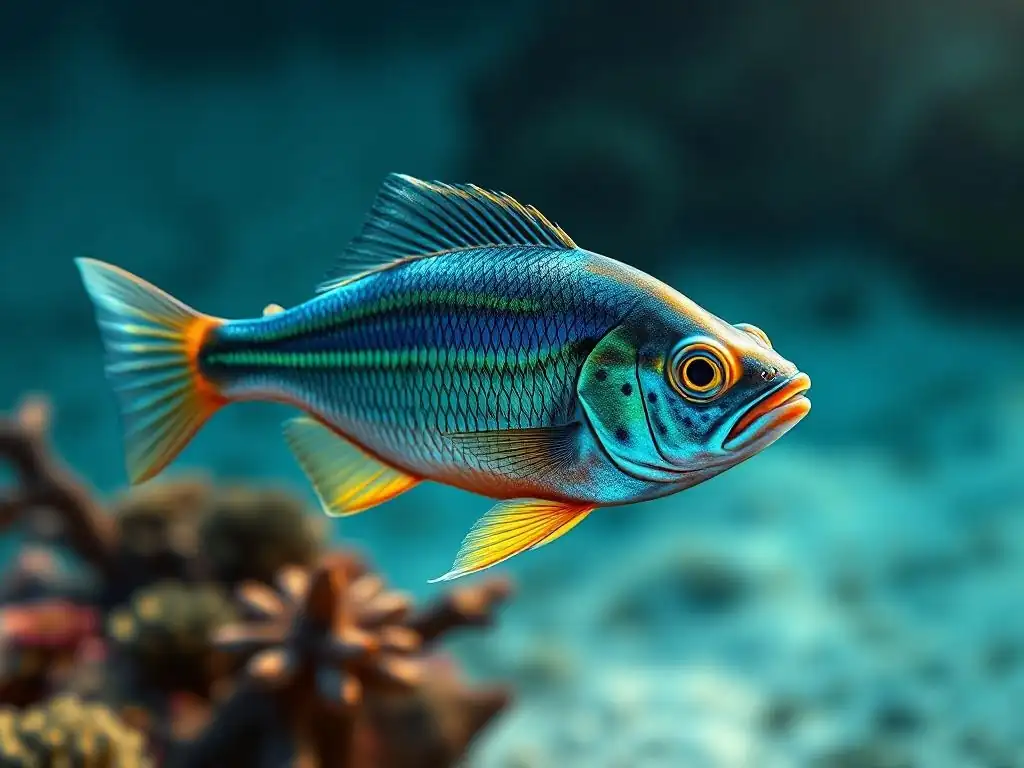
Identifying Normal Darting vs. Stress-Induced Darting in Barbs
Darting behavior in barb fish can be a normal part of their active nature, often seen during feeding times, playful interactions within the school, or when exploring new tank decor. This "normal darting" is typically quick, coordinated, and brief, with the fish returning to its regular swimming or schooling pattern shortly after. For example, a group of Cherry Barbs might dart quickly to snatch a piece of food, then resume their leisurely exploration of the plants. This type of darting is a healthy sign of an alert and engaged fish.
In contrast, stress-induced darting is characterized by erratic, uncoordinated, and often frantic movements. A stressed barb might repeatedly dash into tank walls, decor, or even other fish, seemingly without purpose. This behavior is often accompanied by other signs of distress, such as clamped fins, rapid gill movement, or a loss of color. For instance, a newly introduced group of Denison Barbs might dart frantically for several hours or even a day as they acclimate to their new environment, a clear signal of their current stress levels. Understanding these "Barb fish behavior meanings" is crucial for intervention.
Environmental Factors Affecting Barb Fish Darting Patterns: Water Parameters, Tank Size, and Tank Mates
Environmental factors play a significant role in influencing barb fish darting patterns. Poor water parameters are a leading cause of stress-induced darting. Sudden fluctuations in temperature, high levels of ammonia or nitrite (even slight increases above 0 ppm), or incorrect pH levels can cause immense discomfort, leading barbs to dart erratically in an attempt to escape the irritant. For example, an ammonia spike from decaying food can cause a school of Tiger Barbs to dart nervously and gasp at the surface, indicating severe stress.
Tank size and tank mates also heavily influence darting behavior. Overcrowding, where the tank offers insufficient swimming space (e.g., a school of 8 Tiger Barbs in a 10-gallon tank), can lead to constant darting as fish try to avoid each other and seek elusive personal space.
Similarly, the presence of overly aggressive tank mates or species that barb fish perceive as predators can induce chronic stress and persistent darting. Conversely, a suitably sized school (e.g., 6-10+ individuals) in a spacious tank (e.g., 30 gallons for Tiger Barbs, 55+ for Denison Barbs) often results in calm, coordinated schooling behavior, with minimal stress-induced darting.
When to Worry: Recognizing Signs of Disease or Parasites in Darting Barbs
While darting can be a sign of stress, it can also be a critical indicator of disease or parasitic infections. If darting behavior is accompanied by other symptoms such as visible white spots (Ich), velvet-like dusting, clamped fins, labored breathing, or a loss of appetite, it's a strong red flag. For instance, a barb repeatedly darting and rubbing against objects in the tank, often referred to as "flashing," is a classic symptom of external parasites like Ichthyophthirius multifiliis (Ich).
Persistent, uncontrolled darting that seems to lack direction, or darting combined with lethargy and isolation from the school, can suggest internal parasites or bacterial infections. A fish struggling to maintain buoyancy while darting might indicate a swim bladder issue, while darting with a swollen abdomen could point to internal bacterial infections or dropsy. Recognizing these specific "Barb fish behavior meanings" in conjunction with other physical signs allows for prompt diagnosis and appropriate treatment, which is essential for the fish's survival.
Barb Flashing: What Does Rubbing Against Objects Really Mean?
Differentiating Between Natural Barb Flashing and Parasitic Infections
Barb flashing, where a fish rubs its body against tank decor, substrate, or even other fish, can sometimes be a natural, albeit infrequent, behavior. A single, brief flash might occur if a barb is adjusting to a sudden change in light or experiencing a minor, temporary skin irritation. This occasional, isolated event is generally not a cause for concern, as fish can sometimes scratch an itch just like other animals. It's often fleeting and not accompanied by other distress signals.
However, persistent, repetitive, or vigorous flashing, especially by multiple fish in the tank, is a strong indicator of a more serious underlying problem, most commonly external parasites. When a barb is infested with parasites like Ich (white spot disease) or Velvet, the parasites cause intense irritation and itching, leading the fish to rub itself against surfaces in an attempt to dislodge them. If flashing is observed alongside visible spots, cloudy eyes, clamped fins, or rapid gill movement, it's highly indicative of a parasitic infection requiring immediate attention.
Common Causes of Flashing Behavior in Barbs: Water Quality, Irritants, and New Tank Syndrome
Poor water quality is one of the most prevalent causes of flashing behavior in barbs. Elevated levels of ammonia, nitrite, or nitrate, or even sudden fluctuations in pH or temperature, can act as irritants to a barb's sensitive skin and gills, prompting them to flash. For example, if a tank's nitrate levels climb above 40 ppm, barbs may begin to flash due to skin irritation. Unchlorinated tap water, containing chlorine or chloramines, will also cause severe irritation and flashing if not properly treated with a water conditioner.
Other irritants can include chemical residues from cleaning products, soaps, or even new decorations that haven't been thoroughly rinsed. "New Tank Syndrome," characterized by the cycling process's ammonia and nitrite spikes, frequently causes flashing in newly introduced barbs as their bodies react to the toxic environment. During this period, fish are highly susceptible to stress and subsequent parasitic infestations, making it crucial to monitor their "Barb fish behavior meanings" closely. Even fine particulate matter in the water column can sometimes cause enough irritation to trigger flashing.
Treatment Options for Flashing Barbs: Addressing Underlying Issues
The first and most critical step in treating flashing barbs is to thoroughly test the water parameters (ammonia, nitrite, nitrate, pH, temperature) and conduct a significant water change, typically 25-50%, using dechlorinated water that matches the tank's temperature and pH as closely as possible. This helps to immediately dilute any irritants or toxins present. Removing any potential chemical residues or thoroughly rinsing new decorations can also alleviate the issue.
If water quality appears stable and flashing persists, especially with other symptoms, it's highly likely a parasitic infection. Common treatments for Ich, a frequent cause of flashing, include raising the tank temperature gradually to 82-86°F (28-30°C) (if compatible with all tank inhabitants and providing extra aeration), adding aquarium salt (1 tablespoon per 5-10 gallons, dissolved first), and using commercial Ich medications containing malachite green or formalin. Always follow medication instructions carefully and remove activated carbon during treatment. Addressing the root cause, whether environmental or parasitic, is key to resolving the flashing and restoring the barbs' health.
The Language of Color: How Barb Fish Use Coloration to Communicate
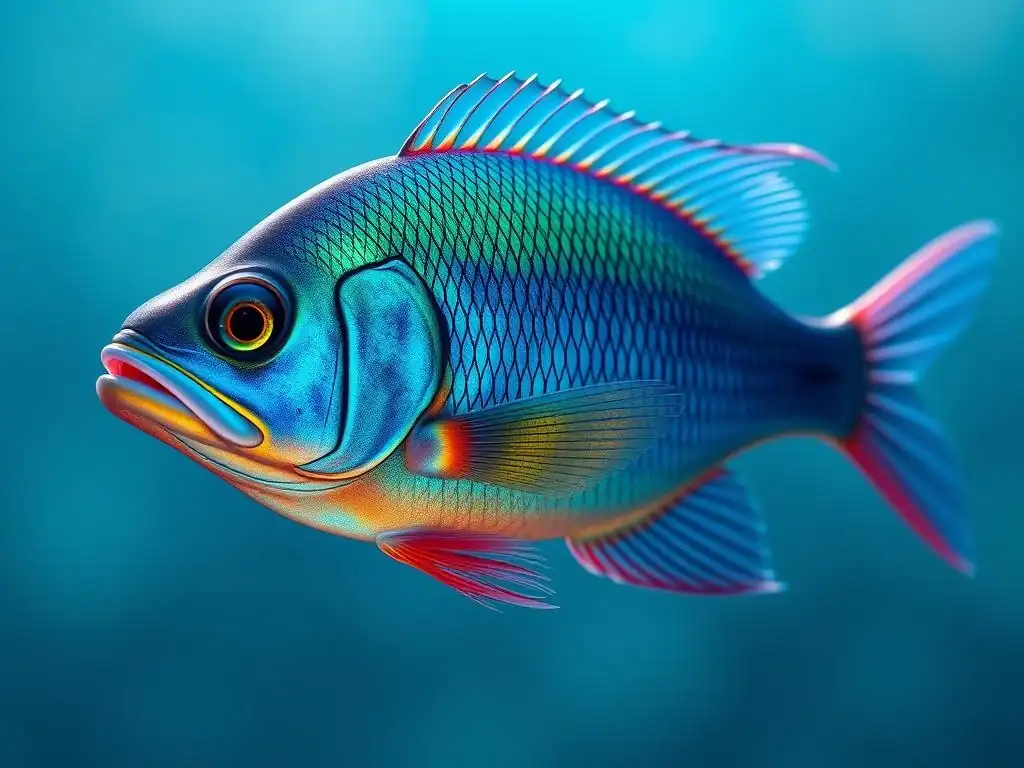
Understanding Barb Color Changes: Stress, Breeding, and Dominance
Barb fish coloration is a dynamic indicator of their internal state, reflecting stress, breeding readiness, and social hierarchy. When barbs are stressed or frightened, their colors often fade dramatically, becoming dull or pale. For instance, a vibrant Cherry Barb, known for its intense red hue, might turn a washed-out pink or even gray when introduced to a new, unfamiliar tank or when facing an aggressive tank mate. This paling is a physiological response, a form of camouflage or a signal of submission.
Conversely, barbs often display intensified and more vivid colors during breeding periods or when asserting dominance. Male Cherry Barbs, for example, will deepen to an incredibly rich, almost fiery red as they prepare to spawn, signaling their readiness to females and their rivals. In a school of Tiger Barbs, the most dominant individuals often exhibit the brightest orange and boldest black stripes, clearly communicating their status within the pecking order. These changes in "Barb fish behavior meanings" through color are fascinating and informative.
Species-Specific Color Signals: Decoding Tiger Barb, Cherry Barb, and Denison Barb Coloration
Each barb species uses color in unique ways to communicate. Tiger Barbs (Puntigrus tetrazona) are renowned for their striking black and orange stripes. A healthy, confident Tiger Barb will display incredibly vibrant orange and stark black bands. If these stripes become faded, patchy, or less defined, it's a strong indicator of stress, illness, or poor water quality. Dominant males often have the most intense coloration, using it to display their strength and defend territory within the school.
Cherry Barbs (Puntius titteya) are a prime example of color signaling for breeding and social status. Males, in particular, transform from a subtle reddish-brown to a brilliant, deep cherry red when in breeding condition or when asserting themselves. Females generally maintain a more subdued, brownish-red hue, though their color can also intensify slightly when healthy.
Denison Barbs (Sahyadria denisonii) display a prominent red stripe along their body; a bright, unbroken red stripe signifies excellent health and low stress, while a faded or broken stripe can indicate poor water conditions or illness. Understanding these species-specific "Barb fish behavior meanings" through color is vital for their care.
The Role of Diet in Barb Fish Color Intensity and Health
The diet plays a critical role in the intensity and vibrancy of barb fish coloration. A high-quality, varied diet rich in natural color-enhancing ingredients, particularly carotenoids, is essential for maintaining their vivid hues. Carotenoids, found in ingredients like spirulina, astaxanthin, and various plant-based foods, are pigments that barbs absorb and deposit in their skin, directly contributing to their reds, oranges, and yellows. For instance, feeding a diet specifically formulated with a high percentage of spirulina can significantly enhance the red and orange pigments in Cherry and Tiger Barbs within a few weeks.
Conversely, a poor or monotonous diet lacking essential nutrients will inevitably lead to dull, faded colors, even in otherwise healthy-looking fish. If barbs are fed only generic flake food without supplemental live or frozen options, their natural coloration may never reach its full potential. Incorporating bloodworms, brine shrimp, and high-quality vegetable matter alongside a premium flake or pellet food ensures a balanced intake of nutrients, promoting not only vibrant coloration but also overall health and vitality, which are integral to their "Barb fish behavior meanings."
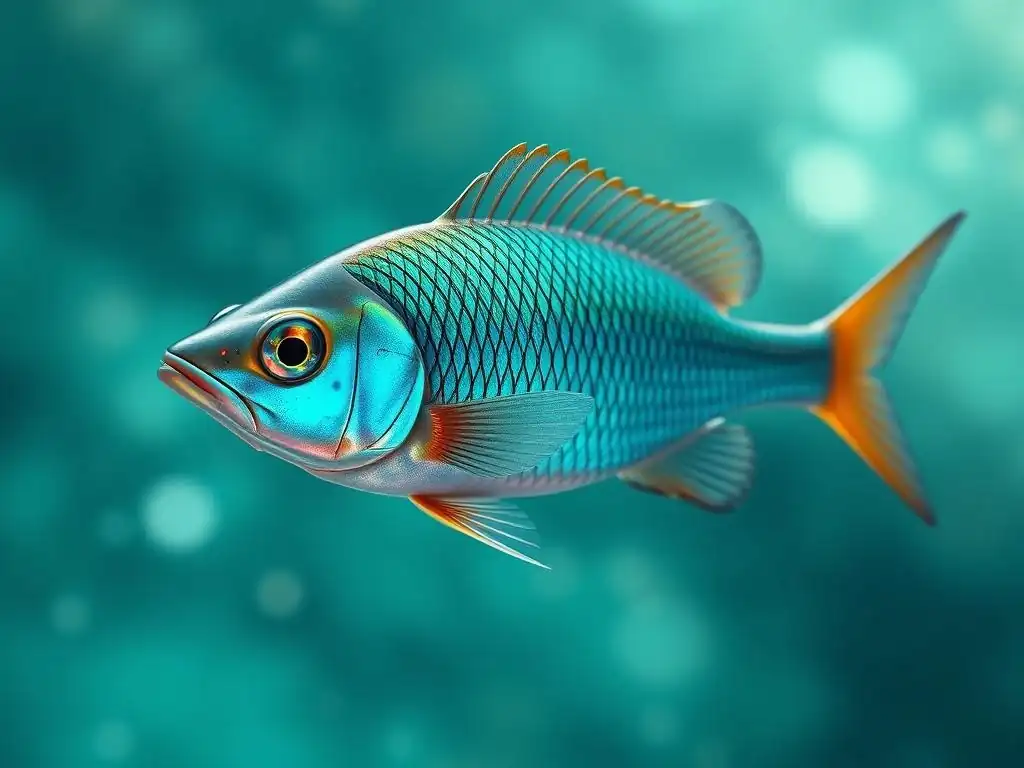
Understanding the Pecking Order: Dominance Displays in Barb Schools
Barb fish are schooling species, and within their groups, they naturally establish a pecking order or hierarchy. This social structure helps maintain order and reduces overall aggression by clearly defining roles. Dominance displays typically involve fin-flaring, body posturing (e.g., swimming parallel to another fish with fins erect), and short, non-damaging chases. For example, a larger, bolder Tiger Barb might flair its fins and chase a smaller, submissive one away from a prime feeding spot.
While these displays might seem aggressive to an untrained eye, they are generally a normal and healthy part of barb social dynamics within a well-established school. A key aspect of "Barb fish behavior meanings" in a school is that aggression is usually spread out among many individuals, preventing any single fish from being constantly bullied. A school of 6-10 or more barbs is recommended to diffuse aggression effectively; in smaller groups, the dominant fish may focus all its attention on one or two weaker individuals, leading to excessive stress and potential injury.
Interpreting Aggressive Barb Behavior: Fin Nipping and Chasing
Fin nipping is a common aggressive behavior observed in barb schools, particularly with species like the Tiger Barb. Typically, this nipping is directed at other barbs within their own school and serves to reinforce the pecking order or to playfully interact. While it can sometimes result in minor fin damage, it's usually not severe if the school is large enough (e.g., 8+ Tiger Barbs) and has ample space to disperse.
However, if fin nipping extends to other, slower-moving or long-finned tank mates (e.g., angelfish, bettas, guppies), it indicates that the barb's natural nipping instinct is being misdirected due to an insufficient school size, lack of appropriate tank mates, or an overly small tank. Persistent, aggressive chasing that results in stress, hiding, or physical injury to other fish is a serious concern and suggests incompatibility or an overcrowded environment. Understanding these "Barb fish behavior meanings" is crucial for maintaining a harmonious community tank.
Creating a Harmonious Barb Community: Tank Size and Stocking Strategies
Creating a harmonious barb community relies heavily on appropriate tank size and intelligent stocking strategies. For most common barb species, a minimum tank size is essential to provide adequate swimming space and allow aggression to dissipate. For instance, a school of 6-8 Cherry Barbs can thrive in a 20-gallon tank, while Tiger Barbs require at least 30 gallons for a similar-sized school. Larger species like Denison Barbs need significantly more space, with a minimum of 55 gallons for a small group.
Stocking strategy involves not only the number of barbs but also the choice of tank mates. Always keep barbs in schools of at least 6-8 individuals; this allows them to engage in natural schooling behaviors and spreads out any minor aggression, preventing a single fish from becoming a target. Avoid pairing nippy barbs with very docile, slow-moving, or long-finned fish. Providing ample plants, caves, and decor creates visual barriers and hiding spots, which can further reduce stress and aggression, contributing to a more peaceful and stable environment where positive "Barb fish behavior meanings" can flourish.
Recognizing Signs of Stress and Illness in Barb Fish
Common Symptoms of Illness in Barbs: Beyond Darting and Flashing
While darting and flashing are significant behavioral indicators, illness in barbs manifests through a range of other common symptoms that aquarists must recognize. Beyond erratic swimming, look for changes in their physical appearance such as clamped fins (fins held tightly against the body), ragged or deteriorating fins (fin rot), and visible spots (Ich, velvet) or fuzzy growths (fungal infections) on their body or fins. Observe their breathing: labored or rapid gill movement often indicates gill parasites, poor water quality, or oxygen deprivation.
Furthermore, changes in appetite or activity levels are strong indicators. A healthy barb is typically active and eager to eat; a fish that is lethargic, hiding constantly, refusing food, or has a sunken belly or swollen abdomen (dropsy) is likely ill. Other signs include cloudy eyes, loss of balance, swimming erratically or upside down, and unusual discoloration that isn't related to normal stress or breeding. Recognizing these diverse "Barb fish behavior meanings" and physical cues is vital for early diagnosis.
Proactive Measures for Maintaining Barb Fish Health and Preventing Behavioral Issues
Proactive measures are the cornerstone of maintaining barb fish health and preventing the behavioral issues that signal distress. Regular water testing (at least weekly for ammonia, nitrite, and nitrate) and consistent partial water changes (e.g., 25% weekly) are paramount for keeping water parameters stable and pristine. Always use a quality water conditioner to neutralize chlorine and chloramines in tap water. Overfeeding should be avoided, as excess food leads to decaying organic matter and poor water quality.
Providing a high-quality, varied diet rich in essential nutrients and color enhancers will boost their immune system and overall vitality. Ensure the tank is appropriately sized for the barb species and school size, preventing overcrowding that leads to stress and aggression. Quarantining all new fish for 2-4 weeks in a separate tank before introducing them to the main aquarium is a critical step to prevent the introduction of diseases. These proactive steps significantly reduce the likelihood of observing negative "Barb fish behavior meanings."
The Importance of Observation: Regularly Monitoring Your Barbs' Behavior
The single most powerful tool an aquarist possesses for maintaining barb fish health is diligent, regular observation. Dedicate a few minutes each day to simply sit and watch your barbs. Pay attention to their swimming patterns, their interactions with each other and other tank mates, their coloration, their appetite, and their overall demeanor. Are they schooling cohesively? Are their colors vibrant? Are they eating eagerly? Are there any individuals hiding or acting unusually?
Subtle changes in "Barb fish behavior meanings" are often the very first indicators of an impending problem, whether it's poor water quality, the onset of disease, or social stress. By catching these changes early, you can often address the issue before it escalates into a serious health crisis or widespread tank problem. Consistent observation allows you to learn the unique personalities and normal behaviors of your specific fish, making any deviations immediately noticeable and enabling you to provide timely, effective care.
Frequently Asked Questions
What does it mean when my Barb fish are darting around the tank rapidly?
Darting behavior in Barb fish often indicates stress or unease. It could be caused by poor water quality, sudden changes in the environment, or even bullying from other fish.
Why are my Barb fish flashing or rubbing against objects in the aquarium?
Flashing, where a fish rubs its body against surfaces, is a common sign of parasitic infection. It can also be caused by irritation from poor water parameters.
Do the colors of Barb fish have any significance in their behavior?
Yes, the intensity and changes in color can signal different behavioral states. For example, faded colors may indicate stress or illness, while brighter colors often accompany courtship rituals or dominance displays.
What does it mean if my Barb fish are nipping at each other's fins?
Fin nipping is a common form of aggression among Barb fish, especially if the tank is overcrowded. Providing more space, hiding places, and maintaining appropriate group sizes can help reduce this behavior.
How can I better understand the "language" of my Barb fish and interpret their behaviors?
Careful observation is key. Monitor their interactions, color changes, and any unusual activities. Researching the specific species and understanding their natural habitat will also provide valuable insights.
Final Reflection: Unveiling the Secrets of the Barb
The intricate world of Barb fish communication, as we've explored, is far more than just a visual spectacle; it's a complex language spoken through darting movements, flashing scales, and vibrant colors. Understanding these nuances isn't merely an academic exercise; it's a crucial step towards responsible aquarium keeping and a deeper appreciation for the biodiversity of our aquatic ecosystems. The ability to decipher these signals allows us to create healthier, more enriching environments for these fascinating creatures, both in captivity and in the wild.
This journey into Barb fish behavior has profoundly highlighted the interconnectedness of all living things. Observing and interpreting their subtle cues reminds us that communication extends far beyond human language, and that paying attention to the non-verbal signals of other species can unlock a wealth of understanding. In the end, we will conserve only what we love; we will love only what we understand; and we will understand only what we are taught.
- Baba Dioum's words resonate deeply as we strive to decode the language of the Barb, fostering a greater sense of empathy and responsibility towards the natural world.
Now, armed with a newfound understanding of Barb fish behavior meanings, I invite you to reflect on your own interactions with the natural world. Consider how you can apply this knowledge to create more harmonious relationships with all living creatures, whether in your own aquarium or in the broader environment. Let the vibrant language of the Barb inspire you to become a more observant, compassionate, and responsible steward of our planet.
Unlock the Secrets of Your Barbs: Become a True Fish Whisperer!
Thank you for diving deep into the fascinating world of barb communication! We hope you’ve gained a new appreciation for the subtle signals your finned friends are sending. Now, let's turn that knowledge into action and build an even stronger connection with your barb community.
Here are a few ways to continue your barb-tastic journey:
- Start a Barb Behavior Journal: Dedicate a notebook or digital document to meticulously record your barbs' behavior each day, noting color changes, darting patterns, and any interactions. This will help you identify specific triggers and understand individual personalities.
- Share Your Insights! Use your newfound knowledge to help other barb keepers! Engage in online aquarium forums or social media groups, sharing your observations and answering questions from fellow enthusiasts.
- Consider photographing your barbs at different times of the day or during specific interactions. Compare the photos to note any subtle color variations you might otherwise miss, aiding in your understanding of their communication.
What fascinating barb behavior have you observed in your aquarium today? Share your most recent observation below!