
Rock Dwellers vs. Open Water Swimmers: Understanding Mbuna & Peacock Niches

Welcome to Aquarium Mastery!
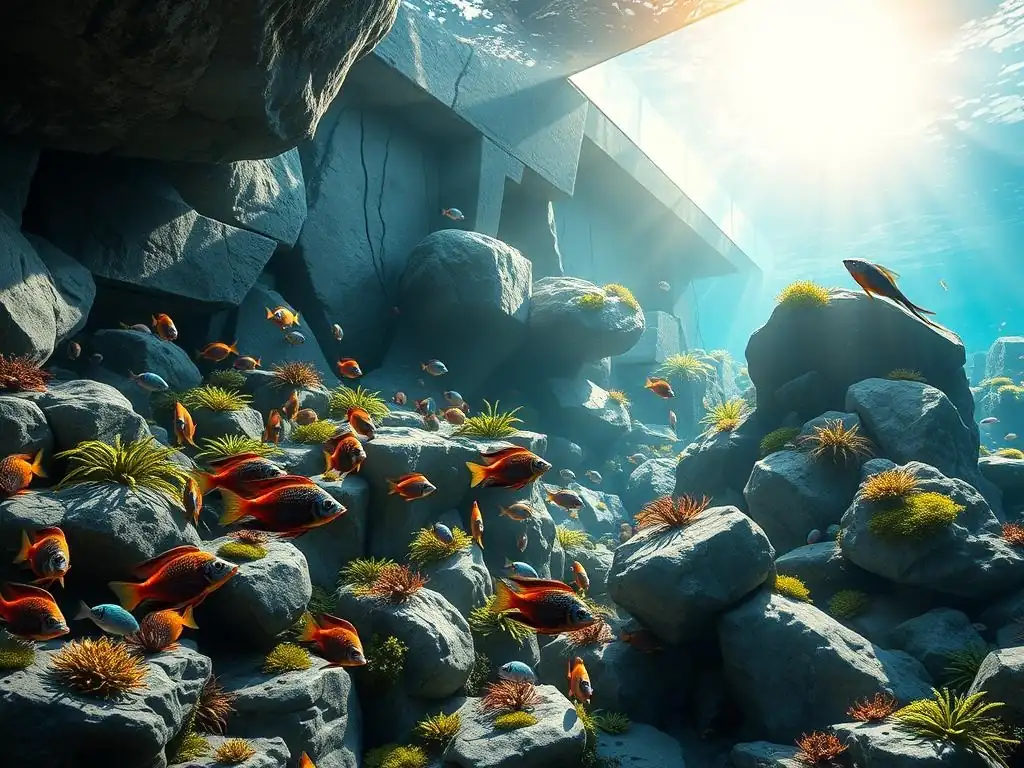
Ever wondered what secrets lie beneath the surface of a thriving Mbuna aquarium? Dive in to discover essential Mbuna fish care tips and unlock the key to a vibrant, healthy aquatic world. From understanding their unique rock-dwelling behavior to mastering their specific needs, prepare to be amazed by the captivating world of Mbuna and Peacock cichlids. Ready to explore?
- Rock Dwellers vs. Open Water Swimmers: Understanding Mbuna & Aulonocara Niches
- Introduction to African Cichlids: Mbuna and Aulonocara Diversity
-
Frequently Asked Questions
- What are Mbuna fish, and why are they called "rock dwellers"?
- What are the key differences between Mbuna and Peacock cichlids in terms of care requirements?
- What specific water parameters are crucial for keeping Mbuna fish healthy?
- How can I effectively manage aggression among Mbuna fish in my aquarium?
- What are some common diseases that affect Mbuna fish, and how can I prevent them?
- Final Reflection: Embracing Aquatic Diversity
- Ignite Your Cichlid Kingdom!
Rock Dwellers vs. Open Water Swimmers: Understanding Mbuna & Aulonocara Niches
Introduction to African Cichlids: Mbuna and Aulonocara Diversity
Exploring the Rich Biodiversity of Lake Malawi
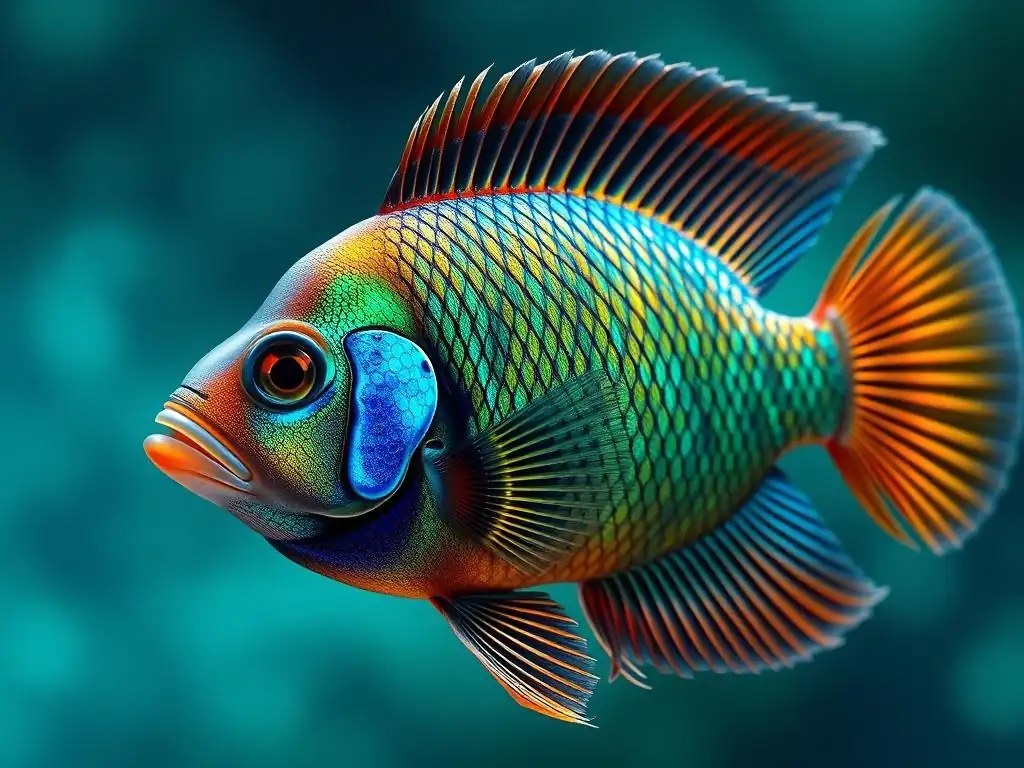
Lake Malawi, often hailed as the "Lake of Stars," is a geological marvel and a biodiversity hotspot, particularly renowned for its cichlid populations. Stretching approximately 560 kilometers (350 miles) in length and reaching depths of up to 700 meters (2,300 feet), it is the third-largest freshwater lake by area and the second-deepest in Africa.
This ancient rift lake, estimated to be several million years old, has provided an isolated evolutionary laboratory, leading to an unparalleled adaptive radiation of cichlid fish. It is home to an estimated 850 to 1,000 described species of cichlids, with many more yet to be formally identified, making it a critical area for evolutionary biology studies and a fascinating subject for aquarists aiming to provide optimal Mbuna fish care tips and other cichlid care.
The sheer number of endemic cichlid species in Lake Malawi is astonishing, far exceeding the fish diversity of any other lake globally. This incredible speciation is attributed to the lake's stable environment over geological timescales, combined with diverse microhabitats and limited gene flow between populations.
From the vibrant, rock-dwelling Mbuna to the elegant, sand-sifting Aulonocara, each group has evolved unique characteristics, behaviors, and dietary preferences perfectly suited to their specific ecological niches within this vast aquatic ecosystem. Understanding these natural origins is foundational for anyone looking to successfully keep these magnificent fish, forming the bedrock of effective Mbuna fish care tips and general cichlid husbandry.
Understanding Niche Partitioning in Cichlid Habitats
Niche partitioning is a fundamental ecological principle that explains how multiple species can coexist in the same environment without direct competition for resources. In Lake Malawi, cichlids exemplify this phenomenon with remarkable precision, dividing up available habitats and food sources. This specialization reduces inter-species rivalry, allowing for the astonishing diversity observed within the lake. For instance, some cichlid species are specialized in scraping algae from rocks, while others sift through sand for invertebrates, and still others prey on smaller fish or zooplankton in the open water.
This ecological segregation is particularly evident when comparing Mbuna and Aulonocara cichlids. Mbuna, often referred to as "rock dwellers," primarily inhabit the rocky, littoral zones of the lake, where they graze on the algal bio-film covering the rocks. Their body shapes, mouth structures, and behaviors are perfectly adapted for this lifestyle.
In contrast, Aulonocara, or Peacock cichlids, typically occupy the sandy, open-water zones, where they hunt for small invertebrates by sifting through the substrate or detecting prey through specialized sensory pores. Recognizing these distinct natural niches is paramount for aquarists, as replicating these specific environmental conditions is a key aspect of successful Mbuna fish care tips and Aulonocara husbandry, ensuring their health, vibrancy, and natural behaviors flourish in a home aquarium.
Frequently Asked Questions
What are Mbuna fish, and why are they called "rock dwellers"?
Mbuna are a group of African cichlids from Lake Malawi known for their vibrant colors and territorial behavior. They are called "rock dwellers" because they primarily inhabit and feed among the rocky shorelines of the lake.
What are the key differences between Mbuna and Peacock cichlids in terms of care requirements?
While both are African cichlids, Mbuna generally require a vegetable-based diet and more rockwork for territory, while Peacock cichlids need a higher protein diet and more open swimming space.
What specific water parameters are crucial for keeping Mbuna fish healthy?
Maintaining stable water parameters is essential. Key parameters include a pH between 7.8 and 8.6, a temperature between 76°F and 82°F, and ammonia/nitrite levels at zero.
How can I effectively manage aggression among Mbuna fish in my aquarium?
Overstocking the tank can help distribute aggression and reduce the impact on individual fish. Also, providing ample rockwork creates territories and breaks line of sight, minimizing conflict.
What are some common diseases that affect Mbuna fish, and how can I prevent them?
Ich (white spot disease) and Malawi bloat are common. Prevention involves maintaining excellent water quality through regular water changes and quarantine new fish to observe them for any signs of illness before introducing them to the main tank.
Final Reflection: Embracing Aquatic Diversity
The intricate dance of Mbuna and Peacock cichlids, as explored throughout this article, isn't just about aquarium keeping; it's a microcosm of the broader ecological principles that govern our world. Understanding their distinct niches, from the rock-dwelling Mbuna's grazing habits to the open-water Peacock's predatory prowess, highlights the beauty and importance of biodiversity, a concept increasingly vital in our rapidly changing environment.
This exploration of Mbuna and Peacock cichlids has profoundly impacted my understanding of aquarium keeping and the delicate balance within these miniature ecosystems. It's a constant reminder that responsible pet ownership extends beyond simply providing food and shelter; it requires a deep appreciation for the animal's natural behavior and needs. In the end, we will conserve only what we love; we will love only what we understand; and we will understand only what we are taught.
- Baba Dioum. This quote perfectly encapsulates the journey of learning about these fascinating fish and the responsibility that comes with that knowledge.
Now, as you consider the Mbuna and Peacock cichlids, I encourage you to reflect on the broader lessons they offer. How can we apply the principles of understanding and respecting diverse needs to our own lives and communities? Let the vibrant colors and unique behaviors of these fish inspire you to cultivate a greater appreciation for the diversity around you, both in the natural world and in the human experience. Strive to be a responsible steward, not just of your aquarium, but of the planet we all share.
Ignite Your Cichlid Kingdom!
Thank you for diving deep into the fascinating world of Mbuna and Peacock Cichlids! We hope you’ve gained valuable insights into their unique lifestyles and how to create the perfect environment for them. Now, let’s bring that knowledge to life!
Here are a few actions you can take right now:
- Reimagine your aquarium: Carefully assess your current setup to mirror either the rocky shores of Mbuna or the open waters favoured by Peacocks, using the knowledge you've gained about their specific needs.
- Contribute to the Cichlid community by sharing your aquascaping ideas and photos on social media using #AquariumMasteryCichlids.
- Dive deeper! Research less common Cichlid species and share your findings in the comments below – you might inspire someone to try something new!
What's one small change you can make this week to better cater to the specific needs of your Cichlids?