
Reading Your Tetras: Understanding Behavior, Stress Signals, and Social Cues

Welcome to Aquarium Mastery!
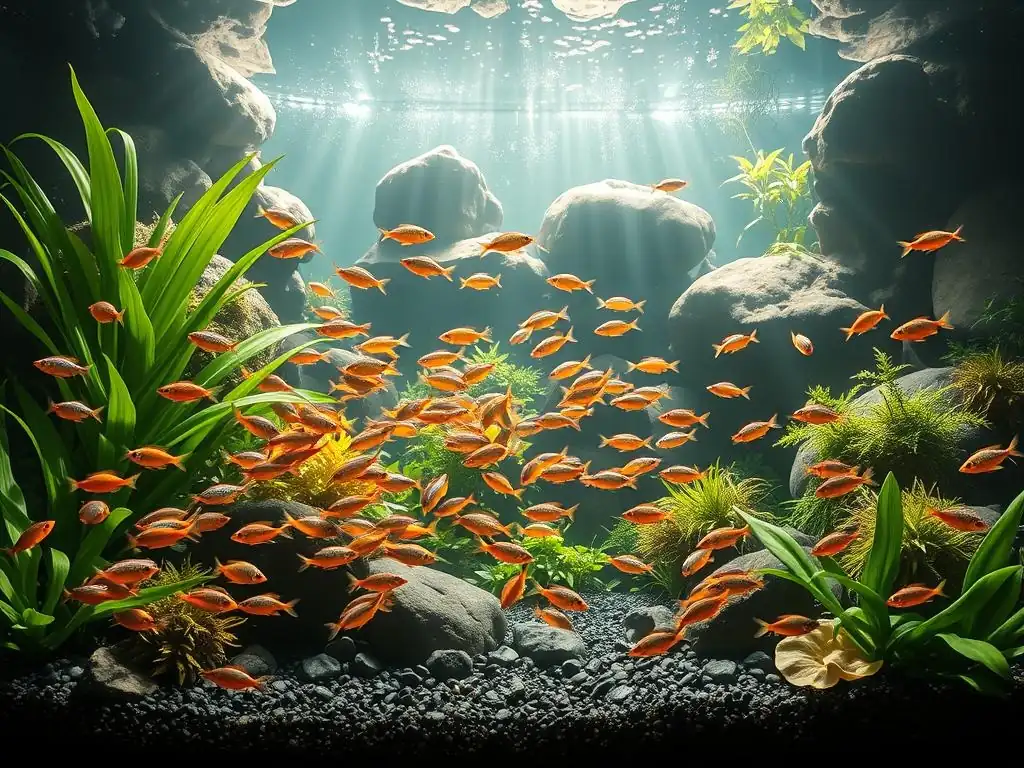
Ever wondered what your Tetras are really trying to tell you? Dive into the fascinating world of freshwater fish and unlock the secrets behind Tetra behavior stress signals. Learn to decipher their subtle cues, understand their social dynamics, and ensure a thriving, stress-free environment for your finned friends. Curious to know if that shimmering flash is a greeting or a warning? Let's find out together!
- Understanding Fish Behavior: A Guide to Common Freshwater Species
- Decoding Fish Behavior: An Introduction to Aquatic Communication
- Normal Fish Behavior: What to Look For in a Healthy Community Tank
- Recognizing Fish Stress Signals: Identifying Potential Problems
- Common Causes of Stress in Fish: Addressing the Root of the Problem
- Interpreting Fish Social Cues: Understanding Community Dynamics
- Specific Fish Species and Their Unique Behaviors
- Preventing Stress and Promoting Healthy Fish Behavior
- Advanced Fish Behavior Observation: Becoming an Aquarium Expert
- Frequently Asked Questions
- Final Reflection: Decoding the Silent Language of Tetras
- Decode Your Tetras: Unlock a Thriving Aquarium!
Understanding Fish Behavior: A Guide to Common Freshwater Species
Decoding Fish Behavior: An Introduction to Aquatic Communication
Why Understanding Fish Behavior is Crucial for Aquarium Health
Understanding the nuances of fish behavior is paramount for maintaining a thriving and healthy aquarium ecosystem. Just as a physician interprets a patient's symptoms, an aquarist must learn to read the subtle cues their fish provide, especially when it comes to species like Tetras. These behaviors serve as the primary indicators of a fish's well-being, signaling everything from contentment and social harmony to underlying stress or illness. Ignoring these signals can lead to rapid deterioration of health, affecting not only the individual fish but potentially the entire community, as many diseases are contagious and stress compromises immune systems.
For instance, observing Tetra behavior stress signals early can prevent widespread issues. A healthy school of Neon Tetras will typically exhibit synchronized swimming and vibrant coloration, but a single fish darting erratically or showing faded colors can be an early warning of poor water quality or an emerging pathogen.
Early detection allows for prompt intervention, such as performing a partial water change, adjusting water parameters, or isolating a sick fish, thereby drastically increasing the chances of recovery and preventing the spread of problems to other tank inhabitants. This proactive approach based on behavioral observation is far more effective than reacting only when a fish becomes visibly ill or dies.
Common Fish Behaviors: A Quick Overview
Fish exhibit a diverse range of behaviors that are essential for their survival, reproduction, and social structure within their aquatic environment. These behaviors can be broadly categorized into feeding, social interaction, territoriality, reproduction, and responses to environmental stimuli. For example, schooling, a characteristic behavior of many Tetra species, serves as a defense mechanism against predators and facilitates foraging. Understanding these natural tendencies provides a baseline against which abnormal or stress-induced behaviors can be identified.
Beyond schooling, other common behaviors include foraging along the substrate, resting in specific areas of the tank, or investigating new additions. When evaluating Tetra behavior, it's important to recognize that a healthy fish will typically display consistent activity patterns aligned with its species' natural inclinations. Any significant deviation from these established patterns, such as a normally active fish becoming lethargic or a shy fish suddenly becoming aggressive, should immediately raise a red flag. These shifts are often the first stress signals that an aquarist will observe, prompting a closer inspection of water parameters and tank conditions.
Normal Fish Behavior: What to Look For in a Healthy Community Tank
Active Swimming and Exploration: Signs of a Happy Fish
Healthy fish, including most Tetra species, are typically active and curious, constantly exploring their environment. They will swim freely throughout the tank, investigating decorations, plants, and the substrate, often in a fluid and purposeful manner. For schooling species like Cardinal Tetras, this means maintaining a cohesive group while moving, with individual fish exhibiting strong, steady fin movements. This active exploration signifies that the fish feels secure in its surroundings and is not experiencing undue stress or discomfort.
A vibrant and healthy Tetra, for example, will display consistent swimming patterns characteristic of its species – perhaps darting quickly in open water or gently navigating through plant thickets. If a normally active fish becomes sluggish, hovers listlessly in a corner, or rubs against tank objects frequently, these are deviations from normal Tetra behavior and could be early stress signals. Observing these subtle changes is crucial, as they often precede more overt signs of illness or environmental distress, indicating that immediate action may be required to restore the fish's well-being.
Social interaction is a fundamental aspect of fish behavior, particularly for schooling and shoaling species like many Tetras. Schooling involves a highly coordinated, synchronized movement of a group, offering protection against predators and aiding in foraging efficiency. For instance, a healthy school of Neon Tetras will move as a unified entity, demonstrating tight formation and rapid, collective changes in direction. This strong schooling instinct is a key indicator of their comfort and security within the aquarium.
Within these groups, and even among non-schooling species, hierarchies can emerge, influencing access to food and preferred territories. While outright aggression is often a stress signal, healthy social dynamics involve subtle displays of dominance or submission.
Observing these interactions, such as a slightly larger Black Skirt Tetra nudging a smaller one away from a food pellet, can reveal the social structure of your tank. Any sudden increase in aggression or a complete breakdown of schooling behavior among Tetras, where individuals isolate themselves, are significant Tetra behavior stress signals that warrant investigation into potential issues like overcrowding or incompatible tank mates.
Feeding Behavior: Observing Your Fish During Meal Times
Feeding time offers a prime opportunity to observe the health and well-being of your fish. Healthy fish, including Tetras, will typically exhibit an eager and competitive feeding response, actively pursuing food flakes, pellets, or live offerings as soon as they are introduced. Their movements will be swift and decisive, indicating a strong appetite and robust metabolism. For schooling species, this often means a flurry of activity as the entire group converges on the food source.
A noticeable change in feeding behavior is one of the most immediate Tetra behavior stress signals. A healthy school of Rummy Nose Tetras will typically rush to the surface or sift through the substrate for food. If fish are hesitant to eat, ignore food altogether, or spit it out, it's a strong indication of stress, illness, or poor water quality. This refusal to eat can be a precursor to more severe health issues, highlighting the importance of daily observation during feeding to catch these subtle yet critical behavioral cues early.
Recognizing Fish Stress Signals: Identifying Potential Problems
Physical Stress Signals in Fish: Identifying Abnormal Appearances
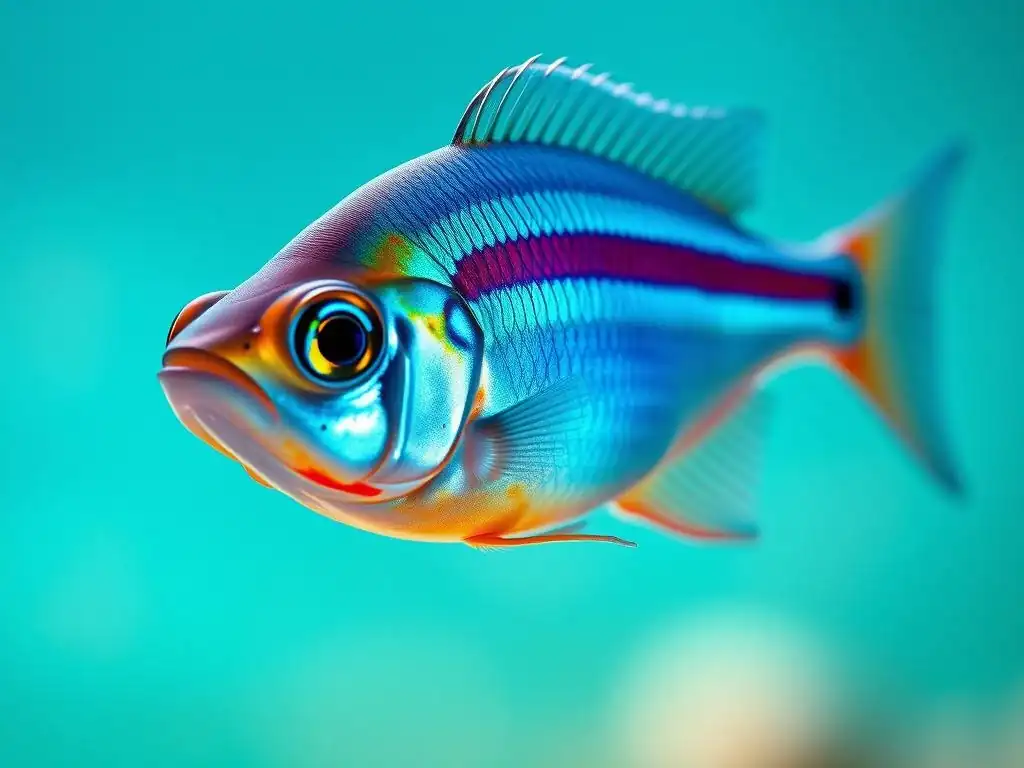
Beyond behavioral changes, fish often display physical alterations that serve as clear stress signals. These signs are visual cues that something is amiss with their environment or health. Recognizing these physical manifestations early is critical for prompt intervention and preventing the escalation of problems within the aquarium. These signals can range from subtle shifts in coloration to more overt changes in fin structure or swimming patterns, each providing valuable diagnostic information to the observant aquarist.
For example, a healthy school of Glowlight Tetras typically exhibits vibrant orange stripes against a silvery body. Any deviation from this, such as faded colors or the appearance of unusual blotches, is a strong indication of stress. Similarly, observing a fish with clamped fins or rapid gill movements suggests respiratory distress or general discomfort. These physical stress signals are often the body's way of reacting to internal or external stressors, and understanding them is fundamental to maintaining a healthy and thriving aquatic environment, especially for sensitive species like Tetras.
Changes in Coloration: Faded Colors or Unusual Patterns
One of the most common and easily identifiable physical stress signals in fish is a change in coloration. Healthy fish typically display vibrant, species-specific colors that are indicative of their well-being. When a fish experiences stress, its colors may become noticeably faded, dull, or even develop blotchy patterns that are not characteristic of the species. This fading is often a physiological response to stress, as the fish's body diverts energy away from non-essential functions like maintaining pigment intensity.
For Tetras, particularly species like Neon Tetras with their striking iridescent blue and red stripes, faded colors are a significant warning sign. A healthy Neon Tetra's colors will be intense and bright; if they appear pale or washed out, it strongly suggests environmental stress, poor water quality, or the onset of illness.
Similarly, the appearance of dark spots or unusual patterns on the body of a normally uniformly colored fish can also indicate a stress response or a parasitic infection. Observing these color changes is a key component of identifying Tetra behavior stress signals and should prompt an immediate investigation into tank conditions.
Fin Clamping: A Sign of Stress or Illness
Fin clamping is a classic and widely recognized physical stress signal in fish, where the fins are held close to the body rather than being spread out naturally. Healthy fish, including Tetras, typically hold their fins erect and spread, using them for balance, propulsion, and display. When a fish is experiencing stress, discomfort, or illness, it often retracts its fins tightly against its body, making them appear smaller and less prominent. This behavior is a common response to a variety of stressors, from poor water quality to parasitic infections.
For example, a healthy Serpae Tetra will have its dorsal, caudal, and anal fins fully extended as it swims actively. If you observe a Serpae Tetra with its fins tightly clamped against its body, especially if combined with lethargy or hiding behavior, it is a clear indication of distress.
This clamping reduces the surface area of the fins, potentially to conserve energy or to reduce exposure to irritants. Fin clamping is a critical Tetra behavior stress signal that demands immediate attention, as it often signifies an underlying problem that, if left unaddressed, could lead to more severe health complications or even mortality.
Erratic Swimming: Darting, Jerking, or Floating
Erratic swimming patterns are highly visible stress signals that deviate significantly from a fish's normal graceful movement. Healthy fish typically swim smoothly and purposefully, maintaining their equilibrium. However, a stressed or ill fish may exhibit a range of abnormal movements such as darting suddenly around the tank, jerking uncontrollably, rubbing against objects (flashing), or struggling to maintain buoyancy, leading to awkward floating or sinking. These movements indicate discomfort, disorientation, or a neurological issue.
Consider a school of Lemon Tetras, which normally swim with a steady, exploratory pace. If one or more individuals suddenly begin darting frantically from one end of the tank to the other, crashing into decorations, or twitching their bodies, these are undeniable Tetra behavior stress signals.
This erratic behavior can be caused by acute stressors like sudden changes in water parameters (e.g., a rapid pH swing), the presence of toxins like ammonia, or the onset of a parasitic infestation. Observing such abnormal swimming patterns should trigger an immediate assessment of water quality and a thorough inspection of the fish for any other visible symptoms.
Behavioral Stress Signals: Observing Changes in Activity
Beyond physical manifestations, changes in a fish's typical activity patterns are powerful indicators of stress. These behavioral stress signals often appear before any physical signs, making early observation crucial for intervention. A fish's normal routine – its level of activity, social engagement, and appetite – provides a baseline, and any significant deviation from this norm should be considered a warning sign. Recognizing these shifts requires consistent observation and familiarity with your fish's individual personalities and species-specific behaviors.
For example, a healthy school of Black Neon Tetras is typically active and engaging, swimming in the mid-water column. If you notice them becoming unusually lethargic, hiding constantly, or completely losing interest in food, these are clear Tetra behavior stress signals. These behavioral changes suggest that the fish is feeling unwell or is under significant environmental pressure. Promptly identifying and addressing these behavioral cues can prevent a minor issue from escalating into a severe health crisis for your Tetras and other tank inhabitants.
Hiding and Isolation: When Fish Avoid the Community
One of the most common behavioral stress signals in fish is an increased tendency to hide or isolate themselves from the rest of the community. Most fish, especially schooling species like Tetras, thrive in social environments and are typically visible and engaged with their surroundings. When a fish feels unwell, threatened, or stressed, its natural instinct is often to seek refuge, withdrawing from the open water and spending excessive amounts of time hidden among plants, behind decorations, or in dark corners of the tank.
For a school of healthy Ember Tetras, which are usually vibrant and active, seeing one or more individuals constantly lurking in the shadows or refusing to join the group during feeding time is a strong indicator of distress. This isolation can be a response to bullying from more aggressive tank mates, poor water quality that makes them feel vulnerable, or the early stages of an illness. Persistent hiding is a critical Tetra behavior stress signal that demands investigation, as it signifies a fundamental disruption in the fish's sense of security and well-being within its environment.
Loss of Appetite: Refusal to Eat Indicates a Problem
A sudden or prolonged loss of appetite is one of the most reliable and concerning behavioral stress signals in fish. Healthy fish are typically eager feeders, associating the aquarist's presence with meal times and actively pursuing food. When a fish refuses to eat, or shows little interest in food that it would normally consume readily, it's a strong indication that something is seriously wrong. This can range from mild stress to severe illness or critical water parameter issues.
Consider a group of Penguin Tetras, known for their robust appetites. If they typically rush to the surface for flakes but suddenly ignore the food or spit it out, this is a clear and immediate Tetra behavior stress signal. A lack of appetite can be caused by internal parasites, bacterial infections, extreme fluctuations in water temperature, or high levels of ammonia or nitrite. Addressing this issue promptly is vital, as prolonged starvation can severely weaken a fish, making it more susceptible to other diseases and ultimately leading to mortality.
Increased Aggression: Fighting or Bullying within the School
While some fish species are naturally territorial, a sudden or significant increase in aggression, fighting, or bullying within a normally peaceful community tank is a prominent behavioral stress signal. This aggression can manifest as chasing, fin nipping, or even direct physical confrontations between tank mates. Such behavior often indicates that the fish are feeling stressed or threatened, leading them to lash out at others in their environment.
For schooling Tetras, which are generally peaceful when kept in appropriate numbers, an increase in aggression is particularly alarming. For instance, if a school of Bloodfin Tetras typically coexists harmoniously but suddenly begins chasing and nipping each other's fins excessively, it's a strong indicator of underlying stress. Common causes for this Tetra behavior stress signal include overcrowding, insufficient hiding places, or the introduction of incompatible tank mates. Addressing these environmental factors is crucial to restore peace and prevent injury or chronic stress among the fish.
Common Causes of Stress in Fish: Addressing the Root of the Problem
Poor Water Quality: Ammonia, Nitrite, and Nitrate Levels
Poor water quality is arguably the most pervasive and significant cause of stress in aquarium fish, directly impacting their physiological health. The accumulation of ammonia, nitrite, and high levels of nitrate, byproducts of fish waste and decaying organic matter, are particularly toxic. Ammonia and nitrite are highly poisonous, even in small concentrations, directly damaging gills and preventing oxygen uptake, while excessive nitrates contribute to chronic stress and weaken immune systems.
For Tetras, which are often sensitive to water parameters, consistently monitoring and maintaining pristine water quality is non-negotiable to prevent Tetra behavior stress signals. A sudden spike in ammonia (e.g., >0.0 ppm) or nitrite (e.g., >0.0 ppm) will quickly lead to respiratory distress, erratic swimming, and fin clamping. Even elevated nitrates (e.g., >20-40 ppm) over time can cause faded colors and lethargy. Regular water testing and routine partial water changes are essential to keep these toxins at bay and ensure a healthy, stress-free environment for your Tetras.
Overcrowding: Insufficient Space for Fish to Thrive
Overcrowding is a major stressor for aquarium fish, leading to a host of problems that directly manifest as stress signals. When a tank is overstocked, there is insufficient space for fish to establish territories, escape aggressive tank mates, or even swim freely. This constant proximity and lack of personal space create a highly stressful environment, leading to increased aggression, suppressed immune systems, and stunted growth. The general guideline of "one inch of fish per gallon" is a very rough estimate and often inadequate, especially for active or schooling species.
For schooling Tetras, overcrowding is particularly detrimental. While they enjoy being in a group, a small school in a tiny tank will be constantly stressed. For example, a 10-gallon tank is generally too small for even a small school of 6-8 Neon Tetras, which require at least 20 gallons to thrive and display natural schooling Tetra behavior.
In an overcrowded tank, you might observe increased fin nipping, constant hiding, or faded colors, all clear Tetra behavior stress signals. Providing ample swimming space and ensuring the tank size is appropriate for the adult size and social needs of all inhabitants is crucial for their well-being.
Incompatible Tank Mates: Aggressive or Bullying Fish
The presence of incompatible tank mates is a significant source of chronic stress for aquarium fish. Introducing aggressive or overly territorial species into a community of peaceful fish can lead to constant harassment, fin nipping, and bullying. Even if no physical damage occurs, the persistent stress of being chased or intimidated can severely compromise a fish's immune system, making it highly susceptible to disease and inhibiting its natural behaviors.
Many Tetras, being small and generally peaceful schooling fish, are particularly vulnerable to bullying. For instance, combining a school of peaceful Rummy Nose Tetras with a single, aggressive male Betta or certain Cichlids in an inadequately sized tank often results in constant stress for the Tetras. You might observe them constantly hiding, showing frayed fins, or exhibiting faded colors – undeniable Tetra behavior stress signals. Thorough research into the temperament, adult size, and specific needs of all potential tank mates before introduction is essential to create a harmonious and stress-free community.
Sudden Changes in Environment: Temperature, pH, and Lighting Fluctuations
Fish are highly sensitive to their aquatic environment, and sudden or drastic fluctuations in key parameters like temperature, pH, and lighting can induce severe stress. Their bodies are adapted to stable conditions, and rapid shifts force them to expend significant energy on osmoregulation and physiological adjustments, diverting resources from immune function and overall health. Even seemingly minor changes can be profoundly impactful on their delicate systems.
For Tetras, which often prefer specific and stable water parameters, sudden changes are particularly impactful and quickly trigger Tetra behavior stress signals. A rapid temperature drop of more than 2-3°F (1-2°C) can shock their systems, leading to lethargy, clamped fins, and susceptibility to ich. Similarly, a sudden pH swing of more than 0.5 can cause respiratory distress, erratic swimming, and a loss of appetite. Even inconsistent lighting schedules can disrupt their circadian rhythms, leading to chronic stress. Maintaining stable parameters through proper equipment, regular monitoring, and gradual adjustments is fundamental to preventing environmental stress and promoting healthy Tetra behavior.
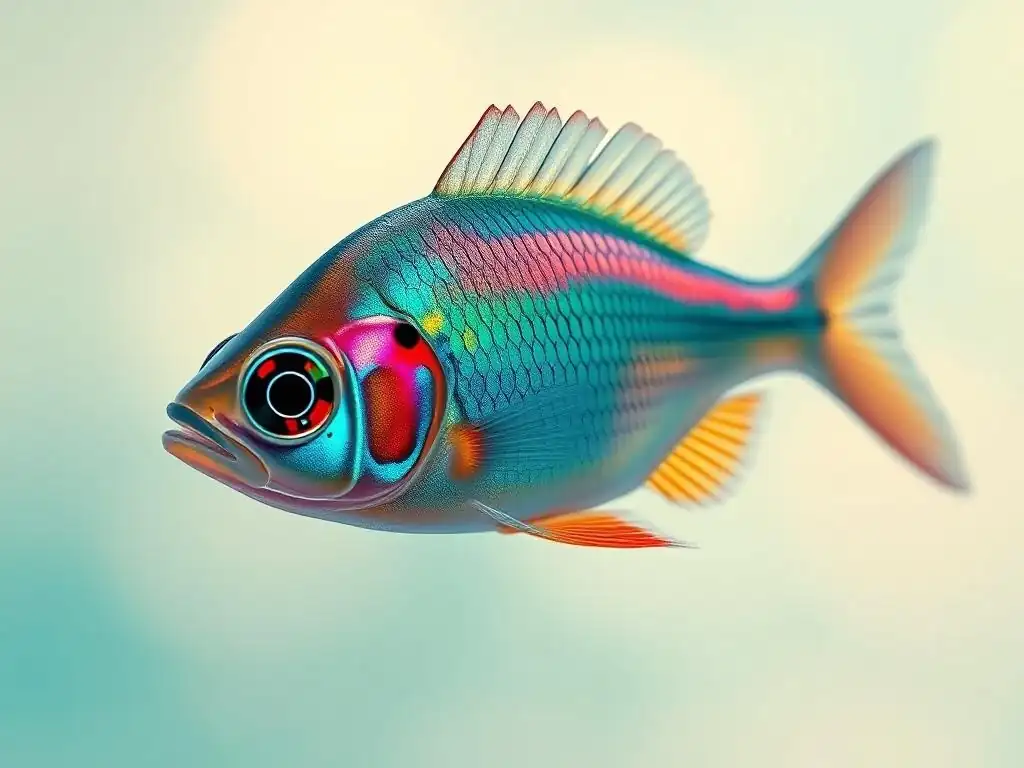
Schooling behavior is one of the most fascinating and vital social cues exhibited by many fish species, particularly small, open-water dwellers like Tetras. It involves a highly coordinated, synchronized movement of a group, where individuals maintain a relatively fixed distance from each other and move as a unified entity. This behavior serves dual primary purposes: enhanced protection against predators and improved efficiency in foraging and social interaction. A large, cohesive school presents a confusing target to predators, making it harder for them to single out an individual.
For a healthy school of Cardinal Tetras, observing their tight, fluid schooling is a clear indicator of their well-being and comfort in the aquarium. When they feel secure, they will exhibit strong, organized schooling Tetra behavior, moving together in unison. Conversely, if the school breaks apart frequently, or individual fish isolate themselves, it can be a significant Tetra behavior stress signal, indicating a perceived threat, illness, or inadequate group size. Maintaining an appropriate school size (typically 6-10+ individuals for most Tetra species) is crucial for them to exhibit natural schooling behavior and feel secure.
Dominance Displays: Establishing Hierarchy within the Aquarium
Within many fish communities, even among generally peaceful species, subtle dominance displays are a common social cue used to establish a hierarchy. These displays are typically non-violent and involve behaviors such as flaring fins, body posturing, or chasing other fish for short distances without causing injury. The purpose of these displays is to establish a pecking order, which helps in reducing overall aggression by defining roles and access to resources like food or preferred territories.
For example, in a school of Congo Tetras, you might observe a slightly larger or bolder individual temporarily chasing another away from a prime feeding spot. This is normal Tetra behavior for establishing temporary dominance. However, if these displays escalate into prolonged chasing, fin nipping, or constant harassment, it transitions from a normal social cue to a significant Tetra behavior stress signal. Such escalation often indicates underlying issues like overcrowding, insufficient hiding places, or an imbalance in the male-to-female ratio, disrupting the natural social dynamics and causing chronic stress for the submissive fish.
Breeding Behavior: Recognizing Courtship and Spawning
Breeding behavior is a complex and fascinating set of social cues that indicate a fish's readiness to reproduce and its overall well-being. These behaviors vary widely between species but often involve elaborate courtship rituals, specific territorial displays, and distinct spawning acts. Recognizing these cues is not only rewarding for the aquarist but also confirms that the fish are thriving in their environment, as reproduction is often inhibited by stress or suboptimal conditions.
For many Tetras, breeding behavior can include synchronized swimming, gentle nudging, or a male flaring his fins to display vibrant colors to a female. For example, during spawning, some Tetra species like the Neon Tetra will scatter eggs among fine-leaved plants, and the pair might exhibit a trembling motion.
Observing these specific Tetra behavior patterns for courtship and spawning indicates that the water parameters are optimal, the fish are well-fed, and they feel secure enough to engage in such a vulnerable activity. Conversely, a complete absence of breeding activity in a healthy, mature group that has suitable conditions can be a subtle Tetra behavior stress signal, suggesting that some environmental factor is preventing them from feeling secure enough to reproduce.
Specific Fish Species and Their Unique Behaviors
Betta Behavior: Distinctive Traits and Territorial Habits
Betta fish, scientifically known as Betta splendens, are renowned for their striking beauty and equally distinctive behaviors. Unlike many schooling fish, Bettas are highly territorial, especially the males. A male Betta's primary behavioral trait is its aggression towards other males of its species, and often towards fish with similar flowing fins or vibrant colors, which they perceive as rivals. This territoriality is expressed through dramatic flaring of their gills and fins, displaying their full size and vibrant coloration as a warning.
Beyond aggression, Bettas exhibit a unique "bubble nesting" behavior, where males construct elaborate nests of bubbles at the water's surface to house eggs. This behavior is a strong indicator of a healthy, comfortable male Betta ready to breed.
They also display curious exploration, often inspecting every part of their tank, and can even learn to recognize their owners. However, a stressed Betta might show clamped fins, faded colors, or lethargy, often due to an inadequate tank size (less than 5 gallons), poor water quality, or being housed with aggressive tank mates, highlighting the importance of understanding these specific stress signals for this popular species.
Guppy Behavior: Differences and Similarities to Livebearers
Guppies ( Poecilia reticulata) are popular livebearing fish known for their vibrant colors, active nature, and prolific breeding. As livebearers, their reproductive behavior differs significantly from egg-laying Tetras; instead of scattering eggs, females give birth to live fry. This difference influences their social dynamics, as males are almost constantly attempting to court females, often displaying elaborate fin movements and chasing. This incessant pursuit can sometimes stress females if there aren't enough hiding places or if the male-to-female ratio is unbalanced (ideally 1 male to 2-3 females).
Similar to Tetras, healthy Guppies are active swimmers, exploring all levels of the tank and eagerly responding to feeding. They are generally peaceful community fish, but males will often engage in non-aggressive sparring displays. However, like other fish, Guppies will show stress signals such as clamped fins, lethargy, or hiding if water quality is poor, the tank is overcrowded, or they are harassed by aggressive tank mates. Recognizing these commonalities and differences in behavior between livebearers and egg-layers helps aquarists provide species-appropriate care and identify signs of distress.
Corydoras Behavior: Observing their Peaceful Nature
Corydoras catfish, often simply called "Corys," are beloved for their peaceful demeanor and distinctive bottom-dwelling behaviors. Unlike mid-water swimming Tetras, Corys are primarily scavengers, constantly sifting through the substrate with their barbels in search of food. This constant activity at the bottom of the tank is a characteristic and healthy behavior. They are schooling fish, preferring to be in groups of at least six individuals, and will often rest together or forage in unison, displaying a calm and non-aggressive social dynamic.
A unique Corydoras behavior is their occasional darting to the surface for a quick gulp of air, a normal adaptation that allows them to supplement oxygen intake through their intestines. This should not be confused with gasping at the surface due to insufficient dissolved oxygen, which would be a stress signal.
A stressed Corydoras might hide excessively, appear lethargic, or develop red streaks on its body, often due to poor substrate choice (sharp gravel can damage their barbels), inadequate group size, or poor water quality. Observing their natural scavenging and schooling helps distinguish healthy behavior from subtle signs of distress.
Cichlid Behavior: Understanding Aggression and Territory
Cichlids are a diverse family of fish known for their intelligence, complex social structures, and often, their pronounced territorial and aggressive behaviors. Unlike the generally peaceful schooling Tetra behavior, many Cichlid species, especially larger ones, will actively defend their chosen territory from perceived intruders, including other fish. This territoriality is a fundamental aspect of their social cues, manifesting as chasing, fin nipping, and even physical confrontation to establish dominance and secure breeding grounds.
Common Cichlid behavior includes digging pits in the substrate, moving decorations, and intense courtship rituals where males display vibrant colors and engage in elaborate dances to attract females. While some aggression is normal for many Cichlid species, excessive or unprovoked aggression that causes injury or severe stress to tank mates is a stress signal indicating an inappropriate tank setup, overcrowding, or incompatible species.
Understanding the specific aggressive tendencies and territorial needs of individual Cichlid species is paramount to prevent chronic stress and ensure a harmonious environment, especially when considering them as tank mates for smaller, more peaceful fish like Tetras.
Preventing Stress and Promoting Healthy Fish Behavior
Maintaining Optimal Water Parameters: Regular Testing and Water Changes
Maintaining optimal water parameters is the cornerstone of preventing stress and promoting healthy fish behavior in any aquarium. Stable and appropriate levels of temperature, pH, hardness, and the absence of toxic compounds like ammonia and nitrite are critical for a fish's physiological well-being. Fluctuations or the presence of pollutants directly impact their health, leading to weakened immune systems and susceptibility to disease. Regular water testing provides the necessary data to monitor these parameters effectively.
For example, most Tetras thrive in slightly acidic to neutral water (pH 6.0-7.5) with stable temperatures around 72-78°F (22-26°C). Using a reliable test kit to check ammonia, nitrite, nitrate, and pH weekly or bi-weekly allows aquarists to identify deviations before they become critical stress signals. Performing regular partial water changes (e.g., 25-30% weekly) helps dilute accumulated nitrates and replenish essential minerals, significantly reducing the likelihood of Tetra behavior stress signals caused by deteriorating water quality and ensuring a consistently healthy environment.
Providing Adequate Space and Hiding Places: Creating a Comfortable Environment
Providing adequate space and sufficient hiding places is fundamental to preventing stress and encouraging natural, healthy fish behavior. Overcrowding, as discussed, is a major stressor, leading to aggression and suppressed immune systems. Beyond mere volume, the layout of the tank is crucial; fish need open swimming areas as well as secure retreats where they can feel safe from perceived threats or rest undisturbed. This balance is key to mimicking their natural habitats.
For schooling fish like Tetras, a tank that is long rather than tall (e.g., a 20-gallon long instead of a 20-gallon high) is often preferred, as it offers more horizontal swimming space for their characteristic Tetra behavior. Additionally, incorporating dense plant cover, driftwood, or rock formations provides essential hiding spots. If a stressed Tetra can retreat and feel secure, its stress signals are less likely to escalate into full-blown illness. Offering these environmental enrichments drastically reduces overall stress levels, allowing fish to exhibit their natural behaviors and thrive.
Choosing Compatible Tank Mates: Avoiding Aggression and Bullying
Choosing compatible tank mates is a critical step in preventing stress and fostering a peaceful, healthy aquarium community. Incompatibility, whether due to size differences, temperament clashes, or specific territorial needs, often leads to chronic bullying, fin nipping, and severe stress for the targeted fish. Researching the adult size, aggression levels, and preferred water parameters of all potential inhabitants before introduction is essential to prevent future problems.
For peaceful schooling fish like many Tetras, it is vital to avoid housing them with overly aggressive or predatory species. For instance, while a Betta might seem peaceful at the store, some individuals can be highly aggressive towards Tetras, causing constant Tetra behavior stress signals like hiding, faded colors, and fin damage.
Similarly, large Cichlids may view smaller Tetras as food. Opting for other peaceful community fish of similar size and temperament, such as Corydoras catfish, Otocinclus catfish, or other small, non-aggressive schooling fish, will significantly reduce stress and allow your Tetras to display their natural, healthy Tetra behavior without fear of harassment.
Acclimation Procedures: Introducing New Fish to the Aquarium
The process of acclimating new fish to an existing aquarium is a crucial step often overlooked, yet it plays a vital role in preventing severe stress and potential health issues. Abruptly introducing a fish from its transport bag directly into a tank with different water parameters (temperature, pH, hardness) can cause severe osmotic shock, leading to immediate stress signals and even death. Proper acclimation allows the fish to gradually adjust its physiology to the new environment.
The drip acclimation method, where small amounts of tank water are slowly added to the bag over an hour or more, is highly recommended for sensitive species like Tetras. This gradual mixing helps to equalize water chemistry parameters with minimal shock. During this time, observing the new fish for any immediate Tetra behavior stress signals such as rapid breathing or erratic movements is important. A slow and careful acclimation process significantly reduces the initial stress on the new inhabitants, allowing them to integrate more smoothly into the existing community and begin displaying healthy Tetra behavior sooner.
Advanced Fish Behavior Observation: Becoming an Aquarium Expert
Recognizing Subtle Changes in Behavior Over Time
Becoming an expert in fish behavior involves more than just identifying overt stress signals; it requires the ability to recognize subtle, gradual changes over time. Fish, like any living creatures, can experience chronic, low-level stress that doesn't manifest in immediate, dramatic symptoms but slowly erodes their health. This might include a slight reduction in activity, a marginal decrease in appetite, or a less vibrant coloration that develops over weeks rather than days. These subtle shifts are often the earliest indicators of underlying issues.
For example, a healthy school of Glowlight Tetras might typically occupy the mid-water column, but over several weeks, you might notice them spending slightly more time near the surface or bottom without an obvious reason. This subtle shift in typical Tetra behavior could indicate a very gradual decline in water quality, a slight increase in aggression from a tank mate, or a developing internal issue.
Keeping a mental or physical log of your fish's daily routines and appearance allows you to notice these incremental changes, prompting investigation before a minor problem escalates into a major health crisis, making you more attuned to nuanced Tetra behavior stress signals.
Using Video Recordings to Analyze Fish Interactions
For advanced observation and a deeper understanding of fish behavior, particularly complex social dynamics or subtle stress signals, using video recordings can be an invaluable tool. Our eyes often miss fleeting interactions or quick shifts in behavior, especially in active tanks. A video camera, even a smartphone, can capture these moments, allowing for repeated playback and detailed analysis at a slower pace. This technique can reveal patterns that are otherwise invisible to the naked eye.
For instance, if you suspect subtle bullying among your school of Tetras, a video recording can capture specific instances of chasing, fin nipping, or aggressive posturing that you might miss in real-time. You can analyze the frequency, duration, and participants of these interactions.
Similarly, if you are trying to understand specific Tetra behavior stress signals like intermittent fin clamping or erratic movements, a video can help confirm patterns and severity. By reviewing the footage, you can identify specific triggers, observe the progression of behaviors, and gain insights that lead to more accurate diagnoses and effective interventions for your aquarium's inhabitants.
Consulting with Experienced Aquarists and Veterinarians
Even the most diligent aquarist can encounter perplexing behavioral issues or persistent stress signals that defy easy explanation. At such times, consulting with experienced aquarists or, for more severe or persistent problems, qualified aquatic veterinarians, is an advanced but crucial step. The collective knowledge and diagnostic experience of others can provide invaluable perspectives, identify overlooked factors, or suggest solutions that might not be apparent to an individual.
Experienced aquarists, often found in local fish clubs, online forums, or specialized fish stores, have likely encountered similar Tetra behavior stress signals or complex tank dynamics before. They can offer practical advice, share personal experiences, and help troubleshoot. For serious health concerns, especially when multiple fish are affected or symptoms are severe, an aquatic veterinarian possesses specialized knowledge of fish physiology, pathology, and treatment protocols.
Their ability to conduct proper diagnoses and prescribe medications is often essential. Leveraging these resources demonstrates a commitment to advanced fish keeping and ensures the highest level of care for your Tetras and other aquatic pets.
Frequently Asked Questions
How can I identify stress in my Tetras?
Stress in Tetras can manifest as faded coloration, erratic swimming, or loss of appetite. Observing these changes is crucial for early intervention.
What are the common causes of stress in Tetras?
Common stressors include poor water quality, overcrowding, and incompatible tank mates. Addressing these issues promptly is vital.
Healthy Tetra schools display coordinated swimming, active interaction, and hierarchical dynamics. Absence of these may indicate problems.
How does water chemistry impact Tetra behavior?
Improper water parameters like high ammonia or unstable pH directly affect Tetra behavior, leading to stress and potential illness. Regular water testing is recommended.
What are some proactive steps I can take to minimize stress and promote healthy Tetra behavior?
Maintaining a stable environment, providing adequate space, and choosing compatible tank mates are key to minimizing stress. Offering a varied diet also contributes to their well-being.
Final Reflection: Decoding the Silent Language of Tetras
The insights shared throughout this article highlight the crucial link between understanding Tetra behavior and responsible fishkeeping. Recognizing stress signals and social cues isn't just about keeping fish alive; it's about providing them with an environment where they can thrive, exhibiting their natural behaviors and enriching our own aquariums with their vibrant personalities. In a world increasingly disconnected from the natural world, paying attention to these subtle signals is more important than ever.
This journey into the world of Tetra behavior has profoundly influenced how I view the aquarium, transforming it from a mere decorative piece into a dynamic ecosystem deserving of careful observation and respect. The ability to interpret these subtle cues allows us to become better caretakers, fostering a deeper connection with these fascinating creatures. The greatness of a nation and its moral progress can be judged by the way its animals are treated.
- Mahatma Gandhi. This quote resonates deeply, reminding us that even the smallest creatures deserve our compassion and understanding.
Now, I invite you to reflect on your own aquarium practices. Are you truly seeing your Tetras, or are you simply looking at them? Take the time to observe their interactions, to decipher their stress signals, and to create an environment that caters to their needs. By becoming more attuned to their silent language, you can unlock a deeper appreciation for the beauty and complexity of the underwater world, and become a truly responsible and compassionate aquarist.
Decode Your Tetras: Unlock a Thriving Aquarium!
Thank you for diving into the fascinating world of tetra behavior! We hope you’ve gained valuable insights into understanding their subtle cues. Now, it's time to put that knowledge into action and create an even happier environment for your finned friends.
- Prioritize their comfort: Carefully observe your tetras over the next week, identifying and addressing any stress signals you might have missed.
- Document any observed changes in behavior of your tetras.
- Spread the Tetra Love: Share this article with fellow aquarium enthusiasts to help them better understand their own tetras!
What small adjustment will you make today to create a more enriched life for your tetras?