
Angelfish Lifespan: How to Ensure Your Angels Live a Long, Healthy Life

Welcome to Aquarium Mastery!
Ever wondered how to unlock the secrets to a long and vibrant life for your elegant Angelfish? Our guide, " Angelfish Lifespan: How to Ensure Your Angels Live a Long, Healthy Life," dives deep into the essential care tips you need to know. Curious about creating the perfect environment and diet to maximize their lifespan? Let's explore the fascinating world of Angelfish and ensure your aquatic angels thrive for years to come! Dive in and discover the path to Aquarium Mastery.
- Understanding the Angelfish Lifespan: A Comprehensive Guide
- Maximizing Angelfish Lifespan Through Proper Care
- Angelfish Lifespan Care Tips: A Summary for Aquarium Masters
- Common Mistakes That Shorten Angelfish Lifespan and How to Avoid Them
- Extending Your Angelfish Lifespan: Long-Term Care Strategies
- Conclusion: Enjoying a Long and Fulfilling Life with Your Angelfish
-
Frequently Asked Questions
- How long do Angelfish typically live in an aquarium?
- What are the most crucial care tips to extend an Angelfish's lifespan?
- What are some common diseases that can shorten an Angelfish's life, and how can I prevent them?
- What size tank is recommended to ensure a long and healthy life for Angelfish?
- How important is proper diet for Angelfish lifespan, and what should I feed them?
- Final Reflection: Nurturing Aquatic Angels
- Nurture Your Angel: Extend Their Aquatic Journey!
Understanding the Angelfish Lifespan: A Comprehensive Guide
Angelfish (Pterophyllum scalare), renowned for their graceful fins and striking appearance, are a popular choice for freshwater aquariums. While their beauty is undeniable, many aquarists wonder about the typical Angelfish lifespan. In a well-maintained home aquarium, a healthy Angelfish can live anywhere from 5 to 10 years, with some exceptional cases reaching 12 to 15 years. This longevity, however, is not a given; it is heavily influenced by the quality of care they receive throughout their lives.
Factors such as tank size, water quality, diet, and disease prevention play a crucial role in determining how long your Angelfish will thrive. Unlike their wild counterparts, which face predation and fluctuating environmental conditions, captive Angelfish are entirely dependent on their human caretakers for optimal living conditions. Implementing effective Angelfish lifespan care tips is paramount to ensuring these elegant cichlids enjoy a full and healthy life.
Maximizing Angelfish Lifespan Through Proper Care
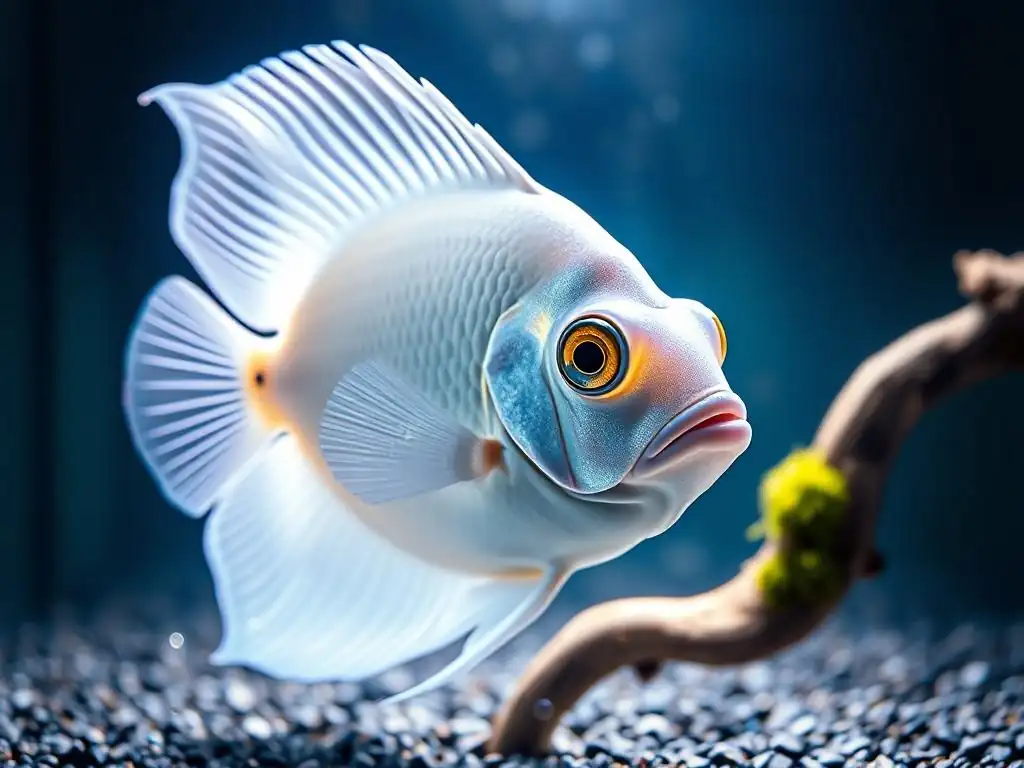
Creating the Ideal Angelfish Habitat for Longevity
Establishing the perfect environment is the cornerstone of extending your Angelfish lifespan. These fish require specific conditions that mimic their natural Amazonian habitat to truly flourish. A stable and appropriate habitat reduces stress, strengthens their immune system, and directly contributes to their overall health and longevity. Neglecting these foundational elements can lead to chronic stress, susceptibility to disease, and ultimately, a significantly shortened Angelfish lifespan.
The meticulous creation of an Angelfish habitat goes beyond just filling a tank with water; it involves a careful balance of space, water chemistry, and environmental stability. For instance, Angelfish, particularly when mature, can grow quite large, with some reaching up to 6 inches in body length and 8 inches in fin height. Providing adequate room for growth and movement, along with consistent water parameters, is vital. This comprehensive approach to habitat management is one of the most critical Angelfish lifespan care tips.
Tank Size Matters: Providing Ample Space for Angelfish
Providing sufficient tank space is absolutely critical for the long-term health and growth of Angelfish. A common guideline suggests a minimum of 20 gallons for a single Angelfish, though a 30-gallon tank is preferable for improved stability and swimming room. For a pair, a 40-gallon breeder tank is often recommended, while a small group of 3-5 Angelfish ideally requires a tank of 55 gallons or larger. This ample vertical space is particularly important due to their tall, disc-shaped bodies, allowing them to swim comfortably and establish territories without undue stress.
Overcrowding is a significant stressor that directly impacts Angelfish lifespan. When too many fish are confined to a small space, aggression increases, waste production overwhelms filtration, and competition for resources intensifies. Studies on fish density have shown that cramped conditions lead to stunted growth, weakened immune systems, and higher susceptibility to diseases like Ich and fin rot, all of which drastically reduce the potential Angelfish lifespan.
Water Parameters: Maintaining Optimal Conditions for Angelfish Health
Maintaining pristine and stable water parameters is arguably the most vital aspect of Angelfish lifespan care tips. Angelfish are particularly sensitive to fluctuations in water chemistry, and even minor changes can cause significant stress, leading to a compromised immune system and increased vulnerability to illness. Regular testing of ammonia, nitrite, nitrate, pH, and temperature is not just a recommendation but a necessity for their long-term well-being.
Consistent water quality prevents the build-up of harmful toxins that silently erode an Angelfish's health. For example, sustained nitrate levels above 20 ppm can cause chronic stress and organ damage over time, significantly shortening the Angelfish lifespan. A proactive approach to water parameter management, rather than reactive treatment of symptoms, is fundamental to their survival and thriving.
Temperature and pH Levels for Angelfish Well-being
Angelfish thrive in warm, slightly acidic to neutral water conditions, mirroring their native South American rivers. The ideal temperature range for Angelfish is typically between 78-84°F (25.5-29°C). Maintaining a stable temperature within this range is crucial, as rapid fluctuations can induce thermal shock and stress, making the fish more susceptible to common diseases such as Ich (white spot disease). A reliable aquarium heater with a thermostat is indispensable for this purpose, ensuring consistency that directly supports a long Angelfish lifespan.
Regarding pH, Angelfish prefer a range of 6.0 to 7.5, with many successful aquarists aiming for slightly acidic conditions around 6.5-7.0. While Angelfish can adapt to a wider pH range if introduced gradually, sudden shifts are highly detrimental. For instance, a pH drop from 7.0 to 6.0 over a few hours can cause severe stress and even death due to osmotic shock. Consistent monitoring with a reliable test kit, ideally weekly, allows for small, controlled adjustments if needed, preventing stress that would otherwise diminish the Angelfish lifespan.
The Importance of Regular Water Changes for Angelfish
Regular water changes are a non-negotiable component of effective Angelfish lifespan care tips. Performing a 25-30% water change weekly is a widely accepted standard that helps dilute accumulated nitrates, phosphates, and other dissolved organic compounds that build up over time. Even with efficient filtration, these harmful substances can reach toxic levels if not physically removed, gradually poisoning your fish and severely shortening their Angelfish lifespan.
Beyond removing toxins, water changes also replenish essential trace minerals and electrolytes that are vital for osmoregulation and overall metabolic function. For example, a 55-gallon Angelfish tank undergoing weekly 25% water changes will consistently remove approximately 50-70 ppm of nitrates over a month, preventing chronic exposure to harmful levels. This routine practice maintains the pristine water quality necessary for a robust immune system and vibrant health, directly contributing to a long and healthy Angelfish lifespan.
Angelfish Diet and Nutrition for Extended Lifespan
Proper nutrition is a cornerstone of Angelfish lifespan care tips, directly impacting their growth, coloration, immune system, and overall vitality. A varied and balanced diet ensures they receive all the necessary vitamins, minerals, and macronutrients required for long-term health. Feeding a monotonous diet or providing low-quality food can lead to nutritional deficiencies, stunted growth, and a weakened immune response, making them prone to illness and shortening their potential Angelfish lifespan.
Just like humans, Angelfish benefit from a diverse intake of nutrients. Their natural diet in the wild consists of small crustaceans, insect larvae, and plant matter, highlighting the need for a varied diet in captivity. Understanding the right types of food, appropriate feeding frequencies, and portion control are all essential elements of a comprehensive nutritional strategy designed to maximize Angelfish lifespan.
Feeding Frequency and Portion Control for Angelfish
Correct feeding frequency and portion control are crucial for maintaining optimal Angelfish health and preventing common issues that shorten their lifespan. For juvenile Angelfish, feeding 2-3 times a day is often recommended to support their rapid growth. Adult Angelfish, however, typically thrive on 1-2 feedings per day. The key is to offer only what they can consume completely within 2-3 minutes. Any uneaten food quickly breaks down, contributing to ammonia and nitrite spikes, which are highly toxic and detrimental to water quality, directly impacting the Angelfish lifespan.
Overfeeding is a prevalent mistake that not only fouls the water but can also lead to digestive problems in the fish themselves, such as swim bladder issues or fatty liver disease. For instance, if you notice food sinking to the bottom or decaying in the substrate after a few minutes, you are likely overfeeding. Adjusting portions to just a pinch or two for a small group of Angelfish, ensuring no food remains, is a simple yet effective Angelfish lifespan care tip.
The Best Foods to Promote Angelfish Health and Longevity
A varied diet is paramount for promoting robust health and extending the Angelfish lifespan. While high-quality flakes or pellets should form the staple of their diet, supplementing with a range of other foods ensures they receive a full spectrum of nutrients. Look for staple foods that list fish meal, shrimp meal, or spirulina as primary ingredients, indicating a good protein source and beneficial plant matter.
Incorporating diverse food types prevents nutritional deficiencies and stimulates their natural foraging instincts. For example, offering a mix of flakes on Monday, frozen bloodworms on Wednesday, and live brine shrimp on Friday provides both essential nutrients and environmental enrichment. This balanced approach to nutrition is a fundamental Angelfish lifespan care tip that directly contributes to their vitality and long-term well-being.
Live Foods vs. Flake Foods: What's Best for Angelfish?
Both live foods and high-quality flake/pellet foods have their place in an Angelfish's diet, and the "best" approach involves a combination of both for optimal Angelfish lifespan. High-quality flakes and pellets, such as those from reputable brands like Hikari or Omega One, provide a convenient and nutritionally complete base. They are often fortified with essential vitamins and minerals, ensuring a consistent intake of necessary nutrients without the risks associated with live foods. These processed foods should constitute the majority of their daily intake, providing a stable foundation for their health.
Live foods, including brine shrimp, bloodworms, daphnia, and small insect larvae, offer significant benefits as supplementary meals. They are highly palatable, stimulate natural hunting behaviors, and provide a rich source of protein and fat that can enhance coloration and conditioning, particularly for breeding. However, live foods can also carry parasites or diseases if not sourced from a reputable supplier, posing a risk to your tank's inhabitants. Therefore, while live foods are excellent for occasional treats and conditioning, they should be used cautiously and balanced with the reliable nutrition provided by high-quality prepared foods to ensure a long Angelfish lifespan.
Supplementing Your Angelfish Diet with Vitamins and Minerals
Even with a varied diet, supplementing your Angelfish's food with additional vitamins and minerals can provide an extra layer of protection and significantly contribute to their Angelfish lifespan. Many commercially available fish foods are fortified, but over time, some nutrients can degrade, or specific needs might arise. Liquid vitamin supplements, designed to be soaked into dry foods or added directly to the water (in specific doses), can ensure a consistent intake of vital micronutrients. For instance, Vitamin C is crucial for immune system function and wound healing, while B vitamins play a role in metabolism and stress reduction.
Minerals, such as calcium and magnesium, are also essential for bone health, osmoregulation, and proper nerve function. While some minerals are present in tap water or are added during water changes, specific trace mineral supplements can be beneficial, especially in soft water regions. For example, products like Seachem's Vitachem or Kent Marine's Essential Elements offer a broad spectrum of necessary supplements. Incorporating these into your Angelfish lifespan care tips can help prevent deficiency-related issues, bolster their natural defenses, and promote overall vigor, leading to a longer, healthier life.
Preventing Angelfish Diseases and Promoting Overall Health
Disease prevention is a critical, often underestimated, aspect of Angelfish lifespan care tips. While proper habitat and nutrition lay the groundwork, proactive measures against common pathogens are essential. A robust immune system, fostered by ideal conditions, is the first line of defense, but vigilance and preparedness for common ailments are equally important. Ignoring early signs of disease or failing to implement preventative protocols can quickly lead to widespread illness and significant reduction in Angelfish lifespan within your aquarium.
Understanding the common diseases that affect Angelfish, knowing how to identify their symptoms, and implementing effective quarantine procedures are vital skills for any aquarist aiming to maximize Angelfish longevity. A clean tank environment, coupled with careful observation, forms the backbone of a successful disease prevention strategy, ensuring your fish remain healthy and resilient.
Recognizing Common Angelfish Diseases and Symptoms
Early recognition of common Angelfish diseases and their symptoms is paramount for successful treatment and extending Angelfish lifespan. One of the most prevalent is Ich (Ichthyophthirius multifiliis), characterized by small, white spots resembling salt grains on the body and fins, accompanied by flashing or rubbing against tank decorations. Another common ailment is Fin Rot, which presents as frayed, ragged, or disintegrating fins, often with a white or red edge, usually caused by bacterial infection in poor water conditions.
Other serious conditions include Dropsy, identified by a severely bloated body and protruding scales (pineconing), often indicative of internal organ failure or bacterial infection, and Velvet (Oodinium), which appears as a fine, dusty, yellowish or brownish coating on the fish's skin, typically accompanied by rapid breathing and lethargy. For example, if you observe an Angelfish with clamped fins and labored breathing for more than 24 hours, these could be early signs of stress or an oncoming disease like gill flukes, requiring immediate action to prevent further decline and preserve their Angelfish lifespan.
Quarantine Procedures for New Angelfish to Prevent Disease Spread
Implementing a strict quarantine procedure for all new Angelfish before introducing them to your main display tank is one of the most effective Angelfish lifespan care tips to prevent disease outbreaks. A dedicated quarantine tank, ideally 10-20 gallons, equipped with its own heater and filter, should be set up for this purpose. New fish should be housed in this separate tank for a minimum of 2-4 weeks. During this period, observe them closely for any signs of illness, such as lethargy, clamped fins, spots, or abnormal behavior.
This isolation period allows any latent diseases to manifest without infecting your established fish. For example, Ich often has a lifecycle of 3-7 days at typical Angelfish temperatures, so a 2-week quarantine period provides ample time for it to become visible and be treated. If any symptoms appear, the fish can be treated in the quarantine tank, preventing the need to medicate your entire display aquarium and protecting the health and Angelfish lifespan of your existing inhabitants.
Maintaining a Clean and Healthy Tank to Prevent Angelfish Illness
Maintaining a consistently clean and healthy tank environment is fundamental to preventing Angelfish illness and ensuring a long Angelfish lifespan. Poor water quality is the leading cause of stress and disease in aquarium fish, as it weakens their immune systems and allows opportunistic pathogens to thrive. Regular weekly water changes of 25-30%, as previously discussed, are crucial for diluting nitrates and removing accumulated organic waste.
Beyond water changes, effective filtration is indispensable. Ensure your filter media (mechanical, biological, and chemical) is functioning optimally and cleaned or replaced as per manufacturer recommendations. For instance, rinsing mechanical filter media in old tank water during water changes prevents clogging and maintains proper flow, while preserving beneficial bacteria. Additionally, vacuuming the substrate regularly removes uneaten food and detritus, preventing the anaerobic pockets that can harbor harmful bacteria. A well-maintained tank environment minimizes stressors and pathogen loads, allowing your Angelfish to allocate their energy to growth and health, significantly extending their Angelfish lifespan.
Selecting Healthy Angelfish to Begin With
The journey to a long Angelfish lifespan begins even before you bring your fish home. The initial selection process is a crucial Angelfish lifespan care tip, as acquiring a healthy specimen from a reputable source significantly increases its chances of thriving in your aquarium. A fish that is already stressed, diseased, or genetically weak at the point of purchase is far more likely to succumb to illness and have a significantly shortened life, regardless of the care it receives afterward.
Taking the time to carefully observe fish at the store or research breeders can save you heartache and expense in the long run. Knowing the tell-tale signs of a healthy Angelfish and understanding what to look for in a reputable supplier are invaluable skills for any aspiring Angelfish keeper. This proactive approach lays a strong foundation for a vibrant and enduring Angelfish lifespan.
Identifying Signs of a Healthy Angelfish Before Purchase
When selecting Angelfish, keen observation is key to identifying healthy specimens that are likely to enjoy a long Angelfish lifespan. Look for fish that are active and alert, swimming freely and gracefully, rather than hiding or staying motionless at the bottom. Their fins should be fully extended, erect, and free of any tears, nips, or signs of fin rot; clamped fins are a clear indicator of stress or illness. The body should appear full and well-rounded, without any signs of emaciation or bloating, and scales should lie flat against the body, not protruding (a sign of Dropsy).
Examine their eyes, which should be clear and bright, not cloudy or sunken. Check for any visible spots, lesions, fungal growths, or parasites on their skin or gills. For example, small white dots on the body or fins indicate Ich, while a fuzzy white growth might suggest a fungal infection.
Also, observe their breathing; it should be calm and regular, not rapid or labored. Finally, take a moment to assess the overall health of the tank they are in; if other fish in the tank are sick or dead, it's best to avoid purchasing from that tank, as diseases can spread rapidly, potentially compromising your new Angelfish lifespan.
Choosing Angelfish from Reputable Breeders or Stores
The source of your Angelfish plays a critical role in their potential Angelfish lifespan. Opting for reputable breeders or well-regarded local fish stores significantly increases your chances of acquiring healthy, genetically sound fish. Reputable sources typically maintain cleaner tanks, practice proper quarantine procedures for incoming fish, and have knowledgeable staff who can answer your questions about the fish's origin, diet, and care requirements.
When visiting a store, observe the general cleanliness of their tanks; clear water, minimal dead fish, and active, vibrant inhabitants are good signs. A breeder, on the other hand, might offer more detailed information about the specific lineage and genetic health of their fish, which can be beneficial, especially if you are interested in rare varieties or breeding.
For example, a good breeder will often share details about the parent fish's health and temperament, offering insights into the potential Angelfish lifespan and disposition of the offspring. Avoiding impulse buys from unkempt tanks or unknown sources is a crucial Angelfish lifespan care tip that protects both your investment and the well-being of your new aquatic companions.
Angelfish Lifespan Care Tips: A Summary for Aquarium Masters
For those dedicated to mastering the art of aquarism, a comprehensive understanding of Angelfish lifespan care tips is essential. While the previous sections delved into the specifics, it's beneficial to consolidate the most critical factors influencing their longevity. This summary serves as a quick reference for ensuring your Angelfish not only survive but truly thrive, reaching the upper limits of their potential lifespan.
Beyond the basics, experienced aquarists can further optimize conditions, considering advanced factors like breeding impacts and genetic predispositions. These nuanced Angelfish lifespan care tips contribute to a deeper appreciation and more successful long-term stewardship of these magnificent fish.
Key Factors Influencing Angelfish Longevity: A Quick Recap
To truly maximize Angelfish lifespan, several key factors consistently emerge as paramount. Firstly, pristine water quality is non-negotiable; this involves maintaining stable temperatures (78-84°F), appropriate pH levels (6.0-7.5), and performing consistent weekly water changes (25-30%) to keep ammonia, nitrite, and nitrate levels at or near zero. Secondly, adequate tank size is crucial, with a minimum of 20 gallons for a single fish and larger tanks (55+ gallons) for groups, ensuring ample space for growth and reducing stress.
Thirdly, a varied and nutritious diet is essential, combining high-quality flakes/pellets with regular supplements of live or frozen foods like bloodworms and brine shrimp. Lastly, proactive disease prevention, including strict quarantine for new fish and vigilant observation for symptoms, significantly reduces health risks. Adhering to these fundamental Angelfish lifespan care tips creates an environment where Angelfish can flourish, often reaching and even exceeding the average 5-10 year lifespan.
Advanced Angelfish Care for Experienced Aquarists
For experienced aquarists seeking to further enhance Angelfish lifespan, delving into advanced care considerations can yield significant benefits. These strategies move beyond basic husbandry, addressing more subtle influences on longevity. One key area involves understanding the metabolic demands and potential stresses associated with breeding, which can impact a fish's overall health trajectory.
Furthermore, recognizing the role of genetics in a fish's inherent resilience and potential lifespan allows for more informed selection and breeding practices. These advanced Angelfish lifespan care tips represent a commitment to optimizing every aspect of their well-being, pushing the boundaries of what's possible in captive care.
Breeding Considerations and Lifespan
While breeding Angelfish can be a rewarding experience, it's important for experienced aquarists to understand that it can place significant stress on the fish, potentially impacting their Angelfish lifespan. The act of spawning, guarding eggs, and caring for fry requires immense energy expenditure from both male and female Angelfish. Frequent breeding cycles, especially without adequate recovery periods, can deplete their reserves, weaken their immune systems, and make them more susceptible to disease.
To mitigate this, provide breeding pairs with optimal nutrition, including high-protein live and frozen foods, and maintain impeccable water quality. For example, some breeders provide a "rest period" by lowering the water temperature slightly or separating the pair for a few weeks after a successful spawn to allow them to recover. Thoughtful management of breeding activity, prioritizing the health of the parent fish over continuous spawning, is a nuanced Angelfish lifespan care tip that contributes to their overall longevity.
Genetic Factors and Lifespan
Genetic factors play an undeniable role in determining an individual Angelfish's potential Angelfish lifespan and overall resilience. Just like in any species, some Angelfish are naturally predisposed to be hardier and live longer due to their genetic makeup, while others may carry genetic weaknesses that make them more susceptible to disease or developmental issues. For example, certain line-bred varieties, developed for specific finnage or color patterns, can sometimes carry recessive genes that compromise their immune system or lead to deformities, potentially shortening their lifespan.
Experienced aquarists and breeders often focus on acquiring fish from strong, healthy bloodlines. This involves researching the reputation of the breeder and inquiring about the health and longevity of their parent stock. While it's impossible to know the full genetic history of every fish, choosing specimens from established breeders known for robust, long-lived Angelfish rather than those solely focused on extreme aesthetics can significantly improve the chances of a long and healthy Angelfish lifespan for your fish.
Common Mistakes That Shorten Angelfish Lifespan and How to Avoid Them
Even with the best intentions, common mistakes can inadvertently shorten an Angelfish's lifespan. These errors often stem from a lack of understanding of the species' specific needs or from neglecting fundamental aquarium husbandry principles. Recognizing and actively avoiding these pitfalls is just as crucial as implementing positive Angelfish lifespan care tips.
From the silent stress of overcrowding to the insidious effects of poor water quality, these mistakes can lead to chronic health issues, weakened immune systems, and premature death. By being aware of these common errors, aquarists can proactively safeguard their Angelfish, ensuring they live a full and vibrant life.
Overcrowding: The Dangers of Too Many Fish in One Tank
Overcrowding is one of the most common and detrimental mistakes that significantly shortens Angelfish lifespan. When too many fish are housed in an inadequately sized tank, it leads to a cascade of negative effects. Firstly, it drastically increases the bioload, meaning more waste is produced than the filtration system can effectively process, leading to rapid accumulation of ammonia, nitrite, and nitrate – all toxic to fish. For example, placing five adult Angelfish in a 20-gallon tank would result in dangerously high levels of waste within days, even with daily water changes.
Secondly, overcrowding creates immense stress due to limited space for swimming and the inability to establish territories, leading to increased aggression among fish. This chronic stress weakens their immune systems, making them highly susceptible to diseases like Ich and bacterial infections. Stunted growth is also a common outcome, where fish remain smaller than their potential size due to stress and poor water quality. Adhering to the recommended tank sizes (e.g., minimum 20 gallons for one, 55+ for a group) is a fundamental Angelfish lifespan care tip to avoid these severe consequences.
Poor Water Quality: The Silent Killer of Angelfish
Poor water quality is arguably the single most significant factor contributing to a shortened Angelfish lifespan, often acting as a "silent killer." Unlike sudden temperature swings, the effects of consistently high levels of ammonia, nitrite, and nitrate can be subtle and cumulative, gradually eroding a fish's health over weeks or months. Ammonia and nitrite, even at low concentrations (e.g., 0.25 ppm), can cause gill damage, internal organ failure, and severe stress, making the fish lethargic and prone to secondary infections.
High nitrate levels (above 20-40 ppm, depending on sensitivity) lead to chronic stress, stunted growth, and a weakened immune system, often manifesting as dull coloration, fin erosion, and increased susceptibility to common diseases like body slime or fungal infections. For instance, an aquarium without regular water changes might see nitrate levels climb to 80-100 ppm or higher within a few weeks, creating a toxic environment. Regular testing with a reliable liquid test kit (not strips) and consistent 25-30% weekly water changes are non-negotiable Angelfish lifespan care tips to prevent this insidious threat.
Incompatible Tank Mates: Avoiding Aggression and Stress
Selecting incompatible tank mates is another common mistake that can severely shorten Angelfish lifespan by creating a perpetually stressful environment. Angelfish, while generally peaceful, are cichlids and can be territorial, especially when mature or breeding. Housing them with known fin-nippers, such as Tiger Barbs or certain types of Tetras (e.g., Serpae Tetras), will inevitably lead to torn fins, chronic stress, and secondary infections, as their long, flowing fins are an irresistible target.
Conversely, placing Angelfish with very small fish, like Neon Tetras (especially if the Angelfish are large adults), can result in the smaller fish being viewed as food. Stress from constant aggression or fear weakens an Angelfish's immune system, making them highly vulnerable to disease. Ideal tank mates include peaceful, similarly sized fish that prefer similar water parameters, such as Corydoras catfish, bristlenose plecos, or larger, peaceful schooling tetras like Rummynose Tetras. Careful research into tank mate compatibility is a vital Angelfish lifespan care tip to ensure a harmonious and stress-free environment.
Extending Your Angelfish Lifespan: Long-Term Care Strategies
Extending your Angelfish lifespan beyond the average requires a commitment to long-term care strategies that evolve with your fish. It's not just about setting up the tank correctly initially, but about consistent, vigilant management and adaptation over time. As Angelfish mature and age, their needs can subtly change, and a truly dedicated aquarist will recognize and respond to these shifts.
These strategies involve proactive observation, consistent health monitoring, and a willingness to adjust routines to match the fish's life stage. By embracing these advanced Angelfish lifespan care tips, you can foster an environment where your Angelfish not only survive but truly thrive for many years.
Regular Health Checks and Observation
Regular health checks and daily observation are cornerstone Angelfish lifespan care tips for identifying potential issues early, which is crucial for successful intervention. Make it a routine to spend a few minutes each day observing your Angelfish closely. Look for any changes in behavior, such as lethargy, hiding more than usual, or erratic swimming patterns. Pay attention to their appetite; a sudden refusal to eat is often one of the first signs of illness.
Physically, inspect their body for any visible signs of disease: clamped fins, white spots, fuzzy growths, discolored patches, or bloating. For example, if an Angelfish that usually greets you at the glass suddenly retreats to a corner and has clamped fins for more than a day, it warrants immediate investigation of water parameters and closer physical examination. Early detection of issues like Ich or fin rot, often within the first 24-48 hours of symptom appearance, drastically increases the chances of successful treatment and prevents a significant reduction in Angelfish lifespan.
Adapting Care to the Angelfish's Age
Adapting your Angelfish lifespan care tips to the specific age of your fish is a sophisticated strategy for maximizing their longevity. Juvenile Angelfish, for instance, require more frequent, smaller feedings (2-3 times daily) to support their rapid growth and development, along with slightly warmer temperatures (around 80-82°F) to accelerate metabolism. Their immune systems are also still developing, making consistent water quality even more critical.
As Angelfish mature into adults (typically after 6-12 months), their growth rate slows, and they may only need feeding once or twice a day. Older Angelfish (5+ years) might exhibit slower movements, reduced appetite, and a higher susceptibility to age-related issues. For these senior fish, maintaining exceptionally stable water parameters, potentially slightly lower temperatures (around 78°F) to slow metabolism, and providing easily digestible, high-quality foods can support their declining systems. Regular monitoring for signs of age-related fin erosion or reduced buoyancy is also important, allowing for proactive adjustments to their environment or diet, thereby extending their comfortable Angelfish lifespan.
Conclusion: Enjoying a Long and Fulfilling Life with Your Angelfish
Ensuring a long and fulfilling Angelfish lifespan is a rewarding endeavor that stems from consistent dedication and informed care. From establishing the perfect habitat with ample space and pristine water parameters to providing a varied, nutritious diet and diligently preventing diseases, every aspect of their environment contributes to their longevity. The Angelfish lifespan care tips discussed, from meticulous water changes and proper feeding to careful fish selection and proactive health monitoring, form a comprehensive guide for any aquarist aiming for success.
By avoiding common pitfalls like overcrowding or incompatible tank mates and by continuously adapting your care strategies to the fish's age, you not only extend their life but also enhance their quality of life. The average Angelfish lifespan of 5-10 years can often be surpassed with diligent adherence to these principles. Ultimately, investing time and effort into these Angelfish lifespan care tips allows you to enjoy the graceful beauty and unique personalities of these magnificent cichlids for many years to come, truly becoming an Aquarium Master.
Frequently Asked Questions
How long do Angelfish typically live in an aquarium?
Angelfish can live for a surprisingly long time with proper care. Their average lifespan is 10-15 years in a well-maintained aquarium, but some have even lived longer. Providing optimal conditions is essential.
What are the most crucial care tips to extend an Angelfish's lifespan?
Maintaining pristine water quality is paramount; regular water changes are crucial. A varied diet, including high-quality flake food and occasional live or frozen treats, is also key to longevity.
What are some common diseases that can shorten an Angelfish's life, and how can I prevent them?
Ich (white spot disease) and fin rot are common. Prevention involves maintaining stable water parameters and quarantining new fish. Early detection and appropriate medication are essential.
What size tank is recommended to ensure a long and healthy life for Angelfish?
Angelfish need ample space to thrive. A minimum of a 55-gallon tank is recommended for a single Angelfish, but larger tanks are preferable, especially for multiple fish.
How important is proper diet for Angelfish lifespan, and what should I feed them?
A balanced diet is extremely important. Offer a mix of flake foods, frozen foods (like bloodworms), and live foods. Variety helps prevent nutritional deficiencies and supports a strong immune system.
Final Reflection: Nurturing Aquatic Angels
The journey of understanding and maximizing Angelfish lifespan extends far beyond simply keeping a fish alive; it's about fostering a thriving ecosystem within our homes and appreciating the delicate beauty of these aquatic angels. The tips and insights shared throughout this article are not just about prolonging life, but about enriching it, both for the Angelfish and for the aquarist who dedicates themselves to their care.
The profound impact of responsible fishkeeping resonates deeply, influencing not only the health of our individual aquariums but also our broader understanding of environmental stewardship. Witnessing the graceful movements and vibrant colors of a healthy Angelfish serves as a constant reminder of the interconnectedness of life and the importance of our role as caretakers. The greatness of a nation and its moral progress can be judged by the way its animals are treated.
- Mahatma Gandhi. This quote, though not specifically about fish, perfectly encapsulates the responsibility we bear when we choose to bring another living being into our lives.
Now, as you embark on or continue your Angelfish keeping journey, I invite you to reflect on the power of informed care. Let the knowledge gained here inspire you to create an environment where your Angelfish can truly flourish, living long, healthy, and fulfilling lives. By embracing these Angelfish lifespan care tips, you're not just keeping fish; you're cultivating a deeper connection with the natural world and contributing to a more compassionate future.
Nurture Your Angel: Extend Their Aquatic Journey!
Thanks for diving deep into the world of Angelfish! We hope you've gained valuable insights into ensuring your angels thrive. Now, let’s turn that knowledge into action and help them live their best lives.
Here’s how:
- Implement a stricter feeding schedule this week. Consistency is key for long-term health!
- Explore our other resources on aquarium plant care to create a richer, more natural environment for your angelfish.
- Share your own Angelfish care tips in the comments below – let's learn from each other!
What specific change are you excited to make for your Angelfish this week?