
What Do Freshwater Snails Eat? Crafting the Perfect Snail Diet

Welcome to Aquarium Mastery!
Ever wondered what those fascinating freshwater snails really need to thrive in your aquarium? Dive into our comprehensive guide, "What Do Freshwater Snails Eat? Crafting the Perfect Snail Diet," and unlock the secrets to a balanced and nutritious diet for your shelled companions. Discover the best freshwater snail food options and ensure your invertebrates live long, healthy, and algae-free lives! Ready to become a true Aquarium Master? Let's get started!
- Understanding Freshwater Snail Nutrition: A Guide for Aquarium Keepers
- Natural Food Sources for Freshwater Snails in the Aquarium
- Supplementing Your Snail's Diet: Commercial Freshwater Snail Food Options
- Homemade Freshwater Snail Food Recipes: DIY Options
- Feeding Strategies for Freshwater Snails: Optimizing Consumption
- Specific Dietary Needs by Snail Species: Tailoring Your Approach
- Troubleshooting Snail Feeding Problems: Addressing Common Issues
- Optimizing Water Parameters for Healthy Snail Feeding Habits
- Conclusion: Crafting the Perfect Freshwater Snail Diet for a Thriving Aquarium
-
Frequently Asked Questions
- What are some good natural food sources for freshwater snails in an aquarium?
- Do freshwater snails require supplemental feeding, even with algae present?
- What types of vegetables are safe and beneficial for freshwater snails to eat?
- Can I feed my freshwater snails the same food as my fish?
- How often should I feed my freshwater snails supplemental food?
- Final Reflection: The Unseen World of Snail Sustenance
- Unlock Your Snail-Keeping Superpowers!
Understanding Freshwater Snail Nutrition: A Guide for Aquarium Keepers
The Importance of a Balanced Diet for Freshwater Snails
A balanced diet is paramount for the health, growth, and longevity of freshwater snails in any aquarium. Proper nutrition ensures robust shell development, supports reproductive capabilities, and strengthens their immune systems, making them less susceptible to diseases. Without adequate and varied freshwater snail food options, snails can suffer from stunted growth, brittle or pitted shells, and overall lethargy, significantly shortening their lifespan.
Furthermore, well-fed snails are more effective at performing their vital roles within the aquarium ecosystem, such as consuming algae and breaking down detritus. Snails that are undernourished may become inactive, cease cleaning, or even starve, while overfeeding can lead to detrimental water quality issues. For instance, a lack of calcium in their diet can lead to severe shell erosion, where the outer layers of the shell visibly degrade, leaving the snail vulnerable.
Key Nutrients for Thriving Freshwater Snails
For freshwater snails to thrive, their diet must provide a range of essential macronutrients. Carbohydrates, primarily sourced from algae and plant matter, are crucial for energy. Proteins, found in biofilm, some commercial foods, and even decaying organic matter, are vital for growth, tissue repair, and reproduction. Fats, also present in various food sources, serve as concentrated energy reserves.
Beyond these macronutrients, micronutrients play an equally critical role. Calcium is by far the most important, directly contributing to the formation and hardness of their shells. Without sufficient calcium, shells become soft, thin, and prone to damage. Other trace elements like magnesium and iodine are also important for various metabolic processes, ensuring the snail's overall vitality and ability to process available freshwater snail food options efficiently.
Natural Food Sources for Freshwater Snails in the Aquarium
Algae: The Cornerstone of a Snail's Diet
Algae serves as the primary natural food source for most herbivorous freshwater snails. In an established aquarium, various forms of algae, including diatoms (brown film), green spot algae, and some types of hair algae, will naturally grow on surfaces like glass, rocks, and plant leaves. Snails constantly graze on these growths, making them effective natural tank cleaners and providing a consistent food supply.
While natural algae is a staple, relying solely on it may not be sufficient for a large snail population or certain species, especially in very clean or newly set up tanks. Supplemental freshwater snail food options often become necessary to ensure all snails receive adequate nutrition and prevent them from resorting to eating live, healthy plants out of hunger.
Identifying Beneficial Algae for Snails
Beneficial algae for snails primarily include diatoms, which form a brownish, powdery film often seen on new tank surfaces, and various forms of green algae, such as green spot algae, which appear as small, hard green dots. Snails efficiently scrape these off surfaces using their radula. Even some softer forms of hair algae, if not excessively overgrown, can be a food source.
To encourage the growth of these beneficial algae without them becoming an unsightly nuisance, moderate lighting periods (e.g., 8-10 hours daily) and consistent water parameters are recommended. Avoiding drastic fluctuations in nutrients can also help promote a healthy, manageable level of algae that provides ample grazing for your snails.
Managing Algae Growth for Optimal Snail Grazing
Maintaining a balance between sufficient algae for snail consumption and preventing unsightly overgrowth is key. One effective strategy is to control lighting: a typical freshwater aquarium benefits from 8-10 hours of light per day, which generally allows for adequate algae growth without promoting explosive blooms. Manual removal of excessive algae from the front glass can also help maintain aesthetics while leaving enough for snails on other surfaces.
Nutrient control is another critical factor. Regular water changes, typically 25-30% weekly, help reduce nitrates and phosphates that fuel algae growth. Avoiding overfeeding fish and other tank inhabitants also minimizes excess nutrients. Certain snail species, particularly Nerite snails, are renowned for their efficiency in consuming specific types of algae, making them excellent natural algae control agents.
Detritus and Biofilm: Microscopic Meals for Snails
Detritus, composed of decaying plant matter, fish waste, and uneaten food particles, along with biofilm—a slimy layer of microorganisms, fungi, and bacteria that forms on all submerged surfaces—constitute significant natural freshwater snail food options. Snails, particularly common species like Ramshorn and pond snails, are highly efficient scavengers, constantly sifting through the substrate and grazing on tank surfaces to consume these microscopic meals.
The presence of a healthy, established substrate and a balanced microbial ecosystem within the aquarium is crucial for providing these food sources. While a tank that is too "clean" might deprive snails of these natural foods, an excessively dirty tank can lead to poor water quality, which is detrimental to all inhabitants, including snails.
Plant Matter: Supplementing Your Snail's Natural Diet
Many herbivorous and omnivorous freshwater snails will also graze on live or decaying plant matter. This provides a valuable source of fiber, vitamins, and minerals that complement their diet of algae and detritus. Species such as Mystery snails are known to nibble on softer plant leaves, especially if other food sources are scarce.
However, it's important to note that not all aquatic plants are equally suitable or safe for snails to consume. Some plants may be too tough, while others could potentially be toxic or contain residues from pesticides. Therefore, careful selection of plants is advisable when considering them as part of your freshwater snail food options.
Safe Aquatic Plants for Snails to Graze On
Several common aquatic plants are generally safe for snails to graze on without causing significant damage to the plant or harm to the snail. These include robust plants like Anubias species, Java Fern, and various Cryptocoryne species (particularly their older, decaying leaves). Softer stem plants like Rotala or Ludwigia might also be lightly grazed, especially if they are not growing vigorously.
These plants are typically resilient enough to withstand light nibbling, or their growth rate outpaces the snails' consumption. Many snails prefer to consume the decaying or older leaves of plants rather than healthy, vibrant ones, making them excellent clean-up crew members for plant detritus.
Avoiding Toxic Plants for Freshwater Snails
While most commonly available aquarium plants are not overtly toxic to snails, there are a few considerations. Plants that have been recently treated with pesticides, often found in plants imported from nurseries, can be harmful. Even some terrestrial plants mistakenly added to an aquarium might contain compounds like high oxalic acid, which could be problematic.
It is crucial to quarantine all new plants for a period of at least two weeks and thoroughly rinse them under running water before introducing them into your aquarium. This practice helps remove any potential pesticide residues or other harmful chemicals, ensuring that your freshwater snail food options remain safe and healthy.
Supplementing Your Snail's Diet: Commercial Freshwater Snail Food Options
Types of Commercial Snail Food Available
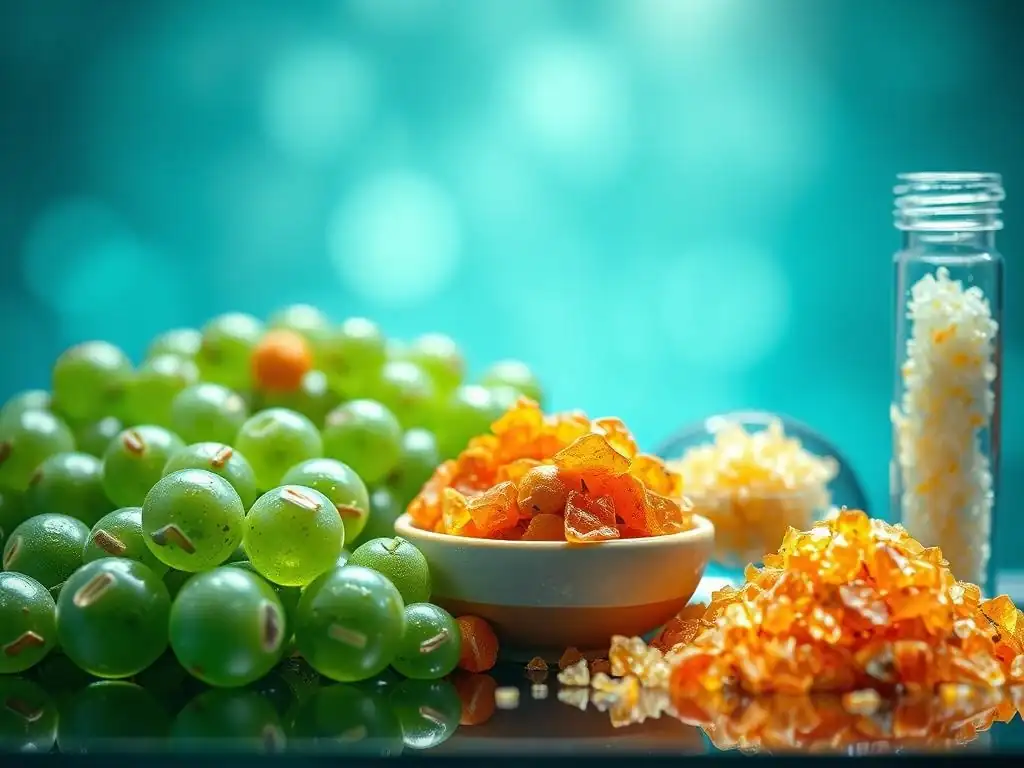
In many aquarium setups, relying solely on natural food sources may not be enough to sustain a healthy snail population, especially in tanks with limited algae growth or a high density of snails. Commercial freshwater snail food options are specifically formulated to provide a balanced and complete diet, ensuring your snails receive all the necessary nutrients for optimal health and growth.
These commercial foods come in various forms, each designed to cater to the feeding habits and preferences of different snail species. Understanding the types available allows aquarists to choose the most appropriate supplementary diet for their shelled companions.
Algae Wafers: A Popular Choice
Algae wafers are among the most popular and widely used commercial freshwater snail food options. These are small, compressed discs primarily made from spirulina algae and other vegetable matter. Designed to sink quickly, they are easily accessible to bottom-dwelling snails and other invertebrates. Algae wafers are highly nutritious, rich in vegetable matter, and often fortified with essential vitamins and calcium, which is crucial for shell development.
Their ease of use and high nutritional value make them a staple in many aquarist's feeding routines. Reputable brands offer a variety of algae wafers, ensuring that even the pickiest of herbivorous snails find them palatable and beneficial.
Sinking Pellets: Ensuring Bottom Feeders Get Their Share
Sinking pellets represent another excellent commercial food option for freshwater snails. These are typically smaller and denser than wafers, designed to sink rapidly to the bottom of the tank, making them ideal for snails that might struggle to compete with faster-moving fish for floating foods. Sinking pellets often contain a mix of vegetable matter, protein, and minerals, providing a more rounded diet for omnivorous snail species.
Their design ensures that bottom-dwelling snails and other invertebrates receive adequate nutrition, preventing them from solely relying on scraps or insufficient natural food sources. This makes them a vital component of diverse freshwater snail food options.
Vegetable-Based Supplements for Snails
Beyond wafers and pellets, various other vegetable-based supplements are available as commercial freshwater snail food options. These can include spirulina flakes, specialized invertebrate foods rich in plant matter, or even dried vegetable mixes. These supplements can be crumbled or offered in small amounts to provide a wider array of vitamins and minerals.
Incorporating these supplements into your snails' diet helps to round out their nutritional intake, offering a broader spectrum of nutrients than solely relying on algae or detritus. This variety contributes to the overall health and vibrancy of your snail population.
Choosing the Right Commercial Food for Your Snail Species
Selecting the appropriate commercial freshwater snail food options is crucial because different snail species have varying dietary needs. For example, Nerite snails are primarily algal grazers and may only readily accept high-quality algae wafers, whereas Mystery snails are more omnivorous and benefit from a diet that includes both vegetable matter and some protein. Assassin snails, being carnivorous, require entirely different protein-rich foods.
Always read the ingredient list on commercial snail foods. For herbivorous snails, look for high vegetable content and calcium fortification. For omnivores, a balanced mix of plant matter and protein is ideal. Understanding your specific snail species' dietary requirements will help you make informed choices that contribute to their long-term health and vitality.
Homemade Freshwater Snail Food Recipes: DIY Options
Blanched Vegetables: A Nutritious Treat
Blanched vegetables are an excellent, cost-effective, and highly nutritious homemade freshwater snail food option. They provide essential vitamins, minerals, and fiber, complementing the snails' natural diet and commercial foods. Blanching makes the vegetables soft enough for snails to consume easily and helps them sink to the bottom of the tank.
This method allows aquarists to offer a fresh, unprocessed food source that many snails readily accept. Preparing blanched vegetables at home gives you full control over the quality and type of food your snails receive, ensuring they are free from preservatives or artificial additives.
Preparing Blanched Vegetables for Snails
The process of blanching vegetables for snails is straightforward. First, bring a small pot of water to a rolling boil. Add the chosen vegetables (e.g., a slice of zucchini or a spinach leaf) and let them boil for 1-2 minutes, just until they become slightly soft but are not mushy. Immediately transfer the blanched vegetables to an ice bath or run them under cold water to stop the cooking process.
Once cooled, the vegetables are ready to be offered to your snails. You can use a veggie clip or a clean rock to weigh them down to ensure they sink. Any uneaten portions should be removed from the tank within 24 hours to prevent water spoilage. Leftover blanched vegetables can be stored in an airtight container in the refrigerator for a few days or frozen for longer-term use.
Best Vegetables for Freshwater Snails: Spinach, Zucchini, and More
Several vegetables are particularly well-suited as homemade freshwater snail food options due to their nutritional content and palatability.
- Spinach: Rich in iron and various vitamins.
- Zucchini: An excellent source of vitamins A and C.
- Cucumber: Provides good hydration and some nutrients.
- Lettuce (Romaine, Green Leaf): Softer varieties that are easily consumed.
- Kale: A nutrient-dense option.
These vegetables are generally soft enough when blanched, nutrient-rich, and readily accepted by most herbivorous and omnivorous snail species. Always opt for organic vegetables when possible to minimize exposure to pesticides.
DIY "Snail Jello" Recipes: A Fun and Nutritious Option
DIY "snail jello" is a customizable and nutrient-dense homemade freshwater snail food option that allows aquarists to create a comprehensive diet in a convenient, long-lasting form. This method involves combining various nutritious ingredients, such as pureed vegetables, calcium powder, spirulina, and sometimes fish flakes or protein sources, into a gelatin base.
The beauty of snail jello lies in its versatility; you can tailor the ingredients to meet the specific dietary needs of your snail species. Once set, the jello can be cut into small, manageable portions that sink readily and are consumed over time, providing a consistent supply of nutrients and reducing waste.
Calcium Supplements: Essential for Shell Health
Calcium is an absolutely critical nutrient for freshwater snails, directly responsible for the strength and integrity of their shells. Without adequate calcium, snail shells can become pitted, thin, and brittle, making them highly susceptible to damage and leading to severe health issues or even death. While some calcium is absorbed from food, direct supplementation is often necessary, especially in areas with naturally soft water.
Ensuring a sufficient supply of calcium is one of the most vital aspects of providing comprehensive freshwater snail food options. This proactive approach helps prevent common shell problems and ensures your snails can maintain their protective outer layer.
Sources of Calcium for Freshwater Snails
Several readily available sources can provide calcium for your freshwater snails:
- Cuttlebone: Often sold for birds, cuttlebone can be added directly to the aquarium. It slowly dissolves, releasing calcium into the water.
- Crushed Eggshells: Thoroughly cleaned, baked, and finely crushed eggshells can be added to the substrate or placed in a mesh bag in the filter.
- Calcium Carbonate Powder: Food-grade calcium carbonate can be mixed into DIY foods like snail jello or sparingly added directly to the water.
- Liquid Calcium Supplements: Designed for aquariums, these provide a convenient way to dose calcium directly into the water column.
These sources work by slowly releasing calcium into the aquarium water, making it available for snails to absorb through their gills or ingest while grazing.
Ensuring Adequate Calcium Levels in Your Aquarium
To ensure adequate calcium levels for your snails, it's essential to regularly monitor your aquarium's water hardness, specifically General Hardness (GH) and Carbonate Hardness (KH), as well as pH. The ideal GH for most freshwater snails is between 8-12 dGH (140-210 ppm), and a pH range of 7.0-8.0. These parameters directly influence the bioavailability of calcium in the water.
If your water tests indicate low GH (below 6 dGH or 100 ppm) or an acidic pH, calcium supplementation is highly recommended. Consistent monitoring and proactive adjustment of water parameters are key to preventing shell degradation and supporting the overall health of your snails.
Feeding Strategies for Freshwater Snails: Optimizing Consumption
How Often to Feed Freshwater Snails
The frequency of feeding freshwater snails largely depends on the available natural food sources (algae, detritus) within your aquarium, the snail species, and their population density. In an established tank with moderate algae and detritus, many snails, especially smaller species like Ramshorns, may not require daily supplemental feeding. For larger species like Mystery snails, or in tanks with limited natural food, feeding 2-3 times a week with commercial or blanched freshwater snail food options is often sufficient.
Overfeeding is a common mistake that can lead to poor water quality. It's generally better to underfeed slightly than to overfeed. Observe your snails' activity and shell condition to gauge if they are receiving enough food.
Identifying Signs of Overfeeding or Underfeeding
Identifying signs of overfeeding or underfeeding is crucial for maintaining a healthy snail population and stable aquarium environment.
- Signs of Overfeeding: Excess uneaten food decaying on the substrate, cloudy water, sudden spikes in ammonia or nitrite, and an uncontrolled population boom of "pest" snails (like bladder snails) are all indicators of too much food. This pollutes the tank and can harm all inhabitants.
- Signs of Underfeeding: Snails becoming unusually inactive or lethargic, their shells appearing dull, pitted, or developing white spots (indicating calcium deficiency), constantly climbing to the water surface (searching for food), or aggressively consuming live, healthy aquarium plants are clear signs they are not receiving enough sustenance. Adjusting freshwater snail food options is necessary in such cases.
Feeding Snails in a Community Tank: Ensuring Everyone Gets Enough
Feeding snails in a community tank can be challenging, as fish and other faster-moving inhabitants often outcompete snails for food. To ensure your snails get their share, consider feeding after the aquarium lights are out, when fish are less active. Placing sinking foods like algae wafers or blanched vegetables directly on the substrate or in a specific, less active area of the tank can also be effective.
If you have a large snail population or very aggressive fish, distributing small portions of sinking freshwater snail food options in multiple spots around the tank can help ensure that all snails have access to food without excessive competition.
Specific Dietary Needs by Snail Species: Tailoring Your Approach
Nerite Snails: Algae Experts with Unique Needs
Nerite snails (e.g., Zebra Nerite, Horned Nerite, Olive Nerite) are highly specialized herbivores, renowned for their exceptional ability to graze on diatoms and various forms of green algae. They are among the most effective algae cleaners in an aquarium. However, a unique aspect of their diet is their strong preference for natural algae; many Nerites will not readily consume commercial freshwater snail food options like algae wafers or blanched vegetables, making their supplemental feeding challenging if natural algae is scarce.
If natural algae is insufficient, offering high-quality algae wafers specifically formulated for bottom feeders may encourage them, though success varies. Despite their specific diet, calcium supplementation remains crucial for their incredibly hard and durable shells, which require a consistent mineral supply.
Mystery Snails: Omnivores with Varied Appetites
Mystery snails (Pomacea diffusa) are omnivores with a much broader and more varied appetite compared to Nerites. They actively consume algae, detritus, decaying plant matter, and readily accept a wide range of commercial freshwater snail food options. Their diet should be diverse to meet their nutritional needs for growth and reproduction.
Their ideal diet includes high-quality algae wafers, sinking pellets that offer a balance of vegetable and some protein content, and blanched vegetables like spinach, zucchini, or kale. If underfed, Mystery snails are more prone to nibbling on live aquarium plants, highlighting the importance of providing ample food.
Ramshorn Snails: Scavengers of the Aquarium
Ramshorn snails (Planorbella spp.) are opportunistic scavengers, making them excellent members of the clean-up crew in most aquariums. Their primary diet consists of algae, detritus, decaying plant matter, and any leftover fish food that reaches the substrate. They are highly adaptable and thrive on the natural resources available in an established tank.
Generally, Ramshorn snails do not require specific supplemental feeding unless their population is exceptionally high or the tank is meticulously clean, lacking sufficient natural food. If supplemental freshwater snail food options are needed, small amounts of algae wafers or blanched vegetables are suitable and readily accepted.
Assassin Snails: Carnivorous Predators
Assassin snails (Anentome helena) stand out from most other common aquarium snails because they are distinctly carnivorous. Their natural diet primarily consists of other snails, making them highly effective biological control for "pest" snail populations like bladder snails or pond snails. They actively hunt and consume their prey, drilling into their shells.
If there are insufficient pest snails in the aquarium to sustain Assassin snails, their diet must be supplemented with protein-rich foods. Suitable freshwater snail food options for Assassin snails include frozen or freeze-dried bloodworms, small pieces of shrimp, or high-protein sinking pellets. Unlike other snails, they show no interest in algae wafers or blanched vegetables.
Troubleshooting Snail Feeding Problems: Addressing Common Issues
Snails Not Eating: Potential Causes and Solutions
If your freshwater snails are not eating, several factors could be at play. An abundance of natural food sources like algae and detritus might mean they simply aren't hungry for supplemental offerings. However, poor water quality (e.g., elevated ammonia or nitrite, extreme pH fluctuations), incorrect water temperature, illness, or stress can also cause a loss of appetite.
To address this, first test your water parameters and perform water changes if necessary to ensure optimal conditions. Confirm the temperature is within the suitable range for your snail species. If natural food is plentiful, reduce supplemental feeding. If food is scarce, try offering different freshwater snail food options or smaller, more frequent portions. Observe your snails closely for any signs of illness or unusual behavior.
Algae Overgrowth Despite Snails: Finding the Balance
Even with a healthy population of algae-eating snails, algae can still overgrow if there's an underlying imbalance in the aquarium. This often points to excessive light exposure, an abundance of nutrients (nitrates and phosphates), or an insufficient number of snails for the tank's bioload and algae production.
Solutions involve addressing the root cause: reduce lighting duration to 8-10 hours per day, ensure regular water changes (e.g., 25-30% weekly) to control nutrient levels, and avoid overfeeding other tank inhabitants. Consider adding more snails if your tank size permits and the existing snail population is struggling to keep up. Manual removal of excessive algae can also provide immediate relief while long-term solutions take effect.
Snail Shell Problems: Dietary Deficiencies and Solutions
Common shell problems in freshwater snails include pitting, erosion, thinness, or the appearance of white spots. These issues are almost universally indicative of a calcium deficiency in their diet or, more commonly, low pH and General Hardness (GH) in the aquarium water, which can actively dissolve their shells.
To resolve shell problems, immediate action is required. Increase calcium supplementation through methods like adding cuttlebone, crushed eggshells, or calcium carbonate to the tank or their freshwater snail food options. Crucially, ensure your water hardness (GH) is adequate, ideally above 6 dGH (100 ppm), and maintain a stable pH between 7.0 and 8.0. Regular monitoring of these water parameters is paramount to prevent and rectify shell degradation.
Optimizing Water Parameters for Healthy Snail Feeding Habits
Water Hardness and pH: Key Factors for Snail Health
Water hardness, specifically General Hardness (GH) and Carbonate Hardness (KH), along with pH, are arguably the most critical water parameters for the health and feeding habits of freshwater snails. Snails require a consistent supply of minerals, particularly calcium and magnesium, from the water column to build and maintain their shells. Soft, acidic water (typically pH below 6.5 and GH below 6 dGH or 100 ppm) can be detrimental, as it lacks these essential minerals and can even cause shells to actively erode.
For most freshwater snails, the optimal range for GH is 8-18 dGH (140-320 ppm), KH 5-12 dKH (90-215 ppm), and a pH between 7.0 and 8.0. Maintaining these parameters ensures that snails can efficiently absorb the necessary minerals from their environment and effectively utilize the nutrients from their freshwater snail food options.
The Role of Water Chemistry in Snail Digestion
Stable and appropriate water chemistry plays a direct role in supporting the overall health and metabolic processes of freshwater snails, including their digestion. When water parameters are consistently within their ideal range, snails experience less stress, which translates to a healthier appetite and more efficient nutrient absorption from their food. Conversely, extreme fluctuations in pH, hardness, or temperature can stress snails, leading to reduced feeding, sluggishness, and inefficient digestion.
Regular water changes, typically 20-30% weekly, are essential for maintaining stable water parameters and removing accumulated waste products. This proactive approach contributes to a clean, healthy environment where snails can thrive, digest their freshwater snail food options optimally, and contribute positively to the aquarium ecosystem.
Conclusion: Crafting the Perfect Freshwater Snail Diet for a Thriving Aquarium
Crafting the perfect diet for freshwater snails is a multifaceted endeavor that involves understanding their natural foraging behaviors, supplementing with appropriate commercial freshwater snail food options, and even utilizing nutritious homemade recipes. From the cornerstone of algae and detritus to the vital inclusion of calcium for robust shells, a balanced dietary approach is paramount for their health and longevity.
Ultimately, a thriving aquarium relies on healthy inhabitants, and well-fed snails are active, vibrant contributors to the ecosystem. By tailoring your approach to the specific needs of each snail species, ensuring consistent water parameters, and providing a diverse array of food sources, you can cultivate a population of flourishing snails that enhance the beauty and balance of your aquatic world.
Frequently Asked Questions
What are some good natural food sources for freshwater snails in an aquarium?
Freshwater snails readily graze on algae that grow on tank surfaces and decorations. They also consume detritus, which is decaying organic matter, contributing to a cleaner tank environment.
Do freshwater snails require supplemental feeding, even with algae present?
While algae is a primary food source, supplemental feeding is often necessary, especially with a large snail population or limited algae growth. Vegetable-based wafers and blanched vegetables provide essential nutrients.
What types of vegetables are safe and beneficial for freshwater snails to eat?
Many vegetables are suitable, including zucchini, cucumber, and spinach. Always blanch them briefly to soften them and make them easier for the snails to consume, and remove uneaten portions within 24 hours.
Can I feed my freshwater snails the same food as my fish?
While some fish food can be consumed by snails, it shouldn't be their primary diet. Opt for foods specifically formulated for invertebrates or those rich in vegetable matter to ensure proper nutrition.
How often should I feed my freshwater snails supplemental food?
The frequency depends on the snail population and algae availability. A good starting point is 2-3 times per week, adjusting as needed based on their feeding behavior and the overall cleanliness of the tank.
Final Reflection: The Unseen World of Snail Sustenance
The exploration of freshwater snail diets, as we've seen, is far more than a simple list of freshwater snail food options. It reveals a complex ecosystem within our aquariums and natural waterways, highlighting the crucial role these often-overlooked creatures play in maintaining balance. Understanding their dietary needs is not just about keeping them alive; it's about fostering a thriving and healthy aquatic environment.
This journey into the world of snail nutrition has underscored the interconnectedness of life, even at the smallest scales. It's reminded me of the importance of mindful observation and the responsibility we have to understand and care for all living things, no matter how seemingly insignificant. The greatness of a nation and its moral progress can be judged by the way its animals are treated.
- Mahatma Gandhi. This quote resonates deeply, reminding us that our compassion extends to the smallest creatures, and their well-being reflects our own.
Now, armed with this knowledge, I invite you to reflect on your own relationship with the natural world. Consider the impact of your choices, both large and small, on the delicate ecosystems around you. Whether you're an aquarium enthusiast or simply a curious observer, let this exploration of freshwater snail diets inspire you to cultivate a deeper appreciation for the intricate web of life and to actively contribute to its preservation.
Unlock Your Snail-Keeping Superpowers!
Thank you for diving into the fascinating world of freshwater snail diets! We hope you’ve discovered some valuable insights into keeping your shelled friends happy and healthy. Now, let's put that knowledge into action!
Here are a few things you can do next:
- Experiment with a new veggie offering this week! Observe your snails' reactions and see what becomes their new favorite treat.
- Share your snail feeding successes (and hilarious fails!) with other snail enthusiasts in online aquarium forums. Learning from each other is key!
- Surprise your snails with a "mystery algae wafer" at the bottom of the tank - what kind will they go for first?
What's the most unexpected food your snails have ever devoured? Share your story in the comments below!