
Choosing Your First Aquarium: A Beginner's NoFail Guide to Tank Selection

Welcome to Aquarium Mastery!
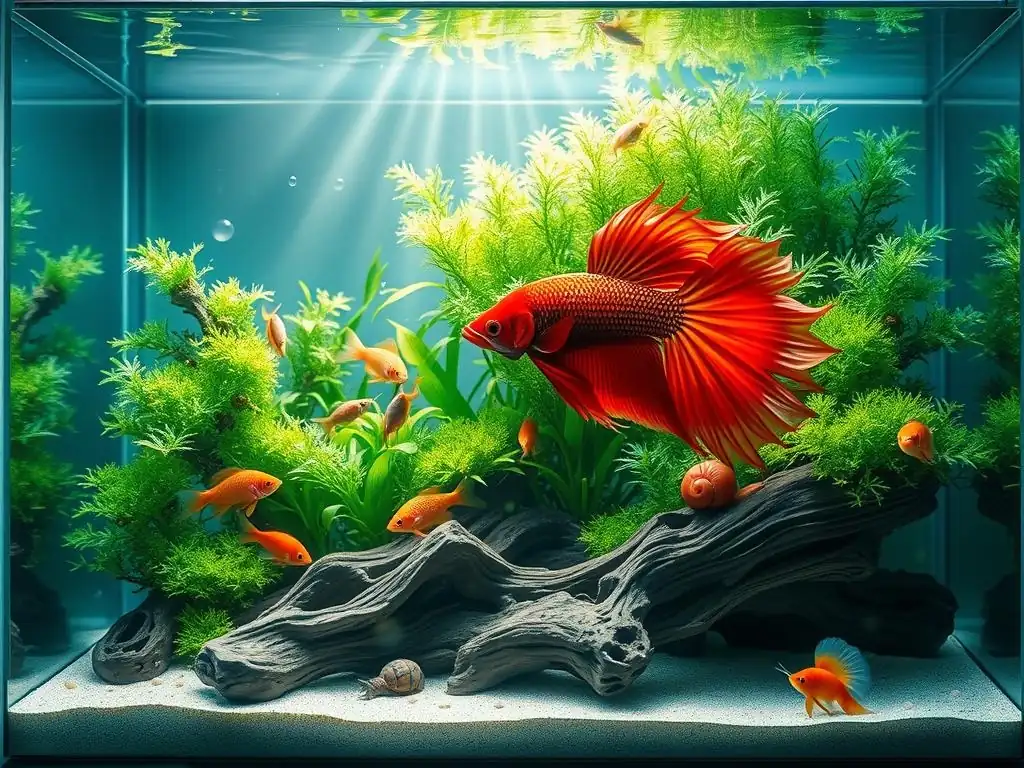
Ready to dive into the fascinating world of aquariums? Starting your first aquarium can feel overwhelming, but it doesn't have to be! This is your launchpad to mastering the art of aquarium keeping. Ever wondered which tank is perfect for a beginner? Our comprehensive guide on beginner aquarium tank selection unveils the secrets to choosing the ideal setup, setting you on the path to a thriving underwater ecosystem. Let's explore the depths together and discover the best tank to kickstart your aquarium journey!
- Beginner Aquarium Tank Selection: An Introduction to Freshwater Aquariums
- Aquarium Size Matters: Selecting the Ideal Tank Size for Beginners
- Aquarium Shapes and Materials: A Beginner's Guide
- Essential Equipment for a Beginner Aquarium Setup
- Beginner Aquarium Tank Selection: Considering Your Fish Selection
- Setting Up Your Beginner Aquarium: A Step-by-Step Guide
- Avoiding Common Mistakes in Beginner Aquarium Tank Selection
- Beginner Aquarium Tank Selection: Cost Considerations
- Where to Buy Your First Aquarium: A Beginner's Guide to Local Fish Stores and Online Retailers
- Conclusion: Mastering Beginner Aquarium Tank Selection for a Thriving Aquatic Ecosystem
-
Frequently Asked Questions
- How do I determine the right size aquarium for a beginner?
- What type of aquarium – freshwater or saltwater – is recommended for beginners?
- What materials should I consider when choosing an aquarium tank?
- What are the essential factors to consider regarding location before setting up my aquarium?
- What type of filtration system is best for a beginner aquarium?
- Final Reflection: Embracing the Aquatic Journey
- Dive Deeper: Start Your Aquarium Adventure Today!
Beginner Aquarium Tank Selection: An Introduction to Freshwater Aquariums
Why Choosing the Right Tank is Crucial for Beginner Aquarists
The initial decision of beginner aquarium tank selection is arguably the most pivotal step for any aspiring aquarist, laying the foundation for either a thriving aquatic ecosystem or a source of perpetual frustration. Many new hobbyists, driven by enthusiasm, often overlook critical factors like tank size, material, and shape, leading to common pitfalls such as unstable water parameters, stressed fish, and increased maintenance demands. For instance, a common mistake is opting for a tank that is too small, such as a 2-gallon "desktop" aquarium.
While seemingly easy to manage, these miniature environments offer minimal water volume, making them highly susceptible to rapid fluctuations in ammonia, nitrite, and nitrate levels. Ammonia spikes, in particular, can become lethal within hours, leading to significant fish loss for a beginner unprepared for such volatility.
A well-considered beginner aquarium tank selection, conversely, provides a robust and forgiving environment, significantly increasing the likelihood of success. A larger water volume, for example, offers greater stability in water chemistry and temperature, acting as a natural buffer against minor fluctuations that might otherwise prove fatal in a smaller setup. This stability reduces stress on fish, promotes healthier growth, and minimizes the frequency of severe water quality emergencies.
For a new aquarist, this translates to a more enjoyable experience, allowing them to focus on the fascinating aspects of fish keeping rather than constantly battling unseen chemical imbalances. Selecting the right tank from the outset truly sets the stage for a rewarding journey into the aquatic world.
Understanding Different Types of Beginner-Friendly Freshwater Aquariums
For those embarking on their first foray into the aquatic hobby, beginner aquarium tank selection often involves choosing from several core types of freshwater setups, each offering unique benefits and considerations. The most common and highly recommended for new aquarists are community aquariums. These tanks are designed to house a peaceful assortment of fish species that coexist harmoniously, typically requiring a minimum tank size of 20 to 30 gallons to provide adequate space and maintain stable water parameters for a diverse group.
Examples of suitable community fish include small tetras like Neon Tetras or Ember Tetras, peaceful bottom-dwellers such as Corydoras catfish, and various livebearers like Guppies or Platies. A 20-gallon long tank, for instance, offers a good footprint for these active swimmers.
Another excellent option for beginner aquarium tank selection is a single-species tank, particularly popular for housing a Betta fish (Siamese Fighting Fish). While often seen in tiny bowls, a Betta thrives in a dedicated 5-gallon tank or larger, providing ample swimming space, stable water conditions, and room for essential filtration and heating. Beyond these, the realm of planted aquariums can also be approached by beginners, focusing on easy-to-grow, low-light plants like Anubias barteri, Java Fern, or Cryptocoryne species.
These plants not only enhance the aesthetic appeal but also contribute to water quality by absorbing nitrates. A 10-gallon tank can serve as a simple planted setup, demonstrating how different tank types cater to varying interests and the specific needs of their inhabitants.
Aquarium Size Matters: Selecting the Ideal Tank Size for Beginners
Small Aquariums: The Pros and Cons for New Hobbyists (5-10 Gallons)
When considering beginner aquarium tank selection, small aquariums, typically ranging from 5 to 10 gallons, often appeal to new hobbyists due to their perceived ease of maintenance, lower initial cost, and minimal space requirements. A 5-gallon tank, for instance, might cost around $50-$70 for the tank itself, making it an accessible entry point. These compact tanks are ideal for a single Betta fish, a small group of shrimp (e.g., 5-10 Cherry Shrimp), or a few snails.
Their small footprint means they can fit comfortably on a desk or bookshelf, making them suitable for apartments or smaller living spaces where a larger tank might be impractical. They also require less water for changes, which can seem less daunting to a beginner.
However, the primary drawback of small aquariums for beginner aquarium tank selection is their inherent instability. With less water volume, any imbalance, such as overfeeding or the death of a fish, can lead to rapid and drastic fluctuations in water parameters, including dangerous spikes in ammonia and nitrite. For example, an uneaten flake of food in a 5-gallon tank can significantly impact water quality within hours, whereas the same amount in a 20-gallon tank would have a much more diluted effect.
This volatility demands more frequent and vigilant monitoring of water parameters, often requiring daily checks with a test kit and potentially multiple small water changes per week (e.g., 25% twice a week). This intensive maintenance can quickly overwhelm a new hobbyist, sometimes leading to early discouragement and even fish loss, despite the initial appeal of a smaller setup.
Medium-Sized Aquariums: A Good Balance for Beginners (20-30 Gallons)
For beginner aquarium tank selection, medium-sized aquariums, typically in the 20 to 30-gallon range, often strike the ideal balance between manageability and stability, making them highly recommended for new hobbyists. A standard 20-gallon long tank, for example, offers dimensions of approximately 30 inches long by 12 inches wide by 12 inches high, providing ample swimming space for a small community of fish and a greater surface area for gas exchange.
The larger water volume in these tanks acts as a significant buffer, absorbing minor fluctuations in water chemistry and temperature more effectively than smaller tanks. This inherent stability translates to less frequent and less drastic water quality issues, allowing beginners more time to learn and react without immediate crisis.
A 29-gallon aquarium, a popular choice, can comfortably house a diverse community, such as a school of 6-8 Neon Tetras, 4-5 Corydoras catfish, and a pair of Dwarf Gouramis, without feeling overcrowded. The increased volume also allows for a wider selection of fish species and aquatic plants, expanding the creative possibilities for aquascaping and biotope creation.
While the initial setup cost for a 20-30 gallon tank might be slightly higher than a 5-gallon (e.g., $80-$150 for the tank alone), the long-term benefits of enhanced stability, reduced stress on fish, and a more forgiving environment for learning proper aquarium husbandry far outweigh this modest increase. This size range offers a more forgiving learning curve, significantly increasing the chances of a successful and enjoyable first aquarium experience.
Aquarium Shapes and Materials: A Beginner's Guide
Glass Aquariums: Affordable and Readily Available
When it comes to beginner aquarium tank selection, glass aquariums are by far the most prevalent and accessible option, primarily due to their affordability and widespread availability. Constructed from tempered glass panels sealed with silicone, these tanks offer excellent clarity that does not diminish over time, providing an unobstructed view of your aquatic inhabitants.
A standard 10-gallon glass tank can often be purchased for as little as $20-$30 during sales, making them an extremely budget-friendly entry point into the hobby. Their robust nature means they are highly scratch-resistant, allowing for vigorous cleaning without fear of marring the viewing surface, a significant advantage for tanks that will be routinely maintained and potentially moved.
Despite their advantages, glass aquariums do have specific considerations for beginner aquarium tank selection. They are considerably heavier than their acrylic counterparts; a 20-gallon glass tank filled with water, substrate, and decor can weigh upwards of 200-250 pounds, necessitating a sturdy, level stand capable of supporting such weight. Furthermore, while highly resistant to scratches, glass is susceptible to chipping or cracking if dropped or subjected to sharp impacts, especially on corners.
Once a crack develops, the structural integrity is compromised, and the tank is typically irreparable. Despite these points, their cost-effectiveness and durability against surface scratches make glass tanks the go-to choice for the vast majority of new aquarists.
Acrylic Aquariums: Lightweight and Durable, But Prone to Scratches
For beginner aquarium tank selection, acrylic aquariums present an alternative to traditional glass, offering distinct advantages in terms of weight and impact resistance. Made from polymethyl methacrylate (PMMA), acrylic tanks are significantly lighter than glass, often weighing 40-60% less for a comparable volume. A 20-gallon acrylic tank, for example, might weigh only 10-15 pounds empty, making it easier to maneuver during setup or relocation.
Their inherent flexibility also makes them far more resistant to shattering or cracking from impacts, offering a degree of durability that can be reassuring, especially in households with active children or pets. This impact resistance is a key safety feature that appeals to many buyers.
However, the primary trade-off for acrylic in beginner aquarium tank selection is its susceptibility to scratching. Even soft cleaning pads or a stray grain of sand can leave visible marks on the surface, which can accumulate over time and diminish clarity. While minor scratches can often be buffed out using specialized acrylic polishing kits, this requires effort and specific products.
Additionally, acrylic tanks tend to be considerably more expensive than glass equivalents, with a 20-gallon acrylic tank potentially costing $150-$250 or more. While they offer superior insulation and can be custom-formed into unique shapes, their higher price point and scratch-prone nature mean that beginners must carefully weigh these factors against the benefits of lighter weight and greater impact resistance.
Choosing the Right Aquarium Shape: Rectangular, Bowfront, Corner Tanks
The shape of an aquarium is another important aspect of beginner aquarium tank selection, influencing not only aesthetics but also the practicalities of fish keeping and placement. Rectangular tanks are the most common and widely recommended shape for beginners. Their straight lines and flat panes offer an undistorted view of the aquatic environment, making it easy to observe fish and diagnose issues.
More importantly, their dimensions (e.g., a 20-gallon long tank's 30"x12" footprint) provide excellent swimming length for fish that prefer horizontal movement, like many schooling tetras, and maximize surface area for gas exchange, which is crucial for oxygenation. They are also the most efficient in terms of space utilization and are readily available with compatible stands and hoods.
Beyond the classic rectangle, other shapes offer specific visual appeals. Bowfront aquariums, for instance, feature a curved front pane that creates a panoramic viewing effect, adding a touch of elegance to beginner aquarium tank selection. While visually appealing, the curved glass can distort the view slightly and make photography more challenging.
Corner tanks are designed to fit snugly into a room's corner, optimizing space in certain layouts, and often have a pentagonal or triangular footprint. While these shapes can be visually striking, they typically offer less linear swimming space compared to a rectangular tank of the same volume, which might be a consideration for fish species that require more open swimming lanes. Ultimately, for most beginners, the practical advantages and proven efficacy of a standard rectangular tank make it the most sensible and forgiving choice.
Essential Equipment for a Beginner Aquarium Setup
Filtration Systems: Keeping Your Aquarium Water Clean
Hang-on-Back (HOB) Filters: Simple and Effective for Beginners
For beginner aquarium tank selection, the filtration system is paramount to maintaining a healthy aquatic environment, and Hang-on-Back (HOB) filters are widely regarded as an excellent starting point for new hobbyists. These external filters are designed to hang on the back rim of the aquarium, drawing water from the tank, processing it through various media, and returning clean water via a waterfall-like spillway.
HOB filters typically offer all three types of filtration: mechanical (sponges or filter floss to remove particles), chemical (activated carbon to remove odors and discoloration), and biological (media that provides surface area for beneficial bacteria to colonize). A popular model like the AquaClear HOB filter, for example, comes with customizable media baskets, allowing beginners to easily replace or add different types of media as needed.
The ease of installation and maintenance makes HOB filters particularly appealing for beginner aquarium tank selection. They require minimal setup, usually just assembling a few parts and priming the filter with water. Maintenance involves periodically rinsing or replacing mechanical media and replacing chemical media every 2-4 weeks, depending on tank load.
For a 20-gallon tank, a HOB filter rated for 30-50 gallons per hour (GPH) is often recommended to ensure adequate water turnover and cleaning. While they take up a small amount of space behind the tank, they leave the inside of the aquarium uncluttered, which is beneficial for aquascaping and providing maximum swimming room for fish. Their reliability and straightforward operation make them a cornerstone of many successful beginner setups.
Sponge Filters: Low-Cost and Ideal for Fry Tanks
Sponge filters represent another highly effective and economical filtration option, particularly well-suited for specific applications within beginner aquarium tank selection, such as fry (baby fish) tanks, quarantine tanks, or as supplemental biological filtration. These filters consist of a porous sponge connected to an air pump via airline tubing. Air bubbles from the pump rise through a lift tube, creating a current that draws water through the sponge.
The sponge itself provides extensive surface area for beneficial nitrifying bacteria to colonize, offering excellent biological filtration, while also trapping particulate matter for mechanical filtration. A typical sponge filter can cost as little as $5-$15, making it one of the most budget-friendly filtration solutions available.
The gentle water flow generated by sponge filters is a significant advantage, especially for delicate aquatic life. For instance, in a fry tank, the soft suction prevents tiny fish from being pulled into the filter, a common issue with more powerful HOB or canister filters. Maintenance is simple: periodically remove the sponge and gently squeeze it out in a bucket of old tank water (never tap water, as chlorine can kill beneficial bacteria).
While they do require an external air pump and air stone, the overall setup is straightforward and reliable. For beginner aquarium tank selection where robust biological filtration and minimal current are priorities, or as a cost-effective solution for secondary tanks, sponge filters are an invaluable tool.
Heaters and Thermometers: Maintaining the Ideal Water Temperature
Maintaining a stable and appropriate water temperature is critical for the health and well-being of most freshwater fish, making heaters and thermometers indispensable components of any beginner aquarium tank selection. Most popular tropical freshwater fish, such as Guppies, Neon Tetras, and Mollies, thrive in a temperature range of 74-80°F (23-27°C).
Fluctuations outside this range can stress fish, weaken their immune systems, and make them more susceptible to diseases like Ich (white spot disease). An appropriately sized submersible heater, typically rated at 5 watts per gallon of tank volume (e.g., a 100-watt heater for a 20-gallon tank), is crucial to maintain this consistent temperature, especially in homes with varying ambient temperatures.
Alongside the heater, an accurate thermometer is essential for beginner aquarium tank selection. While many modern heaters have built-in thermostats, these can sometimes be imprecise. A separate, reliable thermometer—whether a glass suction-cup type, a digital stick-on, or an internal digital probe—allows the aquarist to independently verify the water temperature and adjust the heater as needed. Regular temperature checks, ideally daily, ensure that the aquatic environment remains within the optimal range. Investing in a quality heater and thermometer from the outset prevents temperature-related stress, which is a common but preventable cause of health issues for fish in new setups.
Lighting: Providing the Right Light for Fish and Plants
Lighting plays a multifaceted role in beginner aquarium tank selection, influencing the aesthetic appeal of the tank, the well-being of fish, and the growth of aquatic plants. For fish, appropriate lighting helps regulate their circadian rhythms, influencing their natural behaviors and coloration. While most fish do not have specific light intensity requirements beyond a regular day/night cycle, excessively bright or dim lighting can cause stress or inhibit natural behaviors.
A standard LED light fixture, often included with an aquarium kit, provides sufficient illumination for basic fish viewing and general tank aesthetics. These fixtures are energy-efficient and typically last for tens of thousands of hours, requiring minimal replacement.
For aquarists interested in adding live plants as part of their beginner aquarium tank selection, the type and intensity of lighting become more critical. Low-light plants, such as Java Fern, Anubias, and Cryptocoryne species, thrive under moderate light levels, often achievable with basic LED fixtures designed for planted tanks (e.g., those with a spectrum optimized for plant growth). These plants not only enhance the visual appeal but also contribute to water quality by absorbing nitrates and providing natural hiding spots for fish.
High-tech planted tanks, with their demanding light requirements, CO2 injection, and fertilization, are generally not recommended for beginners. A simple timer to ensure a consistent 8-10 hour light cycle daily is also a wise investment, preventing algae growth from excessive light and providing a stable environment for inhabitants.
Beginner Aquarium Tank Selection: Considering Your Fish Selection
Community Tanks: A Peaceful Mix of Fish Species
A popular and often recommended approach for beginner aquarium tank selection is the community tank, which involves housing a peaceful mix of various fish species that share similar water parameter requirements and temperaments. This setup offers vibrant visual diversity and dynamic interactions among different species, making the aquarium a fascinating focal point.
For a successful community tank, a minimum size of 20-30 gallons is advisable to provide adequate space for multiple species and maintain stable water conditions. Common beginner-friendly community fish include schooling species like Neon Tetras (requiring groups of 6 or more), various peaceful livebearers such as Guppies or Platies, and bottom-dwellers like Corydoras catfish, which are excellent scavengers.
When planning a community tank as part of your beginner aquarium tank selection, it's crucial to research each species' adult size, temperament, and preferred water parameters (temperature, pH). For instance, while Angelfish are beautiful, they can grow large (up to 6 inches tall) and become semi-aggressive, often not suitable for small community tanks with very tiny fish. Overstocking or mixing incompatible species can lead to stress, aggression, and disease outbreaks.
A good rule of thumb is the "inch-per-gallon" rule (one inch of adult fish per gallon of water) for a very rough estimate, though factors like fish body shape, activity level, and filtration capacity are more accurate indicators. Carefully chosen, a community tank can be a highly rewarding experience, showcasing the diverse beauty of the freshwater world.
Species-Specific Tanks: Focusing on the Needs of a Single Species
For beginner aquarium tank selection, opting for a species-specific tank simplifies many aspects of fish keeping by allowing the aquarist to focus entirely on the unique needs of one particular fish species. This approach is especially beneficial for species with very specific environmental demands or those that are territorial or aggressive towards other fish.
The most common example of a species-specific tank for beginners is the Betta fish (Siamese Fighting Fish) tank. While often confined to tiny bowls, a Betta truly thrives in a dedicated 5-gallon or larger heated and filtered aquarium, exhibiting more natural behaviors and vibrant coloration when provided with ample space and stable conditions.
Another excellent example for beginner aquarium tank selection is a Dwarf Pufferfish tank. These small, charming fish are often aggressive towards other species and require a specialized diet of snails and other invertebrates, making a species-specific setup ideal. A 10-gallon tank can house a single Dwarf Puffer.
Similarly, a tank dedicated solely to a colony of colorful freshwater shrimp, such as Cherry Shrimp, allows the aquarist to optimize water parameters and scape the tank specifically for their breeding and foraging habits. This focused approach reduces potential conflicts, simplifies feeding routines, and ensures that all resources are tailored to the chosen species, leading to healthier and happier inhabitants and a less complex learning curve for the new hobbyist.
Biotope Aquariums: Recreating a Natural Habitat
A biotope aquarium represents a more advanced, yet incredibly rewarding, aspect of beginner aquarium tank selection, where the goal is to meticulously recreate a specific natural aquatic habitat, including the fish, plants, substrate, and decor found in a particular geographical location. While seemingly complex, a simplified biotope can be very beginner-friendly and offers a unique educational experience.
For example, a South American Amazonian biotope for beginners might involve a 20-gallon long tank with fine sand substrate, driftwood, Indian almond leaves (to tint the water brown and lower pH slightly), and a school of Neon Tetras or Cardinal Tetras, mimicking their blackwater river origins.
The beauty of a biotope in beginner aquarium tank selection lies in its ability to provide fish with an environment that closely matches their natural surroundings, which can significantly reduce stress and encourage natural behaviors, including breeding. For instance, a simple Asian biotope could feature a 10-gallon tank with Java Fern, Java Moss, and a Betta fish, replicating the slow-moving, heavily vegetated waters of Southeast Asia.
While requiring more initial research into the specific environmental parameters and inhabitants of a chosen region, the stability provided by a well-matched biotope can lead to a remarkably thriving and visually cohesive aquatic ecosystem. It's a testament to the fact that thoughtful planning can elevate a beginner's tank beyond just a collection of fish into a living, breathing slice of nature.
Setting Up Your Beginner Aquarium: A Step-by-Step Guide
Preparing Your Aquarium Tank: Cleaning and Placement
The initial steps in setting up your beginner aquarium tank selection are crucial for ensuring a safe and successful start. First, meticulously clean the new aquarium. While it might appear pristine, manufacturing residues, dust, or other contaminants can be present. Use only warm water and a clean, dedicated cloth or sponge.
Avoid any soaps, detergents, or chemical cleaners, as even trace amounts can be highly toxic to fish and disrupt the delicate bacterial balance. Rinse the tank thoroughly several times until no residue or odor remains. It's also wise to rinse any new substrate or decorations with plain water to remove dust.
Once clean, the next critical step for beginner aquarium tank selection is strategic placement. Choose a location that is level, stable, and capable of supporting the full weight of the filled tank (remember, water weighs approximately 8.34 pounds per gallon). Avoid direct sunlight, as this can lead to excessive algae growth and rapid temperature fluctuations. Also, steer clear of heating or cooling vents, as these can cause similar temperature instability.
Proximity to an electrical outlet is necessary for filters, heaters, and lighting. Once placed, do not move a filled aquarium, as this can compromise its structural integrity and lead to leaks. A well-chosen, stable location is foundational for a stress-free aquarium experience.
Adding Substrate and Decorations: Creating a Natural Environment
After cleaning and placing your beginner aquarium tank selection, the next step is to add the substrate and decorations, which are vital for creating a natural, aesthetically pleasing, and functional environment for your fish. The substrate, whether gravel, sand, or a specialized planted tank substrate, serves multiple purposes: it anchors plants, provides surface area for beneficial bacteria, and can influence water chemistry. For most beginners, a neutral gravel or fine sand is suitable.
Rinse all substrate thoroughly multiple times until the water runs clear to remove dust and debris that could cloud your tank. A layer of 1.5 to 2 inches is typically sufficient for most setups.
Decorations, including driftwood, rocks, and artificial or live plants, contribute significantly to the visual appeal and provide essential hiding spots and territories for your fish. When making your beginner aquarium tank selection for decor, opt for aquarium-safe materials. Natural driftwood should be pre-soaked to release tannins (which can tint the water brown) and ensure it sinks.
Rocks should be non-porous and free of sharp edges. Arrange decor to create interesting swim-throughs and visual barriers, mimicking a natural habitat. These elements not only enhance the beauty of your tank but also reduce stress on fish by providing security and promoting natural behaviors, making your aquarium a healthier and happier home.
Cycling Your Aquarium: Establishing a Beneficial Bacteria Colony
The most critical and often misunderstood step in setting up your beginner aquarium tank selection is the aquarium nitrogen cycle, commonly referred to simply as "cycling" the tank. This process involves establishing a colony of beneficial bacteria that convert toxic ammonia (produced by fish waste, uneaten food, and decaying plant matter) into less toxic nitrite, and then further convert nitrite into relatively harmless nitrate.
Without this bacterial colony, ammonia and nitrite will rapidly build up to lethal levels, leading to "new tank syndrome" and inevitable fish loss. This cycle typically takes 2-6 weeks to complete and is paramount before adding any fish.
There are several methods for cycling your beginner aquarium tank selection, but the "fishless cycle" is highly recommended for beginners as it avoids exposing fish to harmful toxins. This method involves adding a source of ammonia (either pure liquid ammonia or a decaying food source like a small piece of shrimp) to the tank daily, while monitoring ammonia, nitrite, and nitrate levels with a liquid test kit. The goal is to see ammonia levels rise and then fall to zero, followed by nitrite levels rising and then falling to zero, with nitrates beginning to accumulate.
Once both ammonia and nitrite consistently test at zero for a few days, the tank is cycled and ready for a small number of fish. This patient approach ensures a stable and safe environment, significantly increasing the success rate for new aquarists.
Avoiding Common Mistakes in Beginner Aquarium Tank Selection
Overstocking Your Aquarium: The Dangers of Too Many Fish
One of the most common and detrimental mistakes in beginner aquarium tank selection is overstocking the aquarium, which involves placing too many fish in a tank relative to its size and filtration capacity. While tempting to fill a new tank with a variety of colorful fish, exceeding the tank's biological load leads to a rapid accumulation of fish waste, uneaten food, and decaying organic matter.
This excess organic material quickly overwhelms the beneficial bacteria responsible for the nitrogen cycle, leading to dangerous spikes in ammonia and nitrite. For instance, putting ten adult Guppies in a 5-gallon tank, rather than the recommended 2-3, will almost certainly result in high ammonia levels and fish fatalities within days or weeks.
The dangers of overstocking extend beyond just water quality issues. A crowded environment leads to increased stress among fish, making them more susceptible to diseases due to weakened immune systems. Aggression can also escalate as fish compete for limited space, food, and hiding spots, often resulting in fin nipping, bullying, and even death.
When making your beginner aquarium tank selection, always research the adult size and temperament of fish and adhere to conservative stocking guidelines. Prioritize quality over quantity; a few healthy, thriving fish in a well-maintained tank are far more rewarding than a tank full of stressed, sickly inhabitants. Patience and restraint in stocking are key to long-term success.
Choosing Incompatible Fish Species: Preventing Aggression and Stress
Another significant pitfall in beginner aquarium tank selection is the inadvertent pairing of incompatible fish species, which can lead to chronic stress, injury, and even death among tank inhabitants. Fish vary widely in their temperament, preferred water parameters, and dietary needs. For example, combining a peaceful school of Neon Tetras with a territorial and aggressive Cichlid, even a smaller species, will almost certainly result in the Tetras being harassed, injured, or eaten. Similarly, species that require vastly different water temperatures or pH levels, such as cold-water Goldfish and tropical Guppies, cannot coexist healthily in the same tank.
To prevent issues arising from incompatible fish in your beginner aquarium tank selection, thorough research is paramount before purchasing any fish. Understand each species' adult size, typical temperament (peaceful, semi-aggressive, aggressive), preferred water conditions (temperature, pH, hardness), and dietary requirements. Look for fish that are listed as "community safe" and ensure their environmental needs align. Avoid mixing very small, docile fish with larger, potentially predatory species. Planning your fish list in advance and introducing new fish slowly allows you to observe interactions and make adjustments if necessary, fostering a harmonious and stress-free environment for all your aquatic pets.
Neglecting Water Changes: Maintaining Water Quality
Perhaps the most common and detrimental mistake for new aquarists, even after careful beginner aquarium tank selection and setup, is neglecting regular water changes. While biological filtration effectively converts toxic ammonia and nitrite into nitrate, nitrates themselves accumulate over time and, at high concentrations (typically above 20-40 ppm), become stressful and harmful to fish. Water changes are the primary method for physically removing accumulated nitrates and other dissolved organic compounds that filters cannot eliminate. Without regular water changes, water quality steadily deteriorates, leading to stressed fish, stunted growth, and increased susceptibility to disease.
For most established freshwater aquariums, a routine of changing 20-30% of the tank's water weekly or bi-weekly is recommended. For instance, a 25% weekly water change on a 20-gallon tank means removing 5 gallons of water and replacing it with dechlorinated, temperature-matched fresh water. This consistent maintenance schedule for your beginner aquarium tank selection helps dilute nitrates, replenish essential minerals, and remove other pollutants.
Skipping water changes, even for a few weeks, can quickly lead to cloudy water, algae blooms, and fish exhibiting signs of stress like clamped fins, lethargy, or gasping at the surface. Establishing a consistent water change routine from day one is fundamental to long-term aquarium health and success.
Beginner Aquarium Tank Selection: Cost Considerations
Initial Setup Costs: Tank, Equipment, and Decor
The initial financial outlay for beginner aquarium tank selection can vary significantly, depending on the size of the tank chosen and the quality of the equipment. A small 5-gallon starter kit, which typically includes the tank, a basic filter, and a hood with lighting, might cost as little as $50-$80. However, for a more stable and forgiving setup, such as a 20-gallon long aquarium, the costs will naturally be higher.
A 20-gallon glass tank alone might be $80-$100. Adding essential equipment like a reliable HOB filter ($30-$60), a submersible heater ($20-$40), and a thermometer ($5-$15) brings the equipment total to roughly $135-$215 for a 20-gallon setup.
Beyond the core tank and equipment, beginner aquarium tank selection also involves costs for substrate and decorations. A 10-20 pound bag of aquarium gravel or sand typically ranges from $10-$25. Aquarium-safe decorations, such as driftwood, rocks, or artificial plants, can add another $20-$50 or more, depending on complexity and quantity. Finally, essential supplies for cycling and maintenance, like a liquid test kit ($25-$40), dechlorinator ($10-$15), and a gravel vacuum ($15-$25), are necessary. In total, a well-equipped 20-gallon beginner setup, excluding fish, can realistically range from $200-$350, a worthwhile investment for a stable and thriving aquatic environment.
Ongoing Maintenance Costs: Food, Water Treatments, and Electricity
Beyond the initial investment in beginner aquarium tank selection and setup, prospective aquarists must also factor in recurring ongoing maintenance costs. The most consistent expense will be fish food. A good quality flake or pellet food for a small community tank might cost $5-$10 per month, depending on the number and type of fish. Specialized foods, like frozen brine shrimp or bloodworms for carnivores, can add another $5-$15 monthly. High-quality food not only keeps fish healthy but also minimizes waste, contributing to better water quality.
Water treatments are another regular expense. Dechlorinator, essential for making tap water safe for fish, is used with every water change; a bottle typically costs $10-$15 and can last several months for a medium-sized tank. Other treatments, such as water conditioners, plant fertilizers, or medications, are purchased as needed.
Electricity costs for running filters, heaters, and lights are also ongoing. A 20-gallon tank with a 100-watt heater, a 10-watt filter, and a 15-watt light running 10 hours a day might add $5-$15 to your monthly electricity bill, depending on local rates and heater usage. While individually small, these recurring costs for your beginner aquarium tank selection add up to a modest but necessary monthly budget for long-term aquarium health.
Where to Buy Your First Aquarium: A Beginner's Guide to Local Fish Stores and Online Retailers
Advantages of Buying from Local Fish Stores
For beginner aquarium tank selection, purchasing from a local fish store (LFS) offers several distinct advantages that can be invaluable for a new hobbyist. Firstly, LFS provide the opportunity to physically inspect the tank and equipment before purchase. You can check for scratches on glass, assess the quality of silicone seals, and ensure all components are present and undamaged.
This hands-on inspection reduces the risk of receiving faulty or damaged goods, which can be a concern with online orders. Furthermore, you can directly interact with knowledgeable staff who can offer personalized advice on tank size, equipment compatibility, and suitable fish species based on your specific goals and space.
Beyond the physical product, local fish stores offer unparalleled support for beginner aquarium tank selection. Staff can answer questions about the nitrogen cycle, recommend specific water conditioners, or even troubleshoot early issues you might encounter.
Many LFS also offer water testing services, allowing you to bring in a sample of your tank water for free or low-cost analysis, providing critical data on ammonia, nitrite, and nitrate levels during the cycling process. While prices might sometimes be slightly higher than online retailers, the immediate availability of products, expert guidance, and ongoing support from a local community resource often outweigh the cost difference, significantly increasing the likelihood of a successful first aquarium experience.
Advantages of Buying from Online Retailers
While local fish stores offer personalized service, online retailers present compelling advantages for beginner aquarium tank selection, primarily in terms of price competitiveness and selection. Websites often feature significantly lower prices for tanks, equipment, and supplies due to lower overheads and bulk purchasing power. For instance, a particular brand of HOB filter might be 20-30% cheaper online than in a physical store.
This can translate to substantial savings, especially when purchasing an entire setup. Online marketplaces also offer an unparalleled selection of brands, sizes, and specialized equipment that might not be available at smaller local stores, allowing you to find precisely what you need.
The convenience of shopping from home is another major draw for beginner aquarium tank selection from online sources. You can browse products, compare specifications, and read customer reviews at your leisure, without pressure. This allows for thorough research into different models of filters, heaters, or lighting, ensuring you make an informed decision.
While shipping large glass tanks can be risky due to breakage, many online retailers offer robust packaging and reliable delivery services. For smaller equipment, substrate, and decor, online purchasing is often a seamless and cost-effective option, making it an attractive choice for budget-conscious beginners or those seeking specific, hard-to-find items.
Conclusion: Mastering Beginner Aquarium Tank Selection for a Thriving Aquatic Ecosystem
Frequently Asked Questions
How do I determine the right size aquarium for a beginner?
The best size for a beginner is typically between 10 and 20 gallons. This size offers a good balance between stability and manageability, making it easier to control water parameters and learn the ropes.
What type of aquarium – freshwater or saltwater – is recommended for beginners?
Freshwater aquariums are generally recommended for beginners. They are less expensive to set up and maintain, and the water chemistry is simpler to manage than saltwater.
What materials should I consider when choosing an aquarium tank?
Most beginner aquariums are made of glass or acrylic. Glass is more scratch-resistant and affordable, while acrylic is lighter and more impact-resistant, but more prone to scratches.
What are the essential factors to consider regarding location before setting up my aquarium?
Consider a location that can support the weight of a filled aquarium. Avoid direct sunlight to prevent excessive algae growth, and choose a spot with easy access to electrical outlets.
What type of filtration system is best for a beginner aquarium?
A hang-on-back (HOB) filter is often recommended for beginners. They are easy to install and maintain, and provide adequate mechanical, chemical, and biological filtration for smaller tanks.
Final Reflection: Embracing the Aquatic Journey
The journey of beginner aquarium tank selection is more than just picking a glass box; it's about curating a miniature ecosystem, a vibrant slice of the natural world within our homes. As we've explored the essential considerations, from size and shape to material and filtration, it's clear that thoughtful planning is the cornerstone of a successful and rewarding aquatic adventure. The right tank isn't just a container; it's the foundation upon which a thriving underwater community will flourish.
This initial decision profoundly influences the entire aquascaping experience, shaping not only the visual appeal of the tank but also the health and well-being of its inhabitants. The responsibility we undertake when choosing an aquarium is significant, a commitment to providing a safe and enriching environment for living creatures. The best time to plant a tree was 20 years ago. The second best time is now.
This ancient proverb rings true for aquarium keeping; the sooner you begin with informed choices, the sooner you can reap the rewards of a beautiful and balanced aquatic world.
Now, armed with this knowledge, I invite you to embark on your own aquatic journey with confidence. Take the time to carefully consider your space, your budget, and your vision for the underwater world you wish to create. Let this guide be your compass, and remember that the most rewarding aquariums are those built on patience, research, and a genuine love for the aquatic realm. Your perfect beginner aquarium awaits – go forth and create something truly extraordinary.
Dive Deeper: Start Your Aquarium Adventure Today!
Thanks for exploring the world of aquariums with us! We hope this guide has given you the confidence to take the plunge and create your own underwater paradise. Ready to get started?
Here are a few things you can do now:
- Choose your dream tank size and shape. Take measurements, sketch out your ideal setup, and visit local fish stores to see tanks in person!
- Explore different substrate options beyond gravel. Consider using aquatic soil or sand for a more natural and plant-friendly environment!
- Share this guide with other budding aquarists! Help your friends discover the joy of fishkeeping.
What's the first fish you're dreaming of adding to your new aquarium? Let us know in the comments!