
Radiant Wrasse (Halichoeres iridis): A Captivating Flash of Color for Your Reef Display

Welcome to Aquarium Mastery!
Ever wondered how to add a vibrant splash of color and personality to your reef tank? Dive into the fascinating world of the Radiant Wrasse! This captivating fish can truly transform your aquarium, but understanding its unique needs is key. We'll unravel the secrets to successful Radiant wrasse care reef tank integration, from ideal tank conditions to compatible tank mates. Are you ready to bring this dazzling gem to your underwater paradise? Let's explore!
- Introduction to the Radiant Wrasse: A Reef Aquarium Gem
- Radiant Wrasse Care: Essential Guidelines for a Thriving Fish
- Understanding Radiant Wrasse Behavior in the Reef Tank
- Identifying and Addressing Common Health Issues in Radiant Wrasses
- Setting Up a Reef Tank for a Radiant Wrasse: A Step-by-Step Guide
- Radiant Wrasse vs. Other Wrasse Species: A Comparative Analysis
- Where to Buy Radiant Wrasses: Selecting a Healthy Specimen
- The Long-Term Appeal of Radiant Wrasses in Reef Aquariums
-
Frequently Asked Questions
- How suitable is the Radiant Wrasse for a reef tank environment?
- What are the ideal water parameters for keeping a Radiant Wrasse?
- What type of diet does the Radiant Wrasse require?
- What is the recommended tank size for a Radiant Wrasse?
- Are Radiant Wrasses known to be jumpers, and what precautions should I take?
- Final Reflection: Embracing the Vibrant Reef
- Unleash the Rainbow: Transform Your Aquarium Today!
Introduction to the Radiant Wrasse: A Reef Aquarium Gem
Unveiling the Beauty of Halichoeres iridis
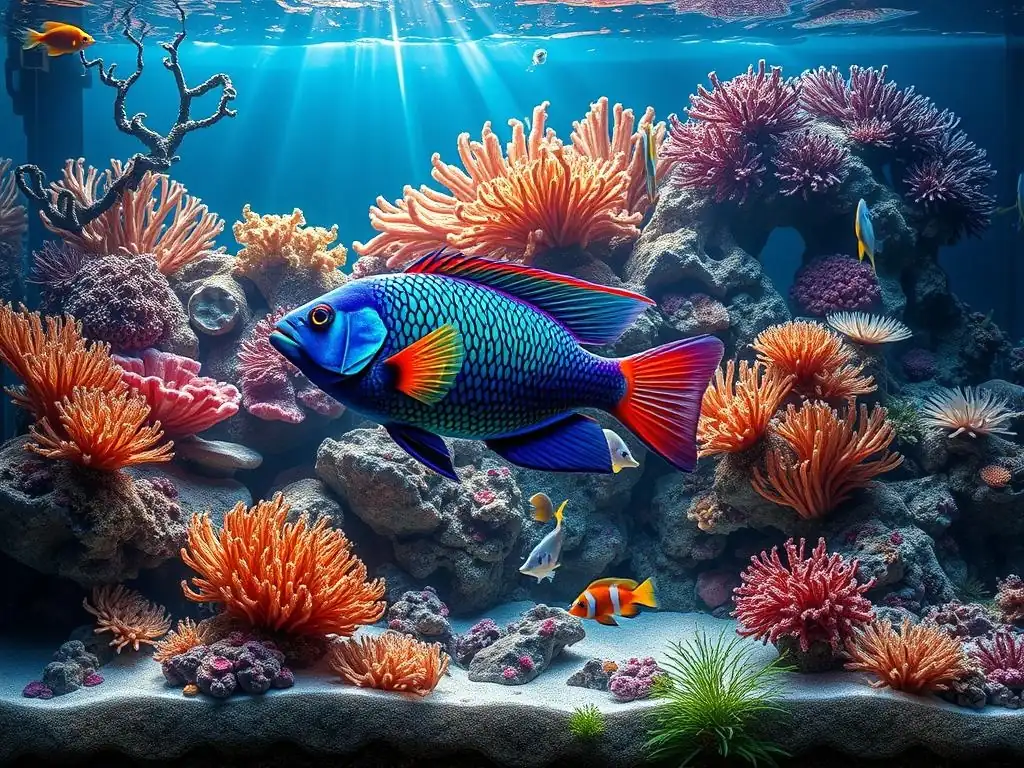
The Radiant Wrasse, scientifically known as Halichoeres iridis, is a stunning marine fish originating from the Indo-Pacific region, spanning from the Red Sea to the Line Islands. Its common name perfectly describes its appearance: a vibrant, iridescent blue-green body that shimmers under aquarium lighting, often accented with yellow to orange fins and a distinct dark spot on its dorsal fin, sometimes accompanied by a horizontal yellow stripe along its flank. This striking coloration, combined with its active nature, makes it an immediate focal point in any well-maintained reef display.
Typically, Radiant Wrasses reach an adult size of approximately 4 to 5 inches (10-12.5 cm) in captivity, making them a manageable size for many home aquariums. With proper Radiant wrasse care reef tank conditions, including stable water parameters and a nutritious diet, these fish can live for 5 to 7 years, sometimes even longer, providing a long-term source of beauty and activity for the aquarist. Their slender, torpedo-shaped bodies allow for swift, darting movements, constantly exploring their environment.
Why Choose a Radiant Wrasse for Your Saltwater Aquarium? Personality and Practicality
Beyond their undeniable aesthetic appeal, Radiant Wrasses offer a dynamic personality that truly enlivens a saltwater aquarium. They are constantly on the move during daylight hours, sifting through the substrate and inspecting live rock for small invertebrates, which contributes to the overall cleanliness of the tank. While not primarily known as dedicated pest controllers like some other wrasse species, their natural foraging behavior can help manage populations of small, unwanted hitchhikers, such as tiny flatworms or pyramid snails, making them a beneficial addition for Radiant wrasse care reef tank enthusiasts.
Furthermore, the Radiant Wrasse is generally considered a relatively hardy species among wrasses, making it a suitable choice for intermediate aquarists who are committed to providing excellent Radiant wrasse care. Their robust nature, when introduced to a mature and stable system, translates to fewer common health issues compared to more delicate reef inhabitants. This combination of captivating beauty, active behavior, and a degree of resilience makes Halichoeres iridis a highly desirable and rewarding fish for a diverse reef aquarium.
Radiant Wrasse Care: Essential Guidelines for a Thriving Fish
Optimal Tank Conditions for Radiant Wrasses
Tank Size Requirements for Halichoeres iridis
For a single Radiant Wrasse, a minimum tank size of 50 to 75 gallons (approximately 190-285 liters) is recommended. This ample space is crucial due to their active swimming habits and their need for extensive foraging grounds. A larger tank provides more stability in water parameters, which is vital for the long-term health and vibrancy of Halichoeres iridis. Insufficient tank volume can lead to stress, stunted growth, and increased aggression towards tank mates.
While a 50-gallon tank can suffice for a single specimen, providing a 75-gallon or larger system significantly enhances the success of Radiant wrasse care reef tank setups. Larger tanks offer more swimming room, more surface area for live rock and sand, and better dilution of waste products, contributing to a more stable and thriving environment. This extra space also allows for a more natural expression of their foraging behaviors and reduces potential territorial disputes.
Water Parameters: Maintaining a Stable Reef Environment
Maintaining precise and stable water parameters is paramount for the health of a Radiant Wrasse. The ideal temperature range for Halichoeres iridis is between 72-78°F (22-26°C), with a specific gravity of 1.023-1.026. The pH should be maintained between 8.1-8.4, and alkalinity levels should be consistent, typically 8-12 dKH. Calcium (400-450 ppm) and magnesium (1250-1350 ppm) levels are also important, especially in a mixed reef environment, as they contribute to overall water stability.
Regular water testing, ideally weekly or bi-weekly, is essential to monitor these parameters and detect any fluctuations. Consistent partial water changes, approximately 10-20% monthly, are highly recommended to replenish trace elements and remove accumulated nitrates and phosphates. Adhering to these stringent water quality standards is a cornerstone of effective Radiant wrasse care, directly impacting the fish's immune system, coloration, and overall lifespan in a reef tank.
Substrate and Rockwork Needs: Providing Hiding Places
A crucial element for Radiant wrasse care reef tank success is a deep, fine sand bed, ideally at least 2 to 4 inches (5-10 cm) deep. Radiant Wrasses are known for their habit of burrowing into the sand at night or when startled, completely burying themselves for protection and rest. A substrate that is too coarse or shallow can injure the fish or prevent it from exhibiting this natural behavior, leading to stress and potential health issues.
In addition to a suitable sand bed, ample live rock with numerous crevices, caves, and overhangs is indispensable. This rockwork serves multiple purposes: it provides secure hiding spots for the wrasse to retreat to, establishes natural territories, and offers foraging grounds where the fish can hunt for microscopic organisms. A well-scaped tank with diverse rock structures mimics their natural reef habitat, promoting natural behaviors and reducing stress for the Radiant Wrasse.
Diet and Feeding: Ensuring Proper Nutrition for Your Radiant Wrasse
What Do Radiant Wrasses Eat? A Comprehensive Guide
In their natural habitat, Radiant Wrasses are micro-predators, primarily feeding on a diverse diet of small invertebrates such as copepods, amphipods, and other tiny crustaceans found within the live rock and sand. In a captive reef environment, replicating this natural diet is key to their long-term health and vibrant coloration. A varied diet is essential to ensure they receive all necessary nutrients.
For optimal Radiant wrasse care, a captive diet should consist of high-quality frozen foods like mysis shrimp, brine shrimp (enriched), finely chopped seafood such as clam, squid, or fish flesh, and various prepared foods. Small, high-quality marine pellets and flakes can also be offered, though they may not always be readily accepted by all individuals. Supplementing with live foods like copepods, especially when establishing the fish, can be highly beneficial and stimulate natural foraging instincts.
Feeding Frequency and Techniques for Optimal Health
Radiant Wrasses are active fish with high metabolisms, necessitating frequent feedings throughout the day. It is generally recommended to feed them two to three times daily, offering small portions that can be consumed within a few minutes. This approach helps maintain stable water quality by preventing uneaten food from decaying, while ensuring the wrasse receives a consistent supply of nutrition.
When feeding, observe the wrasse to ensure it is actively consuming the food, especially in a busy community tank where faster eaters might outcompete it. Spot feeding, where food is directed near the wrasse using a pipette, can be effective in ensuring it gets its share. Overfeeding should be avoided, as it can lead to poor water quality and potential health issues. Consistent, small, and varied feedings are the cornerstone of excellent Radiant wrasse care reef tank management.
Radiant Wrasse Compatibility: Choosing the Right Tank Mates
Suitable Tank Mates for a Peaceful Reef Aquarium
The Radiant Wrasse is generally considered a peaceful to semi-aggressive species, making it compatible with a wide array of common reef fish. Good tank mates include peaceful species such as clownfish, gobies, blennies, cardinalfish, and smaller tangs (like Yellow Tangs or Kole Tangs, depending on tank size). They typically coexist well with most non-aggressive, similarly sized fish that do not compete directly for burrowing space or food.
In terms of coral compatibility, Halichoeres iridis is considered reef-safe and will not typically bother or nip at corals or sessile invertebrates. Their constant sifting through the sand might occasionally disturb very small, delicate corals if placed directly on the substrate, but this is usually negligible. Their active foraging can even be beneficial for the reef ecosystem by consuming small pests without harming the main inhabitants, making them an excellent choice for Radiant wrasse care reef tank setups.
Fish to Avoid: Potential Aggressors and Competition
Care should be taken when selecting tank mates for the Radiant Wrasse, particularly avoiding highly aggressive or predatory species. Large angelfish, triggerfish, puffers, and lionfish can view the Radiant Wrasse as a food source or harass it relentlessly, leading to stress, injury, or even death. Similarly, very boisterous or nippy fish might intimidate the wrasse, causing it to hide excessively.
While generally peaceful, Radiant Wrasses can exhibit territorial behavior towards other wrasses, especially those of similar size, shape, or coloration, or members of their own genus ( Halichoeres). It is generally not recommended to keep multiple Radiant Wrasses in tanks smaller than 100-150 gallons, and even then, they should ideally be introduced simultaneously to minimize aggression. Avoiding direct competition for food and space is key for successful Radiant wrasse care reef tank integration.
Understanding Radiant Wrasse Behavior in the Reef Tank
Natural Behavior and Activity Patterns of Halichoeres iridis
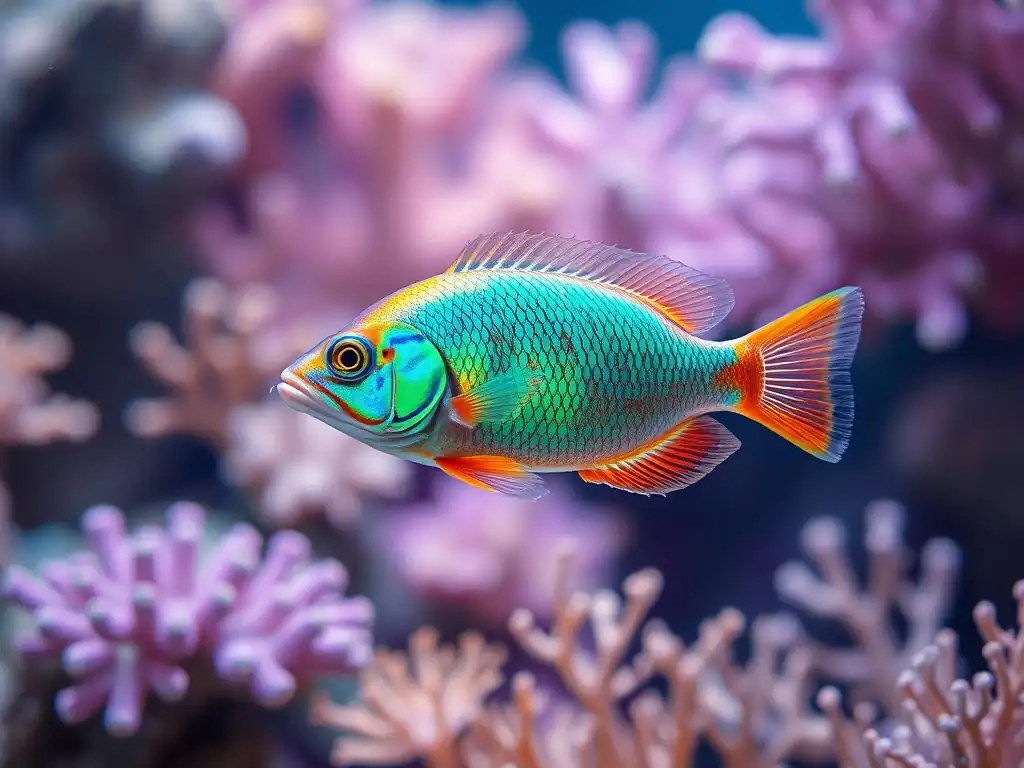
The Radiant Wrasse is a highly active and engaging fish, constantly on the move during daylight hours. They exhibit a characteristic darting swimming pattern, rapidly moving from one point to another, often pausing to inspect the substrate or rockwork. This ceaseless activity is a hallmark of their natural foraging behavior, as they tirelessly search for small invertebrates and detritus. Their inquisitive nature makes them a captivating focal point in any reef aquarium.
A defining behavioral trait of Halichoeres iridis is its nocturnal burrowing habit. As dusk approaches or if they feel threatened, Radiant Wrasses will quickly dive into the sand bed, completely burying themselves to sleep or hide. They resurface again at dawn. This behavior is entirely normal and a crucial aspect of their well-being. Observing this regular pattern is a good indicator of a healthy and comfortable Radiant Wrasse in its reef tank environment.
The Importance of Rockwork for Shelter and Hunting
The strategic placement of live rock within the aquarium is vital for the Radiant Wrasse's well-being and natural behavior. Live rock provides an essential substrate for the growth of beneficial micro-invertebrates, which are a primary food source for the wrasse. As the wrasse sifts through the rockwork and sand, it actively hunts these tiny organisms, mimicking its natural feeding habits and contributing to a healthier ecosystem within the tank.
Beyond providing foraging grounds, the rockwork offers critical shelter and territories. Numerous caves, crevices, and overhangs allow the Radiant Wrasse to establish its own space and retreat when feeling stressed or needing a secure hiding spot during the day. A well-structured aquascape with ample hiding places significantly reduces stress levels for the wrasse, encouraging more natural behaviors and enhancing the overall success of Radiant wrasse care reef tank efforts.
Observing and Interpreting Radiant Wrasse Behavior
Regular observation of your Radiant Wrasse's behavior is crucial for early detection of potential issues. A healthy Radiant Wrasse will be active, exhibit vibrant coloration, have clear eyes, and show a strong appetite. Its characteristic darting movements and regular burrowing at night are positive signs of adaptation and comfort within its environment. Any deviation from these normal behaviors warrants closer inspection.
Signs of stress or illness in a Radiant Wrasse may include prolonged hiding during the day, loss of appetite, faded or dull coloration, rapid breathing, clamped fins, or unusual swimming patterns. While burrowing is normal, excessive or unusual daytime burying, especially if accompanied by other symptoms, could indicate distress or illness. Understanding these behavioral cues is a fundamental aspect of proactive Radiant wrasse care, allowing aquarists to intervene promptly if problems arise.
Identifying and Addressing Common Health Issues in Radiant Wrasses
Recognizing Signs of Illness in Your Radiant Wrasse
Detecting illness early in a Radiant Wrasse is key to successful treatment. Common signs to watch for include changes in swimming behavior, such as lethargy, erratic movements, or rubbing against objects. A loss of appetite or refusal to eat is a significant red flag. Visual cues like faded or patchy coloration, cloudy eyes, excessive mucus production, white spots (Ich), or a dusty appearance (Marine Velvet) are clear indicators of disease.
Other symptoms include frayed or deteriorating fins, visible lesions or sores on the body, and rapid or labored breathing, which can indicate gill parasites or poor water quality. Any deviation from the Radiant Wrasse's typically active and vibrant demeanor should prompt immediate investigation. Proactive observation is a vital component of effective Radiant wrasse care reef tank management, allowing for timely intervention before conditions worsen.
Common Diseases Affecting Halichoeres iridis and Their Treatment
Like many marine fish, Radiant Wrasses are susceptible to common parasitic infections such as Marine Ich ( Cryptocaryon irritans) and Marine Velvet ( Amyloodinium ocellatum). Ich manifests as small white spots resembling salt grains, while Velvet appears as a fine, dusty coating. These parasites are highly contagious and often triggered by stress from poor water quality or improper acclimation. Treatment typically involves transferring the fish to a dedicated quarantine tank for copper-based medications or hyposalinity, as these treatments are not reef-safe.
Bacterial infections, such as fin rot or bacterial ulcers, can also affect Halichoeres iridis, often as secondary infections following stress or injury. These present as deteriorating fins, cloudy eyes, or red sores. Fungal infections are less common in marine fish but can occur. Maintaining pristine water quality, a stable environment, and a nutritious diet are the best preventative measures for Radiant wrasse care. For established infections, broad-spectrum antibiotics or antifungal medications may be required, again, ideally administered in a separate quarantine system.
Quarantine Procedures for New and Sick Fish
Implementing a strict quarantine procedure for all new fish, including Radiant Wrasses, is the single most effective way to prevent the introduction of diseases into your main display tank. A dedicated quarantine tank (QT) should be set up with basic filtration, a heater, and PVC pipes for hiding, without substrate or elaborate rockwork to simplify observation and treatment. New fish should ideally spend a minimum of 30 days in QT, allowing time to monitor for signs of illness and proactively treat if necessary.
During the quarantine period, observe the Radiant Wrasse closely for any symptoms. If signs of illness appear, appropriate medications can be administered in the QT without harming the delicate ecosystem of the main reef tank. This controlled environment also allows the fish to acclimate to captive foods and recover from the stress of shipping before being introduced to a bustling community. For sick fish from the main tank, immediate transfer to a QT for targeted treatment is crucial for effective Radiant wrasse care and to prevent the spread of disease.
Setting Up a Reef Tank for a Radiant Wrasse: A Step-by-Step Guide
Tank Setup Essentials for a Happy Radiant Wrasse
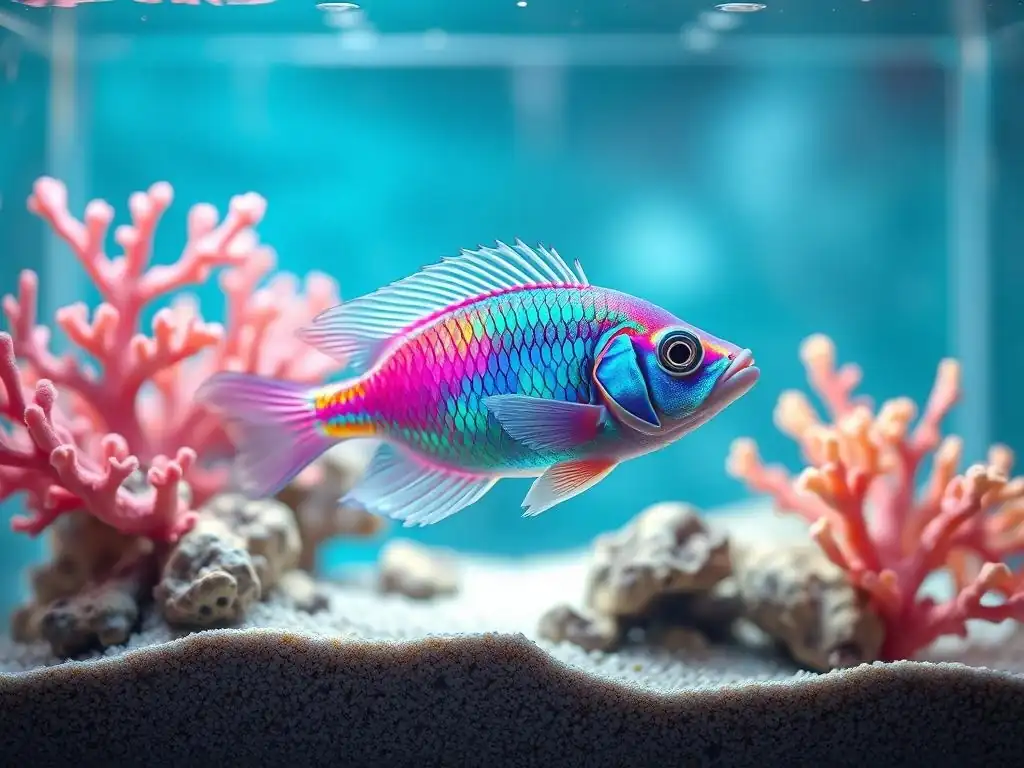
Setting up a reef tank suitable for a Radiant Wrasse begins with selecting an appropriately sized aquarium, ideally 50-75 gallons or larger, to accommodate its active swimming and growth. Crucially, the tank must include a deep, fine sand bed (at least 2-4 inches) to allow for its natural burrowing behavior. Without this, the wrasse will experience significant stress and may injure itself attempting to bury.
Beyond the sand bed, ample live rock is essential, arranged to create numerous hiding places, caves, and crevices for the wrasse to explore and retreat into. A robust filtration system, including a protein skimmer, sumps, and possibly a refugium, will help maintain the pristine water quality necessary for Radiant wrasse care reef tank success. Finally, ensuring the tank is fully cycled and stable before introducing any livestock is paramount, as new systems can be highly unstable and stressful for fish.
Acclimation Process: Introducing Your New Fish to the Aquarium
Proper acclimation is a critical step in introducing a new Radiant Wrasse to your aquarium, minimizing stress and preventing shock from sudden changes in water parameters. The drip acclimation method is highly recommended: slowly adding water from the display tank to the bag containing the wrasse over a period of 30 to 60 minutes. This gradual process allows the fish to adjust to the new temperature, pH, and salinity levels without rapid fluctuations.
Once acclimated, gently net the wrasse from the bag and introduce it into the main display tank, discarding the bag water to avoid introducing any potential pathogens. It is advisable to turn off the aquarium lights for a few hours after introduction, providing a calm environment for the Radiant Wrasse to explore its new surroundings and find a hiding spot. This thoughtful approach significantly enhances the fish's chances of thriving and is a key part of successful Radiant wrasse care.
Maintaining a Healthy and Vibrant Reef Environment
Long-term success with a Radiant Wrasse in a reef tank hinges on consistent and diligent maintenance. This includes performing regular partial water changes (e.g., 10-20% monthly) to dilute pollutants and replenish essential trace elements. Routine water parameter testing (temperature, salinity, pH, alkalinity, nitrates, phosphates) is crucial to ensure stability and address any imbalances promptly.
Beyond water quality, regular cleaning of the protein skimmer, filter socks, and other filtration components is necessary to prevent detritus buildup. Observing the Radiant Wrasse daily for any changes in behavior or appearance allows for early detection of potential health issues. Proactive management and a commitment to maintaining a stable, pristine reef environment are the cornerstones of ensuring your Halichoeres iridis remains healthy, vibrant, and a captivating addition to your aquarium for years to come.
Radiant Wrasse vs. Other Wrasse Species: A Comparative Analysis
Distinguishing Features of Halichoeres iridis
The Radiant Wrasse ( Halichoeres iridis) is easily distinguished by its captivating iridescent blue-green body, which often transitions to a yellow or orange hue on its fins, particularly the caudal fin. A prominent dark spot is typically present on the dorsal fin, and some individuals may display a subtle yellow horizontal stripe along their flanks. This distinct coloration sets it apart from many other wrasse species, which might have more subdued colors, different stripe patterns, or variations in body shape.
Compared to other common reef wrasses, the Radiant Wrasse has a relatively slender, elongated body shape, allowing for its characteristic darting movements. Its adult size of 4-5 inches is moderate, making it larger than some smaller fairy or flasher wrasses but smaller than many hogfish or larger Coris wrasses. Its unique combination of vibrant color, active swimming, and burrowing behavior defines its identity among the diverse wrasse family.
Comparing Radiant Wrasse Care to Other Popular Wrasses [e.g., Melanurus Wrasse]
When comparing Radiant wrasse care reef tank requirements to other popular wrasses like the Melanurus Wrasse ( Halichoeres melanurus), several similarities and differences emerge. Both are Halichoeres species and share the need for a deep sand bed for burrowing, high water quality, and a diet rich in meaty foods. Both are active foragers and considered generally reef-safe, making them excellent choices for mixed reef aquariums.
However, the Melanurus Wrasse typically grows slightly larger, reaching 6-8 inches, and can sometimes be more assertive or territorial, especially towards other wrasses or similar-looking fish, than the Radiant Wrasse. The Radiant Wrasse tends to be slightly less aggressive, making it a potentially better choice for smaller community tanks (e.g., 50-75 gallons) where space is more limited. While both benefit from similar Halichoeres care, the Radiant Wrasse's slightly smaller size and often more peaceful disposition can be a deciding factor for some aquarists.
Choosing the Right Wrasse for Your Reef Tank
Selecting the ideal wrasse for your reef tank involves considering several factors beyond just aesthetics. Tank size is paramount; a larger tank (e.g., 75+ gallons) offers more flexibility for species choice and reduces aggression. The existing inhabitants and their temperament are also crucial; highly aggressive tank mates can stress or harm even a relatively hardy wrasse. Finally, the aquarist's experience level and willingness to provide specific care requirements, such as a deep sand bed, are important.
The Radiant Wrasse stands out as an excellent choice for many aquarists seeking a vibrant, active, and relatively manageable fish for their reef tank. Its striking coloration, consistent activity, and generally peaceful nature make it a captivating addition that contributes to the tank's dynamic. For those seeking a Radiant wrasse care reef tank inhabitant that is both beautiful and functional (through foraging), Halichoeres iridis often proves to be an ideal candidate.
Where to Buy Radiant Wrasses: Selecting a Healthy Specimen
Finding Reputable Dealers and Online Retailers
When looking to purchase a Radiant Wrasse, it is crucial to source your fish from reputable local fish stores or established online retailers. Reputable dealers prioritize the health and ethical sourcing of their livestock, often having robust quarantine protocols in place before selling fish. They should be knowledgeable about Radiant wrasse care and able to answer your questions thoroughly.
Online retailers with strong reputations, positive customer reviews, and clear live arrival guarantees can also be excellent sources, especially if local options are limited. Look for vendors who provide detailed information about their fish, including origin (though Halichoeres iridis is primarily wild-caught), diet while in their care, and acclimation procedures. Avoiding impulse purchases from unknown sources significantly increases the likelihood of acquiring a healthy specimen.
Assessing the Health of a Radiant Wrasse Before Purchase
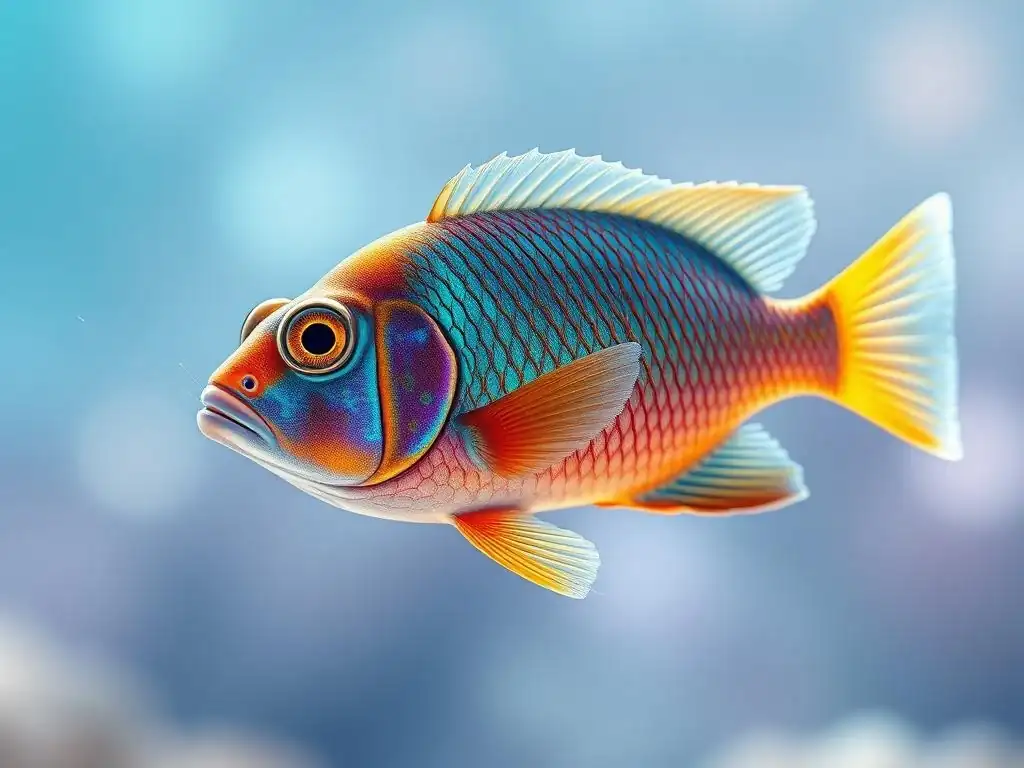
Before bringing a Radiant Wrasse home, carefully assess its health in the dealer's tank. Look for a fish that is active, alert, and constantly swimming or foraging. Its coloration should be vibrant and true to its species, without any dullness or faded patches. The eyes should be clear and bright, not cloudy or sunken. Observe its fins; they should be fully intact, without any signs of fraying, tears, or clamping.
Ensure there are no visible white spots (Ich), velvet (a dusty coating), or other lesions or abnormalities on its body. The fish should also appear well-fed, with a rounded belly rather than a pinched or sunken abdomen. A healthy Radiant Wrasse will respond quickly to movement outside the tank and show an interest in food if offered. Taking these steps is fundamental for successful Radiant wrasse care reef tank setups, as a healthy start is critical.
Questions to Ask Before Bringing Home Your New Fish
To ensure you are making an informed purchase and setting yourself up for successful Radiant wrasse care, don't hesitate to ask the dealer several key questions. Inquire about how long the Radiant Wrasse has been in their facility and what it has been eating. A fish that has been at the store for at least a week and is actively eating prepared foods (like frozen mysis or brine shrimp) is generally more acclimated and less stressed.
Ask if the fish has undergone any quarantine procedures or prophylactic treatments at the store. While not all stores perform this, it's a good indicator of their commitment to animal health. Finally, clarify their return policy or live arrival guarantee. A reputable dealer will stand behind their livestock, offering peace of mind. Gathering this information helps you select a healthy Halichoeres iridis and contributes to its smooth transition into your reef aquarium.
The Long-Term Appeal of Radiant Wrasses in Reef Aquariums
Why the Radiant Wrasse Remains a Popular Choice
The Radiant Wrasse continues to be a highly sought-after species among saltwater aquarists, and for good reason. Its dazzling iridescent blue-green coloration, often accented with yellow, provides an unparalleled visual spectacle, making it a true centerpiece in a reef display. Beyond its beauty, its active and inquisitive personality ensures constant movement and interest within the tank, preventing any dull moments.
Furthermore, its relatively manageable Radiant wrasse care requirements, coupled with its general hardiness for a wrasse, make it accessible to a wide range of aquarists, from those with intermediate experience to seasoned veterans. The combination of striking aesthetics, engaging behavior, and reasonable care demands solidifies the Radiant Wrasse's enduring popularity and appeal in the marine aquarium hobby.
Contributing to a Healthy Reef Ecosystem
Beyond their visual allure, Radiant Wrasses play a beneficial role in maintaining a healthy reef ecosystem within the confines of an aquarium. Their constant foraging behavior, as they sift through the sand and probe the live rockwork, helps to aerate the substrate and dislodge detritus that might otherwise accumulate. This natural "cleanup" activity contributes to a cleaner tank environment, reducing the risk of nutrient buildup.
While not exclusively pest controllers, their natural diet of small invertebrates means they can help manage populations of nuisance organisms like flatworms or small pyramid snails that might hitchhike into the tank. This makes them a welcome addition for Radiant wrasse care reef tank owners looking for a fish that is not only beautiful but also subtly contributes to the overall health and balance of their miniature marine world.
Potential for Captive Breeding
While the Radiant Wrasse ( Halichoeres iridis) is primarily wild-caught for the aquarium trade, there is growing interest and ongoing research into the captive breeding of various wrasse species. Marine fish breeding, particularly for wrasses, presents significant challenges due to their complex life cycles and specific larval rearing requirements. However, successful captive breeding efforts for other Halichoeres species and wrasses in general are gradually increasing.
The potential for captive breeding of the Radiant Wrasse, though not yet widely commercialized, offers exciting prospects for the future of the hobby. Aqua-cultured fish are generally hardier, more accustomed to captive diets, and free from diseases often associated with wild collection. Expanding captive breeding programs for species like the Radiant Wrasse would reduce pressure on wild populations, promote sustainable aquaculture, and provide a more robust and ethically sourced option for Radiant wrasse care reef tank enthusiasts.
Frequently Asked Questions
How suitable is the Radiant Wrasse for a reef tank environment?
The Radiant Wrasse is generally considered reef safe with caution. It's important to note that they may occasionally bother small invertebrates, particularly small shrimp or crabs. Careful observation is crucial.
What are the ideal water parameters for keeping a Radiant Wrasse?
Radiant Wrasses thrive in stable reef tank conditions. Aim for a temperature between 72-78°F, a salinity of 1.023-1.025, and a pH of 8.1-8.4. Maintaining pristine water quality is essential.
What type of diet does the Radiant Wrasse require?
Radiant Wrasses are carnivores and need a varied diet. Offer them a mix of high-quality frozen foods, such as mysis shrimp, brine shrimp, and finely chopped meaty foods. Supplement with small amounts of flake or pellet food.
What is the recommended tank size for a Radiant Wrasse?
Due to their active nature, Radiant Wrasses require a minimum tank size of 30 gallons. Larger tanks are preferable to provide ample swimming space and reduce potential aggression toward other tank mates.
Are Radiant Wrasses known to be jumpers, and what precautions should I take?
Yes, Radiant Wrasses are known jumpers. A tight-fitting lid or mesh cover is absolutely necessary to prevent them from escaping the aquarium. This is a crucial aspect of responsible Radiant Wrasse care.
Final Reflection: Embracing the Vibrant Reef
The journey of understanding and providing optimal radiant wrasse care within a reef tank environment extends far beyond simply maintaining water parameters. It's about fostering a miniature ecosystem where beauty and biological needs intertwine, reflecting our growing appreciation for the delicate balance of marine life.
This exploration has profoundly influenced my perspective on responsible reef keeping. It's a constant reminder that our actions, however small, ripple outwards, impacting the health and vitality of these incredible creatures. In the end, we will conserve only what we love; we will love only what we understand; and we will understand only what we are taught.
- Baba Dioum. This quote perfectly encapsulates the responsibility we bear as custodians of these vibrant ecosystems.
Now, I invite you to look at your own reef tank, or even just the ocean in your mind's eye. Consider the radiant wrasse, not just as a splash of color, but as a symbol of the intricate beauty and fragility of our marine world. How can you, in your own way, contribute to a deeper understanding and appreciation of these ecosystems, ensuring that future generations can marvel at the radiant wrasse and all the wonders of the reef?
Unleash the Rainbow: Transform Your Aquarium Today!
Thank you for diving into the vibrant world of the Radiant Wrasse! We hope you've discovered just how captivating and rewarding these colorful fish can be for your reef aquarium. Now, let's bring that vision to life!
Here's how you can take the next step:
- Plan Your Dream Reef: Commit to designing or upgrading your aquarium with the specific needs of the Radiant Wrasse in mind – ample hiding spots, a sandy substrate, and peaceful tank mates are key!
- Explore ethical sourcing: Research local aquarium shops known for their reputable and ethical fish sourcing to ensure you're supporting sustainable practices.
- Share the spark: Spread the joy by sharing this article with a friend who's passionate about reef aquariums!
Ready to transform your tank into a vibrant reef paradise?