
Acclimation Anxiety: Safely Introducing New Tangs to Minimize Disease Risk

Welcome to Aquarium Mastery!
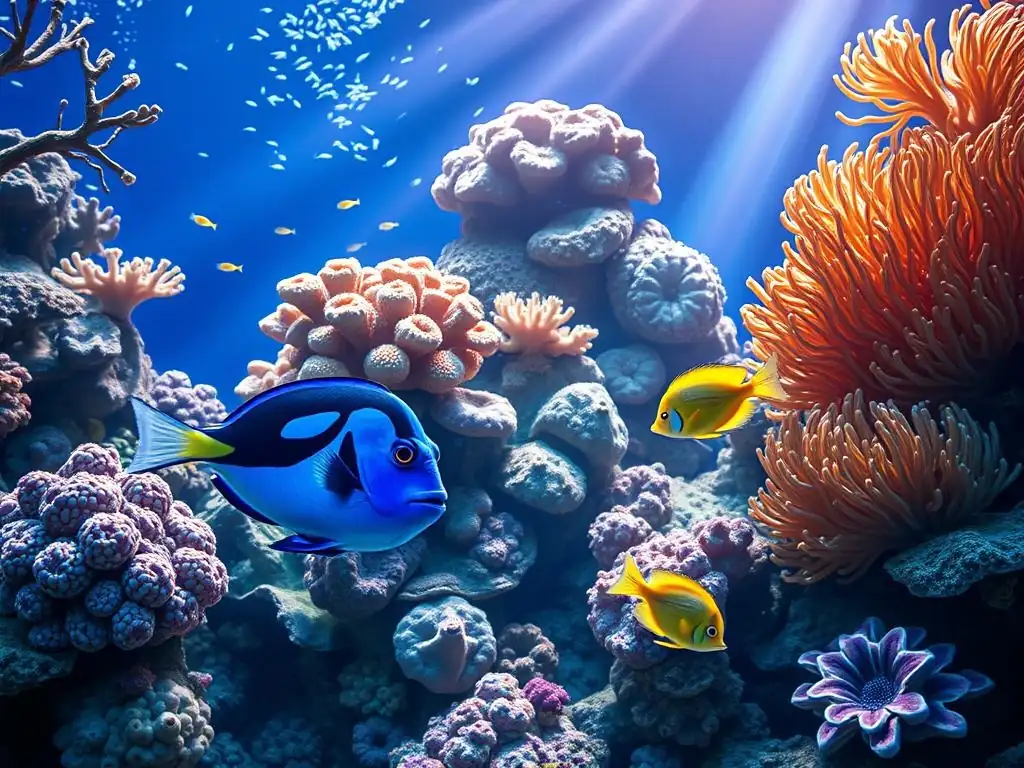
Ever wonder if there's a secret to successfully introducing those vibrant tangs to your saltwater aquarium? You're not alone! Many aquarists struggle with the stress that new fish endure during acclimation. Dive in to learn about New Tangs Acclimation Stress and discover proven strategies to minimize disease risk and ensure your new additions thrive. Let's unlock the key to a healthy and harmonious aquarium!
- Understanding Acclimation Stress in New Tangs
- Minimizing Disease Risk During Tang Acclimation: A Step-by-Step Guide
- Advanced Techniques for Reducing Acclimation Stress in Tangs
- Long-Term Care for Successfully Acclimated Tangs
-
Frequently Asked Questions
- How significant is acclimation stress in new tangs, and why is it so important to address?
- What are the key signs of acclimation stress in a newly introduced tang?
- What are the most effective methods for reducing stress during the acclimation process for tangs?
- How does water chemistry play a role in new tangs acclimation stress?
- What preventative measures can be taken after acclimation to further minimize the risk of disease related to acclimation stress?
- Final Reflection: Navigating the Waters of Acclimation Stress
- Unlock the Secret to Thriving Tangs!
Understanding Acclimation Stress in New Tangs
The Importance of Proper Acclimation for Tangs & Surgeonfish
Proper acclimation is the cornerstone of successful marine fishkeeping, especially when introducing new tangs. These vibrant, active fish, often wild-caught, are particularly susceptible to the rigors of transit and environmental shifts. A new tang's journey from its natural coral reef habitat to a home aquarium involves significant changes in water parameters, lighting, tank mates, and diet, all of which contribute to considerable new tangs acclimation stress. Without a careful and gradual introduction, this stress can severely compromise their immune system, making them highly vulnerable to common marine diseases.
Statistics suggest that a significant percentage of new marine fish, potentially 30% to 50% in some cases, succumb to stress-related illnesses or secondary infections within their first few weeks in a new tank if not properly acclimated. For tangs, which are known carriers of various parasites like marine ich (Cryptocaryon irritans), a weakened immune response due to poor acclimation dramatically increases the likelihood of an outbreak that could devastate an entire display tank. Therefore, mitigating new tangs acclimation stress is not just about the individual fish's survival but also about safeguarding the health of your entire aquatic ecosystem.
Factors Contributing to Acclimation Stress in Tangs
Several factors contribute to the high levels of new tangs acclimation stress experienced by these fish. Foremost among these is the radical change in water chemistry. A tang collected from the ocean and transported to a local fish store (LFS) and then to a home aquarium will likely encounter variations in salinity, pH, temperature, and ammonia levels. For instance, the pH in a shipping bag can drop significantly due to carbon dioxide buildup, while ammonia can accumulate rapidly, creating a toxic environment.
Beyond water parameters, the physical journey itself is a major stressor. Confinement in a small bag for hours or even days, coupled with constant movement, noise, and light changes, can lead to physical exhaustion and psychological distress. Upon arrival, the abrupt change from a dimly lit bag to a brightly lit tank, or the sudden presence of unfamiliar tank mates and a lack of immediate hiding spots, further exacerbates new tangs acclimation stress. This cumulative stress suppresses their natural defenses, leaving them highly susceptible to pathogens that might otherwise be kept in check by a healthy immune system.
Visible Signs of Stress in Newly Acclimated Tangs
Recognizing the visible signs of new tangs acclimation stress is crucial for early intervention. One of the most immediate indicators is rapid or labored breathing, often evidenced by fast gill movements, sometimes exceeding 100 operculum beats per minute compared to a healthy 40-60. Clamped fins, where the dorsal, anal, and caudal fins are held close to the body rather than fanned out, are another common sign, indicating discomfort and an attempt to conserve energy.
Other clear signs include significant color loss or darkening, darting movements, or erratic swimming patterns as if trying to escape. Conversely, excessive hiding or lethargy, where the tang remains motionless for extended periods, can also signal stress. Refusal to eat, even preferred foods like nori, is a critical red flag, as tangs are typically voracious grazers. Furthermore, within 24 to 72 hours of introduction, the appearance of white spots (indicative of marine ich) or a dusty film (suggesting velvet disease) are definitive signs that the new tangs acclimation stress has compromised their immunity, allowing parasites to proliferate.
Minimizing Disease Risk During Tang Acclimation: A Step-by-Step Guide
Step 1: Quarantine Tank Setup for New Tangs
Essential Equipment for a Quarantine Tank
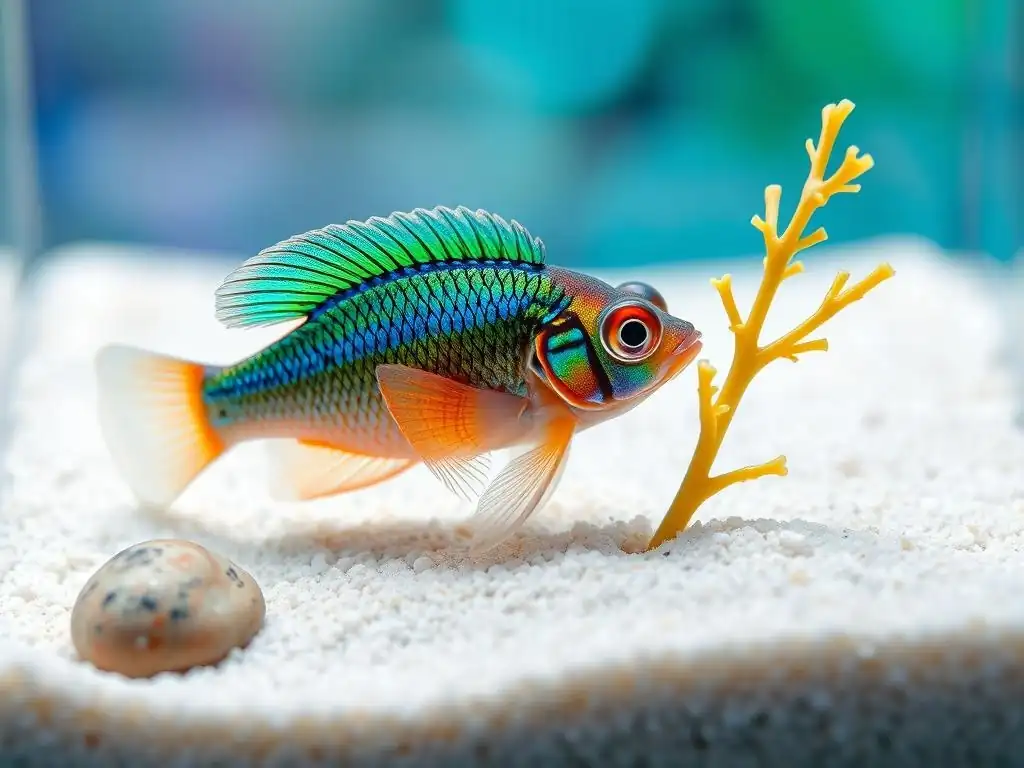
Setting up a dedicated quarantine tank (QT) is arguably the most critical step in minimizing new tangs acclimation stress and disease risk. This isolated environment allows new arrivals to recover from transport stress, be observed for signs of illness, and, if necessary, undergo treatment without exposing your main display tank.
For tangs, a QT should be adequately sized; a 20-gallon long tank is often suitable for smaller species like Yellow Tangs, while larger tangs such as a Sohal or Powder Blue would ideally require a 40-gallon breeder or even larger to minimize stress during their typical 4-6 week quarantine period.
Key equipment for a functional QT includes a reliable heater to maintain stable temperatures (e.g., 76-78°F), a simple filtration system like a sponge filter or a hang-on-back filter with biomedia (avoiding carbon during medication), and an air stone connected to an air pump for robust oxygenation. It's also vital to include PVC pipes or inert plastic containers for hiding spots, which are crucial for reducing new tangs acclimation stress. Essential testing kits for ammonia, nitrite, nitrate, and salinity (refractometer preferred) are non-negotiable for monitoring water quality, along with a reliable thermometer.
Maintaining Optimal Water Parameters in the Quarantine Tank
Maintaining stable and optimal water parameters in the quarantine tank is paramount to alleviating new tangs acclimation stress and promoting recovery. The QT should be cycled prior to the tang's arrival to ensure it can handle bioload without ammonia or nitrite spikes. Aim for a specific gravity (salinity) of 1.025-1.026, consistent with a healthy reef environment, and a stable temperature between 76-78°F. pH levels should be maintained between 8.1 and 8.4.
Regular water testing, at least daily for ammonia and nitrite during the initial phase, is crucial. Even trace amounts of ammonia or nitrite can be highly toxic and severely elevate new tangs acclimation stress. Weekly water changes of 10-20% using freshly mixed, aged saltwater (made with RO/DI water and high-quality salt mix) are recommended to keep nitrates low and replenish essential elements, even in a fish-only QT. Consistency in these parameters provides a stable environment, allowing the tang's immune system to rebound and focus on adapting rather than battling poor water quality.
Step 2: Gradual Acclimation to Tank Water
Drip Acclimation Method for Tangs
The drip acclimation method is widely regarded as the safest and most effective way to introduce new tangs to their new water parameters, significantly reducing new tangs acclimation stress. This technique slowly equalizes the water chemistry between the shipping bag and the quarantine tank, minimizing shock. To perform drip acclimation, gently empty the tang and its shipping water into a clean, appropriately sized bucket. Ensure the water level is sufficient to keep the fish submerged.
Next, use airline tubing to siphon water from the quarantine tank into the bucket. A simple knot in the tubing or an adjustable airline valve can regulate the drip rate to approximately 1-2 drips per second. Allow the water volume in the bucket to double over a period of 30 to 60 minutes.
This gradual process allows the tang's delicate osmoregulation system to slowly adjust to changes in salinity, pH, and temperature, effectively mitigating new tangs acclimation stress. Once the volume has doubled, net the tang and carefully transfer it to the quarantine tank, discarding the water from the bucket.
Floating Bag Acclimation (Less Recommended) and its Risks
Floating bag acclimation, while a common practice, is generally less recommended for sensitive marine fish like tangs due to its inherent risks that can exacerbate new tangs acclimation stress. This method involves floating the sealed shipping bag in the display or quarantine tank for 15-30 minutes to equalize temperature, then opening the bag and slowly adding tank water over another 15-30 minutes before releasing the fish. While it addresses temperature, it fails to adequately mitigate the more critical issues of pH and salinity shock.
The primary risk associated with this method is the rapid accumulation of ammonia within the sealed shipping bag. As the fish respires, it releases ammonia, which becomes increasingly toxic as the water's pH rises upon exposure to fresh, aerated tank water. This sudden pH shift can convert relatively harmless ammonium into highly toxic ammonia, causing severe gill damage and escalating new tangs acclimation stress. Furthermore, the quick changes in salinity and other parameters can overwhelm the fish's osmoregulatory system, leading to osmotic shock and a compromised immune system, making them more susceptible to disease.
Step 3: Observation and Monitoring in Quarantine
Recognizing Early Signs of Disease in New Tangs
Consistent observation during the quarantine period, typically 4-6 weeks, is paramount for intercepting diseases before they can escalate or spread. Beyond the initial signs of new tangs acclimation stress, specific disease indicators require immediate attention. Look for the appearance of small, white, salt-grain-like spots on the body and fins, which are characteristic of marine ich (Cryptocaryon irritans). A tang scratching against rocks or the substrate, known as "flashing," is often an early sign of parasitic irritation.
Other concerning symptoms include a cloudy appearance in the eyes, frayed or rotting fins, red streaks on the body, or a dusting of gold/brown specks indicative of marine velvet (Amyloodinium ocellatum). Pay close attention to changes in appetite; a tang that refuses to eat for more than 24-48 hours post-acclimation is a serious concern. Any unusual swimming behavior, such as spiraling, shimmying, or difficulty maintaining buoyancy, also warrants immediate investigation. Daily, thorough inspections under normal lighting and with a flashlight can reveal subtle changes before they become critical.
Common Diseases Affecting Tangs During Acclimation (Ich, Velvet, HLLE)
Tangs are particularly prone to certain diseases during and after acclimation due to their sensitivity to new tangs acclimation stress. Marine Ich (Cryptocaryon irritans) is by far the most common and feared parasite. It manifests as white spots and can rapidly spread, with symptoms often appearing 3-7 days after the initial stress event. If left untreated, it can quickly overwhelm a tang's system, leading to mass mortality.
Marine Velvet (Amyloodinium ocellatum) is another highly virulent parasite, often mistaken for Ich but appearing as a finer, dust-like coating. It progresses much faster than Ich, often leading to death within days due to rapid gill damage. Head and Lateral Line Erosion (HLLE) is a chronic condition that can develop in tangs, often triggered or exacerbated by prolonged stress, poor water quality, or nutritional deficiencies.
While not immediately fatal, it causes unsightly pitting and erosion of the head and lateral line, indicating a compromised state that needs addressing through improved diet and environment. Proactive monitoring in quarantine allows for timely treatment of these and other potential ailments.
Step 4: Treatment Protocols for Sick Tangs (if necessary)
Choosing the Right Medications for Tang Diseases
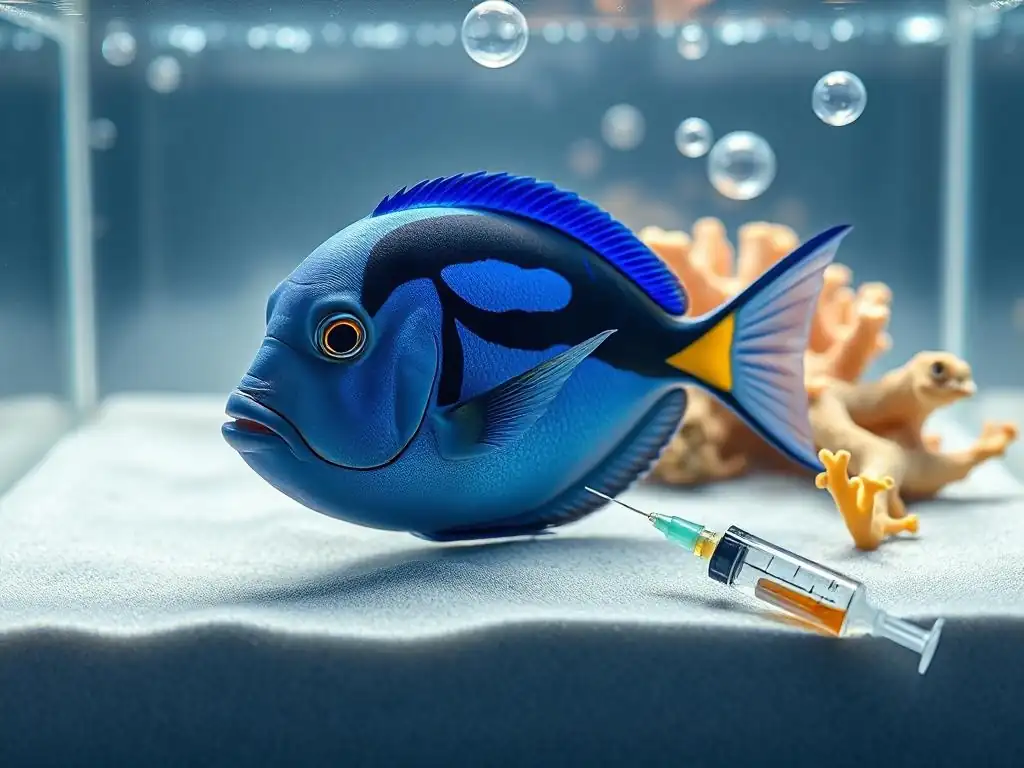
When a tang exhibits signs of disease in the quarantine tank, selecting the appropriate medication is critical. For parasitic infections like marine ich and velvet, copper-based medications are highly effective and widely used. Products containing cupric sulfate or chelated copper are common choices, but it's crucial to follow the manufacturer's instructions precisely regarding dosage and duration.
For example, a typical therapeutic copper level might be 0.15-0.25 ppm for chelated copper, or 0.25-0.35 ppm for ionic copper, maintained for 14-30 days to break the parasite's life cycle. Always use a reliable copper test kit to ensure the correct concentration is maintained.
For bacterial infections, which might present as fin rot, cloudy eyes, or body sores, broad-spectrum antibiotics like Furan-2 or Maracyn 2 can be effective. However, bacterial infections are less common as primary issues during acclimation compared to parasites. HLLE, as mentioned, is usually linked to environmental factors and diet rather than a pathogen; thus, treatment involves improving water quality, enhancing nutrition with vitamin-enriched foods and nori, and providing a stress-free environment, rather than medication. Always avoid using medications in the display tank, as many are harmful to corals and invertebrates.
Quarantine Tank Medication Best Practices
Administering medication in a quarantine tank requires careful adherence to best practices to ensure efficacy and minimize further stress on the sick tang. First, always remove any activated carbon or chemical filtration media from the QT filter, as these will absorb the medication, rendering it ineffective. Ensure robust aeration with an air stone, as some medications can reduce oxygen levels. It is also crucial to perform a water change before initiating treatment, especially if water parameters are less than ideal.
Strictly follow the medication's instructions regarding dosage, frequency, and duration. Overdosing can be fatal, while underdosing can lead to resistant pathogens. Monitor water parameters daily, as some medications can impact the nitrogen cycle, potentially causing ammonia or nitrite spikes.
Be prepared to perform small water changes if necessary, redosing the medication proportionally to the new water volume. Continuous observation of the tang's response to treatment is key; if symptoms worsen, reconsider the diagnosis or medication. A typical treatment course for Ich, for instance, might last 14-30 days, even after visible spots disappear, to ensure all life stages of the parasite are eradicated.
Step 5: Gradual Introduction to the Display Tank
Ensuring Compatibility with Existing Tank Mates
After a successful quarantine period (typically 4-6 weeks with no signs of disease), the final step is to introduce the new tang to the display tank. Before doing so, thoroughly research the compatibility of the new tang species with your existing tank mates. Tangs, especially larger or more aggressive species like Sohal or Clown Tangs, can be territorial. Introducing a fish that will clash with established residents can lead to severe stress, injury, or even death for the new tang or existing fish, undoing all efforts to minimize new tangs acclimation stress.
Consider the size and temperament of your current fish. If you have another tang, ensure they are of a different body shape or species to minimize aggression, or introduce them into a very large tank (e.g., 180+ gallons for multiple tangs). Avoid introducing a new tang that is significantly smaller than aggressive tank mates. Observing the behavior of your current fish towards new additions (if any) can provide clues. If potential aggression is high, consider rearranging existing rockwork in the display tank just before introduction to disrupt established territories, giving the new tang a fairer chance.
Minimizing Territory Disputes Upon Introduction
Even with compatible tank mates, some level of territorial dispute is common when introducing a new tang, potentially causing renewed new tangs acclimation stress. To minimize this, consider introducing the new tang at night or when the tank lights are off. This allows the tang to explore its new surroundings and find hiding spots without immediate harassment from established residents.
A common strategy is to place the new tang in an acclimation box or a clear container within the display tank for a few hours or even a day. This allows existing fish to see the new tang without direct interaction, often reducing aggression upon full release.
Feeding the existing tank inhabitants just before introducing the new tang can also distract them and reduce their immediate focus on the newcomer. Ensure plenty of hiding spots and visual breaks within the rockwork for the new tang to retreat to if needed. Continue to observe the tank closely for the first few days, especially during feeding times. Persistent aggression may necessitate temporary removal of the aggressor or the new tang back to the quarantine tank for further assessment. Patience and careful observation are key to a smooth transition and preventing prolonged new tangs acclimation stress.
Advanced Techniques for Reducing Acclimation Stress in Tangs
Prophylactic Treatments: Benefits and Risks
Prophylactic treatments, primarily copper-based medications for Ich and Velvet, are advanced techniques some aquarists employ to reduce the risk of disease outbreaks in new tangs. The benefit is clear: by treating all new tangs in quarantine with a therapeutic level of copper for a standard duration (e.g., 30 days for Ich), you effectively eliminate the most common and devastating parasites before they can ever reach your display tank. This proactive approach ensures that new tangs acclimation stress doesn't lead to a full-blown parasitic outbreak, protecting your entire fish population.
However, prophylactic treatments carry risks. Copper, while effective against parasites, is also stressful to fish and can be toxic if overdosed. It requires constant monitoring with a reliable copper test kit to maintain the correct therapeutic range.
Some tang species, particularly those from the Acanthurus genus (e.g., Powder Blue Tangs), can be more sensitive to copper than others. Furthermore, treating every fish prophylactically means exposing healthy fish to medication, which can cause additional, albeit controlled, new tangs acclimation stress. Aquarists must weigh the benefit of guaranteed parasite eradication against the potential stress and effort involved in managing a medicated quarantine.
Using Stress-Reducing Additives During Acclimation
Beyond meticulous water quality and gradual introduction, certain stress-reducing additives can further mitigate new tangs acclimation stress. Products containing garlic extract, such as Seachem GarlicGuard, are popular. While not a medication, garlic is believed to stimulate appetite and boost the immune system, making new tangs more resilient. It can be soaked into frozen or dried foods prior to feeding. Anecdotal evidence suggests tangs fed garlic-enriched foods during quarantine are more likely to eat consistently, which is crucial for recovery from stress.
Another beneficial category includes vitamin and amino acid supplements, like Selcon or Vita-Chem. These can be used to enrich frozen foods or added directly to the quarantine water (though the latter is less efficient). Providing a rich source of essential nutrients helps to fortify the tang's immune system, allowing them to better cope with the physiological demands of new tangs acclimation stress. Some aquarists also use products containing natural botanical extracts or "stress coat" type additives, although their direct impact on tangs specifically is less scientifically established compared to the clear benefits of good nutrition.
The Role of Diet and Nutrition in Tang Health During Acclimation
The importance of diet and nutrition during the acclimation period for new tangs cannot be overstated. Tangs are primarily herbivores, and a consistent supply of high-quality, plant-based foods is critical for their gut health and overall immune function. Providing a varied and nutritious diet from day one in quarantine helps counteract the physiological toll of new tangs acclimation stress. Offer high-quality spirulina flakes, marine algae pellets, and, most importantly, sheets of dried nori (seaweed) clipped to a rock or clip.
Supplementing their diet with vitamin-enriched frozen foods like mysis shrimp or brine shrimp (e.g., enriched with Selcon) also provides essential fatty acids and vitamins that are often depleted during transport. Feeding small amounts multiple times a day is generally better than one large feeding, as it mimics their natural grazing behavior and reduces waste. A well-nourished tang is a resilient tang; consistent access to a proper diet helps them recover faster from new tangs acclimation stress, strengthens their immune system, and makes them significantly less susceptible to disease outbreaks.
Long-Term Care for Successfully Acclimated Tangs
Maintaining Optimal Water Quality for Tangs
Even after successful acclimation and transfer to the display tank, maintaining optimal water quality is paramount for the long-term health of tangs. These fish are sensitive to fluctuations and declining water parameters, which can quickly lead to renewed stress and disease. Consistent specific gravity (1.025-1.026), stable temperature (76-78°F), and a pH of 8.1-8.4 are crucial. Regular testing of ammonia, nitrite, and nitrate levels (aiming for undetectable ammonia/nitrite and nitrates below 20 ppm) should be part of routine maintenance.
Performing consistent water changes, typically 10-20% bi-weekly or 10% weekly depending on tank bioload, is essential for replenishing trace elements and removing accumulated nitrates and other undesirable compounds. Using high-quality RO/DI water for all top-offs and water changes prevents the introduction of harmful contaminants. A robust filtration system, including protein skimming, biological filtration, and mechanical filtration, is vital for processing waste and maintaining a pristine environment that prevents new tangs acclimation stress from re-emerging.
Providing a Suitable Diet and Environment for Tangs
Long-term health for tangs hinges on providing a suitable diet and a stimulating, appropriately sized environment. Tangs are active swimmers and prodigious grazers, requiring large tanks to thrive. A minimum tank size of 75-100 gallons is generally recommended for smaller species like Yellow Tangs, while larger species such as Naso or Sohal Tangs require 180 gallons or more. Ample swimming space helps prevent new tangs acclimation stress from overcrowding and allows them to exhibit natural behaviors.
Their diet must remain primarily herbivorous. Daily offerings of dried nori, spirulina flakes, and high-quality marine pellets should be supplemented with occasional meaty foods like mysis shrimp or brine shrimp. Varying their diet ensures they receive all necessary nutrients. The tank environment should also include plenty of live rockwork with crevices and caves for hiding, as well as open areas for swimming. Live rock also provides a surface for algae growth, offering natural grazing opportunities that are vital for their digestive health.
Preventing Future Stress and Disease Outbreaks in Tangs
Preventing future stress and disease outbreaks in tangs requires a holistic approach that goes beyond just the acclimation period. A stable, well-maintained environment is key. Avoid sudden changes in water parameters, tank mates, or feeding routines. Overcrowding is a major stressor for tangs; ensure your tank size is appropriate for all inhabitants, allowing each fish adequate personal space and swimming territory.
Regular observation of your tangs for any subtle changes in behavior, appetite, or appearance can lead to early detection of potential issues. Promptly addressing any signs of stress or illness, ideally by moving the affected fish to a hospital tank for treatment, prevents the spread of disease to other tank inhabitants. Maintaining a diverse and high-quality diet, coupled with consistent water quality, strengthens their immune system, making them less susceptible to pathogens. By prioritizing these long-term care practices, you significantly reduce the likelihood of new tangs acclimation stress returning and ensure a thriving, healthy life for your tangs.
Frequently Asked Questions
How significant is acclimation stress in new tangs, and why is it so important to address?
Acclimation stress is extremely significant because it weakens the tang's immune system, making it highly susceptible to diseases like ich. Minimizing this stress is crucial for their survival and long-term health.
What are the key signs of acclimation stress in a newly introduced tang?
Key signs include rapid breathing, erratic swimming, clamped fins, and a lack of interest in food. These are all indications that the tang is struggling to adjust.
What are the most effective methods for reducing stress during the acclimation process for tangs?
Effective methods include drip acclimation over several hours, dimming the lights in the aquarium, and using a quarantine tank to observe the fish.
How does water chemistry play a role in new tangs acclimation stress?
Poor water chemistry can drastically increase stress. Ensuring stable parameters like salinity, pH, and temperature is essential before introducing any new tang.
Quarantine for at least 4-6 weeks is vital. Also, provide a high-quality diet and maintain pristine water conditions to support their immune system during the adjustment period.
The journey of introducing new tangs to our aquariums is a delicate dance between excitement and responsibility, and as we've explored the intricacies of acclimation anxiety, it becomes clear that a proactive approach is not just beneficial, but essential. The health and well-being of these magnificent creatures hinges on our understanding and application of best practices, ensuring their transition into a new environment is as stress-free as possible.
This exploration of acclimation stress highlights the profound impact we have on the lives of these animals. The success of their integration reflects our commitment to responsible reef keeping and the ethical considerations that underpin our hobby. The greatness of a nation and its moral progress can be judged by the way its animals are treated.
- Mahatma Gandhi. This quote resonates deeply when considering the care we provide to our aquatic companions, reminding us that their welfare is a reflection of our own values.
As you consider adding a new tang to your reef, remember the lessons learned here. Take the time to research, prepare, and execute a thoughtful acclimation strategy. By minimizing stress and prioritizing their health, you not only increase their chances of thriving but also contribute to a more sustainable and ethical future for the reef keeping hobby. Let's all commit to being mindful stewards of these incredible creatures, ensuring their beauty and vitality for generations to come.
Unlock the Secret to Thriving Tangs!
Thank you for delving into the world of tang acclimation and disease prevention. We hope you've found valuable insights to protect your aquatic friends. Now, let's put that knowledge into action!
Here are a few steps you can take right away:
- Implement a rigorous quarantine protocol for all new tangs, closely monitoring them for signs of illness before introducing them to your main display tank.
- Explore advanced acclimation techniques, such as the drip acclimation method, to minimize stress and boost your tangs' initial resilience.
- Share your success stories or challenges with acclimating tangs in the Aquarium Mastery community.
What's one specific adjustment you'll make to your acclimation process based on what you learned today?