
The Intricacies of Line Breeding Tetras: An Aquarium Mastery Exploration

Welcome to Aquarium Mastery, where your aquatic dreams become reality!
Dive into the fascinating world of aquarium keeping and discover the secrets to a thriving underwater ecosystem. Ever wondered how to enhance the health and vitality of your tetras? Our in-depth exploration of line breeding tetras for health will unlock techniques to elevate your breeding program. Intrigued? Keep reading to uncover the nuances of selective breeding and ensure your tetras flourish!
- The Intricacies of Line Breeding Cardinal Tetras: An Aquarium Mastery Exploration
- Introduction to Line Breeding Cardinal Tetras for Enhanced Coloration and Health
- Line Breeding vs. Inbreeding: Clarifying Key Differences for Cardinal Tetra Breeding
- Preparing for Line Breeding Cardinal Tetras: A Step-by-Step Guide
- The Line Breeding Process: Generations and Selection
- Maintaining Genetic Diversity in Line Bred Cardinal Tetras: Avoiding Inbreeding Depression
- Monitoring Cardinal Tetra Health and Vitality During Line Breeding
- Documenting Line Breeding Efforts: Keeping Detailed Records
- Ethical Considerations in Line Breeding Cardinal Tetras
- Advanced Techniques in Cardinal Tetra Line Breeding
- Troubleshooting Common Line Breeding Challenges with Cardinal Tetras
- Examples of Successful Line Breeding Programs for Cardinal Tetras
- Conclusion: Mastering Line Breeding for Healthier and More Vibrant Cardinal Tetras
-
Frequently Asked Questions
- How does line breeding differ from inbreeding when breeding Tetras?
- What are the primary benefits of line breeding Tetras for health, as opposed to random breeding?
- What are some potential risks or challenges associated with line breeding Tetras?
- How can I identify desirable traits to focus on when line breeding Tetras for health?
- How often should I introduce new genetic material when line breeding Tetras to maintain a healthy gene pool?
- Final Reflection: The Enduring Legacy of Genetic Stewardship
- Unlock Your Tetra Breeding Superpowers!
The Intricacies of Line Breeding Cardinal Tetras: An Aquarium Mastery Exploration
Introduction to Line Breeding Cardinal Tetras for Enhanced Coloration and Health
Understanding the Basics of Tetra Genetics and Heredity
The vibrant beauty of Cardinal Tetras, Paracheirodon axelrodi, is largely determined by their genetic makeup, which dictates everything from their iridescent blue and red coloration to their body shape and inherent resilience. Understanding basic Mendelian genetics is crucial for any aspiring line breeder. Traits like fin length, body size, or specific color intensity are often influenced by alleles, which are different forms of a gene.
A dominant allele expresses its trait even if only one copy is present, while a recessive allele requires two copies to be expressed. For instance, a gene might have alleles for "intense red" (dominant) and "normal red" (recessive), meaning offspring with at least one "intense red" allele will display that characteristic.
Furthermore, polygenic traits, which are influenced by multiple genes, play a significant role in complex characteristics like overall disease resistance or the precise pattern of the blue stripe. These traits are harder to predict but can still be influenced through consistent selective breeding over several generations. By carefully observing the phenotypes (observable traits) of a breeding pair and their offspring, aquarists can infer genotypes and make informed decisions about which individuals to select for the next generation, thereby gradually enhancing desired attributes and fostering robust populations through "line breeding tetras for health."
Why Line Breeding Cardinal Tetras? Goals and Benefits for Aquarists
Line breeding Cardinal Tetras offers numerous advantages beyond simply producing more fish. The primary goals for aquarists embarking on this intricate journey often include enhancing specific aesthetic traits, such as achieving a deeper, more uniform red stripe that extends further along the body, or a more vibrant, broader iridescent blue stripe. Some breeders also aim for increased adult size, with successful lines potentially producing fish 10-15% larger than typical wild-caught specimens, reaching lengths of up to 4.5-5 cm compared to the average 3-4 cm.
Crucially, line breeding is also a powerful tool for improving the overall health and vigor of a population. By consistently selecting for robust, disease-resistant individuals, breeders can establish lines that exhibit increased longevity and a reduced susceptibility to common ailments like Neon Tetra Disease or Ich. This dedicated approach to "line breeding tetras for health" can result in offspring that are not only visually superior but also more resilient, offering a more rewarding and sustainable experience for the hobbyist who values hardy, long-lived aquatic companions.
Line Breeding vs. Inbreeding: Clarifying Key Differences for Cardinal Tetra Breeding
Distinguishing Line Breeding from Inbreeding in Aquarium Fish
While both line breeding and inbreeding involve mating related individuals, their intent and outcomes are fundamentally different in the context of aquarium fish. Line breeding is a controlled, systematic process of selective breeding where closely related individuals are mated over several generations with the explicit goal of concentrating and fixing desirable traits within a specific genetic line.
The breeder meticulously tracks pedigrees, identifies superior specimens, and often introduces carefully chosen outcrosses to maintain vigor. For example, a breeder might consistently pair a male with his granddaughter, or a sibling cross, but only after rigorous selection for desired traits and health.
In contrast, inbreeding typically refers to uncontrolled or indiscriminate mating among close relatives without a clear genetic objective or a plan for managing genetic diversity. It often occurs unintentionally in closed systems or when hobbyists simply allow any fish to breed without selection. While it can quickly reveal recessive traits, it generally leads to a rapid accumulation of deleterious recessive genes. The distinction lies in the breeder's intent and the disciplined application of genetic principles, where "line breeding tetras for health" focuses on genetic improvement, whereas uncontrolled inbreeding often results in genetic degradation.
The Risks of Inbreeding in Cardinal Tetras: Genetic Bottlenecks and Health Issues
Uncontrolled inbreeding in Cardinal Tetras can lead to severe consequences, collectively known as inbreeding depression. This phenomenon results from the increased likelihood of offspring inheriting two copies of harmful recessive alleles when parents are closely related. A primary risk is the creation of genetic bottlenecks, where the overall genetic diversity within a population drastically shrinks. This reduced diversity makes the entire line more vulnerable to environmental changes, disease outbreaks, and other stressors, as there is less genetic variation for natural selection to act upon.
The health issues stemming from inbreeding depression are varied and significant. Breeders often observe reduced fertility rates, sometimes dropping by as much as 30-50% in highly inbred lines, making it difficult to sustain the population.
Offspring may exhibit slower growth rates, reaching only 70-80% of the size of outcrossed individuals, and possess weakened immune systems, leading to increased susceptibility to common pathogens like Columnaris or parasitic infections. Furthermore, physical deformities such as spinal curvatures, gill plate malformations, or stunted fins can become prevalent, with incidence rates potentially climbing to 10-20% or even higher in severely inbred groups, directly undermining the goal of "line breeding tetras for health."
Preparing for Line Breeding Cardinal Tetras: A Step-by-Step Guide
Selecting Ideal Cardinal Tetra Breeding Stock: Identifying Desirable Traits
The success of any line breeding program hinges on the careful selection of your initial breeding stock. When choosing Cardinal Tetras, prioritize overall health and vigor above all else. Look for fish that are active, alert, and display natural schooling behavior. Their fins should be fully extended, without tears or nips, and their bodies should be full and well-proportioned, free of any visible deformities like bent spines or sunken bellies. Avoid fish that are listless, clamped-finned, or show any signs of disease, as these traits can be genetic or indicate underlying weakness.
Beyond general health, focus on the specific aesthetic traits you wish to enhance. For Cardinal Tetras, this often means evaluating the intensity and coverage of their signature red and blue stripes. Seek out individuals where the red stripe is exceptionally vibrant, extends fully from the gill plate to the caudal fin, and appears broad and unbroken.
Similarly, the iridescent blue stripe should be bright, sharp, and well-defined. Observe their size; larger, more robust individuals that have reached their full potential are often better candidates. Selecting these superior individuals forms the cornerstone of effective "line breeding tetras for health" and beauty.
Setting Up Dedicated Cardinal Tetra Breeding Tanks: Water Parameters and Environment
Dedicated breeding tanks are essential for controlling the environment and maximizing spawning success and fry survival. For Cardinal Tetras, a 10-20 gallon long aquarium is typically suitable for a single breeding pair or a small group (e.g., 2 males and 3 females). The most critical aspect is achieving soft, acidic water conditions that mimic their natural Amazonian habitat. Ideal parameters include a pH between 5.5 and 6.5, and very low general hardness (GH) of 1-3 dGH (18-54 ppm) and carbonate hardness (KH) of 0-1 dKH (0-18 ppm). Temperatures should be maintained consistently between 78-82°F (25.5-27.8°C).
To achieve these parameters, many breeders use reverse osmosis (RO) water remineralized with specific salts designed for soft water fish, or peat filtration. The tank should be dimly lit, as Cardinal Tetras are sensitive to bright light during spawning. Provide ample spawning media such as fine-leaved plants like Java Moss ( Taxiphyllum barbieri), spawning mops made from nylon yarn, or even a clean plastic scouring pad.
A sponge filter provides gentle filtration and aeration without creating strong currents that could harm delicate eggs or fry. Maintaining these pristine and specific conditions is paramount for successful "line breeding tetras for health" from the earliest stages of life.
Creating a Lineage Chart: Tracking Cardinal Tetra Pedigrees for Effective Line Breeding
Accurate and detailed record-keeping is the backbone of any successful line breeding program. A lineage chart, or pedigree chart, allows you to meticulously track the ancestry, traits, and health of each fish, enabling informed decisions for future pairings. Start by assigning a unique identification code to each individual fish selected for breeding, perhaps using a simple system like F0-M1 for the first foundation male, F0-F1 for the first foundation female, and then F1-A1, F1-A2, etc., for offspring from the first generation.
For each spawning event, record the parent IDs, the date of spawning, the estimated number of eggs, the hatch rate, and the number of fry that survive to maturity. As the fry grow, observe and document their development, noting specific traits like color intensity, fin shape, growth rate, and any observed deformities or health issues. A simple spreadsheet program like Microsoft Excel or Google Sheets can be invaluable for this, with columns for Fish ID, Parents (Male/Female ID), Spawn Date, Phenotype Notes (Color, Size, Fins, Vigor), Health Observations, and Selection Status (Keeper/Cull). This systematic approach is indispensable for effective "line breeding tetras for health" and achieving your breeding goals over multiple generations.
The Line Breeding Process: Generations and Selection
Establishing Foundation Stock: Selecting the Initial Cardinal Tetra Breeding Pair
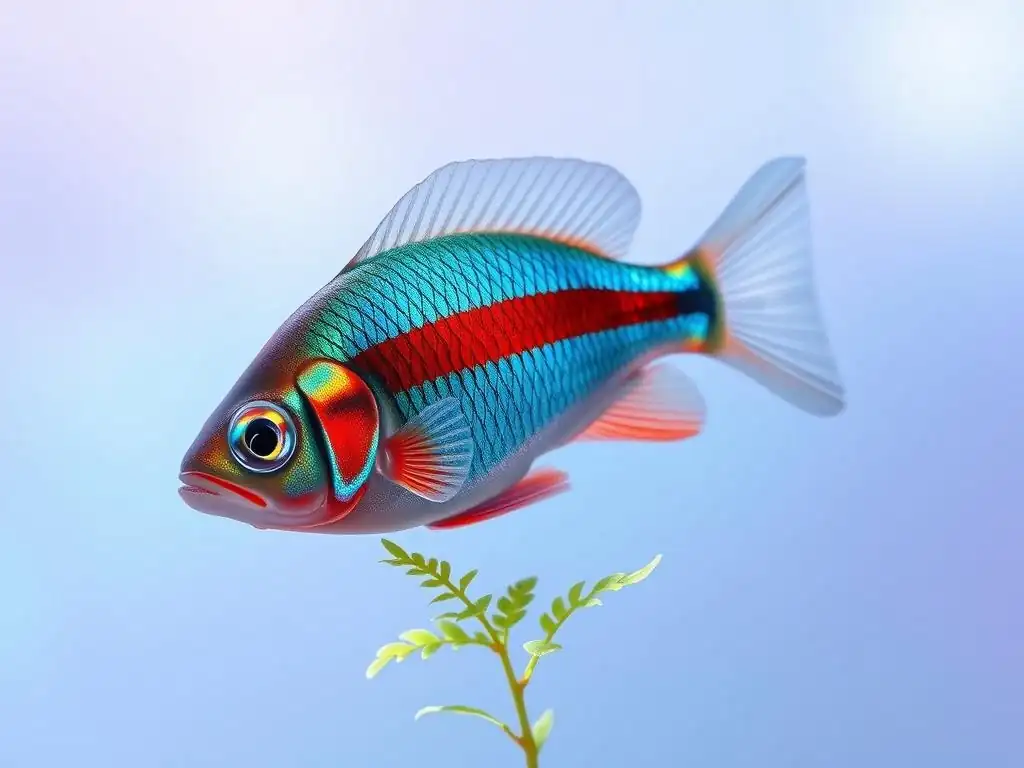
The first critical step in line breeding is the selection of your foundation stock. These are the individuals that will form the genetic basis of your entire line. Choose a pair (or a small group) of Cardinal Tetras that exemplify the traits you wish to enhance, as identified during your initial selection process. They should be robust, healthy, and display exceptional coloration, finnage, and vitality. It's often beneficial to source your foundation stock from different, reputable suppliers if possible, to initially maximize genetic diversity, even if you plan to close the line later.
Once selected, condition these fish with high-quality, varied foods such as live brine shrimp, daphnia, and frozen bloodworms to ensure they are in peak breeding condition. Observe their behavior closely; active, well-fed fish are more likely to spawn successfully. This initial pair, often designated as the F0 generation, represents the starting point from which all future improvements will be measured. Their genetic contribution will profoundly influence the success of your "line breeding tetras for health" and specific aesthetic goals.
First Generation (F1) Line Breeding: Raising and Observing Offspring
After your foundation stock spawns, the eggs typically hatch within 24-36 hours, yielding the first generation (F1) of fry. These tiny, almost invisible fry require specialized care, including infusoria or liquid fry food initially, followed by newly hatched brine shrimp within a few days. Maintaining pristine water quality with frequent, small water changes (e.g., 10% daily) is crucial for their survival and healthy development. As the F1 fry grow, typically over 2-3 months, begin to observe their developing traits.
This observation phase is paramount. Compare the F1 offspring to their F0 parents and to each other. Are the desired traits, such as vibrant red coloration or improved body shape, appearing in the F1 generation? Note any variations, including undesirable traits or deformities. Document these observations meticulously in your lineage chart. The F1 generation provides the first real feedback on your F0 pair's genetic contribution and will guide your selection for the next breeding cycle, moving you closer to successfully "line breeding tetras for health" and specific aesthetic outcomes.
Selective Breeding: Identifying and Isolating Superior Cardinal Tetra Traits
Selective breeding is the core of line breeding. Once the F1 generation matures (typically around 4-6 months old), it's time to identify the best individuals to become the parents of the F2 generation. This process involves a critical evaluation of every fish against your predetermined breeding goals.
For example, if your goal is enhanced red stripe intensity, you would carefully compare all F1 individuals and select only those displaying the most vivid, extensive red. If your aim is to "line breeding tetras for health," you would also prioritize individuals showing exceptional vigor, rapid growth, and no signs of genetic weakness or susceptibility to common ailments.
This selection process is often more about culling (removing) undesirable individuals than simply picking the "best." Any fish showing deformities, poor growth, muted coloration, or signs of chronic illness should be removed from the breeding pool to prevent those traits from being passed on. You might select the top 10-20% of the F1 generation that best embody your desired traits. These chosen individuals will then be paired strategically for the F2 generation, often involving sibling-to-sibling crosses or parent-to-offspring crosses (e.g., F0 father to F1 daughter) to concentrate the desired genetics further.
Second Generation (F2) and Beyond: Refining Genetic Lines
The F2 generation represents a significant step in refining your genetic lines. By carefully breeding the selected F1 individuals, you begin to see a higher concentration of the desired traits. For instance, if you were aiming for a broader blue stripe, a larger percentage of F2 fry might exhibit this characteristic compared to the F1 generation. This is where the power of line breeding truly becomes apparent, as you are effectively "fixing" desirable genes within your population.
The process of observation, selection, and breeding is then repeated for the F2 to F3 generation, and so on. Each successive generation allows for further refinement and consolidation of traits. Over 4-6 generations, you can often achieve remarkable consistency in your desired characteristics. However, it's vital to remain vigilant for signs of inbreeding depression, which can manifest as reduced fertility, smaller size, or increased susceptibility to disease. This ongoing vigilance is crucial for ensuring that your efforts in "line breeding tetras for health" do not inadvertently lead to a weakened genetic pool.
Maintaining Genetic Diversity in Line Bred Cardinal Tetras: Avoiding Inbreeding Depression
Introducing Outcrosses: Adding New Genetic Material to the Cardinal Tetra Line
While line breeding focuses on concentrating specific traits, it inherently reduces genetic diversity. To prevent the detrimental effects of inbreeding depression, such as reduced fertility, stunted growth, or increased disease susceptibility, it is crucial to periodically introduce new genetic material into your line through outcrossing. An outcross involves breeding one of your line-bred fish with an unrelated individual that still possesses desirable qualities, or at least doesn't carry significant undesirable traits. This new fish should ideally come from a different, healthy source.
The timing of an outcross is important; it's often done after 3-5 generations of line breeding, or sooner if signs of inbreeding depression become apparent (e.g., a sudden drop in fry survival rates from 80% to 50%, or an increase in deformities from 1% to 5%). The offspring from an outcross (often called an F1 outcross) will exhibit increased vigor and genetic diversity.
These F1 outcross individuals can then be selectively bred back into your main line (a process known as backcrossing) to reintroduce specific desired traits while maintaining the benefits of renewed genetic strength. This strategic introduction of new blood is fundamental to the long-term success of "line breeding tetras for health."
Managing Genetic Variation: Strategies for Healthy Cardinal Tetra Populations
Effective line breeding is a delicate balance between fixing desirable traits and preserving enough genetic variation to maintain the overall health and resilience of the population. One key strategy is to maintain multiple, parallel breeding lines rather than a single, monolithic one. For example, instead of just one A line, you might have A1, A2, and A3 lines, each started from slightly different foundation stock or with minor variations in selection criteria. This provides a safety net and allows for cross-breeding between these sub-lines when needed, offering a wider pool of genetics without resorting to entirely new external stock.
Another strategy involves careful selection not just for the desired trait, but also for general robustness and a lack of genetic flaws. Even if a fish has the most intense red stripe, if it frequently falls ill or has a slight deformity, it should not be used for breeding.
Furthermore, maintaining a larger breeding population (e.g., 20-30 individuals rather than just 2-4) in each generation provides a broader genetic base from which to select, reducing the chances of inadvertently bottlenecking the gene pool. These practices are paramount for ensuring that your efforts in "line breeding tetras for health" yield not just beautiful fish, but also consistently strong and adaptable populations for years to come.
Monitoring Cardinal Tetra Health and Vitality During Line Breeding
Recognizing Signs of Genetic Weakness in Line Bred Cardinal Tetras
Vigilant monitoring for signs of genetic weakness is paramount during a line breeding program, as it can indicate the onset of inbreeding depression. One of the most common indicators is a noticeable reduction in overall size or growth rate, with affected fish potentially being 20-30% smaller than their outcrossed counterparts at the same age. Physical deformities, such as spinal curvature (scoliosis or lordosis), gill cover malformations, or misshapen fins, are strong indicators that recessive genes for these traits are becoming fixed within the line.
Furthermore, a general lack of vigor, including listlessness, reduced appetite, or a tendency to "clamp" their fins, can signal weakened genetics. Perhaps the most concerning sign is an increased susceptibility to common diseases. While all fish can get sick, a line showing a disproportionately high incidence of Ich, Fin Rot, or other common aquarium ailments, especially when water quality is optimal, suggests a compromised immune system due to inbreeding. Early recognition of these signs allows breeders to intervene, often by introducing an outcross, to correct the course of their "line breeding tetras for health" efforts.
Addressing Common Health Problems in Line Bred Cardinal Tetras
Even with the best line breeding practices, health problems can occasionally arise. When they do, a swift and appropriate response is crucial. The first step is always to isolate affected individuals in a hospital tank to prevent potential spread and to administer targeted treatment without medicating the entire breeding colony. For common bacterial infections like fin rot, broad-spectrum antibiotics (e.g., erythromycin or oxytetracycline) may be necessary, while parasitic issues like Ich often respond well to increased temperature and specific anti-parasitic medications.
Beyond direct treatment, it's essential to investigate the root cause of the health issue. Is it environmental (e.g., fluctuating water parameters, overcrowding)? Or is it potentially genetic? If a specific ailment appears repeatedly across generations, even with excellent husbandry, it may indicate a genetic predisposition within your line. In such cases, affected individuals should be removed from the breeding program, and an outcross might be considered to introduce fresh, more resistant genetics. Proactive measures, such as maintaining strict quarantine protocols for any new fish and optimizing nutrition, are also vital for overall success in "line breeding tetras for health."
Maintaining Optimal Water Quality for Cardinal Tetra Health and Breeding Success
Optimal water quality is non-negotiable for the health and breeding success of Cardinal Tetras, especially within a line breeding program where genetic vigor is under close scrutiny. These fish thrive in soft, acidic, and exceptionally clean water. Regular water changes are critical: a 25-30% weekly water change, or even 10-15% every other day for fry tanks, is often recommended to keep nitrates below 5-10 ppm and prevent the buildup of organic pollutants. Consistent parameters are more important than absolute values within the acceptable range; sudden fluctuations in pH or temperature can stress fish and compromise their immune systems.
Utilize a reliable filtration system that provides both mechanical (to remove particulate matter) and biological (to process ammonia and nitrite) filtration. Sponge filters are excellent for breeding tanks due to their gentle flow. Regular testing of pH, GH, KH, ammonia, nitrite, and nitrate levels using accurate test kits is essential to monitor conditions. Aim for a pH between 5.5-6.5, GH 1-3 dGH, and undetectable ammonia and nitrite. Pristine water quality directly contributes to the overall vitality of your breeding stock and fry, underpinning all efforts in "line breeding tetras for health."
Documenting Line Breeding Efforts: Keeping Detailed Records

Importance of Record Keeping: Tracking Cardinal Tetra Traits and Health Data
Detailed record-keeping is the bedrock of a successful and sustainable line breeding program. Without accurate records, line breeding becomes little more than random breeding, making it impossible to track progress, identify successful pairings, or avoid potential pitfalls like inbreeding depression. Records allow you to objectively assess which traits are being passed down consistently, which pairings produce the best offspring, and which lines might be developing genetic weaknesses. For instance, if you note a consistent increase in fin length by approximately 0.2 cm over three generations in a specific lineage, this data validates your selection process.
Beyond positive traits, tracking health data is equally crucial for "line breeding tetras for health." Documenting instances of disease, deformities, or reduced fertility in specific parent lines helps identify potential genetic predispositions or carriers of undesirable recessive genes. This information empowers you to make informed decisions about future pairings, enabling you to cull specific individuals or introduce outcrosses strategically. Without these meticulous records, a breeder operates in the dark, relying on memory and guesswork, which can quickly lead to stagnation or even the collapse of a breeding line.
Using Spreadsheet Software for Efficient Record Management
For efficient and organized record management, spreadsheet software like Microsoft Excel, Google Sheets, or LibreOffice Calc is an invaluable tool. Set up a master spreadsheet with multiple tabs or distinct sections for different aspects of your breeding program. Essential columns for individual fish records should include:
Fish ID: A unique identifier (e.g.,CT-F0-M1,CT-F1-A3).Parents: IDs of the sire and dam.Hatch Date: The date the fry hatched.Spawn Size: Number of eggs laid, number of fry hatched, number of fry reaching maturity.Phenotype Notes: Detailed observations on coloration (e.g., "red stripe strong, extends to tail base"), size (e.g., "fast growth, 4cm at 5 months"), finnage, and body shape.Health Notes: Any observed illnesses, deformities, or unusual behaviors.Selection Status:Kept for Breeding,Culled,Sold.Next Generation Pairing: Notes on potential future mates.
Using filters and sorting functions in a spreadsheet allows you to quickly analyze data, identify trends, and review the performance of different lines. For example, you can sort by Spawn Size to identify the most prolific breeders or by Health Notes to pinpoint lines with recurring issues. This systematic approach streamlines the complex process of "line breeding tetras for health" and ensures that your valuable data is accessible and actionable.
Ethical Considerations in Line Breeding Cardinal Tetras
Responsible Breeding Practices: Prioritizing Cardinal Tetra Welfare
Ethical considerations are paramount in any breeding endeavor, and line breeding Cardinal Tetras is no exception. Responsible breeding prioritizes the welfare of the fish above all else. This means providing optimal living conditions for all fish, from breeding pairs to fry, including appropriately sized tanks, pristine water quality, and a high-quality, varied diet. Overcrowding, inadequate filtration, or poor nutrition are unacceptable, as they compromise fish health and can induce stress, negatively impacting genetic expression.
A critical ethical aspect is the management of culls. In line breeding, culling (removing individuals that do not meet breeding standards or exhibit undesirable traits) is an unavoidable part of the process. This must be done humanely and responsibly.
Fish with severe deformities, chronic illness, or extreme genetic weaknesses should be euthanized quickly and painlessly to prevent suffering. They should never be simply discarded or allowed to suffer. Responsible breeders also avoid over-breeding, ensuring that they have the capacity and resources to properly care for all offspring produced, aligning with the core principle of "line breeding tetras for health" and overall well-being.
Avoiding Over-Selection: Maintaining Genetic Diversity for Long-Term Health
While selective breeding aims to concentrate desirable traits, over-selection can be detrimental to the long-term health and viability of a line. Over-selection occurs when breeders focus too narrowly on a single or very few traits, leading to an excessive reduction in genetic diversity. This can inadvertently eliminate beneficial genes that contribute to overall vigor, disease resistance, or adaptability, even if those genes aren't directly related to the aesthetic goal. For example, selecting solely for the most intense red stripe might inadvertently diminish genes responsible for a robust immune system.
To avoid this, breeders should strive for a balance. While prioritizing specific traits, it's crucial to also select for general robustness, good conformation, and strong immune responses. Maintaining a slightly larger breeding pool in each generation, even if some individuals are not "perfect," can help retain a broader genetic base. Periodically introducing carefully chosen outcrosses, as discussed earlier, is another vital strategy to refresh the gene pool and prevent the accumulation of deleterious recessive genes. This balanced approach ensures that "line breeding tetras for health" results in not only beautiful but also resilient and sustainable populations.
Advanced Techniques in Cardinal Tetra Line Breeding
Using Fin Ray Counts: Optimizing Selection for Body Conformation
For advanced line breeders aiming for subtle yet impactful improvements in body conformation and symmetry, counting fin rays can be a surprisingly useful technique. Fin rays are the bony supports within a fish's fins, and their number and arrangement are largely genetically determined.
While not typically visible to the naked eye, a careful examination, sometimes aided by a magnifying glass or even a low-magnification microscope, can reveal consistent patterns. For instance, a breeder might observe that individuals with a specific count of dorsal or caudal fin rays tend to exhibit a more desirable, compact body shape or a more symmetrical fin spread.
By meticulously recording fin ray counts for selected breeding stock and their offspring, a breeder can identify correlations between specific counts and desired aesthetic or structural traits. If, for example, fish with 9 dorsal fin rays consistently display a more streamlined body than those with 8 or 10, this can become an additional criterion for selection. This level of detail allows for a more precise and objective selection process, moving beyond subjective visual assessment to identify the underlying genetic factors contributing to superior conformation, thereby optimizing efforts in "line breeding tetras for health" and form.
Selecting for Increased Resistance to Neon Tetra Disease
Neon Tetra Disease (NTD), caused by the microsporidian parasite Pleistophora hyphessobryconis, is a devastating and often incurable affliction for tetras. While there is no definitive cure, line breeding offers a long-term strategy for increasing resistance within a population. This is a highly challenging endeavor, as it requires a controlled environment and careful observation. One approach involves exposing a small, controlled group of offspring to a very low, non-lethal dose of the pathogen (if ethically and practically feasible under strict biosecurity) to identify naturally resistant individuals. However, a more common and ethical approach for hobbyists is to observe natural resistance.
This involves meticulously tracking survival rates and health over time in a large population exposed to typical tank conditions where NTD might be present at background levels. Any fish that survive exposure to the disease or consistently remain healthy in an environment where others succumb are potential candidates for breeding. These individuals likely possess a genetic predisposition for stronger immune responses.
By repeatedly selecting these resilient fish over several generations, a breeder can gradually increase the overall resistance of their line to NTD, making "line breeding tetras for health" a powerful tool against this pervasive threat. This is a long-term project, potentially taking 5-10 generations to see significant improvements.
Troubleshooting Common Line Breeding Challenges with Cardinal Tetras
Low Fertility Rates: Identifying and Addressing Causes
Low fertility rates can be a frustrating hurdle in line breeding Cardinal Tetras, often indicating an underlying issue. One primary cause is water parameters that are not precisely dialed in for spawning. Cardinal Tetras require very soft (GH 1-3 dGH) and acidic (pH 5.5-6.5) water to trigger spawning and ensure egg viability. If these parameters are off, even slightly, egg production or fertilization can be severely impacted. For example, a pH above 7.0 can significantly reduce spawning frequency by 50% or more.
Another common factor is the condition and age of the breeding stock. Overly young or old fish may have reduced fertility; Cardinal Tetras typically reach peak breeding condition between 8-18 months of age. Stress, caused by overcrowding, aggressive tank mates, or unstable environments, can also suppress spawning.
Poor nutrition, lacking essential vitamins and proteins, will likewise impact egg and sperm quality. Finally, increasing inbreeding over several generations can lead to genetic infertility, where the fish are simply unable to reproduce effectively due to a lack of genetic diversity, underscoring the importance of periodic outcrosses when "line breeding tetras for health."
High Fry Mortality: Optimizing Care for Newborn Cardinal Tetras
High fry mortality is a disheartening challenge, often seen as a critical bottleneck in line breeding. The delicate nature of Cardinal Tetra fry makes them particularly vulnerable. The primary cause of death is often starvation due to a lack of appropriately sized food. Newly hatched Cardinal Tetra fry are minuscule and require infusoria (microscopic organisms) or specialized liquid fry foods for their first few days. Within 4-7 days, they can transition to newly hatched brine shrimp nauplii, but if this transition is delayed or food is insufficient, mortality rates can soar to 80-90%.
Poor water quality is another major culprit. Fry are extremely sensitive to ammonia, nitrite, and high nitrates. Even slight accumulations can be lethal. Frequent, small water changes (e.g., 10-15% daily) using precisely matched parameters are essential. Overfeeding, which leads to decaying food and poor water, must be avoided. Additionally, strong currents from filters, rapid temperature fluctuations, or the presence of predatory invertebrates (like hydra) can decimate fry populations. Careful attention to these environmental factors is crucial for maximizing the survival rates of these tiny fish, directly supporting your goal of "line breeding tetras for health."
Spinal Deformities in Fry
The appearance of spinal deformities, such as a kinked back (scoliosis) or a downward curve (lordosis), in Cardinal Tetra fry is a significant concern for line breeders. While occasional deformities can occur randomly, a consistent or increasing incidence (e.g., more than 1-2% of a spawn showing deformities) is a strong indicator of underlying genetic issues, primarily inbreeding depression. As genetic diversity shrinks, the likelihood of deleterious recessive genes expressing themselves in homozygous form increases, leading to structural abnormalities.
Beyond genetics, certain environmental factors can also contribute to spinal deformities, though less commonly as a primary cause in a well-managed line. Nutritional deficiencies in the breeding parents, particularly a lack of essential vitamins (like Vitamin C) or minerals, can sometimes impact bone development in offspring.
Exposure to sudden, extreme temperature shocks or very poor water quality during critical developmental stages can also play a role, though this is less frequent in dedicated breeding setups. If genetic causes are suspected, the affected line should be carefully evaluated, and an outcross with healthy, unrelated stock is often the most effective strategy to mitigate the problem and maintain the integrity of "line breeding tetras for health."
Examples of Successful Line Breeding Programs for Cardinal Tetras
Case Study: Line Breeding Cardinal Tetras for Enhanced Red Stripe Intensity
A hypothetical, yet entirely plausible, case study in line breeding Cardinal Tetras focuses on enhancing the intensity and coverage of their iconic red stripe. A breeder might start with a foundation stock of wild-type Cardinal Tetras, carefully selecting individuals that already exhibit slightly brighter or more extensive red pigmentation. Over the first few generations (F1-F3), the breeder would consistently select the top 10-15% of offspring that show the most vibrant and broadest red stripe, often culling any fish with dull or patchy coloration.
By the F4 or F5 generation, a noticeable improvement would likely be apparent, with the average red stripe intensity increasing by an estimated 15-20% compared to the original F0 stock. The stripe might also extend further towards the caudal fin, covering more of the body.
At this point, the breeder might introduce a controlled outcross with a very healthy, unrelated Cardinal Tetra to reintroduce vigor and prevent inbreeding depression, then selectively backcross the desirable red trait into the refreshed line. This meticulous process, repeated over several years, demonstrates how "line breeding tetras for health" also facilitates the enhancement of specific aesthetic qualities.
Case Study: Line Breeding Cardinal Tetras for Increased Body Size
Another compelling example of successful line breeding involves increasing the average adult body size of Cardinal Tetras. While wild Cardinal Tetras typically reach 3-4 cm, a dedicated breeder might aim for a line that consistently produces fish averaging 4.5-5 cm, a significant increase of 12-25%. The process begins by selecting the largest, most robust individuals from the foundation stock, ensuring they also display good overall health and conformation.
In each subsequent generation, the breeder would identify and retain the largest and fastest-growing fry that also maintain good body proportions and show no signs of genetic weakness. This involves meticulous feeding schedules, optimal water conditions to support rapid growth, and careful record-keeping of individual growth rates.
After 4-6 generations of consistent selection for size, alongside general vigor, the breeder would likely see a measurable increase in the average adult size of their line. This achievement not only creates visually impressive fish but also often correlates with improved overall health and resilience, demonstrating the tangible benefits of "line breeding tetras for health" through selective size enhancement.
Conclusion: Mastering Line Breeding for Healthier and More Vibrant Cardinal Tetras
The Rewards of Dedicated Cardinal Tetra Line Breeding: Achieving Superior Results
Embarking on the journey of line breeding Cardinal Tetras is a commitment that demands patience, meticulous observation, and a deep understanding of genetics and husbandry. However, the rewards for such dedication are profoundly satisfying. Through careful selection and systematic breeding, aquarists can achieve results far beyond what is typically available in the commercial market. This includes Cardinal Tetras with intensely vibrant coloration, such as a red stripe that glows with unparalleled brilliance and spans the entire length of the body, or a blue stripe that shimmers with exceptional luminosity.
Beyond aesthetics, the most significant reward lies in cultivating lines of Cardinal Tetras that are inherently more robust and resilient. By prioritizing "line breeding tetras for health," breeders can develop populations with superior immune systems, increased resistance to common diseases like Neon Tetra Disease, enhanced fertility, and significantly longer lifespans. These hardy, long-lived fish not only bring immense joy to the aquarist but also represent a valuable contribution to the hobby, demonstrating the power of responsible breeding to create superior aquatic specimens.
Continued Learning and Refinement: Resources for Aspiring Cardinal Tetra Breeders
The art and science of line breeding are continuously evolving, and mastering it requires a commitment to ongoing learning and refinement. For aspiring Cardinal Tetra breeders, there are numerous resources available to deepen their knowledge and hone their skills. Online forums and dedicated Facebook groups for tetra enthusiasts and breeders offer invaluable platforms for sharing experiences, asking questions, and learning from seasoned aquarists. Many successful breeders openly discuss their strategies, challenges, and breakthroughs, providing practical insights.
Furthermore, academic papers on fish genetics, books on aquaculture, and articles from reputable aquarium publications can provide a solid theoretical foundation. Attending local aquarium club meetings or conventions can also offer networking opportunities and access to expert advice. The journey of "line breeding tetras for health" is one of continuous discovery; each new generation presents unique challenges and opportunities for refinement. By actively engaging with the broader aquarist community and staying abreast of new techniques, breeders can perpetually improve their lines, ensuring the long-term vitality and beauty of their Cardinal Tetras.
Frequently Asked Questions
How does line breeding differ from inbreeding when breeding Tetras?
Line breeding is a more controlled form of inbreeding, aimed at maintaining desirable traits within a specific lineage. Inbreeding is generally less selective and can quickly lead to genetic defects.
What are the primary benefits of line breeding Tetras for health, as opposed to random breeding?
Line breeding allows for the selection and reinforcement of healthier genetic traits, which can lead to stronger, more resilient Tetra populations. Random breeding can lead to the propagation of undesirable genetic weaknesses.
What are some potential risks or challenges associated with line breeding Tetras?
The main risk is genetic bottlenecking, which can reduce genetic diversity and increase susceptibility to disease. Careful record-keeping and selective breeding are crucial to mitigate these risks.
How can I identify desirable traits to focus on when line breeding Tetras for health?
Focus on traits such as disease resistance, vibrant coloration, and overall vigor. Observing your Tetras for signs of illness or weakness is also important.
How often should I introduce new genetic material when line breeding Tetras to maintain a healthy gene pool?
Introducing new bloodlines every few generations helps to prevent excessive inbreeding and maintain genetic diversity. A good rule of thumb is every 3-5 generations.
Final Reflection: The Enduring Legacy of Genetic Stewardship
The journey into line breeding tetras for health reveals more than just techniques; it underscores a profound responsibility we assume when shaping the genetic future of these delicate creatures. The meticulous selection, the careful record-keeping, and the unwavering commitment to ethical practices detailed throughout this exploration are not merely steps in a process, but rather a testament to the dedication required for responsible aquarium keeping in the modern age. The health and vitality of these fish, and indeed the future of the hobby, hinges on our understanding and application of these principles.
This exploration has highlighted the intricate dance between science and art that is line breeding. It's a reminder that our actions, however small they may seem within the confines of our aquariums, ripple outwards, influencing the genetic diversity and overall health of these species. The greatness of a nation and its moral progress can be judged by the way its animals are treated.
- Mahatma Gandhi. This quote, while often applied to larger creatures, resonates deeply within the microcosm of our aquariums, urging us to consider the ethical implications of our actions and strive for the betterment of the lives entrusted to our care.
As we conclude this exploration, I invite you to reflect on the power you hold as an aquarist. The knowledge you've gained about line breeding tetras for health is not just a skill, but a tool for positive change. Embrace the challenge, commit to ethical practices, and contribute to a future where the vibrant colors and energetic dances of healthy tetras continue to grace our aquariums for generations to come. Let your passion be a beacon, guiding others towards a deeper understanding and appreciation for the intricate beauty and delicate balance of the aquatic world.
Unlock Your Tetra Breeding Superpowers!
Thank you for diving into the fascinating world of line breeding Tetras! We hope you've gained valuable insights into this advanced aquarium technique. Now, let’s turn that knowledge into action!
Here are a few ways to continue your aquarium journey:
- Start with the perfect pair: Commit to selecting your initial breeding pair based on the strictest criteria outlined in the article. Document everything meticulously!
- Explore related species: Research other Tetra species suitable for line breeding and compare their genetic traits. What hidden potential lies within the Hyphessobrycon amandae?
- Share your setup: Post photos of your breeding tank on Aquarium Mastery's community forum, detailing your specific approach and asking for feedback.
What unexpected challenge are you most eager to tackle in your first line breeding attempt?