
Pelagic Spawners Uncovered: Specialized Techniques for Open Water Marine Breeders

Welcome to Aquarium Mastery!
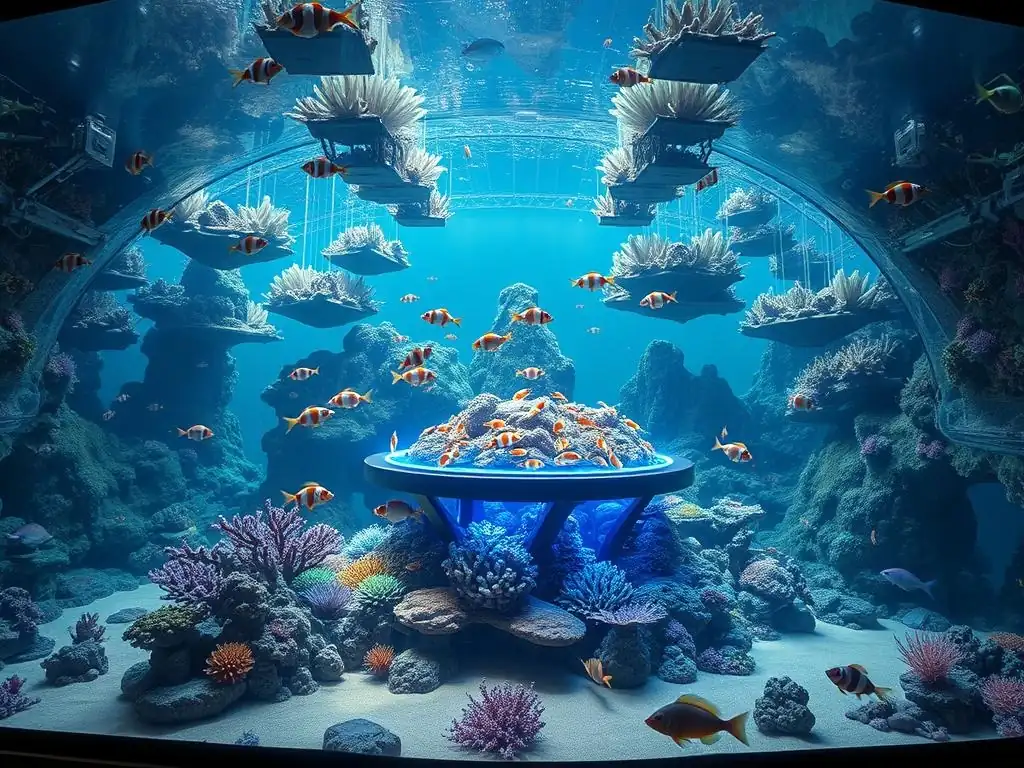
Ever wondered how the most elusive marine species propagate in the vast open ocean? Dive in and uncover the secrets to successful open water marine breeding. This specialized guide explores the techniques, challenges, and triumphs of raising pelagic spawners. Ready to master the art and bring the ocean's wonders to your own tank? Let's begin!
- Understanding Pelagic Spawner Reproduction
- Setting Up a Dedicated Pelagic Spawner Breeding System
- Triggering Spawning in Pelagic Spawners
- Collecting and Handling Pelagic Spawner Eggs
- Larval Rearing of Pelagic Spawners: The Critical Phase
- Weaning and Growing Out Juvenile Pelagic Spawners
- Common Challenges and Troubleshooting in Pelagic Spawner Breeding
- Advanced Techniques in Pelagic Spawner Spawning and Larval Rearing
- Conclusion: Mastering the Art of Pelagic Spawner Breeding
-
Frequently Asked Questions
- How does Pelagic Spawning relate to open water marine breeding?
- What are the key challenges in breeding Pelagic Spawners in a closed aquarium system?
- What type of water chemistry is crucial for successful Pelagic Spawning and larval development?
- What specialized feeding strategies are necessary for raising the larvae of Pelagic Spawners?
- What are some of the most common diseases that affect Pelagic Spawner larvae, and how can they be prevented?
- Final Reflection: Embracing the Open Ocean's Potential
- Dive Deeper: Ignite Your Pelagic Breeding Journey!
Understanding Pelagic Spawner Reproduction
Defining Pelagic Spawning: Open Water Fertilization
Pelagic spawning is a reproductive strategy where marine organisms release their eggs and sperm directly into the open water column, where fertilization and subsequent larval development occur. Unlike demersal spawners, which lay eggs on a substrate, pelagic spawners do not provide parental care for their eggs or newly hatched larvae. This method is prevalent among a vast array of marine fish, including many commercially important species like tuna, snappers, and a significant number of popular aquarium inhabitants such as surgeonfish (tangs), angelfish, and many wrasses.
The eggs of pelagic spawners are typically small, often ranging from 0.6 mm to 1.2 mm in diameter, and are buoyant, designed to drift with ocean currents. This buoyancy, often achieved through oil droplets within the egg, allows for wide dispersal of offspring, which can be an evolutionary advantage for colonizing new areas and reducing localized predation pressure. However, this strategy also comes with inherent challenges, including high mortality rates due to predation, unfavorable environmental conditions, and the vastness of the open ocean where larvae must find food and avoid being swept away from suitable habitats.
The Unique Challenges of Open Water Marine Breeding in Captivity
Breeding pelagic spawners in a controlled aquarium environment presents a unique set of challenges that distinguish it significantly from breeding demersal species. One primary hurdle is achieving synchronous spawning, where both male and female release gametes simultaneously, often requiring precise environmental triggers that are difficult to replicate. Furthermore, the sheer volume of water needed to facilitate natural spawning behaviors, especially for species that perform "spawning rushes" in open water, can be substantial; for instance, successful yellow tang ( Zebrasoma flavescens) breeding at the Oceanic Institute has utilized systems exceeding 10,000 liters to accommodate their characteristic vertical spawning ascent.
Beyond the initial spawning, the subsequent larval rearing phase is notoriously difficult. Pelagic larvae are often minute, possess underdeveloped mouths, and require specific, highly nutritious live feeds, such as specific strains of rotifers and copepod nauplii, which must be cultured in high densities. Their delicate nature makes them incredibly susceptible to slight fluctuations in water quality, bacterial infections, and physical damage from filtration or water flow. The high mortality rates observed in the initial days to weeks post-hatch, sometimes exceeding 99% in early attempts, underscore the complexity of successful open water marine breeding.
Why Engage in Pelagic Spawner Breeding? Economic and Conservation Benefits
The pursuit of open water marine breeding, despite its difficulties, offers compelling economic and conservation benefits. Economically, successfully breeding popular pelagic species can reduce the reliance on wild collection, easing pressure on natural populations and providing a more sustainable, often more robust, source of aquarium fish. For example, species like the Yellow Tang, which are highly sought after in the aquarium trade, are almost exclusively wild-caught, leading to concerns about their long-term sustainability. Developing reliable breeding protocols for such species could create a significant new market segment for aquaculture.
From a conservation perspective, mastering the techniques of open water marine breeding is crucial for the long-term viability of many reef fish populations. It offers a pathway to rebuild depleted stocks, support research into marine larval ecology, and reduce the environmental impact associated with collection and transportation. While successes with pelagic spawners are less common than with demersal species like clownfish, breakthroughs in breeding species such as the Pacific Blue Tang ( Paracanthurus hepatus) by institutions like the University of Florida's Tropical Aquaculture Laboratory demonstrate the potential to protect vulnerable species and advance the broader field of marine aquaculture.
Setting Up a Dedicated Pelagic Spawner Breeding System
Choosing the Right Tank Size and Shape for Pelagic Spawner Pairs
The design of a breeding tank for pelagic spawners is fundamentally different from a typical reef aquarium or even a demersal breeding setup. The most critical factor is providing ample open water space, both vertically and horizontally, to allow the fish to perform their natural spawning behaviors, which often involve rapid ascents and descents or synchronized swimming patterns. For medium-sized pelagic spawners, such as many wrasses or smaller angelfish, tanks of 1,000 liters (approximately 260 gallons) or more are often recommended. Larger species, like certain tangs or groupers, may require multi-thousand-liter systems to replicate their natural environment adequately.
The shape of the tank also plays a significant role. Longer, deeper tanks are generally preferred over shallow, wide ones, as they facilitate the "spawning rush" behavior observed in many species, where pairs ascend towards the water surface to release gametes. Minimal internal decor is advisable to prevent injuries during these rapid movements and to ensure easy collection of buoyant eggs. For instance, pioneering efforts in breeding surgeonfish often employ circular or racetrack-shaped tanks to promote continuous swimming and reduce corners where fish might become stressed or trapped.
Essential Equipment for Pelagic Spawner Breeding Tanks
Beyond the tank itself, a suite of specialized equipment is crucial for a successful open water marine breeding system. This includes robust life support systems such as high-capacity protein skimmers, sumps for biological and mechanical filtration, and precise temperature control units (heaters and chillers) to maintain stable conditions. The filtration system must be powerful enough to handle the bio-load of conditioned broodstock but gentle enough to avoid damaging delicate pelagic eggs.
Setting Up a Gentle Filtration System (e.g., Sponge or Fluidized Bed)
For pelagic spawner breeding systems, especially in larval rearing tanks, the filtration must be extremely gentle to prevent physical damage to the minute eggs and highly vulnerable larvae. Traditional mechanical filtration with strong pumps can easily injure or kill these delicate early life stages.
Therefore, alternative methods like air-driven sponge filters are commonly used in larval rearing tanks due to their minimal water flow and large surface area for beneficial bacteria. For larger broodstock tanks, a combination of external sumps with robust protein skimming and bio-filtration (e.g., fluidized bed filters or trickle filters) can be employed, but care must be taken to ensure that overflows and returns are designed to prevent eggs from being drawn into the filtration system or subjected to harsh turbulence.
Implementing a UV Sterilizer for Disease Prevention
The high stocking densities and sensitive nature of marine larvae make disease prevention paramount in open water marine breeding. Ultraviolet (UV) sterilizers are an indispensable tool in this regard, effectively killing free-floating bacteria, viruses, and parasites in the water column without introducing chemicals. For optimal efficacy, UV units should be appropriately sized for the system's volume and flow rate, typically requiring a minimum UV-C dosage of 50,000 µW/cm² to effectively neutralize common pathogens like Vibrio bacteria, which can devastate larval cultures within hours. Regular maintenance, including bulb replacement every 6-12 months, is essential to ensure consistent germicidal output.
Lighting Considerations for Spawning and Algae Control
Lighting in a pelagic spawner breeding system serves multiple purposes, influencing both broodstock conditioning and larval development. For broodstock, a consistent photoperiod, often mimicking natural day-night cycles (e.g., 12-14 hours of light), is critical for regulating reproductive cycles.
Some breeders also experiment with lunar cycle simulation, introducing subtle changes in light intensity or duration around new and full moons, which can act as a natural spawning trigger for certain species. In larval rearing tanks, however, lighting is often kept dim or on a reduced schedule to prevent excessive algae growth, which can compete for nutrients and foul the water, and to minimize stress on light-sensitive larvae.
Water Quality Parameters for Successful Pelagic Spawner Spawning
Maintaining pristine and stable water quality is non-negotiable for successful open water marine breeding. Slight deviations can stress broodstock, inhibit spawning, or lead to egg and larval mortality. Salinity should be kept consistently within the range of 1.023 to 1.026 specific gravity, mimicking natural ocean conditions. Temperature is species-specific but typically maintained between 25-28°C (77-82°F) for most tropical species, with stable parameters being more important than minor fluctuations.
pH should be kept stable between 8.0 and 8.4, and alkalinity (carbonate hardness) between 7 and 12 dKH (2.5-4.3 meq/L) to buffer against pH swings. Ammonia, nitrite, and nitrate levels must be kept as close to zero as possible, especially in larval rearing systems where even trace amounts can be lethal. Regular testing and consistent water changes with high-quality, aged saltwater are essential. Additionally, the presence of essential trace elements, often depleted in closed systems, should be monitored and supplemented as necessary to support gonad development and overall broodstock health.
Triggering Spawning in Pelagic Spawners
Environmental Cues: Simulating Natural Spawning Triggers
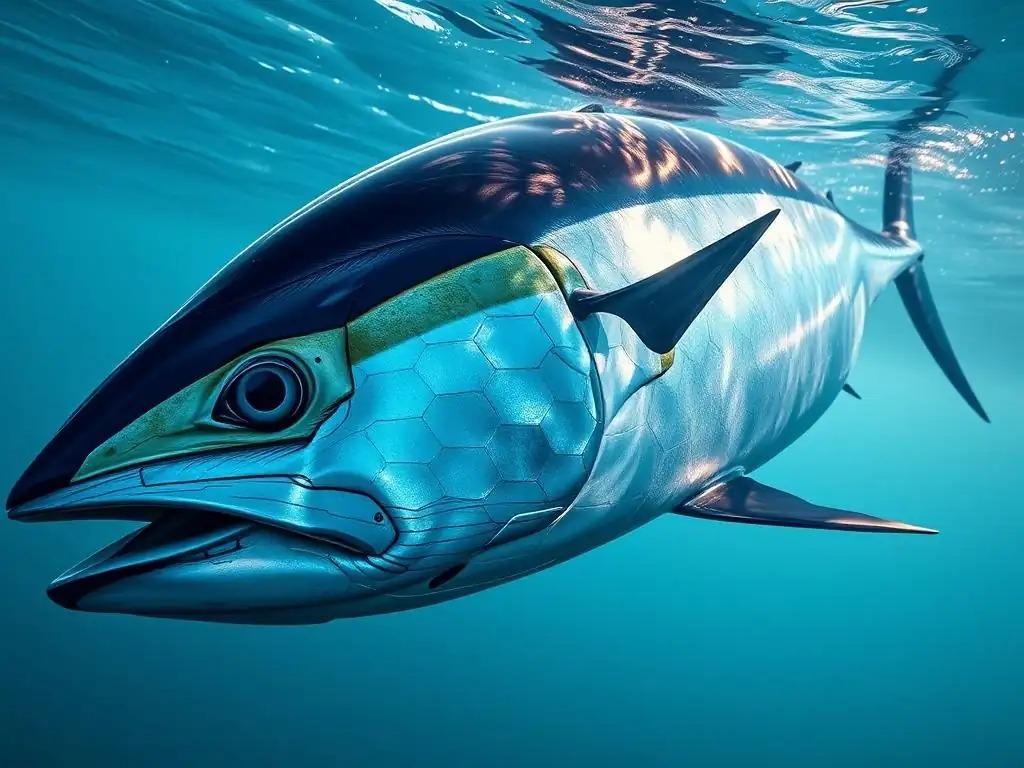
Inducing pelagic spawners to reproduce in captivity often hinges on replicating the environmental cues they experience in their natural habitats. These cues can include subtle changes in water temperature, specific photoperiods, and even the presence of certain water flow patterns that simulate natural currents. For many tropical species, maintaining a stable temperature within their optimal range (e.g., 26-27°C for many tangs) is crucial, but sometimes a slight, gradual fluctuation (e.g., a 1-2°C drop followed by a return to baseline) can act as a spawning trigger, mimicking seasonal changes.
Photoperiod manipulation is another powerful tool; an automated lighting system that provides a consistent day-night cycle (e.g., 13 hours light, 11 hours dark) is fundamental. For some species, simulating lunar cycles by gradually increasing and decreasing light intensity or duration around the new and full moons has proven effective in stimulating spawning, as many pelagic spawners exhibit lunar periodicity in their reproductive cycles. Additionally, providing adequate water movement and currents within the breeding tank can encourage the natural "spawning rush" behavior, where pairs ascend into the water column to release gametes.
Temperature Stability for Optimal Spawning
Maintaining precise and stable water temperature is paramount for optimal spawning in pelagic marine fish. Most tropical pelagic spawners thrive and reproduce within a narrow temperature range, typically between 25°C and 28°C (77°F to 82°F). Fluctuations outside this optimal range, or sudden temperature swings, can stress broodstock, inhibit gamete development, and prevent spawning. For instance, research on Yellow Tangs indicates that consistent temperatures within this range are critical for sustained spawning activity.
While stability is key, some breeders experiment with subtle, gradual temperature shifts (e.g., a 0.5-1.0°C change over several days) to mimic seasonal variations that might trigger natural spawning events. However, any such manipulation must be done with extreme caution to avoid shocking the fish. Precise temperature control via reliable heaters and, if necessary, chillers, is an essential component of any successful open water marine breeding program.
Photoperiod Consistency for Reproductive Cycles
The duration and intensity of light exposure, or photoperiod, play a significant role in regulating the reproductive cycles of pelagic spawners. A consistent photoperiod, typically set to mimic natural tropical day lengths (e.g., 12-14 hours of light), is crucial for signaling to the fish that conditions are suitable for reproduction. Automated lighting systems are highly recommended to ensure precise and consistent cycles, as even minor inconsistencies can disrupt spawning patterns.
Beyond a fixed day-night cycle, some advanced open water marine breeding operations integrate lunar cycle simulation, where the intensity or duration of light is subtly altered to correspond with the phases of the moon. This technique has been particularly effective for species known to exhibit lunar spawning periodicity, such as various tangs and wrasses, which often spawn around full or new moons. This meticulous control helps to synchronize gamete maturation and release within the breeding group.
Providing Ample Open Water Space for Spawning Runs
Unlike demersal spawners that require a specific substrate for egg deposition, pelagic spawners need significant open water space to perform their characteristic spawning runs. These behaviors often involve a pair or group of fish rapidly ascending towards the water surface, releasing eggs and sperm at the apex of their ascent. Without sufficient vertical and horizontal swimming room, these natural behaviors may be inhibited, leading to a lack of spawning.
For instance, species like Yellow Tangs are known to perform a "spawning rush" where the pair rapidly swims upwards, releasing gametes at the peak of their ascent before quickly descending. A tank that is too shallow or too cluttered with rockwork will prevent this natural behavior. Therefore, deep, long tanks with minimal internal decor are preferred for open water marine breeding to ensure the broodstock can execute these critical reproductive maneuvers freely and without obstruction.
Nutritional Conditioning for Breeding Stock
Optimal nutrition is perhaps the most critical factor in conditioning pelagic spawner broodstock for successful and sustained reproduction. A high-quality, varied diet ensures the fish have the energy reserves and necessary nutrients to produce viable eggs and sperm. This typically involves feeding a combination of live, frozen, and high-quality prepared foods. Live foods, such as enriched mysis shrimp, live copepods, and adult brine shrimp, are particularly beneficial as they are highly palatable and provide essential fatty acids and proteins that are crucial for gonad development.
Frozen foods, including various types of krill, enriched brine shrimp, and specially formulated marine fish diets, should also be a staple. These can be fortified with vitamin supplements, particularly Vitamin C and astaxanthin, which enhance egg quality, larval vigor, and overall broodstock health. For example, broodstock fish are often fed three to five times daily with a rotating menu to ensure a comprehensive nutrient intake. This meticulous nutritional approach directly correlates with increased spawning frequency, higher egg viability, and ultimately, better larval survival rates in open water marine breeding efforts.
Collecting and Handling Pelagic Spawner Eggs
Recognizing and Collecting Pelagic Spawner Eggs
Recognizing pelagic spawner eggs typically involves observing the water column after a presumed spawning event, which often occurs at dusk or dawn. These eggs are usually small (0.6-1.2 mm), translucent, and buoyant, floating near the surface or drifting gently with the current. Unlike demersal eggs, they are not attached to a substrate and are often difficult to spot without magnification. Once spawning is confirmed, rapid and gentle collection is crucial to maximize viability.
The most common collection method involves setting up a surface overflow drain that leads to a fine-mesh screen or an egg collector. This system allows the buoyant eggs to flow out of the main breeding tank into a separate, calm collection container, while preventing the broodstock from consuming them. For instance, yellow tang eggs, typically around 0.8 mm, can be collected within minutes of being released using this method, ensuring minimal exposure to potential predators or unfavorable conditions in the main tank.
Maintaining Egg Viability: Best Practices for Handling
Maintaining the viability of delicate pelagic spawner eggs is paramount for successful larval rearing. Once collected, eggs must be handled with extreme care to prevent physical damage. They should never be exposed to air, as this can cause irreversible damage to the chorion (egg membrane) and lead to mortality. Transferring eggs should be done by gently siphoning them in water or using a wide-mouthed scoop to minimize turbulence.
Furthermore, disinfection protocols are often employed to prevent fungal and bacterial growth on the egg surface, which can quickly spread and decimate a batch. A brief dip (e.g., 1-2 minutes) in a dilute iodine solution (e.g., 1 ppm active iodine) is a common prophylactic measure. The eggs are then transferred to a separate incubation vessel with stable, pristine water parameters, ideally matching those of the spawning tank, to ensure optimal development and hatching rates for the next critical phase of open water marine breeding.
Egg Incubation Techniques for Optimal Hatching Rates
Once collected and disinfected, pelagic spawner eggs are transferred to dedicated incubation tanks designed to optimize hatching rates. These tanks are typically small, dark, and equipped with very gentle aeration or water flow to keep the eggs suspended without causing damage. The darkness helps prevent the growth of diatoms and other light-sensitive organisms that could foul the eggs. Water parameters in the incubation tank, particularly temperature, must be kept extremely stable and consistent with the spawning environment.
Hatching times for pelagic eggs vary significantly by species and temperature, generally ranging from 18 to 36 hours for many tropical species at 26°C. During this period, diligent monitoring for signs of fungal growth or non-viable eggs (which often turn opaque) is necessary, with careful removal of affected eggs to prevent contamination of the entire batch. Even with optimal techniques, initial hatching rates for newly captive-bred pelagic species can be low, sometimes less than 50%, highlighting the inherent fragility of these early life stages in the complex process of open water marine breeding.
Larval Rearing of Pelagic Spawners: The Critical Phase
The Importance of Rotifers as First Food for Marine Larvae
The first few days to weeks post-hatch represent the most critical phase in the life cycle of pelagic marine fish larvae. Due to their extremely small size (often 1-3 mm at hatching) and undeveloped digestive systems, most species require a living prey item as their initial food source. Rotifers, particularly the S-type Brachionus rotundiformis and L-type Brachionus plicatilis, are indispensable as the primary live feed during this period. Their small size (typically 100-300 µm) makes them perfectly suited for the tiny mouths of newly hatched larvae, and their slow swimming speed allows even weak swimmers to capture them.
However, rotifers alone do not provide a complete nutritional profile for developing marine larvae. They must be "gut-loaded" or enriched with highly unsaturated fatty acids (HUFAs), such as DHA and EPA, as well as essential vitamins and amino acids, by feeding them with specialized microalgae (e.g., Nannochloropsis, Isochrysis) or commercial enrichment products. This enrichment process is vital for the proper development of larval organs, particularly the eyes and nervous system, and directly impacts survival rates and growth. Without properly enriched rotifers, larval mortality can be nearly 100% in open water marine breeding efforts.
Selecting High-Quality Rotifer Strains
The selection of appropriate rotifer strains is crucial for successful open water marine breeding, as larval mouth gape size varies significantly among species. The two most commonly cultured species are Brachionus plicatilis (often referred to as L-type rotifers, typically 150-300 µm) and Brachionus rotundiformis (S-type rotifers, typically 100-200 µm). S-type rotifers are essential for the smallest larvae, such as those of tangs and some angelfish, which have initial mouth gape sizes as small as 50-70 µm.
Beyond size, ensuring the rotifer culture is robust, healthy, and pathogen-free is paramount. Contaminated rotifer cultures can introduce harmful bacteria or parasites into the larval rearing tanks, leading to devastating outbreaks. Sourcing initial cultures from reputable suppliers and maintaining strict biosecurity protocols, including regular visual inspection and occasional microscopic examination, are best practices for high-quality rotifer production.
Culturing Rotifers: A Practical Guide
Successful open water marine breeding necessitates a consistent and abundant supply of high-quality rotifers, making efficient rotifer culture a fundamental skill. Rotifers are typically cultured in high densities, often ranging from 100 to 200 rotifers per milliliter, in dedicated culture vessels that can vary from small buckets to large, conical tanks. They are filter feeders and are commonly fed with concentrated microalgae pastes (e.g., Nannochloropsis oculata, Isochrysis galbana) or commercially available enrichment diets rich in HUFAs and vitamins.
A typical culture cycle involves daily harvesting of a portion of the culture (e.g., 20-50%) and replenishment with fresh media and food. This semi-continuous method helps maintain a healthy, reproducing population. Before feeding to larvae, rotifers are usually rinsed with clean saltwater to remove any culture waste or unconsumed food, then concentrated and enriched for several hours to maximize their nutritional value. Maintaining optimal temperature, salinity, and aeration in rotifer cultures is key to their rapid reproduction and nutritional quality.
Implementing a Feeding Schedule for Optimal Larval Growth
The feeding schedule for pelagic marine larvae is intensive and precise, as their rapid metabolism and small yolk sacs (which are typically absorbed within 24-48 hours) demand a constant supply of food. Larval tanks are often maintained with a relatively high density of live food, such as 10-15 rotifers per milliliter, continuously throughout the day and night during the critical first week. This "greenwater" technique (where microalgae are also added to the larval tank) helps ensure that food is always available and improves water quality.
As larvae grow, their dietary needs evolve. After several days to a week on rotifers, they are gradually transitioned to larger prey items, typically copepod nauplii (e.g., from Parvocalanus or Tisbe species), which offer a superior nutritional profile and are crucial for the development of many advanced species.
This transition may last another 1-2 weeks before larvae are large enough to consume newly hatched Artemia nauplii. The feeding regime is a carefully orchestrated progression, with the goal of providing appropriately sized and enriched food at all stages of larval development to maximize survival and growth in open water marine breeding.
Maintaining Water Quality During Larval Rearing
Maintaining impeccable water quality is arguably the most challenging aspect of larval rearing for pelagic spawners, as the larvae are incredibly sensitive to even minute concentrations of ammonia, nitrite, and other toxins. Unlike mature aquariums, small larval rearing tanks often lack robust biological filtration, and the high density of larvae and live food can rapidly degrade water quality. Therefore, a proactive approach to water management is essential.
Ammonia and Nitrite Control in Larval Tanks
Ammonia and nitrite are highly toxic to developing marine larvae, and their levels can spike rapidly in high-density larval rearing tanks due to uneaten food and larval waste. Since traditional biological filtration is often not fully established or suitable for delicate larvae, control primarily relies on stringent feeding management and frequent water changes. Overfeeding is a major cause of ammonia spikes, so food delivery must be carefully calibrated to larval consumption.
Daily water changes, often ranging from 20% to 50% of the tank volume, are routinely performed to dilute accumulated toxins and replenish essential elements. In emergency situations, the use of ammonia-binding zeolites or specific bacterial additives can provide temporary relief, but consistent water changes remain the cornerstone of ammonia and nitrite control in open water marine breeding larval systems.
Performing Water Changes for Larval Health
Regular and careful water changes are a cornerstone of maintaining optimal water quality and promoting larval health in open water marine breeding. For many pelagic species, daily water changes of 20-50% are necessary, especially during the early larval stages when larvae are most vulnerable and biological filtration is minimal. This frequent exchange dilutes harmful metabolic byproducts, replenishes trace elements, and helps maintain stable pH and alkalinity.
The process of performing water changes must be meticulously executed to avoid stressing or physically harming the delicate larvae. Aged, temperature-matched, and highly filtered saltwater should be gently added, ideally through a drip system or slowly poured to minimize turbulence. During the water removal process, a fine-mesh screen or siphon guard should be used to prevent larvae from being accidentally siphoned out of the tank. This careful approach is vital for the survival and development of the next generation of open water marine breeding successes.
Preventing and Treating Diseases in Marine Larvae
Disease prevention is paramount in marine larval rearing, as outbreaks can be devastating and rapid. Strict biosecurity measures are the first line of defense in open water marine breeding. This includes rigorous disinfection of all equipment, using UV sterilization or ozonation for incoming water, and ensuring that live food cultures are pathogen-free. Quarantining new broodstock and monitoring their health before introduction to breeding systems also minimizes the risk of introducing pathogens.
Despite best efforts, diseases can still occur. Bacterial infections, often caused by Vibrio species, are common and can lead to rapid larval mortality; these are often linked to poor water quality or contaminated live feeds. Ciliate infestations (e.g., Cryptocaryon, Amyloodinium) can also be problematic.
Treatment options for marine larvae are extremely limited due to their extreme sensitivity to medications. Antibiotics or anti-parasitic agents are used only as a last resort, at very low dosages, and often with significant risk to the larvae. Focus remains on prevention, impeccable husbandry, and maintaining optimal water parameters to support the larvae's natural immune response.
Weaning and Growing Out Juvenile Pelagic Spawners
Transitioning Larvae to Prepared Foods
The process of weaning pelagic marine larvae from live foods to prepared foods is a critical milestone in open water marine breeding, marking a significant step towards economic viability. This transition typically begins after metamorphosis, when the larvae have developed into miniature versions of their adult form and their digestive systems are more robust. The process is gradual, often starting by co-feeding live foods (like enriched Artemia nauplii) with finely ground, high-quality micro-pellets or flake foods.
Initially, the prepared foods may only supplement the live diet, but over several weeks, the proportion of prepared foods is slowly increased while live food is gradually reduced. It is crucial to offer a variety of prepared foods to ensure a complete nutritional profile and to prevent pickiness. For many pelagic species, this weaning phase can begin anywhere from 30 to 60 days post-hatch, depending on their growth rate and developmental stage. Successful weaning significantly reduces the labor and cost associated with continuous live food production.
Grow-Out Tank Setup and Management
Once larvae have successfully metamorphosed and are largely weaned onto prepared foods, they are typically transferred to larger "grow-out" tanks. These tanks are designed to accommodate the increasing size and biomass of the juvenile fish and are equipped with more robust filtration systems, including sumps and protein skimmers, similar to those found in adult display tanks. Adequate water flow, aeration, and hiding spots (e.g., PVC pipes, small rock structures) are provided to reduce stress and aggression among growing juveniles.
Stocking density in grow-out tanks must be carefully managed to prevent overcrowding, which can lead to stunted growth, increased aggression, and heightened disease susceptibility. Regular monitoring of growth rates, feeding behavior, and overall health is essential. For example, juvenile Yellow Tangs might be moved from larval rearing tanks to 200-500 liter (50-130 gallon) grow-out systems, where they will remain until they reach a marketable size, a process that can take several months depending on the species and desired market size.
Monitoring Growth and Preventing Disease in Juveniles
Continuous monitoring of growth rates and proactive disease prevention are essential during the juvenile grow-out phase in open water marine breeding. Regular size checks, often done visually or by periodically measuring a sample of fish, help assess the effectiveness of the feeding regimen and tank conditions. Consistent and stable water quality, including low nitrates and phosphates, remains paramount for robust growth and a strong immune system.
Juvenile fish, while more resilient than larvae, are still susceptible to common marine fish diseases such as marine ich ( Cryptocaryon irritans) and velvet ( Amyloodinium ocellatum), especially if stressed by overcrowding, poor nutrition, or fluctuating water parameters. Observing fish for any signs of disease, such as lethargy, clamped fins, or visible spots, allows for early intervention. Implementing a strict quarantine protocol for any new additions to the system, even tank-bred specimens from other sources, further minimizes the risk of introducing pathogens into the grow-out systems.
Common Challenges and Troubleshooting in Pelagic Spawner Breeding
Addressing Low Hatch Rates and Larval Mortality
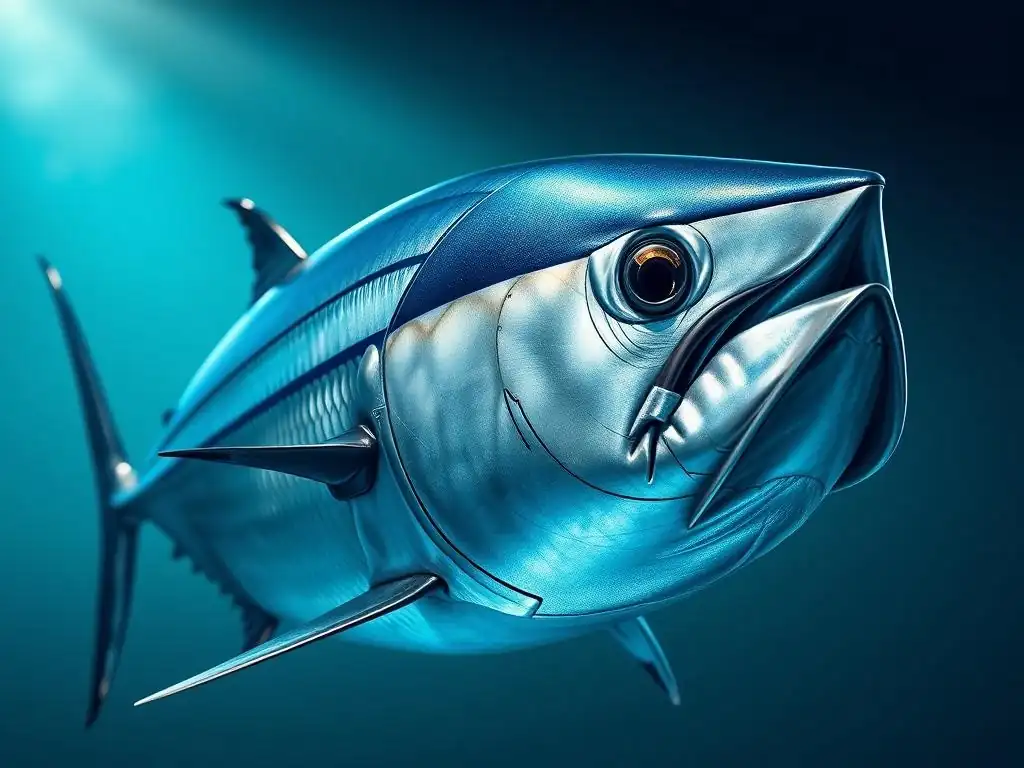
Low hatch rates and high larval mortality are persistent challenges in open water marine breeding, often leading to the failure of entire batches. Common causes for low hatch rates include poor egg quality (often linked to inadequate broodstock nutrition), fungal or bacterial infections on the egg surface, and improper incubation conditions such as incorrect temperature or insufficient aeration. Troubleshooting involves meticulously reviewing broodstock diet, ensuring gentle egg handling and disinfection, and optimizing incubation parameters.
Larval mortality, particularly in the first few days post-hatch, is often attributed to the "first feeding syndrome," where larvae fail to consume adequate food due to insufficient food density, inappropriate food size, or poor nutritional quality of the live feed. Other factors include poor water quality (ammonia/nitrite spikes), bacterial outbreaks, or physical damage. Solutions involve rigorous live food culture and enrichment, meticulous water quality management, and strict hygiene. Even in successful open water marine breeding programs, early larval survival rates can be below 1% for some species, making incremental improvements critical.
Managing Water Quality Issues in Larval Rearing
Water quality issues are a constant threat to pelagic marine larvae, which are exquisitely sensitive to environmental fluctuations. Ammonia and nitrite spikes are common culprits, often resulting from overfeeding, insufficient water changes, or a lack of robust biological filtration in small larval tanks. High nitrate levels, while less acutely toxic than ammonia or nitrite, can still lead to chronic stress and reduced growth.
Troubleshooting involves a multi-pronged approach: strictly controlling feeding amounts to minimize uneaten food, increasing the frequency and volume of water changes, and ensuring adequate aeration to support oxygen levels and help off-gas CO2. In some cases, the use of ammonia-binding media or specific beneficial bacteria strains can provide supplementary control. Preventing excessive algae blooms, which can consume oxygen at night and crash water parameters, also falls under water quality management, often requiring careful light control.
Preventing and Treating Common Diseases in Marine Larvae
Preventing and treating diseases in marine larvae is exceptionally challenging due to their fragility and small size. The high-density nature of larval rearing systems creates an ideal environment for rapid pathogen proliferation. Bacterial infections, particularly from opportunistic Vibrio species, are a frequent cause of mass mortality. These often manifest as opaque bodies, lethargy, or rapid swimming.
Prophylactic measures are the most effective strategy in open water marine breeding. These include stringent hygiene protocols, UV sterilization or ozonation of incoming water, and ensuring all live food cultures are meticulously clean and pathogen-free. If an outbreak occurs, treatment options are limited. Broad-spectrum antibiotics are sometimes used, but their efficacy can be inconsistent, and they can have negative impacts on the larval gut microbiome or water quality. Anti-parasitic treatments are even more difficult due to larval sensitivity. Focus remains on maintaining optimal conditions to support the larvae's innate immunity and preventing stress.
Advanced Techniques in Pelagic Spawner Spawning and Larval Rearing
Greenwater Culture Techniques for Larval Nutrition
Greenwater culture is an advanced and highly effective technique frequently employed in open water marine breeding, particularly during the critical early larval stages. This method involves maintaining a low to moderate concentration of live microalgae (e.g., Nannochloropsis oculata, Isochrysis galbana, Tetraselmis chui) directly in the larval rearing tank.
The microalgae serve multiple crucial functions: they provide direct nutrition for the larvae, especially for species that may graze on phytoplankton; they act as a food source for the rotifers or copepods in the tank, maintaining their nutritional quality; and they help to stabilize water quality by consuming ammonia and nitrites, buffering pH, and providing a more natural, less stressful environment for the larvae.
The presence of greenwater also aids in larval feeding by increasing the contrast of the rotifers, making them easier for the tiny, visually-oriented larvae to locate and capture. This subtle visual cue can significantly improve feeding success and, consequently, survival rates. Maintaining the correct density of microalgae is crucial; too dense, and it can reduce oxygen at night; too sparse, and its benefits are lost. Pioneers in open water marine breeding, such as those who first successfully reared Yellow Tangs, heavily relied on precisely managed greenwater systems.
Enrichment of Rotifers for Enhanced Larval Development
The nutritional quality of live feeds is paramount for the successful development of pelagic marine larvae, and the enrichment of rotifers and Artemia nauplii is an advanced technique that dramatically improves larval survival and health. Rotifers, as filter feeders, largely reflect the nutritional composition of their diet. Therefore, before being fed to larvae, rotifers are "gut-loaded" for several hours with specialized enrichment products that are rich in highly unsaturated fatty acids (HUFAs), particularly DHA (docosahexaenoic acid) and EPA (eicosapentaenoic acid), along with essential vitamins like C and E, and amino acids.
These HUFAs are critical for the proper development of the larval nervous system, eyes, and cell membranes, directly impacting their swimming ability, feeding efficiency, and overall resilience. Similarly, Artemia nauplii, while larger, are nutritionally deficient upon hatching and require similar enrichment before being fed to older larvae or newly metamorphosed juveniles. Commercial enrichment products like Selco or RotiGrow Plus are widely used. This meticulous attention to the nutritional profile of live feeds is a cornerstone of modern open water marine breeding success, leading to significantly higher survival rates and more robust juvenile fish.
Genetic Considerations for Long-Term Breeding Success
For long-term, sustainable open water marine breeding programs, understanding and managing genetic considerations are paramount. Continuous inbreeding within a closed population can lead to inbreeding depression, characterized by reduced fertility, slower growth rates, increased susceptibility to disease, and higher mortality rates. To mitigate this, breeders must implement strategies to maintain genetic diversity within their broodstock.
This often involves starting with a sufficiently large and genetically diverse founder population, careful record-keeping of lineage to avoid mating closely related individuals, and periodically introducing new, unrelated wild-caught specimens (if ethically and legally permissible) to outcross and refresh the gene pool. Advanced programs may also engage in selective breeding to enhance desirable traits such as faster growth, disease resistance, or specific coloration, while carefully monitoring for unintended negative genetic consequences. Maintaining genetic health ensures the long-term viability and robustness of the captive-bred population, contributing to sustainable open water marine breeding efforts.
Conclusion: Mastering the Art of Pelagic Spawner Breeding
Frequently Asked Questions
How does Pelagic Spawning relate to open water marine breeding?
Pelagic spawning is a specific reproductive strategy where fish release eggs and sperm into the open water, where fertilization and larval development occur. Therefore, Pelagic Spawners are the key species targeted in open water marine breeding efforts.
What are the key challenges in breeding Pelagic Spawners in a closed aquarium system?
The primary challenges revolve around replicating the natural conditions of the open ocean, including water quality, flow, and food availability. Larval rearing is particularly difficult due to the delicate nature of the fry and specialized dietary needs.
What type of water chemistry is crucial for successful Pelagic Spawning and larval development?
Maintaining pristine water quality is essential, with stable parameters such as salinity, pH, and temperature. Regular water changes and effective filtration are critical to prevent the buildup of harmful substances like ammonia and nitrates.
What specialized feeding strategies are necessary for raising the larvae of Pelagic Spawners?
Newly hatched larvae typically require live food such as rotifers or copepods, which must be the correct size and nutritional value. A gradual transition to larger food sources is necessary as the larvae grow, requiring precise timing and observation.
What are some of the most common diseases that affect Pelagic Spawner larvae, and how can they be prevented?
Common larval diseases include bacterial infections and parasitic infestations, often exacerbated by poor water quality or overcrowding. Quarantine protocols for new arrivals and maintaining optimal tank conditions are essential for prevention.
Final Reflection: Embracing the Open Ocean's Potential
The journey into understanding and mastering open water marine breeding is not merely an academic exercise; it's a crucial step towards safeguarding the future of our oceans. As we've explored the specialized techniques required for pelagic spawners, it becomes clear that these methods hold the key to sustainable aquaculture and the preservation of vulnerable marine populations in an era of increasing environmental pressures. The knowledge gained here is not just theoretical; it's a practical tool for conservation and innovation.
This exploration has profoundly impacted our understanding of the delicate balance within marine ecosystems. The ability to successfully breed pelagic spawners in controlled environments offers a powerful alternative to relying solely on wild populations, mitigating the impact of overfishing and habitat destruction. In the end, we will conserve only what we love; we will love only what we understand; and we will understand only what we are taught.
- Baba Dioum. This quote underscores the importance of continued research and education in fostering a deeper appreciation for the complexities of open water marine life.
Now, armed with this knowledge of open water marine breeding, I invite you to consider your role in this vital endeavor. Whether you're a seasoned aquaculturist, a budding marine biologist, or simply a passionate ocean advocate, reflect on how you can contribute to the sustainable future of our seas. Explore the possibilities, innovate new techniques, and share your knowledge. The future of our oceans depends on our collective commitment to understanding and protecting the incredible diversity of life within them.
Dive Deeper: Ignite Your Pelagic Breeding Journey!
Thank you for exploring the fascinating world of pelagic spawning! We hope you've gained valuable insights into the specialized techniques required to successfully breed these unique marine species. Now, let's turn that knowledge into action!
- Commit to mastering a single pelagic spawning technique. Start with the one that resonates most with you and dedicate time to understand its nuances.
- Share your newfound knowledge with fellow marine enthusiasts! Join online forums or local aquarium societies to connect and learn from others.
- Brainstorm innovative solutions! What unexpected challenges might arise during your breeding attempts, and how can you proactively address them?
What specific pelagic species are you most excited to breed, and what unique challenge do you anticipate facing in your breeding endeavors?