
Optimal Water Parameters for Thriving Molly Fish

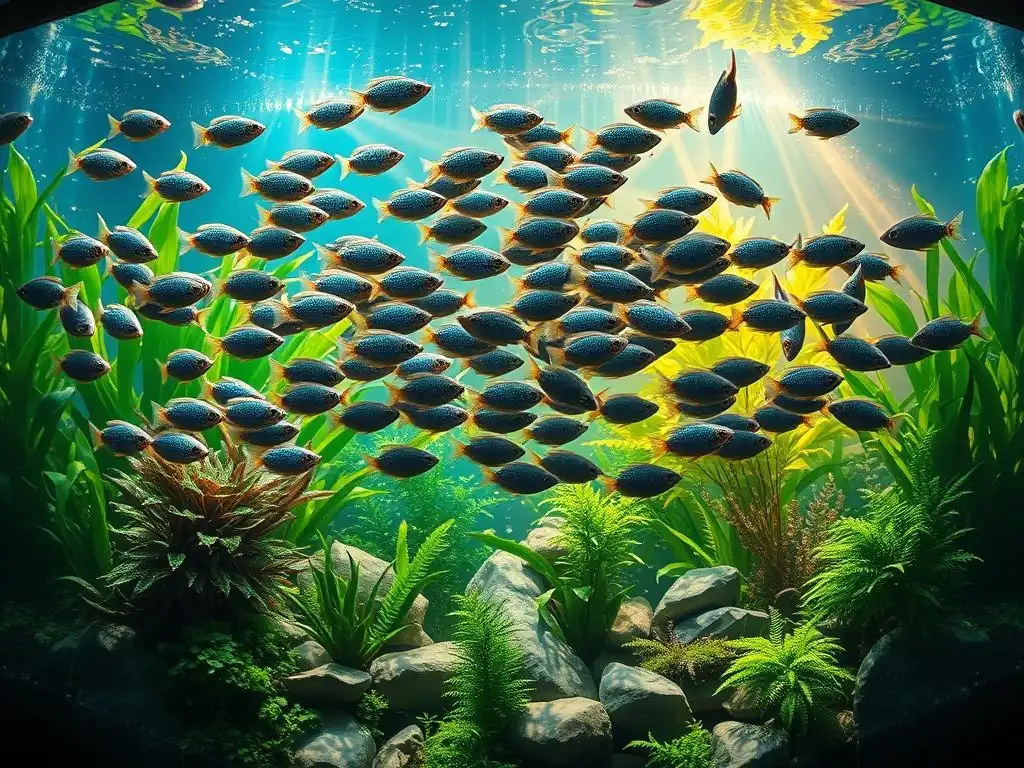
Welcome to Aquarium Mastery, where your aquatic dreams come to life!
Curious about creating the perfect underwater paradise for your Molly fish? You've come to the right place! This Molly fish water parameter guide dives deep into the essentials, revealing the secrets to keeping your Mollies happy, healthy, and thriving. Get ready to unlock a world of vibrant colors and playful personalities – but first, let's ensure their watery home is just right... Intrigued? Let's dive in!
- Optimal Water Parameters for Thriving Molly Fish: A Complete Guide
- Understanding the Importance of Water Parameters for Molly Fish Health
- Molly Fish Water Parameter Guide: Key Elements
- Ammonia, Nitrite, and Nitrate: The Nitrogen Cycle and Molly Fish
- Setting Up Your Molly Fish Tank for Optimal Water Quality
- Testing and Monitoring Water Parameters for Molly Fish
- Troubleshooting Common Water Parameter Issues in Molly Tanks
- Acclimating Molly Fish to New Water Parameters
- Water Changes for Molly Fish: A Step-by-Step Guide
- Maintaining Stable Water Parameters for Breeding Molly Fish
- Advanced Water Parameter Management for Molly Fish Keeping
-
Frequently Asked Questions
- What are the ideal temperature ranges for molly fish in an aquarium?
- What pH level is best suited for molly fish?
- What are the recommended levels for ammonia, nitrite, and nitrate in a molly fish tank?
- How important is water hardness for molly fish, and what levels should I aim for?
- How often should I perform water changes in a molly fish aquarium, and what percentage of the water should I change?
- Final Reflection: The Lifeline of Molly Fish
- Ignite Your Molly's Spark: Dive Deeper!
Optimal Water Parameters for Thriving Molly Fish: A Complete Guide
Understanding the Importance of Water Parameters for Molly Fish Health
Why Accurate Water Parameters are Crucial for Molly Fish
Maintaining precise and stable water parameters is not merely a recommendation but a fundamental requirement for the long-term health and vitality of Molly fish. These livebearers, particularly sensitive to environmental fluctuations, rely on consistent water chemistry for their basic physiological functions, including osmoregulation – the process by which they regulate salt and water balance in their bodies. When water parameters deviate from their ideal ranges, Molly fish experience significant physiological stress, which can suppress their immune system, making them highly susceptible to diseases and dramatically shortening their lifespan.
Furthermore, a well-maintained Molly fish water parameter guide ensures that their metabolic processes operate efficiently. Optimal conditions promote healthy growth, vibrant coloration, and natural behaviors, including successful breeding. For instance, consistent temperatures within their preferred range ensure proper digestion and energy utilization, while stable pH levels prevent cellular damage and maintain enzyme activity crucial for overall health. Neglecting these parameters is a leading cause of mortality in captive Molly populations, underscoring the critical need for diligent monitoring and adjustment.
The Impact of Poor Water Quality on Molly Fish
Poor water quality can have devastating and often irreversible effects on Molly fish, transforming a thriving aquarium into a stressful, disease-ridden environment. One of the most immediate impacts is chronic stress, which manifests as lethargy, clamped fins, and a dulling of colors. This prolonged stress weakens the fish's immune system, opening the door for opportunistic pathogens such as Ich (white spot disease), fin rot, and fungal infections, which are commonly observed in tanks with subpar water conditions.
Beyond increased disease susceptibility, poor water quality, particularly elevated levels of ammonia and nitrite, directly poisons Molly fish. Even concentrations as low as 0.25 ppm of ammonia can cause severe gill damage, making it difficult for fish to breathe, leading to gasping at the surface and eventually death. Long-term exposure to high nitrates, while less acutely toxic, can stunt growth, reduce breeding success, and contribute to overall poor health, highlighting why adhering to a comprehensive Molly fish water parameter guide is essential for their survival and well-being.
Molly Fish Water Parameter Guide: Key Elements
Ideal Water Temperature for Molly Fish: Keeping Them Comfortable
The ideal water temperature for Molly fish typically ranges from 72°F to 82°F (approximately 22°C to 28°C). Maintaining temperatures within this warm range is crucial because Mollies are tropical fish, and their metabolic rates, immune responses, and activity levels are highly dependent on consistent warmth. Temperatures below this range can lead to lethargy, reduced appetite, and increased susceptibility to diseases like Ich, as their immune system becomes compromised.
Conversely, temperatures exceeding 82°F can accelerate their metabolism to an unhealthy degree, leading to increased oxygen consumption and stress. While Mollies can tolerate slight fluctuations, sudden temperature swings should be strictly avoided, as they can induce thermal shock, which is highly detrimental to their health. A reliable heater with a thermostat is indispensable for maintaining the stable temperatures outlined in any effective Molly fish water parameter guide.
pH Levels for Molly Fish: Achieving the Right Balance
Molly fish thrive in water with a slightly alkaline pH, ideally ranging from 7.0 to 8.5. This preference stems from their natural habitats, which often include hard, alkaline waters, and even brackish environments. Maintaining pH within this range is critical for the proper functioning of their bodily enzymes and overall physiological stability. Deviations outside this range can cause severe stress and health issues, such as acidosis (low pH) or alkalosis (high pH), both of which can damage gills and internal organs.
Sudden and drastic pH shifts are particularly dangerous, often leading to pH shock, which can be fatal. For instance, a drop from pH 8.0 to 6.5 in a short period can cause severe stress and gill damage. Therefore, when making any adjustments to pH, they should be done gradually over several hours or days. Regularly testing pH as part of a comprehensive Molly fish water parameter guide helps prevent such harmful fluctuations and ensures a stable environment.
Water Hardness (GH) for Mollies: Understanding Mineral Content
General Hardness (GH) explained
General Hardness (GH) refers to the concentration of dissolved multivalent metallic ions, primarily calcium and magnesium, in the water. These minerals are vital for many biological processes in fish, including bone and scale development, osmoregulation (the balance of salts and water in the body), and the proper function of various enzymes. Water with a high concentration of these minerals is considered "hard," while water with low concentrations is "soft."
Unlike carbonate hardness (kH), which relates to the buffering capacity of water against pH swings, GH specifically measures the total amount of calcium and magnesium. Understanding GH is a critical component of any Molly fish water parameter guide, as it directly impacts their physiological well-being and is closely tied to their natural environmental preferences.
How GH affects Molly Fish
Molly fish prefer hard water, with an ideal General Hardness (GH) range of 10-25 dGH (degrees of General Hardness), which translates to approximately 180-450 ppm (parts per million). This preference is rooted in their natural habitats, which often include mineral-rich rivers, lakes, and coastal estuaries. Sufficient levels of calcium and magnesium are essential for their bone structure, muscle function, and particularly for successful osmoregulation, helping them maintain the correct internal salt balance.
In water that is too soft (e.g., below 8 dGH), Mollies can experience osmotic stress, leading to a weakened immune system, stunted growth, and a higher susceptibility to diseases like "shimmies," where the fish appears to tremble. Conversely, extremely hard water, while generally better tolerated, can also lead to issues if the mineral content is excessively high. Therefore, maintaining the correct GH is a cornerstone of providing optimal conditions in a Molly fish water parameter guide.
Salinity for Mollies: Salt in Freshwater Tanks?
Brackish Water Considerations for Molly Fish
While commonly kept in freshwater aquariums, many Molly fish species, especially those closer to their wild counterparts, naturally inhabit brackish water environments – a mix of fresh and saltwater found in estuaries and coastal areas. This inherent adaptability means that Mollies can not only tolerate but often thrive in slightly saline conditions. Adding aquarium salt to their tank, typically at a low concentration of 1-2 teaspoons per gallon (yielding a specific gravity of approximately 1.002-1.005), can provide significant health benefits.
This low level of salinity helps reduce osmotic stress on the fish, making it easier for them to regulate their internal salt balance. It also strengthens their slime coat, offering enhanced protection against parasites and bacterial infections, and can aid in the recovery from certain illnesses. While not strictly necessary for all Mollies, especially those selectively bred for generations in pure freshwater, incorporating a small amount of salt is a valuable consideration for a comprehensive Molly fish water parameter guide, particularly for improving their vitality and disease resistance.
Ammonia, Nitrite, and Nitrate: The Nitrogen Cycle and Molly Fish
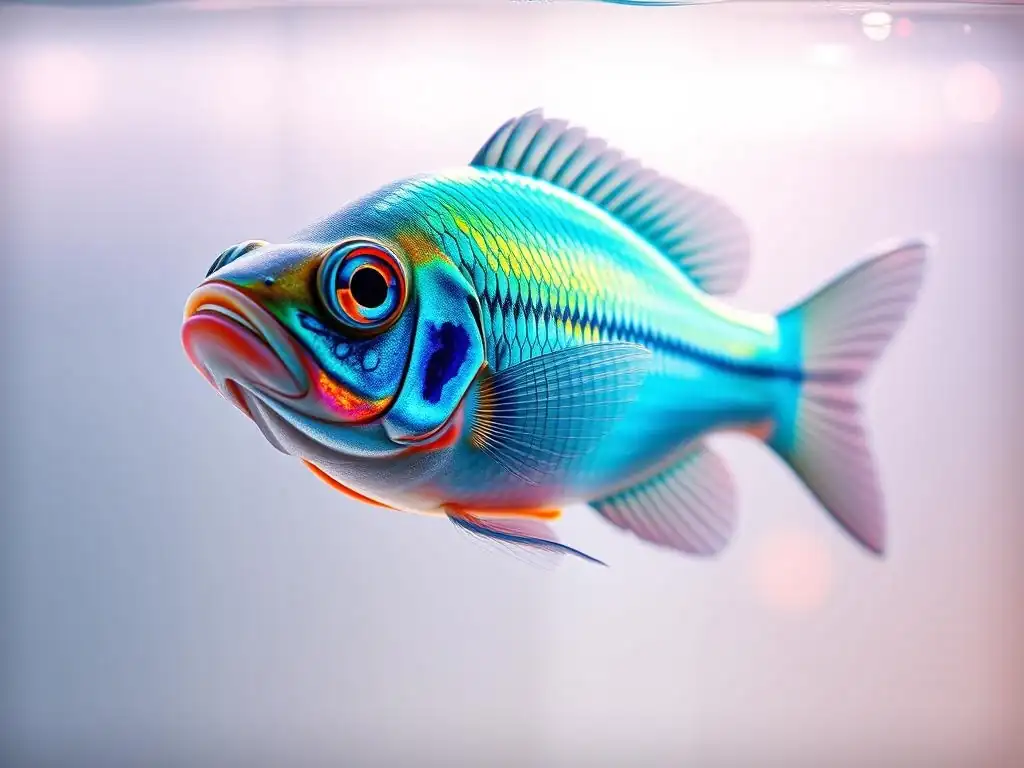
Understanding the Nitrogen Cycle in a Molly Fish Tank
The nitrogen cycle is the cornerstone of a healthy aquarium environment, transforming harmful waste products into less toxic substances. It begins with ammonia (NH3/NH4+), produced from fish waste, uneaten food, and decaying organic matter. This highly toxic compound is then converted by beneficial nitrifying bacteria (Nitrosomonas) into nitrite (NO2-), which is also extremely harmful to fish. Finally, another group of beneficial bacteria (Nitrobacter) converts nitrite into nitrate (NO3-), a much less toxic compound.
For a Molly fish tank, understanding and managing this cycle is paramount because ammonia and nitrite are lethal even at very low concentrations. A properly cycled aquarium, rich in beneficial bacteria, ensures that these toxic compounds are rapidly converted, maintaining a safe environment. Any Molly fish water parameter guide must emphasize the importance of a fully established nitrogen cycle to prevent fish illness and mortality.
Safe Ammonia and Nitrite Levels for Molly Fish
For the health and survival of Molly fish, both ammonia (NH3/NH4+) and nitrite (NO2-) levels must always be at 0 ppm (parts per million). Even trace amounts, such as 0.25 ppm, can cause severe stress, irreversible gill damage, and eventually death. Ammonia directly burns the fish's gills, impairing their ability to absorb oxygen, leading to symptoms like gasping at the surface, lethargy, and red or inflamed gills.
Nitrite, while less caustic than ammonia, is equally dangerous. It interferes with the fish's blood cells, preventing them from carrying oxygen, a condition known as "brown blood disease." Fish suffering from nitrite poisoning will often appear dark, breathe rapidly, and become listless. Therefore, continuous monitoring to ensure zero levels of these compounds is a non-negotiable aspect of any reliable Molly fish water parameter guide.
Managing Nitrate Levels in a Molly Aquarium: Water Changes and More
While nitrates (NO3-) are the least toxic compound in the nitrogen cycle, their accumulation can still negatively impact Molly fish health over time. Ideally, nitrate levels in a Molly aquarium should be kept below 20 ppm, with many aquarists aiming for levels under 10 ppm for optimal conditions. Chronically high nitrate levels can lead to stunted growth, increased stress, a weakened immune system, and reduced breeding success in Mollies.
The primary method for managing nitrates is through regular partial water changes, typically 25-30% of the tank volume weekly. This physically removes nitrates from the water column. Additionally, incorporating live aquatic plants into the aquarium can significantly help, as plants readily absorb nitrates as a nutrient source. Avoiding overfeeding and ensuring proper filtration also contribute to lower nitrate accumulation, all crucial elements within a comprehensive Molly fish water parameter guide.
Setting Up Your Molly Fish Tank for Optimal Water Quality
Choosing the Right Substrate for Water Parameter Stability
When setting up a Molly fish tank, the choice of substrate plays a significant role in maintaining stable water parameters, particularly pH and hardness. Given Mollies' preference for hard, alkaline water, substrates that naturally buffer the water or release beneficial minerals are highly advantageous. Crushed coral, aragonite sand, or specialized buffering substrates designed for African cichlids (which also prefer hard, high pH water) can help maintain the ideal pH range of 7.0-8.5 and a GH of 10-25 dGH.
Unlike inert gravel or sand, which have little to no effect on water chemistry, these mineral-rich substrates slowly dissolve, contributing to the necessary hardness and alkalinity. For example, incorporating even a small amount of crushed coral (e.g., 1-2 pounds per 10 gallons) can noticeably raise and stabilize pH and GH over time. This strategic substrate selection is a proactive step in establishing a robust Molly fish water parameter guide from the outset.
Filtration Systems for Molly Fish: Keeping the Water Clean
A robust and appropriately sized filtration system is indispensable for maintaining pristine water quality for Molly fish. Effective filtration performs three critical functions: mechanical, biological, and chemical. Mechanical filtration removes particulate matter like uneaten food and waste, keeping the water clear. Biological filtration, powered by beneficial bacteria, converts toxic ammonia and nitrite into less harmful nitrates, which is the cornerstone of the nitrogen cycle. Chemical filtration, often using activated carbon, removes dissolved impurities, odors, and discolorations.
For Molly tanks, hang-on-back (HOB) filters or canister filters are popular choices due to their efficiency and capacity for multiple filter media. Sponge filters can also be excellent for smaller tanks or breeding setups, providing gentle mechanical and robust biological filtration. Ensuring the filter's flow rate is appropriate for the tank size (typically turning over the tank volume 4-6 times per hour) and maintaining the filter media regularly are key to keeping the Molly fish water parameter guide in check.
Live Plants and Their Role in Maintaining Water Quality
Live aquatic plants are not merely aesthetic additions to a Molly fish tank; they are active participants in maintaining optimal water quality and stability. Their primary benefit lies in their ability to absorb nitrates, the end product of the nitrogen cycle, which would otherwise accumulate and stress the fish. Plants utilize nitrates as a primary nutrient source, effectively competing with algae and helping to keep nitrate levels low, ideally below 20 ppm.
Beyond nitrate consumption, plants contribute to a healthier environment by oxygenating the water through photosynthesis, which is especially beneficial in heavily stocked Molly tanks. They also provide natural hiding spots and reduce stress for the fish, mimicking their natural habitat. Easy-to-grow plants like Java Fern, Anubias, Hornwort, and various stem plants are excellent choices that contribute significantly to a stable and thriving Molly fish water parameter guide.
Testing and Monitoring Water Parameters for Molly Fish
Essential Water Testing Kits for Molly Aquariums
To effectively manage the water parameters for Molly fish, reliable testing kits are absolutely essential. While test strips offer convenience, liquid reagent test kits are significantly more accurate and provide a clearer picture of your tank's chemistry. A comprehensive liquid master test kit, such as the API Freshwater Master Test Kit, typically includes tests for ammonia, nitrite, nitrate, and pH, which are the foundational parameters.
Additionally, for Molly fish, it is highly recommended to acquire separate tests for General Hardness (GH) and Carbonate Hardness (kH). GH is crucial for ensuring the water has sufficient minerals for their well-being, while kH measures the water's buffering capacity, indicating its ability to resist pH swings. Regularly using these tools is the only way to accurately follow a detailed Molly fish water parameter guide and proactively address any issues.
Regular Water Testing Schedule for Healthy Mollies
A consistent water testing schedule is paramount for maintaining a stable and healthy environment for Molly fish. During the initial tank cycling phase, it is crucial to test ammonia, nitrite, and nitrate daily to track the progress of beneficial bacteria colonization. Once the tank is fully cycled and ammonia and nitrite consistently read 0 ppm, a weekly testing regimen for all key parameters – ammonia, nitrite, nitrate, pH, GH, and kH – is generally recommended.
Beyond this routine schedule, it is also wise to test water parameters whenever a fish shows signs of illness, after introducing new fish, or following any significant changes to the tank setup (e.g., adding new substrate or decorations). This proactive approach, guided by a reliable Molly fish water parameter guide, allows for early detection of issues and timely intervention, preventing minor problems from escalating into serious health crises for your fish.
Interpreting Water Test Results: What to Look For
Interpreting water test results correctly is crucial for effective aquarium management and following a precise Molly fish water parameter guide. For ammonia and nitrite, the ideal reading is always 0 ppm; any detectable level (e.g., 0.25 ppm or higher) indicates a problem requiring immediate action. Nitrate levels should ideally be below 20 ppm, with values consistently above 40 ppm signaling a need for larger or more frequent water changes.
For pH, Mollies thrive in the 7.0-8.5 range. A reading outside this range, or significant fluctuations (more than 0.2 units per day), indicates instability. GH should be between 10-25 dGH, and kH should be at least 4-8 dKH to provide adequate buffering capacity. Consistent monitoring and understanding these target ranges allow aquarists to identify trends, pinpoint issues before they become critical, and make informed adjustments to maintain optimal conditions for their Molly fish.
Troubleshooting Common Water Parameter Issues in Molly Tanks
Dealing with High Ammonia Levels in a Molly Fish Tank
High ammonia levels are an emergency for Molly fish and require immediate action to prevent severe stress and mortality. The first step is to perform a significant partial water change, typically 50% of the tank volume, using dechlorinated and temperature-matched water. This rapidly dilutes the ammonia concentration. Concurrently, investigate the cause: overfeeding is a common culprit, so reduce food portions. Check for dead fish or decaying plant matter, which can quickly produce ammonia.
Adding a liquid beneficial bacteria supplement can help boost the biological filtration, and some water conditioners include ammonia-detoxifying agents that temporarily neutralize ammonia's toxicity. Continue testing ammonia daily and perform smaller, frequent water changes (e.g., 25% daily) until levels return to 0 ppm. Addressing high ammonia is paramount in any Molly fish water parameter guide, as it is one of the most dangerous compounds in an aquarium.
Correcting Unstable pH in a Molly Aquarium
Unstable pH, particularly a fluctuating pH, can be highly stressful for Molly fish and is often indicative of insufficient buffering capacity in the water. If your pH is consistently too low for Mollies (below 7.0), or if it swings erratically, the primary solution is to increase carbonate hardness (kH). This can be achieved by adding crushed coral or aragonite substrate, which slowly dissolve and release buffering minerals. Commercial pH buffers specifically designed for alkaline freshwater aquariums can also be used, but always follow instructions carefully to avoid overshooting the target.
Another common cause of pH drops is the accumulation of organic waste and nitrates; therefore, regular partial water changes and proper tank maintenance are crucial. Avoid using pH-down products unless absolutely necessary, as they can lead to dangerous pH crashes. Gradual adjustments are key when correcting pH; aiming for a stable pH within the 7.0-8.5 range, as outlined in a comprehensive Molly fish water parameter guide, is far more important than hitting an exact number quickly.
Addressing Water Hardness Problems: Softening or Hardening Water
Addressing water hardness problems for Molly fish involves either increasing or decreasing the General Hardness (GH) to meet their preferred range of 10-25 dGH. If your water is too soft, you can harden it by adding mineral-rich substrates like crushed coral, aragonite sand, or specialized GH boosters available at aquarium stores. These methods slowly release calcium and magnesium ions into the water, raising the GH. For example, adding a small mesh bag of crushed coral to your filter can gradually increase hardness.
Conversely, if your tap water is excessively hard for Mollies, softening it is less commonly needed but can be achieved by blending it with reverse osmosis (RO) or deionized (DI) water. However, RO/DI water completely lacks minerals, so it must be remineralized to the desired GH and kH levels before use. Always make hardness adjustments gradually, as sudden changes can stress fish. Ensuring the correct GH is a vital component of any Molly fish water parameter guide.
Acclimating Molly Fish to New Water Parameters
The Drip Acclimation Method for Molly Fish
The drip acclimation method is highly recommended for introducing new Molly fish to your aquarium, as it minimizes stress and allows for a gradual adjustment to differing water parameters. Begin by floating the sealed bag containing the fish in your tank for 15-20 minutes to equalize temperature. Then, open the bag, roll down the edges to create an air pocket, and secure it to the side of your tank. Use an airline tube and an air stone or knot to create a slow drip (1-2 drops per second) from your main tank into the bag.
Over the course of 45-90 minutes (or longer if parameters are vastly different), the water from your tank will slowly mix with the bag water, gradually adjusting the fish to your tank's pH, temperature, and hardness. Once the volume of water in the bag has approximately tripled, carefully scoop out the Molly fish with a net and introduce them to the tank, discarding the bag water. This method is critical for ensuring a smooth transition according to any Molly fish water parameter guide.
Minimizing Stress During Acclimation
Minimizing stress during the acclimation process is just as important as the gradual adjustment of water parameters for new Molly fish. Stress weakens a fish's immune system, making it more susceptible to disease in its new environment. During acclimation, keep the aquarium lights dimmed or off, and avoid sudden movements or loud noises around the tank. A calm, quiet environment helps the fish feel more secure and reduces the physiological impact of the transition.
Once the fish are introduced to the main tank, continue to keep the lights dim for several hours or even the rest of the day. Avoid overfeeding for the first 24 hours, as this can add to water quality issues. Providing plenty of hiding spots, such as live plants or decorations, can also help new Mollies feel more secure as they explore their new home and adapt to the subtle nuances of the tank's Molly fish water parameter profile.
Water Changes for Molly Fish: A Step-by-Step Guide
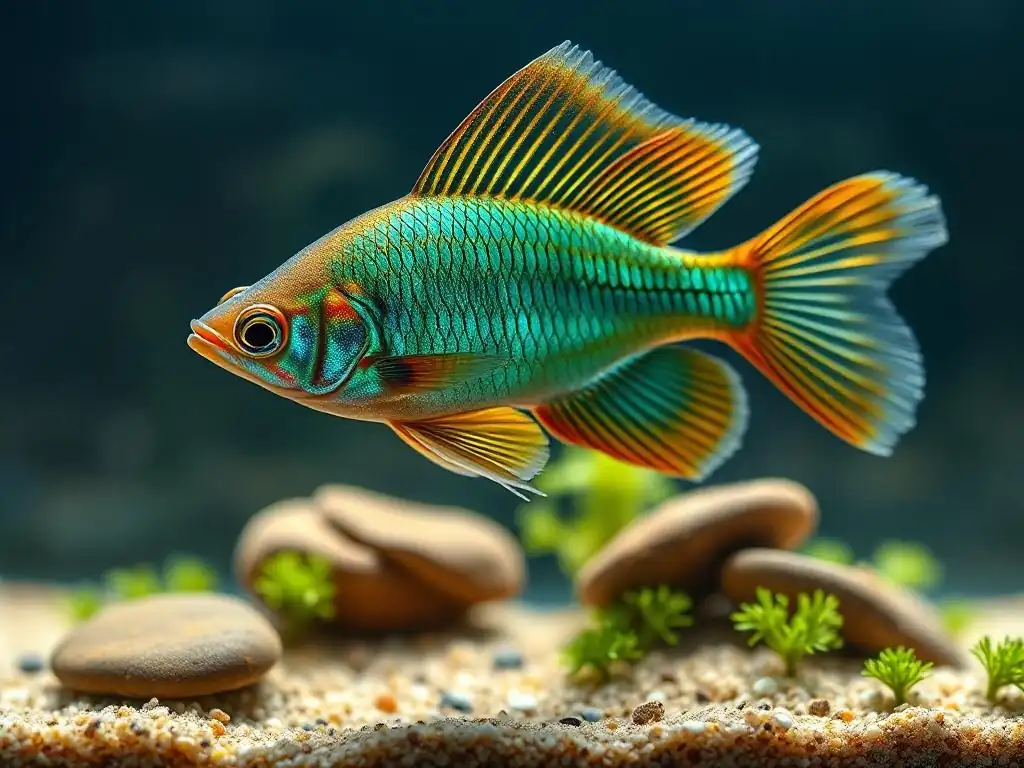
Frequency and Volume of Water Changes
Regular partial water changes are the single most effective maintenance practice for maintaining stable and healthy water parameters for Molly fish. For most established Molly aquariums, a weekly water change of 25-30% of the tank's total volume is recommended. This frequency and volume effectively remove accumulated nitrates, replenish essential trace minerals, and reduce dissolved organic compounds that can otherwise contribute to poor water quality and unstable pH.
In heavily stocked tanks, or if nitrate levels consistently creep above 20 ppm between weekly changes, increasing the frequency to twice a week or the volume to 35-40% might be necessary. Conversely, very lightly stocked tanks might get by with slightly less frequent changes, but consistency is key. Adhering to a regular water change schedule is a non-negotiable element of any comprehensive Molly fish water parameter guide.
Preparing Water for Molly Fish Water Changes: Dechlorination and Temperature Matching
Proper preparation of new water for Molly fish water changes is crucial to avoid shocking your fish and disrupting their delicate internal balance. The first and most critical step is to always use a high-quality water conditioner or dechlorinator to neutralize chlorine and chloramines present in tap water, which are highly toxic to fish and beneficial bacteria. Follow the product's instructions for dosage based on the volume of water being added.
Secondly, ensure the temperature of the new water closely matches that of the aquarium water. A difference of more than 1-2°F (approximately 0.5-1°C) can cause temperature shock, severely stressing the fish. You can achieve this by letting the new water sit out to reach room temperature or by carefully adjusting its temperature with a thermometer. Ensuring the new water's parameters, particularly pH and hardness, are also suitable for Mollies is a key aspect of this Molly fish water parameter guide.
Maintaining Stable Water Parameters for Breeding Molly Fish
Specific Water Parameter Adjustments for Molly Fry
When breeding Molly fish, maintaining pristine and stable water parameters becomes even more critical, especially for the delicate fry. While adult Mollies are somewhat tolerant, Molly fry are highly sensitive to fluctuations in water quality. Ensuring consistent temperatures within their optimal range (around 78-80°F or 25.5-26.5°C) can encourage faster growth and reduce stress. Furthermore, maintaining the ideal hard, alkaline water (pH 7.5-8.5, GH 10-25 dGH) is vital for proper skeletal development and overall health of the young.
Any detectable ammonia or nitrite is lethal to fry, so robust biological filtration and frequent, small water changes (e.g., 10-15% every other day) are paramount to keep nitrates exceptionally low, ideally below 5-10 ppm. These specific adjustments and diligent maintenance are crucial for maximizing fry survival rates and are an advanced consideration within a comprehensive Molly fish water parameter guide.
Ensuring Optimal Water Quality for Molly Fish Reproduction
Optimal water quality is a primary trigger and prerequisite for successful Molly fish reproduction. When water parameters are consistently within their ideal ranges (temperature 75-82°F, pH 7.0-8.5, GH 10-25 dGH, and zero ammonia/nitrite), Mollies feel secure and healthy enough to breed. Poor water quality, conversely, can inhibit breeding behavior, lead to miscarriages, or result in unhealthy offspring.
Regular, consistent water changes (25-30% weekly) are essential to remove nitrates and replenish trace minerals, signaling to the fish that environmental conditions are favorable for reproduction. A well-established nitrogen cycle and robust filtration system are also critical to ensure a stable and clean environment for both the breeding adults and the subsequent fry. Adhering to a precise Molly fish water parameter guide is therefore fundamental for any successful breeding program.
Advanced Water Parameter Management for Molly Fish Keeping
Using RO/DI Water for Precise Control
For advanced aquarists or those with extremely unsuitable tap water, using Reverse Osmosis (RO) or Deionized (DI) water offers the ultimate control over water parameters for Molly fish. RO/DI water is nearly pure, stripped of all minerals, chlorine, and other impurities. This allows the aquarist to "build" their water from scratch by adding specific mineral supplements (remineralizers) to achieve the exact desired General Hardness (GH), Carbonate Hardness (kH), and pH.
While more involved and requiring a dedicated RO/DI unit, this method ensures that every drop of water added to the tank meets the precise requirements of a Molly fish water parameter guide. For example, one could remineralize RO/DI water to a GH of 15 dGH and a kH of 8 dKH, providing perfect conditions consistently. This approach eliminates the variability found in tap water and allows for unparalleled stability.
The Role of Buffers in Maintaining pH Stability
Buffers are substances in water that resist changes in pH by neutralizing acids or bases. In an aquarium, Carbonate Hardness (kH) is the primary buffering agent. It measures the concentration of bicarbonates and carbonates, which absorb acids produced by the nitrogen cycle and other biological processes, preventing drastic pH drops. For Molly fish, maintaining a kH of at least 4-8 dKH (approximately 70-140 ppm) is crucial for pH stability within their preferred alkaline range.
If kH levels are too low, the pH can "crash," leading to rapid and dangerous fluctuations that severely stress Mollies. Aquarists can increase kH by adding baking soda (sodium bicarbonate) in small, controlled amounts, or by using commercial kH boosters. Incorporating substrates like crushed coral also provides a long-term buffering effect. Understanding and managing kH is a key advanced concept in any detailed Molly fish water parameter guide, ensuring a consistently stable and safe environment.
Frequently Asked Questions
What are the ideal temperature ranges for molly fish in an aquarium?
Molly fish thrive in warm waters. The ideal temperature range is between 72°F and 82°F (22°C - 28°C). Maintaining a stable temperature within this range is crucial for their health.
What pH level is best suited for molly fish?
Molly fish prefer slightly alkaline water conditions. A pH range of 7.0 to 8.5 is generally considered optimal. Regular testing and adjustments are needed to maintain pH stability.
What are the recommended levels for ammonia, nitrite, and nitrate in a molly fish tank?
Ammonia and nitrite levels should always be at zero ppm (parts per million). Nitrate levels should be kept below 20 ppm through regular water changes. Maintaining proper biological filtration is key.
How important is water hardness for molly fish, and what levels should I aim for?
Molly fish prefer hard water, with a general hardness (GH) level between 10-25 dGH (degrees of General Hardness). This higher mineral content is vital for their overall health and development.
How often should I perform water changes in a molly fish aquarium, and what percentage of the water should I change?
Regular water changes are essential. Perform a 25-50% water change every one to two weeks. This helps to remove accumulated nitrates and replenish essential minerals.
Final Reflection: The Lifeline of Molly Fish
The insights shared in this guide, detailing the optimal water parameters for Molly fish, aren't just about keeping fish alive; they're about fostering vibrant, healthy ecosystems within our aquariums. In a world increasingly aware of the delicate balance of nature, understanding and replicating the ideal environment for these fascinating creatures becomes a microcosm of our larger responsibility to the planet.
This understanding extends beyond mere technical specifications. It's about recognizing the inherent value of life and the interconnectedness of all living things. The dedication to maintaining proper water conditions reflects a deeper commitment to responsible pet ownership and a respect for the natural world. The best way to observe a fish is to become the water.
- Jacques Cousteau. This quote reminds us that true understanding comes from immersing ourselves in the environment we seek to understand and protect.
Now, armed with this knowledge, I encourage you to reflect on your own role in creating thriving aquatic environments. Consider how you can apply these principles, not only to your Molly fish, but also to other aspects of your life where nurturing and balance are essential. Embrace the opportunity to be a steward of life, creating spaces where beauty and vitality flourish.
Ignite Your Molly's Spark: Dive Deeper!
Thank you for exploring the secrets to optimal water conditions for your Molly fish! Now that you're armed with this knowledge, let's put it into action.
- Commit to weekly water tests for the next month: Use a reliable testing kit to monitor ammonia, nitrite, and nitrate levels. This is the single most important step for ensuring your Mollies' long-term health.
- Share your newfound expertise! Post a photo of your thriving Molly fish on social media using #AquariumMasteryMollies and tag Aquarium Mastery.
- Create a water change schedule! Print it out and stick it where you can see it to remind you of your schedule.
What's one small change you'll make this week to create a better aquatic environment for your Molly fish?