
Ludwigia Repens 'Rubin': Achieving Fiery Reds in Your Freshwater Tank

Welcome to Aquarium Mastery!
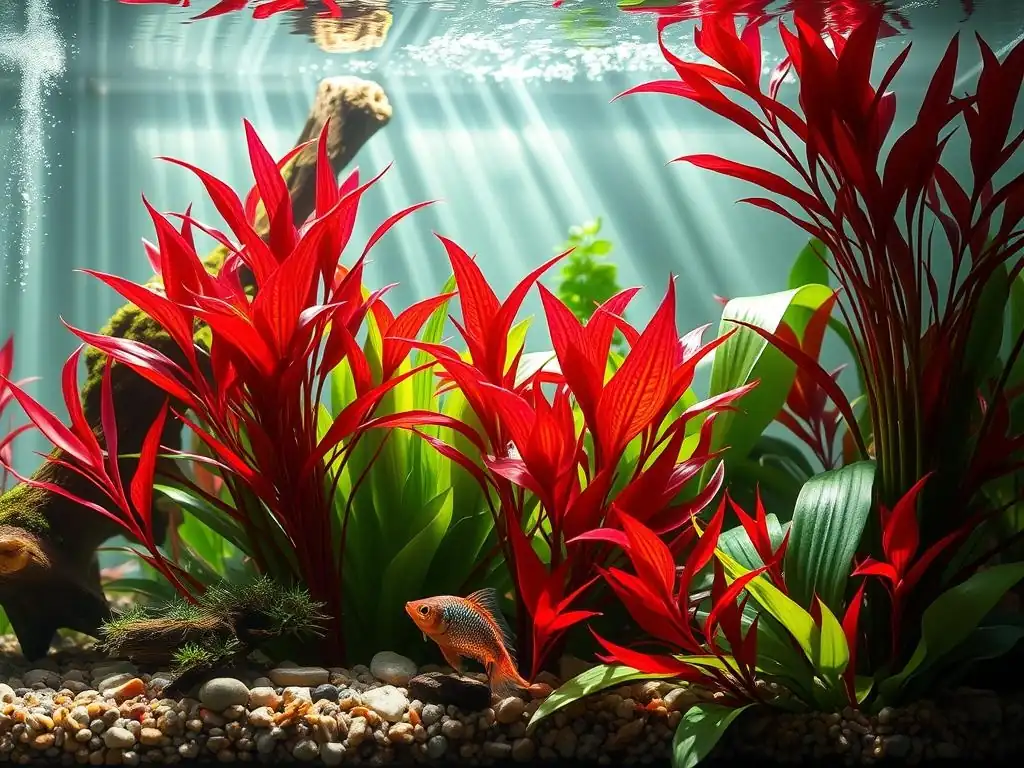
Ever wondered how to unlock the fiery red potential of your Ludwigia repens red tips? This beautiful aquatic plant can transform your freshwater aquarium, adding a vibrant splash of color. But achieving those intense reds requires the right conditions. Dive in to discover everything you need to know about cultivating healthy, stunning Ludwigia repens red tips and making your aquarium a true underwater masterpiece. Are you ready to turn up the heat?
- Understanding Ludwigia Repens 'Rubin' and Its Appeal
- Optimizing Your Aquarium for Vibrant Red Ludwigia
- Caring for Ludwigia Repens 'Rubin': Maintenance and Propagation
- Achieving Intense Ludwigia Repens Red Tips: A Step-by-Step Guide
- Ludwigia Repens 'Rubin' vs. Other Red Aquatic Plants
- Troubleshooting Ludwigia Repens 'Rubin' Color Loss
- Advanced Techniques for Maximizing Red Pigmentation in Ludwigia Repens
- Ludwigia Repens 'Rubin': A Showcase of Stunning Red Aquascapes.
-
Frequently Asked Questions
- How can I achieve the vibrant red tips in my Ludwigia repens 'Rubin' aquarium plant?
- What water parameters are optimal for Ludwigia repens 'Rubin' to thrive?
- What type of substrate is best for planting Ludwigia repens 'Rubin'?
- How often should I trim my Ludwigia repens 'Rubin' to maintain its shape and promote bushier growth?
- What are some common problems aquarists face when growing Ludwigia repens 'Rubin', and how can they be addressed?
- Final Reflection: Embracing the Crimson Tide
- Ignite Your Aquarium: Cultivate Stunning Reds!
Understanding Ludwigia Repens 'Rubin' and Its Appeal
What is Ludwigia Repens 'Rubin'? A Detailed Profile
Ludwigia repens 'Rubin' is a highly sought-after cultivated variety of the common aquatic plant Ludwigia repens, known for its striking, deep red to burgundy coloration. Originating from North and Central America, the parent species, Ludwigia repens, is typically green with reddish undersides, but the 'Rubin' cultivar has been selectively bred to maximize its red pigment, particularly in the leaves and stems.
This stem plant exhibits an alternate leaf arrangement, with oval to lanceolate leaves that can grow to about 2-3 cm in length, tapering towards the tip. Under optimal conditions, the entire plant can achieve a vibrant, fiery red hue, making it a dramatic focal point in any freshwater aquascape.
Growing as a relatively fast-growing stem plant, Ludwigia repens 'Rubin' can reach heights of 10 to 30 cm, and sometimes even taller, depending on tank depth and lighting. Its growth habit allows it to be used effectively in the midground or background of an aquarium, providing excellent contrast against green foliage or lighter substrates. The robust nature of this plant, combined with its stunning color potential, makes it a popular choice for aquarists aiming to create visually dynamic and high-impact planted tanks. Its ability to develop intense Ludwigia repens red tips is a key characteristic that sets it apart.
The Allure of Red Aquatic Plants: Why Choose Ludwigia Repens 'Rubin'?
The inclusion of red aquatic plants like Ludwigia repens 'Rubin' can profoundly transform the aesthetic of a freshwater aquarium. Red serves as a powerful contrast color, drawing the eye and adding depth and dimension that green plants alone cannot achieve. In a verdant aquascape, a patch of vibrant red provides a striking focal point, creating visual interest and enhancing the overall composition. Beyond mere contrast, the specific shade of deep red offered by 'Rubin' can evoke a sense of warmth and drama, contributing to a more dynamic and sophisticated underwater landscape.
Among the array of red aquatic plants available, Ludwigia repens 'Rubin' stands out for its relatively manageable care requirements while still delivering an impressive red display. Unlike some other highly demanding red species that necessitate extreme lighting and CO2 levels to show their true colors, 'Rubin' can achieve significant red coloration under medium-to-high light and moderate CO2 injection.
This makes it an excellent choice for intermediate aquarists looking to incorporate intense Ludwigia repens red tips without venturing into the complexities of ultra-high-tech setups. Its robust nature also means it's less prone to melting or stunting compared to more delicate red varieties, offering a more forgiving path to achieving a stunning red aquascape.
Optimizing Your Aquarium for Vibrant Red Ludwigia
Essential Water Parameters for Ludwigia Repens 'Rubin' Red Coloration
Achieving the coveted vibrant red coloration in Ludwigia repens 'Rubin' is largely dependent on providing specific, stable water parameters. While the plant can tolerate a range of conditions, optimal reds are typically observed in soft to moderately hard water with a slightly acidic to neutral pH. Ideal ranges include a pH between 6.0 and 7.5, general hardness (GH) of 3-8 dGH, and carbonate hardness (KH) of 2-6 dKH.
Consistency in these parameters is paramount, as sudden fluctuations can stress the plant, leading to greening or even melting. Regular water testing, perhaps weekly, helps maintain these stable conditions, directly impacting the intensity of Ludwigia repens red tips.
Maintaining stable water temperature is also crucial for the overall health and color expression of Ludwigia repens 'Rubin'. A temperature range of 22-28°C (72-82°F) is generally recommended. Within this range, the plant can metabolize nutrients efficiently and carry out photosynthesis effectively, both of which are vital for developing strong red pigments. Higher temperatures, while tolerated, might accelerate growth but can also increase the plant's demand for CO2 and nutrients, potentially leading to deficiencies if not adequately supplied. Conversely, temperatures too low can slow down metabolism, hindering growth and vibrant color development.
Light Intensity: The Key to Intense Red Tips
Light intensity is arguably the most critical factor influencing the red coloration of Ludwigia repens 'Rubin'. The plant produces red pigments, called anthocyanins, as a protective mechanism against intense light, similar to how leaves change color in autumn. To encourage the most intense Ludwigia repens red tips, a medium to high light intensity is required.
This translates to a Photosynthetically Active Radiation (PAR) value typically ranging from 40 to 70 PAR at the substrate level where the plant is rooted. Lower light levels, such as below 30 PAR, will almost certainly result in the plant remaining predominantly green, as it won't be stimulated to produce the protective red pigments.
The duration of the light cycle also plays a significant role. An 8-10 hour photoperiod per day is generally ideal for Ludwigia repens 'Rubin'. Providing too much light duration (e.g., 12+ hours) without adequate CO2 and nutrients can lead to algae outbreaks, while too short a duration might not provide enough energy for robust growth and color development. Furthermore, the spectrum of light can influence red coloration, with specific red and blue wavelengths (e.g., 620-680 nm red, 440-480 nm blue) being particularly effective at enhancing anthocyanin production, beyond just the overall intensity.
CO2 Injection: Boosting Growth and Red Pigmentation
Carbon dioxide (CO2) injection is highly recommended, if not essential, for achieving vibrant red coloration and robust growth in Ludwigia repens 'Rubin'. CO2 is a fundamental component for photosynthesis, allowing the plant to efficiently convert light energy into sugars for growth. In a high-light environment, plants have an accelerated metabolic rate and thus a much higher demand for CO2 than what can be naturally dissolved in the water.
Maintaining a consistent CO2 level of 20-30 parts per million (ppm) is often cited as ideal for this species. This can be monitored using a drop checker or by observing plant pearling after a few hours of light.
Adequate CO2 not only promotes faster, healthier growth but also directly contributes to the intensity of Ludwigia repens red tips. When CO2 is abundant, the plant can fully utilize the high light provided, leading to vigorous photosynthesis and subsequent production of anthocyanins. Conversely, insufficient CO2 in a high-light tank will lead to carbon limitation, causing the plant to stunt, melt, or turn pale green, even if all other parameters are met. This imbalance can also trigger frustrating algae issues, as the plants are unable to outcompete algae for available nutrients.
Nutrient Levels: Iron and Micronutrient Requirements
Beyond light and CO2, a balanced supply of macro and micronutrients is critical for the health and coloration of Ludwigia repens 'Rubin'. While all essential nutrients are important, iron (Fe) stands out as particularly vital for red aquatic plants. Iron is a key component in chlorophyll synthesis, but it also plays an indirect role in the production of red pigments.
A consistent supply of chelated iron, typically maintained at levels between 0.1 and 0.5 ppm, is often necessary to achieve intense Ludwigia repens red tips. Insufficient iron will manifest as chlorosis, where new leaves appear pale green or even yellow, preventing any red expression.
In addition to iron, other micronutrients such as manganese (Mn), zinc (Zn), and boron (B) are also crucial, albeit in smaller quantities. These trace elements facilitate various enzymatic processes within the plant that are essential for overall health and color development. A comprehensive liquid fertilizer that provides a full spectrum of micronutrients, alongside macronutrients like nitrogen (N), phosphorus (P), and potassium (K), should be dosed regularly. Maintaining a stable balance of these nutrients prevents deficiencies that can lead to stunted growth, discoloration (e.g., greening or browning of leaves), and ultimately compromise the vibrant red potential of Ludwigia repens 'Rubin'.
Substrate and Planting Considerations for Healthy Growth
The choice of substrate significantly impacts the initial establishment and long-term health of Ludwigia repens 'Rubin'. As a stem plant that absorbs nutrients through both its leaves and roots, a nutrient-rich substrate is highly beneficial. Specialized planted tank substrates, such as aquasoil, are ideal as they provide a slow release of essential macro and micronutrients directly to the roots, fostering robust growth from the outset. Inert substrates like sand or gravel can also be used, but they will necessitate the regular use of root tabs to supply the necessary nutrients to the plant's root system.
When planting Ludwigia repens 'Rubin', it is crucial to plant individual stems rather than clumps. Each stem should be gently inserted into the substrate, ensuring that at least one node is buried to encourage root development. Adequate spacing between stems, typically 2-3 cm apart, is vital to allow sufficient light penetration to the lower leaves and promote good water circulation.
Overcrowding can lead to shading of lower leaves, causing them to melt or turn green due to insufficient light, thereby hindering the desired Ludwigia repens red tips effect throughout the plant. Proper initial planting sets the stage for a healthy, vibrant display.
Caring for Ludwigia Repens 'Rubin': Maintenance and Propagation
Regular Trimming: Encouraging Bushier Growth and Redder Hues
Regular trimming is an essential maintenance practice for Ludwigia repens 'Rubin', serving multiple purposes beyond just controlling its height. When the plant reaches the water surface or becomes too dense, it begins to shade lower leaves, which can lead to greening or melting due to light deprivation.
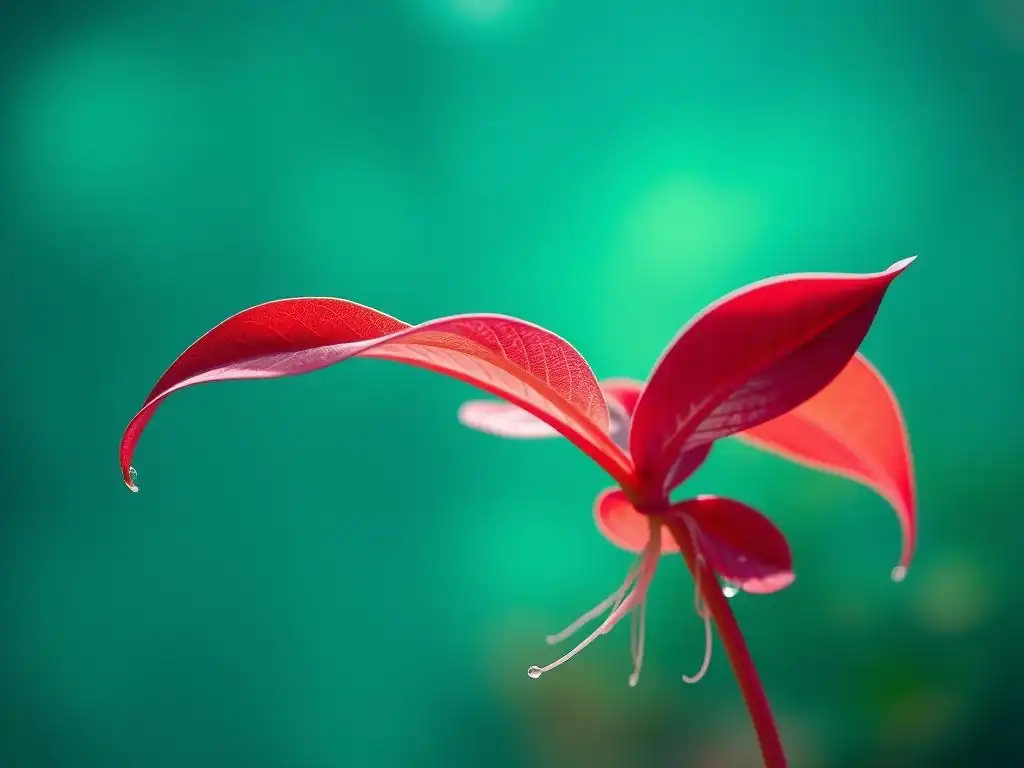
Trimming encourages the plant to branch out from the cut stem, resulting in a bushier, denser growth habit. This increased branching not only creates a more visually appealing mass of foliage but also exposes more leaf surfaces to light, often leading to more intense Ludwigia repens red tips on the new lateral shoots.
To trim effectively, use sharp aquascaping scissors to make a clean cut just above a leaf node. The cut-off tops, typically 10-15 cm long, can then be replanted into the substrate to propagate new plants, making Ludwigia repens 'Rubin' an easy plant to multiply and fill out an aquascape. Regular trimming, perhaps every 2-4 weeks depending on growth rate, ensures that the plant remains vigorous and continues to produce vibrant red coloration. It also helps manage nutrient uptake, preventing excess nutrients from fueling algae growth and contributing to overall tank balance.
Fertilization Strategies: Maintaining Optimal Nutrient Levels
Maintaining optimal nutrient levels through a consistent fertilization strategy is paramount for the vibrant health and intense red coloration of Ludwigia repens 'Rubin'. This plant is a moderate to heavy feeder, especially under high light and CO2 conditions. A comprehensive liquid fertilizer regimen that supplies both macronutrients (Nitrogen, Phosphorus, Potassium - NPK) and micronutrients (Iron, Manganese, Boron, Zinc, etc.) is crucial. Many aquarists successfully employ an Estimative Index (EI) dosing method, which aims to provide excess nutrients to ensure no deficiencies, followed by large weekly water changes (e.g., 50%) to reset nutrient levels.
Alternatively, a leaner dosing approach can be used, where nutrients are added based on plant uptake and observed deficiencies, which requires more careful monitoring. Regardless of the method, consistent dosing is key. For instance, a common practice is to dose a complete liquid fertilizer daily or every other day, with specific iron supplements added once or twice a week to boost the Ludwigia repens red tips. If using an inert substrate, supplementing with root tabs every 3-4 months ensures a steady supply of nutrients directly to the roots, which is particularly beneficial for established plants.
Common Problems and Solutions for Ludwigia Repens 'Rubin'
Despite its relatively robust nature, Ludwigia repens 'Rubin' can exhibit several common problems, primarily related to nutrient deficiencies or imbalances, which directly impact its vibrant red coloration. Understanding these issues and their solutions is key to maintaining a healthy and visually stunning plant. The most frequent complaint is the loss of its characteristic red hue, often turning green or developing pale, translucent leaves.
Addressing Green Leaves: Identifying Nutrient Deficiencies
If your Ludwigia repens 'Rubin' begins to turn green, it's a strong indicator that conditions are not optimal for red pigment production. The primary culprits are usually insufficient light intensity, low CO2 levels, or a lack of crucial micronutrients, particularly iron. For example, if the plant is leggy and uniformly pale green, it often points to inadequate light, perhaps below the recommended 40 PAR.
The solution involves increasing light intensity or ensuring the plant is not shaded by taller foliage. If the new growth is pale or yellowing while older leaves remain green, an iron deficiency is highly probable; increasing liquid iron supplementation (e.g., targeting 0.1-0.5 ppm) will typically resolve this. Lastly, if growth is stunted and leaves appear dull green, insufficient CO2 (below 20 ppm) in a high-light tank is a common cause, requiring an adjustment to the CO2 injection rate.
Preventing Algae Growth: Maintaining Water Quality
While not a direct problem of the plant itself, algae growth on Ludwigia repens 'Rubin' leaves is a common symptom of an imbalanced aquarium environment and can severely impede the plant's ability to absorb light and nutrients, thus dulling its red color. Algae often proliferate when there's an excess of nutrients (e.g., nitrates, phosphates) in the water column combined with fluctuating CO2 levels or an overly long photoperiod. For instance, if you observe green spot algae, it might indicate low phosphates, while brown diatom algae often point to new tank syndrome or excess silicates.
Preventing algae involves maintaining consistent water quality through regular weekly water changes (e.g., 25-30%), ensuring stable CO2 injection throughout the light cycle, and optimizing light duration (8-10 hours). Addressing the underlying imbalance will allow your Ludwigia repens 'Rubin' to thrive and display its intense Ludwigia repens red tips without competition from unwanted algae.
Achieving Intense Ludwigia Repens Red Tips: A Step-by-Step Guide
Step 1: Setting Up Your Aquarium with Optimal Conditions
The journey to achieving intense Ludwigia repens red tips begins with establishing the right foundation. Select an aquarium that allows for sufficient depth for this stem plant to grow, often a tank of 30 liters (8 gallons) or larger is suitable for a small cluster. Install a high-quality lighting system capable of delivering medium to high light intensity, ideally between 40-70 PAR at the substrate.
This ensures the plant receives ample energy to produce vibrant red pigments. Simultaneously, set up a reliable CO2 injection system, as a consistent supply of carbon dioxide at 20-30 ppm is critical for robust growth and color development under bright light.
Choose a nutrient-rich substrate, such as an aquasoil, which will provide essential nutrients directly to the roots. If using an inert substrate like sand or gravel, plan to incorporate root tabs into your setup. Ensure your filtration system is efficient enough to maintain excellent water clarity and circulation without creating excessive current. Finally, set up a heater to maintain a stable temperature range of 22-28°C (72-82°F) and prepare your water parameters to be within the ideal ranges of pH 6.0-7.5, GH 3-8 dGH, and KH 2-6 dKH.
Step 2: Planting Ludwigia Repens 'Rubin' Correctly
Once your aquarium is set up, the next crucial step is correct planting. When you receive your Ludwigia repens 'Rubin', carefully separate the individual stems, gently removing any rock wool or ties. Trim any damaged or yellowed leaves. Using aquascaping tweezers, plant each stem individually into the substrate. Ensure that at least one or two nodes (the points where leaves emerge from the stem) are buried beneath the substrate to encourage root development. This promotes strong anchoring and nutrient uptake from the substrate.
Space the stems approximately 2-3 cm apart to allow for proper light penetration to the lower leaves and to facilitate good water circulation around each plant. Overcrowding can lead to the lower leaves turning green or melting due to inadequate light. If you are planting a larger group, arrange them in a slightly staggered pattern to create a more natural and visually appealing bush. Proper initial planting minimizes stress and helps the plant establish quickly, paving the way for those coveted Ludwigia repens red tips.
Step 3: Monitoring and Adjusting Water Parameters
Consistency and stability in water parameters are vital for Ludwigia repens 'Rubin' to thrive and display its best coloration. Regularly monitor your aquarium's water parameters using reliable test kits. Test for pH, GH, KH, nitrates, phosphates, and especially iron. Initially, perform these tests weekly, and once your tank stabilizes, you might be able to reduce the frequency. Use a CO2 drop checker to continuously monitor CO2 levels, aiming for a consistent lime-green color.
Based on your test results, make gradual adjustments to maintain the optimal ranges. For example, if your iron levels drop below 0.1 ppm, increase your iron supplementation. If CO2 levels fluctuate, troubleshoot your CO2 system. Remember that sudden, drastic changes in water chemistry can shock the plant and lead to setbacks, potentially causing the Ludwigia repens red tips to fade or the leaves to melt. Small, consistent adjustments are always preferable for the long-term health and vibrant color of your plant.
Step 4: Implementing a Consistent Fertilization Schedule
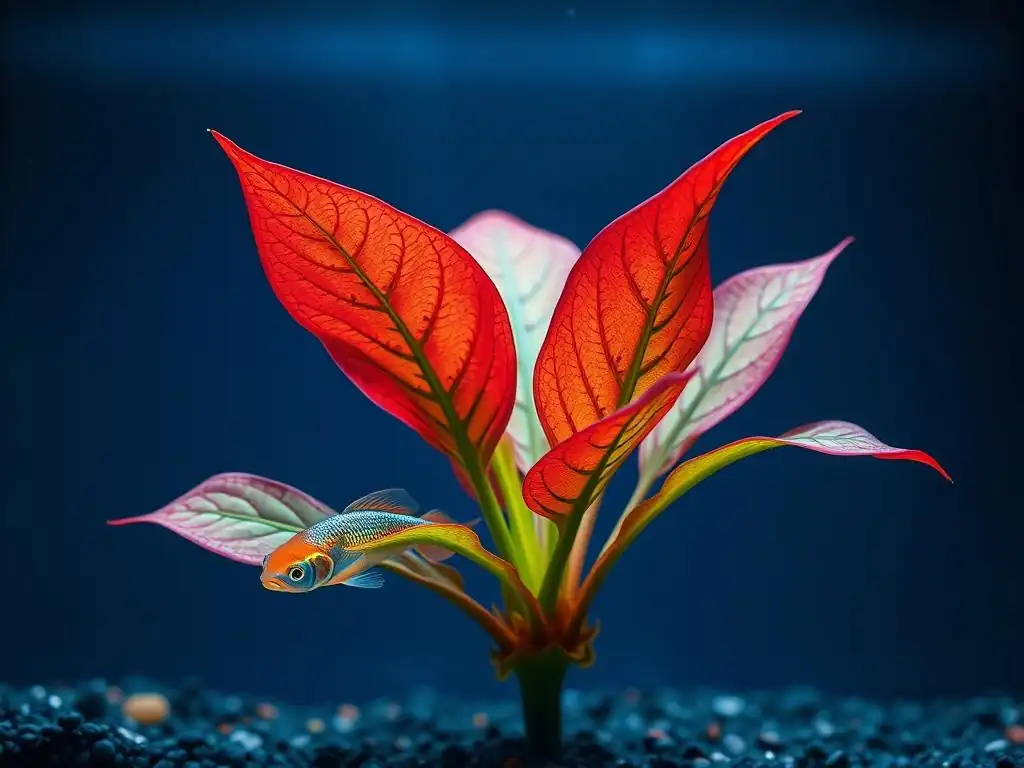
A consistent and comprehensive fertilization schedule is non-negotiable for maximizing the red pigmentation of Ludwigia repens 'Rubin'. This plant is a moderate to heavy feeder, especially when growing vigorously under high light and CO2. Begin by dosing a complete liquid fertilizer that provides both macronutrients (NPK) and a full spectrum of micronutrients. Many aquarists find success with daily or every-other-day dosing of liquid fertilizers, tailored to their tank's specific needs and plant mass.
Pay particular attention to iron supplementation. As a key element for red plants, consider using a dedicated liquid iron supplement in addition to your comprehensive fertilizer, aiming to keep iron levels between 0.1-0.5 ppm. If you are using an inert substrate, replenish root tabs every 3-4 months to provide a steady source of nutrients directly to the plant's root system. Regularly observe your plants for any signs of nutrient deficiencies (e.g., pale new growth, yellowing older leaves) and adjust your dosing schedule accordingly to ensure continuous vibrant Ludwigia repens red tips.
Step 5: Regular Maintenance and Observation
Regular maintenance and diligent observation are the final, ongoing steps to ensure your Ludwigia repens 'Rubin' maintains its fiery red appearance. Perform weekly water changes of 25-30% to replenish trace elements, remove excess organics, and reset nutrient levels, especially if you are using an Estimative Index (EI) dosing method. This also helps in preventing algae growth, which can compete with your plants for light and nutrients.
As your Ludwigia repens 'Rubin' grows, regular trimming (every 2-4 weeks) is crucial. Trim stems just above a node to encourage bushier growth and lateral branching, which often results in more intense Ludwigia repens red tips on the new shoots. Continuously observe your plants for any changes in color, growth habit, or signs of algae. Early detection of issues allows for prompt adjustments to lighting, CO2, or fertilization, ensuring your Ludwigia repens 'Rubin' consistently displays its most vibrant and stunning red coloration.
Ludwigia Repens 'Rubin' vs. Other Red Aquatic Plants
Comparing Ludwigia Repens 'Rubin' to Ludwigia Glandulosa
When aiming for a strong red presence in an aquascape, Ludwigia repens 'Rubin' is often compared to Ludwigia glandulosa, another popular red stem plant. While both offer striking red hues, they differ significantly in their demands and appearance. Ludwigia glandulosa is renowned for its very deep, almost burgundy-red coloration, often appearing darker and more intense than 'Rubin'.
However, L. glandulosa is considerably more demanding, requiring very high light levels (often above 70 PAR), precise CO2 injection (consistently 30+ ppm), and meticulous nutrient management, especially iron, to achieve its full potential. It also tends to grow slower and can be more prone to melting if conditions are not perfectly met.
In contrast, Ludwigia repens 'Rubin' is a more forgiving option for achieving vibrant Ludwigia repens red tips. While it thrives under high light and CO2, it can still exhibit impressive red coloration under medium-high light and moderate CO2 (e.g., 40-60 PAR and 20-30 ppm CO2).
Its growth rate is generally faster, and its leaves are typically broader and more rounded compared to the narrower, more pointed leaves of L. glandulosa. For aquarists seeking a robust, eye-catching red plant that offers a balance between stunning aesthetics and reasonable care requirements, Ludwigia repens 'Rubin' often proves to be the more accessible and rewarding choice.
Rotala Rotundifolia vs. Ludwigia Repens 'Rubin': A Color Comparison
Rotala rotundifolia is another widely popular aquatic stem plant, often chosen for its ability to develop reddish or pinkish hues under sufficient light, leading to frequent comparisons with Ludwigia repens 'Rubin'. The primary distinction lies in the intensity and shade of red, as well as leaf morphology. Rotala rotundifolia typically exhibits shades of orange, pink, or light red, especially on its new growth and leaf undersides, with the intensity varying greatly based on light and nutrient availability.
Its leaves are smaller and more rounded, growing densely along the stem, creating a fine-textured appearance. While some variants, like 'H'Ra' or 'Colorata', can achieve deeper oranges and reds, they rarely reach the fiery, true red saturation of Ludwigia repens 'Rubin'.
Ludwigia repens 'Rubin', on the other hand, is specifically cultivated for its deep, consistent red pigmentation. Its leaves are noticeably larger and broader than Rotala rotundifolia, and under optimal conditions, the entire plant, including the stems and upper leaves, transforms into a rich, saturated red.
Achieving strong Ludwigia repens red tips with 'Rubin' generally requires a slightly more focused approach to high light, CO2, and iron, but the resulting color is a more profound and unwavering red. For aquascapers desiring a true, bold red focal point with a coarser texture, 'Rubin' is often the preferred choice, while Rotala rotundifolia offers a softer, more pastel spectrum of reds and oranges, ideal for creating gradients or background textures.
Choosing the Right Red Plant for Your Aquarium Setup
Selecting the appropriate red plant for your aquarium setup involves considering several factors, including your experience level, the existing tank parameters, and your desired aesthetic. For beginners or those with moderate lighting and no CO2 injection, achieving vibrant red coloration can be challenging with most species. However, even in such setups, plants like Ludwigia repens (the standard green variety) might show some reddish undersides.
For those ready to invest in medium-to-high lighting and CO2, Ludwigia repens 'Rubin' emerges as an excellent intermediate choice. It consistently delivers strong Ludwigia repens red tips and overall vibrant coloration without the extreme demands of more finicky species.
If your setup boasts very high light, consistent CO2 injection, and a meticulous fertilization regimen, you might consider more demanding options like Ludwigia glandulosa for an even deeper, almost burgundy hue, or specific Rotala varieties like Rotala macrandra for intense, delicate reds. Ultimately, the right choice balances the plant's requirements with your tank's capabilities and your commitment to maintenance. For a striking, true red that is achievable for a wide range of dedicated aquarists, Ludwigia repens 'Rubin' stands out as a reliable and visually stunning option, making it a staple in many successful aquascapes aiming for fiery reds.
Troubleshooting Ludwigia Repens 'Rubin' Color Loss
Identifying the Causes of Green or Brown Leaves
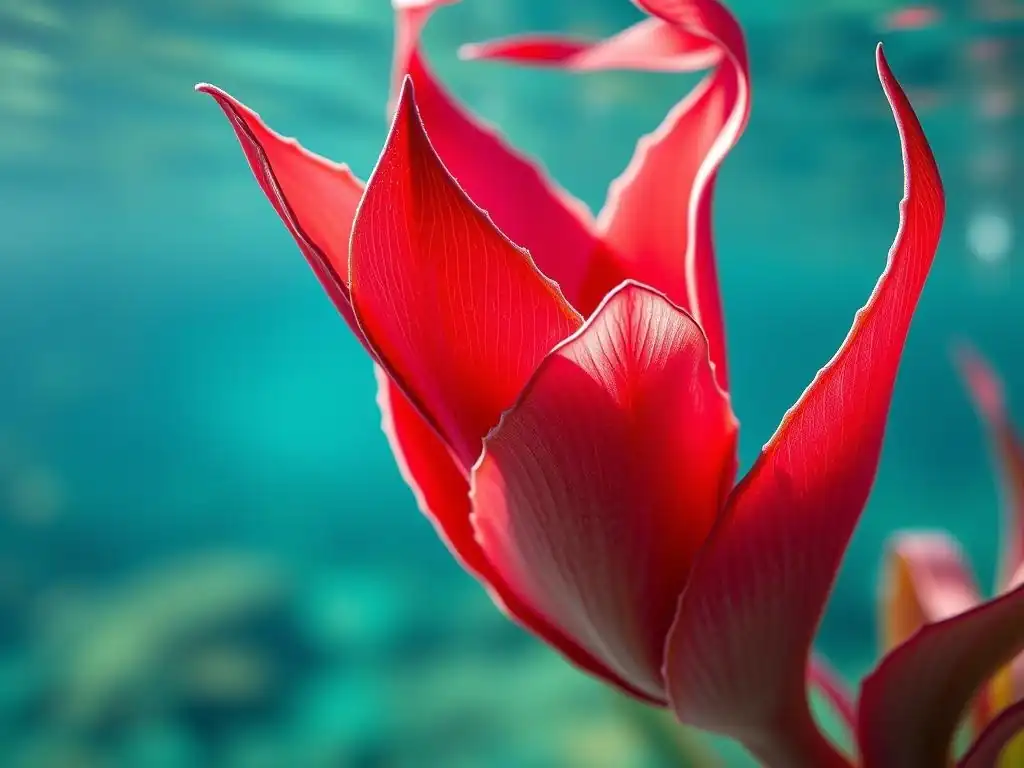
The most common and disheartening issue for aquarists growing Ludwigia repens 'Rubin' is the loss of its vibrant red coloration, often manifesting as leaves turning green or, in more severe cases, brown and mushy. Identifying the precise cause is crucial for effective treatment. If the leaves, especially the newer growth, appear pale green or yellow, while the overall plant seems leggy and stretched, it's a strong indicator of insufficient light intensity.
The plant isn't receiving enough energy to produce the protective red pigments, nor to grow compactly. Similarly, if the leaves are green but growth is stunted and pearling is absent, low CO2 levels are often the culprit, preventing efficient photosynthesis.
Brown leaves, on the other hand, can signal more severe problems. If the leaves are turning brown and transparent or melting, it could be due to sudden drastic changes in water parameters (e.g., pH shock, temperature swings), severe nutrient deficiencies, or even root rot from an overly compacted substrate.
For instance, if only the older, lower leaves are browning, it might indicate a lack of mobile nutrients like nitrogen or potassium, which the plant reallocates to new growth. However, if the entire plant is browning, it suggests a systemic issue, such as sustained low CO2 in a high-light tank, leading to carbon starvation and eventual plant collapse, preventing any Ludwigia repens red tips from forming.
Correcting Lighting Issues for Enhanced Red Coloration
Insufficient light is a primary reason why Ludwigia repens 'Rubin' fails to develop its characteristic red coloration, instead remaining a dull green. To correct lighting issues and enhance Ludwigia repens red tips, the first step is to measure or estimate the Photosynthetically Active Radiation (PAR) at the plant's location. Aim for a PAR value of at least 40-70 PAR for optimal red expression.
If your light fixture is adjustable, increase its intensity. If not, consider upgrading to a more powerful LED light designed for planted tanks. Ensure the light fixture is positioned at an appropriate height to prevent light burn while still providing adequate intensity.
Beyond intensity, the duration of the photoperiod should be optimized to 8-10 hours per day. Longer durations can encourage algae growth without necessarily enhancing red pigments if other factors like CO2 and nutrients are limiting. Furthermore, the light spectrum can play a role.
While PAR is the most important metric, LED lights with a higher proportion of red and blue wavelengths (e.g., specific plant growth spectrums) are known to stimulate anthocyanin production, directly contributing to more vibrant Ludwigia repens red tips. Regularly clean your light fixture and tank glass to ensure maximum light penetration, preventing any dimming that could impede color development.
Adjusting Nutrient Levels to Restore Vibrant Red Tips
When Ludwigia repens 'Rubin' loses its red hue and turns green, inadequate nutrient levels, particularly iron, are often a significant contributing factor. To restore vibrant Ludwigia repens red tips, begin by testing your water for key nutrients, especially iron (Fe), nitrates (NO3), and phosphates (PO4). If iron levels are below the recommended 0.1-0.5 ppm, increase the dosage of a chelated iron supplement. Chelated iron forms are crucial as they remain available for plant uptake in the water column for longer periods. For example, adding an iron-specific liquid fertilizer daily or every other day can quickly address this deficiency.
Ensure that macronutrients (NPK) are also adequately supplied, as a deficiency in any major nutrient can hinder overall plant health and indirectly impact color. For instance, if nitrates are too low, overall growth will slow, and the plant may not have the energy to produce vibrant pigments. Implement a consistent dosing schedule for a comprehensive liquid fertilizer that provides all essential macro and micronutrients.
If you are using an inert substrate, consider adding or replacing root tabs around the base of your Ludwigia repens 'Rubin' every few months to provide a direct supply of nutrients to the roots. Continuous monitoring and slight adjustments based on plant response will help maintain optimal nutrient levels and ensure the return of intense red coloration.
Advanced Techniques for Maximizing Red Pigmentation in Ludwigia Repens
Using Specialized Fertilizers for Red Aquatic Plants
To truly maximize the red pigmentation in Ludwigia repens 'Rubin', aquarists can employ specialized fertilizers designed to enhance red aquatic plants. These formulations typically feature higher concentrations of iron (Fe) and other micronutrients crucial for anthocyanin production. For instance, many premium plant fertilizer lines offer specific iron supplements that provide chelated forms of iron, such as Fe-DTPA or Fe-EDTA, which are more stable and readily available for plant uptake across a wider pH range compared to less effective iron sources. Maintaining an iron concentration of 0.1-0.5 ppm is often cited as a target for intense Ludwigia repens red tips.
Beyond just iron, some advanced fertilizers may also include specific ratios of other trace elements like manganese (Mn) and potassium (K), which play supportive roles in pigment development and overall plant health. For example, while not directly producing red, sufficient potassium ensures robust cellular function, allowing the plant to better utilize light and iron for color. Incorporating these specialized products into a consistent dosing regimen, alongside comprehensive macro and micronutrient fertilizers, provides the precise nutritional support needed to push Ludwigia repens 'Rubin' to its peak fiery red potential.
Optimizing Light Spectrum for Red Pigment Development
While overall light intensity (PAR) is paramount for triggering red coloration in Ludwigia repens 'Rubin', optimizing the light spectrum can further enhance the intensity of Ludwigia repens red tips. Red pigments, or anthocyanins, are primarily stimulated by specific wavelengths of light. Research indicates that blue light (around 440-480 nm) and red light (around 620-680 nm) are particularly effective in promoting anthocyanin synthesis in plants. Many modern LED aquarium lights designed for planted tanks offer adjustable spectrums or pre-set plant growth modes that emphasize these crucial wavelengths.
By fine-tuning your light's spectrum to provide a higher proportion of red and blue light, you can more efficiently encourage your Ludwigia repens 'Rubin' to produce vibrant red hues. This doesn't necessarily mean increasing total PAR to extreme levels, but rather ensuring that the existing light energy is delivered in the most beneficial wavelengths for pigment development. For instance, some high-end lights allow users to individually control red, green, and blue LEDs, enabling precise customization for maximizing the deep red coloration without excessive light that might trigger algae.
Understanding the Role of Iron in Red Color Expression
Iron plays a surprisingly complex and crucial role in the expression of red coloration in plants like Ludwigia repens 'Rubin'. While iron is not a direct component of anthocyanins, it is absolutely essential for the synthesis of chlorophyll, the green pigment. When iron is deficient, plants cannot produce enough chlorophyll, leading to chlorosis (yellowing or pale green leaves), particularly in new growth.
A healthy, vibrant green base is necessary for the plant to then effectively produce red pigments in response to high light. Without sufficient chlorophyll, the plant cannot photosynthesize efficiently, regardless of light intensity, thus limiting its ability to create protective anthocyanins.
Furthermore, iron is involved in various enzymatic processes and electron transport chains within the plant, which are vital for overall metabolic function. An abundance of bioavailable iron ensures that the plant's metabolic machinery runs smoothly, allowing it to efficiently utilize light energy and other nutrients to produce the desired Ludwigia repens red tips. Maintaining consistent iron levels between 0.1-0.5 ppm is therefore not just about preventing deficiency, but actively supporting the plant's physiological capacity to express its full genetic potential for vibrant red pigmentation under optimal conditions.
Ludwigia Repens 'Rubin': A Showcase of Stunning Red Aquascapes.
Ludwigia repens 'Rubin' stands as a testament to the transformative power of a single plant species in an aquascape. Its ability to burst forth with fiery red coloration, ranging from deep crimson to vibrant burgundy, makes it an unparalleled choice for creating dramatic focal points and compelling visual contrasts within the lush green tapestry of a freshwater aquarium. When carefully cultivated under optimal conditions—high light, consistent CO2, and a balanced nutrient profile rich in iron—this plant truly shines, its Ludwigia repens red tips radiating warmth and intensity.
It's a plant that rewards diligent care with an extraordinary display, elevating a simple planted tank into a living work of art. The dynamic interplay of its vibrant red against green foliage creates a sense of depth and excitement, inspiring aquarists to push the boundaries of their aquatic artistry.
Frequently Asked Questions
How can I achieve the vibrant red tips in my Ludwigia repens 'Rubin' aquarium plant?
To achieve vibrant red tips, you need to provide high lighting, sufficient iron in the water column, and CO2 supplementation. These factors are crucial for the plant to develop its characteristic color.
What water parameters are optimal for Ludwigia repens 'Rubin' to thrive?
Ludwigia repens 'Rubin' prefers a water temperature of 68-82°F (20-28°C), a pH of 6.0-7.5, and moderate water hardness. Consistent parameters are key to healthy growth.
What type of substrate is best for planting Ludwigia repens 'Rubin'?
A nutrient-rich substrate is ideal for Ludwigia repens 'Rubin'. This ensures the plant has access to the necessary nutrients for root development and overall growth.
How often should I trim my Ludwigia repens 'Rubin' to maintain its shape and promote bushier growth?
Regular trimming is essential. You should trim your Ludwigia repens 'Rubin' whenever it reaches the desired height, usually every 1-2 weeks. This encourages lateral growth and a fuller appearance.
What are some common problems aquarists face when growing Ludwigia repens 'Rubin', and how can they be addressed?
Common issues include lack of red coloration (due to insufficient lighting or nutrients) and leaf melt (often caused by poor water quality or sudden changes in parameters). Address these by adjusting lighting, adding fertilizers, and ensuring stable water conditions.
Final Reflection: Embracing the Crimson Tide
The journey to achieving vibrant Ludwigia repens red tips in a freshwater aquarium is more than just a horticultural pursuit; it's a testament to our dedication to creating miniature ecosystems that reflect the beauty and complexity of the natural world. The principles of light, nutrients, and care we've explored are not merely applicable to this specific plant, but resonate with the broader understanding of balance and harmony in any living system.
This pursuit of fiery reds has profoundly influenced my own perspective on aquascaping, transforming it from a simple hobby into a mindful practice. The subtle nuances of water chemistry and the delicate dance of plant growth have instilled a deeper appreciation for the interconnectedness of life. The best time to plant a tree was 20 years ago. The second best time is now.
This ancient proverb reminds us that patience and consistent effort are key to cultivating beauty, whether in an aquarium or in life itself.
Now, as you gaze upon your own aquarium, I urge you to see beyond the individual plants and fish. Reflect on the delicate balance you've created, the lessons you've learned, and the beauty you've nurtured. Let the vibrant red tips of your Ludwigia repens serve as a constant reminder that with dedication, understanding, and a touch of artistry, you too can cultivate a thriving ecosystem, both within your tank and within yourself.
Ignite Your Aquarium: Cultivate Stunning Reds!
Thanks for exploring the secrets to vibrant Ludwigia Repens 'Rubin'! Now it's time to bring that fiery beauty to your own aquarium. Let's dive into action:
- Boldly prune your Ludwigia to encourage denser, bushier growth and even more intense red coloration. Don't be afraid to cut it back!
- Experiment with adjusting your light spectrum. See if slightly increasing red wavelengths enhances your plant's color.
- Share your progress! Post a photo of your Ludwigia Repens 'Rubin' on social media with #AquariumMastery and inspire others.
What unique approach will you take to maximize the redness of your Ludwigia?