
Best Midground Rosette Plants: Filling the Heart of Your Aquascape

Welcome to Aquarium Mastery!
Ever feel like your aquarium is missing that certain something? Dive into the enchanting world of rosette plants and discover how these leafy beauties can transform your midground into a breathtaking focal point. Learn everything you need to know about selecting, planting, and caring for the best midground rosette plants to create a balanced and thriving aquascape. Intrigued? Let's get started!
- Understanding Rosette Plants for Aquariums
- Top Rosette Plant Choices for Your Aquarium Midground
- Planting and Caring for Midground Rosette Plants
- Aquascaping with Rosette Plants in the Midground
- Troubleshooting Common Issues with Midground Rosette Plants
- Maintaining a Thriving Midground with Rosette Plants
- Selecting the Right Rosette Plants for Your Aquarium: Key Considerations
-
Frequently Asked Questions
- What are rosette plants and why are they good for the aquarium midground?
- What factors should I consider when choosing a rosette plant for my aquarium?
- What are some of the best rosette plant species for the aquarium midground?
- How do I properly plant and care for rosette plants in my aquarium?
- What are some common problems that can occur with rosette plants and how can I fix them?
- Final Reflection: Cultivating Beauty in the Depths
- Cultivate Your Aquascape: Bring Your Rosette Vision to Life!
Understanding Rosette Plants for Aquariums
What are Rosette Plants? Identifying Characteristics
Rosette plants are a distinct category of aquatic flora characterized by their leaf arrangement, where leaves emerge from a central growing point, typically at the substrate level, fanning outwards in a circular or "rose-like" pattern. Unlike stem plants that grow vertically from a central stalk, or carpeting plants that spread horizontally across the substrate, rosette plants form a dense clump of foliage rooted firmly in the substrate. This growth habit makes them excellent choices for creating a focal point or adding significant visual mass within an aquascape.
These plants are generally strong root feeders, meaning they primarily absorb nutrients through their root systems rather than directly from the water column. Genera such as Echinodorus (Sword Plants) and Cryptocoryne are prime examples of this growth form, often developing extensive root networks to anchor themselves and draw essential minerals from the substrate. Their robust root systems also contribute to substrate stability, making them beneficial for tanks with burrowing fish or those prone to substrate disturbance.
Why Choose Rosette Plants for the Midground?
The midground of an aquarium aquascape serves as a crucial transitional zone, bridging the low-lying foreground plants with the taller background flora. Rosette plants are inherently suited for this role due to their typical mature size and structural density. They are generally too large for the foreground but not tall enough to dominate the background, fitting perfectly into the medium-height range required for the middle section of the tank.
Selecting rosette plants for the aquarium midground allows aquascapers to create a sense of depth and natural layering. Their often broad or numerous leaves provide excellent visual weight and can conceal equipment or the base of background plants, contributing to a more seamless and aesthetically pleasing layout. Their central growth point also means they tend to occupy a defined space, making them easier to manage than fast-spreading stem plants in this critical zone.
Benefits of Rosette Plants in Aquascaping
Integrating rosette plants into your aquascape offers numerous advantages beyond their ideal midground placement. Aesthetically, they provide a strong structural element, acting as natural focal points or anchors for the eye. Their diverse leaf shapes, sizes, and colors—ranging from the broad green blades of an Amazon Sword to the textured, reddish-brown leaves of a Cryptocoryne wendtii 'Red'—add significant variety and contrast to the planted aquarium. This diversity helps in crafting a dynamic and visually engaging underwater landscape.
From an ecological perspective, midground rosette plants are highly beneficial for the overall health of the aquarium ecosystem. As efficient nutrient absorbers, particularly through their roots, they help to consume excess nitrates and phosphates, which can significantly reduce the likelihood of algae outbreaks. Furthermore, their dense foliage provides excellent shelter and hiding spots for smaller fish, fry, and invertebrates, contributing to a more stable and less stressful environment for aquatic inhabitants. Many species also contribute to oxygenation through photosynthesis, further improving water quality.
Top Rosette Plant Choices for Your Aquarium Midground
Echinodorus (Sword Plants): A Classic Midground Choice
Echinodorus, commonly known as Sword Plants, represent one of the most popular and versatile groups of rosette plants for freshwater aquariums. Characterized by their long, often blade-like leaves that emerge from a central crown, they are renowned for their hardiness and ability to thrive in a wide range of conditions.
Most Echinodorus species are heavy root feeders, making a nutrient-rich substrate or the regular application of root tabs essential for their robust growth. They can vary significantly in size, from compact varieties perfect for smaller tanks to giants that can dominate large aquariums, making them adaptable for various midground roles.
Their robust nature and diverse forms make them an excellent backbone for the midground of many aquascapes. They provide significant visual mass and can act as natural focal points due to their impressive stature and often vibrant green coloration. While generally considered easy to care for, providing adequate light (typically moderate, around 20-40 PAR) and consistent fertilization will ensure they reach their full potential, displaying lush, healthy foliage. Many varieties also exhibit attractive red or bronze hues on new leaves, adding further color interest.
Echinodorus bleheri (Amazon Sword): Care and Placement
Echinodorus bleheri, widely known as the Amazon Sword, is arguably one of the most iconic and widely recognized rosette plants in the aquarium hobby. It is celebrated for its relatively easy care and impressive size, making it a staple for many aquarists. This plant thrives in moderate lighting conditions, typically requiring a PAR (Photosynthetically Active Radiation) level of 20-30 µmol/m²/s at the substrate.
It prefers a slightly acidic to neutral pH range of 6.0-7.5 and a temperature between 72-82°F (22-28°C). As a heavy root feeder, regular supplementation with nutrient-rich root tabs, placed near its base every 3-4 months, is crucial for its vigorous growth and to prevent nutrient deficiencies like yellowing leaves.
Due to its potential to grow quite large, often reaching heights of 12-20 inches (30-50 cm) or more, Echinodorus bleheri is best suited for the midground of larger aquariums, typically 30 gallons and above. In smaller tanks (e.g., 10-20 gallons), it can quickly become a background plant. When planting, ensure it has ample space to spread its roots and leaves, as overcrowding can restrict its growth and lead to shading of neighboring plants. Its broad, vibrant green leaves provide excellent shelter for fish and contribute significantly to the visual density of the midground.
Echinodorus parviflorus 'Tropica' (Tropica Sword): A Compact Option
Echinodorus parviflorus 'Tropica', often simply called Tropica Sword, offers a more compact alternative to the larger Amazon Sword, making it an ideal midground rosette plant for aquariums ranging from 10 to 30 gallons. This cultivar typically grows to a manageable height of 6-10 inches (15-25 cm), maintaining the classic sword plant appearance but on a smaller scale.
Its care requirements are similar to other Echinodorus species, thriving in moderate lighting (20-40 PAR) and stable water parameters with a pH of 6.0-7.5 and temperatures between 72-82°F (22-28°C). Like its larger relatives, it greatly benefits from nutrient-rich substrate or the consistent application of root tabs to support its strong root system.
The 'Tropica' Sword is particularly valued for its crinkled or "hammered" leaf texture, which adds a unique visual dimension to the aquascape. Its dense, dark green foliage creates an excellent focal point or a robust transition between foreground and background plants. When placing this midground rosette plant, consider planting it in small groups of three to five individuals to create a more substantial and impactful display. Its relatively slow growth rate also means less frequent pruning compared to faster-growing stem plants, simplifying maintenance for the aquarist.
Cryptocoryne Species: Versatile and Easy to Maintain
Cryptocoryne species, affectionately known as "Crypts," are a diverse and highly adaptable group of rosette plants, celebrated for their wide range of leaf shapes, colors, and textures. They are particularly favored for their ability to thrive in low to moderate light conditions, making them excellent choices for aquariums with less intense lighting setups.
While generally slow-growing, Crypts are known for their resilience once established, forming dense clumps of foliage that provide excellent cover and visual interest in the midground. A unique characteristic of Cryptocoryne is their tendency to undergo "crypt melt" when introduced to a new environment or when water parameters change drastically; their leaves may dissolve, but they typically recover from their robust root system within a few weeks.
These midground rosette plants are predominantly root feeders, making a nutrient-rich substrate or regular root tab supplementation crucial for their long-term health and vibrant coloration. They appreciate stable water conditions and can tolerate a broad range of pH (6.0-8.0) and temperatures (72-82°F / 22-28°C), although consistent parameters are key to preventing melt. Their versatility in size and appearance allows them to fit into various aquascaping styles, from natural biotopes to more structured layouts, providing a solid foundation for the aquarium's middle ground.
Cryptocoryne wendtii Varieties: Bronze, Green, and Red
Cryptocoryne wendtii is perhaps the most popular and widely available Cryptocoryne species, with numerous cultivated varieties offering a spectrum of colors and leaf forms. The 'Bronze' variety features undulating, coppery-brown leaves, while 'Green' displays classic olive-green foliage, and 'Red' boasts striking reddish-brown to deep red leaves, especially under moderate lighting.
All C. wendtii varieties are excellent midground rosette plants, typically reaching heights of 4-8 inches (10-20 cm), making them suitable for most aquarium sizes, from 5 gallons upwards. They thrive in low to moderate light (15-30 PAR) and prefer stable water conditions with a pH between 6.0 and 8.0, and temperatures from 72-82°F (22-28°C).
These versatile Crypts are primarily root feeders and will greatly benefit from nutrient-rich substrates or the addition of root tabs near their base every 4-6 months. Their robust root systems help them anchor securely and draw essential nutrients. When planting, allow them space to spread via runners, forming dense clumps over time. The different color varieties of C. wendtii can be strategically placed to create beautiful color contrasts and visual depth in the aquarium's midground, breaking up expanses of green and adding a touch of warmth.
Cryptocoryne beckettii 'Petchii': A Textured Rosette Plant
Cryptocoryne beckettii 'Petchii' is a distinguished variety of Cryptocoryne known for its unique, often hammered or textured leaves, which range in color from olive green to reddish-brown, with purple undersides. This compact midground rosette plant typically grows to a height of 3-6 inches (7-15 cm), making it an excellent choice for smaller tanks or for creating detailed textures in the midground of larger setups. 'Petchii' shares the hardiness and adaptability of other Cryptocorynes, thriving in low to moderate light conditions (around 15-30 PAR) and stable water parameters, with a preferred pH range of 6.0-8.0 and temperatures between 72-82°F (22-28°C).
As with all Cryptocoryne species, 'Petchii' is a root feeder and will benefit significantly from a nutrient-rich substrate or the regular placement of root tabs. Its slow to moderate growth rate means less frequent maintenance, and once established, it forms attractive, dense clumps. The unique texture and subtle coloration of C. beckettii 'Petchii' make it an ideal choice for adding intricate detail and visual interest to the midground, especially when contrasted with smoother-leaved plants. It can be planted individually to highlight its form or in small groups to create a more substantial textured patch.
Sagittaria subulata (Dwarf Sagittaria): Grass-Like Texture for the Midground
Sagittaria subulata, commonly known as Dwarf Sagittaria, is a highly versatile aquatic plant often used as a foreground carpet, but it also excels as a grass-like midground plant, especially in taller or larger aquariums where it can reach greater heights. Its narrow, strap-like leaves grow from a central rosette, and it propagates readily through runners, forming dense patches over time.
Dwarf Sagittaria is relatively easy to care for, thriving in moderate lighting (20-40 PAR) and a wide range of water parameters, including a pH of 6.0-8.0 and temperatures between 68-82°F (20-28°C). While it can draw some nutrients from the water column, it benefits greatly from a nutrient-rich substrate or root tabs, which fuel its robust growth and spreading.
When used as a midground rosette plant, Sagittaria subulata can reach heights of 4-12 inches (10-30 cm) depending on light intensity and nutrient availability. In lower light, it tends to grow taller, stretching towards the light, while in higher light, it remains more compact. Its upright, grass-like texture provides a beautiful contrast to broader-leaved rosette plants like Echinodorus or Cryptocoryne, adding a dynamic, flowing feel to the aquascape. Planting it in clusters or lines can create natural-looking pathways or boundaries within the midground, enhancing depth and visual interest.
Helanthium tenellum (Pygmy Chain Sword): An Alternative to Echinodorus tenellus
Helanthium tenellum, often referred to as Pygmy Chain Sword, is a delightful and compact rosette plant that provides a delicate, grass-like texture, similar to its close relative Echinodorus tenellus. While frequently used as a foreground carpeting plant, in deeper tanks or under slightly lower light conditions, it can grow taller, making it a fantastic choice for a short, dense midground "lawn."
This plant features very narrow, upright leaves that emerge from a central crown and spreads rapidly via runners, forming a thick, verdant carpet. It prefers moderate lighting (25-50 PAR is ideal for robust growth) and thrives in temperatures between 70-80°F (21-27°C) with a pH range of 6.0-7.5.
Like other rosette plants, Helanthium tenellum benefits from a nutrient-rich substrate, though it can also absorb some nutrients from the water column. Supplementing with root tabs can significantly enhance its growth and spreading capabilities. When used in the midground, it typically reaches heights of 2-4 inches (5-10 cm), creating a finely textured transition zone. Its ability to form dense patches makes it excellent for filling gaps and providing a natural, undisturbed feel to the aquascape. Regular trimming of runners may be necessary to control its spread and maintain its desired midground boundary.
Planting and Caring for Midground Rosette Plants
Preparing Rosette Plants for Planting
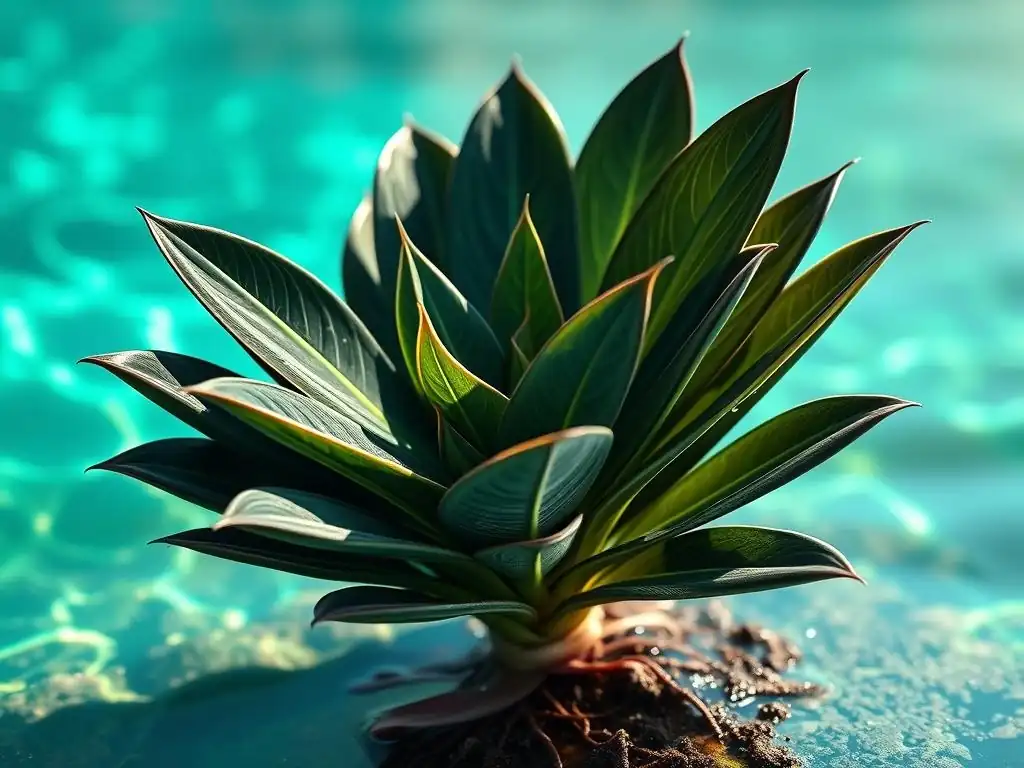
Proper preparation is crucial for the successful establishment of midground rosette plants in your aquarium. Upon receiving your plants, carefully remove them from their packaging, pots, or rockwool. Gently rinse the roots under cool, running water to remove any residual growing medium. Inspect the plant for any damaged or decaying leaves and roots; trim these away using sharp, clean scissors. For plants like Echinodorus or Cryptocoryne that may come as a clump of multiple plantlets, gently separate them into individual plants or smaller groups, ensuring each has a healthy root system.
Before planting, ensure the crown of the rosette plant (where the leaves meet the roots) is not buried too deeply in the substrate. Burying the crown can lead to rot and plant death. Aim to plant the roots firmly in the substrate while keeping the crown just above or at the substrate line. For plants with extensive root systems, like mature Amazon Swords, you may need to dig a small hole to accommodate the roots without bending or breaking them excessively.
Choosing the Right Substrate for Rosette Plants
The substrate choice is paramount for the health and growth of midground rosette plants, as most are heavy root feeders. An ideal substrate for these plants is one that is nutrient-rich and allows for good root penetration and gas exchange. Specialized aquarium plant substrates, often called "aquarium soil" or "aqua soil," are highly recommended.
These substrates are typically composed of baked clay or volcanic ash, providing essential macro and micronutrients directly to the roots and often buffering the water to a slightly acidic pH, which many rosette plants prefer. Brands like ADA Aqua Soil, Fluval Stratum, or CaribSea Eco-Complete are popular choices.
If using an inert substrate like gravel or sand, it is absolutely essential to supplement with root tabs. These slow-release fertilizer pellets are inserted directly into the substrate near the base of the rosette plants, providing a continuous supply of nutrients to their root systems. Without adequate substrate nutrition, rosette plants will likely exhibit stunted growth, yellowing leaves, or other signs of nutrient deficiency, regardless of water column fertilization. A substrate depth of at least 2-3 inches (5-7.5 cm) is generally recommended to allow for proper root development.
Fertilization and Nutrient Needs of Rosette Plants
Midground rosette plants, particularly Echinodorus and Cryptocoryne species, are primarily root feeders and therefore have specific fertilization requirements that differ from typical stem plants. Their main nutrient uptake occurs through their extensive root systems directly from the substrate. Consequently, the most crucial form of fertilization for these plants is through nutrient-rich substrates or, more commonly, the regular application of root tabs.
Root tabs, such as Seachem Flourish Tabs or API Root Tabs, contain a balanced blend of macro and micronutrients that are slowly released into the substrate, directly feeding the plant's roots. These should typically be replaced every 3-4 months, depending on the product and plant density.
While root fertilization is paramount, a balanced liquid fertilizer added to the water column can still be beneficial, especially for providing micronutrients like iron, which can prevent yellowing leaves. However, relying solely on liquid fertilizers for heavy root feeders will often lead to nutrient deficiencies. A comprehensive approach combining a nutrient-rich substrate or root tabs with a general liquid fertilizer (dosed according to the manufacturer's instructions, often weekly) will provide a complete nutritional profile for optimal growth and vibrant coloration of your midground rosette plants.
Lighting Requirements for Optimal Growth
Lighting is a critical factor influencing the growth and health of midground rosette plants. While many Cryptocoryne species can tolerate low light, most Echinodorus and Sagittaria varieties thrive in moderate lighting conditions. "Moderate light" typically translates to a PAR (Photosynthetically Active Radiation) intensity of 20-50 µmol/m²/s at the substrate level, for a photoperiod of 8-10 hours daily. Insufficient lighting will lead to leggy growth, pale coloration, and stunted development, as the plants struggle to photosynthesize effectively. For instance, Echinodorus bleheri may stretch excessively and become thin if light is too low.
Conversely, excessive lighting can be detrimental. While some rosette plants might grow faster under higher light, it significantly increases the risk of aggressive algae growth on their leaves, as well as potential nutrient imbalances. It's crucial to find a balance where plants are robustly growing without encouraging an algae bloom. Using a light fixture with adjustable intensity or a timer for consistent photoperiods helps in managing light effectively. Observing your midground rosette plants for signs of stress or algae will guide adjustments to your lighting setup.
Water Parameters for Healthy Rosette Plants
Maintaining stable and appropriate water parameters is essential for the long-term health and vitality of your midground rosette plants. While many species are adaptable, most thrive within a specific range. A slightly acidic to neutral pH, typically between 6.0 and 7.5, is preferred by a majority of popular rosette plants like Echinodorus and Cryptocoryne.
However, some Cryptocorynes can tolerate slightly alkaline conditions up to a pH of 8.0. General Hardness (GH) and Carbonate Hardness (KH) are also important; a GH range of 4-12 dGH and a KH range of 3-8 dKH are generally suitable, providing essential minerals like calcium and magnesium without excessive alkalinity.
Temperature stability is also key, with most midground rosette plants preferring a range of 72-82°F (22-28°C). Sudden or drastic fluctuations in any of these parameters can stress plants, potentially leading to issues like "crypt melt" in Cryptocoryne species, where leaves dissolve due to environmental shock. Regular water changes (e.g., 20-30% weekly) help to replenish essential trace elements and remove accumulated nitrates, contributing to a stable and healthy environment for your rosette plants and the entire aquatic ecosystem.
Aquascaping with Rosette Plants in the Midground
Creating Depth and Texture with Rosette Plants
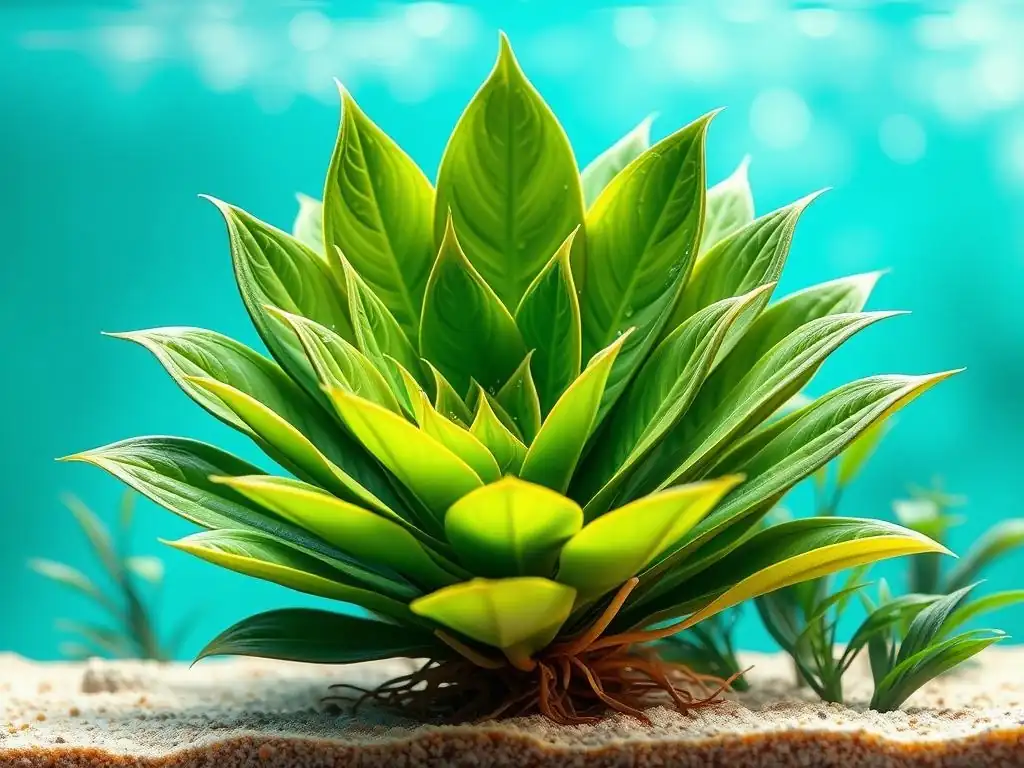
Mastering the art of aquascaping involves creating an illusion of depth and natural texture within the confines of the aquarium. Midground rosette plants are indispensable tools for achieving this. By strategically placing rosette plants of varying heights and leaf shapes, you can effectively guide the viewer's eye and enhance the perceived depth of your tank. For instance, positioning taller rosette plants like Echinodorus bleheri behind more compact varieties such as Cryptocoryne wendtii 'Tropica' creates a natural tiered effect.
Furthermore, the diverse textures offered by different rosette plants add visual richness. The broad, smooth leaves of an Amazon Sword contrast beautifully with the crinkled or hammered texture of a Cryptocoryne beckettii 'Petchii' or the fine, grass-like blades of Sagittaria subulata. Grouping several individuals of the same species can create a dense, impactful block of color and texture, while placing individual, distinct rosette plants can serve as strong focal points. This deliberate arrangement of varied forms and textures prevents the midground from appearing as a monotonous green wall, instead transforming it into a dynamic and engaging landscape.
Combining Rosette Plants with Other Aquarium Plants
For a truly balanced and aesthetically pleasing aquascape, midground rosette plants should be combined thoughtfully with other plant types. They serve as an excellent bridge between low-lying foreground plants and tall background plants, creating a natural flow. For example, you might place a carpet of Monte Carlo or Dwarf Hairgrass in the foreground, transitioning smoothly into a cluster of Cryptocoryne wendtii varieties in the midground. The dense, basal growth of rosette plants can effectively obscure the stems of background plants, such as Rotala or Ludwigia, making the transition appear more natural and less abrupt.
Consider the interplay of form and color. The solid structure and often broad leaves of rosette plants provide a strong anchor against the more delicate, feathery, or fine-leaved textures of stem plants. A vibrant red stem plant in the background can be beautifully framed by the deep green or bronze hues of midground rosette plants.
This combination not only enhances the visual appeal but also creates diverse habitats within the aquarium, catering to the preferences of various fish and invertebrate species. The key is to ensure that each plant type complements the others without overcrowding or competing excessively for light and nutrients.
Rosette Plant Placement: Avoiding Overcrowding
While midground rosette plants can create lush, dense areas, proper spacing is crucial to prevent overcrowding, which can lead to various issues. When planting, always consider the mature size of the rosette plant. For instance, a young Echinodorus bleheri might seem small, but it can quickly grow to a significant diameter, potentially shading out or crowding smaller neighboring plants. A general guideline is to allow at least 6-10 inches (15-25 cm) of clear space around larger Echinodorus species, while smaller Cryptocoryne varieties might need 3-5 inches (7-12 cm) of clearance.
Overcrowding not only restricts light penetration to lower leaves, leading to melting or stunted growth, but also impedes water circulation. Poor water flow around the base of the plants can create anaerobic pockets, leading to root rot, and can also allow detritus to accumulate, contributing to algae growth. Regularly assess your midground rosette plants as they grow.
If they start to look cramped, consider thinning them out by removing older leaves or propagating runners, especially for plants like Sagittaria subulata that spread aggressively. Maintaining adequate spacing ensures each plant receives sufficient light and nutrients, promoting overall health and a clean, vibrant aquascape.
Troubleshooting Common Issues with Midground Rosette Plants
Identifying and Treating Nutrient Deficiencies
Nutrient deficiencies are a common issue for midground rosette plants, primarily because they are heavy root feeders and rely heavily on substrate nutrition. Identifying specific deficiencies can be challenging, but common signs provide clues. Yellowing of older leaves, particularly starting from the tips or edges, often indicates a potassium deficiency.
If new leaves are consistently pale yellow or white, it typically points to an iron deficiency, crucial for chlorophyll production. Stunted growth, overall pale coloration, or small, deformed leaves can signal a general lack of macronutrients like nitrogen or phosphorus. Holes in leaves, without signs of pest damage, are also a classic symptom of potassium deficiency.
The primary treatment for nutrient deficiencies in rosette plants is to ensure adequate substrate fertilization. For tanks with inert substrates, immediately add root tabs near the base of the affected plants. For tanks with nutrient-rich soils, consider refreshing the root tabs or checking the soil's longevity.
Additionally, ensure a balanced liquid fertilizer is dosed regularly to provide essential micronutrients. Performing regular water tests for nitrates and phosphates can help identify overall nutrient levels in the water column, but remember that root-feeding plants primarily rely on the substrate for their major nutrient intake. Consistent, balanced fertilization is key to preventing these issues.
Dealing with Algae on Rosette Plants
Algae growth on midground rosette plants can detract from their beauty and indicate an imbalance in the aquarium. Common types of algae found on rosette plant leaves include green spot algae (small, hard green dots), black beard algae (BBA, fuzzy black tufts), and hair algae (long, stringy green strands). The primary causes of algae are often an excess of light, particularly too high intensity or too long a photoperiod (e.g., more than 10 hours), combined with an imbalance of nutrients (too much nitrate/phosphate or too little CO2).
To combat algae on your rosette plants, first address the root cause. Reduce your light intensity or shorten your photoperiod (e.g., to 7-8 hours). Ensure your fertilization regimen is balanced; sometimes too much of one nutrient (e.g., iron) without adequate CO2 can trigger algae. For tanks with CO2 injection, ensure stable and sufficient CO2 levels, as this significantly boosts plant growth, outcompeting algae.
Manually remove as much algae as possible by gently wiping the leaves or trimming heavily affected leaves. Introducing algae-eating inhabitants like Amano shrimp (Caridina multidentata) or Otocinclus catfish can also help control minor outbreaks. Consistent water changes are also vital for removing excess nutrients.
Preventing Rosette Plant Melting
"Melting" is a phenomenon where aquatic plants, particularly Cryptocoryne species, rapidly lose their leaves, turning them translucent and mushy. While alarming, it's a common response, especially for Cryptocoryne species (dubbed "crypt melt"), when introduced to a new environment or subjected to sudden, drastic changes in water parameters (e.g., pH, temperature, hardness, or even light intensity). It can also occur if the plant is moved frequently or if there's a significant shift in the tank's nutrient profile. Echinodorus species are generally less prone to complete melt but can still show signs of stress with rapid parameter changes.
To prevent melting in your midground rosette plants, focus on stability and proper acclimation. When introducing new plants, try to acclimate them gradually to your tank's water parameters, though for Cryptocoryne, some melt is almost inevitable. Avoid frequent replanting or moving established plants.
Maintain stable water parameters through regular, consistent maintenance routines, including routine water changes without drastic temperature shifts. Ensure adequate substrate nutrition, as nutrient deficiencies can also weaken plants and make them more susceptible to melting. Even if a plant melts completely, do not discard it immediately; its robust root system often remains healthy, and new leaves will typically sprout back within a few weeks if conditions stabilize.
Maintaining a Thriving Midground with Rosette Plants
Regular Pruning and Trimming
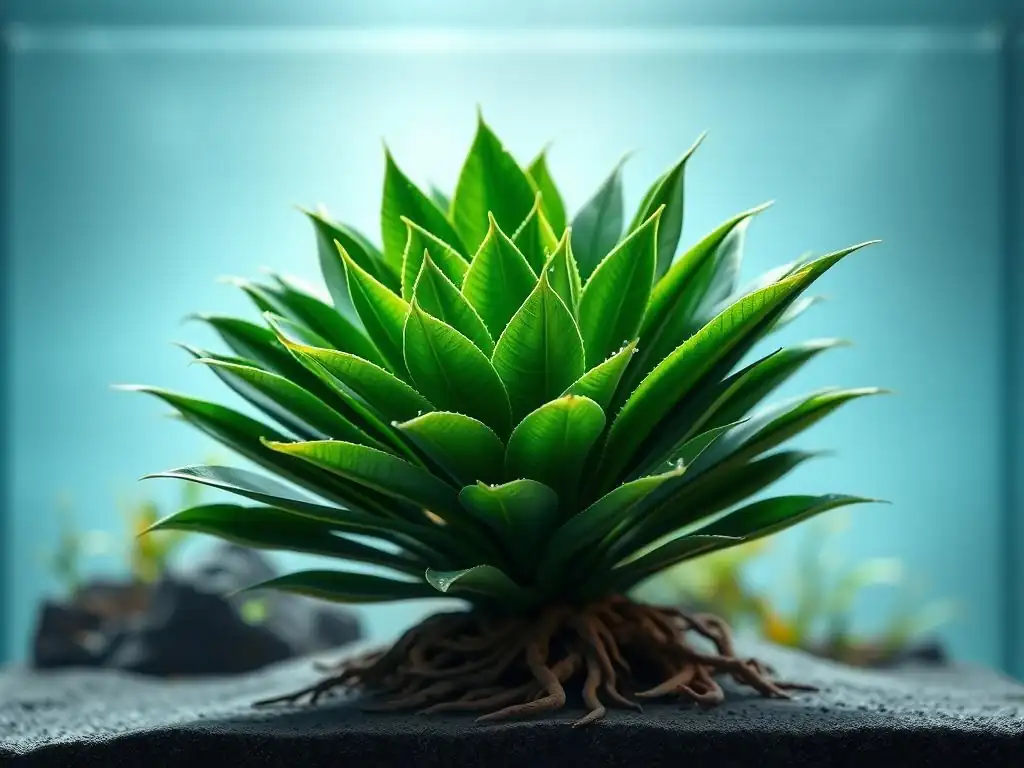
Maintaining the health and aesthetic appeal of your midground rosette plants requires regular pruning and trimming. Unlike stem plants that are trimmed from the top, rosette plants are pruned by removing older, outer leaves from the base of the plant. As these plants age, their older leaves may become yellow, develop algae, or show signs of wear. Using sharp aquascaping scissors, carefully trim these leaves as close to the crown as possible without damaging the central growing point. This process redirects the plant's energy towards producing new, healthy growth and improves light penetration to the inner leaves.
For spreading rosette plants like Sagittaria subulata or Helanthium tenellum that send out runners, regular trimming of these runners is essential to control their spread and prevent them from overrunning the foreground or other midground areas. If you desire a denser patch, allow some runners to establish before selectively removing others. Pruning also helps manage the overall size of larger rosette plants like Echinodorus, ensuring they don't outgrow their designated midground space or shade out other plants. Aim to prune every 2-4 weeks, or as needed, based on the growth rate and appearance of your plants.
Monitoring Water Parameters
Consistent monitoring of water parameters is a cornerstone of maintaining a thriving midground with rosette plants. While these plants draw most of their nutrients from the substrate, the quality and stability of the water column directly impact their overall health. Regularly test key parameters such as pH, General Hardness (GH), Carbonate Hardness (KH), and nitrates. Most midground rosette plants prefer a slightly acidic to neutral pH (6.0-7.5), a GH of 4-12 dGH, and a KH of 3-8 dKH. Significant fluctuations in these parameters can stress plants, leading to stunted growth, discoloration, or even melting in sensitive species like Cryptocoryne.
Monitoring nitrate levels is particularly important; while plants consume nitrates, excessively high levels (above 20-30 ppm) can contribute to algae issues, and extremely low levels (below 5 ppm) might indicate a lack of nitrogen for healthy growth. Regular water changes (e.g., 20-30% weekly) are crucial for replenishing essential trace elements, removing accumulated waste products, and maintaining parameter stability. Consistent monitoring allows for proactive adjustments to fertilization, lighting, or water change schedules, ensuring your midground rosette plants remain vibrant and healthy.
Recognizing and Addressing Common Pests
While aquatic plants are generally robust, they can occasionally host or develop issues with common aquarium pests that can impact their health. Snails, such as bladder snails or ramshorn snails, are often introduced with new plants. While generally harmless in small numbers and even beneficial for consuming detritus, large populations can become unsightly or occasionally graze on very soft plant leaves.
To control them, reduce overfeeding, which provides a food source, and manually remove them or use snail traps. For significant infestations, a short-term dip of new plants in a diluted potassium permanganate solution or alum can help eliminate snail eggs before planting.
Algae, as mentioned previously, can also be considered a "pest" when it overruns plants. Beyond environmental imbalances, filamentous algae or hair algae can physically entangle rosette plant leaves. Manual removal and addressing nutrient/light imbalances are key. Less common but more problematic pests include planaria or hydra, though these typically don't directly harm rosette plants but can indicate an unhealthy tank or pose a risk to fry. Regular observation of your midground rosette plants during maintenance will help you spot any unusual growths or inhabitants early, allowing for timely intervention before issues escalate.
Selecting the Right Rosette Plants for Your Aquarium: Key Considerations
Aquarium Size and Dimensions
When selecting midground rosette plants, the size and dimensions of your aquarium are paramount. A common mistake is choosing plants that will quickly outgrow the available space, leading to an overcrowded and aesthetically unbalanced aquascape. For instance, a robust Echinodorus bleheri (Amazon Sword) can reach 20 inches (50 cm) in height and spread significantly, making it unsuitable for a 10-gallon tank where it would quickly dominate and shade out other plants. Instead, it's ideal for mid- to large-sized aquariums (30 gallons and up) where its full potential can be realized.
For smaller nano tanks (under 10 gallons) or compact setups, more diminutive rosette plants are preferable. Options like Cryptocoryne wendtii 'Tropica' (6-10 inches / 15-25 cm) or Cryptocoryne beckettii 'Petchii' (3-6 inches / 7-15 cm) offer the classic rosette form in a manageable size, perfectly fitting the midground without overwhelming the tank.
Consider the depth and height of your tank; taller tanks can accommodate plants that grow a bit larger, while shallower tanks might require shorter varieties to maintain perspective. Always research the mature size of any midground rosette plant before purchasing to ensure it aligns with your aquarium's dimensions.
Fish Compatibility with Rosette Plants
The compatibility between your chosen midground rosette plants and your aquarium inhabitants is a critical consideration for a harmonious ecosystem. While most small to medium-sized community fish, such as tetras, rasboras, and most peaceful cichlids (e.g., Angelfish, Dwarf Cichlids), are generally plant-safe, some species are notorious for uprooting or consuming plants.
Larger cichlids, such as Oscars or Severums, and common goldfish, are known plant destroyers; they may dig up roots, tear leaves, or simply eat the foliage. For tanks housing such fish, selecting very robust, thick-leaved rosette plants like mature Echinodorus species might be an option, but success is not guaranteed.
Herbivorous fish like some mollies or specific plecos (e.g., Bristlenose Plecos can be fine, but larger species might graze on softer plants) might also nibble on softer-leaved rosette plants. If you plan to keep known plant-eaters, opt for plants with tougher leaves or consider plastic alternatives. Conversely, many fish species, particularly shy ones like certain killifish or small schooling fish, thrive in densely planted environments provided by midground rosette plants, using them for shelter and security. Researching the dietary habits and digging behaviors of your target fish species before selecting your rosette plants will save you considerable frustration.
Personal Aquascaping Style and Goals
Your personal aquascaping style and overall goals for your aquarium play a significant role in selecting the right midground rosette plants. Different styles emphasize different plant forms and layouts. For a "Nature Aquarium" style, which aims to mimic natural landscapes, rosette plants like Echinodorus and Cryptocoryne are indispensable for creating a sense of natural density, depth, and focal points. Their organic growth forms blend seamlessly into the desired aesthetic.
If your goal is a more structured "Dutch Style" aquascape, which focuses on dense groupings of contrasting plant forms and colors, then midground rosette plants can be used to create distinct "streets" or blocks of color and texture, often contrasting with stem plants. For a biotope aquarium, replicating a specific natural habitat, selecting rosette plants native to that region (e.g., Echinodorus for South American biotopes) is essential.
Consider whether you prefer a lush, dense jungle look or a more minimalist, open layout. The robust, central growth of rosette plants makes them versatile for anchoring designs, providing visual weight, or simply filling the heart of your aquascape with vibrant, healthy foliage.
Frequently Asked Questions
What are rosette plants and why are they good for the aquarium midground?
Rosette plants are aquatic plants with leaves that grow in a circular pattern from a central crown. They're excellent for the midground because their shape provides visual interest and they don't usually grow too tall, allowing light to reach plants behind them.
What factors should I consider when choosing a rosette plant for my aquarium?
Consider your tank size, lighting intensity, and water parameters. Different rosette plants have different requirements. Choose varieties that are compatible with your existing setup and the other inhabitants of your aquarium.
What are some of the best rosette plant species for the aquarium midground?
Popular choices include Echinodorus (Sword plants), Cryptocoryne, and Vallisneria. These plants offer a range of colors, sizes, and leaf textures, making them suitable for various aquascaping styles.
How do I properly plant and care for rosette plants in my aquarium?
Plant rosette plants with their crown above the substrate to prevent rotting. Provide adequate lighting and fertilization based on the specific plant's needs. Regular trimming of dead or dying leaves is also important.
What are some common problems that can occur with rosette plants and how can I fix them?
Common problems include nutrient deficiencies (leading to yellowing leaves), algae growth, and melting. Address these issues by adjusting fertilization, improving water quality, and controlling algae with appropriate methods.
Final Reflection: Cultivating Beauty in the Depths
The journey through the world of midground rosette plants reveals more than just aesthetic appeal; it highlights the power of intentional design in creating thriving aquatic ecosystems. These plants, perfectly positioned to bridge the foreground and background, demonstrate how thoughtful planning can transform a simple aquarium into a captivating underwater landscape. Their impact extends beyond visual harmony, fostering a balanced environment for all inhabitants.
This exploration has underscored the profound connection between aquascaping and the creation of miniature, self-sustaining worlds. The careful selection and placement of rosette plants not only enhances the visual appeal but also contributes to the overall health and stability of the aquarium. As we strive to replicate nature's beauty, we also learn to appreciate its delicate balance. The best way to observe a fish is to become a fish.
- Jacques Cousteau. This sentiment reminds us that understanding and appreciating the needs of our aquatic companions is paramount to creating a truly thriving ecosystem.
Now, as you consider your own aquascape, I invite you to reflect on the lessons learned. Embrace the potential of midground rosette plants to not only fill the heart of your aquarium but also to enrich the lives of its inhabitants. Let their beauty inspire you to cultivate a space where nature thrives, and where the simple act of observation becomes a source of endless wonder and tranquility.
Cultivate Your Aquascape: Bring Your Rosette Vision to Life!
Thank you for diving into the world of rosette plants and discovering how they can transform your aquarium! Now, let's turn that inspiration into a thriving underwater garden. Ready to take the next step?
- Design Your Layout: Use your newfound knowledge of rosette plants and plan your tank's midground to showcase their unique beauty. Consider how different species will complement each other!
- Share your newfound expertise by posting a picture of your aquascape journey or planned aquascape in the comments!
- Dare to experiment and grow a rosette from seed! It's a rewarding experience.
Which rosette species are you most excited to feature in your aquascape, and how do you plan to showcase its unique characteristics?