
Essential Freshwater Plant Care: A Beginner's Checklist for Success

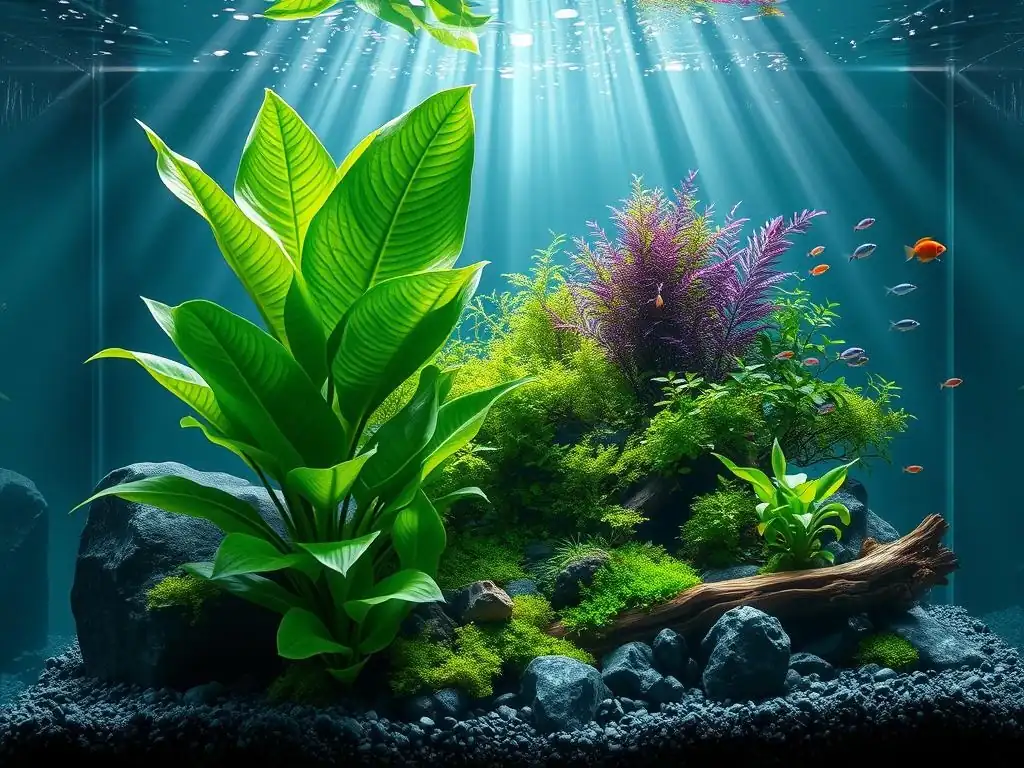
Welcome to Aquarium Mastery, where your aquatic dreams come to life!
Ready to cultivate a lush, thriving underwater garden? Dive in! Ever wondered if you're missing a crucial step in keeping your freshwater plants healthy and vibrant? Our article, " Essential Freshwater Plant Care: A Beginner's Checklist for Success," is your definitive guide. Discover the secrets to a flourishing planted tank and avoid common pitfalls. Let's unlock the full potential of your aquatic plants together!
- Your Ultimate Freshwater Plant Care Checklist for a Thriving Aquarium
- Understanding the Basics of Freshwater Aquarium Plant Care
- Step-by-Step Freshwater Plant Care Checklist
- Troubleshooting Common Freshwater Plant Care Issues
- Advanced Freshwater Plant Care Techniques
- Mastering Freshwater Plant Care: Beyond the Checklist
- Frequently Asked Questions
- Final Reflection: Cultivating Aquatic Harmony
- Cultivate Your Aquatic Oasis
Your Ultimate Freshwater Plant Care Checklist for a Thriving Aquarium
Cultivating a vibrant, lush planted aquarium is one of the most rewarding aspects of the freshwater hobby. Live plants not only enhance the aesthetic appeal of your tank but also play a crucial role in maintaining water quality, providing natural filtration, and offering shelter and foraging opportunities for your aquatic inhabitants. Achieving this thriving ecosystem, however, requires a systematic approach to freshwater plant care. This comprehensive freshwater plant care checklist is designed to guide beginners through the essential steps and considerations for success.
A well-planned and executed freshwater plant care routine is the cornerstone of a healthy planted tank. It goes beyond simply adding plants to water; it involves understanding their specific needs for light, nutrients, and carbon dioxide. By diligently following this detailed guide, you will be equipped to identify and address the critical elements necessary for robust plant growth, ultimately leading to a stable and beautiful aquatic environment that truly flourishes.
Understanding the Basics of Freshwater Aquarium Plant Care
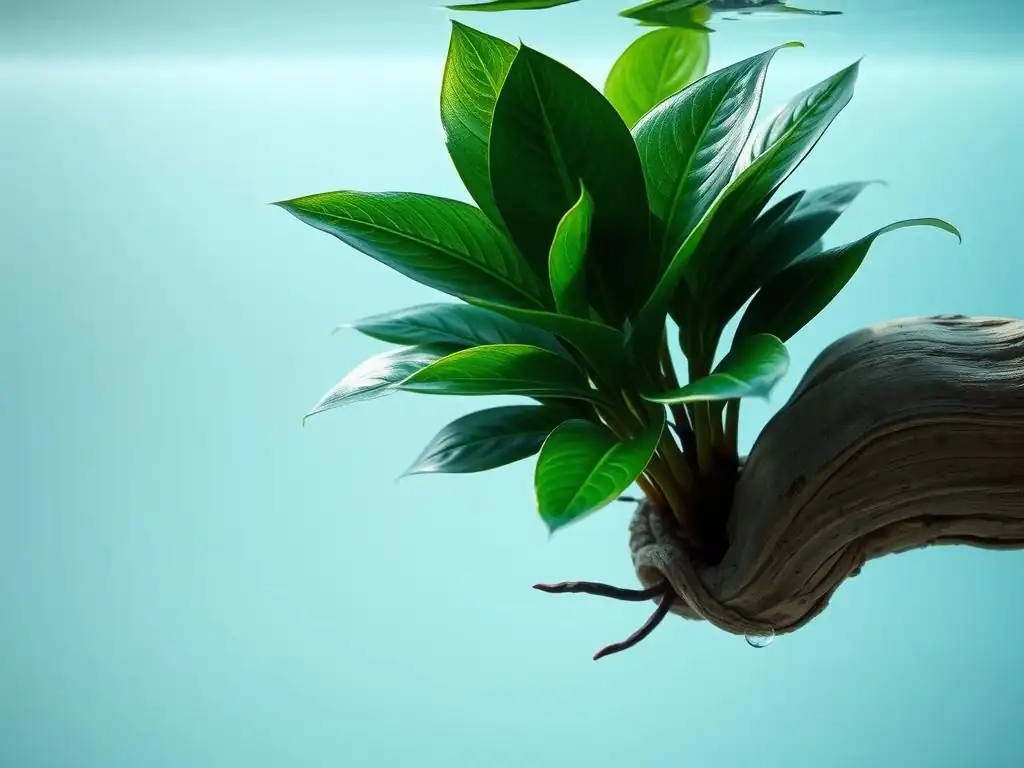
Essential Lighting for Healthy Freshwater Plants
Light is the fuel for photosynthesis, the process by which aquatic plants convert light energy into chemical energy for growth. The spectrum, intensity, and duration of light are all critical factors. Modern LED lights are highly efficient and offer adjustable spectrums, often preferred over traditional fluorescent tubes due to their longevity and lower heat output. A full-spectrum light source, typically ranging from 6500K to 7000K (Kelvin), mimics natural daylight and is ideal for promoting healthy plant growth and vibrant colors.
Beyond the color temperature, the intensity of light reaching the plants, measured in Photosynthetically Active Radiation (PAR), is paramount. For instance, low-light plants like Anubias barteri and Java Fern can thrive with PAR values between 15-30 µmol/m²/s at the substrate level. Conversely, demanding foreground plants such as Hemianthus callitrichoides 'Cuba' (Dwarf Baby Tears) typically require 50-80+ µmol/m²/s PAR to carpet effectively. A consistent photoperiod, usually 8-10 hours per day, controlled by a timer, prevents algae growth and ensures plants receive adequate light without stress.
Choosing the Right Substrate for Aquatic Plants
The substrate serves as the foundation for your planted aquarium, providing physical anchorage for roots and, in many cases, a vital source of nutrients. Inert substrates, such as standard aquarium gravel or sand, offer excellent stability for plants but contain minimal to no nutrients. While suitable for epiphytic plants (those that attach to hardscape) or water column feeders, root-feeding plants will require supplemental nutrition in such setups.
For a truly thriving planted tank, nutrient-rich substrates, often referred to as "aqua soils" or "plant soils," are highly recommended. Products like ADA Aqua Soil Amazonia or Fluval Stratum are engineered to slowly release essential plant nutrients directly to the roots over time. These specialized substrates typically provide a slightly acidic buffering capacity, which can benefit many plant species. A minimum substrate depth of 2-3 inches is generally advisable to allow ample room for root development for most rooted plants like Cryptocoryne species or Echinodorus (Amazon Swords).
CO2 Injection: Is it Necessary for Your Planted Tank?
Carbon dioxide (CO2) is a crucial component for photosynthesis, acting as a primary building block for plant growth. While all plants utilize CO2, the necessity of CO2 injection largely depends on the plant species you choose, your lighting intensity, and your overall aquascaping goals. Many low-tech planted tanks, featuring low-light plants like Java Moss and Anubias, can thrive without supplemental CO2, relying solely on the CO2 naturally produced by fish respiration and organic decomposition.
However, for high-light setups or when cultivating fast-growing, demanding, or carpeting plants such as Rotala rotundifolia or Staurogyne repens, CO2 injection becomes almost indispensable. Supplemental CO2 significantly boosts growth rates, enhances color vibrancy, and helps plants outcompete algae by promoting vigorous growth. The goal is typically to achieve a dissolved CO2 concentration of 20-30 parts per million (ppm) in the water, which can be monitored using a drop checker.
Fertilizers for Freshwater Plants: A Beginner's Guide
Even with optimal lighting and CO2, plants require a balanced array of macro and micro nutrients to flourish. Macronutrients, needed in larger quantities, include Nitrogen (N), Phosphorus (P), and Potassium (K). Nitrogen is vital for leafy growth, Phosphorus for root and flower development, and Potassium for overall plant health and resilience. Deficiencies in these can lead to yellowing leaves, stunted growth, or pinholes.
Micronutrients, while required in smaller amounts, are equally critical and include elements like Iron (Fe), Manganese (Mn), Boron (B), Zinc (Zn), and Copper (Cu). Iron, for instance, is essential for chlorophyll production, and a deficiency often manifests as yellowing new growth or pale leaves. Fertilizers come in various forms, including liquid solutions that dose nutrients directly into the water column, ideal for plants that absorb through their leaves (e.g., Java Fern), and root tabs that are inserted into the substrate for heavy root feeders (e.g., Swords, Cryptocorynes). A comprehensive freshwater plant care checklist must include a consistent fertilization plan.
Step-by-Step Freshwater Plant Care Checklist
Step 1: Evaluate Your Aquarium Lighting Needs for Plants
Identifying Low-Light vs. High-Light Plant Species
Understanding your chosen plant species' light requirements is a fundamental part of any freshwater plant care checklist. Low-light plants are generally robust and forgiving, thriving in conditions with 15-25 PAR (Photosynthetically Active Radiation) at the substrate. Excellent examples include Anubias barteri, Java Fern (Microsorum pteropus), various Cryptocoryne species, and mosses like Java Moss. These plants are often slower growing but exceptionally hardy, making them perfect for beginners or tanks without CO2 injection.
In contrast, high-light plants demand more intense illumination, typically ranging from 50-80+ PAR, and often benefit immensely from supplemental CO2. These species include popular carpeting plants such as Hemianthus callitrichoides 'Cuba' (Dwarf Baby Tears), vibrant red stem plants like Alternanthera reineckii, and dense background plants like Rotala rotundifolia. While more challenging, these plants offer spectacular visual impact and faster growth rates, rewarding diligent adherence to a comprehensive freshwater plant care checklist.
Calculating PAR (Photosynthetically Active Radiation) for Plant Growth
PAR is the most accurate measure of light intensity for plant growth, quantifying the light spectrum plants use for photosynthesis. While a dedicated PAR meter provides precise readings, they are often expensive for hobbyists. A practical approach involves consulting the manufacturer's PAR charts for your specific lighting fixture, which often provide PAR values at various depths, or utilizing online databases and community forums where fellow aquarists share their PAR measurements for common lights.
As a general guideline, a low-tech setup aiming for easy-care plants might target 15-30 PAR at the substrate. For a medium-light setup, suitable for a broader range of plants, 30-50 PAR is ideal. High-tech planted tanks, supporting demanding species, typically aim for 50-80+ PAR. Regardless of the light intensity, maintaining a consistent photoperiod of 8-10 hours per day, controlled by an automatic timer, is crucial to prevent algae outbreaks and ensure plants receive a steady supply of energy.
Step 2: Prepare Your Aquarium Substrate for Optimal Plant Growth
Nutrient-Rich Substrates vs. Inert Substrates
When preparing your aquarium, the choice of substrate significantly impacts your freshwater plant care checklist. Nutrient-rich substrates, such as ADA Aqua Soil, Fluval Stratum, or CaribSea Eco-Complete, are specifically designed to provide essential nutrients directly to plant roots. These specialized soils often have a porous structure that promotes beneficial bacterial colonization and can buffer water parameters to a slightly acidic pH, which many aquatic plants prefer. They are particularly beneficial for heavy root feeders like Echinodorus (Amazon Swords) and Cryptocoryne species, offering a sustained nutrient release over several months or even years.
In contrast, inert substrates like standard aquarium gravel or play sand offer no nutritional value to plants. While they provide excellent anchoring for roots and are often more budget-friendly, plants grown in these substrates will rely entirely on nutrients dosed into the water column or through supplemental root tabs. This setup is perfectly viable for plants that primarily absorb nutrients through their leaves, such as Anubias, Java Fern, and most stem plants, provided a consistent liquid fertilization schedule is maintained.
Adding Root Tabs for Enhanced Plant Nutrition
For aquariums utilizing inert substrates, or even to boost nutrient levels in older, depleted aqua soils, root tabs are an indispensable part of a comprehensive freshwater plant care checklist. These small, slow-release capsules contain concentrated macronutrients (Nitrogen, Phosphorus, Potassium) and micronutrients (Iron, Manganese, etc.) specifically formulated for aquatic plants. They are designed to be inserted directly into the substrate, deep near the roots of heavy feeders, ensuring a localized and steady supply of essential elements.
Plants that benefit most from root tabs include robust root feeders like Cryptocoryne species, Echinodorus (Amazon Swords), and Vallisneria. For example, Cryptocoryne wendtii will show significantly more vigorous growth and richer coloration when root tabs are placed directly beneath its root system. A typical application involves placing tabs every 4-6 inches in the substrate, usually requiring reapplication every 3-6 months, depending on the product's formulation and the density of your planted tank.
Step 3: Implement a CO2 System (If Required)
Setting Up a DIY CO2 System
For beginners with smaller tanks (typically under 20 gallons) or those looking to experiment with supplemental CO2 without a significant investment, a DIY CO2 system is a viable option on your freshwater plant care checklist. These systems commonly utilize a yeast and sugar fermentation process within plastic bottles to generate CO2 gas. Components usually include two bottles (one for reaction, one for gas collection/safety), airline tubing, a check valve to prevent backflow into the CO2 generator, and a diffuser or air stone to release the CO2 into the water.
While effective for low-to-medium light setups, DIY CO2 systems have limitations. The CO2 output is often inconsistent, fluctuating with temperature and yeast activity, and each batch typically lasts only 1-3 weeks, requiring frequent mixing. Despite this, they can significantly boost the growth of plants like Rotala indica or Ludwigia repens compared to tanks without any CO2 supplementation, making them a good entry point into the world of CO2 injection.
Calibrating a Pressurized CO2 System
For larger tanks, more demanding plants, or those seeking precise and consistent CO2 levels, a pressurized CO2 system is the gold standard for a serious freshwater plant care checklist. This setup involves a CO2 cylinder, a regulator (to control pressure), a solenoid valve (to turn CO2 on/off with a timer), a bubble counter (to monitor flow rate), a diffuser (to dissolve CO2 efficiently into the water), and a drop checker (to visually assess CO2 levels).
Calibration is key to preventing CO2 overdosing, which can harm fish, or underdosing, which starves plants. The goal is typically to achieve 20-30 ppm of dissolved CO2, which a drop checker with a 4 dKH solution will indicate by turning lime green (blue indicates too little, yellow indicates too much). Adjusting the bubble count (e.g., 1-2 bubbles per second for a 50-gallon tank) and monitoring the drop checker over several hours allows for fine-tuning. Many advanced hobbyists use pH controllers that automatically adjust CO2 injection based on the tank's pH, ensuring optimal and stable CO2 levels.
Step 4: Establish a Consistent Fertilization Schedule
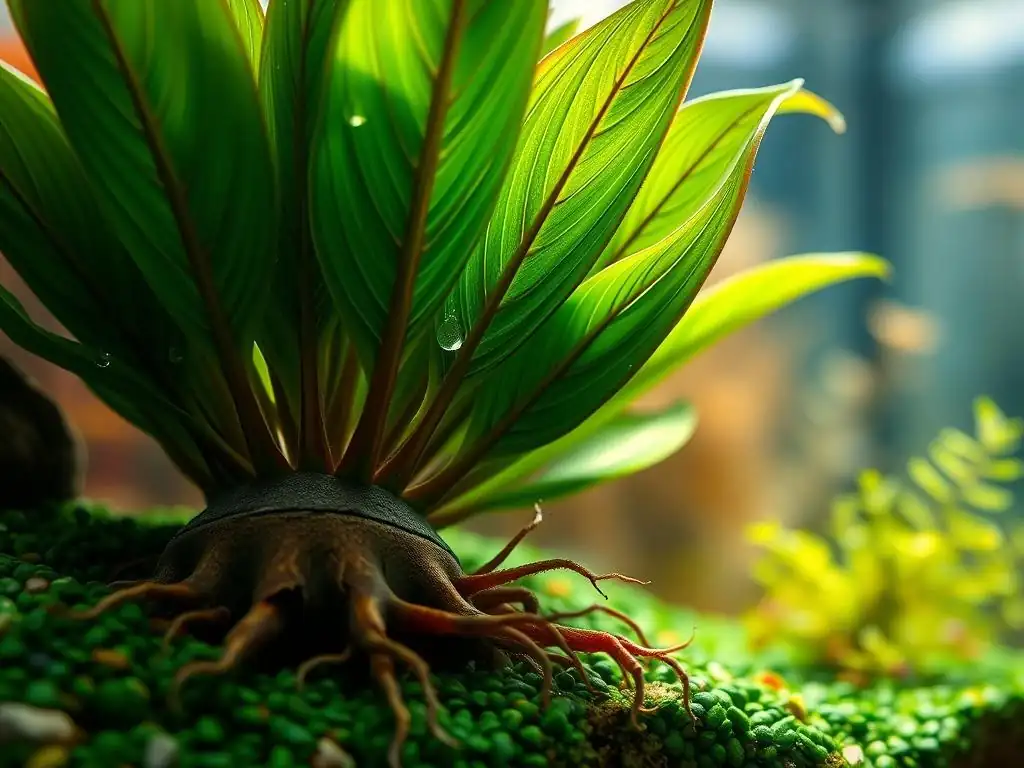
Understanding Macro and Micro Nutrients for Plants
A fundamental aspect of any freshwater plant care checklist is a thorough understanding of nutrient requirements. Macronutrients are the primary building blocks for plant tissue, needed in relatively large quantities. Nitrogen (N) is crucial for leafy growth; a deficiency often appears as yellowing of older leaves. Phosphorus (P) supports root development and overall energy transfer; low P can lead to stunted growth and dark green leaves. Potassium (K) is vital for general plant health and metabolism; its deficiency may manifest as pinholes or yellowing edges on leaves.
Micronutrients, though needed in smaller trace amounts, are equally indispensable for various metabolic processes. Iron (Fe) is perhaps the most well-known, essential for chlorophyll production; its deficiency results in pale or yellow new growth. Other vital micronutrients include Manganese (Mn), Boron (B), Zinc (Zn), Copper (Cu), and Molybdenum (Mo). A balanced fertilization approach ensures that plants receive all necessary elements, preventing specific deficiencies that can hinder growth and lead to algae issues.
Choosing the Right Fertilizer Type: Liquid vs. Dry
The choice between liquid and dry fertilizers depends on your tank's needs and your preference for dosing precision. Liquid fertilizers, such as Seachem Flourish, API Leaf Zone, or Easy Green, are convenient all-in-one solutions or specialized single-nutrient supplements. They are ideal for plants that primarily absorb nutrients from the water column, like Anubias, Java Fern, and many stem plants. They are typically dosed daily or weekly according to product instructions, making them easy to integrate into a beginner's freshwater plant care checklist.
Dry fertilizers, often associated with the Estimative Index (EI) dosing method, offer greater control over specific nutrient levels. Hobbyists purchase individual salts like Potassium Nitrate (KNO3) for Nitrogen, Monopotassium Phosphate (KH2PO4) for Phosphorus, and various trace mixes for micronutrients. This method allows for precise adjustments based on plant demand and water test results, making it popular among experienced aquarists with high-tech setups. While requiring more initial setup and precision (e.g., using a digital scale for accurate measurements), dry fertilizers are often more cost-effective in the long run.
Step 5: Regular Maintenance for a Healthy Planted Tank
Routine Water Changes and Plant Trimming
Regular maintenance is a cornerstone of any effective freshwater plant care checklist. Routine water changes, typically 25-30% of the tank volume weekly or bi-weekly, are essential. They remove accumulated nitrates, excess organic waste, and replenish essential trace elements that plants consume. When performing water changes in a planted tank, use a gravel vacuum carefully to avoid disturbing plant roots, focusing on areas with less plant density.
Plant trimming, or pruning, is vital for managing growth, promoting bushier forms, and ensuring light penetration to lower leaves. Fast-growing stem plants like Ludwigia repens should be trimmed from the top when they reach the water surface, and the cuttings can often be replanted to propagate new plants. Rosette plants like Cryptocorynes or Swords may require removal of older, yellowing outer leaves to direct energy to new growth. Regular trimming prevents plants from shading each other, which can lead to melting or stunted growth in lower foliage.
Algae Control in Planted Aquariums
Algae is a common challenge in planted aquariums, often signaling an imbalance in the ecosystem. A healthy, vigorously growing planted tank, following a robust freshwater plant care checklist, will inherently outcompete most algae. Common causes of algae blooms include excessive light intensity or duration (e.g., more than 10 hours of light), nutrient imbalances (e.g., too much light with insufficient CO2 or low nitrates), and inconsistent CO2 levels. For instance, green spot algae often indicates low phosphates or CO2, while black beard algae can signal fluctuating CO2 or poor water flow.
Effective algae control involves identifying and correcting the underlying imbalance. This might include reducing your photoperiod (e.g., from 10 hours to 7-8 hours), ensuring stable CO2 injection, adjusting your fertilization regimen to balance nutrients, and improving water circulation. Manual removal of algae during water changes is always recommended. Introducing algae-eating inhabitants, such as Amano shrimp ( Caridina multidentata) or Otocinclus catfish, can also be a valuable biological control measure, but they are most effective when the primary imbalance has been addressed.
Troubleshooting Common Freshwater Plant Care Issues
Identifying Nutrient Deficiencies in Aquatic Plants
One of the most common challenges in freshwater plant care is identifying nutrient deficiencies, which can manifest in various ways and halt plant growth. For instance, a lack of Nitrogen typically causes older leaves to turn yellow or pale, as the plant moves mobile nutrients to new growth. Phosphorus deficiency can lead to stunted growth, dark green leaves, or even red coloration on some plants. Potassium deficiency often results in yellowing edges, pinholes, or browning on older leaves.
Iron deficiency is a frequently observed micronutrient issue, causing new growth to appear pale, yellow, or even white, while veins remain green. Stunted growth in general, or twisted new leaves, can indicate a deficiency in other micronutrients like Boron or Manganese. To effectively troubleshoot, consult a plant deficiency chart, cross-reference symptoms with your specific plant species, and then test your water parameters and adjust your fertilization regimen accordingly. It's crucial to remember that over-dosing nutrients can also lead to problems, sometimes mimicking deficiency symptoms.
Dealing with Algae Blooms in Planted Tanks
Algae blooms are a clear indicator of an imbalance within your planted aquarium ecosystem, often stemming from issues not directly addressed by a basic freshwater plant care checklist. For example, green spot algae (GSA), which appears as small, hard green dots, frequently points to low phosphate levels or insufficient CO2 relative to high light. Hair algae, on the other hand, often proliferates in tanks with excess light, high nitrates, or unstable CO2. Black beard algae (BBA) is notoriously stubborn and commonly thrives in conditions with fluctuating CO2 levels and poor water circulation.
To effectively deal with algae, a systematic approach is necessary. First, reduce your photoperiod, perhaps from 10 hours to 7-8 hours, or implement a "siesta" period (e.g., 4 hours on, 2 hours off, 4 hours on) to disrupt algal photosynthesis. Second, ensure your CO2 levels are stable and adequate (20-30 ppm) if you are injecting it. Third, assess your nutrient dosing; sometimes, simply increasing macro or micro nutrients can help plants outcompete algae. Finally, enhance water flow in stagnant areas and manually remove as much algae as possible during water changes.
Preventing Plant Melt After Introduction
Plant melt, characterized by leaves turning translucent, mushy, or completely disintegrating, is a common and often alarming phenomenon experienced by aquarists after introducing new plants. This typically occurs when plants grown emersed (out of water, which is common in nurseries) are transitioned to a submersed (underwater) environment. The plant must shed its emersed leaves and grow new submersed-adapted foliage, which can take several weeks.
To prevent or minimize plant melt, integrate a few key steps into your freshwater plant care checklist. First, ensure stable and optimal water parameters (temperature, pH, GH, KH) from the outset; sudden fluctuations stress new plants. Second, provide consistent lighting and, if applicable, CO2, to support the plant's energy needs during this demanding transition. Third, gently remove any melting leaves with sharp scissors as they appear; this prevents them from decaying and contributing to ammonia spikes in the water. Patience is crucial, as most healthy plants will recover and begin to put out new, submersed growth within 2-4 weeks.
Advanced Freshwater Plant Care Techniques
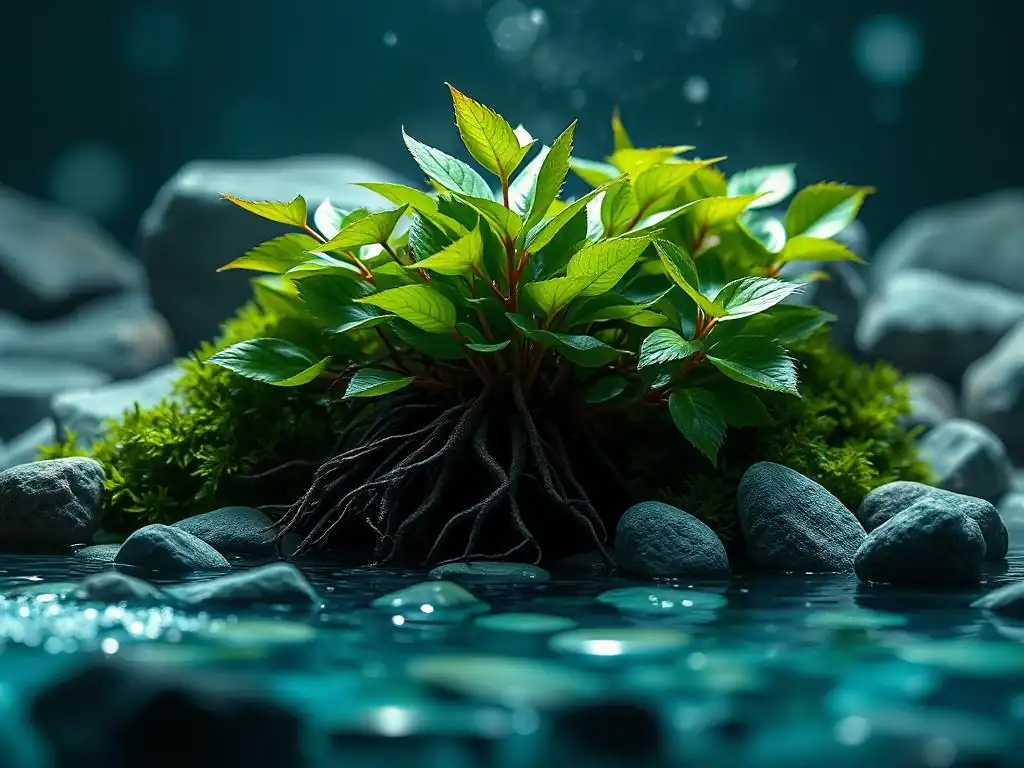
Plant Propagation Methods: Cuttings, Runners, and Division
Mastering plant propagation is a satisfying and economical aspect of advanced freshwater plant care. Stem plants, such as Rotala rotundifolia or Ludwigia repens, are easily propagated by cuttings. Simply snip a healthy section (typically 4-6 inches long) from the top or middle of the stem, remove the lower leaves, and replant the cutting into the substrate. New roots will typically form within 1-2 weeks, and the original plant will often sprout new shoots from the cut point, leading to bushier growth.
Rhizome plants like Anubias and Java Fern are propagated by division. Their thick, horizontal stems (rhizomes) can be carefully cut with a sharp, clean blade, ensuring each section has at least a few leaves and some roots attached. These divisions can then be reattached to hardscape or left floating until they root.
Many foreground plants, such as Dwarf Sagittaria or Cryptocoryne parva, propagate via runners – horizontal stems that extend from the mother plant and sprout new plantlets. These plantlets can be gently separated once they establish their own root system, providing a continuous supply of new plants for your freshwater plant care checklist.
Aquascaping with Live Plants: Creating a Stunning Aquarium Layout
Aquascaping is the art of arranging aquatic plants, rocks, and driftwood to create an aesthetically pleasing underwater landscape. Beyond simply placing plants, aquascaping principles, such as the Rule of Thirds or the Golden Ratio, guide the placement of focal points and overall composition. Different aquascaping styles, like the dense, colorful "Dutch style" or the minimalist, stone-focused "Iwagumi style," dictate plant choices and arrangements.
Effective aquascaping requires careful plant selection based on their mature size, growth rate, and light requirements to achieve desired depth and perspective. For instance, low-growing carpeting plants like Monte Carlo (Micranthemum tweediei) are used in the foreground, medium-height plants such as Bucephalandra or Cryptocoryne wendtii in the mid-ground, and tall, background plants like Vallisneria spiralis or Alternanthera reineckii provide height and cover. Understanding how each plant will grow and interact with its neighbors is key to creating a dynamic and visually stunning layout that enhances your freshwater plant care checklist.
Maintaining Optimal Water Parameters for Plant Health
While a general freshwater plant care checklist focuses on light, CO2, and nutrients, maintaining stable and optimal water parameters is equally crucial for long-term plant health. Key parameters include pH (acidity/alkalinity), General Hardness (GH), and Carbonate Hardness (KH). Most aquatic plants thrive in slightly acidic to neutral water, typically a pH range of 6.0-7.5. GH, which measures calcium and magnesium, is essential for plant cell wall development and enzyme function, with a range of 3-8 dGH (degrees of General Hardness) often being ideal.
KH, or carbonate hardness, acts as a buffer against pH swings and also contributes to CO2 availability. A KH of 3-6 dKH is generally recommended in planted tanks, especially those with CO2 injection, to maintain pH stability. Consistency is more important than hitting exact numbers; sudden fluctuations in any of these parameters can stress plants and lead to melting or stunted growth. Regular testing using a reliable liquid test kit (e.g., API Freshwater Master Test Kit) allows you to monitor these parameters and make necessary adjustments, ensuring a stable environment for your thriving planted aquarium.
Mastering Freshwater Plant Care: Beyond the Checklist
Selecting the Right Plant Species for Your Aquarium's Ecosystem
Mastering freshwater plant care extends beyond merely following a checklist; it involves making informed decisions about plant selection to create a harmonious ecosystem. The success of your planted tank is significantly influenced by choosing plants that are compatible with your aquarium's specific conditions and inhabitants. For instance, delicate, fine-leaved plants like Limnophila sessiliflora might not thrive in a tank with boisterous fish species known to uproot or graze on vegetation, such as certain cichlids or larger goldfish.
Furthermore, consider the mature size and growth rate of each plant. A fast-growing stem plant like Hydrocotyle leucocephala (Brazilian Pennywort) can quickly outcompete slower-growing plants for light and nutrients if not regularly trimmed. Conversely, very slow-growing plants like Anubias nana are excellent for low-maintenance setups but might be overwhelmed by algae if light levels are too high without sufficient plant mass to absorb excess nutrients. Researching individual plant profiles and their specific needs ensures that each addition contributes positively to your freshwater plant care checklist and the overall tank balance.
Understanding Plant Morphology and Growth Patterns
A deeper understanding of plant morphology (structure) and growth patterns is essential for truly mastering freshwater plant care. Plants in aquariums can be broadly categorized: stem plants (e.g., Rotala, Ludwigia) grow vertically and require trimming to encourage bushiness; rosette plants (e.g., Echinodorus, Cryptocoryne) grow from a central crown with roots extending into the substrate; rhizome plants ( Anubias, Java Fern) have a horizontal stem from which leaves and roots emerge, and should not be buried in the substrate; and mosses ( Java Moss, Christmas Moss) which attach to surfaces.
Knowing these patterns directly informs your maintenance and aquascaping decisions. For example, a fast-growing stem plant requires more frequent trimming as part of your freshwater plant care checklist, while a slow-growing Anubias might be more prone to algae if exposed to excessive light. Understanding that Cryptocoryne species are heavy root feeders will prompt you to place root tabs near them. This knowledge allows you to anticipate plant needs, optimize their placement for light and flow, and perform targeted maintenance, contributing significantly to a healthy and visually appealing planted tank.
The Importance of Observation in Plant Care
The most invaluable tool in mastering freshwater plant care, beyond any checklist or guide, is consistent and keen observation. Your plants communicate their health and needs through subtle changes in their appearance. Daily inspection allows you to catch potential issues, such as nutrient deficiencies, algae outbreaks, or signs of stress, in their earliest stages, before they escalate into major problems. For example, new leaves appearing pale or yellow could signal an iron deficiency, while holes in older leaves might point to a lack of potassium.
Keeping a mental, or even physical, log of your plants' progress and any changes you notice can be incredibly beneficial. Did you recently increase your lighting? Are new plants melting? Is a specific type of algae starting to appear? By connecting these observations to your freshwater plant care checklist and recent adjustments, you can quickly diagnose and address issues. This proactive approach, combining systematic care with attentive daily monitoring, is the ultimate key to cultivating a thriving, long-term planted aquarium that brings continuous joy and beauty.
Frequently Asked Questions
How often should I fertilize my freshwater aquarium plants?
Fertilization frequency depends on the plant species and lighting intensity. Generally, you should fertilize weekly or bi-weekly with a liquid fertilizer.
What kind of lighting is best for my freshwater aquarium plants?
The best lighting depends on the plants' needs. Low-light plants thrive under standard fluorescent or LED lights. High-light plants require more intense LED or metal halide fixtures.
What are the most common nutrients freshwater plants need?
Freshwater plants primarily need macronutrients like nitrogen, phosphorus, and potassium, and micronutrients like iron, manganese, and copper. These are often provided through liquid fertilizers or substrate.
How often should I trim my freshwater aquarium plants?
Trimming frequency depends on the growth rate of the plants. Regularly trim to maintain their shape, prevent overcrowding, and promote healthy growth.
How important is CO2 injection for freshwater plant growth?
CO2 injection can significantly boost plant growth, especially for high-light, demanding species. It's not always necessary, but it can lead to more vibrant and lush planted aquariums.
Final Reflection: Cultivating Aquatic Harmony
The journey of nurturing freshwater plants, as outlined in this checklist, transcends mere gardening; it's about fostering miniature ecosystems and understanding the delicate balance of aquatic life. In a world increasingly disconnected from nature, the act of cultivating these underwater gardens offers a tangible connection to the natural world, bringing tranquility and beauty into our lives.
The influence of freshwater aquascaping extends beyond aesthetics, shaping our understanding of ecological responsibility. The simple act of caring for these plants fosters a deeper appreciation for biodiversity and the interconnectedness of all living things. The best time to plant a tree was 20 years ago. The second best time is now.
This ancient proverb resonates deeply with the patience and dedication required for successful aquascaping, reminding us that even small actions can yield significant rewards over time.
Now, armed with this checklist and a newfound appreciation for the art of freshwater plant care, I invite you to embark on your own aquatic adventure. Let the principles of balance, patience, and observation guide you as you create your own thriving underwater world. May your journey be filled with the joy of discovery and the satisfaction of nurturing life, one plant at a time.
Cultivate Your Aquatic Oasis
Thank you for diving into the world of freshwater plants! Now that you've gained a solid foundation, it's time to bring your knowledge to life and create a thriving underwater garden. Let’s take the next step and transform your aquarium into a lush, green paradise.
- Embrace your green thumb and introduce a carefully selected freshwater plant to your aquarium this week. Observe its growth and adjust your care routine accordingly.
- Explore the fascinating world of aquatic botany and share your newfound knowledge by creating a post about your favorite freshwater plant.
- Surprise a friend with a cutting from your thriving aquarium plants and spread the joy of planted tanks.
What's one small adjustment you can make to your aquarium lighting today to better support your plants' growth?