
Beyond Flakes: Offering a Diverse and Nutritious Menu for Cherry Barbs

Welcome to Aquarium Mastery!
Intrigued by the vibrant colors and lively nature of Cherry Barbs? Delve deeper than just basic flakes! Unlocking their full potential and ensuring a long, healthy life begins with understanding their nutritional needs. Our comprehensive guide, " Beyond Flakes: Offering a Diverse and Nutritious Menu for Cherry Barbs," reveals the secrets to a perfectly balanced diet that will have your Cherry Barbs thriving. Ready to discover the key to their optimal health and vibrant colors? Let's dive in!
- Understanding Cherry Barb Nutritional Needs for Optimal Health
- Crafting a Varied Cherry Barb Diet: Moving Beyond the Basics
- Optimizing Your Cherry Barb Feeding Schedule and Portion Control
- The Best Food for Cherry Barbs: A Summary of Dietary Recommendations
-
Frequently Asked Questions
- What is the best primary food source for Cherry Barbs?
- How often should I feed my Cherry Barbs?
- Besides flake food, what other types of food should I offer my Cherry Barbs?
- Are there any specific foods I should avoid feeding my Cherry Barbs?
- How do I ensure my Cherry Barbs are getting the right amount of nutrients for optimal color and health?
- Final Reflection: Cultivating Vibrant Life Through Informed Nutrition
- Ignite Your Cherry Barbs' Vitality: Transform Their Diet Today!
Understanding Cherry Barb Nutritional Needs for Optimal Health
The Importance of a Balanced Diet for Cherry Barbs
A meticulously planned and varied diet is paramount for the long-term health and vibrancy of Cherry Barbs (Puntius titteya). Unlike a solely flake-based regimen, a balanced cherry barb nutrition diet significantly strengthens their immune system, making them more resilient against common freshwater ailments like Ich (white spot disease) or fungal infections. This comprehensive approach also dramatically enhances their natural coloration, with males displaying a deeper, more intense crimson hue, and females exhibiting richer, more defined patterns, contributing to the aesthetic appeal of the aquarium.
Furthermore, a proper diet directly impacts the activity levels and overall well-being of these active cyprinids. Cherry Barbs are known for their playful schooling behavior, and adequate nutrition ensures they have the energy for swimming, foraging, and social interaction within the tank. Neglecting dietary diversity can lead to lethargy, stunted growth—where a mature barb might only reach 1 inch instead of its potential 1.5 to 2 inches—and a reduced lifespan, often shortening their typical 4-6 year longevity.
Key Nutrients for Healthy Cherry Barbs: Protein, Carbs, and Vitamins
For Cherry Barbs, protein is a cornerstone nutrient, essential for muscle development, growth, and tissue repair. As omnivores with a leaning towards insectivorous tendencies in the wild, their diet should ideally consist of 35-45% crude protein, sourced from high-quality ingredients like fish meal, spirulina, and various live or frozen invertebrates. Adequate protein intake supports robust fin growth and prevents issues like fin erosion often seen in malnourished fish.
Beyond protein, carbohydrates provide the primary energy source for their active metabolism, while fats offer concentrated energy and essential fatty acids (EFAs) vital for cellular function and hormone production. Vitamins and minerals, though required in smaller quantities, play critical roles in immune function, bone health, and maintaining vibrant coloration. For instance, Vitamin A is crucial for vision, Vitamin C boosts stress resistance and wound healing, and Vitamin D facilitates calcium absorption, all contributing to a complete cherry barb nutrition diet.
Recognizing Signs of Nutritional Deficiency in Cherry Barbs
Observing your Cherry Barbs closely can reveal early indicators of nutritional deficiency, allowing for prompt dietary adjustments. Physically, a common sign is faded or dull coloration; a male cherry barb, for example, might lose its signature vibrant red and appear pale or washed out. Stunted growth, where individuals remain noticeably smaller than their tank mates or expected adult size despite reaching maturity, is another clear symptom. Emaciation, characterized by a sunken belly or a noticeably thin body profile, indicates insufficient caloric intake or nutrient malabsorption.
Behaviorally, nutritionally deficient Cherry Barbs may exhibit lethargy, spending more time hiding or remaining still rather than actively swimming and schooling. A noticeable lack of appetite, where they ignore food or pick at it without enthusiasm, is also a warning sign. Furthermore, a weakened immune system due to poor nutrition can manifest as increased susceptibility to common diseases, with fish showing frequent signs of fin rot, fungal infections, or recurring parasitic infestations like Ich, underscoring the critical role of a proper cherry barb nutrition diet.
Crafting a Varied Cherry Barb Diet: Moving Beyond the Basics
High-Quality Flake Food: A Foundation for Cherry Barb Nutrition
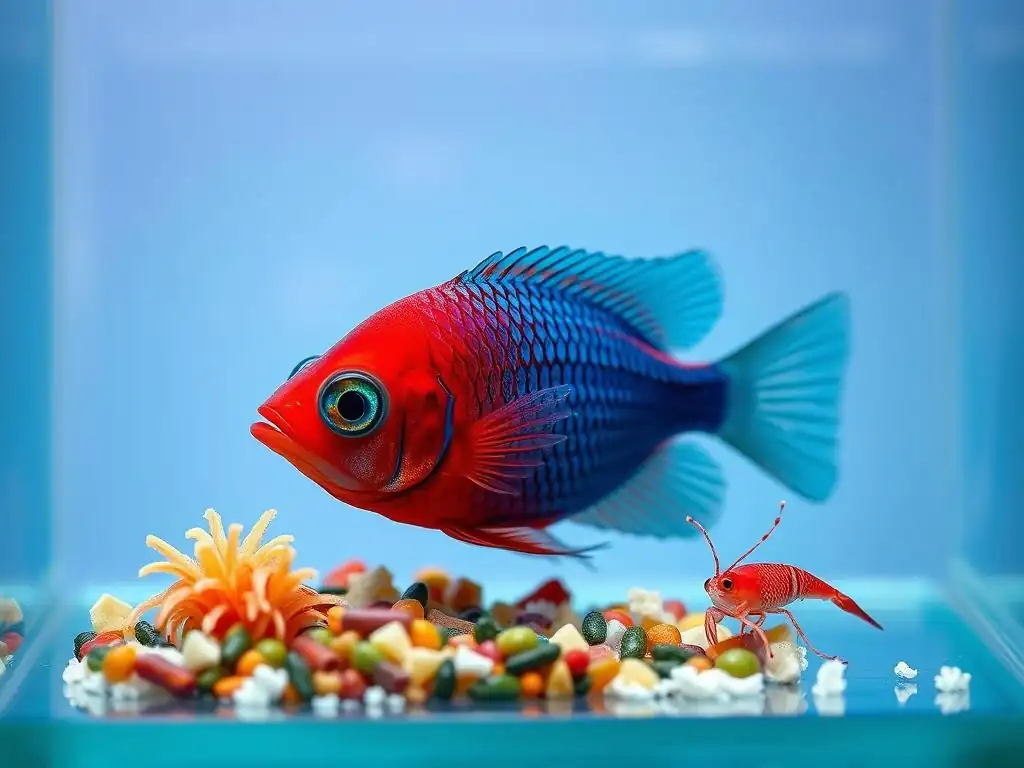
While often considered basic, high-quality flake food serves as a convenient and nutritionally foundational component of a Cherry Barb's diet. It provides a consistent base of essential vitamins, minerals, and macronutrients. When selecting flakes, prioritize brands that list whole ingredients like "whole fish meal," "spirulina," or "shrimp meal" among the first few ingredients, rather than excessive fillers or vague "fish meal" entries. These premium flakes are formulated to deliver a broad spectrum of nutrients vital for daily sustenance.
However, even the best flake foods should not be the sole dietary offering. They typically form about 50-60% of a Cherry Barb's staple diet, providing a reliable baseline. Supplementing flakes with other food types is crucial to ensure a truly comprehensive cherry barb nutrition diet, mimicking the diverse intake these omnivores would experience in their natural habitat and preventing potential long-term deficiencies that can arise from a monotonous diet.
Incorporating Live Foods for Cherry Barbs: A Natural Boost
Incorporating live foods into the cherry barb nutrition diet offers numerous benefits, from stimulating natural hunting instincts to providing superior nutritional bioavailability. Live foods are often richer in essential fatty acids and certain vitamins that can be diminished in processed foods, leading to enhanced coloration, increased vitality, and improved breeding readiness. It is recommended to offer live foods 2-3 times per week to provide this natural boost.
When sourcing live foods, prioritize reputable suppliers or consider culturing them at home to minimize the risk of introducing parasites or diseases into your aquarium. While the thrill of the hunt is beneficial, always feed live foods in moderation to avoid overfeeding and ensure no uneaten organisms contribute to water quality degradation.
Brine Shrimp: A Protein-Rich Treat for Cherry Barbs
Brine shrimp, particularly newly hatched nauplii (Artemia salina), are an excellent source of protein, making them a highly desirable treat for Cherry Barbs. Their small size makes them perfectly digestible for these fish, and their natural carotenoid content is known to significantly enhance the vibrant red and orange hues of the barbs. Offering brine shrimp encourages active foraging behavior, providing both nutrition and mental stimulation.
While rich in protein, brine shrimp are somewhat deficient in certain essential fatty acids and vitamins, meaning they should not be the exclusive live food source. They are best offered as a supplement 1-2 times per week to enrich the cherry barb nutrition diet, ensuring a varied nutrient profile that supports overall health and coloration.
Daphnia: A Fiber Source for Digestive Health in Cherry Barbs
Daphnia, commonly known as water fleas, are small crustaceans that serve as an excellent source of roughage for Cherry Barbs. Their chitinous exoskeletons act as dietary fiber, aiding in digestion and helping to prevent constipation, a common issue in fish fed predominantly dry flake diets. Daphnia are also a natural food source for many small tropical fish in their wild environments.
Though lower in protein than brine shrimp, Daphnia provide valuable trace elements and contribute significantly to gut health. They can be fed 2-3 times a week, especially beneficial after periods of dry food, to help clear the digestive tract and ensure a balanced cherry barb nutrition diet that supports robust internal systems.
Microworms: A Small and Nutritious Live Food Option
Microworms (Panagrellus redivivus) are tiny nematode worms, making them an ideal live food for the relatively small mouths of Cherry Barbs, and even suitable for barb fry. They are highly digestible and boast a good protein content, which is crucial for the growth and development of younger fish and for maintaining the vigor of adults.
One of the significant advantages of microworms is their ease of home culture, providing a continuous, safe, and readily available live food source without the concerns of external pathogens. Offering microworms 1-2 times a week can greatly diversify the cherry barb nutrition diet, contributing to improved growth rates and overall health, particularly for a breeding colony.
Frozen Foods: Convenient and Nutritious Supplements for Cherry Barbs
Frozen foods offer a convenient and safe alternative to live foods, retaining much of the nutritional value while eliminating the risk of introducing parasites or diseases. They are typically flash-frozen, preserving vitamins and minerals, and are readily available in most aquatic stores. Always thaw a small portion in a cup of tank water before feeding to prevent internal chilling and ensure palatability.
These supplements should be incorporated into the cherry barb nutrition diet 2-3 times per week, rotating different types to provide a broad spectrum of nutrients. Their acceptance by fish is generally high, making them an excellent way to add variety and boost the overall quality of your Cherry Barbs' meals.
Frozen Bloodworms: Use in Moderation for Cherry Barbs
Frozen bloodworms, which are the larvae of midge flies, are highly palatable and a favorite among many fish, including Cherry Barbs, due to their rich protein content. They can stimulate a strong feeding response and are excellent for conditioning fish for breeding or for adding a high-energy boost.
However, due to their relatively high fat content, frozen bloodworms should be fed in moderation to Cherry Barbs. Excessive feeding can lead to digestive upset, obesity, or even fatty liver disease over time. It is best to offer them as an occasional treat, perhaps once a week, as part of a balanced cherry barb nutrition diet to avoid potential health complications.
Frozen Daphnia: Another Great Option for Cherry Barbs
Frozen Daphnia provide similar digestive benefits to their live counterparts, serving as an excellent source of roughage that aids in the healthy functioning of the Cherry Barbs' digestive system. The freezing process effectively preserves their nutritional content, making them a convenient option for aquarists.
They are less calorie-dense than bloodworms, allowing for more frequent feeding. Incorporating frozen Daphnia 2-3 times a week can help prevent constipation and ensure a healthy gut, making them a valuable component of a comprehensive cherry barb nutrition diet.
Frozen Brine Shrimp: A Good Source of Protein
Frozen brine shrimp, like their live counterparts, are a popular choice for providing a protein-rich supplement to Cherry Barbs. They are widely accepted by fish and are readily available, offering a convenient way to boost the protein content of the diet. Their small size ensures they are easily consumed by the barbs.
While a good source of protein, frozen brine shrimp are not nutritionally complete on their own and should be used as part of a varied feeding regimen. Offering them 1-2 times a week alongside other food types ensures a well-rounded cherry barb nutrition diet that meets all their dietary needs.
Vegetable Matter: Essential for Cherry Barb Well-being
As omnivores, Cherry Barbs require a significant proportion of plant-based matter in their diet to truly thrive. In their natural habitat, they would graze on algae and detritus, which provides essential fiber, vitamins, and minerals often lacking in purely animal-protein-based diets. Incorporating vegetable matter helps prevent digestive issues and supports overall vitality.
Neglecting the plant-based component of their diet can lead to digestive upset, bloat, and deficiencies in certain vitamins. Aim for vegetable matter to constitute approximately 10-15% of their weekly cherry barb nutrition diet to ensure a holistic approach to their nutritional needs and promote long-term health.
Algae Wafers: Supplementing Plant-Based Nutrition
Algae wafers offer a convenient and effective way to provide supplementary plant-based nutrition for Cherry Barbs, especially in tanks where natural algae growth is insufficient. While often marketed for bottom feeders, smaller, high-quality algae wafers or crushed pieces are readily consumed by Cherry Barbs as they forage throughout the tank.
Ensure the wafers are formulated for omnivorous or herbivorous fish and are small enough for your barbs to nibble on. Offering a small piece of an algae wafer 2-3 times a week can significantly contribute to their fiber intake and provide essential plant-derived nutrients, enriching their overall cherry barb nutrition diet.
Blanched Vegetables: Zucchini, Spinach, and Peas for Cherry Barbs
Fresh, blanched vegetables offer a highly nutritious and natural source of plant matter for Cherry Barbs. Preparation involves briefly boiling or microwaving small pieces of vegetables like zucchini, spinach, or shelled peas until they are soft enough to be easily consumed, then allowing them to cool completely before offering.
Zucchini and spinach provide a wealth of vitamins and fiber, while blanched and de-shelled peas are particularly effective for alleviating constipation due to their high fiber content. Offer a tiny piece of blanched vegetable once or twice a week; for example, a single shelled pea can be split among several barbs. This fresh addition is an excellent way to diversify their cherry barb nutrition diet and support optimal digestive health.
Optimizing Your Cherry Barb Feeding Schedule and Portion Control
Recommended Feeding Frequency for Cherry Barbs
For adult Cherry Barbs, a feeding frequency of 2-3 small meals per day is generally recommended. This approach mimics their natural grazing behavior in the wild, where they would continuously forage for small food particles. Spreading out meals prevents large fluctuations in water quality that can occur from single, large feedings and allows for better nutrient absorption.
For younger, rapidly growing Cherry Barbs, increasing the frequency to 3-4 very small feedings per day can support their faster metabolism and development. Consistency is key; feeding your barbs at roughly the same times each day helps establish a routine, reduces stress, and ensures they anticipate and consume their food efficiently, contributing positively to their cherry barb nutrition diet.
Preventing Overfeeding in Cherry Barbs: A Common Mistake
Overfeeding is one of the most common mistakes in aquarium keeping and can have severe consequences for Cherry Barbs and water quality. Uneaten food quickly decomposes, leading to dangerous ammonia spikes, cloudy water, and elevated nitrite and nitrate levels, which are highly toxic to fish. Chronic overfeeding also causes obesity in fish, leading to fatty liver disease and other internal organ damage, significantly shortening their lifespan.
A simple guideline to prevent overfeeding is to offer only what your Cherry Barbs can completely consume within 2-3 minutes. If any food remains after this timeframe, you have fed too much, and the next portion should be reduced. Promptly remove any uneaten food using a net or siphon to maintain pristine water conditions and ensure the effectiveness of your cherry barb nutrition diet.
Tips for Ensuring All Cherry Barbs Get Enough Food
Cherry Barbs are schooling fish, and while this behavior is captivating, it can sometimes lead to competition for food, especially in larger schools (e.g., 8-10 individuals or more) or in tanks with more dominant individuals. To ensure every barb receives adequate nutrition, it's beneficial to spread the food across the water surface, allowing ample access for all fish.
Observe your school during feeding times. If some barbs consistently appear smaller, less active, or are pushed away from the food by more assertive tank mates, they might not be getting enough. In such cases, consider adding food at multiple points simultaneously or feeding a slightly larger, distributed portion. While rare in a well-maintained school, ensuring equitable access is vital for a uniformly healthy and vibrant population, reflective of a successful cherry barb nutrition diet.
The Best Food for Cherry Barbs: A Summary of Dietary Recommendations
Creating a Sample Weekly Feeding Schedule for Cherry Barbs
Creating a varied weekly feeding schedule is crucial for providing a comprehensive cherry barb nutrition diet. Here’s a sample schedule to guide you:
- Monday, Wednesday, Friday: High-quality flake food (2-3 small feedings throughout the day).
- Tuesday, Saturday: Frozen brine shrimp or frozen daphnia (one main feeding).
- Thursday: Live daphnia or microworms (one main feeding).
- Sunday: A small piece of blanched vegetable (e.g., de-shelled pea or zucchini) or a tiny piece of algae wafer.
This schedule is a guideline and can be adjusted based on your specific fish's preferences, activity levels, and the overall health of your aquarium. The core principle is consistent rotation and diversity to ensure all nutritional requirements are met.
Choosing the Right Commercial Foods for Cherry Barb Nutrition
When selecting commercial foods for your Cherry Barbs, always prioritize quality over quantity. Look for products labeled as "complete" or "staple" diets, indicating they are formulated to provide all necessary nutrients. Examine the ingredient list; the first few ingredients should be identifiable protein sources like "whole fish meal," "shrimp meal," or "spirulina," rather than excessive fillers such as corn starch or wheat flour.
Opt for foods that are specifically designed for small tropical omnivores or general community fish, as their granule or flake size will be appropriate for the Cherry Barbs' mouths. Additionally, look for foods fortified with essential vitamins (e.g., Vitamin C for immune support) and natural color enhancers, which contribute significantly to the vibrant appearance and robust health that a superior cherry barb nutrition diet provides.
Long-Term Benefits of a Proper Cherry Barb Nutrition Diet
Investing in a proper cherry barb nutrition diet yields significant long-term benefits that extend far beyond mere survival. Firstly, it results in dramatically enhanced coloration, transforming the male Cherry Barb's subtle flush into a deep, striking crimson, and giving females a richer, more defined appearance. This vibrancy is a direct indicator of optimal health and nutrient absorption.
Secondly, a well-fed school develops a robust immune system, significantly reducing the likelihood of common disease outbreaks. Studies suggest that fish on a balanced diet can be up to 70% more resistant to stress-related illnesses like Ich compared to those fed a poor diet. This resilience translates to fewer health issues and less need for medical intervention. Finally, consistent, high-quality nutrition contributes directly to increased longevity, allowing Cherry Barbs to reach their full lifespan potential of 4-6 years, providing years of active enjoyment and contributing to the overall stability and beauty of your aquarium ecosystem.
Frequently Asked Questions
What is the best primary food source for Cherry Barbs?
Flake food formulated for tropical fish can form the basis of their diet. However, it should be supplemented with other foods to ensure a balanced and complete nutrition. A diverse diet promotes optimal health and vibrant color.
How often should I feed my Cherry Barbs?
Cherry Barbs should be fed small amounts two to three times per day. Only provide what they can consume in about two to three minutes to avoid overfeeding and water quality issues.
Besides flake food, what other types of food should I offer my Cherry Barbs?
Offer a variety of foods such as live, frozen, and freeze-dried foods. Good options include bloodworms, daphnia, brine shrimp, and even small vegetable pieces like blanched zucchini.
Are there any specific foods I should avoid feeding my Cherry Barbs?
Avoid feeding large amounts of foods high in fat or carbohydrates as they can lead to health problems. Also, avoid feeding them foods that are too large for them to consume comfortably.
How do I ensure my Cherry Barbs are getting the right amount of nutrients for optimal color and health?
Observe your fish closely. Healthy Cherry Barbs will display vibrant red coloration and active behavior. A varied diet and regular water changes are crucial for their well-being.
Final Reflection: Cultivating Vibrant Life Through Informed Nutrition
The journey into understanding Cherry barb nutrition diet has revealed more than just the ideal food sources; it has illuminated the profound connection between informed care and the flourishing of life within our aquariums. This exploration underscores the responsibility we bear as keepers of these vibrant creatures, urging us to move beyond mere sustenance and embrace a holistic approach to their well-being.
This deeper understanding of Cherry barb dietary needs has not only enriched our knowledge of aquarium keeping but also highlighted the broader importance of mindful stewardship in all aspects of life. Witnessing the positive impact of a well-balanced diet on the health and vitality of these fish has been a deeply rewarding experience, reinforcing the idea that even small acts of care can yield significant results. The greatness of a nation and its moral progress can be judged by the way its animals are treated.
- Mahatma Gandhi. This quote resonates deeply, reminding us that our compassion extends to all living beings, regardless of size or perceived significance.
As we conclude this exploration, let us carry forward the lessons learned and apply them not only to our aquariums but also to our lives. Consider the impact of your choices, both large and small, on the world around you. Embrace the power of informed action and strive to cultivate a more vibrant and compassionate existence, one thoughtful decision at a time.
Ignite Your Cherry Barbs' Vitality: Transform Their Diet Today!
Thanks for exploring the vibrant world of Cherry Barb nutrition with us! Now that you're armed with the knowledge to create a truly enriching diet for your finned friends, let's put that into action.
Here are a few ways to start:
- Prioritize Variety: Commit to introducing one new, nutritious food to your Cherry Barbs' diet each week for the next month. Observe their reactions and adjust accordingly!
- Dive Deeper: Research a specific vitamin or mineral and identify foods that are naturally rich in it, then share your findings with other aquarists.
- Share the Bounty: Post a picture of your Cherry Barbs enjoying their new, diverse diet on social media using #AquariumMastery, inspiring others to elevate their fishkeeping game.
What's the first surprising ingredient you're excited to introduce to your Cherry Barbs' feeding routine?