
Green, Albino, and Classic: Exploring Tiger Barb Color Morphs and Their Care

Welcome to Aquarium Mastery!
Ever been captivated by the vibrant energy of Tiger Barbs? You're in the right place! Dive into our comprehensive guide exploring the fascinating world of Tiger Barb color variations, including the striking Green, Albino, and Classic morphs. Discover the secrets to providing optimal care for these captivating fish and unlock the key to a thriving aquarium. Intrigued? Keep reading to learn everything you need to know about Tiger Barb color variations care and create a dazzling display in your own freshwater paradise!
- Understanding Tiger Barb Color Variations: A Comprehensive Guide
- Classic Tiger Barbs: Appearance and Characteristics
- Green Tiger Barbs: A Vibrant Variation
- Albino Tiger Barbs: A Unique and Delicate Morph
- Comparing Tiger Barb Color Morphs: Green vs. Albino vs. Classic
- Caring for All Tiger Barb Color Variations: Essential Tips
- Breeding Tiger Barbs: A Guide for All Color Morphs
- Common Health Issues in Tiger Barbs: Prevention and Treatment
- Enhancing Tiger Barb Colors: Tips and Tricks
- Conclusion: Choosing the Right Tiger Barb Color Morph for Your Aquarium
-
Frequently Asked Questions
- What are the main color variations of Tiger Barbs that I can keep in my aquarium?
- Does the care regime change between the different color morphs of Tiger Barbs?
- How important is it to have a school of Tiger Barbs, regardless of their color?
- What are some common health issues I should be aware of when keeping Tiger Barbs?
- How can I best ensure vibrant colors in my Tiger Barbs, no matter the morph?
- Final Reflection: A Kaleidoscope of Scales
- Unleash the Vibrant World of Tiger Barbs!
Understanding Tiger Barb Color Variations: A Comprehensive Guide
Introduction to Tiger Barbs: Popular Freshwater Fish
Tiger Barbs, scientifically known as Puntigrus tetrazona (formerly Barbus tetrazona), are among the most popular and recognizable freshwater fish in the aquarium hobby. Originating from the island of Sumatra and Borneo in Southeast Asia, these active and schooling cyprinids are admired for their vibrant colors, distinctive striped patterns, and energetic swimming behavior. Typically reaching an adult size of about 2 to 3 inches (5 to 7.5 cm), Tiger Barbs can live for an impressive 5 to 7 years in a well-maintained aquarium, making them a long-term commitment for aquarists.
Their lively disposition and striking appearance make them a captivating addition to many community tanks. However, their reputation as fin-nippers necessitates careful consideration of tank mates. Despite this characteristic, their hardiness and relatively straightforward care requirements have solidified their status as a favorite for both novice and experienced aquarists seeking to add dynamic movement and color to their aquatic setups. The exploration of Tiger barb color variations care is essential for maintaining their health and vibrancy.
The Appeal of Tiger Barb Color Morphs for Aquarists
The natural beauty of the classic Tiger Barb is undeniable, but selective breeding has introduced a fascinating array of color morphs, significantly enhancing their appeal to aquarists. These genetic variations, including the striking Green Tiger Barb and the unique Albino Tiger Barb, offer diverse aesthetic choices that can dramatically alter the visual dynamics of an aquarium. The deliberate development of these color forms has allowed hobbyists to create more visually complex and engaging tank displays, moving beyond the traditional orange and black stripes.
The availability of different Tiger barb color variations encourages enthusiasts to explore various aquascaping themes and color palettes, contributing to a more personalized and artistic approach to fishkeeping. Each morph, while sharing the core characteristics of the species, presents its own subtle nuances in terms of care and presentation, making the study of Tiger barb color variations care a rewarding aspect of the hobby. This diversity adds depth to the experience, inviting aquarists to appreciate the subtle differences and unique charm of each variant.
Classic Tiger Barbs: Appearance and Characteristics
Identifying Classic Tiger Barbs: Stripes and Body Shape
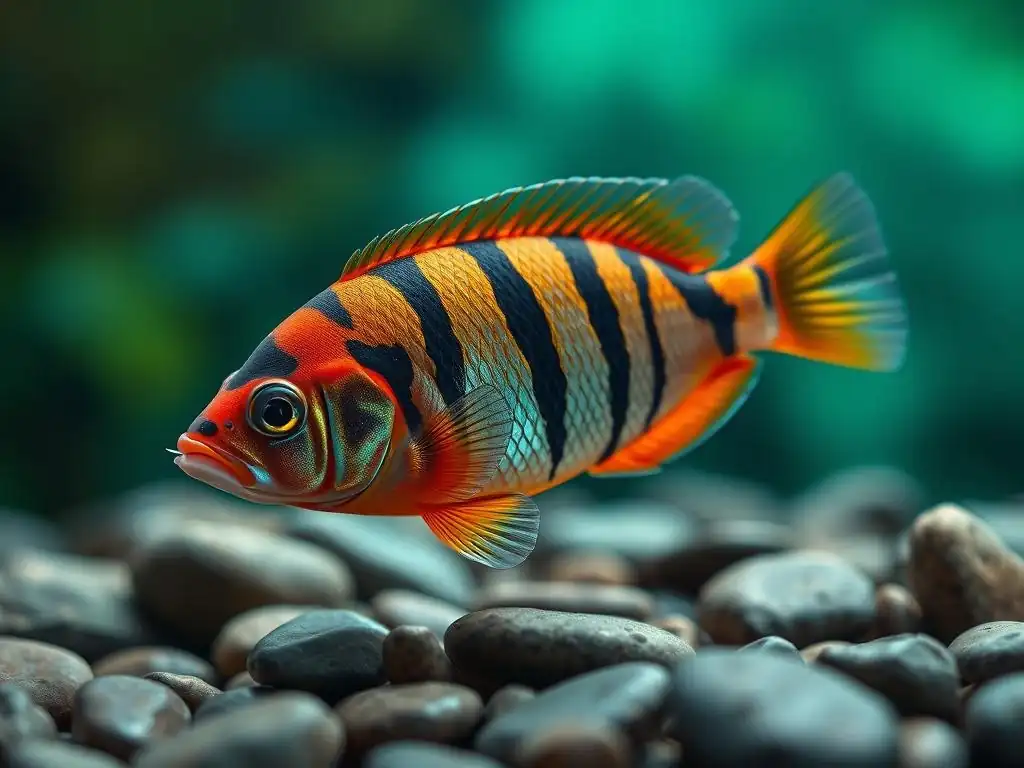
The classic Tiger Barb is instantly recognizable by its distinctive appearance, characterized by a vibrant orange or golden-yellow body adorned with four prominent vertical black stripes. These stripes typically extend from the dorsal fin down to the belly, creating a bold, contrasting pattern. The fins, particularly the dorsal and caudal fins, often exhibit a striking red or orange hue, further enhancing their visual appeal. Their body shape is typically torpedo-like, robust, and laterally compressed, allowing for swift and agile movement through the water.
Adult classic Tiger Barbs usually measure between 2 to 3 inches (5 to 7.5 cm) in length. Their active swimming pattern and schooling behavior are defining traits; they are rarely seen alone, preferring to move in cohesive groups of six to eight individuals or more. This schooling instinct is crucial not only for their sense of security but also for mitigating their notorious fin-nipping tendencies, as aggression is often directed internally within the group rather than towards other tank inhabitants. Understanding these physical and behavioral traits is fundamental to providing comprehensive Tiger barb color variations care.
Maintaining the Health and Color of Classic Tiger Barbs
Maintaining the health and vibrant coloration of classic Tiger Barbs largely depends on providing optimal environmental conditions and a balanced diet. Stable water parameters are paramount: a temperature range of 74-79°F (23-26°C), a pH between 6.0-7.5, and a general hardness (GH) of 5-12 dGH are ideal. Regular weekly water changes of 25-30% are crucial to keep nitrate levels below 20 ppm and ensure pristine water quality, which directly impacts their coloration and overall vitality.
A high-quality, varied diet is essential for enhancing and preserving their bright orange and red hues. This should include a staple of quality flake or pellet food supplemented regularly with live or frozen foods such as bloodworms, brine shrimp, and daphnia. For instance, feeding a diet rich in carotenoids—pigments found in many of these natural foods—can significantly intensify their orange and red pigments. Providing these optimal conditions is key to successful Tiger barb color variations care, ensuring classic barbs display their full, stunning potential.
Green Tiger Barbs: A Vibrant Variation
What Makes Green Tiger Barbs Green? Understanding Pigmentation
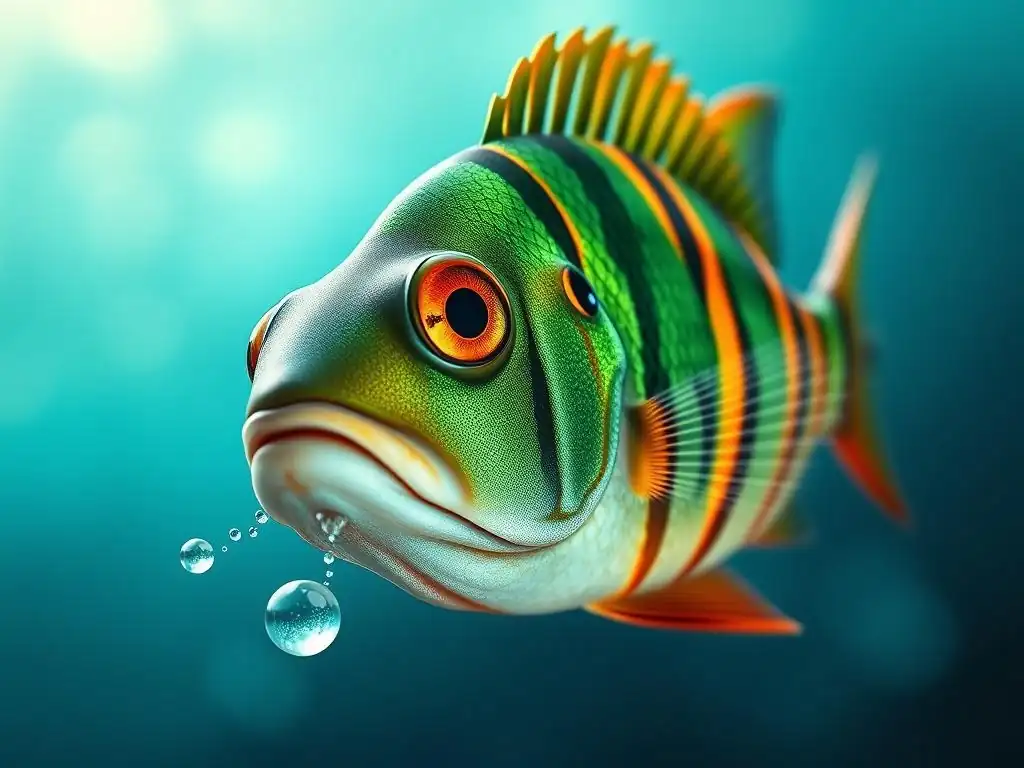
The Green Tiger Barb is a captivating selectively bred morph, not a naturally occurring variant found in the wild. Its striking emerald green coloration is a result of specific genetic manipulation that enhances and alters the reflective properties of its scales. Unlike the classic form, which relies on orange and black pigments, the green morph achieves its hue through a combination of increased melanin production and specialized iridophores (light-reflecting cells). These cells scatter light in a way that produces an iridescent, metallic green sheen over a darker, almost black, body.
Under proper lighting, this green can appear incredibly vibrant and almost phosphorescent. While the classic black stripes are often still present, they are usually much fainter and can appear as darker bands within the overall green coloration, rather than stark contrasts. This unique pigmentation makes them a visually distinct and highly sought-after addition, offering a different aesthetic to the traditional Tiger Barb and requiring specific considerations in Tiger barb color variations care to maintain their unique hue.
Enhancing Green Tiger Barb Color: Diet and Tank Conditions
To truly bring out the iridescent green of Green Tiger Barbs, specific dietary and environmental strategies are highly effective. A diet rich in plant-based matter and color-enhancing ingredients is crucial. Foods containing spirulina, a blue-green algae, are particularly beneficial as they provide pigments that can deepen the green and blue tones in fish. High-quality flakes or pellets formulated with astaxanthin and other carotenoids, while often associated with red and orange enhancement, can also contribute to the overall vibrancy by supporting general fish health and coloration.
Beyond diet, appropriate tank conditions play a significant role. Optimal lighting is paramount; full-spectrum LED lights with a color temperature in the range of 6500K-8000K can make their green coloration pop, highlighting their metallic sheen. Furthermore, maintaining pristine water quality, with stable parameters (e.g., pH 6.0-7.5, temperature 74-79°F or 23-26°C), reduces stress and prevents the dulling of colors. Consistent water changes and efficient filtration ensure a healthy environment that allows their unique green to flourish, making these aspects vital to comprehensive Tiger barb color variations care.
Albino Tiger Barbs: A Unique and Delicate Morph
Recognizing Albino Tiger Barbs: Physical Traits and Coloration
Albino Tiger Barbs represent another distinct color morph, characterized by a complete or near-complete absence of melanin, the pigment responsible for dark coloration. This genetic trait results in a strikingly pale body, typically appearing yellowish-white, light cream, or even a very light orange. The most defining feature of an Albino Tiger Barb, and indeed any albino animal, is its eyes: they are typically red or pink due to the visible blood vessels lacking any pigment. This gives them a delicate, almost ethereal appearance compared to their more boldly colored counterparts.
While the characteristic four vertical stripes are still present, they are significantly faded and appear as translucent, ghostly bands rather than stark black markings. Their fins are also typically pale, often a translucent white or very light orange, lacking the vibrant red seen in classic barbs. Despite these color differences, they retain the same robust, torpedo-shaped body and active schooling behavior as other Tiger Barb morphs, making their unique appearance a key distinguishing factor in the realm of Tiger barb color variations.
Special Care Considerations for Albino Tiger Barbs: Sensitivity and Health
Albino Tiger Barbs, due to their lack of protective pigmentation, often require more nuanced care compared to classic or green variants. Their eyes are particularly sensitive to bright light, as the absence of melanin means their retinas are more exposed to illumination. Therefore, providing ample shaded areas within the aquarium, such as dense plant cover, driftwood, or rock formations, is crucial to reduce stress and prevent potential eye damage. Dimmer lighting, or lights with adjustable intensity, may also be beneficial.
Furthermore, some aquarists report that albino fish can be slightly more susceptible to stress and disease due to a potentially weaker immune system, though this is not universally observed. This makes maintaining exceptionally stable and pristine water quality even more critical.
Regular water changes (25-30% weekly) and consistent monitoring of parameters (temperature 74-79°F/23-26°C, pH 6.0-7.5) are essential to minimize environmental stressors. When considering tank mates, their paler coloration might make them appear more vulnerable, so ensuring they are kept in a sufficiently large school (at least 6-8 individuals) can help boost their confidence and distribute any potential aggression, which is a vital aspect of their Tiger barb color variations care.
Comparing Tiger Barb Color Morphs: Green vs. Albino vs. Classic
Visual Comparison: Color Patterns and Fin Differences
The visual contrast between Green, Albino, and Classic Tiger Barbs offers aquarists distinct aesthetic choices. The Classic Tiger Barb boasts a vibrant orange-gold body sharply contrasted by four prominent black vertical stripes, often complemented by striking red fins. This traditional look is bold and instantly recognizable.
The Green Tiger Barb presents a more subdued yet equally captivating appearance, with a dark, almost black body overlaid with an iridescent, metallic green sheen. While the four stripes are still present, they are usually much fainter, appearing as darker bands within the green, and their fins tend to be darker or less intensely colored than the classic form.
In stark contrast, the Albino Tiger Barb exhibits a pale, almost translucent body, ranging from yellowish-white to light orange, entirely lacking dark pigments. Its most distinguishing feature is the red or pink eyes, a clear indicator of albinism.
The characteristic stripes are present but are very faint and translucent, blending into their pale bodies, and their fins are typically pale or colorless. Each morph, therefore, provides a unique visual statement, from the classic boldness to the iridescent shimmer of the green and the delicate pallor of the albino, making the choice of Tiger barb color variations a significant decision for tank aesthetics.
Temperament and Behavior Across Different Color Morphs
Despite their distinct visual differences, the core temperament and behavioral patterns of Green, Albino, and Classic Tiger Barbs remain remarkably consistent. All three morphs are known for their active, schooling nature and their characteristic fin-nipping tendencies. They thrive when kept in groups of at least six to eight individuals, as this allows them to establish a pecking order within their own school, redirecting any aggressive behavior towards each other rather than towards other tank inhabitants. This schooling behavior is a fundamental aspect of their well-being, regardless of their specific coloration.
While anecdotal reports occasionally suggest that Albino Tiger Barbs might be slightly more timid due to their lack of camouflage and sensitive eyes, this behavioral difference is not universally observed and often depends on individual fish and tank conditions. Generally, their energetic swimming, constant foraging, and playful interactions are consistent across all morphs. Therefore, when considering Tiger barb color variations care, aquarists should plan for the same active, robust environment and compatible tank mates for all variants, focusing on their collective need for space and social interaction rather than assuming significant behavioral divergence based on color.
Caring for All Tiger Barb Color Variations: Essential Tips
Tank Size and Setup for Tiger Barbs: Recreating Their Natural Habitat
Providing an appropriately sized and set up aquarium is fundamental to the health and vibrancy of all Tiger barb color variations. A minimum tank size of 20 gallons (approximately 75 liters) is recommended for a small school of 6-8 barbs, though a 30-gallon (115 liters) or larger tank is ideal for a more established group or a mixed community, providing ample swimming space. These active fish require horizontal swimming room to thrive. The substrate can be fine gravel or sand, mimicking their natural riverbed environments.
Aquascaping should include a balance of open swimming areas and plenty of hiding spots and visual barriers. Dense planting, particularly along the back and sides of the tank with hardy plants like Java Fern, Anubias, or Amazon Swords, provides security and breaks up lines of sight, which can help reduce aggression. Driftwood and smooth rocks can also be incorporated to create naturalistic hiding places. A well-established filter (e.g., hang-on-back or canister filter) is crucial to maintain excellent water quality, as Tiger Barbs appreciate clean, well-oxygenated water.
Water Parameters and Temperature for Optimal Health
Maintaining stable and appropriate water parameters is critical for the long-term health and vibrant coloration of all Tiger barb color variations. These fish thrive in temperatures ranging from 74-79°F (23-26°C). Consistency is key, as sudden temperature fluctuations can cause significant stress. The ideal pH range is slightly acidic to neutral, between 6.0-7.5. While they can tolerate a broader range, stability within this range is preferred. Water hardness should be soft to moderately hard, typically 5-12 dGH.
Beyond these parameters, excellent water quality is non-negotiable. Ammonia and nitrite levels must always be at 0 ppm, and nitrates should be kept below 20 ppm. This requires a mature nitrogen cycle in the aquarium and regular weekly water changes of 25-30%. Using a reliable liquid test kit to monitor these parameters consistently is essential. Pristine water conditions not only prevent disease but also directly contribute to the intensity of their colors, ensuring that classic, green, and albino morphs alike display their full beauty.
Diet and Feeding Habits of Tiger Barbs: Ensuring Vibrant Colors
Tiger Barbs are omnivorous, requiring a varied and balanced diet to ensure optimal health, energy, and vibrant coloration across all color morphs. A high-quality flake or small pellet food should serve as the staple, providing essential nutrients. To truly enhance their colors and provide necessary protein, this staple should be supplemented regularly with live or frozen foods. Options such as bloodworms, brine shrimp, daphnia, and mosquito larvae are excellent choices, offering a rich source of protein and natural pigments.
For Green Tiger Barbs, incorporating foods rich in spirulina or other plant-based pigments can further intensify their green sheen. Similarly, for Classic Tiger Barbs, foods high in carotenoids (found in many quality color-enhancing flakes and frozen foods) will help maintain their orange and red hues. Feeding small amounts two to three times a day is generally recommended, as opposed to one large feeding, to prevent overfeeding and maintain water quality. A diverse diet not only boosts their color but also supports their immune system, making it a cornerstone of effective Tiger barb color variations care.
Choosing Tank Mates for Tiger Barbs: Compatibility and Temperament
Selecting appropriate tank mates is a crucial aspect of Tiger barb color variations care, given their active and occasionally nippy temperament. The best companions are fast-moving, robust fish that can hold their own and are not easily intimidated by the barbs' energetic nature. Good choices include other active schooling fish like various types of Danios (e.g., Zebra Danios, Giant Danios), larger, equally robust Tetras (such as Congo Tetras or Black Skirt Tetras), and some species of Rainbowfish. Certain bottom-dwellers like Kuhli Loaches, Corydoras catfish, and some larger Botia species can also coexist peacefully.
It is imperative to avoid slow-moving fish with long, flowing fins, as these are prime targets for nipping. This includes popular species like Bettas, Angelfish, Guppies, and Gouramis. Keeping Tiger Barbs in a sufficiently large school (at least 6-8 individuals) is the most effective strategy to mitigate their aggression, as they tend to direct their nipping behavior towards each other within the group, rather than bothering other tank inhabitants. This self-policing behavior is key to maintaining a harmonious community aquarium.
Breeding Tiger Barbs: A Guide for All Color Morphs
Setting Up a Breeding Tank for Tiger Barbs
Breeding Tiger Barbs, regardless of their color morph, requires a dedicated breeding tank to maximize success and protect the eggs and fry. A 10-15 gallon (38-57 liter) aquarium is typically sufficient for a single breeding pair or a small group. The tank should have a bare bottom or be covered with a layer of glass marbles, a breeding mop, or a dense mat of fine-leaved plants like Java Moss. These elements provide a substrate for the adhesive eggs to stick to and offer protection from the adult fish, who are notorious egg-eaters.
The water in the breeding tank should be soft and slightly acidic, with a pH between 6.0-6.5 and a general hardness (GH) of 3-8 dGH. The temperature should be slightly elevated to 78-80°F (25.5-26.5°C) to encourage spawning. Gentle filtration, such as a sponge filter, is ideal to prevent strong currents that could harm eggs or fry. Dim lighting is preferred, mimicking the shaded conditions where they would naturally spawn. Conditioning the parent fish with a high-protein diet of live or frozen foods for several days prior to introduction will significantly increase their readiness to breed.
Identifying Breeding Behaviors in Tiger Barbs
Once introduced to the breeding tank and conditioned appropriately, Tiger Barbs will exhibit distinct breeding behaviors. Males, often more slender and with brighter coloration, will actively pursue and "dance" around the plumper, egg-laden females. This courtship involves vigorous chasing and fin-flaring displays. The female will become noticeably fuller in the belly area, indicating she is gravid with eggs. Spawning typically occurs in the early morning hours, often at dawn.
During the actual spawning process, the male and female will swim side-by-side, often quivering or "shaking" as they release eggs and milt simultaneously. The adhesive eggs, numbering from 100 to 300 depending on the female's size and age, will scatter and stick to the breeding mop, plants, or marbles on the tank bottom. Once spawning is complete, it is crucial to remove the adult fish immediately. If left in the tank, they will quickly consume the eggs, negating the breeding effort. This protective measure is vital for successful Tiger barb color variations breeding.
Caring for Tiger Barb Fry: From Hatching to Juvenile Stage
Caring for Tiger Barb fry requires meticulous attention to detail to ensure their survival and healthy development. Tiger Barb eggs typically hatch within 24-36 hours after spawning, depending on water temperature. The newly hatched fry are tiny and will initially feed on their yolk sacs for the first 2-3 days, remaining mostly stationary. Once their yolk sacs are absorbed and they become free-swimming, usually around day 3 or 4, they require microscopic food.
For the first week, infusoria or liquid fry food is ideal, as their mouths are too small for larger particles. As they grow, typically after about a week, they can be transitioned to newly hatched brine shrimp or micro-worms, which provide essential protein for rapid growth.
Small, frequent water changes (10-20% daily or every other day) are critical to maintain pristine water quality, as fry are highly sensitive to pollutants. As they mature, usually within a few weeks, their characteristic stripes will begin to appear, and they can gradually be introduced to finely crushed flake food, eventually reaching the juvenile stage where their Tiger barb color variations become more pronounced.
Common Health Issues in Tiger Barbs: Prevention and Treatment
Recognizing Signs of Illness in Tiger Barbs
Vigilant observation is key to early detection and treatment of common health issues in all Tiger barb color variations. Recognizing the subtle signs of illness can make a significant difference in a fish's prognosis. Common indicators of poor health include a noticeable loss of color or dullness in their typically vibrant hues, which can be a primary sign of stress or illness. Clamped fins, where the fins are held tightly against the body, are another common symptom.
Behavioral changes are also critical: erratic swimming, lethargy, isolation from the school, or constantly hiding can all signal distress. Physical manifestations of disease might include white spots on the body and fins (Ich), fuzzy white or gray growths (fungal infections), red streaks or sores on the body (bacterial infections), or a bloated/sunken belly. Any changes in appetite, rapid gill movement, or labored breathing also warrant immediate investigation. Prompt identification of these signs is crucial for effective Tiger barb color variations care.
Treating Common Diseases Affecting Tiger Barbs
Treating common diseases affecting Tiger Barbs involves prompt action and appropriate medication, often starting with addressing water quality issues. For Ich (White Spot Disease), a common parasitic infection, treatment typically involves gradually raising the tank temperature to 82°F (28°C) over 24 hours (if compatible with other tank inhabitants) and using an Ich medication containing malachite green or formaldehyde. Treatment usually lasts 7-10 days to break the parasite's life cycle.
Fungal infections, appearing as white, cotton-like growths, are often secondary to injury or poor water quality. They can be treated with antifungal medications containing phenoxyethanol or methylene blue. Bacterial infections, manifesting as fin rot, body sores, or red streaks, require broad-spectrum antibiotics like erythromycin or furan-2, often administered in the water or via medicated food.
Always follow manufacturer instructions for medication dosages. Crucially, maintaining pristine water quality through regular water changes and proper filtration is the best preventative measure against most diseases, reducing the need for intensive treatment and supporting overall Tiger barb color variations health. Quarantining new fish for 2-4 weeks is also highly recommended to prevent disease introduction.
Enhancing Tiger Barb Colors: Tips and Tricks
The Role of Lighting in Tiger Barb Coloration
Proper lighting plays a significant, often underestimated, role in enhancing the vibrant coloration of all Tiger barb color variations. The right spectrum and intensity of light can make the reds, oranges, greens, and even the subtle patterns of albino morphs truly pop. Full-spectrum LED lights with a color temperature ranging from 6500K to 8000K are generally ideal. Lights in this range mimic natural daylight and contain the wavelengths that best highlight fish pigments. For Green Tiger Barbs, a light with a slightly higher blue spectrum can intensify their iridescent green sheen.
Conversely, overly dim lighting can cause fish to appear dull and washed out, while excessively bright lighting can stress them, leading to faded colors and increased hiding. A consistent light cycle, typically 8-10 hours per day, is also important for their biological rhythm and overall well-being. Strategic placement of lights and the use of naturalistic decor can create areas of light and shadow, allowing the fish to display their colors optimally while also providing comfortable retreats, which is an important aspect of comprehensive Tiger barb color variations care.
Using Supplements to Boost Tiger Barb Color
Beyond optimal water parameters and lighting, specific dietary supplements can significantly boost the natural coloration of Tiger barb color variations. The most effective supplements are those rich in carotenoids and other natural pigments. Astaxanthin, a powerful antioxidant and red pigment, is particularly effective for intensifying the red and orange hues found in Classic Tiger Barbs. It can be found in high-quality color-enhancing flake and pellet foods, as well as in natural sources like krill and spirulina.
Spirulina, a blue-green algae, is an excellent supplement for all morphs but is particularly beneficial for Green Tiger Barbs, as it can enhance their green and blue tones. It also provides essential vitamins and minerals that promote overall health, which indirectly contributes to vibrant coloration. Other beneficial supplements include beta-carotene and lutein. Incorporating these color-boosting foods into their varied diet, alongside live and frozen foods, will ensure that your Tiger Barbs display their most vivid and striking colors, showcasing the full spectrum of Tiger barb color variations.
Conclusion: Choosing the Right Tiger Barb Color Morph for Your Aquarium
The Beauty and Diversity of Tiger Barb Color Variations
The world of Tiger Barbs offers a remarkable spectrum of beauty and diversity, extending far beyond the classic orange and black stripes. From the bold and traditional Classic Tiger Barb to the shimmering, iridescent Green Tiger Barb and the uniquely delicate Albino Tiger Barb, each color morph presents a distinct visual appeal. This variety allows aquarists to select fish that perfectly complement their desired tank aesthetics, whether they aim for a vibrant, energetic display or a more subdued, ethereal aquatic landscape.
Regardless of the chosen morph, the inherent charm of Tiger Barbs lies in their active, schooling nature. Their constant movement and fascinating social interactions within a group add dynamic life to any freshwater aquarium. Exploring the nuances of each morph, from their specific pigmentation to any subtle care considerations, enriches the hobby and deepens an aquarist's appreciation for these fascinating cyprinids. This diversity ensures that Tiger barb color variations will continue to be a popular and engaging choice for freshwater enthusiasts.
Responsible Fishkeeping: Maintaining Healthy and Happy Tiger Barbs
Responsible fishkeeping is the cornerstone of maintaining healthy and happy Tiger Barbs, irrespective of their color morph. Providing optimal conditions, from an appropriately sized tank (minimum 20 gallons for a school) with ample swimming space and hiding spots, to stable and pristine water parameters (temperature 74-79°F/23-26°C, pH 6.0-7.5), is paramount. A varied and high-quality diet, supplemented with color-enhancing foods, is crucial not only for their vitality but also for maximizing the intensity of their specific Tiger barb color variations.
Furthermore, careful consideration of tank mates and maintaining a sufficiently large school (at least 6-8 individuals) are essential to mitigate their spirited temperament and ensure a peaceful community. Proactive health management, including regular observation for signs of illness and prompt treatment, rounds out comprehensive Tiger barb color variations care. By committing to these practices, aquarists can ensure their Classic, Green, or Albino Tiger Barbs thrive, displaying their full beauty and providing years of enjoyment in a vibrant, well-balanced aquarium.
Frequently Asked Questions
What are the main color variations of Tiger Barbs that I can keep in my aquarium?
Tiger Barbs exhibit several color morphs beyond the classic orange and black. Common variations include Green Tiger Barbs, Albino Tiger Barbs, and the standard striped Tiger Barb.
Does the care regime change between the different color morphs of Tiger Barbs?
Generally, no. All Tiger Barb color morphs require the same water parameters, diet, and social environment. The care is consistent across color variations.
How important is it to have a school of Tiger Barbs, regardless of their color?
Extremely important! Tiger Barbs, including all color variations, are shoaling fish and need to be kept in groups of at least six to prevent aggression and stress. A larger group promotes natural behaviors.
What are some common health issues I should be aware of when keeping Tiger Barbs?
Tiger Barbs are prone to certain diseases like Ich (white spot disease) and fin rot, often triggered by poor water quality or stress. Maintaining a clean and stable aquarium is essential.
How can I best ensure vibrant colors in my Tiger Barbs, no matter the morph?
Providing a varied and high-quality diet rich in protein and maintaining optimal water parameters (temperature, pH, ammonia, nitrite, nitrate levels) are critical. Good lighting can also enhance coloration.
Final Reflection: A Kaleidoscope of Scales
The journey through the vibrant world of Tiger Barb color variations underscores the enduring appeal of these dynamic fish, highlighting how selective breeding and natural mutations have transformed a single species into a dazzling array of aquatic jewels. Understanding the specific care needs of each morph, as we've explored, is not just about keeping fish alive; it's about appreciating the delicate balance of genetics and environment that shapes their very existence.
The fascination with Tiger Barb color variations reflects a broader human desire to explore and celebrate diversity. This exploration, for me, has been a reminder that beauty can be found in the unexpected, in the subtle shifts in pigmentation that distinguish one fish from another. It also highlights the responsibility we have as aquarists to understand and respect the genetic heritage of these creatures. The more clearly we can focus our attention on the wonders and realities of the universe about us, the less taste we shall have for destruction.
- Rachel Carson.
Now, as you gaze upon your own aquarium, consider the lessons learned about Tiger Barb color variations and their care. Let this knowledge inspire you to not only provide the best possible environment for your fish, but also to appreciate the incredible diversity of life on our planet. Take a moment to reflect on the beauty that exists in the subtle differences, and commit to fostering a world where all creatures, in all their unique forms, can thrive.
Unleash the Vibrant World of Tiger Barbs!
Thank you for diving into the fascinating world of Tiger Barb color morphs! We hope you found this guide insightful and are eager to enhance your aquarium. Now, let's turn that newfound knowledge into action and create a stunning underwater display.
Here's how to get started:
- Embark on a Tiger Barb Adventure: Consider adding a new color morph to your existing school or plan a vibrant, multi-colored Tiger Barb community tank.
- Share Your Discovery: Spread the joy of Tiger Barbs by sharing this article with fellow aquarium enthusiasts!
- Dive Deeper: Research and share your unique experiences or tips about Tiger Barb behavior, particularly regarding how different morphs interact.
Ready to transform your aquarium into a colorful Tiger Barb paradise? What surprising behavior have you observed in your Tiger Barbs, and how has it shaped your care routine?