
Collecting Acans: A Guide to Rare & Unique Varieties

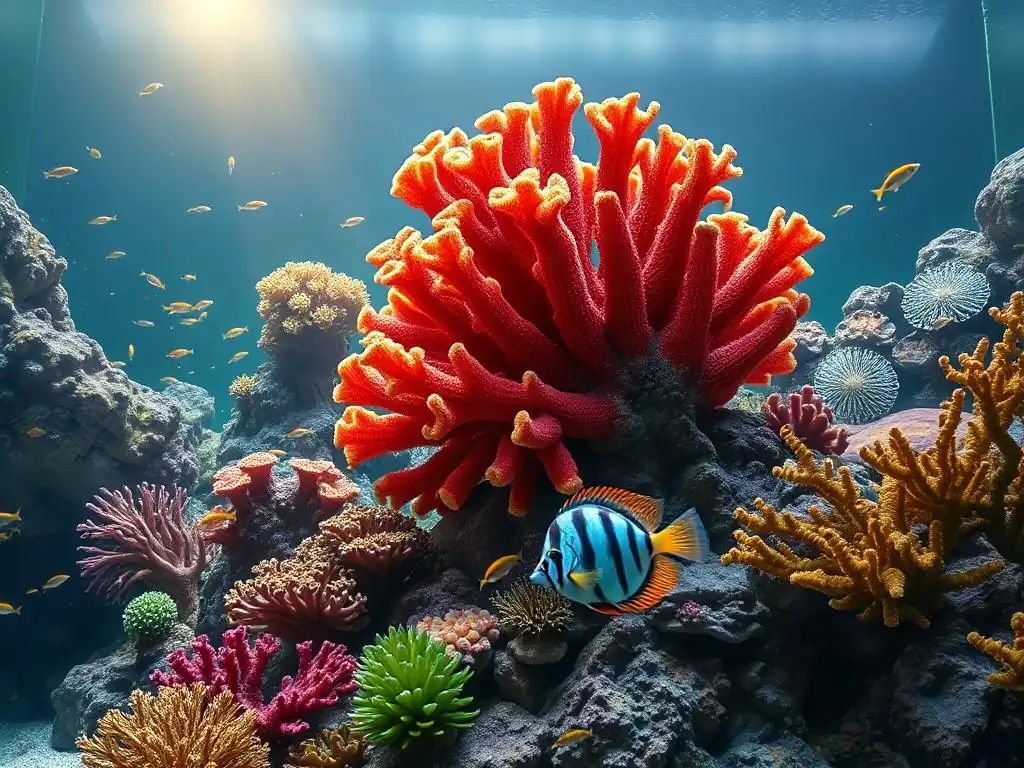
Welcome to Aquarium Mastery! Ever wondered what it takes to elevate your reef tank from beautiful to breathtaking? Dive into the vibrant world of acan corals and discover the secrets to acquiring some truly rare and unique varieties. Prepare to be amazed as we unveil the hidden gems of the reef and guide you on your journey to becoming a true acan aficionado. Keep reading to unlock the secrets to identifying, acquiring, and caring for these coveted corals!
- Introduction to Acan Corals: A Reef Keeper's Delight
- Identifying Rare Acan Coral Varieties: What to Look For
- Top Rare and Unique Acan Coral Varieties
- Sourcing Rare Acan Corals: Where to Find Your Gems
- Acan Coral Care: Maintaining Vibrant Colors and Health
- Fragging Acan Corals: Propagating Your Rare Collection
- Documenting Your Acan Collection: Photography and Record Keeping
- Conclusion: The Rewarding World of Rare Acan Coral Collecting
-
Frequently Asked Questions
- How difficult are rare acan coral varieties to care for compared to common acans?
- Where is the best place to source rare acan coral varieties for my reef tank?
- What kind of lighting and water flow do rare acan coral varieties need to thrive?
- What are some signs that my rare acan coral variety is not doing well?
- How much should I expect to pay for rare acan coral varieties?
- Final Reflection: The Enduring Allure of the Reef's Jewels
- Unleash Your Inner Reef Collector!
Introduction to Acan Corals: A Reef Keeper's Delight
What are Acan Corals and Why are They Popular?
Acan corals, primarily belonging to the genus Acanthastrea (though some are now classified as Micromussa), are a highly sought-after group of large polyp stony (LPS) corals in the reef aquarium hobby. Native to the Indo-Pacific region, these corals are admired for their vibrant, often kaleidoscopic coloration and distinct patterns.
Their polyps typically range from 0.5 to 2 centimeters in diameter, forming encrusting or mounding colonies that can grow significantly over time. Their relatively moderate care requirements, combined with their striking visual appeal, make them popular among both novice and experienced aquarists looking to add a splash of color and texture to their reef tanks.
The popularity of Acan corals stems from several key attributes. Unlike some more delicate SPS corals, Acans are generally more forgiving of minor fluctuations in water parameters, making them a good entry point into LPS coral keeping. Their capacity for unique color combinations, including concentric rings, stripes, and speckles, allows for an incredible diversity of "morphs," each with its own appeal. This genetic variability ensures that no two Acan colonies are exactly alike, fueling the desire for collecting truly unique and rare acan coral varieties that stand out in a home aquarium.
The Allure of Rare Acan Lords: A Collector's Passion
The pursuit of rare Acan Lords, particularly Acanthastrea lordhowensis morphs, embodies a significant passion within the reef keeping community. What designates an Acan as "rare" often involves a combination of factors: exceptionally unique and stable coloration, intricate patterns, limited availability from wild collection or aquaculture, and high demand among collectors. These rare acan coral varieties often command premium prices, with individual polyps or small frags potentially selling for hundreds of dollars, compared to common morphs that might retail for $30-$50 per polyp.
The allure extends beyond mere monetary value; it encompasses the prestige of owning a truly distinctive living jewel. Collectors often share their prized acquisitions within online communities, showcasing the vibrant hues and complex designs that define these extraordinary corals. Examples like the "Rainbow Acan" or "Watermelon Acan" represent the pinnacle of this collecting passion, driving hobbyists to seek out the next breathtaking addition to their living art display. This competitive yet collaborative spirit is a core part of the appeal of collecting rare Acan Lords.
Identifying Rare Acan Coral Varieties: What to Look For
Color Morphs and Patterns: Unlocking Acan Identification
The primary method for identifying rare acan coral varieties lies in their unique color morphs and intricate patterns. Unlike common Acans that might display one or two solid colors, rare morphs exhibit a complex palette, often blending three or more distinct colors within a single polyp. For instance, a highly prized "Rainbow Acan" might feature vibrant rings of red, green, blue, and purple, transitioning seamlessly across its surface. Other patterns include "tiger stripes," where contrasting colors form distinct bands, or "galaxy" patterns with speckles of contrasting hues against a vibrant base.
The intensity and stability of these colors are also crucial indicators of rarity. A truly rare specimen will maintain its brilliant coloration under ideal tank conditions, rather than fading or browning out. For example, a "Metallic Gold Acan" will display a shimmering, iridescent gold that catches the light, often with contrasting green or blue centers. These specific color combinations and their consistent presentation are key for enthusiasts when seeking out and identifying these highly sought-after rare acan coral varieties.
Unusual Growth Forms: Recognizing Distinctive Acan Structures
While color is often the first characteristic noticed, unusual growth forms can also be a significant indicator of rare acan coral varieties or unique species. Most Acanthastrea lordhowensis grow in an encrusting or mounding fashion, forming relatively smooth, fleshy colonies. However, certain rare morphs or less common Acanthastrea species might exhibit distinctive structural features. This could include polyps that are unusually large or small for the species, or a more pronounced 'toothy' appearance around the corallite rims.
For example, while Acanthastrea echinata is known for its spiny appearance, some rare lordhowensis morphs might display slightly more irregular or pronounced septa, leading to a unique textured look that deviates from the typical smooth, rounded polyps. Observing how new polyps bud and integrate into the colony can also reveal unique growth patterns. Some rare forms might grow in a more erratic, almost chaotic manner, or develop very tightly packed, compact polyps, distinguishing them from more common, uniform growth habits.
Differentiating Acan Species: Lords, Echinata, and More
Accurately differentiating between the various Acan species is fundamental for understanding what constitutes a rare acan coral variety. The two most commonly encountered species in the hobby are Acanthastrea lordhowensis (often simply called "Acan Lords") and Acanthastrea echinata. A. lordhowensis is characterized by its larger, fleshier polyps, typically ranging from 1 to 2 cm in diameter, and a smoother, more rounded appearance. It is within this species that the vast majority of highly sought-after, vividly colored morphs, such as the "Rainbow Acan Lord," are found.
In contrast, Acanthastrea echinata features smaller polyps, usually 0.5 to 1.5 cm, with a distinctively spiny or "toothy" skeletal structure around the corallites, giving them a rougher texture. While A. echinata can also display beautiful colors, they are less known for the complex, multi-hued patterns seen in A. lordhowensis. Furthermore, some corals previously classified as Acanthastrea are now recognized as Micromussa lordhowensis, which have even smaller polyps, often less than 1 cm, and a more compact growth form. Understanding these anatomical differences is crucial for correctly identifying and appreciating the rarity of specific Acan specimens.
Top Rare and Unique Acan Coral Varieties
Acan Lordhowensis: The King of Color
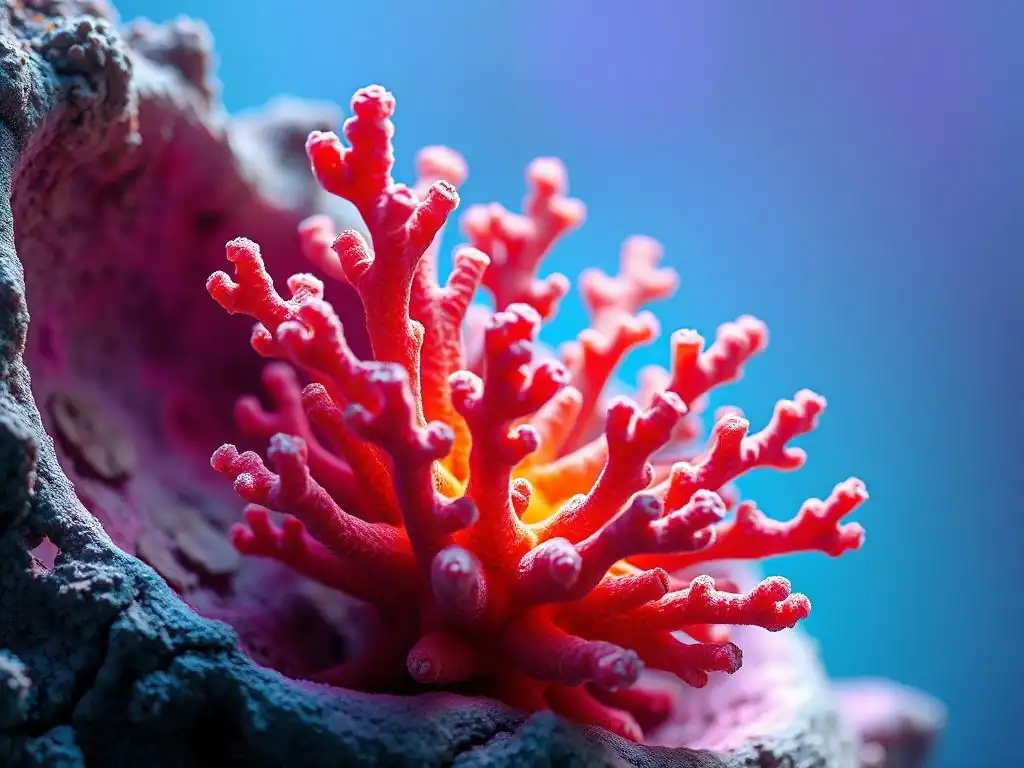
Acanthastrea lordhowensis stands as the undisputed "King of Color" among Acan corals, largely due to its unparalleled ability to display a breathtaking spectrum of hues and intricate patterns. Originating from the waters around Lord Howe Island and other Indo-Pacific locales, this species is the source of nearly all the highly coveted rare acan coral varieties. Its fleshy polyps, typically 1 to 2 centimeters in diameter, provide a generous canvas for vibrant pigments, allowing for complex concentric rings, splashes, and stripes that defy simple description.
Collectors are particularly drawn to A. lordhowensis for its capacity to produce true "rainbow" morphs, alongside striking combinations of metallic, fluorescent, and deep jewel tones. The genetic diversity within this species allows for an endless array of unique expressions, from the "Wolverine Acan" with its distinct yellow and red stripes to the "Red Planet Acan" displaying intense red and orange coloration. This inherent variability and the potential for new, never-before-seen patterns are what solidify A. lordhowensis's reputation as the premier species for coral enthusiasts seeking the pinnacle of reef tank aesthetics.
Acan Echinata: A Spiny Sensation
While Acanthastrea lordhowensis is celebrated for its smooth, vibrant polyps, Acanthastrea echinata offers a distinct and equally captivating aesthetic, earning it the moniker "Spiny Sensation." This species is easily identifiable by its prominent, often sharp, teeth-like projections (septa) around the edges of its corallites, giving its polyps a rugged, textured appearance. The individual polyps are generally slightly smaller than those of A. lordhowensis, typically ranging from 0.5 to 1.5 centimeters in diameter, and form encrusting or submassive colonies.
Though A. echinata may not exhibit the same complex "rainbow" patterns as its lordhowensis cousin, it boasts its own unique range of colorations, often featuring deep greens, browns, and reds with contrasting oral discs. For instance, a "Green Echinata" might have striking red mouths, providing a vibrant contrast. Its distinct texture and robust nature make it a favored choice for aquarists seeking a different kind of visual interest and a resilient addition to their LPS collection, offering a unique charm among rare acan coral varieties.
Rainbow Acan Lord: A Highly Sought-After Coloration
The "Rainbow Acan Lord" is arguably the most coveted of all rare acan coral varieties, representing the zenith of coloration in Acanthastrea lordhowensis. This highly sought-after morph is characterized by the presence of at least four to five distinct, vibrant colors on a single polyp, typically including shades of red, orange, green, blue, and purple. These colors are often arranged in concentric rings or striking patterns that create a kaleidoscopic effect, making each polyp a miniature masterpiece.
The rarity and demand for true Rainbow Acans are reflected in their premium pricing, with exceptional frags often commanding upwards of $200-$300 per polyp, and sometimes significantly more for established colonies. Achieving and maintaining such intense coloration requires stable water parameters and optimal lighting, which further adds to the challenge and reward for collectors. The visual impact of a well-colored Rainbow Acan Lord under actinic lighting is unparalleled, causing its fluorescent pigments to pop and creating a mesmerizing focal point in any reef aquarium.
Gold Acan Lord: A Metallic Sheen
The "Gold Acan Lord" is another exceptionally prized member of the rare acan coral varieties, distinguished by its unique metallic sheen and luxurious coloration. This morph of Acanthastrea lordhowensis displays a range of golden hues, from a deep, almost bronze-like gold to a bright, iridescent yellow that shimmers under aquarium lighting. Often, these golden polyps are accented with contrasting colors in their oral discs or outer rings, such as vibrant greens, blues, or even subtle reds, enhancing their visual appeal.
What makes the Gold Acan Lord particularly appealing is its ability to stand out with its radiant, almost liquid metal appearance. Under strong blue or actinic lighting, the metallic pigments fluoresce intensely, creating a captivating glow. This morph is less about a multitude of colors and more about the striking intensity and unique reflective quality of its primary golden tone. Collectors highly value its distinct elegance and the sophisticated touch it adds to a reef tank, making it a staple among desirable rare acan coral varieties.
Watermelon Acan Lord: A Vibrant Combination
The "Watermelon Acan Lord" is one of the most recognizable and consistently popular rare acan coral varieties, celebrated for its distinct and vibrant two-tone coloration that strikingly resembles a watermelon. This morph of Acanthastrea lordhowensis typically features a deep red or maroon base color, beautifully contrasted with bright green or lime green oral discs or inner rings. Sometimes, the pattern is reversed, with a green body and red centers, but the iconic red-green combination remains the defining characteristic.
The appeal of the Watermelon Acan Lord lies in its clear, bold contrast and its immediate visual impact. Unlike some morphs that require specific lighting to reveal their full beauty, the Watermelon Acan's colors are typically vibrant and discernible under various lighting conditions. Its consistent popularity makes it a benchmark for collectors and a highly sought-after addition, offering a classic yet striking example of the diverse and beautiful patterns found within rare acan coral varieties.
Sourcing Rare Acan Corals: Where to Find Your Gems
Reputable Online Vendors for Acan Frags
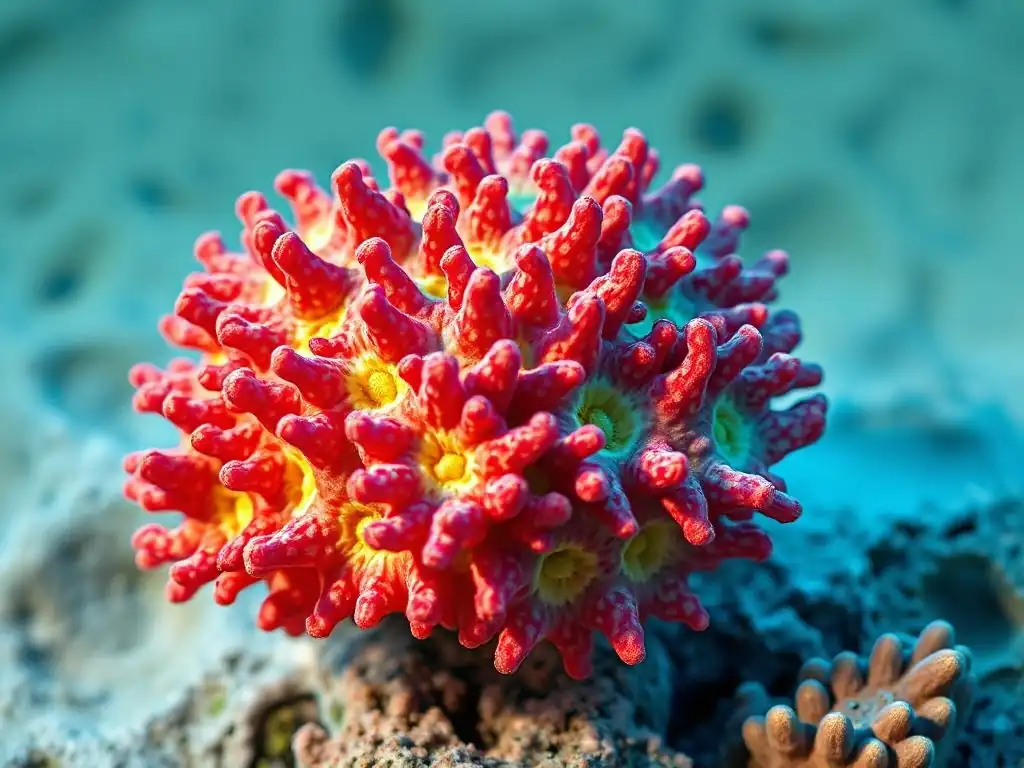
When seeking rare acan coral varieties, reputable online vendors are often the most accessible and reliable source, especially for specific, highly sought-after morphs. These vendors typically specialize in high-end LPS corals and have established supply chains, often working with aquaculture facilities or experienced frag farmers. Key indicators of a reputable online vendor include clear, unedited "What You See Is What You Get" (WYSIWYG) photographs that accurately represent the coral's color and pattern under various lighting conditions.
Furthermore, a strong reputation built on positive customer reviews, transparent shipping policies, and a live arrival guarantee are essential. Many top-tier vendors, such as Unique Corals, Reefkoi, or Aqua SD, frequently list new rare Acan frags, often with specific morph names like "Blueberry Acan" or "Dragon Soul Acan." While prices can be significant, ranging from $100 to over $500 for a single polyp frag of a truly rare specimen, the assurance of healthy, accurately represented corals makes these sources invaluable for serious collectors.
Local Reefing Communities and Acan Swaps
For those looking to expand their collection of rare acan coral varieties without the shipping costs or the higher prices sometimes associated with online retailers, local reefing communities and coral swaps offer excellent opportunities. Joining local reef club Facebook groups, forums, or attending organized coral swaps allows direct interaction with fellow hobbyists. Many experienced aquarists frag their own growing colonies of rare Acans, offering them for sale or trade at more budget-friendly prices, sometimes significantly lower than retail.
These local interactions also provide a chance to see the corals in person before purchase, ensuring their health and true coloration. For instance, a small frag swap in a major city might feature dozens of hobbyists selling or trading rare Acan frags from their personal tanks, offering unique morphs not commonly found online. Additionally, these communities are invaluable for sharing care tips, troubleshooting advice, and fostering a sense of camaraderie among enthusiasts of rare acan coral varieties.
Ethical Considerations When Collecting Rare Acans
Ethical considerations are paramount when collecting rare acan coral varieties, ensuring that the hobby remains sustainable and responsible. The most significant ethical choice is to prioritize aquacultured (captive-bred and fragged) corals over wild-caught specimens. Aquacultured corals are typically more resilient and adaptable to aquarium conditions, as they have grown in a captive environment from the start. More importantly, sourcing aquacultured frags significantly reduces the environmental impact on natural coral reefs, which are already facing numerous threats.
While wild collection of Acanthastrea species is regulated by CITES (Convention on International Trade in Endangered Species of Wild Fauna and Flora), the vast majority of rare Acans in the hobby today originate from fragging efforts within existing captive colonies. This practice ensures that the demand for these beautiful corals does not contribute to the depletion of wild populations. When purchasing, inquire about the coral's provenance; reputable vendors will readily confirm if a coral is aquacultured. By choosing captive-bred rare acan coral varieties, hobbyists contribute to conservation efforts and support a more sustainable future for the reef keeping hobby.
Acan Coral Care: Maintaining Vibrant Colors and Health
Water Parameters for Optimal Acan Growth
Maintaining stable and appropriate water parameters is crucial for the health, growth, and vibrant coloration of rare acan coral varieties. Acans thrive in mature, stable reef tank environments. Key parameters to monitor and maintain consistently include:
- Salinity: 1.025-1.026 specific gravity (34-35 ppt). Daily checks with a refractometer or conductivity meter are recommended.
- Temperature: 76-78°F (24.4-25.5°C). Use a reliable heater and thermometer, ensuring minimal fluctuations, ideally within a 0.5°F range.
- Alkalinity: 8.0-9.0 dKH. This parameter supports skeletal growth; fluctuations can cause stress. Testing 2-3 times per week is advisable.
- Calcium: 400-450 ppm. Essential for skeletal formation, regular testing (weekly) and supplementation (dosing, calcium reactor, or kalkwasser) are often necessary.
- Magnesium: 1300-1350 ppm. Magnesium helps maintain alkalinity and calcium levels; test bi-weekly.
- Nitrates: Below 10 ppm. While Acans can tolerate slightly higher nitrates than SPS, keeping them low (ideally 1-5 ppm) is beneficial for color.
- Phosphates: Below 0.05 ppm. High phosphates can inhibit calcification and promote undesirable algae growth.
Regular water changes, typically 10-20% bi-weekly, help replenish trace elements and remove excess nutrients, contributing significantly to the stability required for rare acan coral varieties to flourish.
Lighting Requirements for Acan Coloration
Acan corals, including rare acan coral varieties, generally prefer moderate to low lighting conditions. Unlike some SPS corals that demand intense illumination, Acans can suffer from bleaching or tissue recession if exposed to excessively strong light. A PAR (Photosynthetically Active Radiation) range of 50-150 PAR is typically ideal for most Acanthastrea species. This often means placing them in the lower to middle sections of the aquarium, or in shaded areas if using very powerful lighting.
The spectrum of light is also important for bringing out their vibrant colors. While full-spectrum lighting is beneficial, a significant component of blue or actinic lighting will enhance the fluorescence of many rare Acan morphs, making their reds, greens, and blues pop. A typical photoperiod of 8-10 hours per day is sufficient. Gradual acclimation to new lighting conditions, especially when moving a frag from one tank to another, is crucial to prevent shock and ensure the coral maintains its stunning coloration.
Feeding Acan Corals: Ensuring Proper Nutrition
While Acan corals possess zooxanthellae for photosynthesis, supplemental feeding is highly recommended and crucial for their optimal growth, health, and vibrant coloration, especially for rare acan coral varieties. Acans are voracious eaters and readily accept a variety of meaty foods. Target feeding 2-3 times per week is ideal.
Suitable foods include:
- Mysis shrimp: A staple, easily digestible food.
- Brine shrimp: While less nutritious, they are readily consumed.
- Coral pellets: Products like Reef-Roids or Polyp-Lab Reef-Roids are specifically formulated for LPS corals and are highly effective.
- Finely chopped seafood: Small pieces of shrimp, scallop, or fish can be offered.
Using a pipette or turkey baster, gently squirt the food directly onto the Acan polyps. The polyps will extend their feeding tentacles and engulf the food. Regular feeding contributes significantly to faster growth rates and helps maintain the intense, deep colors that define rare acan coral varieties.
Preventing and Treating Common Acan Diseases
Preventing and treating common diseases is vital for the longevity of rare acan coral varieties. One of the most feared ailments is Brown Jelly Disease (BJD), a rapid tissue necrosis often caused by a bacterial infection. Symptoms include a slimy, brown goo covering parts of the coral, quickly spreading and consuming tissue.
Immediate action is critical: remove the affected coral from the main tank, gently siphon off the brown jelly, and dip the coral in an antiseptic solution like Lugol's iodine (1-2 drops per gallon for 5-10 minutes). Fragging off healthy tissue away from infected areas can sometimes save parts of the colony.
Another common issue is tissue recession, where the coral tissue pulls away from the skeleton. This can be caused by poor water quality, excessive flow, or insufficient light/feeding. Addressing the underlying environmental stressor is the primary treatment. Pest infestations, such as flatworms or nudibranchs, can also harm Acans. Thorough inspection of any new frag before introduction, along with a prophylactic coral dip (e.g., CoralRx, Revive), can help prevent these pests. Regular observation of your rare acan coral varieties for any signs of stress or disease is the best preventative measure.
Fragging Acan Corals: Propagating Your Rare Collection
Best Practices for Acan Fragging
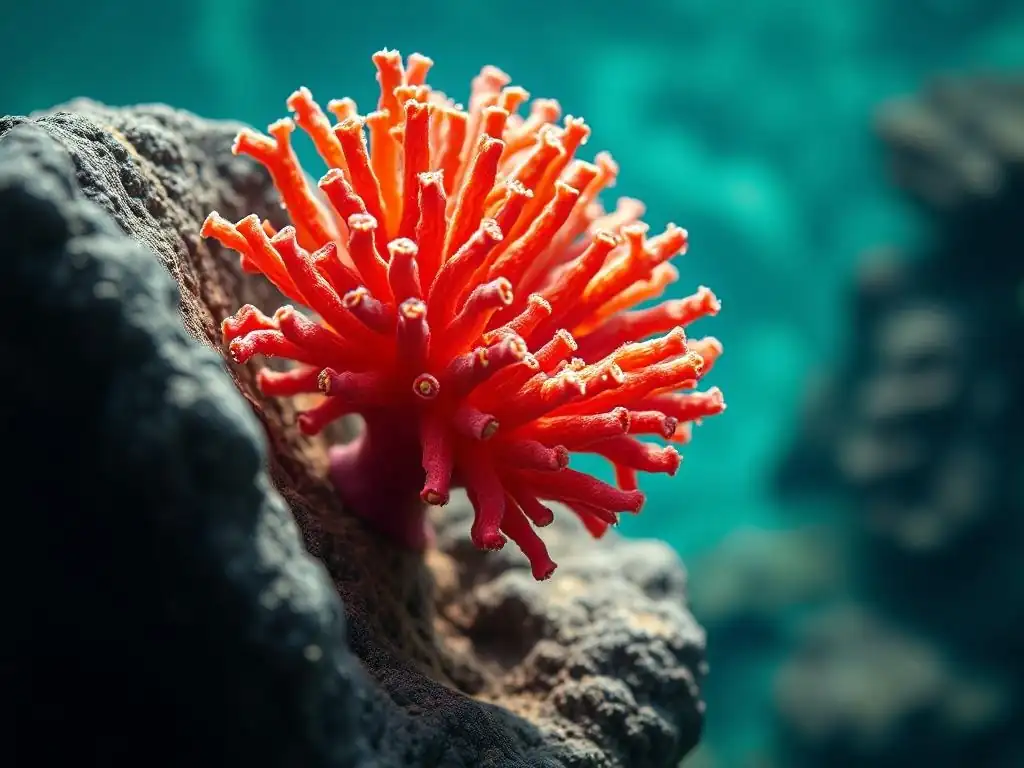
Fragging Acan corals is a common practice that allows hobbyists to propagate their rare acan coral varieties, share them with others, or save parts of a colony if disease strikes. Best practices ensure minimal stress to the parent colony and a high success rate for the new frag. The primary tool for fragging Acans is a pair of bone cutters for smaller colonies, or a Dremel tool with a diamond cutting wheel for larger, denser skeletons. Always wear eye protection and gloves.
Identify clean skeletal lines between polyps or sections of polyps that can be separated. Make a clean, swift cut to minimize tissue damage. After cutting, dip the frag and the parent colony in an antiseptic solution, such as diluted Lugol's iodine (1-2 drops per gallon for 5-10 minutes), to prevent infection.
Once dipped, secure the frag to a frag plug or rock using cyanoacrylate gel super glue. Allow the glue to cure in the air for a minute before returning the frag to the water, ensuring it is placed in a stable area with moderate flow and light to begin its healing process.
Growing Out Acan Frags: Creating New Colonies
Successfully growing out Acan frags is immensely rewarding, turning a small piece of coral into a thriving new colony of rare acan coral varieties. After fragging, proper care is paramount for the frag to heal and begin to grow new polyps. Place the frag in an area of the tank with moderate, indirect flow and moderate lighting (around 50-100 PAR) to reduce stress during the initial healing phase. Stable water parameters, as outlined previously, are critical for calcification and overall health.
Consistent target feeding is perhaps the most significant factor in accelerating frag growth. By providing meaty foods such as mysis shrimp or coral pellets 2-3 times per week, you supply the necessary nutrients for tissue and skeletal development. Under optimal conditions, a single polyp frag of Acanthastrea lordhowensis can begin to bud new polyps within 1-3 months, gradually expanding into a small colony within 6-12 months. Patience and diligent care are key to witnessing these rare acan coral varieties flourish and multiply.
Documenting Your Acan Collection: Photography and Record Keeping
Capturing the Beauty of Rare Acan Morphs
Capturing the stunning beauty of rare acan coral varieties through photography is an essential aspect of the collecting hobby, allowing enthusiasts to share their prized specimens and track their progress. To best represent their vibrant colors, especially under the blue dominant lighting of a reef tank, specialized techniques are often employed. Using a DSLR or mirrorless camera with a macro lens is ideal for capturing intricate details. For mobile phone users, clip-on macro lenses can significantly improve results.
Adjusting white balance is crucial when photographing under actinic or heavily blue-biased lighting; a custom white balance setting or post-processing can correct the color cast. Utilizing an orange or yellow filter (often called a "coral viewing filter") placed over the lens can also dramatically reduce blue saturation, allowing the true colors of the coral to shine through. Experimenting with different light intensities and angles can reveal hidden iridescence and patterns, ensuring that the unique characteristics of each rare Acan morph are accurately and beautifully documented.
Maintaining a Detailed Acan Collection Log
Maintaining a detailed Acan collection log is an invaluable practice for serious collectors of rare acan coral varieties. This record-keeping system goes beyond simple photography, providing a comprehensive history of each specimen, which is crucial for tracking growth, health, and provenance. A digital spreadsheet (like Google Sheets or Excel) or a dedicated aquarium logging app can be highly effective for this purpose.
Key information to include for each rare Acan:
- Date Acquired: The day the coral was added to your tank.
- Vendor/Source: Where the coral was purchased (e.g., specific online vendor, local hobbyist).
- Original Cost: The price paid for the frag or colony.
- Morph Name: Any specific trade name given to the morph (e.g., "Rainbow Acan Lord," "Watermelon Acan Lord").
- Initial Photo: A high-quality image taken upon acquisition.
- Water Parameters: A snapshot of tank parameters at the time of acquisition and any significant changes.
- Growth Observations: Regular notes on new polyp formation, colony expansion (e.g., "added 2 new polyps in 3 months," "colony doubled in size in 6 months").
- Fragging Dates: If the coral was fragged, the date and number of frags produced.
- Health Notes: Any observations on stress, disease, or recovery.
This meticulous record-keeping not only enhances the enjoyment of the hobby but also provides valuable data for troubleshooting issues, optimizing care, and even establishing the lineage of highly prized rare acan coral varieties.
Conclusion: The Rewarding World of Rare Acan Coral Collecting
Collecting rare acan coral varieties offers a uniquely rewarding experience for reef aquarists, blending the passion for marine life with the thrill of acquiring living art. From the initial fascination with their vibrant colors and intricate patterns to the dedicated pursuit of elusive morphs, the journey of an Acan collector is one of continuous discovery and learning. The meticulous care required for these LPS corals, including stable water parameters, appropriate lighting, and consistent feeding, culminates in the breathtaking display of a thriving, colorful colony.
The ethical sourcing of aquacultured frags ensures that this hobby remains sustainable, contributing to the health of our planet's precious coral reefs. Whether documenting each new acquisition with detailed photographs or meticulously tracking growth in a collection log, every step in the process deepens the connection between the aquarist and these extraordinary creatures. The world of rare Acan coral collecting is not merely about ownership; it is about the profound satisfaction derived from nurturing and showcasing some of the ocean's most exquisite and unique living jewels.
Frequently Asked Questions
How difficult are rare acan coral varieties to care for compared to common acans?
Generally, rare acans require the same care as common acans, but may be more sensitive to changes in water parameters. Maintaining stable and ideal conditions is crucial for their survival and vibrant coloration.
Where is the best place to source rare acan coral varieties for my reef tank?
Reputable online vendors specializing in corals, as well as local reefing clubs and coral frag swaps, are good places to start. Always research the vendor's reputation and quarantine new corals.
What kind of lighting and water flow do rare acan coral varieties need to thrive?
Acan corals typically prefer moderate lighting (PAR 50-150) and low to moderate water flow. Excessive light or strong flow can cause stress and bleaching.
What are some signs that my rare acan coral variety is not doing well?
Signs of stress include tissue recession, loss of color, and a lack of feeding response. Check water parameters, lighting, and flow to identify and address the issue.
How much should I expect to pay for rare acan coral varieties?
The price varies greatly depending on the rarity, coloration, and size of the coral. Expect to pay significantly more for unique and highly sought-after varieties compared to common acans.
Final Reflection: The Enduring Allure of the Reef's Jewels
The vibrant world of Acan corals, particularly the pursuit of rare and unique varieties, speaks volumes about our enduring fascination with the ocean's hidden treasures. What began as a simple guide to identifying these captivating creatures has revealed a deeper connection – a testament to the beauty, complexity, and fragility of coral reefs, and our role in their preservation.
The allure of rare Acan corals extends beyond mere aesthetics; it reflects a desire to connect with something truly special and unique. This passion, while driving the market for these corals, also underscores the importance of responsible sourcing and sustainable practices. In the end, we will conserve only what we love; we will love only what we understand; and we will understand only what we are taught.
- Baba Dioum's words resonate deeply, reminding us that knowledge and appreciation are the cornerstones of conservation.
As you delve deeper into the world of Acan corals, consider your own role in safeguarding these magnificent ecosystems. Let the beauty and rarity of these corals inspire you to learn more about reef conservation, support sustainable aquaculture practices, and advocate for the protection of our oceans. The future of these "jewels of the reef" rests, in part, in your hands.
Unleash Your Inner Reef Collector!
Thank you for diving into the fascinating world of Acan corals! We hope this guide has sparked your passion for these vibrant reef gems. Now, let's turn that knowledge into action and bring some extraordinary Acans into your own aquarium.
Here are some exciting ways to take your Acan collection to the next level:
- Visit a local coral farm or trusted online vendor and purchase at least one new Acan colony featuring a morph you haven't seen before. Don't be afraid to ask questions and negotiate!
- Share your Acan obsession! Post pictures of your collection on social media using #AcanAddict and inspire other reef keepers.
- Start a small frag swap with fellow hobbyists in your area, trading cuttings to diversify your collection and build connections.
What's one unexpected color combination you're hoping to find in your next Acan acquisition?