
Zoanthid Mastery: The Ultimate Guide to Vibrant Colors & Thriving Colonies

Welcome to Aquarium Mastery!
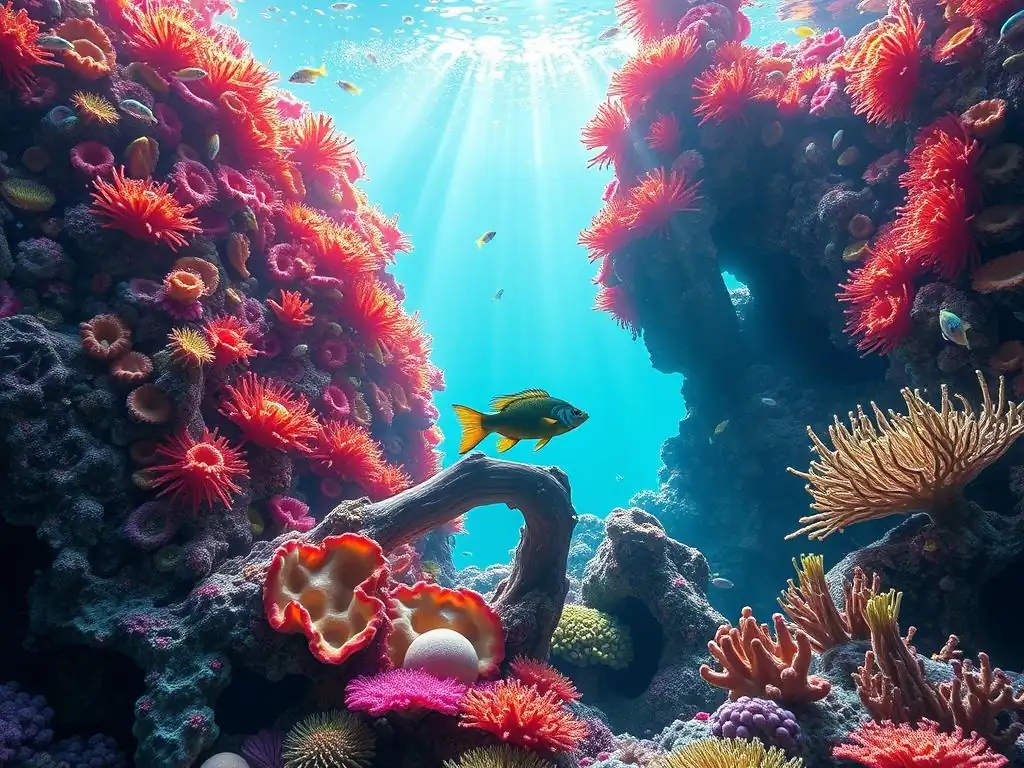
Ever wondered how to unlock the secrets to a dazzling reef tank teeming with color? Dive into our expert guide on vibrant zoanthid colony care and discover the techniques to cultivate breathtaking displays. We'll help you navigate the nuances of zoanthid health, ensuring your little polyps flourish into a captivating underwater garden. Intrigued? Let's uncover the magic of zoanthids together!
- Understanding Zoanthids: An Introduction to Zoanthid Coral Care
- Essential Water Parameters for Thriving Zoanthid Colonies
- Lighting and Flow: Creating the Perfect Environment for Zoanthids
- Feeding Your Zoanthids: Enhancing Color and Growth
- Zoanthid Placement: Ensuring Success in Your Reef Tank
- Identifying and Treating Common Zoanthid Diseases
- Zoanthid Propagation: Expanding Your Collection
- Troubleshooting Zoanthid Problems: A Practical Guide
- Maintaining a Vibrant Zoanthid Colony: Long-Term Care Tips
- Advanced Zoanthid Keeping: Taking Your Skills to the Next Level
-
Frequently Asked Questions
- How often should I be testing my water parameters for a zoanthid tank?
- What are the most common signs of stress in zoanthid colonies?
- What type of lighting is best for vibrant zoanthid colony care?
- What type of water flow is recommended for a healthy zoanthid colony?
- How do I deal with common pests that affect zoanthid colonies?
- Final Reflection: Cultivating Coral Beauty
- Ignite Your Zoanthid Garden!
Understanding Zoanthids: An Introduction to Zoanthid Coral Care
What are Zoanthids? A Beginner's Guide
Zoanthids are a fascinating group of colonial polyps belonging to the order Zoantharia, often mistaken for small anemones due to their vibrant, flower-like appearance. These soft corals are a staple in reef aquariums worldwide, prized for their ease of care and an astonishing array of colors and patterns. Individual polyps typically range from 0.5 to 2 centimeters in diameter when fully open, forming dense mats or encrusting colonies over rockwork, adding significant visual appeal to any marine setup.
Their popularity stems not only from their aesthetic appeal but also from their relatively forgiving nature, making them an excellent choice for both novice and experienced aquarists seeking a vibrant zoanthid colony. Zoanthids primarily derive energy through a symbiotic relationship with zooxanthellae, photosynthetic algae living within their tissues, but they are also capable of capturing food particles from the water column, contributing to their robustness and adaptability in various tank conditions.
Zoanthid Morphology: Identifying Key Features
Understanding the basic structure of zoanthids is crucial for proper care and identification. Each zoanthid polyp consists of an oral disc, a central mouth, and a ring of tentacles, typically numbering between 10 and 12, though variations exist. The oral disc often displays intricate patterns and a stunning spectrum of colors, which are the main draw for hobbyists.
These individual polyps are connected by a fleshy mat or stolon that encrusts over the live rock or substrate, allowing the colony to spread. While often confused with their close relatives, Palythoa, Zoanthus polyps are generally smaller and possess a smoother texture, whereas Palythoa species tend to be larger with a more granular or bumpy surface. Identifying these key morphological differences helps in providing tailored care and managing potential issues, ensuring the vitality of your vibrant zoanthid colony.
The Appeal of Zoanthids: Why They Are Popular in Reef Aquariums
The allure of zoanthids in the reef aquarium hobby is multifaceted, primarily driven by their incredible diversity and ease of maintenance. Their vibrant colors, ranging from neon greens and fiery oranges to deep blues and purples, often featuring contrasting patterns, make them standout additions. Popular morphs like "Rastas," "Utter Chaos," and "Blue Hornets" exemplify the striking visual impact they can provide.
Beyond their beauty, zoanthids are considered relatively beginner-friendly soft corals, tolerating a wider range of water parameters compared to more demanding SPS (Small Polyp Stony) corals. Their affordability and ability to thrive in smaller nano tanks, coupled with their relatively fast growth rate under optimal conditions, allow hobbyists to quickly establish lush, colorful displays. With thousands of known color morphs, there's always a new and exciting zoanthid variety to discover, fostering a vibrant zoanthid colony that evolves with your collection.
Essential Water Parameters for Thriving Zoanthid Colonies
Maintaining Ideal Water Chemistry for Zoanthids
Maintaining stable water chemistry is the cornerstone of successful zoanthid keeping. While zoanthids are generally more tolerant than stony corals, consistent parameters are crucial for their long-term health, vibrant coloration, and robust growth. Significant fluctuations can lead to stress, polyp retraction, tissue loss, or even complete colony meltdown.
Regular testing and making small, gradual adjustments are far more beneficial than drastic interventions. Even minor deviations, if prolonged, can hinder the symbiotic relationship with zooxanthellae, impacting the coral's ability to photosynthesize and maintain its brilliant hues. A proactive approach to water chemistry is vital for fostering a thriving and vibrant zoanthid colony.
The Importance of Salinity, Temperature, and pH
Three fundamental parameters dictate the immediate comfort and health of your zoanthids:
- Salinity: An ideal specific gravity range of 1.025 to 1.026 (or 35 ppt) closely mimics natural reef conditions. Deviations outside this narrow window can induce significant stress; for instance, a sudden drop below 1.023 can cause polyps to retract within hours, potentially leading to tissue damage if not corrected promptly.
- Temperature: Zoanthids thrive in a stable temperature range of 76-82°F (24.4-27.8°C). Fluctuations exceeding 2°F within a single day can be highly detrimental, leading to stress, bleaching, or even polyp melting. A sudden spike to 85°F, for example, can trigger immediate zooxanthellae expulsion, resulting in a bleached and weakened colony.
- pH: Maintaining a pH level between 8.0 and 8.4 is generally recommended. While zoanthids are somewhat tolerant, extreme pH values outside this range (e.g., below 7.8 or above 8.5) can inhibit their metabolic processes, reduce polyp extension, and ultimately lead to a decline in overall health and vitality, impacting the vibrancy of your zoanthid colony.
Nutrient Levels and Their Impact on Zoanthid Health
Beyond the core parameters, managing nutrient levels is critical for preventing nuisance algae and ensuring zoanthid well-being:
- Nitrate: Aim to keep nitrate levels below 10-20 ppm. While zoanthids can tolerate slightly higher nitrates than some SPS corals, excessive levels (e.g., above 40 ppm) can fuel the growth of nuisance algae directly on the zoanthid polyps, smothering them and causing recession.
- Phosphate: Maintain phosphate levels below 0.05 ppm. High phosphates (e.g., 0.1 ppm or more) are a primary driver for undesirable algae growth, which competes with zoanthids for light and space, hindering their ability to fully extend and photosynthesize.
- Alkalinity (dKH): A stable alkalinity range of 8-12 dKH is important for overall coral health, even for soft corals that don't build large calcified skeletons. Rapid swings of more than 1 dKH in 24 hours can cause stress and lead to polyps remaining closed.
- Calcium: Keep calcium levels between 400-450 ppm. Although zoanthids are soft corals, calcium is still vital for various cellular functions and overall vitality. Levels dropping below 350 ppm can impact their general robustness and the maintenance of a vibrant zoanthid colony.
- Magnesium: Maintain magnesium levels between 1250-1350 ppm. Magnesium plays a crucial role in stabilizing alkalinity and calcium, preventing their precipitation. Low magnesium (e.g., below 1200 ppm) can make it challenging to maintain stable dKH and calcium, indirectly affecting zoanthid health.
How to Test and Adjust Water Parameters for Optimal Zoanthid Growth
Regular and accurate testing is paramount for proactive water chemistry management. Utilize reliable test kits from reputable brands (e.g., Salifert, Hanna Checkers, Red Sea) to monitor key parameters weekly, including salinity, temperature, pH, alkalinity, calcium, and magnesium. Nitrates and phosphates can often be tested bi-weekly or monthly, depending on the maturity and stability of your system.
Adjustments should always be made slowly and incrementally. Salinity can be managed by adding RO/DI water to compensate for evaporation (which increases salinity) or by performing water changes with properly mixed saltwater.
Temperature is controlled by a reliable heater, with a chiller considered if temperatures consistently exceed the ideal range. pH is often stabilized through good gas exchange (surface agitation, protein skimming) and consistent alkalinity.
Nutrient levels (nitrate/phosphate) are best controlled by regular partial water changes (e.g., 10-20% bi-weekly), responsible feeding, efficient protein skimming, and potentially GFO or biopellets if levels remain persistently high. Alkalinity, calcium, and magnesium can be maintained through dosing specific additives, such as two-part solutions or by using a calcium reactor, always ensuring gradual adjustments to avoid shocking your corals; for example, if alkalinity drops from 9 dKH to 7 dKH, aim to raise it by no more than 0.5-1 dKH per day to ensure the health of your vibrant zoanthid colony.
Lighting and Flow: Creating the Perfect Environment for Zoanthids
Choosing the Right Lighting for Vibrant Zoanthid Colors
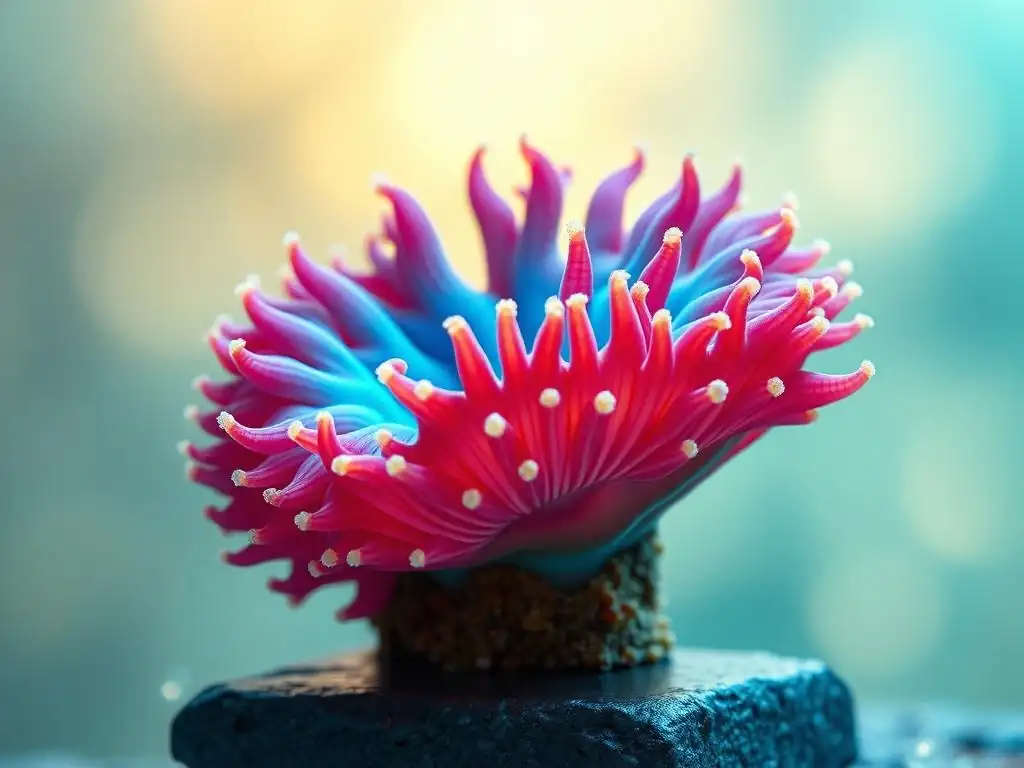
Lighting is a critical factor for zoanthids, as they rely heavily on their symbiotic zooxanthellae for energy through photosynthesis. While generally considered low to moderate light corals, providing the correct intensity and spectrum is essential for promoting their most vibrant colors and healthy growth. Too much light can lead to bleaching and recession, where the coral expels its zooxanthellae, resulting in a pale appearance. Conversely, insufficient light can cause browning (due to an overabundance of zooxanthellae trying to capture more light) or polyps stretching to reach light sources.
The goal is to provide adequate light for their photosynthetic needs without causing stress, which ultimately contributes to a robust and vibrant zoanthid colony. Understanding PAR levels and the different types of lighting available will help you make informed decisions for your specific aquarium setup.
PAR Levels and Zoanthid Growth
PAR (Photosynthetically Active Radiation) measures the amount of light available for photosynthesis, providing a more accurate assessment than simple wattage. For most zoanthids, an ideal PAR range is typically between 50 and 150 PAR. While some highly colored morphs might tolerate or even prefer slightly higher PAR, up to 200 PAR, caution is always advised to prevent bleaching.
For instance, placing a zoanthid colony in an area receiving approximately 75-100 PAR often results in excellent coloration and robust growth. In contrast, exposing them to PAR levels exceeding 250 can lead to noticeable tissue recession or rapid bleaching within days for many common varieties, demonstrating the importance of precise light management for a vibrant zoanthid colony.
Different Lighting Options: LEDs, Metal Halides, and T5s
Each lighting type offers distinct advantages for zoanthid keeping:
- LEDs: Light Emitting Diodes are highly popular due to their energy efficiency, longevity, and extensive control over spectrum and intensity. Many reef-specific LED fixtures offer programmable settings that allow aquarists to dial in optimal blue-heavy spectra ideal for coral coloration, often running blues at 70% and whites at 30% intensity for an 8-10 hour photoperiod. This precise control makes them excellent for cultivating a vibrant zoanthid colony.
- Metal Halides: These lights provide intense, broad-spectrum illumination, making them suitable for deeper tanks or mixed reef systems. However, they generate significant heat and have higher energy consumption. A 250W metal halide fixture can provide sufficient light for zoanthids placed lower in the tank, typically 18-24 inches below the surface, where the intensity is more diffused.
- T5s: Fluorescent tubes offer excellent light spread and even intensity. They are often used in conjunction with LEDs or as a standalone system. A combination of actinic (blue) and daylight (white) T5 bulbs can effectively enhance zoanthid coloration. For example, using two actinic bulbs and one daylight bulb over a 24-inch deep tank typically provides adequate PAR and a pleasing aesthetic for zoanthids.
Optimizing Water Flow for Zoanthid Health
Water flow is another critical environmental factor for zoanthids. These corals prefer moderate, indirect flow that gently washes over their polyps. Too much direct flow can cause polyps to remain closed, appear "blown away," or even lead to physical damage and detachment from their substrate. Conversely, insufficient flow allows detritus and waste to settle on the polyps, leading to tissue irritation, bacterial infections, and ultimately, polyp recession or death.
The right balance of water movement is essential for delivering nutrients, removing waste products, and ensuring the overall health and full extension of your zoanthid polyps, contributing significantly to a vibrant zoanthid colony.
The Role of Flow in Nutrient Delivery and Waste Removal
Adequate water flow plays two primary roles in zoanthid health:
- Nutrient Delivery: Water movement continuously brings dissolved nutrients, essential trace elements, and microscopic food particles (like phytoplankton and zooplankton) directly to the zoanthid polyps. This ensures a constant supply of resources for their metabolic processes and feeding. Without sufficient flow, a "dead zone" of depleted nutrients can form around the colony, hindering its growth and vitality.
- Waste Removal: Gentle water currents efficiently sweep away metabolic waste products, such as mucus and expelled zooxanthellae, along with any settled detritus from the polyps' surfaces. Accumulation of these wastes can lead to tissue irritation, bacterial infections, and polyp necrosis, ultimately compromising the health of the colony. A flow rate that causes a gentle, rhythmic sway of the polyps without forcing them to retract completely is ideal.
Different Flow Patterns and Their Effects on Zoanthids
The pattern of water flow can significantly impact zoanthid well-being:
- Turbulent/Random Flow: This type of flow, often created by wavemakers or multiple powerheads pointed in different directions, mimics the natural, chaotic currents of a reef environment. Zoanthids generally respond very well to turbulent flow, as it prevents continuous direct impingement on a single part of the polyp, promoting even nutrient distribution and waste removal. For example, setting two powerheads on opposite sides of the tank with alternating cycles for 30-second intervals can create beneficial turbulent flow patterns.
- Laminar/Direct Flow: A continuous, unidirectional stream of water should generally be avoided for zoanthids. This type of direct impingement can cause constant stress, leading to polyps remaining perpetually closed, failing to extend, or even detaching from their substrate. If a powerhead is directly aimed at a zoanthid colony, the polyps may shrink and refuse to open within a few hours, demonstrating the negative impact of overly direct flow.
- Indirect Flow: Bouncing water currents off the back or side glass, or aiming powerheads past the zoanthids rather than directly at them, creates a more diffused and gentle current. This indirect approach is highly preferred by zoanthids, as it provides the necessary water movement without causing undue stress. A general guideline is to aim for a total tank turnover of 10-20 times the tank volume per hour, distributed across multiple points to ensure gentle, indirect flow for your soft corals, fostering a vibrant zoanthid colony.
Feeding Your Zoanthids: Enhancing Color and Growth
Zoanthid Diet: What Do They Eat?
Zoanthids are primarily photosynthetic, meaning they derive the majority of their energy from the light-driven processes of their symbiotic zooxanthellae. However, they are also heterotrophic, capable of capturing and consuming small food particles from the water column. This dual feeding strategy contributes to their resilience and vibrant coloration.
Their natural diet includes a variety of microscopic organisms and organic matter, such as phytoplankton, zooplankton (like copepods and rotifers), detritus, and dissolved organic matter. While they can survive on light alone in a well-fed reef tank, supplementing their diet can significantly enhance their growth rate, improve polyp extension, and intensify their already brilliant colors, leading to a more robust and vibrant zoanthid colony.
Target Feeding Zoanthids: Methods and Best Practices
Target feeding zoanthids allows for precise nutrient delivery, directly benefiting the polyps. This method ensures that the food reaches the coral rather than being lost to filtration or consumed by other tank inhabitants.
- Method: Use a pipette or turkey baster to gently direct a small cloud of food particles towards the open zoanthid polyps. It's advisable to turn off powerheads and return pumps for 15-30 minutes during feeding to allow the food to settle and be efficiently consumed by the polyps.
- Frequency: Feeding 1-2 times per week is generally sufficient for most zoanthid colonies. Overfeeding can lead to nutrient spikes and water quality issues, so moderation is key.
- Best Practices: Always feed small amounts of appropriately sized food (typically micron-sized particles). Observe the polyps to ensure they are reacting to and consuming the food. Consistent target feeding can lead to noticeable increases in polyp size, more frequent budding of new polyps, and an overall more robust colony. For example, a colony target-fed twice weekly with a quality coral food might exhibit 20-30% faster growth and significantly brighter colors compared to an unfed colony over a three-month period.
Choosing the Right Food for Zoanthids
Selecting the right food type can make a significant difference in zoanthid health and vibrancy:
- Phytoplankton: An excellent primary food source, providing essential fatty acids and pigments that contribute to vibrant coloration. Products like Phytofeast or live phytoplankton cultures are highly effective.
- Zooplankton/Copepods: Small crustaceans such as rotifers and cyclops are readily consumed by zoanthids. Live copepods can be introduced to the tank to establish a sustainable food source, or frozen preparations can be used for direct target feeding.
- Coral-Specific Foods: Many commercially available foods are formulated specifically for filter feeders and soft corals, often containing a balanced blend of various marine particles, proteins, lipids, and carbohydrates. Examples include Reef Roids, Polyp Lab Polyp Booster, or Brightwell Aquatics CoralAmino. These comprehensive formulas are designed to support overall coral health and enhance color.
The Benefits of Amino Acids and Trace Elements
While not food in the traditional sense, supplemental dosing of amino acids and trace elements can profoundly impact zoanthid health, growth, and particularly their coloration:
- Amino Acids: These are the fundamental building blocks for proteins, essential for tissue repair, growth, and the production of vibrant pigments within the coral's tissues. Consistent dosing of amino acids can lead to enhanced coloration, making the hues of morphs like "Utter Chaos" or "Rainbow" zoanthids appear more intense and "pop" more vividly. Many aquarists report a noticeable improvement in color intensity within 2-4 weeks of regular amino acid supplementation.
- Trace Elements: Minerals such as iodine, strontium, potassium, and iron are consumed by corals and are vital for various metabolic processes. While some are replenished through regular water changes, specific dosing can address deficiencies that may not be fully covered. Iodine, for instance, is anecdotally linked to improved coral coloration and overall health, with some believing it aids in maintaining a vibrant zoanthid colony. Always follow manufacturer guidelines for dosing to avoid potential overdoses, as even essential elements can become toxic in excessive concentrations.
Zoanthid Placement: Ensuring Success in Your Reef Tank
Choosing the Ideal Location for Your Zoanthid Colony
Optimal placement is crucial for the long-term health and vibrant coloration of your zoanthid colony. The ideal spot in your reef tank will provide the right balance of lighting and water flow, while also considering potential interactions with other corals.
- Lighting: As discussed, zoanthids thrive in low to moderate light. In tanks with high-output LED fixtures, this often means placing them lower on the rockwork, on the sandbed, or in partially shaded areas where PAR levels range from 50 to 150. For example, a colony placed on a lower shelf, 18-24 inches from a powerful light source, is often ideal.
- Flow: Zoanthids prefer moderate, indirect water flow. Avoid areas of strong, direct current that can cause polyps to remain closed or detach. Look for spots where the polyps gently sway, their tentacles waving, without being constantly flattened or "blasted." This ensures proper nutrient delivery and waste removal without causing undue stress, crucial for maintaining a vibrant zoanthid colony.
- Substrate: Zoanthids naturally attach and spread over live rock. They can also be placed on frag plugs or small pieces of rock rubble. Ensure the chosen surface is stable and provides ample room for the colony to grow without immediately encroaching on other inhabitants.
Understanding Zoanthid Aggression and Allelopathy
While generally considered peaceful, zoanthids, like many corals, can exhibit forms of aggression, particularly through chemical warfare known as allelopathy.
- Allelopathy: Zoanthids can release chemical compounds into the water, which, in dense colonies or smaller, less diluted systems, might potentially affect nearby sensitive corals. This is more commonly associated with Palythoa species, which are known to be more chemically potent, but some Zoanthus varieties can also exhibit this behavior. Regular use of activated carbon can help mitigate these effects by removing dissolved organic compounds from the water.
- Stinging: Zoanthids possess nematocysts (stinging cells) on their tentacles. While their sting is generally mild to most fish and other corals, it's wise to maintain a buffer zone. Avoid placing rapidly expanding zoanthid colonies in direct contact or very close proximity (e.g., within 3-5 inches) of highly sensitive corals, such as certain SPS corals like Acropora, to prevent potential irritation or tissue recession.
- Overgrowth: Zoanthids can grow and spread rapidly, forming large encrusting mats. If left unchecked, they can encrust over and smother slower-growing corals or desirable rockwork. Proactive management of their spread is often necessary to maintain the desired aquascape and protect other inhabitants.
Preventing Zoanthid Overgrowth
Managing the rapid growth of zoanthids is key to maintaining a balanced reef tank and a vibrant zoanthid colony that doesn't overwhelm other species:
- Isolation: One of the most effective strategies is to place zoanthid colonies on isolated "islands" of live rock or on frag plugs surrounded by sand. This creates a natural barrier, limiting their ability to spread onto adjacent rockwork where they might compete with other corals. Dedicating a specific, easily removable rock piece entirely to zoanthids can effectively contain their growth.
- Pruning/Fragging: Regularly pruning or fragging the edges of a growing colony is an excellent way to control its size and prevent it from encroaching on neighboring corals. This practice also provides new frags for trading with other hobbyists or for sale. A healthy zoanthid colony can easily yield several frags every few months without any negative impact on the mother colony.
- Chemical Filtration: Consistent use of high-quality activated carbon (e.g., replacing it every 2-4 weeks) helps remove allelopathic chemicals released by zoanthids and other corals. This reduces chemical stress in the aquarium environment, contributing to overall system health and allowing all corals, including your zoanthids, to thrive.
Identifying and Treating Common Zoanthid Diseases
Recognizing the Signs of Zoanthid Diseases
Early detection of disease or stress is crucial for successful intervention and saving your vibrant zoanthid colony. Zoanthids communicate their health through their appearance and behavior. Key signs to look for include:
- Prolonged Closing/Retraction: Polyps remaining closed for extended periods, especially during daylight hours when they should be fully open and extended.
- Tissue Loss/Recession: Patches of polyps appearing to melt away, or the base tissue shrinking and exposing the rock.
- Discoloration: Significant loss of their vibrant color, appearing pale, translucent, or unusually brown.
- Unusual Growths: The presence of white, fuzzy, or stringy patches on the polyps, or small blister-like lesions.
- Failure to Thrive: A general decline in growth, lack of new polyps budding, or a consistently unhealthy appearance despite stable water parameters.
Any of these symptoms warrant immediate investigation to determine the underlying cause.
Common Zoanthid Diseases and Their Causes
Zoanthid Pox Treatment and Prevention
Zoanthid Pox is a common ailment characterized by small, white, blister-like lesions appearing on the polyps. These lesions often lead to the polyps closing up and, if left untreated, can cause the polyps to melt away entirely. This condition is generally believed to be caused by a bacterial infection.
- Treatment:
- Furan-2 Dip: A widely used antibiotic treatment. Prepare a separate dip container with tank water and add Furan-2 (e.g., 1 packet per gallon of water). Dip the affected zoanthid colony for 15-30 minutes. Repeat this process daily for 3-5 days.
- Freshwater Dip: A brief (30-60 second) dip in temperature and pH-matched RO/DI water can sometimes help dislodge external bacteria or parasites. Use with extreme caution as it can be stressful to the coral.
- Prevention: Maintaining excellent water quality and implementing strict quarantine procedures for all new coral additions are the best preventative measures to protect your existing vibrant zoanthid colony.
Addressing Nudibranch Infestations in Zoanthids
Zoanthid nudibranchs (e.g., Aeolidia species) are highly specialized and camouflaged pests that feed exclusively on zoanthids. Their presence is often indicated by polyps failing to open, visible tissue damage, or the subtle sighting of the nudibranchs themselves, which often match the color of the zoanthids they are consuming, making them incredibly difficult to spot. They also lay distinctive white, spiral egg masses near the zoanthid colony.
- Treatment:
- Manual Removal: This is the most effective method. Carefully inspect the zoanthid colony, especially at night with a flashlight, and manually remove any visible nudibranchs using tweezers. Pay close attention to crevices and the undersides of polyps.
- Dipping: Commercial coral dips (e.g., Coral Rx, Revive) can sometimes irritate nudibranchs, causing them to detach. Follow product instructions precisely. Repeated dips (e.g., every 3-5 days for 2-3 weeks) are often necessary to break their life cycle, as their egg masses are resistant to dips.
- Predators: Some wrasses (e.g., Six-Line Wrasse, Melanurus Wrasse) may occasionally prey on nudibranchs, but this is not a guaranteed solution.
- Prevention: Thoroughly quarantining all new zoanthids for at least 4-6 weeks, with daily inspections for both nudibranchs and their egg masses, is absolutely vital to prevent an infestation in your main display tank and protect your vibrant zoanthid colony.
Combating Algae Growth on Zoanthids
Algae growth, whether filamentous algae, diatoms, or cyanobacteria, directly on or around zoanthid polyps can smother them, preventing them from opening and photosynthesizing effectively. This is typically a symptom of underlying issues rather than a direct disease.
- Causes: High nutrient levels (nitrate and phosphate), excessive light intensity, or insufficient water flow that allows detritus to settle on the polyps.
- Treatment:
- Nutrient Control: Implement regular partial water changes (e.g., 20% weekly for a month), reduce fish and coral feeding, improve protein skimmer efficiency, and consider using GFO (granular ferric oxide) or biopellets to lower nitrates and phosphates.
- Flow Adjustment: Increase water flow directly around the affected colony to prevent detritus accumulation and inhibit algae growth.
- Manual Removal: Gently brush off any visible algae from the zoanthid polyps using a soft brush (e.g., a soft toothbrush) during water changes.
- Grazers: Introduce appropriate algae-eating snails (e.g., Nerites, Turbos) or hermit crabs, ensuring they won't disturb the zoanthids themselves.
- Prevention: Maintaining consistently low nutrient levels, providing adequate water flow, and avoiding overfeeding are the best preventative measures to keep nuisance algae at bay and ensure a clean, vibrant zoanthid colony.
Quarantine Procedures for New Zoanthids
Quarantine is an indispensable step for any responsible aquarist, particularly when introducing new zoanthids, to prevent the devastating introduction of pests, parasites, and diseases into your established main display tank. This proactive measure safeguards your existing vibrant zoanthid colony and other inhabitants.
- Setup: A simple 10-20 gallon tank with a small powerhead for circulation, a heater to maintain stable temperature, and a basic light is sufficient for a quarantine system. Elaborate filtration is not typically necessary, as regular small water changes (e.g., 10-20% every few days) will maintain water quality.
- Procedure:
- Initial Inspection: Upon receiving new zoanthids, carefully inspect them under bright light for any visible pests (nudibranchs, flatworms, spiders) or their egg masses.
- Dipping: Dip the zoanthids in a reputable coral dip solution (e.g., Coral Rx, Revive, or a highly diluted solution of Bayer Complete Insect Killer, using extreme caution as it is an insecticide) according to the manufacturer's instructions. This helps dislodge external parasites.
- Placement: Place the dipped zoanthids into the quarantine tank. Do not place the frag plug directly into your display tank if it came from the seller's water.
- Observation: Observe the zoanthids daily for at least 4-6 weeks. Look for any signs of pests, disease symptoms, or unusual behavior (e.g., prolonged closing).
- Repeat Dips: If zoanthid nudibranchs or other pests are found, repeat the dipping procedure every 3-5 days for 2-3 weeks to ensure their life cycle is broken and all stages are eliminated.
- Transfer: Only transfer the zoanthids to the main display tank after the full quarantine period, and only if absolutely no signs of pests or disease have been observed.
Zoanthid Propagation: Expanding Your Collection
Fragging Zoanthids: A Step-by-Step Guide
Fragging zoanthids is a popular and relatively straightforward process that allows hobbyists to control colony growth, create new colonies for trade or sale, or simply expand their collection. It's an excellent way to share your vibrant zoanthid colony with others.
- Why Frag?: Beyond controlling growth, fragging promotes new growth in the mother colony and provides a sustainable way to acquire new corals without impacting wild reefs.
- Preparation: Before you begin, gather all necessary tools and prepare a separate container with clean tank water for holding the colony and newly cut frags. Most importantly, wear personal protective equipment (PPE), including gloves and eye protection, as zoanthids can potentially release palytoxin, a potent neurotoxin, though this is rare and typically associated with specific species and handling methods.
- Steps:
- Remove Colony: Carefully remove the zoanthid colony from your display tank.
- Select Polyps: Identify the section of the zoanthid mat or cluster of polyps you wish to frag. Aim for clusters of 3-5 polyps if possible, as this generally offers better survival rates for the new frag.
- Cut: Using a sharp, sterile scalpel or new razor blade, make a clean cut through the zoanthid mat. If the polyps are encrusting directly on a piece of live rock, you may need to carefully chip off a small piece of the rock containing the polyps using bone cutters or pliers.
- Rinse: Briefly rinse both the new frag and the mother colony in clean tank water to remove any released mucus or debris from the cutting process.
- Mount: Proceed directly to mounting the frag onto a plug or rubble.
Tools and Equipment Needed for Zoanthid Fragging
Having the right tools ensures a smooth and safe fragging process:
- Personal Protective Equipment (PPE):
- Gloves: Nitrile or latex gloves are absolutely essential to protect your skin from potential toxins, irritants, and bacteria.
- Eye Protection: Safety glasses or goggles are highly recommended to prevent any splashes of tank water or coral mucus from reaching your eyes.
- Cutting Tools:
- Scalpel/Razor Blade: A sharp, sterile scalpel or a new, clean razor blade is ideal for making precise, clean cuts through the soft zoanthid mat, minimizing damage to the polyps. Disposable options are excellent for ensuring sterility.
- Bone Cutters/Pliers: If your zoanthids are encrusting on dense live rock, small bone cutters or strong pliers may be necessary to carefully chip off a piece of the rock that has the polyps attached.
- Other Equipment:
- Small Container: A clean, dedicated container filled with tank water is needed to hold the zoanthid colony during the fragging process and to rinse the newly cut frags.
- Frag Plugs/Rubble: Small ceramic frag plugs or small pieces of inert live rock rubble are used as the base for mounting your new zoanthid frags.
- Super Glue Gel (Cyanoacrylate): This is the most common and effective adhesive for attaching zoanthid frags to plugs. Ensure you use a coral-safe formula.
- Paper Towels: Useful for gently drying the surface of the frag plug before applying super glue, ensuring a better bond.
Mounting Zoanthid Frags
Mounting zoanthid frags to plugs or rubble is a straightforward process using super glue gel. This method provides a stable base for the new colony to grow and allows for easy placement in the tank.
- Method: Super glue gel (cyanoacrylate) is the preferred adhesive due to its quick-drying properties and coral safety.
- Steps:
- Dry Surface: Take the frag plug or rubble out of the water and gently blot the top surface dry with a paper towel. The glue adheres best to a dry surface.
- Apply Glue: Apply a small, pea-sized dab of super glue gel to the center of the frag plug.
- Attach Frag: Carefully pick up the zoanthid frag (preferably by the base or rock it's attached to, avoiding the polyps directly) and gently press its base onto the glue. Hold it firmly in place for 10-20 seconds to allow the glue to set.
- Submerge: Slowly reintroduce the frag and plug into the water. Ensure the glue has fully set before placing it in the tank to prevent the frag from detaching.
- Tip: Avoid getting glue on the polyps themselves, as this can cause irritation, tissue damage, or even necrosis, hindering the healing process of your potential vibrant zoanthid colony.
Post-Fragging Care: Ensuring Successful Healing and Growth
After fragging, proper post-fragging care is essential to ensure the new zoanthid frags heal successfully and begin to grow into their own vibrant zoanthid colony. The mother colony also benefits from good care during its recovery period.
- Placement: Place newly fragged zoanthids in an area of your tank with lower to moderate water flow and light intensity for the first few days to a week. This reduced stress environment allows the polyps to heal and acclimate without being overwhelmed.
- Observation: Monitor the frags closely for any signs of stress, infection, or failure to open. Healthy frags should begin to open within a few hours to a day.
- Water Quality: Maintain pristine water parameters. Stable and optimal conditions are paramount for the healing process and subsequent growth. Continue regular testing and adjustments as needed.
- Feeding: Consider target feeding the newly fragged zoanthids with small amounts of appropriate coral food. This supplemental nutrition can significantly aid in their recovery and promote faster growth. For example, a twice-weekly feeding regimen of phytoplankton or a fine coral food can speed up the healing process, with polyps often fully extending within 3-5 days.
- Healing Time: Most healthy zoanthid frags will show signs of recovery quickly. The cut areas on both the frag and the mother colony will typically heal completely within 1-2 weeks. Under optimal conditions, new polyps may begin to bud from the frag within 3-4 weeks, marking the start of a new, thriving colony.
Troubleshooting Zoanthid Problems: A Practical Guide
Why Are My Zoanthids Not Opening? Common Causes and Solutions
Zoanthids not opening is one of the most common concerns for aquarists, signaling stress or an underlying issue. Prompt investigation is key to restoring your vibrant zoanthid colony.
- New Introduction Stress: Zoanthids often remain closed for a few days after being introduced to a new tank due to the stress of acclimation. Give them time (e.g., 2-3 days) to adjust to the new environment.
- Water Parameters: Fluctuations or incorrect levels of salinity, temperature, pH, alkalinity, or elevated nitrates/phosphates are leading causes. Immediately test all parameters. For instance, a sudden drop in salinity from 1.025 to 1.022 can cause immediate and prolonged polyp retraction.
- Lighting Issues: Too much or too little light can cause zoanthids to close. If they are browning, they might need more light; if bleaching, less. Try moving the colony to an area with different light intensity.
- Flow Issues: Excessive direct flow can cause constant retraction, while insufficient flow allows detritus to settle, irritating the polyps. Adjust powerhead placement to provide moderate, indirect flow.
- Pests/Diseases: Carefully inspect the colony for zoanthid nudibranchs, zoanthid spiders, or signs of zoanthid pox. These specific pests are often the culprits if water parameters are stable.
- Irritation: Something physically irritating them, such as a snail crawling over them, a neighboring coral stinging them, or accumulated detritus. Gently brush them off with a soft brush or reposition them.
- Hunger: While primarily photosynthetic, prolonged periods without supplemental feeding can sometimes lead to reduced polyp extension and a general lack of vigor.
Zoanthid Color Loss: Identifying the Reasons and Restoring Vibrancy
Loss of the characteristic vibrant coloration is a clear indicator that your zoanthids are stressed. Identifying the specific reason is crucial for restoring their beauty and maintaining a vibrant zoanthid colony.
- Browning: Often indicates insufficient light or an overabundance of zooxanthellae trying to maximize light capture. Try slowly increasing light intensity or moving the colony to a brighter spot in the tank. For example, increasing PAR by 20-30 units over a week can often restore natural coloration in browned zoanthids.
- Bleaching/Fading: This is characterized by the polyps appearing translucent, pale, or white due to the expulsion of zooxanthellae. Common causes include too much light, sudden temperature spikes, or rapid parameter swings. Reduce light intensity, ensure temperature stability, and correct any parameter imbalances gradually. If a colony bleached due to a temperature spike to 84°F, gradually bringing it back to 78°F over 24 hours can often reverse the bleaching if caught early.
- Nutrient Deficiency: A lack of essential trace elements or amino acids in the water can lead to dull, muted colors. Supplement with high-quality coral-specific foods, amino acid solutions, and trace element supplements. Many hobbyists report a significant improvement in the "pop" of their zoanthids within 2-4 weeks of consistent amino acid dosing.
- Pests/Disease: Chronic pest infestations or ongoing diseases can weaken the coral, leading to a general decline in health and dull coloration. Address any underlying pest or disease issues promptly.
- Aging/Stress: Sometimes, older polyps or colonies subjected to prolonged, low-level stress may exhibit reduced vibrancy. Ensuring optimal and consistent conditions generally helps mitigate this.
Dealing with Pests and Predators of Zoanthids
Several common pests and predators specifically target zoanthids, capable of causing significant damage or even wiping out an entire colony if not addressed. Early identification and intervention are paramount for your vibrant zoanthid colony.
- Zoanthid Nudibranchs: As detailed previously, these are highly camouflaged slugs that feed exclusively on zoanthids. Manual removal by carefully inspecting the colony (especially at night) and repeated coral dips are the most effective treatments.
- Zoanthid Spiders (Tegastes sp.): These are tiny, reddish-brown mites that hide among the polyps and consume tissue, often causing polyps to remain closed or appear shriveled. They are extremely difficult to spot due to their size. Treatment often involves highly diluted commercial coral dips (e.g., Interceptor, or Bayer Complete Insect Killer, used with extreme caution due to toxicity risks to other invertebrates). Strict quarantine of new zoanthids is the best preventative measure.
- Asterina Starfish: While most Asterina starfish are harmless detritivores, certain species can occasionally irritate or consume zoanthids. If you observe them on your zoanthids and the polyps are closed or receding, carefully remove them manually.
- Sundial Snails (Heliacus sp.): These small, distinctive striped snails are nocturnal predators of zoanthids. They are often camouflaged and hide during the day. Inspect your colony at night with a flashlight to spot and manually remove them.
- Bubble Algae: While not a predator, aggressive bubble algae can grow over and smother zoanthids, blocking light and flow. Manual removal (carefully, to avoid releasing spores) and addressing underlying nutrient issues (high nitrates/phosphates) are necessary.
- Fish Nipping: Certain fish species, particularly some angelfish or butterflyfish, may occasionally nip at zoanthids. Observe your fish behavior closely if other causes for zoanthid stress have been ruled out.
Maintaining a Vibrant Zoanthid Colony: Long-Term Care Tips
Regular Maintenance Tasks for Healthy Zoanthids
Consistent and proactive maintenance is the foundation for a thriving and vibrant zoanthid colony over the long term. These routine tasks ensure stable water quality and a healthy environment.
- Water Changes: Perform regular partial water changes (e.g., 10-15% bi-weekly or 20% monthly) to replenish essential trace elements that zoanthids consume and to export accumulated nitrates and phosphates. This is arguably the single most important maintenance task for overall reef health.
- Protein Skimming: Ensure your protein skimmer is properly sized for your tank volume and operating efficiently. A well-functioning skimmer removes organic waste before it breaks down into undesirable nutrients. Empty the skimmer cup regularly, typically every 2-3 days, to maintain optimal performance.
- Activated Carbon: Utilize high-quality activated carbon in your filtration system and replace it regularly (e.g., every 2-4 weeks). Activated carbon effectively removes dissolved organic compounds, yellowing agents, and allelopathic chemicals released by corals, maintaining water clarity and reducing chemical stress on your zoanthids.
- Flow Maintenance: Clean powerheads, wavemakers, and return pumps regularly (e.g., monthly) to prevent detritus buildup and ensure consistent, optimal water flow throughout the tank. Blocked pumps can lead to reduced flow and localized dead spots.
- Substrate Cleaning: During water changes, siphon detritus from the sandbed and any accessible crevices in your rockwork. This prevents the accumulation of organic matter that can break down and contribute to elevated nutrient levels.
Monitoring Water Parameters and Adjusting as Needed
Long-term success with zoanthids hinges on continuous monitoring and thoughtful adjustment of water parameters. This goes beyond just reacting to problems.
- Consistent Testing: Continue to regularly test all key water parameters: salinity, temperature, pH, alkalinity, calcium, magnesium, nitrates, and phosphates. Weekly testing for core parameters provides crucial insights into your system's stability and consumption rates.
- Trend Analysis: Maintain a log or use a digital tracking system for your water parameters. Analyzing trends over time allows you to identify gradual shifts or consumption patterns, enabling proactive adjustments before parameters deviate significantly. For example, if your alkalinity consistently drops by 0.5 dKH per week, you know to gradually increase your dosing to maintain stability.
- Gradual Adjustments: When any parameter requires adjustment, always do so slowly and incrementally. Rapid changes can shock corals. If alkalinity is low, for instance, aim to raise it by no more than 0.5-1 dKH per day. This gentle approach ensures the stability and health of your vibrant zoanthid colony.
Preventing Common Problems Through Proactive Care
Prevention is always better than cure in reef keeping. Adopting proactive measures can significantly reduce the incidence of common zoanthid problems.
- Quarantine New Additions: This cannot be stressed enough. Always quarantine new corals, fish, and invertebrates for at least 4-6 weeks in a separate tank. This is the single most effective way to prevent the introduction of devastating pests (like zoanthid nudibranchs) and diseases into your main display tank, safeguarding your established vibrant zoanthid colony.
- Balanced Feeding: Feed your fish and corals appropriately, avoiding overfeeding. Excess food decomposes, leading to nutrient spikes that fuel nuisance algae growth and can stress corals.
- Daily Observation: Spend a few minutes each day observing your zoanthids. Look for full polyp extension, vibrant coloration, and any unusual signs like closed polyps, tissue recession, or visible pests. Early detection makes treatment significantly easier and more successful.
- Diverse Clean-up Crew: Maintain a healthy and diverse clean-up crew of snails (e.g., Nerites, Trochus) and hermit crabs. They play a vital role in managing algae growth and consuming detritus, contributing to a cleaner, more stable environment for your zoanthids.
- Adequate Lighting & Flow: Regularly inspect your lighting and flow equipment. Ensure lights are providing appropriate PAR levels as zoanthids grow or as bulbs age. Clean powerheads and pumps to ensure consistent, optimal water flow is maintained, preventing dead spots and detritus accumulation.
Advanced Zoanthid Keeping: Taking Your Skills to the Next Level
Exploring Different Zoanthid Varieties and Color Morphs
For the seasoned aquarist, the world of zoanthids extends far beyond common varieties into a captivating realm of designer color morphs, each with its unique allure. Delving into these specialized varieties is a rewarding aspect of advanced zoanthid keeping.
- Deep Dive into Morphs: Research and identify specific "designer" zoanthid morphs that captivate your interest. Names like "God of War," "Vampire in Drag," "Space Chaos," "Blue Hornets," and the classic "Rastas" represent just a fraction of the thousands of recognized morphs, each boasting distinct patterns, color combinations, and sometimes even subtle variations in growth habit. Understanding these differences allows for more targeted collection and appreciation.
- Collector's Zoanthids: Recognize that certain morphs are highly sought after due to their extreme rarity, unique coloration, or limited availability. These "collector's zoanthids" often command premium prices, with individual polyps fetching anywhere from $50 to over $100, reflecting their unique aesthetic value and demand within the hobby.
- Acquisition: Explore reputable online coral vendors, participate in local fish store events, and attend coral frag swaps to acquire unique and rare morphs. Frag swaps, in particular, offer an excellent opportunity to trade and obtain diverse genetics directly from other hobbyists.
- Genetic Diversity: Aim to introduce genetically diverse colonies into your tank. While not always a primary concern for zoanthids, a broader genetic pool can sometimes lead to more robust growth, increased resilience to minor parameter swings, and overall healthier colonies that contribute to a truly vibrant zoanthid colony.
Optimizing Your Reef Tank for Maximum Zoanthid Color and Growth
Taking zoanthid keeping to an advanced level involves fine-tuning your aquarium environment to unlock their full potential for color intensity and growth rate. This often goes beyond basic maintenance to embrace more refined strategies.
- Targeted Dosing: Beyond standard two-part solutions for alkalinity and calcium, consider dosing specific trace elements or specialized coral color enhancers if your advanced water testing indicates deficiencies. For instance, some hobbyists report enhanced red and orange pigments in certain zoanthids with controlled potassium dosing, while iodine can support overall health and potentially coloration. Always research and dose according to manufacturer guidelines to avoid overdosing.
- Advanced Feeding Strategies: Experiment with a variety of coral foods, combining different types and sizes of particles (e.g., live phytoplankton, frozen rotifers, cyclops, and amino acid solutions) to provide a comprehensive and nutrient-rich diet. Feeding at night, when zoanthid polyps are often fully extended and actively feeding, can maximize food capture and assimilation, leading to more robust growth. A varied diet can significantly contribute to a vibrant zoanthid colony.
- Refined Lighting Control: If you use advanced LED fixtures, leverage their programmability to fine-tune spectrum and intensity throughout the day. Implement a ramp-up and ramp-down schedule that mimics natural sunrise and sunset, with a strong blue peak during midday. For example, running blue channels at 80% and white channels at 40% intensity during peak hours (e.g., for 4-6 hours) can often bring out the most intense and vibrant colors in zoanthids, especially designer morphs.
- Bioremediation: Explore methods like refugiums with macroalgae (e.g., Chaetomorpha) or specialized nitrate/phosphate-reducing media. These systems contribute to maintaining ultra-low nutrient levels, which can significantly enhance the coloration and overall health of many zoanthids. A well-established refugium, processing 10-20% of the tank volume per hour, can effectively reduce nitrates by 5-10 ppm per week, creating an ideal environment.
Documenting Your Zoanthid Journey: Sharing Your Successes and Learning from Others.
Documenting your zoanthid journey is a fulfilling aspect of advanced reef keeping, allowing you to track progress, troubleshoot effectively, and contribute to the broader hobby community.
- Photography: Regularly photograph your zoanthid colonies. Consistent lighting and white balance are crucial for accurately capturing their true colors and documenting growth over time. Comparing photos from different periods can reveal subtle changes in coloration or growth rate that might otherwise go unnoticed. High-quality photos are also excellent for sharing your vibrant zoanthid colony with others.
- Journaling: Maintain a detailed journal or log of your aquarium's parameters, feeding schedules, dosing regimens, and observations. This meticulous record-keeping is invaluable for troubleshooting problems, identifying long-term trends, and optimizing your care routine. For example, noting that a specific zoanthid morph began to close or lose color after a temperature spike to 83°F provides concrete data for future prevention and adjustment.
- Community Engagement: Share your experiences, photos, and insights on online forums, social media groups dedicated to reef keeping, or through local reef club meetings. Engaging with the community allows you to learn from the collective wisdom of experienced aquarists, discover new techniques, and troubleshoot challenges. Participating in local frag swaps is also an excellent way to diversify your collection, acquire rare morphs, and share your successfully propagated vibrant zoanthid colony with fellow enthusiasts.
Frequently Asked Questions
How often should I be testing my water parameters for a zoanthid tank?
You should test your water parameters at least once a week to ensure stable conditions. Pay close attention to alkalinity, calcium, and magnesium levels which are crucial for zoanthid health.
What are the most common signs of stress in zoanthid colonies?
Common signs of stress include closed polyps, color fading, and tissue recession. These can be caused by poor water quality, pests, or improper lighting.
What type of lighting is best for vibrant zoanthid colony care?
Zoanthids thrive under moderate to high lighting, typically provided by LED or T5 fluorescent fixtures. Proper lighting is essential for vibrant coloration and growth.
What type of water flow is recommended for a healthy zoanthid colony?
Zoanthids need moderate, indirect water flow to remove detritus and deliver nutrients. Avoid direct, strong currents that can damage their delicate polyps.
How do I deal with common pests that affect zoanthid colonies?
Common pests like nudibranchs and zoanthid-eating spiders can be manually removed or treated with dips. Early detection and intervention are key to preventing widespread damage.
Final Reflection: Cultivating Coral Beauty
The journey into vibrant zoanthid colony care is more than just maintaining a reef tank; it's about understanding the delicate dance of life within a miniature ecosystem. Today, as reef keeping gains popularity, the responsibility to nurture these captivating corals ethically and effectively becomes paramount. The knowledge shared here is not just a set of instructions, but a pathway to fostering a thriving underwater world, contributing to the preservation of coral reefs in our own small way.
This exploration of zoanthid mastery has profoundly influenced my perspective on the interconnectedness of life. Witnessing the resilience and beauty of these corals firsthand has instilled a deeper appreciation for the fragility of our oceans. In the end, we will conserve only what we love; we will love only what we understand; and we will understand only what we are taught.
- Baba Dioum. This quote resonates deeply, reminding us that education and understanding are the cornerstones of conservation, and every thriving zoanthid colony is a testament to our commitment.
Now, as you embark on your own journey with zoanthids, I invite you to reflect on the power you hold to create a thriving microcosm of the ocean's beauty. Let the principles of responsible care and continuous learning guide your actions. Nurture your zoanthid colonies not just as a hobby, but as a contribution to the larger narrative of marine conservation, ensuring that future generations can marvel at the vibrant colors and intricate ecosystems of our coral reefs.
Ignite Your Zoanthid Garden!
Thank you for diving into the world of Zoanthids with us! We hope this guide has equipped you with the knowledge to cultivate a truly stunning and vibrant coral garden. Now, it’s time to put that knowledge into action and watch your Zoanthids flourish!
Here are a few next steps you can take:
- Start Fragging! Carefully frag one of your larger Zoanthid colonies to experiment with different placement and lighting conditions, pushing the boundaries of color expression.
- Share your Zoanthid journey! Post pictures of your Zoanthids on your social media using #AquariumMasteryZoas and inspire other reefers.
- Join the Aquarium Mastery community forum! Share your Zoanthid growing tips, ask questions, and connect with fellow enthusiasts.
Ready to witness the explosion of color in your own reef tank? What unique fragging experiment will you try first to unlock your Zoanthids' full potential?