
Safe Tank Mates for Your Neocaridina Shrimp Colony: Friends, Not Food!

Welcome to Aquarium Mastery!
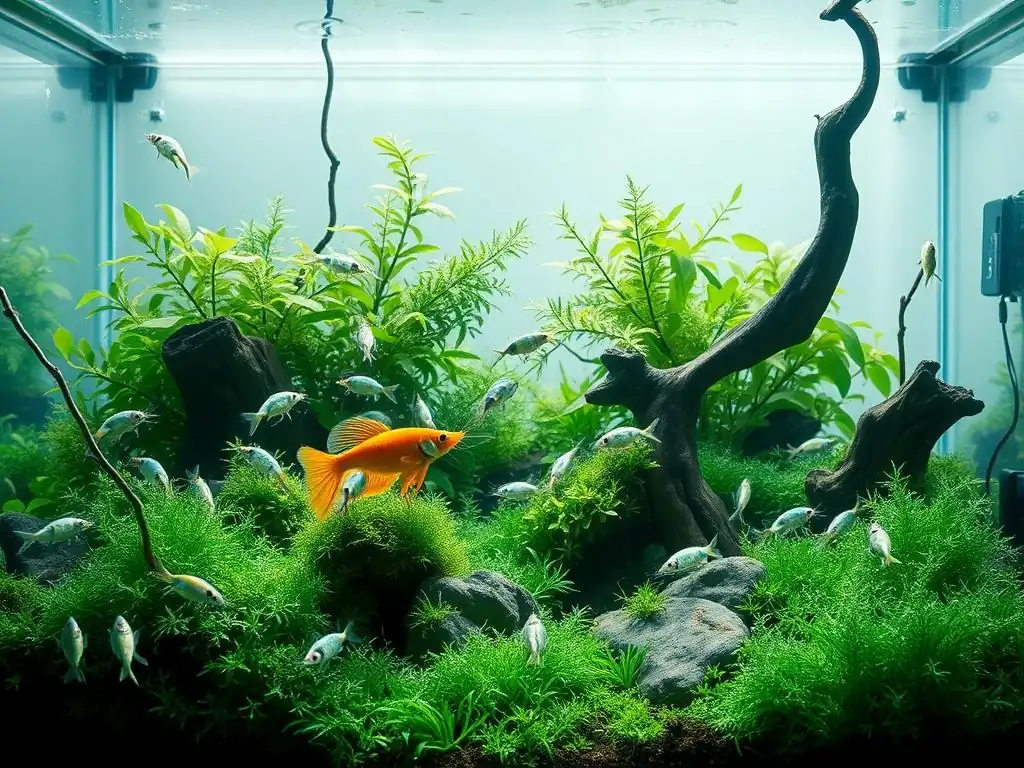
Ever wondered if you can create a thriving community tank and keep your Neocaridina shrimp safe and happy? You're in the right place! Uncover the secrets to choosing the perfect Neocaridina shrimp tank mates and discover which fish are friends, not food. Get ready to dive in and create a harmonious aquatic paradise!
- Introduction: Creating a Peaceful Community Aquarium for Neocaridina Shrimp
- Understanding Neocaridina Shrimp Needs and Vulnerabilities
- Best Peaceful Tank Mates for Neocaridina Shrimp
- Incompatible Tank Mates: Fish to Avoid with Neocaridina Shrimp
- Setting Up Your Neocaridina Shrimp Community Tank: A Step-by-Step Guide
- Maintaining a Healthy and Balanced Ecosystem for Shrimp and Tank Mates
- Troubleshooting Common Issues in Shrimp Community Tanks
- Conclusion: Enjoying a Thriving Neocaridina Shrimp and Tank Mate Community
-
Frequently Asked Questions
- What are the best safe tank mates for my Neocaridina shrimp?
- What kinds of fish should I avoid keeping with Neocaridina shrimp?
- How important is tank size when choosing Neocaridina shrimp tank mates?
- What should I consider regarding water parameters when introducing tank mates to my Neocaridina shrimp?
- How can I ensure my Neocaridina shrimp colony thrives even with tank mates?
- Final Reflection: Cultivating Harmony in the Aquarium
- Cultivate Your Shrimp Paradise
Introduction: Creating a Peaceful Community Aquarium for Neocaridina Shrimp
Why Choose Tank Mates for Your Shrimp Aquarium? Benefits and Considerations
Adding appropriate Neocaridina shrimp tank mates can significantly enhance the visual appeal and ecological balance of your aquarium. Beyond simply populating the tank, compatible companions can contribute to a more dynamic and engaging ecosystem. For instance, certain snail species effectively control algae, while small, peaceful fish can add vibrant color and movement to the mid and upper water columns, creating a livelier display than a shrimp-only tank. This diversity not only makes your aquarium more interesting to observe but can also mimic a more natural aquatic environment.
However, the decision to introduce Neocaridina shrimp tank mates requires careful consideration to ensure the well-being of your delicate shrimp. The primary goal is always the safety and thriving of your Neocaridina colony. Incompatible tank mates can introduce stress, competition for food, or, most critically, predation, leading to a decline in your shrimp population. Researching each potential species' temperament, adult size, and dietary habits before introduction is paramount to fostering a harmonious community tank.
Understanding Neocaridina Shrimp Temperament and Compatibility
Neocaridina shrimp, such as the popular Cherry Shrimp or Blue Dream Shrimp, are inherently peaceful and non-aggressive invertebrates. They spend their days grazing on biofilm, algae, and detritus, rarely bothering other inhabitants. Their small size, typically reaching only about 1 to 1.5 inches (2.5 to 3.8 cm) as adults, makes them vulnerable to predation by even moderately sized fish. This inherent vulnerability means that compatibility is largely determined by whether a potential tank mate views the shrimp, especially their tiny shrimplets, as a food source.
Due to their docile nature and small stature, Neocaridina shrimp thrive best with tank mates that are equally peaceful, lack predatory instincts, and have mouths too small to consume even the smallest shrimplets. Even seemingly harmless fish can pose a threat to freshly molted or juvenile shrimp. Therefore, selecting Neocaridina shrimp tank mates requires a focus on micro-species that prefer different parts of the water column and do not exhibit territorial or aggressive behaviors, ensuring a stress-free environment for your thriving colony.
Understanding Neocaridina Shrimp Needs and Vulnerabilities
Water Parameters: The Foundation of a Healthy Shrimp Tank
Maintaining stable and appropriate water parameters is the cornerstone of a healthy Neocaridina shrimp tank. These freshwater invertebrates thrive within a specific range: a pH level between 6.5 and 8.0, a General Hardness (GH) of 6-10 dGH, and a Carbonate Hardness (KH) of 0-8 dKH. The Total Dissolved Solids (TDS) typically ranges from 150-300 ppm, indicating the presence of essential minerals crucial for successful molting. Temperatures should ideally be kept stable between 68-78°F (20-25.5°C), as rapid fluctuations can cause significant stress.
These precise parameters are not merely guidelines; they directly impact the shrimp's ability to molt, reproduce, and maintain overall health. For instance, insufficient GH can lead to failed molts, a common cause of shrimp mortality. When considering Neocaridina shrimp tank mates, it is crucial to select species that can also thrive within these narrow water chemistry ranges. Introducing fish or other invertebrates with vastly different parameter requirements can create an unstable environment, compromising the health of the entire community.
Shelter and Hiding Places: Essential for Shrimp Survival
Providing ample shelter and hiding places is critical for the survival and well-being of Neocaridina shrimp, especially when housed with other Neocaridina shrimp tank mates. Dense live plants such as Java Moss, Christmas Moss, Anubias, and Bucephalandra offer excellent refuge, particularly for vulnerable molting shrimp and tiny shrimplets. Driftwood, rock formations, and ceramic shrimp caves also serve as vital safe havens where shrimp can retreat from perceived threats or simply rest.
These hiding spots reduce stress by allowing shrimp to escape the attention of other inhabitants, even those considered peaceful. A secure environment encourages shrimp to be more active and less prone to hiding, leading to more natural behaviors like foraging and breeding. Without sufficient cover, shrimp may become overly stressed, leading to reduced activity, poor coloration, and increased susceptibility to disease or predation from even the most benign Neocaridina shrimp tank mates.
Feeding Habits: Avoiding Competition for Food
Neocaridina shrimp are primarily detritivores and biofilm grazers, constantly sifting through substrate and surfaces for microscopic food particles. They also readily consume algae, decaying plant matter, and specialized shrimp foods like pellets or blanched vegetables. Their slow and deliberate feeding style means they can easily be outcompeted for food by faster, more assertive Neocaridina shrimp tank mates, particularly fish that are quick to snatch up sinking foods.
To ensure your shrimp receive adequate nutrition, it's essential to observe their feeding patterns and those of their tank mates. If fish consume all the food before shrimp can access it, the shrimp may become undernourished, leading to stunted growth, poor health, and reduced breeding. Strategies such as targeted feeding (dropping food directly into shrimp-dense areas) or feeding after the lights are out can help. Additionally, maintaining a healthy biofilm layer on surfaces and providing a variety of food sources ensures all Neocaridina shrimp tank mates, especially the shrimp, get their fair share.
Best Peaceful Tank Mates for Neocaridina Shrimp
Small, Non-Aggressive Fish: Ideal Companions
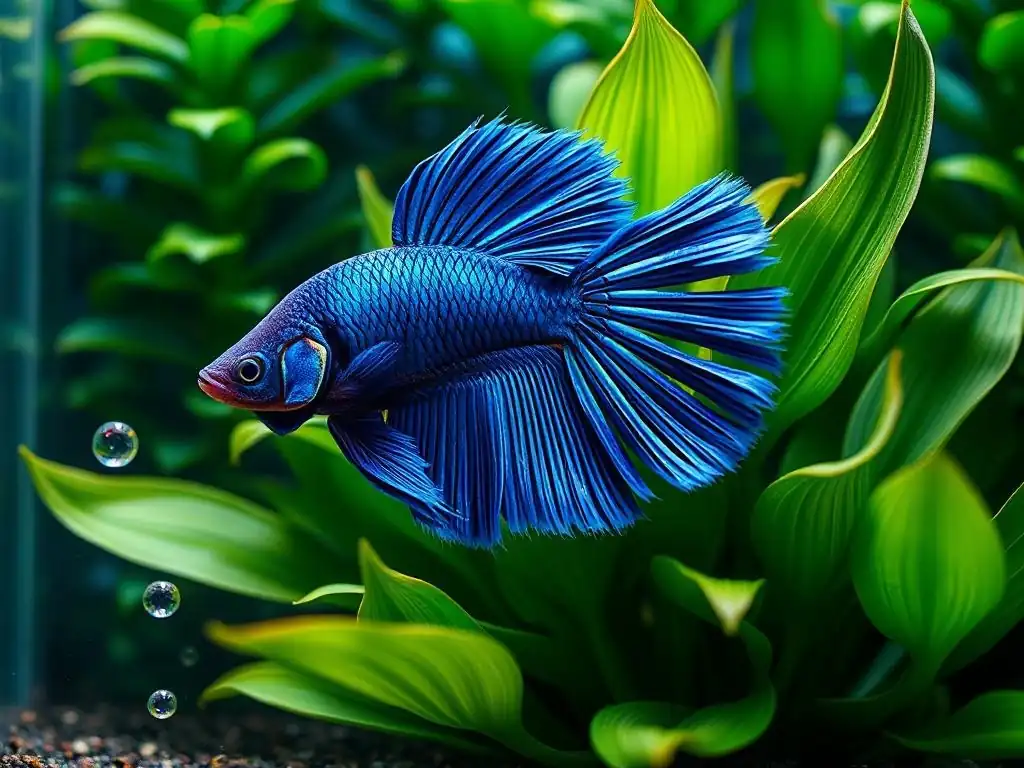
Small, non-aggressive fish are often considered the best finned Neocaridina shrimp tank mates, provided they meet specific criteria: they must have very small mouths, be peaceful by nature, and ideally, occupy different water columns to minimize direct interaction.
Ember Tetras: A Colorful and Peaceful Option
Ember Tetras ( Hyphessobrycon amandae) are an excellent choice for Neocaridina shrimp tank mates. These vibrant orange-red fish typically grow to a maximum size of only about 0.8 inches (2 cm), making them one of the smallest tetra species. Their diminutive size and tiny mouths mean they pose virtually no threat to adult Neocaridina shrimp and are generally safe even for larger shrimplets. They are peaceful schooling fish that prefer to swim in the mid-water column, leaving the bottom and planted areas for the shrimp.
A school of 6-10 Ember Tetras can add a beautiful splash of color and active movement to your tank without disturbing your shrimp. While they might occasionally investigate a newborn shrimplet, their natural diet of small invertebrates and prepared foods, combined with a well-fed regimen, significantly reduces any predatory tendencies. They thrive in planted tanks with stable water parameters, similar to those favored by Neocaridina shrimp, making them highly compatible Neocaridina shrimp tank mates.
Chili Rasboras: Vibrant and Shrimp-Safe
Chili Rasboras ( Boraras brigittae) are another superb option when seeking peaceful Neocaridina shrimp tank mates. Reaching an even smaller size of approximately 0.7 inches (1.8 cm), these tiny, striking red fish are among the smallest aquarium species available. Their extremely small mouths make it virtually impossible for them to consume even the smallest shrimplets, let alone adult shrimp. They are incredibly peaceful and prefer to school in densely planted areas, often displaying their best colors in such environments.
These micro-fish are shy and do best in a school of at least 8-12 individuals, which helps them feel secure and reduces stress. Chili Rasboras primarily feed on micro-fauna and very fine dry foods, ensuring they won't compete aggressively with shrimp for food. Their preference for soft, slightly acidic water can be adapted to Neocaridina parameters, solidifying their status as highly recommended Neocaridina shrimp tank mates that add delicate beauty without risk.
Pygmy Corydoras: Bottom-Dwelling Clean-Up Crew
Pygmy Corydoras ( Corydoras pygmaeus) are adorable and highly beneficial bottom-dwelling fish that make excellent Neocaridina shrimp tank mates. Growing to just about 1 inch (2.5 cm), these miniature catfish are incredibly peaceful and active, constantly sifting through the substrate for detritus and leftover food. Unlike larger Corydoras species, their small size means they pose no threat to adult shrimp or even most shrimplets.
Keeping a group of at least 6 Pygmy Corydoras is recommended, as they are schooling fish and feel more secure in numbers. They occupy a different niche in the tank, primarily staying on the substrate, which minimizes direct interaction and competition with shrimp for space in the water column. Their diligent clean-up efforts can also contribute to a healthier tank environment, making them valuable and safe Neocaridina shrimp tank mates.
Invertebrate Tank Mates: Expanding Your Aquarium's Biodiversity
Adding other invertebrates can further enhance your aquarium's biodiversity and contribute to tank maintenance, with many species proving to be excellent Neocaridina shrimp tank mates.
Mystery Snails: Algae Eaters and Tank Cleaners
Mystery Snails ( Pomacea bridgesii) are large, active, and peaceful snails that make fantastic Neocaridina shrimp tank mates. They can grow up to 2 inches (5 cm) in shell diameter and come in a variety of beautiful colors, including gold, blue, and ivory. These snails are excellent algae eaters, diligently cleaning tank glass, decorations, and plant leaves without harming healthy plant foliage. They are also efficient at consuming decaying organic matter and leftover fish food, acting as a valuable part of the clean-up crew.
Mystery Snails are completely harmless to Neocaridina shrimp, as they are not predatory and move slowly. They will not compete aggressively for food, and their presence adds an interesting dynamic to the tank. While they can reproduce in freshwater, their egg clutches are laid above the waterline and are easy to spot and remove if population control is desired, making them manageable and beneficial Neocaridina shrimp tank mates.
Nerite Snails: Effective Algae Control without Overwhelming Shrimp
Nerite Snails (various species, such as Vittina natalensis or Clithon sp.) are arguably the best algae-eating snails for any freshwater aquarium, including Neocaridina shrimp tanks. They typically reach about 0.5 to 1 inch (1.3 to 2.5 cm) in size and are renowned for their incredible efficiency in consuming various types of algae, including stubborn green spot algae and diatoms, from hard surfaces. Their unique advantage is that they cannot reproduce in freshwater, meaning they will not overpopulate your tank with snail offspring.
These snails are entirely peaceful and pose no threat whatsoever to Neocaridina shrimp, regardless of size. They glide slowly over surfaces, diligently cleaning without disturbing shrimp or plants. Their inability to breed in freshwater makes them a worry-free choice for algae control, providing a significant benefit to the tank's cleanliness and overall aesthetic. This makes them highly recommended and safe Neocaridina shrimp tank mates.
Ramshorn Snails: Beneficial Detritus Eaters (with Caution)
Ramshorn Snails ( Planorbella spp.), named for their spiral, ram's horn-shaped shells, are another common and generally beneficial invertebrate for a Neocaridina shrimp tank. They typically grow up to 1 inch (2.5 cm) and are excellent at consuming detritus, leftover food, and soft algae. They contribute to the tank's cleanliness by breaking down organic waste, which can help maintain water quality.
While generally peaceful and harmless to healthy shrimp, a word of caution is necessary: Ramshorn Snails are prolific breeders. If overfed, their population can explode rapidly, potentially leading to an unsightly number of snails and increased bioload. However, if feeding is managed carefully, they can be valuable Neocaridina shrimp tank mates, providing an additional layer of tank maintenance. Their presence often indicates a healthy level of biofilm and detritus for the shrimp to graze on as well.
Incompatible Tank Mates: Fish to Avoid with Neocaridina Shrimp
When selecting Neocaridina shrimp tank mates, it is crucial to understand which species pose a significant threat. Even seemingly minor risks can lead to the rapid decline of a shrimp colony.
Predatory Fish: A Definite No-No
Predatory fish will actively hunt and consume Neocaridina shrimp, making them entirely unsuitable Neocaridina shrimp tank mates.
Betta Fish (Siamese Fighting Fish)
Betta fish ( Betta splendens) are carnivorous by nature, and while they may appear peaceful to larger fish, they are opportunistic predators. Even a small Betta will view shrimp, especially shrimplets, as a readily available food source. Their natural instinct to hunt and consume small invertebrates means that a Betta placed in a Neocaridina shrimp tank will systematically decimate the colony.
Reports from aquarists consistently show that Betta fish, even those with a seemingly calm disposition, will eventually prey on shrimp. They are not suitable Neocaridina shrimp tank mates, as their presence will lead to constant stress for the shrimp and a rapid decrease in population, often leaving no survivors.
Cichlids (Various Species)
Most Cichlid species, ranging from the popular Angelfish ( Pterophyllum scalare) to various Dwarf Cichlids like Apistogramma species, are highly predatory or territorial. Even the smaller dwarf varieties, despite their size, are natural hunters of small invertebrates and fish. Their mouths are perfectly suited for consuming shrimp of all sizes, from newly hatched shrimplets to mature adults.
Introducing any Cichlid as a Neocaridina shrimp tank mate is a recipe for disaster. They will actively hunt and consume your shrimp, seeing them as a live food source rather than tank companions. The aggressive nature and predatory instincts of most Cichlids make them fundamentally incompatible with the peaceful and vulnerable Neocaridina shrimp.
Assassin Snails
Assassin Snails ( Anentome helena) are carnivorous snails specifically kept to control populations of pest snails like Ramshorns or Pond snails. While they primarily target other snails, their predatory nature means they are not ideal Neocaridina shrimp tank mates. While they generally do not actively hunt healthy, active adult shrimp, they can pose a threat to molting shrimp, sick shrimp, or very young shrimplets, which are vulnerable and slow-moving.
Their presence also means competition for any available snail prey, which might be a food source for shrimp. Although not as direct a threat as predatory fish, the risk they pose to vulnerable shrimp, coupled with their specialized diet, makes them unsuitable for a peaceful Neocaridina shrimp community tank aiming for population growth.
Aggressive Fish: Causing Stress and Competition
Aggressive or boisterous fish, even if not directly predatory, can cause immense stress and competition for Neocaridina shrimp, leading to poor health and a reluctance to breed.
Tiger Barbs
Tiger Barbs ( Puntius tetrazona) are well-known for their semi-aggressive, fin-nipping behavior and highly active swimming. They are constantly on the move and will often harass slower-moving or smaller tank mates. While they may not consume adult shrimp outright, their incessant chasing and nipping will stress Neocaridina shrimp to the point where they hide constantly, refuse to feed, and become susceptible to illness.
The high energy and territorial nature of Tiger Barbs make them completely unsuitable Neocaridina shrimp tank mates. The constant harassment will prevent shrimp from exhibiting natural behaviors, severely impact their well-being, and ultimately lead to a decline in the colony.
Rosy Barbs
Rosy Barbs ( Pethia conchonius) are generally more peaceful than Tiger Barbs, but they can still be boisterous and occasionally nippy, especially in smaller tanks or when not kept in a sufficiently large school. Their active swimming and curious nature can be intimidating to the delicate and shy Neocaridina shrimp.
While not typically predatory on adult shrimp, their erratic movements and occasional chasing can cause significant stress for shrimp, leading them to hide more often and potentially impacting their feeding and breeding success. Therefore, Rosy Barbs are not recommended as Neocaridina shrimp tank mates, as the risk of stress outweighs any potential benefits.
Most Loaches
Many species of Loaches, such as Clown Loaches ( Chromobotia macracanthus) or Yoyo Loaches ( Botia almorhae), are known molluscivores, meaning they actively consume snails. This very trait makes them a severe threat to shrimp. While they might primarily target snails, their opportunistic feeding habits mean they will readily consume any small invertebrate that fits in their mouth, including shrimplets and even adult Neocaridina shrimp.
Even smaller Loach species can pose a significant risk to the tiny shrimplets. Their foraging behavior and potential for predation make most Loaches incompatible with a thriving Neocaridina shrimp colony. They are definitively not suitable Neocaridina shrimp tank mates.
Large Fish: Potential for Accidental Consumption
Large fish, even if not inherently aggressive, pose a risk to Neocaridina shrimp simply due to their size and opportunistic feeding habits. Anything small enough to fit in their mouths is fair game.
Goldfish
Goldfish ( Carassius auratus) are large, messy, and highly opportunistic omnivores. They are known to eat anything that fits into their surprisingly large mouths, and this absolutely includes Neocaridina shrimp of all sizes. A single Goldfish can quickly decimate an entire shrimp colony.
Furthermore, Goldfish produce a significant amount of waste, which can rapidly foul the water. This high bioload makes it extremely challenging to maintain the pristine and stable water parameters essential for Neocaridina shrimp. Combining these factors, Goldfish are fundamentally incompatible and should never be considered as Neocaridina shrimp tank mates.
Angelfish
Angelfish ( Pterophyllum scalare) are majestic and popular aquarium fish, but they are also predatory Cichlids. Despite their elegant appearance, they have large mouths and a natural instinct to hunt smaller prey. Neocaridina shrimp, regardless of their size, are viewed as a food source by Angelfish.
Even a juvenile Angelfish will quickly learn to hunt and consume shrimplets, and adult Angelfish will readily devour adult Neocaridina shrimp. Therefore, Angelfish are entirely unsuitable and dangerous Neocaridina shrimp tank mates, as they will inevitably lead to the demise of your shrimp colony.
Plecostomus
Common Plecostomus ( Hypostomus plecostomus) and many other large L-number Plecos can grow to immense sizes, often exceeding 1 foot (30 cm) in length. While primarily herbivorous and known for their algae-eating capabilities, their sheer size and powerful movements can accidentally crush or injure delicate Neocaridina shrimp.
Moreover, larger Plecos produce a significant amount of waste, which can drastically increase the bioload and make it difficult to maintain the stable, low-nitrate water conditions that Neocaridina shrimp require. While they might not actively hunt shrimp, the risk of accidental harm and their impact on water quality make them generally unsuitable Neocaridina shrimp tank mates.
Setting Up Your Neocaridina Shrimp Community Tank: A Step-by-Step Guide
Tank Size and Aquascaping: Creating a Shrimp-Friendly Environment
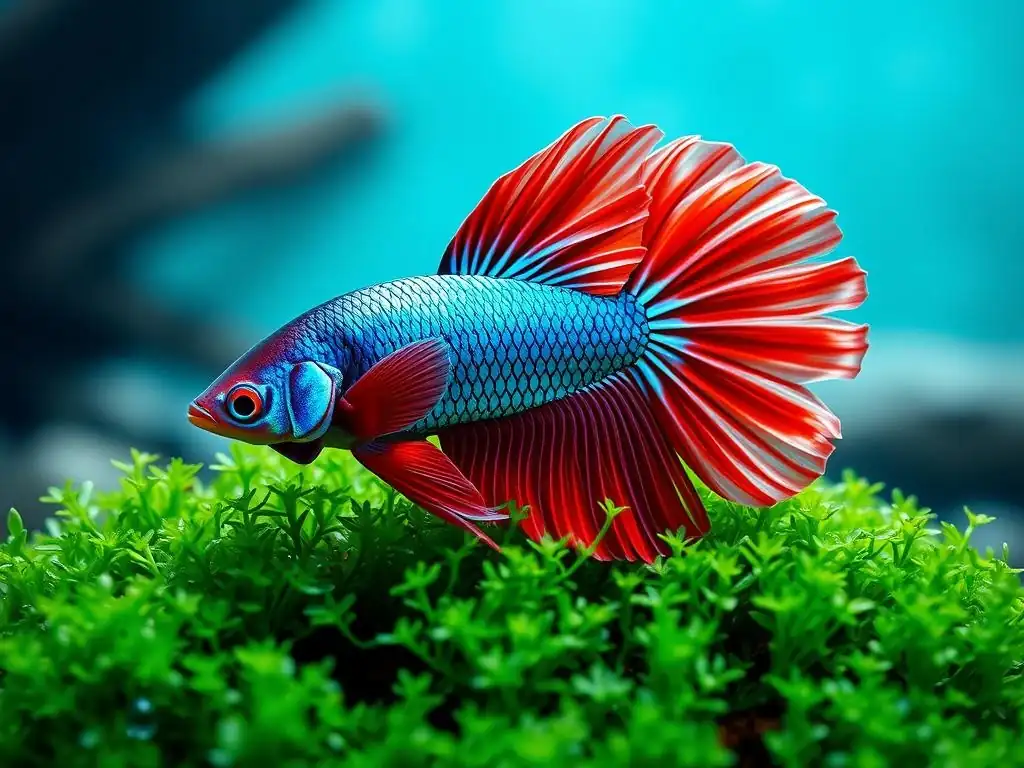
When setting up a community tank for Neocaridina shrimp and their tank mates, a minimum tank size of 10 gallons (approximately 38 liters) is highly recommended. This provides sufficient water volume to maintain stable parameters, which is crucial for shrimp sensitivity, and offers enough space for both shrimp and their companions without overcrowding. Aquascaping should prioritize the shrimp's needs: dense planting is essential, utilizing plants like Java moss, Christmas moss, or Subwassertang, which provide extensive surface area for grazing and critical hiding spots.
Incorporating hardscape elements such as driftwood and rocks further enhances the environment, offering additional refuges and areas for biofilm growth. A well-scaped tank with plenty of cover reduces stress for the shrimp, allowing them to feel secure even with other Neocaridina shrimp tank mates present. This secure environment encourages natural behavior, including breeding, and provides safe zones for molting shrimp, which are particularly vulnerable.
Introducing New Tank Mates: Acclimation and Quarantine
Proper acclimation and quarantine are vital steps when introducing any new Neocaridina shrimp tank mates to prevent stress, disease, and potential aggression. All new aquatic inhabitants, especially shrimp, should be drip acclimated over at least 1-2 hours to slowly equalize water parameters like pH and temperature between their transport bag and the tank. Rapid changes can induce osmotic shock, which is often fatal for sensitive invertebrates.
Furthermore, a quarantine period of 2-4 weeks in a separate, dedicated quarantine tank is strongly advised for any new fish or invertebrates before introducing them to your main Neocaridina shrimp tank. This allows you to observe for signs of disease, parasites, or aggressive behavior without risking the health of your established colony. Quarantining new Neocaridina shrimp tank mates protects your entire ecosystem from potential pathogens and ensures they are healthy and suitable companions.
Monitoring Water Parameters and Shrimp Behavior
Consistent monitoring of water parameters is non-negotiable for a healthy Neocaridina shrimp community tank. Regular testing for pH, GH, KH, nitrates, and nitrites, ideally weekly with a reliable liquid test kit, helps ensure the environment remains within the shrimp's optimal range. Significant fluctuations or elevated nitrate levels (above 20 ppm) can quickly lead to stress, illness, and even death for shrimp, even if their Neocaridina shrimp tank mates seem unaffected.
Equally important is observing the behavior of your shrimp. Healthy Neocaridina shrimp are typically active, constantly grazing on surfaces, displaying vibrant coloration, and molting successfully every few weeks. Signs of stress include lethargy, constant hiding, erratic swimming, cloudy bodies, or failed molts. Any unusual behavior should prompt an immediate check of water parameters and a review of the Neocaridina shrimp tank mates to identify potential issues before they escalate.
Maintaining a Healthy and Balanced Ecosystem for Shrimp and Tank Mates
Regular Water Changes: Keeping Water Quality Optimal
Regular water changes are paramount for maintaining optimal water quality in a Neocaridina shrimp community tank. Performing weekly 10-20% water changes helps to remove accumulated nitrates, phosphates, and other waste products that can be harmful to shrimp and their Neocaridina shrimp tank mates. It also replenishes essential minerals that are consumed over time. It is crucial to use dechlorinated water that is temperature-matched to the tank water to prevent sudden shocks.
Consistency in water changes is key, as Neocaridina shrimp are particularly sensitive to fluctuations in water chemistry. A stable environment minimizes stress, promotes healthy molting, and supports successful breeding. Neglecting water changes can lead to a gradual decline in water quality, manifesting as increased algae, stressed inhabitants, and a higher risk of disease for all Neocaridina shrimp tank mates.
Feeding Schedule: Ensuring Adequate Nutrition for All Inhabitants
Establishing an appropriate feeding schedule is crucial to ensure all inhabitants, especially the slower-feeding Neocaridina shrimp, receive adequate nutrition without overfeeding the tank. For shrimp, feeding specialized shrimp pellets, blanched vegetables (like zucchini or spinach), or algae wafers 2-3 times a week is generally sufficient, as they also graze on biofilm and detritus. For fish Neocaridina shrimp tank mates, feed a small amount once daily that they can consume within 2-3 minutes.
Overfeeding is a common mistake that leads to excess waste, fouled water, and algae blooms. It also exacerbates competition for food, as faster fish can quickly consume all available offerings. To ensure shrimp get their share, consider dropping shrimp-specific food into dense moss or other areas where fish cannot easily reach, or feed the fish first, then add shrimp food. This strategic approach helps maintain a balanced and healthy ecosystem for all Neocaridina shrimp tank mates.
Observing for Signs of Stress or Illness
Vigilant observation of all tank inhabitants is a powerful tool for early detection of stress or illness. For Neocaridina shrimp, signs of distress include constant hiding, lethargy, swimming erratically, a cloudy or opaque appearance, or unsuccessful molts (where the old exoskeleton remains partially attached). For fish Neocaridina shrimp tank mates, look for clamped fins, rapid gilling, gasping at the surface, unusual spots or growths, or loss of appetite.
Early identification of these symptoms allows for prompt intervention, such as performing a small water change, adjusting parameters, or isolating affected individuals if necessary. Addressing issues quickly can prevent minor problems from escalating into widespread disease or stress that impacts the entire Neocaridina shrimp tank mates community. Regular, attentive observation is a cornerstone of proactive aquarium husbandry.
Troubleshooting Common Issues in Shrimp Community Tanks
Shrimp Deaths: Identifying Potential Causes and Solutions
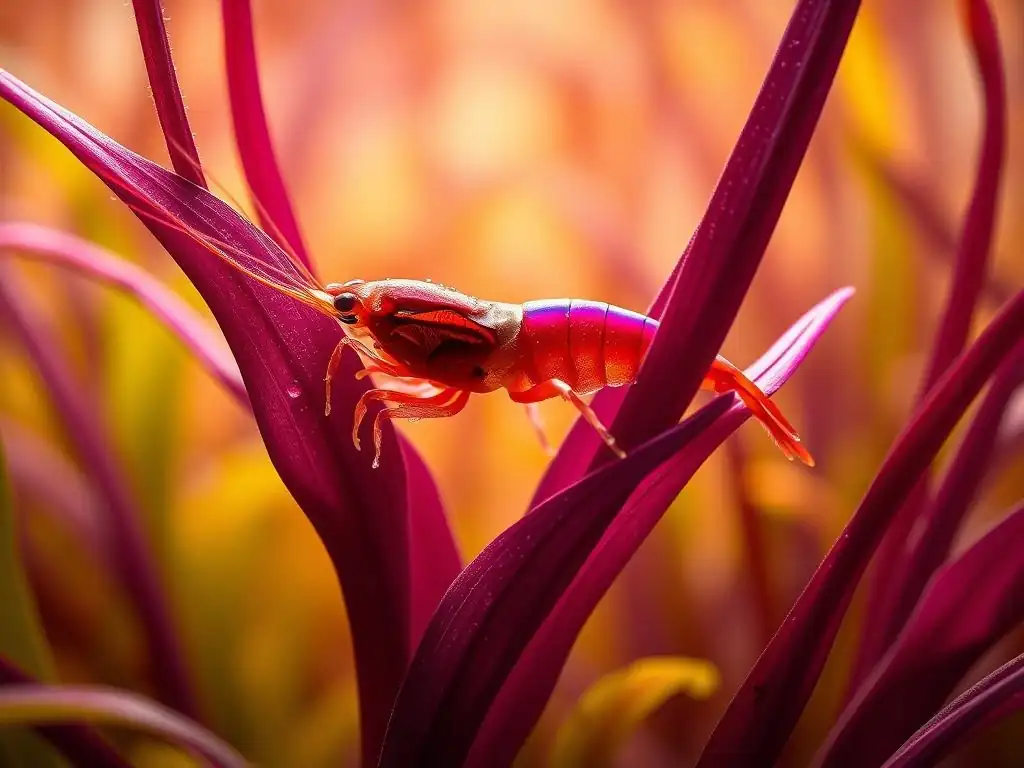
Shrimp deaths in a community tank can be distressing and often point to underlying environmental issues. Common causes include rapid fluctuations in water parameters (pH, GH, KH), high levels of nitrates (above 20 ppm), or the presence of copper in the water, which is highly toxic to invertebrates. Failed molts, often due to insufficient minerals (low GH/KH), are another frequent cause. Occasionally, the stress caused by unsuitable Neocaridina shrimp tank mates can also lead to deaths.
To address this, first, test all water parameters immediately. Perform a small, slow water change with properly dechlorinated and temperature-matched water. If your tap water is soft or contains undesirable elements, consider using RO/DI water remineralized to appropriate levels. Ensure no copper-containing medications or plant fertilizers are being used. Re-evaluate your Neocaridina shrimp tank mates to confirm their compatibility and ensure they are not causing undue stress or predation.
Algae Blooms: Maintaining a Balanced Ecosystem
Algae blooms are a common issue in aquariums and can indicate an imbalance in the ecosystem. The primary causes are often excessive light (more than 8-10 hours daily), overfeeding, and high levels of nitrates and phosphates in the water. While some algae is beneficial for shrimp grazing, an uncontrolled bloom can be unsightly and outcompete beneficial plants.
Solutions include reducing the duration of tank lighting, cutting back on feeding to prevent excess nutrients, and increasing the frequency or volume of water changes to lower nitrates and phosphates. Introducing effective algae-eating Neocaridina shrimp tank mates, such as Nerite Snails, can also significantly help in controlling various types of algae. Ensuring a good balance of light, nutrients, and appropriate clean-up crew members is key to managing algae in your community tank.
Competition for Food: Ensuring All Inhabitants Get Enough to Eat
In a community tank with Neocaridina shrimp tank mates, competition for food can be a significant challenge, especially since fish are often faster and more aggressive eaters than the slow-moving shrimp. If fish consume all the food before shrimp have a chance to graze, the shrimp can become malnourished, leading to poor health and reduced breeding.
To ensure all inhabitants receive adequate nutrition, implement strategic feeding practices. One effective method is to feed your fish first, allowing them to consume their portion, then add shrimp-specific food (like sinking pellets or blanched vegetables) to areas of the tank where shrimp congregate, such as dense moss or under driftwood, which fish may not easily access. Additionally, ensuring a healthy biofilm layer is present on tank surfaces provides a constant, natural food source for the shrimp, supplementing their diet and reducing direct competition with their Neocaridina shrimp tank mates.
Conclusion: Enjoying a Thriving Neocaridina Shrimp and Tank Mate Community
The Rewards of a Well-Planned and Maintained Shrimp Aquarium
Creating a well-planned and meticulously maintained Neocaridina shrimp community tank offers immense rewards. The vibrant colors of a thriving shrimp colony, combined with the graceful movements of carefully selected, peaceful Neocaridina shrimp tank mates, transform your aquarium into a living work of art. Observing the intricate interactions within this miniature ecosystem—shrimp grazing on plants, snails diligently cleaning surfaces, and tiny fish schooling peacefully—provides endless fascination and a profound sense of accomplishment.
Beyond the aesthetic appeal, a balanced community tank exemplifies successful aquatic husbandry. It showcases your ability to provide an optimal environment where delicate Neocaridina shrimp can thrive, breed, and coexist harmoniously with other species. This success is a testament to diligent research, consistent care, and a deep understanding of the specific needs of each inhabitant, culminating in a beautiful and self-sustaining aquatic haven.
Further Resources for Neocaridina Shrimp Care and Compatibility
The journey of maintaining a successful Neocaridina shrimp and tank mate community is an ongoing learning experience. To continue expanding your knowledge and ensuring the long-term health of your aquatic inhabitants, further resources are invaluable. Detailed species profiles for specific shrimp varieties and their compatible tank mates, in-depth guides on water chemistry, and troubleshooting common issues are readily available.
AquariumMastery.com provides a wealth of information, organized by aquarium type, species profiles, and maintenance schedules, offering a comprehensive resource for both novice and experienced aquarists. Continuously consulting reliable sources and engaging with the broader aquarist community will empower you to make informed decisions, adapt to new challenges, and enjoy a flourishing Neocaridina shrimp tank for years to come.
Frequently Asked Questions
What are the best safe tank mates for my Neocaridina shrimp?
The best tank mates are usually small, peaceful fish that won't prey on the shrimp. Good options include Otocinclus catfish, Ember Tetras, and certain types of Rasboras.
What kinds of fish should I avoid keeping with Neocaridina shrimp?
Avoid larger, predatory fish like Cichlids, Angelfish, and many Tetras. These fish often see shrimp as a tasty snack.
How important is tank size when choosing Neocaridina shrimp tank mates?
Tank size is crucial. A larger tank provides more hiding places for the shrimp and reduces the likelihood of them being harassed or eaten by tank mates.
What should I consider regarding water parameters when introducing tank mates to my Neocaridina shrimp?
Ensure all inhabitants can tolerate the same water parameters. Neocaridina shrimp prefer stable conditions; abrupt changes can be stressful.
How can I ensure my Neocaridina shrimp colony thrives even with tank mates?
Provide plenty of hiding places such as plants, driftwood, and caves. Also, ensure the shrimp are getting enough food without it being stolen by the fish.
Final Reflection: Cultivating Harmony in the Aquarium
The journey of establishing a thriving Neocaridina shrimp colony extends beyond mere survival; it's about fostering a balanced ecosystem. Understanding the delicate interplay between species is paramount to ensuring the well-being of these fascinating creatures. This article has explored the nuances of selecting appropriate tank mates, highlighting the importance of compatibility and the potential pitfalls of ill-considered pairings.
The impact of responsible aquascaping resonates far beyond the glass walls of our tanks. It reflects a deeper understanding of ecological principles and our role as stewards of these miniature worlds. The careful consideration we give to our shrimp's environment mirrors the care we should extend to the larger ecosystems around us. The best aquarium is not just a collection of plants and animals, but a carefully crafted ecosystem that supports the life within.
This quote underscores the responsibility we bear to create environments where all inhabitants can flourish.
Now, as you embark on or continue your journey with Neocaridina shrimp, take a moment to reflect on the lessons learned. Consider how you can apply these principles of compatibility and responsible care not only to your aquarium but also to your interactions with the natural world. Let us all strive to be mindful custodians, creating spaces where life, in all its delicate beauty, can thrive.
Cultivate Your Shrimp Paradise
Thank you for diving into the world of Neocaridina shrimp! We hope you’ve found valuable insights to create a thriving and harmonious aquarium. Now, let’s take that knowledge and put it into action to truly elevate your shrimp-keeping experience.
Here's what you can do next:
- Prioritize your shrimp's safety by revisiting your tank and immediately rehoming any fish that pose a threat, even if they seem peaceful now. This is crucial for the long-term success of your colony.
- Consider adding more hiding places like moss balls or cholla wood to provide your shrimp with extra security and grazing opportunities.
- Share your shrimp-keeping journey! Post a photo of your Neocaridina colony on social media using #AquariumMasteryShrimp and inspire other aquarists.
Ready to transform your aquarium into a vibrant, thriving haven for your Neocaridina shrimp?