
Breeding Glowlight Tetras: A BeginnerFriendly Path to Tetra Spawning Success

Welcome to Aquarium Mastery!
Ever wondered how to bring the magic of glowing life into your own home? Dive in, because in this guide, we’re unlocking the secrets to successfully breeding Glowlight Tetras. Prepare to be amazed as we walk you through a beginner-friendly path to tetra spawning success. Ready to witness this incredible process firsthand? Let's get started!
- Introduction to Glowlight Tetra Breeding: A Rewarding Aquarium Mastery Experience
- Setting Up Your Glowlight Tetra Breeding Tank: Creating the Ideal Environment
- Conditioning Your Glowlight Tetras for Breeding: Preparing for Spawning
- The Glowlight Tetra Spawning Process: What to Expect
- Raising Glowlight Tetra Fry: From Eggs to Juveniles
- Troubleshooting Common Glowlight Tetra Breeding Issues
- Congratulations! Your Glowlight Tetra Breeding Success
- Conclusion: The Fulfillment of Breeding Glowlight Tetras
-
Frequently Asked Questions
- How difficult is it to breed Glowlight Tetras for a beginner?
- What are the key water parameters for inducing Glowlight Tetra spawning?
- What kind of spawning tank setup is recommended for Glowlight Tetras?
- How do I prevent the parent Glowlight Tetras from eating the eggs?
- How long does it take for Glowlight Tetra eggs to hatch and for the fry to become free-swimming?
- Final Reflection: Illuminating the Path to Tetra Parenthood
- Ignite Your Aquarium: Begin Your Tetra Breeding Journey!
Introduction to Glowlight Tetra Breeding: A Rewarding Aquarium Mastery Experience
Why Breed Glowlight Tetras? The Joys of Tetra Spawning
Breeding Glowlight Tetras (Hemigrammus erythrozonus) offers a uniquely rewarding experience for any aquarist, transforming a simple hobby into a profound exploration of aquatic life cycles. The satisfaction of observing tiny, translucent eggs hatch into vibrant, miniature versions of their parents is unparalleled. Beyond the sheer joy, successfully breeding these peaceful fish contributes significantly to your understanding of fish biology, water chemistry, and the intricate balance required to sustain a thriving aquatic environment. It's a hands-on learning journey that deepens your connection to the aquarium hobby.
Furthermore, breeding Glowlight Tetras can be a practical endeavor. A single successful spawning can yield dozens, sometimes over a hundred, fry. This abundance means you can populate your own tanks without purchasing additional fish, or even share or trade the offspring with local fish stores or fellow hobbyists. This aspect not only saves money but also promotes the availability of tank-bred fish, reducing demand on wild populations and supporting sustainable practices within the aquarium community. It’s a tangible way to apply your knowledge gained from an effective Glowlight tetra spawning guide.
Understanding Glowlight Tetra Reproductive Behavior
Glowlight Tetras originate from the blackwater and clearwater streams of South America, particularly in regions of Guyana and Brazil. In their natural habitat, they are egg-scattering fish, meaning they do not build nests or provide parental care. Instead, they scatter their adhesive eggs amongst fine-leaved plants or submerged roots, leaving them to hatch on their own. This reproductive strategy implies that in a captive breeding setup, measures must be taken to protect the eggs from being consumed by the adult fish.
Their reproductive behavior in an aquarium typically involves the male chasing the female, nudging her towards a preferred spawning site. This courtship display often occurs in the early morning hours, signaling the readiness of the pair to spawn. Unlike some fish species, Glowlight Tetras do not form strong pair bonds; rather, they are often bred in a group or a specific male-to-female ratio, such as two males to one female, to maximize spawning success. Understanding these natural instincts is crucial for creating an effective Glowlight tetra spawning guide.
Setting Up Your Glowlight Tetra Breeding Tank: Creating the Ideal Environment
Tank Size and Setup for Glowlight Tetra Spawning
For successful Glowlight tetra spawning, a dedicated breeding tank is highly recommended. A tank size of 5 to 10 gallons (approximately 19 to 38 liters) is generally sufficient for a single breeding pair or a small group of three to five individuals.
The smaller volume allows for easier control of water parameters and simplifies the process of locating and managing the delicate eggs and fry. It's often beneficial to use a bare-bottom tank, or one with a very thin layer of dark gravel, as this makes it easier to observe and remove any unfertilized eggs or detritus, contributing to a cleaner environment for the sensitive fry.
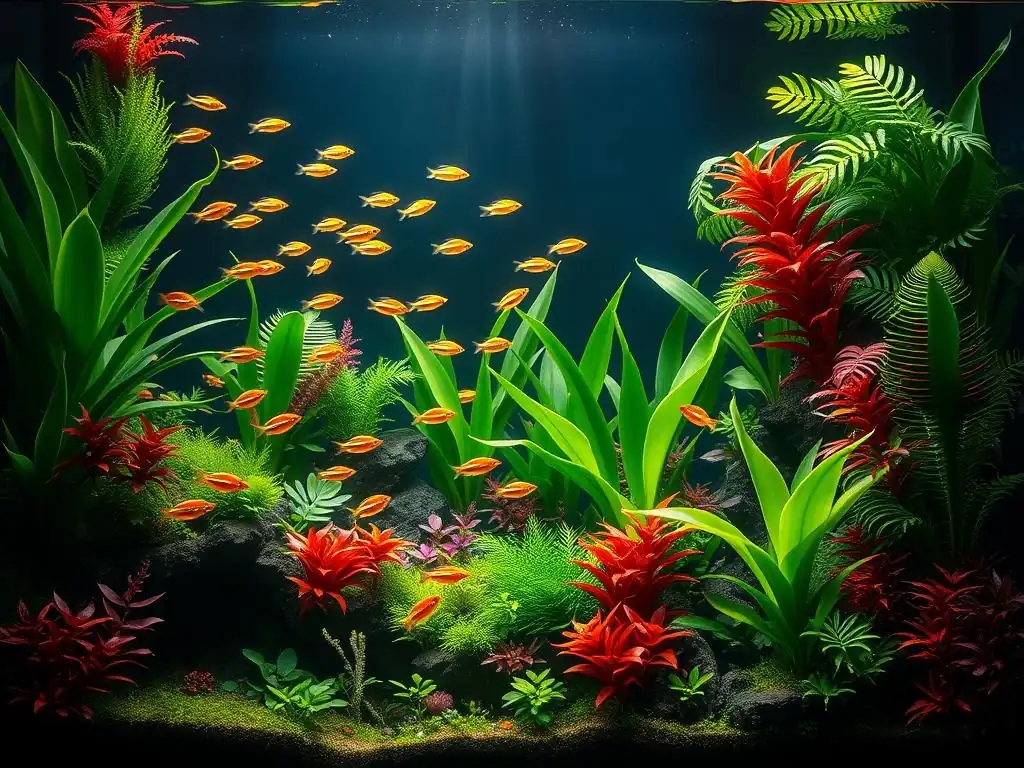
The setup should prioritize the safety of the eggs. A common technique involves placing a layer of marbles or a plastic mesh at the bottom of the tank, allowing eggs to fall through to a safe zone where the parents cannot reach them. Alternatively, dense clumps of fine-leaved plants like Java Moss (Taxiphyllum barbieri) or spawning mops made from synthetic yarn can be used. These elements provide ample surface area for the adhesive eggs to attach to, mimicking their natural spawning grounds and protecting them from the adults, which are opportunistic egg-eaters.
Water Parameters: Achieving Optimal Spawning Conditions for Tetras
Achieving precise water parameters is paramount for successful Glowlight tetra spawning. These fish prefer soft, acidic water, closely mimicking their natural blackwater habitats. The ideal pH range for breeding is between 5.5 and 6.5, with a general hardness (GH) of 1-5 dGH (approximately 18-90 ppm) and a carbonate hardness (KH) of 0-3 dKH (0-54 ppm). The water temperature should be slightly elevated to encourage spawning, typically maintained between 78-82°F (25.5-27.8°C). Using a reliable digital thermometer is crucial for consistent temperature monitoring.
To achieve these specific parameters, many aquarists utilize reverse osmosis (RO) water, which is then re-mineralized to the desired hardness levels. Peat filtration or adding a small amount of blackwater extract can help lower the pH and add beneficial humic substances, further replicating their natural environment. Regular testing with accurate liquid test kits is essential to ensure stability, as fluctuating water conditions can stress the fish and hinder spawning success or egg viability. Maintaining these conditions is a core component of any effective Glowlight tetra spawning guide.
Substrate and Decorations: Mimicking the Glowlight Tetra's Natural Habitat
While a bare bottom is often preferred for ease of maintenance in a breeding tank, specific elements are crucial for egg protection. As egg-scatters, Glowlight Tetras require a medium where their adhesive eggs can attach and be protected from predation by the parents. Spawning mops, which are simple bundles of synthetic yarn, are highly effective. They can be anchored to the bottom or floated, providing numerous strands for eggs to cling to. Alternatively, a dense mat of fine-leaved plants such as Java Moss, Hornwort (Ceratophyllum demersum), or even plastic spawning grass can serve the same purpose.
These elements not only provide a safe haven for the eggs but also offer a sense of security for the breeding fish. The dim, natural light filtering through the dense plant cover can encourage the fish to spawn. Some aquarists also opt for a false bottom made of egg crate or a coarse mesh, elevated slightly from the tank floor. This allows the eggs to fall through to a safe zone, out of reach of the adults, significantly increasing the hatch rate.
Lighting and Filtration for a Tetra Breeding Tank
Lighting in a Glowlight tetra breeding tank should be subdued and indirect. Overly bright illumination can stress the fish, potentially inhibiting spawning behavior, and can also be detrimental to the delicate eggs and newly hatched fry. A low-wattage LED light or even ambient room light filtered through the tank's cover is often sufficient. Mimicking the dim, shaded conditions of their natural habitat encourages a more natural spawning process.
For filtration, a gentle approach is essential. A standard hang-on-back filter or internal power filter can create too much current, potentially damaging eggs or sweeping away fragile fry. Instead, a small, air-driven sponge filter is the ideal choice. Sponge filters provide excellent biological filtration without strong water flow, and their porous surface can even serve as a grazing area for infusoria, a vital first food for newly hatched fry. An additional small air stone can be used to ensure adequate oxygenation, especially in warmer water, without creating excessive turbulence.
Conditioning Your Glowlight Tetras for Breeding: Preparing for Spawning
Diet and Nutrition: Feeding Your Tetras for Breeding Success
Proper conditioning through diet is a critical step in preparing Glowlight Tetras for spawning. A high-quality, varied diet rich in protein and essential nutrients will significantly improve their health, vigor, and reproductive readiness. For two weeks prior to attempting to breed, feed your potential breeders a generous amount of live foods such as newly hatched brine shrimp, daphnia, and bloodworms. These foods are highly palatable and provide the concentrated nutrition needed for egg development in females and milt production in males.
Supplement live foods with high-quality frozen alternatives like frozen bloodworms or spirulina-enriched brine shrimp. While flake food can be a staple, it should not be the sole diet during conditioning. Feeding small amounts multiple times a day (e.g., 3-4 times) rather than one large meal ensures that the fish receive consistent nutrition without excessive waste. Overfeeding should be avoided to prevent water quality degradation, which can stress the fish and impede spawning success.
Identifying Male and Female Glowlight Tetras: Key Differences
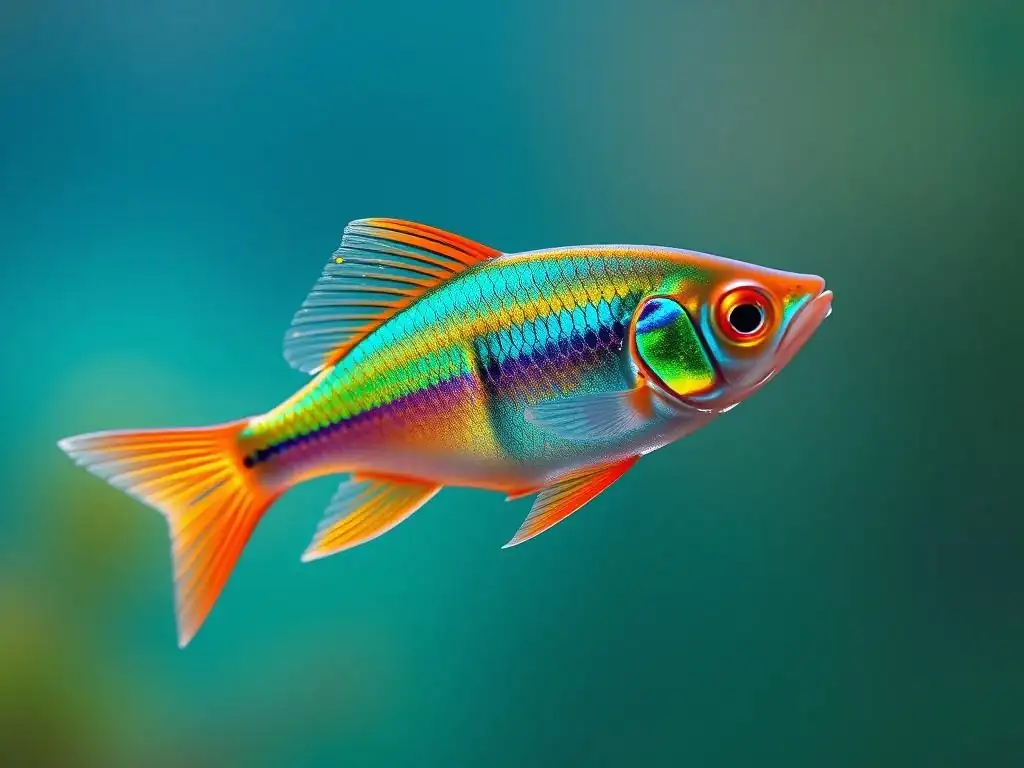
Distinguishing between male and female Glowlight Tetras can be subtle but becomes more apparent when the fish are well-conditioned for breeding. Females are typically rounder and fuller-bodied than males, especially when they are gravid (carrying eggs). Their abdomen will appear noticeably swollen. In contrast, males tend to be slimmer, more streamlined, and often exhibit a slightly more intense coloration, particularly the prominent orange-red stripe, during courtship.
Observing the fish from above can help confirm these differences. A female ready to spawn will show a distinctly plump silhouette, while the male will retain his slender form. While less common, some aquarists also note slight differences in fin shape or size, with males sometimes having slightly longer or more pointed dorsal fins, though this is not a definitive characteristic for Glowlight Tetras. Patience and keen observation are key to accurate identification.
Separating Males and Females Before Spawning: The Importance of Conditioning
To optimize spawning success, it is highly recommended to separate male and female Glowlight Tetras for approximately one week prior to introducing them into the breeding tank. This practice, known as "conditioning," serves several crucial purposes. Firstly, it allows the females to fully develop their eggs without being constantly harassed by eager males. This ensures a larger, healthier batch of eggs. Secondly, it allows the males to build up their milt supply, increasing the likelihood of successful fertilization.
During this separation period, both sexes should be fed heavily with the high-protein, varied diet mentioned previously. This intensive feeding regime ensures they are in peak physical condition for breeding. After the conditioning period, introduce the chosen breeding pair or group (e.g., one female with two males) into the prepared spawning tank, ideally in the evening. This allows them to acclimate overnight, and spawning often commences at dawn, making this a vital step in any effective Glowlight tetra spawning guide.
The Glowlight Tetra Spawning Process: What to Expect
Encouraging Spawning: Triggering Reproductive Behavior in Tetras
Once your conditioned Glowlight Tetras are introduced to the prepared breeding tank, several environmental cues can encourage them to spawn. A slight increase in water temperature (e.g., from 78°F to 80°F or 25.5°C to 26.7°C) can act as a trigger, signaling favorable breeding conditions. Another highly effective method is to perform a partial water change (e.g., 25-30%) with slightly cooler, soft water. This mimics the influx of fresh rainwater in their natural habitat, often a trigger for spawning.
Spawning typically occurs in the early morning hours, often just as the first light hits the tank. The male will begin chasing the female, nudging her towards the spawning medium—be it Java Moss, a spawning mop, or a mesh bottom. This courtship can last for an hour or more, with intermittent breaks. Maintaining a calm, undisturbed environment around the breeding tank is crucial during this period to prevent startling the fish and disrupting the spawning process.
Observing the Spawning: Identifying the Signs of Egg Laying
During the actual spawning process, the male will wrap his body around the female, pressing against her side to encourage the release of eggs. Simultaneously, he will release his milt to fertilize them. The eggs are tiny, clear, and adhesive, typically about 0.8-1.0 mm in diameter. They will be scattered among the fine leaves of plants or the strands of a spawning mop, or fall through a mesh bottom. Due to their small size and transparency, they can be difficult to spot initially.
A single spawning session can yield a significant number of eggs, ranging from 50 to over 200, depending on the female's health and size. The process is usually completed within a few hours. Once you observe that the fish have stopped spawning and are no longer actively pursuing each other, it's a strong indication that the egg-laying phase is complete. This observation is critical for the next step in this Glowlight tetra spawning guide.
Post-Spawning Care: Protecting the Eggs from Parents
Glowlight Tetras, like many other egg-scattering species, have no parental instincts and will readily consume their own eggs if given the opportunity. Therefore, the most critical step immediately after spawning is to remove the adult fish from the breeding tank. This must be done promptly, ideally within an hour or two of the cessation of spawning activity, to ensure the survival of the eggs.
Carefully net the adult fish and return them to their main display tank. Once the parents are removed, the eggs are safe. At this point, some aquarists may add a very dilute solution of methylene blue or an antifungal medication to the water to prevent fungal infections, especially if there are unfertilized eggs present. However, maintaining pristine water quality and good aeration are often sufficient to prevent widespread fungus issues, ensuring a higher hatch rate for your Glowlight tetra spawning guide.
Raising Glowlight Tetra Fry: From Eggs to Juveniles
Hatching Time and Initial Fry Care
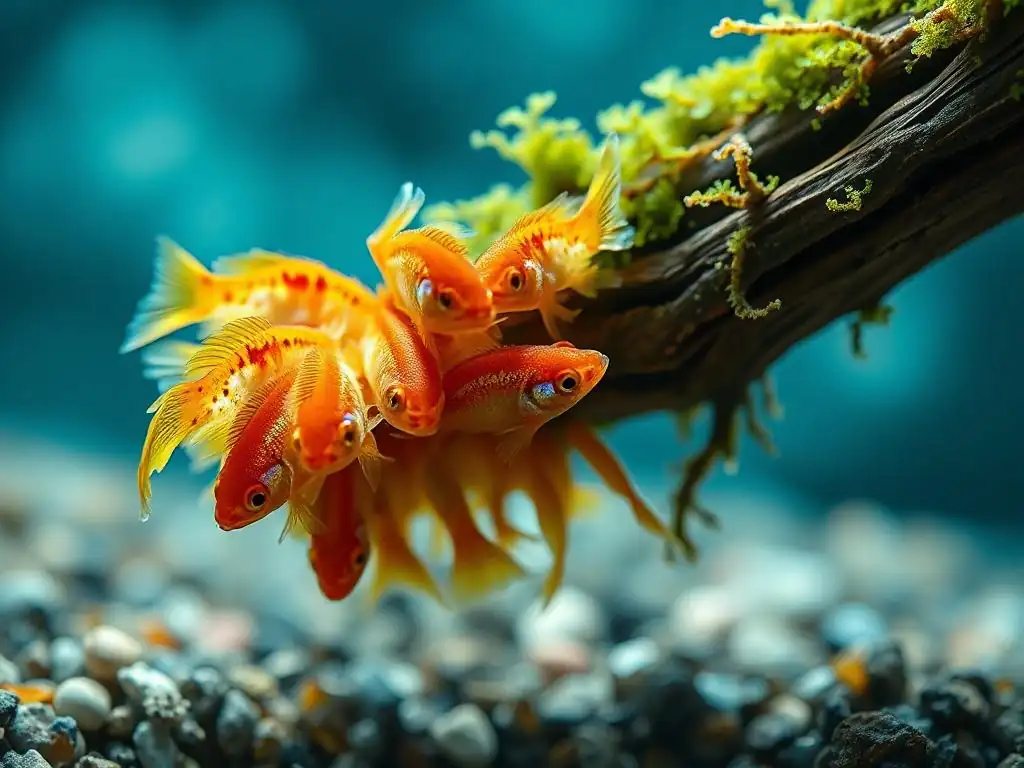
Glowlight tetra eggs are quite delicate and typically hatch within 24 to 36 hours at an optimal temperature of 80°F (26.7°C). The newly hatched fry are incredibly tiny, almost microscopic, and are often referred to as "wigglers" because they spend their first few days clinging to tank surfaces or plants, twitching their tails. For the first 2-3 days post-hatch, the fry will absorb nutrients from their yolk sacs. During this period, they do not require external feeding.
It is crucial to maintain stable and pristine water conditions during this initial phase. Any sudden changes in temperature or water parameters can be fatal to the fragile fry. Keep the lighting dim and ensure gentle aeration from a sponge filter to provide adequate oxygen without creating strong currents that could harm the fry. A magnifying glass can be useful to observe these nearly invisible creatures as they develop.
Feeding Glowlight Tetra Fry: First Foods and Nutritional Needs
Once the yolk sac is fully absorbed, typically around day 3 or 4, the Glowlight tetra fry will become free-swimming, signaling their need for external food. Their mouths are incredibly small, necessitating microscopic food sources. Infusoria, which are tiny protozoa, are the ideal first food. Infusoria can be cultured easily at home using lettuce leaves or commercially available cultures. Feed tiny amounts multiple times a day (e.g., 3-5 times) to ensure constant availability.
After about a week of infusoria, or as soon as they are large enough, the fry can transition to newly hatched brine shrimp nauplii. Brine shrimp are highly nutritious and stimulate rapid growth. Microworms are another excellent option. It is critical to avoid overfeeding, as uneaten food will quickly foul the water and lead to mass fry mortality. Regular, small water changes are essential to maintain water quality when feeding these rich foods, a key step in any Glowlight tetra spawning guide.
Maintaining Water Quality for Growing Fry: Preventing Losses
Pristine water quality is arguably the most critical factor for the survival and healthy growth of Glowlight tetra fry. They are extremely sensitive to ammonia, nitrite, and nitrate. Daily, small water changes (e.g., 10-20%) are essential. Use aged water that matches the temperature and parameters of the breeding tank to avoid shocking the fry. A slow drip method or an air line tubing used as a siphon is ideal for gently removing water without disturbing the fry.
The sponge filter should continue to provide gentle biological filtration, and its sponge can also serve as a surface for beneficial bacteria and infusoria. Avoid any strong currents that could stress or sweep away the fry. Regular monitoring of water parameters with sensitive test kits will help catch any issues before they become fatal. Maintaining consistent temperature and parameters throughout the fry development process is paramount for success.
Gradual Transition to Adult Food: Weaning the Fry
As Glowlight tetra fry grow, their dietary needs evolve, and they will gradually become large enough to consume larger food items. After approximately 2-3 weeks, when the fry are noticeably larger and more robust, you can begin to introduce finely crushed, high-quality flake food or specialized fry foods. Continue to supplement with newly hatched brine shrimp or microworms to ensure they receive adequate protein for rapid growth.
By 4-6 weeks of age, the juvenile Glowlight Tetras should be able to accept finely crushed adult flake food. It is still beneficial to offer a varied diet, including finely chopped frozen foods like bloodworms or daphnia, to ensure comprehensive nutrition and vibrant coloration. This gradual transition ensures they receive appropriate nutrition at each stage of their development, preparing them for their eventual move to a grow-out tank or community aquarium.
Troubleshooting Common Glowlight Tetra Breeding Issues
Egg Fungus: Preventing and Treating Fungal Infections
Egg fungus is a common and frustrating issue in fish breeding, often leading to significant losses. It typically appears as a white, fuzzy growth on unfertilized or damaged eggs, but can quickly spread to healthy, viable eggs. To prevent egg fungus, ensure optimal water quality in the breeding tank prior to spawning, as clean water reduces the presence of opportunistic fungi. Proper conditioning of parents also increases the fertilization rate, leaving fewer unfertilized eggs susceptible to fungus.
Once fungus appears, immediately remove any affected eggs using a pipette or small baster to prevent its spread. Some aquarists use a very dilute solution of methylene blue (following product instructions carefully) as a preventative or treatment, but this can stain tank silicone and should be used with caution. Ensuring good aeration in the breeding tank also helps by providing oxygen to the eggs, making them less susceptible to fungal attack.
Low Hatch Rate: Identifying and Addressing Potential Problems
A low hatch rate can be disheartening but often points to specific issues that can be addressed in future breeding attempts. The most common causes include infertile eggs, which may result from poor male conditioning or an unhealthy male. Re-evaluating the male's diet and overall health is crucial. Another significant factor is unsuitable water parameters, particularly water that is too hard or has an incorrect pH. Glowlight tetra eggs are sensitive to hard water, which can prevent proper development.
Ensure your water testing is accurate and that your parameters (pH 5.5-6.5, GH 1-5 dGH) are consistently maintained. Overly bright lighting during the egg stage can also be detrimental. If issues persist, consider trying a different breeding pair, as some individuals may simply be less fertile. Patience and careful observation of your Glowlight tetra spawning guide practices are key to diagnosing these problems.
Fry Mortality: Minimizing Losses and Ensuring Survival
High fry mortality is a common challenge for beginner breeders, but understanding its causes can help minimize losses. The primary culprits are poor water quality, starvation, and improper temperature. Ammonia and nitrite spikes are particularly lethal to delicate fry, emphasizing the need for daily, small water changes using appropriately conditioned water. Overfeeding, ironically, can contribute to poor water quality by introducing excess organic waste.
Starvation occurs if the fry are not provided with appropriately sized food at the right time. Ensure infusoria or newly hatched brine shrimp are available as soon as the yolk sac is absorbed. Consistent water temperature within the optimal range (78-82°F) is also vital, as fluctuations can stress and weaken the fry. Addressing these core environmental and nutritional needs will significantly improve fry survival rates and lead to a more successful Glowlight tetra spawning guide experience.
Congratulations! Your Glowlight Tetra Breeding Success
Moving Juvenile Tetras to a Grow-Out Tank
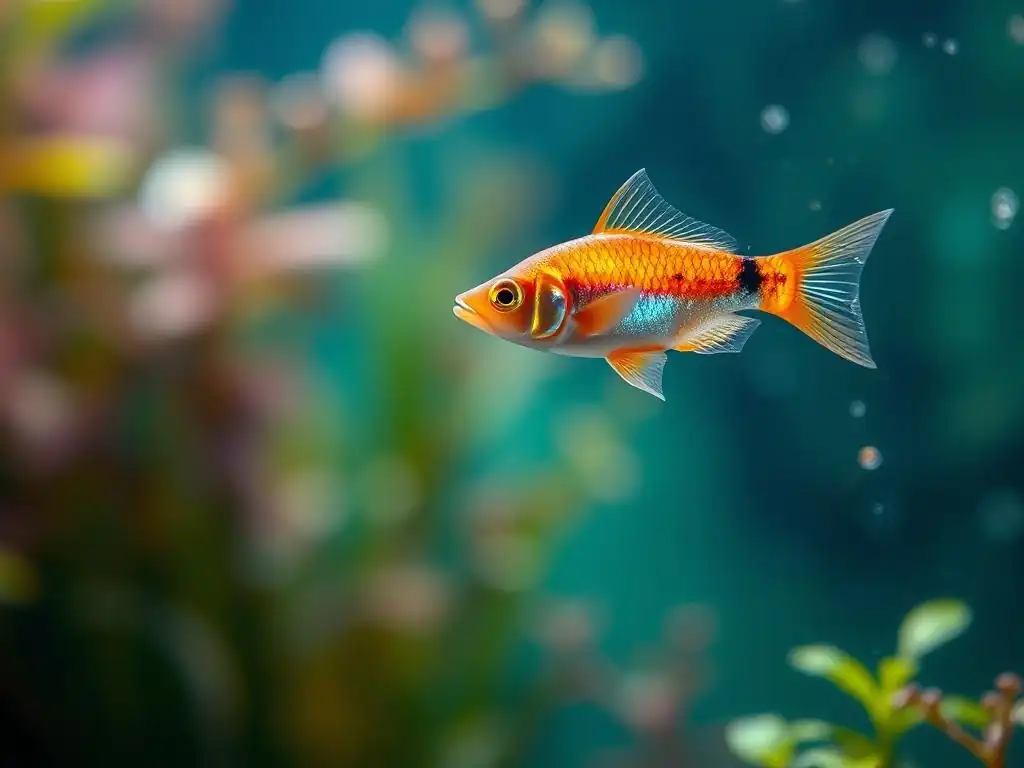
Once your Glowlight tetra fry have grown to a robust size, typically around 0.75 to 1 inch (approximately 1.9 to 2.5 cm) in length, which usually occurs by 8-10 weeks of age, they are ready to be moved from the breeding tank to a larger grow-out tank. This transition provides them with more space to continue their development and allows for easier maintenance. The grow-out tank should be well-cycled and adequately sized to accommodate the growing number of juvenile fish; for example, a 20-gallon (approx. 76-liter) tank can comfortably house 50-70 growing tetras temporarily.
Before transferring, ensure the water parameters in the grow-out tank closely match those of the breeding tank to minimize stress. Slowly acclimate the juveniles to the new tank water by drip acclimation or by gradually adding small amounts of the grow-out tank water to their current container over an hour or two. This careful approach helps prevent shock and ensures a smooth transition for your thriving Glowlight tetra spawning guide offspring.
Maintaining a Healthy Glowlight Tetra Population
To maintain a healthy and vibrant population of your homegrown Glowlight Tetras, continued dedication to excellent husbandry practices is essential. Provide a varied and high-quality diet, including a mix of finely crushed flake foods, frozen brine shrimp, and daphnia, to ensure robust growth and vivid coloration. Regular partial water changes (e.g., 25% weekly) in the grow-out tank are crucial for removing accumulated nitrates and replenishing essential minerals.
Monitor the fish closely for any signs of disease or stress. A healthy school of Glowlight Tetras will exhibit active schooling behavior, bright coloration, and a strong appetite. As they mature, ensure they are not overcrowded, as this can lead to stunted growth and increased susceptibility to disease. Proper stocking levels are key to long-term health, ensuring your Glowlight tetra spawning guide yields a thriving community.
Successfully breeding Glowlight Tetras is a significant achievement and a testament to your growing expertise in aquatics. Sharing your experiences, both successes and challenges, can be immensely valuable to the broader Aquarium Mastery community. Consider documenting your breeding journey, detailing the specific parameters, feeding routines, and troubleshooting steps that worked for you. This personal Glowlight tetra spawning guide can inspire and assist other aspiring breeders.
Furthermore, if you find yourself with an abundance of healthy juvenile tetras, consider sharing them. Local fish stores often welcome tank-bred fish, and aquarium clubs or online hobbyist forums are excellent platforms for trading or giving away excess stock. This not only helps you manage your population but also fosters a supportive and collaborative environment within the aquarist community, contributing to the hobby's growth and sustainability.
Conclusion: The Fulfillment of Breeding Glowlight Tetras
Frequently Asked Questions
How difficult is it to breed Glowlight Tetras for a beginner?
Glowlight Tetras are considered relatively easy to breed compared to some other tetra species. Their requirements are simple and they are fairly reliable spawners when given the right conditions.
What are the key water parameters for inducing Glowlight Tetra spawning?
Maintaining soft, acidic water is crucial. Aim for a pH between 6.0 and 6.5 and a low general hardness (GH) level. A temperature of 78-82°F is also optimal.
What kind of spawning tank setup is recommended for Glowlight Tetras?
A small, dimly lit tank with a spawning mop or fine-leaved plants is ideal. This provides a safe place for the tetras to lay their eggs and protects them from being eaten by the parents. Gravel should be avoided.
How do I prevent the parent Glowlight Tetras from eating the eggs?
The parents should be removed immediately after spawning. This is essential as they will readily consume the eggs if left in the tank.
How long does it take for Glowlight Tetra eggs to hatch and for the fry to become free-swimming?
Glowlight Tetra eggs typically hatch within 24-36 hours. The fry will become free-swimming after about 3-4 days and will need to be fed infusoria or liquid fry food.
Final Reflection: Illuminating the Path to Tetra Parenthood
The journey of breeding Glowlight Tetras, as we've explored, is more than just a technical exercise; it's a testament to the enduring allure of life's delicate processes. Understanding and replicating the ideal conditions for these shimmering fish to reproduce speaks volumes about our capacity for observation, patience, and respect for the natural world. In a world increasingly dominated by the artificial, reconnecting with these fundamental biological rhythms offers a profound sense of grounding and accomplishment.
This seemingly niche pursuit of spawning Glowlight Tetras ripples outwards, influencing our broader appreciation for biodiversity and the interconnectedness of ecosystems. Witnessing the miracle of life unfold in our own homes, even on a small scale, fosters a deeper sense of responsibility towards conservation and sustainable practices. In the end, we will conserve only what we love; we will love only what we understand; and we will understand only what we are taught.
- Baba Dioum. This quote perfectly encapsulates the power of hands-on experiences like breeding Glowlight Tetras to cultivate a lifelong commitment to environmental stewardship.
Now, armed with the knowledge and insights shared in this guide, I invite you to embark on your own Glowlight Tetra spawning adventure. Don't be discouraged by initial setbacks; embrace the learning process, celebrate the small victories, and remember that each shimmering fry represents a triumph of dedication and a deeper connection to the wonders of the aquatic world. May your tanks be filled with the soft glow of new life, and may your journey inspire others to explore the fascinating realm of fish breeding.
Ignite Your Aquarium: Begin Your Tetra Breeding Journey!
Thank you for diving into the world of Glowlight Tetra breeding! We hope you've gained the knowledge and confidence to take the next step. Now, it's time to turn that knowledge into action and witness the magic of tetra spawning firsthand.
Here's how you can get started:
- Set up a dedicated breeding tank and meticulously recreate the optimal conditions discussed. This is the most crucial step in ensuring a successful spawning environment.
- Share your experiences! Post photos and updates of your breeding setup and progress on aquarium forums or social media, and learn from others.
- Experiment with live food cultures to provide your Glowlight Tetra fry with the best possible nutrition. Try culturing microworms or infusoria.
Ready to embark on this rewarding adventure and contribute to the thriving aquarium community?