
Aquarium Mastery Presents: An Introduction to the Fascinating Barb Fish Family

Welcome to Aquarium Mastery!
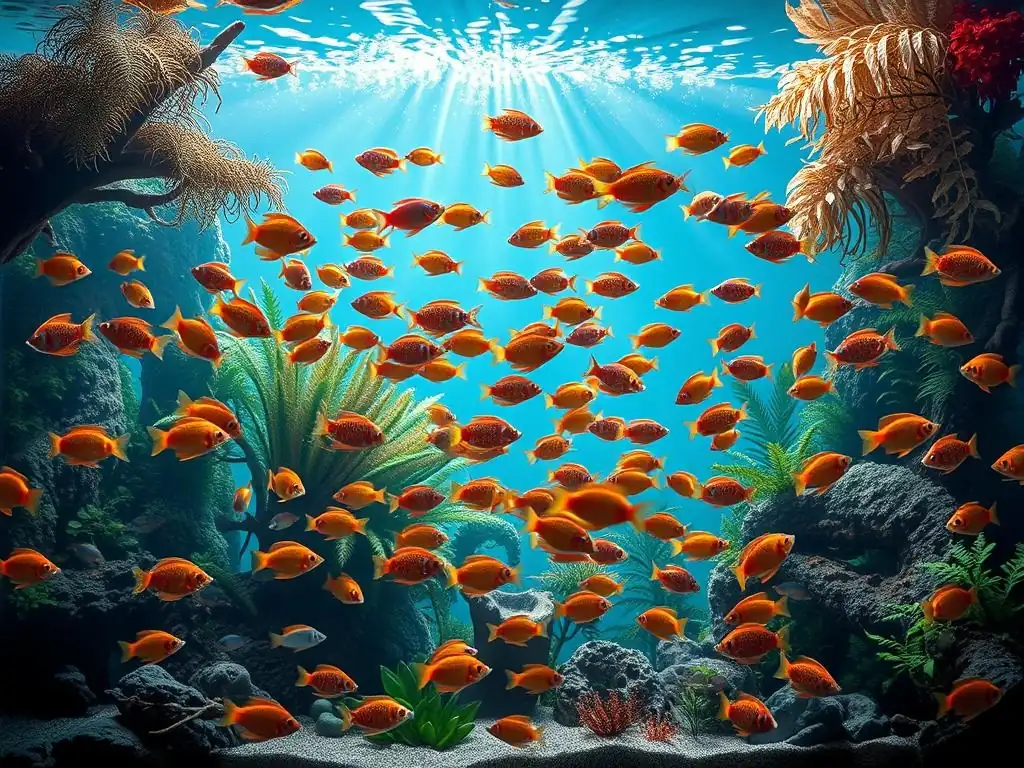
Dive into the captivating world of aquarium keeping, and prepare to unlock the secrets to a thriving underwater ecosystem. Curious about adding some vibrant energy to your freshwater tank? You've come to the right place! This article will be your guide to mastering Barb fish care tips, offering insights that will ensure these active and colorful fish flourish in your aquarium. Ready to learn how to keep these dazzling swimmers happy and healthy? Let's get started!
- Exploring the World of Barb Fish: An Aquarium Mastery Guide
- Barb Fish Species Profiles: A Diverse Family
- Barb Fish Care Tips: Creating the Ideal Habitat
- Barb Fish Health and Disease Prevention
- Breeding Barb Fish: A Beginner's Guide
- Advanced Barb Fish Care: Beyond the Basics
- Troubleshooting Common Barb Fish Problems
- The Joys of Keeping Barb Fish: A Rewarding Experience
-
Frequently Asked Questions
- What are some general Barb fish care tips for beginners?
- What type of aquarium setup is best suited for most Barb fish species?
- How often should I perform water changes in a Barb fish tank?
- What kind of food should I feed my Barb fish?
- What are some common health problems that Barb fish are susceptible to, and how can I prevent them?
- Final Reflection: Embracing the Vibrant World of Barbs
- Dive Deeper: Cultivate Your Barb Fish Expertise!
Exploring the World of Barb Fish: An Aquarium Mastery Guide
What are Barb Fish? Understanding the Basics
Barb fish are a diverse and captivating group of freshwater fish belonging to the Cyprinidae family, which also includes carps and minnows. Originating predominantly from Asia and Africa, these active, schooling fish are characterized by their often torpedo-shaped bodies, vibrant colors, and engaging behaviors. They are a popular choice for aquarists due to their general hardiness and the dynamic energy they bring to an aquarium environment. Understanding the fundamentals of barb fish care is the first step towards a successful and thriving tank.
While barbs vary significantly in size, ranging from less than an inch (like some microdevario species) to several inches (such as Denison Barbs which can reach up to 6 inches), most popular aquarium species stay within the 1 to 4-inch range. Their average lifespan in a well-maintained aquarium typically spans 3 to 5 years, though some, like Tiger Barbs, can live up to 7 years with optimal barb fish care. Their adaptability to various water conditions, within reasonable parameters, contributes to their widespread appeal among both novice and experienced aquarists.
Why Choose Barb Fish for Your Freshwater Aquarium?
Choosing barb fish for a freshwater aquarium offers numerous benefits, primarily their striking visual appeal and vibrant activity. Their schooling nature means they often move together in synchronized patterns, creating a mesmerizing display of color and motion that truly brings an aquarium to life. Species like the bright red Cherry Barbs or the boldly striped Tiger Barbs can add significant aesthetic value to any setup, making them a centerpiece of visual interest. Their active disposition also ensures that the tank never feels stagnant or dull.
Beyond their beauty, many barb species are celebrated for their relative hardiness and resilience, making them a forgiving choice for those new to the hobby. They are generally less susceptible to common fish diseases when proper barb fish care tips are followed, such as maintaining stable water parameters and a clean environment. Furthermore, their diverse sizes mean there is a barb species suitable for various tank dimensions, from a 10-gallon setup for a small group of Cherry Barbs to a 55-gallon or larger tank required for a healthy school of Denison Barbs.
Barb Fish Species Profiles: A Diverse Family
Popular Barb Varieties: From Tiger Barbs to Cherry Barbs
The barb family boasts an incredible array of species, each with unique characteristics and barb fish care requirements. From the boisterous Tiger Barb to the serene Cherry Barb, these fish offer a spectrum of colors, sizes, and temperaments, ensuring there's a barb suited for almost any community aquarium. Understanding the specific needs of each popular variety is crucial for providing optimal care and fostering a harmonious environment.
Tiger Barb Care: Maintaining Active Schools
Tiger Barbs (Puntigrus tetrazona) are perhaps the most iconic barb species, instantly recognizable by their four distinct black vertical stripes on a vibrant orange or gold body. These highly energetic fish typically grow up to 3 inches and can live for 5 to 7 years. While their active nature is captivating, they are also known for their semi-aggressive, nippy tendencies, especially towards slow-moving, long-finned tank mates. For optimal barb fish care, they must be kept in large schools of at least 6-8 individuals, preferably 10 or more, to diffuse aggression among themselves.
A minimum 20-gallon tank is recommended for a small school of Tiger Barbs, though a 30-gallon or larger is ideal for a thriving group. They prefer a temperature range of 74-79°F (23-26°C) and a slightly acidic to neutral pH of 6.0-7.0. Their omnivorous diet should consist of high-quality flakes or pellets supplemented with live or frozen foods like brine shrimp and bloodworms. Consistent water quality and appropriate schooling size are fundamental barb fish care tips for keeping these boisterous beauties healthy and content.
Cherry Barb Care: Peaceful Red Gems
Cherry Barbs (Puntius titteya) are a stark contrast to their Tiger Barb cousins, known for their peaceful demeanor and stunning coloration. Males develop a brilliant cherry-red hue, particularly during breeding, while females are a more subdued orange-pink. These smaller barbs typically reach about 2 inches in length and have a lifespan of 4 to 6 years. Their calm nature makes them excellent candidates for community tanks, and they are far less prone to fin-nipping.
For proper barb fish care, Cherry Barbs thrive in a minimum 10-gallon tank for a small group of 5-6 individuals, though larger tanks are always beneficial. They prefer a temperature range of 72-79°F (22-26°C) and a pH of 6.0-7.0. A well-planted aquarium with plenty of hiding spots and subdued lighting helps them feel secure and encourages their vibrant coloration. Their diet is omnivorous, consisting of quality flakes, micro-pellets, and occasional live or frozen treats like daphnia.
Denison Barb Care: The Roseline Shark of Aquariums
Denison Barbs (Sahyadria denisonii), also known as Roseline Sharks, are among the most striking and active barb species, characterized by a prominent red stripe and a black line running along their silver bodies. Growing up to 6 inches, these torpedo-shaped fish require significant space and are best suited for experienced aquarists. They are highly active, schooling fish that can live for 5-8 years, making them a long-term commitment.
Due to their size and activity level, a minimum 55-gallon tank is required for a small school of 6-8 Denison Barbs, with larger tanks (75+ gallons) being ideal. They prefer cooler, highly oxygenated water with temperatures ranging from 60-77°F (16-25°C) and a pH of 6.5-7.8. Strong filtration and good water flow are essential for their well-being. Their omnivorous diet includes high-quality flakes, pellets, and a variety of live or frozen foods, with a preference for some vegetable matter. Providing ample swimming space and high water quality are critical barb fish care tips for these magnificent fish.
Gold Barb Care: A Shimmering Addition
Gold Barbs (Puntius semifasciolatus 'Schuberti') are a popular and visually appealing variant of the Chinese Barb, celebrated for their shimmering gold or brassy scales. They typically grow up to 3 inches in length and are known for their hardiness and peaceful to semi-aggressive temperament, making them suitable for many community aquariums. Gold Barbs are active schooling fish that can live for about 4-6 years.
For effective barb fish care, a minimum 20-gallon tank is recommended for a school of 6-8 Gold Barbs. They are remarkably adaptable to a wide range of water parameters, thriving in temperatures between 64-74°F (18-23°C) and a pH of 6.0-8.0. This adaptability makes them an excellent choice for beginners. Their diet is omnivorous, readily accepting high-quality flakes, pellets, and occasional live or frozen foods such as bloodworms and brine shrimp. A varied diet and stable environment contribute significantly to their vibrant coloration and robust health.
Odessa Barb Care: Hardy and Colorful
Odessa Barbs (Pethia padamya) are a truly stunning species, often underappreciated, characterized by a distinctive, vibrant red horizontal stripe on a silver body, complemented by striking patterns on their fins. These active barbs typically grow up to 2.5 inches and can live for 3-5 years. They are generally peaceful but can exhibit some playful nipping, particularly if not kept in a sufficiently large school. Their resilience and striking appearance make them a fantastic addition to a well-planned community tank.
Optimal barb fish care for Odessa Barbs involves keeping them in schools of at least 6-8 individuals in a minimum 20-gallon aquarium. They prefer a temperature range of 72-79°F (22-26°C) and a pH of 6.0-7.0. A well-planted tank with open swimming areas allows them to display their natural schooling behavior and provides ample hiding spots, reducing any potential stress. As omnivores, they benefit from a varied diet of quality flakes, small pellets, and live or frozen foods like daphnia or mosquito larvae, which enhances their color and vitality.
Identifying Barb Fish: Key Characteristics
Identifying barb fish often involves observing a combination of their physical characteristics, fin structure, and coloration patterns. Most barb species share a generally torpedo-shaped body, which is laterally compressed, allowing for agile movement through water. Many species possess small barbels, which are sensory whiskers located around their mouths, though the prominence of these can vary greatly from species to species, with some having none at all. Their caudal (tail) fins are typically forked, facilitating their active swimming habits.
Beyond these general traits, specific patterns and colors are crucial for accurate identification, aiding in precise barb fish care. For instance, Tiger Barbs are unmistakable with their bold vertical stripes, while Cherry Barbs are noted for their uniform red or reddish-orange bodies. Denison Barbs stand out with their distinct red and black lateral lines. Observing the presence or absence of spots, the shape of their dorsal fin, and their overall size when mature are also key indicators in differentiating between the numerous fascinating species within the barb family.
Barb Fish Care Tips: Creating the Ideal Habitat
Aquarium Setup for Barb Fish: Tank Size and Essentials
Establishing the correct aquarium setup is paramount for successful barb fish care, directly influencing their health, behavior, and longevity. The appropriate tank size is determined by the specific barb species and the number of individuals in the school. For smaller species like Cherry Barbs, a minimum 10-gallon tank can house a small group, but a 20-gallon long is generally preferred to allow for more swimming space.
For active species like Tiger Barbs, a minimum 20-gallon tank is necessary for a school of 6-8, with 30-55 gallons being ideal to mitigate aggression. Larger species like Denison Barbs require at least a 55-gallon tank for a school.
Beyond size, essential equipment includes a reliable aquarium heater to maintain stable temperatures, as fluctuations can stress fish and lead to disease. A robust filtration system, such as a hang-on-back or canister filter, is crucial for maintaining pristine water quality, which is a cornerstone of effective barb fish care. An air stone or powerhead can provide additional oxygenation, especially beneficial for active species. Furthermore, a secure lid is recommended, as some barbs are known jumpers, particularly when startled. Incorporating live plants, driftwood, and rocks provides hiding spots and territories, enhancing their natural environment and reducing stress.
Water Parameters for Barb Fish: Maintaining Optimal Conditions
Maintaining stable and appropriate water parameters is a critical aspect of barb fish care, directly impacting their well-being and preventing common health issues. While many barb species are adaptable, consistency is key; rapid fluctuations in water chemistry are far more detrimental than slightly off-target but stable parameters. Regular water changes, typically 25% weekly or 50% bi-weekly, are essential to dilute nitrates and replenish vital minerals. Always use a reliable liquid test kit to monitor ammonia, nitrite, and nitrate levels, ensuring they remain at 0 ppm, 0 ppm, and below 20 ppm, respectively.
Understanding water hardness (GH and KH) is also important. Most barbs prefer soft to moderately hard water, with a general hardness (GH) often ranging from 5 to 12 dGH. Carbonate hardness (KH) helps buffer the pH, preventing sudden drops. While specific numbers vary by species, focusing on stability through consistent maintenance routines and proper filtration will provide the best environment for your barbs, making it a cornerstone of effective barb fish care.
Understanding pH Levels for Barb Fish
The pH level of aquarium water is a crucial parameter for barb fish care, representing its acidity or alkalinity. Most popular barb species thrive in slightly acidic to neutral water conditions, typically within a pH range of 6.0 to 7.5. For instance, Cherry Barbs and Tiger Barbs generally prefer a pH between 6.0 and 7.0, while Denison Barbs can tolerate a slightly broader range, up to 7.8. It is vital to research the specific pH requirements for the barb species you intend to keep and strive for stability within that range.
Sudden and drastic changes in pH can cause severe stress and even death to fish, a common pitfall in barb fish care. Therefore, avoid aggressive methods to alter pH. If minor adjustments are needed, natural methods such as adding driftwood, which releases tannins and can slightly lower pH, or using peat moss in the filter, are preferable. Always monitor pH regularly with a reliable test kit, and make any adjustments gradually over several days to allow the fish to acclimate safely.
Temperature Requirements for Barb Fish
Temperature is another fundamental water parameter that significantly influences the health and activity of barb fish. The optimal temperature range varies slightly among different species, but most common aquarium barbs thrive in tropical temperatures. For example, Tiger Barbs and Cherry Barbs generally prefer water temperatures between 72-79°F (22-26°C). In contrast, Denison Barbs, originating from cooler, fast-flowing streams, prefer a slightly lower range of 60-77°F (16-25°C).
Maintaining a consistent temperature is paramount; fluctuations can weaken the fish's immune system, making them susceptible to diseases like Ich. A high-quality, submersible aquarium heater with a reliable thermostat is essential for stable barb fish care. Always use an accurate thermometer to monitor the water temperature daily, ensuring it remains within the ideal range for your specific barb species. Proper temperature management is a key factor in promoting vitality and preventing stress-related health issues.
Feeding Barb Fish: Diet and Nutrition
Proper feeding is a cornerstone of barb fish care, essential for their vibrant coloration, active behavior, and overall health. Barbs are generally omnivores, meaning their diet should be a balanced mix of plant-based and protein-rich foods. A high-quality flake or pellet food formulated for omnivorous freshwater fish should serve as the staple of their diet, providing essential vitamins and minerals.
To ensure comprehensive nutrition and stimulate natural foraging behaviors, supplement the staple diet with a variety of live or frozen foods. Excellent choices include bloodworms, brine shrimp, daphnia, and mosquito larvae, which provide crucial protein and fat. Vegetable matter, such as spirulina flakes or blanched zucchini, can also be offered, especially for species that graze on algae in their natural habitat.
Feed small amounts 2-3 times a day, only what your barbs can consume within 2-3 minutes, to prevent overfeeding, which can lead to poor water quality and digestive issues. A varied diet is one of the most effective barb fish care tips for long-term health.
Barb Fish Tank Mates: Compatibility Considerations
Selecting appropriate tank mates is a crucial aspect of barb fish care, directly impacting the harmony and well-being of your aquarium community. Given the varied temperaments within the barb family, from the notoriously nippy Tiger Barbs to the peaceful Cherry Barbs, careful consideration is required. A general rule of thumb for schooling barbs is to always keep them in groups of at least 6-8 individuals; this distributes any potential aggression among the school members rather than directing it solely at tank mates, and it also reduces stress for the barbs themselves, encouraging more natural behavior.
When choosing tank mates, avoid pairing barbs with very small, delicate, or slow-moving fish, especially those with long, flowing fins, as these can become targets for fin-nipping. Instead, opt for similarly sized, active fish that can hold their own and prefer similar water parameters. Researching the specific temperament and needs of each barb species you keep, as well as potential tank mates, is vital for a thriving community aquarium.
Best Tank Mates for Tiger Barbs
For Tiger Barbs, which are known for their energetic and sometimes boisterous nature, choosing robust and fast-moving tank mates is essential to prevent fin-nipping incidents. Ideal companions include other active, similarly sized barbs, such as Odessa Barbs, Gold Barbs, or even a larger school of Tiger Barbs (10 or more) to dilute their aggression. Other suitable choices include larger, active tetras like Congo Tetras, most species of loaches (e.g., Clown Loaches, Kuhli Loaches), and certain robust catfish like Corydoras or smaller Plecos.
It is strongly advised to avoid housing Tiger Barbs with fish that have long, flowing fins, such as Angelfish, Betta fish, or Guppies, as these are prime targets for nipping. Similarly, very docile or slow-moving fish may become stressed or injured. Providing ample space in the aquarium, along with plenty of decorations and plants to break up lines of sight, also contributes to successful barb fish care when keeping Tiger Barbs in a community setting.
Peaceful Tank Mates for Cherry Barbs
Cherry Barbs are renowned for their peaceful and shy nature, making them excellent candidates for tranquil community aquariums. When selecting tank mates for Cherry Barbs, prioritize species that are equally calm and prefer similar water parameters. Ideal companions include other small, non-aggressive schooling fish such as Harlequin Rasboras, Neon Tetras, Ember Tetras, and various species of small Corydoras catfish. Otocinclus catfish are also great additions for algae control and peaceful coexistence.
Avoid pairing Cherry Barbs with larger, boisterous, or aggressive fish that could intimidate them or outcompete them for food. Their timid disposition means they can easily become stressed if housed with dominant species. A well-planted aquarium with plenty of hiding spots will further enhance their comfort and security, ensuring optimal barb fish care for these gentle red gems.
Suitable Tank Mates for Denison Barbs
Denison Barbs are large, active, and generally peaceful schooling fish, but their high energy levels and size mean they require specific consideration for tank mates. They are best suited for spacious aquariums with other active, similarly sized fish that can keep up with their swift movements. Excellent choices include various species of Rainbowfish (e.g., Boesemani Rainbowfish, Emerald Rainbowfish), other large, active Rasboras, and certain peaceful loaches like Yo-Yo Loaches.
Due to their substantial adult size (up to 6 inches) and need for ample swimming space, avoid housing Denison Barbs with very small or delicate fish that might be easily intimidated or outcompeted for food. While generally non-aggressive, their speed and size can inadvertently stress smaller, slower tank mates. Ensuring a large tank and a school of at least 6-8 Denison Barbs will help them feel secure and display their best behavior, which is crucial for comprehensive barb fish care.
Barb Fish Health and Disease Prevention
Common Barb Fish Diseases and Treatments
While barbs are generally hardy, they are not immune to common freshwater fish diseases, especially if barb fish care practices are neglected. Ich (Ichthyophthirius multifiliis), also known as White Spot Disease, is one of the most prevalent. Symptoms include small white spots resembling salt grains on the body and fins, often accompanied by flashing (rubbing against tank objects) and clamped fins. Treatment typically involves slowly raising the water temperature (if safe for the species) to 82-86°F (28-30°C) and using an Ich-specific medication containing malachite green or formalin.
Fin Rot, caused by bacterial infection, presents as frayed, ragged, or decaying fins, sometimes with redness at the base. It often results from poor water quality or injury. Treatment requires immediate improvements in water parameters (large water changes) and the use of antibacterial medications. Velvet disease, caused by a dinoflagellate parasite, appears as a dusty, yellowish or brownish coating on the fish's body. It is highly contagious and requires specific copper-based medications. Always quarantine new fish for at least 2-4 weeks to prevent introducing diseases, and follow medication instructions carefully for effective barb fish care.
Maintaining a Healthy Environment for Barb Fish
The cornerstone of barb fish health and disease prevention lies in consistently maintaining a pristine and stable aquarium environment. This involves adhering to fundamental barb fish care tips, such as performing regular water changes—typically 25-30% weekly or 50% bi-weekly—to keep nitrate levels low and replenish essential minerals. A robust filtration system (mechanical, chemical, and biological) is crucial for removing waste and maintaining excellent water quality.
Beyond water parameters, avoiding overfeeding is vital, as excess food decomposes and pollutes the water, leading to stress and disease. Providing a balanced and varied diet boosts the barbs' immune systems, making them more resilient to pathogens. Furthermore, minimizing stress factors like sudden temperature fluctuations, incompatible tank mates, or inadequate hiding spots is essential. Regular observation of your fish for any changes in behavior, appetite, or physical appearance allows for early detection and intervention, significantly increasing the chances of successful treatment and ensuring the long-term well-being of your barbs.
Breeding Barb Fish: A Beginner's Guide
Setting Up a Breeding Tank for Barb Fish
Breeding many barb species, particularly popular ones like Cherry Barbs and Tiger Barbs, can be a rewarding experience for aquarists. To ensure the survival of eggs and fry, a separate breeding tank is highly recommended, as adult barbs, like most cyprinids, are egg-eaters. For smaller species, a 5-10 gallon tank is usually sufficient, while larger species may require 20 gallons or more. The breeding tank should be equipped with a gentle sponge filter to avoid strong currents that could harm delicate fry, and a small heater to maintain a slightly elevated temperature, often 78-80°F (25.5-26.5°C), which can encourage spawning.
To provide a substrate for egg deposition and protection, include spawning mops (made from nylon yarn), fine-leaved plants like Java Moss, or a layer of marbles on the tank bottom. The water in the breeding tank should ideally be soft and slightly acidic (e.g., pH 6.0-6.5 for Cherry Barbs), mimicking their natural spawning conditions. Conditioning the parent fish in the main tank with high-protein foods like live bloodworms or brine shrimp for several days before transferring them to the breeding tank will significantly increase their readiness to spawn, an important barb fish care tip for successful breeding.
Barb Fish Fry Care: Raising the Next Generation
Once the barb parents have spawned in the breeding tank, it is crucial to remove them immediately to prevent them from consuming the eggs. Barb eggs are typically adhesive and will attach to the spawning mops or plants. Depending on the species and temperature, the eggs usually hatch within 24-48 hours. The newly hatched fry will be very tiny and will initially feed on their yolk sac for the first few days.
After the yolk sac is absorbed, which usually occurs within 3-5 days, the fry will become free-swimming and require microscopic food. For the first week, infusoria or high-quality liquid fry food is ideal. As they grow, transition them to newly hatched brine shrimp or microworms, which are highly nutritious and appropriately sized. Perform small, frequent water changes (10-15% daily or every other day) using an airline tube and a siphon guard to avoid accidentally siphoning out the delicate fry. Maintaining pristine water quality and providing consistent, appropriate nutrition are paramount barb fish care aspects for raising healthy fry.
Advanced Barb Fish Care: Beyond the Basics
Aquascaping Ideas for Barb Fish Tanks
Thoughtful aquascaping is an advanced barb fish care strategy that not only enhances the aesthetic appeal of your aquarium but also significantly contributes to the well-being and natural behavior of your barbs. For active schooling species like Tiger Barbs or Denison Barbs, it is crucial to design the layout with ample open swimming spaces in the middle and front of the tank. This allows them to display their natural schooling patterns without obstruction.
Incorporate live plants generously, particularly along the back and sides of the aquarium. Densely planted areas with species like Java Fern, Anubias, Vallisneria, or Amazon Swords provide essential hiding spots and visual barriers. These can help reduce aggression in species like Tiger Barbs by breaking up lines of sight. Utilize driftwood and rocks to create additional territories, caves, and visual interest. A natural-looking substrate, such as fine gravel or sand, completes the look and can be beneficial for some species that like to sift. A well-designed aquascape enhances barb fish care by mimicking their natural habitat and promoting security.
CO2 Injection for Planted Barb Tanks
For aquarists aiming to cultivate a lush, heavily planted aquarium alongside their barbs, CO2 injection can be a highly effective advanced barb fish care technique. While not strictly essential for the fish themselves, supplemental CO2 significantly boosts the growth of live plants, leading to a more vibrant and natural ecosystem. A thriving plant population benefits barbs indirectly by improving water quality, providing ample oxygen during the day, and offering numerous hiding spots and visual breaks, which can reduce stress and aggression.
However, CO2 injection requires careful monitoring. Excessive CO2 levels can rapidly lower the pH and reduce the oxygen available to fish, leading to distress or even fatalities. A CO2 drop checker should be used to continuously monitor CO2 levels, ensuring they remain safe for the fish (typically 20-30 ppm). Gradual introduction of CO2, consistent monitoring, and proper equipment (regulator, solenoid, diffuser) are crucial for safe and effective implementation of this advanced barb fish care method.
Dealing with Aggression in Barb Schools
Aggression, particularly fin-nipping, is a common behavioral challenge in some barb species, most notably Tiger Barbs. The primary and most effective advanced barb fish care strategy to mitigate this is to ensure they are kept in sufficiently large schools. For Tiger Barbs, a group of 10 or more individuals is highly recommended. This allows their natural hierarchy to form and disperses aggression among the school members, preventing a single fish or tank mate from becoming a constant target.
If aggression persists, evaluate tank size and aquascaping. A larger tank provides more territory and reduces perceived crowding. Adding more hiding spots, dense plant cover, or driftwood can create visual barriers, breaking up lines of sight and allowing targeted fish to escape. Re-evaluating tank mate compatibility is also crucial; avoid pairing aggressive barbs with slow-moving, long-finned, or very docile species. Consistent observation and proactive adjustment of the environment are key to managing aggression and ensuring harmonious barb fish care.
Troubleshooting Common Barb Fish Problems
Barb Fish Fin Nipping
Fin nipping is a prevalent issue, particularly with species like Tiger Barbs, and is often a clear indication that a fundamental barb fish care tip is being overlooked. The most common cause is an insufficient school size. When Tiger Barbs are kept in groups smaller than 6-8, their natural nipping behavior, which is typically directed at each other within a large school, becomes focused on other tank inhabitants. The primary solution is to increase the school size to at least 10 individuals, which will effectively spread out their aggression.
If nipping persists even with a large school, re-evaluate tank mate compatibility. Remove any slow-moving fish or those with long, flowing fins (e.g., Angelfish, Bettas) that are easy targets. Ensure the tank has adequate space and plenty of visual barriers, such as plants and decor, to break up lines of sight and provide escape routes for other fish. Stress from poor water quality or overcrowding can also exacerbate nipping behavior, so ensure all water parameters are optimal for comprehensive barb fish care.
Barb Fish Hiding
While some shy barb species, like Cherry Barbs, might naturally spend time hidden, excessive hiding in typically active species, such as Tiger Barbs or Gold Barbs, often signals stress, illness, or an unsuitable environment. The first step in troubleshooting is to immediately test your water parameters for any signs of ammonia, nitrite, or nitrate spikes, which are common stressors. Poor water quality can make fish feel unwell and seek refuge.
If water parameters are optimal, consider environmental factors. The tank might be too brightly lit, or it may lack sufficient hiding spots. Adding more live plants, driftwood, or rock caves can provide the security and cover barbs need to feel safe. Assess if tank mates are overly aggressive or if the school size of your barbs is too small, making them feel vulnerable. Addressing these underlying issues is crucial for effective barb fish care and encouraging your barbs to display their natural, active behaviors.
Barb Fish Not Eating
A barb fish refusing to eat is a significant cause for concern and a critical symptom that requires immediate attention in barb fish care. The initial troubleshooting step should always be to rigorously test your aquarium's water parameters. Poor water quality, particularly elevated ammonia or nitrite levels, can quickly lead to stress and a loss of appetite. Perform a large water change (50%) if any parameters are off.
Next, observe the fish for any other signs of illness, such as clamped fins, labored breathing, visible spots, lesions, or unusual swelling. If no physical symptoms are apparent, consider other stressors: recent changes to the tank environment, new or aggressive tank mates, or even an unvaried diet. Try offering a variety of high-quality foods, including live or frozen options like brine shrimp or bloodworms, to entice them. If the refusal to eat persists for more than a day or two, especially if accompanied by other symptoms, further investigation into specific diseases and appropriate medication may be necessary.
The Joys of Keeping Barb Fish: A Rewarding Experience
Observing Barb Fish Behavior: A Window into Aquatic Life
One of the most profound joys of keeping barb fish is the unique opportunity to observe their dynamic and often intricate behaviors, offering a fascinating window into aquatic life. Their schooling patterns, in particular, are mesmerizing; watching a group of Tiger Barbs or Denison Barbs move in unison, darting and weaving through the water, is a truly captivating spectacle. This constant activity brings a vibrant energy to the aquarium, making it a living, breathing piece of art.
Beyond their synchronized movements, close observation allows aquarists to notice individual personalities, subtle social interactions within the school, and their distinct foraging habits. Paying attention to these details not only deepens the appreciation for the hobby but also serves as an invaluable tool for effective barb fish care, enabling early detection of any changes in health or behavior. This continuous learning and connection with your aquatic inhabitants make keeping barbs a deeply rewarding experience.
Further Resources for Barb Fish Enthusiasts
For those passionate about mastering barb fish care and delving deeper into the world of these fascinating fish, a wealth of knowledge awaits. Continuing your education beyond this guide is key to fostering a thriving and dynamic aquarium environment. Reputable online aquarium forums provide platforms for engaging with experienced aquarists, sharing insights, and troubleshooting specific challenges. These communities offer invaluable peer support and practical advice based on real-world experiences.
Additionally, specialized books on freshwater fish, particularly those focusing on Cyprinids or specific barb species, can provide in-depth scientific information on their biology, natural habitats, and advanced care techniques. Many online resources and dedicated aquarium websites offer comprehensive species profiles and maintenance schedules. Embracing a continuous learning approach ensures that your barb fish care practices evolve, leading to healthier fish and a more enjoyable aquatic journey.
Frequently Asked Questions
What are some general Barb fish care tips for beginners?
Barb fish generally require a well-established aquarium with good filtration and regular water changes. They thrive in groups, so keeping at least six together is recommended to reduce stress and promote natural schooling behavior.
What type of aquarium setup is best suited for most Barb fish species?
Most Barb fish prefer a planted aquarium with plenty of swimming space and hiding places. A substrate of gravel or sand is suitable, and the water parameters should be maintained within the ideal range for the specific species.
How often should I perform water changes in a Barb fish tank?
Regular water changes are crucial for maintaining optimal water quality and preventing the buildup of harmful substances. A 25-50% water change every 1-2 weeks is generally recommended, depending on the tank size and bioload.
What kind of food should I feed my Barb fish?
Barb fish are generally omnivores, so they need a varied diet. Provide them with a combination of high-quality flake food, frozen foods like bloodworms or brine shrimp, and occasional vegetable matter.
What are some common health problems that Barb fish are susceptible to, and how can I prevent them?
Common problems include ich (white spot disease) and fin rot, often caused by poor water quality or stress. Maintaining a clean and stable aquarium environment, along with a proper diet, are vital for preventing these issues.
Final Reflection: Embracing the Vibrant World of Barbs
The journey into the Barb fish family, as we've explored, is more than just understanding their care; it's about appreciating the biodiversity and intricate ecosystems that thrive within our aquariums. Today, as interest in sustainable and enriching hobbies grows, the responsible keeping of these vibrant creatures becomes increasingly relevant, offering a tangible connection to the natural world within our own homes.
This exploration has illuminated not only the practical aspects of Barb fish care but also the deeper responsibility we hold as stewards of these miniature aquatic environments. The joy of witnessing a school of Barbs darting through a well-maintained tank is a testament to the power of informed and compassionate care. In the end, we will conserve only what we love; we will love only what we understand; and we will understand only what we are taught.
- Baba Dioum. This quote resonates deeply, reminding us that understanding, fostered through resources like this article, is the cornerstone of conservation and appreciation.
Now, as you embark on your own Barb fish adventure, remember that the knowledge you've gained is a foundation upon which to build a thriving aquatic haven. Let this understanding inspire you to not only provide exceptional care for your Barbs but also to share your passion and knowledge with others. Embrace the challenge, celebrate the beauty, and contribute to a world where these fascinating creatures continue to flourish, both in our aquariums and in their natural habitats.
Dive Deeper: Cultivate Your Barb Fish Expertise!
Thank you for exploring the vibrant world of Barb fish with Aquarium Mastery! We hope you've discovered valuable insights into these captivating creatures and are eager to enhance your aquarium hobby. Now it's time to put that knowledge into action.
Here are a few exciting next steps you can take:
- Boldly begin planning your Barb-centric aquarium! Consider the specific needs of your chosen Barb species, including tank size, water parameters, and suitable tankmates.
- Share your newfound Barb knowledge! Post a picture of your aquarium plan with #AquariumMasteryBarb on social media.
- Explore our other guides on aquarium plants that perfectly complement Barb fish habitats for a balanced and beautiful ecosystem.
Ready to turn your dream Barb aquarium into a reality? Let us know which Barb species you are planning to keep and what your biggest challenge is in the comments below!