
The Kissing Gourami Tank: Big Needs for a Big Personality Fish

Welcome to Aquarium Mastery!
Ever wondered if you're ready to handle the unique demands of a Kissing Gourami? These captivating fish aren't just about puckering up; they require a specific environment to truly thrive. Dive in and discover everything you need to know about a successful Kissing Gourami tank setup, from optimal tank size to compatible tank mates, and unlock the secrets to keeping these fascinating fish happy and healthy. Curious to learn more? Let's get started!
- Understanding the Kissing Gourami: A Profile for Aquarium Keepers
- Kissing Gourami Tank Setup: Creating the Ideal Environment
- Water Parameters for Kissing Gouramis: Achieving Stability
- Kissing Gourami Tank Mates: Choosing Compatible Companions
- Feeding Your Kissing Gourami: A Balanced Diet
- Kissing Gourami Care: Maintaining Health and Preventing Disease
- Breeding Kissing Gouramis: A Challenging Endeavor
- Troubleshooting Common Kissing Gourami Tank Issues
- The Long-Term Commitment: Is a Kissing Gourami Right for You?
-
Frequently Asked Questions
- How big of a tank does a Kissing Gourami need?
- What are the ideal water parameters for a Kissing Gourami tank?
- What type of filtration system is recommended for a Kissing Gourami tank setup?
- Can I keep Kissing Gouramis with other fish species?
- What type of substrate and decorations should I include in a Kissing Gourami tank?
- Final Reflection: The Enduring Allure of the Kissing Gourami
- Dive Deeper into Gourami Keeping!
Understanding the Kissing Gourami: A Profile for Aquarium Keepers
The Allure of the Kissing Gourami: Appearance and Behavior
The Kissing Gourami (Helostoma temminckii) is a distinctive and popular freshwater fish, immediately recognizable by its prominent, fleshy lips and unique "kissing" behavior. These fish typically sport a light pink or green hue, though the pink variety is more common in the aquarium trade. As they mature, they can reach an impressive size, often growing up to 12 inches (approximately 30 cm) in length, making them one of the larger gourami species available to aquarists.
Beyond their striking appearance, Kissing Gouramis possess a fascinating temperament. While often described as generally peaceful, they can exhibit territorial tendencies, particularly towards conspecifics or other fish with similar body shapes. Their long lifespan, often reaching 10 to 15 years with proper care, means that acquiring a Kissing Gourami is a significant long-term commitment for any aquarist planning a Kissing Gourami tank setup.
Debunking the Myth: The "Kiss" Explained
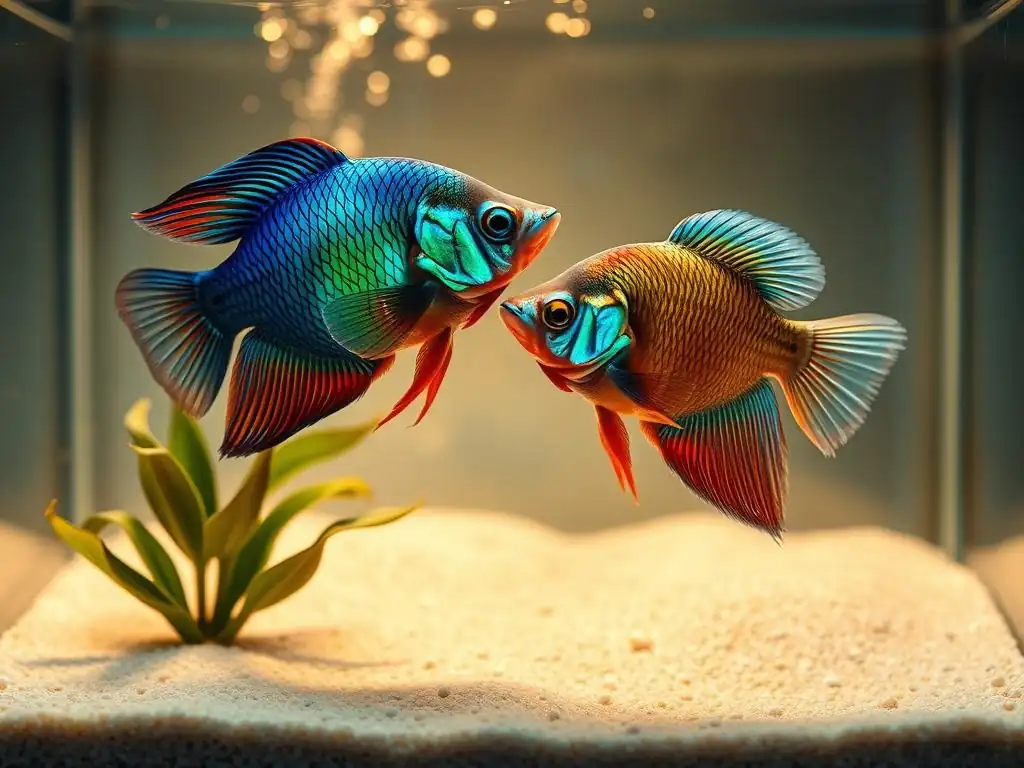
The iconic "kissing" behavior of the Kissing Gourami is frequently misinterpreted as a sign of affection or friendship between individuals. In reality, this unique interaction is primarily a display of dominance or a form of sparring. Two gouramis will press their mouths together, sometimes for several seconds, pushing against each other in a test of strength.
This behavior is most commonly observed between males establishing a pecking order, or between any two individuals competing for territory, food resources, or social standing within the aquarium. Understanding this true nature of the "kiss" is crucial for aquarists, as it highlights the need for adequate space and environmental enrichment in a Kissing Gourami tank to minimize potential stress or aggression stemming from these encounters.
Natural Habitat and What it Means for Aquarium Care
Kissing Gouramis originate from the slow-moving, heavily vegetated waters of Southeast Asia, specifically found in countries such as Thailand, Malaysia, Indonesia, and Vietnam. Their natural habitats include swamps, floodplains, and sluggish rivers, which are typically rich in aquatic plants and offer plenty of cover. These environments often feature soft substrates and subdued lighting due to dense overhead canopy or floating vegetation.
Replicating these conditions is paramount for a successful Kissing Gourami tank setup. The need for ample swimming space, combined with areas of dense planting and suitable hiding spots, directly stems from their natural environment. Providing such a setup helps to reduce stress, encourages natural behaviors, and contributes significantly to the long-term health and well-being of these large, active fish in a home aquarium.
Kissing Gourami Tank Setup: Creating the Ideal Environment
Tank Size Matters: Minimum Requirements for Kissing Gouramis
Given their potential adult size of up to 12 inches (30 cm) and their active, sometimes territorial nature, tank size is the single most critical factor in a Kissing Gourami tank setup. A minimum tank size of 75 gallons (approximately 280 liters) is recommended for a single adult Kissing Gourami. However, if you plan to keep a small group of 2-3 individuals, a tank of 125 gallons (approximately 470 liters) or larger is highly advisable to provide sufficient space and mitigate potential aggression.
Providing ample room is not just about physical space; it directly impacts the fish's health and behavior. Stunted growth, increased aggression, and chronic stress are common issues in tanks that are too small. A larger aquarium also offers greater water volume, which inherently provides more stability for water parameters, making it easier to maintain the pristine conditions essential for a healthy Kissing Gourami tank.
Essential Equipment for a Thriving Kissing Gourami Tank
Filtration for Kissing Gouramis: Maintaining Water Quality
Kissing Gouramis are known for being rather messy eaters and producing a significant bioload, which necessitates robust and efficient filtration in their aquarium. A high-quality external canister filter is often the preferred choice for a Kissing Gourami tank setup, as it offers superior mechanical, chemical, and biological filtration capabilities. Alternatively, multiple powerful hang-on-back (HOB) filters can also be effective for smaller tanks within their recommended range.
It is generally recommended that the filtration system provides a turnover rate of at least 5 to 10 times the tank volume per hour. For example, a 75-gallon tank would benefit from a filter rated for 375-750 gallons per hour (GPH). Regular maintenance of filter media, including rinsing sponges and replacing chemical media as needed, is crucial to prevent the buildup of nitrates and other harmful compounds, ensuring consistently high water quality.
Heating and Lighting Considerations for Optimal Health
Maintaining a stable water temperature is vital for the health of Kissing Gouramis, as they are tropical fish. The ideal temperature range for a Kissing Gourami tank is between 75-82°F (24-28°C). For larger tanks, using two appropriately sized heaters, one at each end, can ensure more even heat distribution and act as a fail-safe in case one unit malfunctions. Always use a reliable aquarium thermometer to monitor the temperature consistently.
Regarding lighting, Kissing Gouramis do not have exceptionally demanding requirements. Moderate lighting is generally sufficient, mimicking the somewhat subdued light of their natural, often densely vegetated habitats. LED lighting systems are an excellent choice, offering energy efficiency and customizable light spectrums. While not strictly necessary for the fish themselves, appropriate lighting will also support the growth of any live plants chosen for the Kissing Gourami tank setup, contributing to a more natural and stable environment.
Substrate and Decoration: Replicating Their Natural Habitat
Choosing the Right Substrate for a Kissing Gourami Tank
When setting up a Kissing Gourami tank, the choice of substrate plays a role in both aesthetics and the fish's well-being. Fine-to-medium sized gravel or sand is generally recommended. This type of substrate is gentle on their delicate mouths, which they sometimes use to sift through the bottom for food particles or to browse on algae. Coarse or sharp substrates should be avoided to prevent potential injuries.
A substrate layer of approximately 2-3 inches (5-7.5 cm) is typically adequate. This depth provides sufficient rooting for live plants, if used, and contributes to the overall biological filtration capacity of the aquarium. The choice of substrate color can also influence the fish's appearance; lighter substrates may cause them to appear paler, while darker substrates often bring out their natural coloration more vibrantly.
Plants and Decorations: Providing Shelter and Enrichment
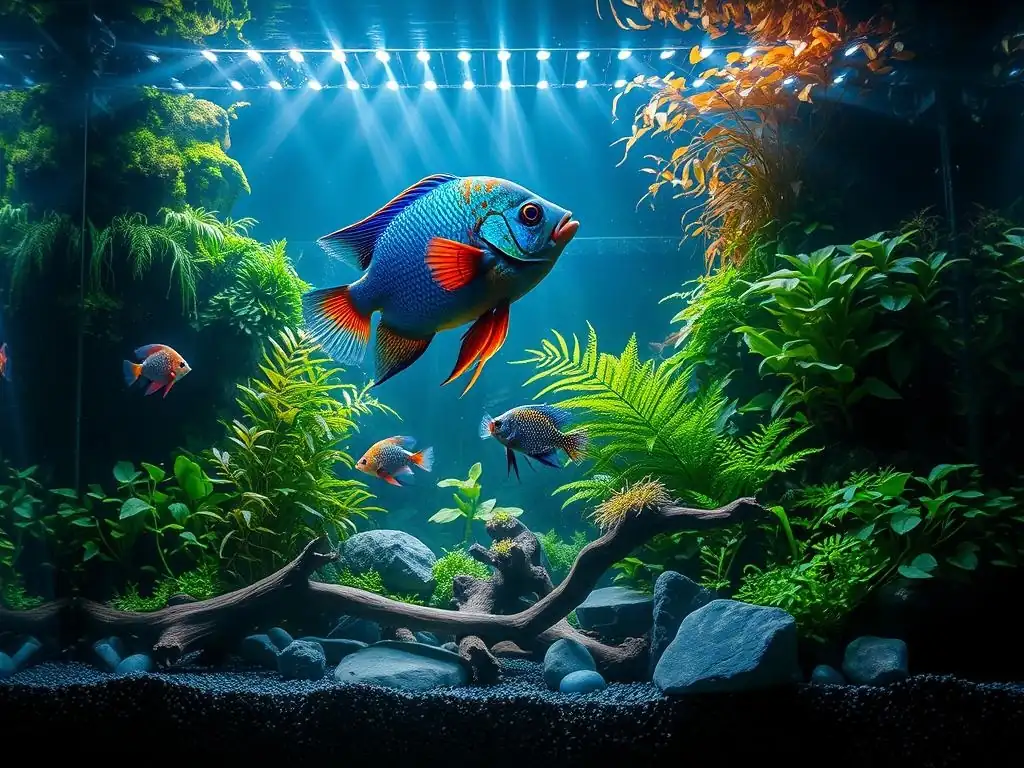
To truly replicate their natural habitat and provide a stimulating environment, a Kissing Gourami tank setup should include a good mix of live plants and sturdy decorations. Dense planting, particularly with robust species like Amazon Swords (Echinodorus amazonicus), Anubias, and Java Fern (Microsorum pteropus), provides essential cover and security for the gouramis. Floating plants can also be beneficial, helping to diffuse light and offer additional hiding spots, which can reduce stress.
Beyond plants, incorporating driftwood, smooth rocks, and artificial caves can create visual barriers and additional hiding places. These elements are especially important if keeping multiple Kissing Gouramis, as they help to break up lines of sight and diffuse potential territorial disputes. Ensure all decorations are smooth and free of sharp edges to prevent injury to these active fish. A well-decorated tank not only looks appealing but significantly enhances the quality of life for your Kissing Gouramis.
Water Parameters for Kissing Gouramis: Achieving Stability
Ideal Water Temperature for Kissing Gouramis
Maintaining a consistent and appropriate water temperature is fundamental to the health and longevity of Kissing Gouramis. As tropical fish, they thrive in a stable range of 75-82°F (24-28°C). Fluctuations outside this range, particularly sudden drops or spikes, can cause significant stress, weaken their immune system, and make them susceptible to various diseases.
It is crucial to use a reliable aquarium heater with a thermostat to maintain this temperature consistently. For larger Kissing Gourami tanks, sometimes two heaters strategically placed can ensure more even heating throughout the water column. Regularly checking the water temperature with an accurate thermometer is a simple yet vital task in daily aquarium maintenance, ensuring the environment remains optimal for your fish.
pH Levels and Water Hardness: Maintaining Balance
Kissing Gouramis are relatively adaptable when it comes to water chemistry, but consistency is key. They generally prefer a pH range of 6.0 to 8.0, with an ideal target between 6.5 and 7.5. Water hardness (General Hardness, GH) should be soft to moderately hard, typically between 5 and 15 dGH (degrees of General Hardness). While they can tolerate a broader range, sudden shifts in pH or hardness are detrimental.
Regular water testing, at least once a week, is essential to monitor these parameters. If adjustments are needed, they should be made gradually to avoid shocking the fish. For instance, driftwood can naturally lower pH, while crushed coral can slightly increase pH and hardness. However, prioritizing stability over hitting exact numbers is often more beneficial for the long-term health of your Kissing Gourami tank.
Regular Water Changes: The Key to a Healthy Aquarium
Given their large size and significant bioload, regular and substantial water changes are arguably the most critical aspect of maintaining a healthy Kissing Gourami tank. A recommended schedule involves performing 25-30% water changes weekly. This consistent routine is vital for removing accumulated nitrates, phosphates, and other dissolved organic compounds that can become toxic over time.
Beyond removing waste products, water changes also replenish essential minerals and trace elements that are depleted over time. Always ensure that the fresh water added is dechlorinated and temperature-matched to the aquarium water to prevent stress or shock to the fish. Neglecting water changes is a leading cause of stress, disease, and reduced lifespan in aquarium fish, making it a non-negotiable part of Kissing Gourami care.
Kissing Gourami Tank Mates: Choosing Compatible Companions
Suitable Tank Mates for Kissing Gouramis: Peaceful Community Fish
When selecting tank mates for a Kissing Gourami tank, the primary considerations are size, temperament, and swimming level. Ideal companions are peaceful, similarly sized fish that are not prone to fin-nipping and primarily occupy the middle or bottom sections of the tank, minimizing direct competition for space. Excellent choices include larger, peaceful Tetras like Congo Tetras (Phenacogrammus interruptus) or Silver Tip Tetras (Hasemania nana).
Other suitable options can be Rainbowfish species, larger peaceful Barbs such as Rosy Barbs (Puntius conchonius), and various species of Corydoras catfish for the bottom layer. Certain species of Plecos, like the Bristlenose Pleco (Ancistrus cirrhosus), can also make good tank mates, provided the tank is sufficiently large to accommodate all inhabitants comfortably. Ensuring adequate space helps to prevent territorial disputes and promotes a harmonious community.
Fish to Avoid: Aggressive or Fin-Nipping Species
To maintain a peaceful Kissing Gourami tank, certain fish species should be avoided as tank mates. Highly aggressive Cichlids, such as many Mbunas or larger South American Cichlids, are generally unsuitable as they can easily outcompete or injure the gouramis. Similarly, notorious fin-nippers like Tiger Barbs (Puntigrus tetrazona) can stress and damage the gouramis' fins, leading to secondary infections.
Very small, delicate fish, or those with long, flowing fins (like male Bettas or certain guppy varieties), should also be avoided. Kissing Gouramis, despite their generally peaceful nature, can occasionally be territorial or nip fins, especially if the tank is overcrowded or they perceive other fish as threats or competitors. It's also wise to avoid other large, similarly shaped gouramis that might trigger excessive sparring behavior.
Considerations for a Species-Only Kissing Gourami Tank
While Kissing Gouramis can coexist in a community setting, a species-only Kissing Gourami tank is a viable and often beneficial option, particularly for experienced aquarists. This setup allows for the observation of their natural behaviors without the complexities of inter-species dynamics and competition. A group of 3-5 Kissing Gouramis in a very large tank (125 gallons or more) can thrive in such an environment.
Even in a species-only setup, ample space, numerous hiding spots, and significant visual barriers created by plants and decor are crucial. This helps to diffuse any potential aggression or territorial displays among individuals, allowing them to establish a comfortable pecking order without excessive stress. A dedicated Kissing Gourami tank setup can truly highlight the unique personality and interactions of these captivating fish.
Feeding Your Kissing Gourami: A Balanced Diet
What to Feed Kissing Gouramis: Optimal Food Choices
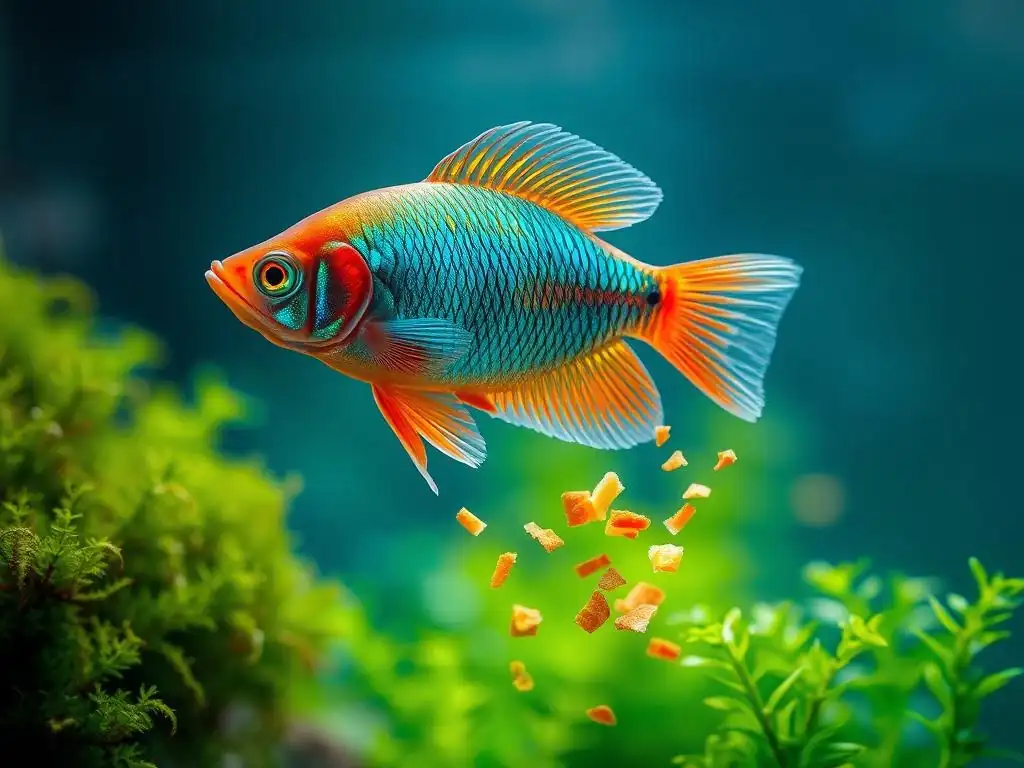
Kissing Gouramis are omnivores, meaning their diet in the wild consists of both plant matter and small invertebrates. In the aquarium, a balanced diet is crucial for their long-term health and vibrant coloration. A high-quality flake or sinking pellet food designed for omnivorous fish should form the staple of their diet. This provides essential vitamins and minerals.
To supplement their diet and provide necessary variety, offer live or frozen foods such as bloodworms, brine shrimp, and daphnia a few times a week. Given their herbivorous tendencies, it's also highly beneficial to include blanched vegetables like zucchini slices, spinach, or shelled peas. Algae wafers or spirulina flakes can also be a good addition, mimicking their natural grazing behavior on algae.
Feeding Schedule and Portion Control: Preventing Overfeeding
Establishing a consistent feeding schedule and practicing strict portion control are vital for maintaining a healthy Kissing Gourami tank. It is recommended to feed Kissing Gouramis 2-3 times a day, offering small amounts that they can consume entirely within 2-3 minutes. Overfeeding is a common mistake in aquarium keeping and can lead to a host of problems.
Excess uneaten food quickly decomposes, leading to elevated ammonia and nitrite levels, which are highly toxic to fish. It also contributes to an increased bioload, straining the filtration system and promoting algae growth. Promptly removing any uneaten food after feeding sessions is a good practice to prevent water quality degradation and keep your Kissing Gouramis healthy and active.
Supplementing Their Diet: Vitamins and Minerals
While a varied diet of high-quality staple foods, supplemented with live/frozen foods and vegetables, typically provides all the necessary vitamins and minerals for Kissing Gouramis, some aquarists opt for additional supplementation. Liquid vitamin supplements specifically formulated for aquarium fish can be added to the fish food periodically, especially for fish that might be recovering from illness or stress.
However, it's important to remember that supplements should never replace a fundamentally balanced and nutritious diet. The primary focus should always be on providing a wide range of high-quality food sources. A healthy Kissing Gourami tank setup, combined with a diverse feeding regimen, is the best approach to ensuring your fish receive all the necessary nutrients for optimal growth and vitality.
Kissing Gourami Care: Maintaining Health and Preventing Disease
Common Diseases in Kissing Gouramis: Identification and Treatment
Like all aquarium fish, Kissing Gouramis can be susceptible to common freshwater diseases, often triggered by poor water quality, stress, or inadequate nutrition. Ich (Ichthyophthirius multifiliis), characterized by small white spots resembling salt grains on the body and fins, is one of the most prevalent. Fin Rot, where fins appear frayed or ragged, and Columnaris (mouth rot), a bacterial infection affecting the mouth and body, are also common. Dropsy, recognized by a swollen body and protruding scales, is typically a symptom of severe internal organ failure.
Early identification of symptoms is crucial for successful treatment. For Ich, a gradual increase in water temperature (to 86°F or 30°C) combined with aquarium salt or specific Ich medications can be effective. Bacterial infections like Fin Rot and Columnaris often require broad-spectrum antibiotics. Maintaining pristine water quality through regular water changes and proper filtration is the best preventative measure and aids in recovery for all diseases in a Kissing Gourami tank.
Recognizing Signs of Stress or Illness in Your Gourami
Vigilant observation of your Kissing Gouramis' behavior and physical appearance is key to detecting stress or illness early. Signs of distress can include clamped fins (held close to the body), lethargy or unusual hiding, loss of appetite, and rapid or labored breathing. Physical symptoms might involve discoloration (paler or darker than usual), the presence of visible sores, lesions, or fungal growths, and abnormal swimming patterns such as darting, flashing, or rubbing against objects.
Upon noticing any of these signs, the first step should always be to test your water parameters (ammonia, nitrite, nitrate, pH, temperature) to rule out water quality issues as the cause. If parameters are off, perform a partial water change immediately. If the issue persists or worsens, consider isolating the affected fish in a quarantine tank for closer observation and targeted treatment to prevent the spread of potential pathogens to your main Kissing Gourami tank.
Quarantine Procedures for New Fish: Preventing Disease Outbreaks
One of the most effective strategies for preventing disease outbreaks in an established Kissing Gourami tank is to implement a strict quarantine procedure for all new fish. A dedicated quarantine tank, typically 10-20 gallons, equipped with its own heater and filter, should be set up. New fish should be housed in this tank for a minimum of 2-4 weeks before being introduced to the main aquarium.
During the quarantine period, closely observe the new fish for any signs of illness or parasites. Perform regular water changes and maintain excellent water quality in the quarantine tank. If any symptoms appear, treat the fish in the quarantine tank, preventing the introduction of pathogens to your healthy community. This simple yet crucial step can save your entire Kissing Gourami tank from devastating disease epidemics.
Breeding Kissing Gouramis: A Challenging Endeavor
Setting Up a Breeding Tank for Kissing Gouramis
Breeding Kissing Gouramis in a home aquarium is considered challenging but not impossible. A dedicated breeding tank is essential, ideally at least 50 gallons (approximately 190 liters) in size. The water level in the breeding tank should be kept shallow, around 6-8 inches (15-20 cm), as this mimics their natural spawning conditions in shallow floodplains. The tank should be heavily planted with dense floating vegetation, such as Water Lettuce or Frogbit, as the male builds a bubble nest among these plants.
Filtration should be gentle, with minimal current, to avoid disturbing the bubble nest. An air stone providing gentle aeration is usually sufficient. Conditioning a mature male and female with a high-protein diet (live and frozen foods) for several weeks prior to introduction to the breeding tank can help stimulate spawning.
Water Parameters for Breeding: Simulating Natural Conditions
To encourage Kissing Gouramis to spawn, specific water parameters that mimic their natural breeding conditions are often required. The water should be soft, typically in the range of 2-5 dGH (degrees of General Hardness), and slightly acidic, with a pH of 6.0-6.5. The temperature should be maintained consistently at the higher end of their preferred range, around 80-82°F (27-28°C).
Performing small, daily water changes (e.g., 10-15%) with slightly cooler water can sometimes simulate the rainy season conditions that trigger spawning in their natural habitat. Maintaining these precise and stable conditions is critical for successful breeding and egg viability in a Kissing Gourami tank.
Spawning Behavior and Fry Care: Raising Kissing Gourami Fry
When ready to spawn, the male Kissing Gourami will construct a large bubble nest among the floating plants. He will then entice the female beneath it, where she will release her eggs, and he will fertilize them. The eggs are positively buoyant and will float up into the bubble nest. Spawning can last several hours, with hundreds to thousands of eggs being laid.
After spawning, the female should be removed from the breeding tank, as the male may become aggressive while guarding the nest. The male will tend to the eggs, which typically hatch within 24-48 hours. Once the fry are free-swimming, the male should also be removed. Kissing Gourami fry are extremely small and require infusoria or liquid fry food for the first few days, followed by newly hatched brine shrimp. Raising them successfully to maturity often presents a high mortality rate due to their delicate nature and specific feeding requirements.
Troubleshooting Common Kissing Gourami Tank Issues
Algae Control in a Kissing Gourami Aquarium
Algae growth is a common issue in many aquariums, including a Kissing Gourami tank. The primary causes are often excess light, overfeeding, and high nutrient levels (nitrates and phosphates). To control algae, first assess your lighting period; 8-10 hours per day is usually sufficient. Reduce feeding amounts to ensure all food is consumed promptly, preventing uneaten food from decomposing and adding nutrients.
Regular and consistent water changes are crucial for lowering nitrate and phosphate levels. Introducing algae-eating tank mates, such as Bristlenose Plecos or various types of snails (e.g., Nerite snails), can also help, provided they are compatible with your gouramis. Ultimately, a balanced Kissing Gourami tank setup with good husbandry practices, including appropriate lighting and diligent maintenance, is the most effective defense against excessive algae.
Cloudy Water Problems and Solutions
Cloudy water in a Kissing Gourami tank can be indicative of several underlying issues. A milky or hazy cloudiness often points to a bacterial bloom, which is common in new tanks (new tank syndrome) or established tanks experiencing a sudden increase in organic waste (e.g., overfeeding, decaying plants). Suspended particulate matter, such as uneaten food or fine substrate, can also cause cloudiness. Less commonly, a green tint indicates an algae bloom.
For bacterial blooms, the best solution is often patience, combined with regular small water changes (10-15% daily) and ensuring proper aeration. Avoid overfeeding. For suspended particles, verify your mechanical filtration is working efficiently; adding filter floss or polishing pads can help. For algae blooms, address lighting and nutrient levels as discussed previously. Avoid chemical clarifiers as a first resort, as they often only provide a temporary fix and can sometimes stress fish.
Aggression Issues in Kissing Gouramis: Causes and Management
While generally considered peaceful, Kissing Gouramis can exhibit aggression, particularly as they mature or if housed in suboptimal conditions. The most common form of aggression is territorial sparring, often involving the characteristic "kissing" behavior, especially between conspecifics or similar-looking fish. Overcrowding or an insufficient Kissing Gourami tank size are significant contributors to aggressive behavior.
To manage aggression, ensure your tank meets or exceeds the minimum size recommendations (75 gallons for one, 125+ for a group). Provide ample hiding spots and visual barriers using plants, driftwood, and rock formations. These break up lines of sight and allow subordinate fish to retreat. Avoid keeping multiple males in smaller tanks if aggression becomes severe. If aggression persists despite these measures, re-evaluating tank mates or considering a species-only setup might be necessary to ensure the well-being of all inhabitants in your Kissing Gourami tank.
The Long-Term Commitment: Is a Kissing Gourami Right for You?
Evaluating Your Resources and Experience
Bringing a Kissing Gourami into your home aquarium is a significant long-term commitment that requires careful evaluation of your resources and experience level. These fish grow large, live for a decade or more, and demand a substantial Kissing Gourami tank setup, typically 75 gallons or more, with robust filtration. This translates to considerable space requirements, higher initial equipment costs, and ongoing expenses for maintenance and food.
Prospective keepers should honestly assess their ability to provide consistent, high-quality care, including regular large water changes, diligent water parameter monitoring, and a varied diet. While captivating, Kissing Gouramis are not ideal for beginners with limited space or those seeking a low-maintenance pet. A successful Kissing Gourami tank requires dedication and an understanding of their specific needs.
The Joy of Keeping a Kissing Gourami: A Rewarding Experience
Despite the significant commitment and specific requirements, keeping Kissing Gouramis can be an incredibly rewarding experience for the dedicated aquarist. Their unique appearance, distinctive "kissing" behavior, and surprisingly long lifespan make them fascinating inhabitants for a well-maintained large aquarium. Watching them interact with their environment and exhibit their natural behaviors provides immense satisfaction.
The effort invested in providing a proper Kissing Gourami tank setup, including a spacious habitat, excellent water quality, and a balanced diet, truly pays off in the form of healthy, vibrant, and engaging fish. For those willing to meet their needs, the Kissing Gourami offers a unique and enriching addition to the freshwater aquarium, becoming a cherished part of the aquatic family for many years.
Frequently Asked Questions
How big of a tank does a Kissing Gourami need?
Kissing Gouramis grow quite large, reaching up to 12 inches. Therefore, they require a large tank, ideally at least a 75-gallon aquarium to thrive.
What are the ideal water parameters for a Kissing Gourami tank?
Kissing Gouramis prefer a pH between 6.0 and 7.5, a water temperature between 72°F and 82°F, and moderate water hardness. Regular water changes are crucial.
What type of filtration system is recommended for a Kissing Gourami tank setup?
Due to their size and messy eating habits, Kissing Gouramis require a robust filtration system. A powerful canister filter or a sump filtration system is highly recommended to maintain water quality.
Can I keep Kissing Gouramis with other fish species?
While generally peaceful, Kissing Gouramis can become territorial, especially as they mature. Avoid keeping them with small, slow-moving fish or fish with long, flowing fins.
What type of substrate and decorations should I include in a Kissing Gourami tank?
A smooth gravel or sand substrate is suitable. Provide plenty of hiding places using rocks, driftwood, and sturdy plants, as Kissing Gouramis appreciate having secure areas.
Final Reflection: The Enduring Allure of the Kissing Gourami
The information presented throughout this article underscores the fact that successfully maintaining a Kissing Gourami tank is about more than just aesthetics; it's about understanding and meeting the complex needs of a truly unique fish. The enduring popularity of the Kissing Gourami, despite its specific requirements, speaks volumes about its captivating personality and the joy it brings to aquarists willing to dedicate the necessary resources and care.
The journey of setting up a Kissing Gourami tank is a testament to the dedication and passion within the aquascaping community. It's a reminder that responsible fishkeeping is not just a hobby, but a commitment to providing a thriving environment for these fascinating creatures. The greatness of a nation and its moral progress can be judged by the way its animals are treated.
- Mahatma Gandhi. This quote, though broad, perfectly encapsulates the spirit of ethical aquarium keeping, urging us to consider the well-being of our aquatic companions above all else.
Now, armed with this knowledge, we encourage you to reflect on your own approach to aquarium keeping. Are you prepared to provide the space, filtration, and dedicated care that a Kissing Gourami truly deserves? Let this article serve as a catalyst for responsible decision-making, ensuring that every Kissing Gourami finds a home where it can thrive and continue to captivate us with its unique charm.
Dive Deeper into Gourami Keeping!
Thank you for taking the time to learn about the captivating Kissing Gourami. Now that you understand their unique needs and personality, it's time to take your passion to the next level!
Here's how you can further enhance your understanding and involvement with these fascinating fish:
- Re-evaluate your current setup and honestly assess if you can provide the space and environment a Kissing Gourami needs to thrive.
- Explore ethical and responsible fish keeping by researching rescue organizations and consider adopting a Kissing Gourami in need of a new home.
- Share your newfound knowledge! Spark conversations about responsible fish keeping with fellow hobbyists online or offline.
What specific aspect of Kissing Gourami care are you most inspired to improve in your own aquarium journey?