
Setting Up the Perfect Cardinalfish Habitat: Tank Size, Decor, and Flow

Welcome to Aquarium Mastery!
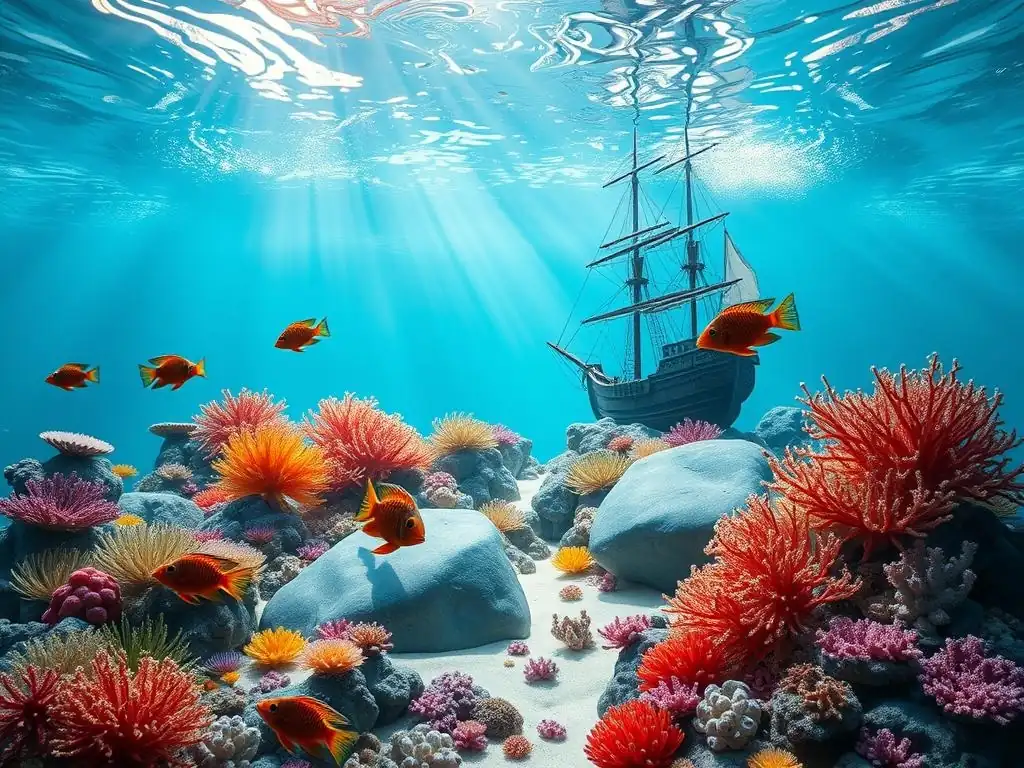
Curious about creating the perfect underwater haven for your Cardinalfish? Dive into our Cardinalfish tank size guide below and unlock the secrets to a thriving aquatic ecosystem. We'll explore everything from optimal tank dimensions to essential decor and water flow, ensuring your Cardinalfish feel right at home. What if you could create the IDEAL environment? Let's find out!
- Understanding Cardinalfish Needs for a Thriving Aquarium
- Cardinalfish Tank Size Guide: Providing Ample Space
- Essential Aquarium Decor for Cardinalfish: Creating a Natural Environment
- Water Flow and Filtration: Maintaining Optimal Conditions for Cardinalfish
- Cardinalfish Tank Mates: Ensuring a Peaceful Community
- Maintaining a Healthy Cardinalfish Tank: Water Parameters and Feeding
- Troubleshooting Common Cardinalfish Tank Issues
- Conclusion: Creating a Thriving Cardinalfish Aquarium
-
Frequently Asked Questions
- What is the minimum tank size recommended for keeping Cardinalfish?
- How important is water flow in a Cardinalfish tank?
- What type of decorations should I include in a Cardinalfish tank?
- Are Cardinalfish suitable for a community aquarium?
- What are some common mistakes to avoid when setting up a Cardinalfish tank?
- Final Reflection: Cultivating Aquatic Harmony
- Unleash the Vibrant Reef: Your Cardinalfish Adventure Begins!
Understanding Cardinalfish Needs for a Thriving Aquarium
The Appeal of Cardinalfish in Reef Aquariums
Cardinalfish, particularly popular species like the Banggai Cardinalfish (Pterapogon kauderni) and Pajama Cardinalfish (Sphaeramia nematoptera), are highly sought after for their striking appearance and peaceful demeanor in reef aquariums. Their unique patterns, often a mix of silver, black, and red, coupled with their tendency to hover or school gracefully, add a captivating visual dynamic to any marine setup. Unlike some more active reef inhabitants, cardinalfish often exhibit a calm, almost meditative presence, making them a focal point for aquarists seeking tranquility in their tanks.
Beyond their aesthetic appeal, cardinalfish are generally considered reef-safe, meaning they pose little to no threat to corals or most invertebrates, making them ideal inhabitants for mixed reef tanks. Their relatively small adult size, typically ranging from 2.5 to 4 inches, allows them to fit comfortably into a variety of tank dimensions, provided the cardinalfish tank size guide recommendations are followed. Their resilience and adaptability, when kept in stable conditions, contribute to their enduring popularity among both novice and experienced marine aquarists.
Key Considerations for Cardinalfish Care
Successful cardinalfish care hinges on replicating their natural environment as closely as possible, focusing on stable water parameters, appropriate diet, and a stress-free habitat. These fish are sensitive to sudden fluctuations in temperature, salinity, and pH, necessitating consistent monitoring and maintenance. A stable temperature range of 75-80°F (24-27°C) and a specific gravity of 1.023-1.026 are crucial for their metabolic functions and overall well-being.
Furthermore, providing ample hiding spots and ensuring a proper cardinalfish tank size are paramount for their psychological and physical health. While generally peaceful, chronic stress from inadequate space or aggressive tank mates can lead to suppressed immune systems and susceptibility to disease. Understanding their nocturnal or crepuscular habits also informs feeding strategies and lighting choices, ensuring they receive adequate nutrition and feel secure within their aquatic home.
Cardinalfish Tank Size Guide: Providing Ample Space
Determining the Ideal Tank Size for Cardinalfish Schools
When planning a cardinalfish habitat, the primary consideration for tank volume revolves around the number of fish intended, particularly for schooling species. For instance, a small school of 5-7 Pajama Cardinalfish typically requires a minimum of 30 gallons, with 40-50 gallons being ideal to allow for ample swimming space and reduce potential aggression within the group. While the "gallon per inch of fish" rule offers a rough estimate for some species, it's less applicable for schooling fish where horizontal swimming space and tank footprint are more critical than sheer vertical depth.
For optimal health and natural behavior, a larger footprint is always superior for schooling fish. A 40-gallon breeder tank (measuring approximately 36" L x 18" W x 16" H) offers significantly more horizontal swimming room and surface area for gas exchange compared to a standard 40-gallon tall tank with a smaller footprint. This increased horizontal space allows cardinalfish to establish territories and school more naturally, promoting a healthier, less stressed environment, which is a key aspect of any effective cardinalfish tank size guide.
Minimum Tank Dimensions for Different Cardinalfish Species
The specific minimum tank size can vary slightly depending on the cardinalfish species, their adult size, and their schooling tendencies. While many cardinalfish remain relatively small, their behavior dictates the required space. It's always advisable to err on the side of a larger tank to provide greater water stability and reduce bioload concentrations, contributing to a more forgiving system for the aquarist and a healthier life for the fish.
Understanding the unique needs of common cardinalfish species helps tailor the ideal environment. The following recommendations are based on typical adult sizes and natural schooling behaviors, aiming to provide a comprehensive cardinalfish tank size guide for popular choices in the hobby.
Banggai Cardinalfish Tank Size Recommendations
Banggai Cardinalfish (Pterapogon kauderni) are among the most recognizable cardinalfish, reaching an adult size of about 3 inches. While they can be kept singly or in pairs, they often thrive in small groups of 4-6 individuals when given adequate space. For a single Banggai or a pair, a 20-gallon long tank (30" L x 12" W x 12" H) can be sufficient due to its horizontal footprint. However, for a small group, a 30-gallon breeder (36" L x 18" W x 12" H) or a 40-gallon breeder tank is much more appropriate.
Despite their modest size, Banggai Cardinalfish appreciate vertical structure and plenty of hiding spots within the rockwork, mimicking their natural habitat among sea urchins and branching corals. A larger tank volume, such as a 40-gallon breeder, not only provides more swimming space for a group but also offers greater water volume, which contributes to increased stability of water parameters. This stability is particularly beneficial for their unique mouth-brooding behavior and overall stress reduction, making a larger tank a better long-term choice as per the cardinalfish tank size guide.
Pajama Cardinalfish Tank Size Recommendations
Pajama Cardinalfish (Sphaeramia nematoptera) are celebrated for their distinctive color pattern and peaceful, schooling nature. Unlike Banggais, Pajama Cardinalfish are obligate schooling fish and should always be kept in groups of at least 5-7 individuals to promote natural behavior and reduce stress. For such a school, a minimum of a 30-gallon tank is required, but a 40-50 gallon tank is significantly better, providing the necessary space for them to school freely and establish their hierarchy without undue aggression.
These fish also grow to approximately 3 inches, and their active schooling requires a tank with a generous footprint. A 40-gallon breeder tank (36" L x 18" W x 16" H) is often considered an excellent choice for a school of Pajama Cardinalfish, as it offers substantial horizontal swimming room. The wider dimensions allow the school to spread out and exhibit their natural schooling behaviors, which is a critical factor for their long-term health and well-being, as highlighted in any comprehensive cardinalfish tank size guide.
Overstocking Risks: Why Proper Tank Size Matters
Overstocking an aquarium, especially with schooling species like cardinalfish, carries significant risks that directly compromise the health and longevity of the inhabitants. The most immediate consequence is an increased bioload, leading to a rapid accumulation of ammonia, nitrite, and nitrate. Even with robust filtration, an undersized tank struggles to process the waste efficiently, resulting in elevated toxin levels that stress fish, weaken their immune systems, and make them highly susceptible to diseases such as marine ich or bacterial infections.
Beyond water quality degradation, insufficient space leads to behavioral issues. In an overcrowded cardinalfish tank, territorial disputes increase, and chronic stress becomes prevalent as fish compete for resources, hiding spots, and swimming lanes. This constant stress can manifest as faded coloration, loss of appetite, abnormal swimming, and even premature death. Adhering to a proper cardinalfish tank size guide is not just about meeting minimums but about providing an environment where these beautiful fish can thrive, exhibit natural behaviors, and live out their full lifespan.
Essential Aquarium Decor for Cardinalfish: Creating a Natural Environment
Live Rock Aquascaping for Cardinalfish: Shelter and Security
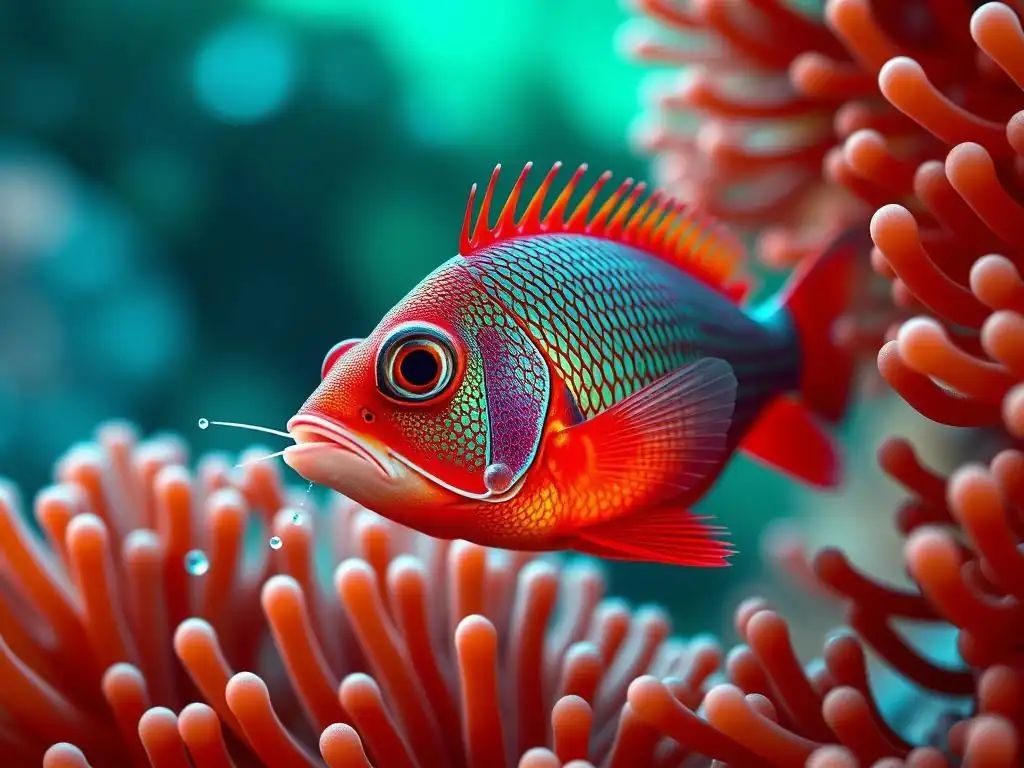
Live rock is an indispensable element in any marine aquarium, and for cardinalfish, its strategic placement is critical for their well-being and sense of security. Cardinalfish are often shy and crepuscular or nocturnal, meaning they are most active during dawn, dusk, or night. During the day, they seek shelter in caves, crevices, and overhangs.
Live rock aquascaping provides these essential hiding spots, mimicking their natural reef habitat and offering crucial retreats from bright lights or perceived threats. Aim for a density of 1 to 1.5 pounds of live rock per gallon to create a complex, stable structure with plenty of nooks.
Beyond providing physical shelter, live rock serves as the primary biological filter in a reef tank, hosting vast colonies of beneficial nitrifying bacteria that process harmful ammonia and nitrite. This contributes significantly to stable water parameters, which are vital for sensitive fish like cardinalfish. Additionally, well-structured live rock can break up lines of sight, reducing potential aggression among schooling cardinalfish and allowing individual fish to establish small territories within the group, enhancing their overall comfort in the cardinalfish tank.
Substrate Selection: Choosing the Right Bottom for Cardinalfish
For a cardinalfish tank, the choice of substrate is primarily aesthetic and functional for the overall ecosystem, as cardinalfish themselves do not typically interact much with the bottom. A fine-grained aragonite sand bed, with a grain size typically ranging from 0.5 to 1.5 mm, is generally recommended. A depth of 1-2 inches is usually sufficient for most setups, providing a natural appearance and a suitable environment for beneficial microfauna and detritivores like snails and copepods.
Aragonite sand also offers a significant benefit in a marine aquarium: it slowly dissolves over time, releasing calcium carbonate and trace elements that help maintain stable pH and alkalinity (dKH). This buffering capacity is advantageous for maintaining the stable water chemistry that cardinalfish require. Avoid very coarse or sharp substrates, which can trap detritus easily or potentially injure delicate fish if they happen to brush against it.
Coral Placement: Providing a Balanced Ecosystem
Cardinalfish are known to be reef-safe, making them excellent companions for a wide variety of corals. When incorporating corals into a cardinalfish tank, the key is to ensure there remains ample open swimming space, particularly for schooling species like Pajama Cardinalfish. Strategic placement can enhance the habitat; large, branching corals or robust LPS (Large Polyp Stony) corals can provide additional sheltered areas or overhangs that cardinalfish appreciate, especially during their less active periods.
Soft corals such as zoanthids, mushrooms, and leather corals, along with many LPS corals like Euphyllia (hammer, frogspawn, torch) or Acanthastrea, are generally good choices. These corals typically thrive under moderate water flow and lighting, which aligns well with the preferences of most cardinalfish. SPS (Small Polyp Stony) corals are also compatible, but their high flow and light requirements should be balanced with the cardinalfish's need for calmer zones. Always ensure that coral growth doesn't impinge on the cardinalfish's swimming lanes or access to hiding spots.
Water Flow and Filtration: Maintaining Optimal Conditions for Cardinalfish
Importance of Adequate Water Circulation for Cardinalfish Health
Adequate water circulation is a cornerstone of a healthy marine aquarium and is particularly important for cardinalfish, though they generally prefer moderate, laminar flow over strong, turbulent currents. Proper flow ensures the even distribution of oxygen, nutrients, and food particles throughout the tank, reaching all inhabitants. It also prevents the accumulation of detritus and waste in "dead spots," which can lead to localized areas of poor water quality and contribute to nuisance algae growth.
In their natural reef environments, many cardinalfish species inhabit calmer areas, such as sheltered lagoons or among the branches of corals, where the flow is gentle but consistent. Mimicking these conditions in the aquarium promotes natural behaviors and reduces stress. Too strong a current can exhaust cardinalfish, leading to labored swimming, reduced feeding, and increased susceptibility to disease. A well-designed flow pattern, aiming for a total tank turnover rate of 10-20 times the tank volume per hour, ensures essential gas exchange and waste removal without overwhelming the fish.
Selecting the Right Powerheads for Cardinalfish Tank Flow
Choosing the appropriate powerheads is crucial for creating the ideal water flow for a cardinalfish tank. Powerheads with adjustable flow rates or those designed to produce a wide, gentle output are highly recommended. Wavemakers, which oscillate or vary flow patterns over time, can create more natural and dynamic water movement without directly blasting the fish, mimicking the ebb and flow of natural reef currents. Positioning powerheads strategically is key; aim them towards the back glass or rockwork to create indirect flow that bounces off surfaces, rather than pointing directly at the fish.
For a 40-gallon cardinalfish tank, two smaller powerheads, each rated at approximately 200-400 GPH (gallons per hour), placed on opposite sides of the tank, can create excellent cross-flow. Alternatively, a single larger powerhead with a wide flow pattern can be effective. Brands like EcoTech Marine Vortech or Jebao wavemakers offer excellent control over flow intensity and pattern, allowing aquarists to fine-tune the circulation to suit the specific needs of their cardinalfish and the overall aquascape, ensuring optimal health and comfort.
Filtration Systems: Keeping the Water Pristine
Maintaining pristine water quality is non-negotiable for cardinalfish, which are sensitive to pollutants and fluctuating parameters. A robust filtration system is essential, combining mechanical, biological, and chemical methods to effectively remove waste and maintain a stable environment. Each type of filtration plays a distinct yet complementary role in ensuring the long-term health of your cardinalfish and the entire aquarium ecosystem.
A well-designed filtration strategy works synergistically to process the bioload and remove impurities. Regular maintenance of these systems is just as important as their initial setup; neglecting filter cleaning or media replacement can turn beneficial components into sources of pollution, jeopardizing the delicate balance of the cardinalfish tank.
Mechanical Filtration for Cardinalfish Tanks
Mechanical filtration is the first line of defense against particulate matter in an aquarium, physically removing uneaten food, detritus, and other suspended particles before they break down and contribute to the organic load. Common mechanical media include filter socks, filter floss, and sponges, which trap debris as water passes through them. For a cardinalfish tank, efficient mechanical filtration helps maintain water clarity and reduces the burden on biological filters.
It is imperative to clean or replace mechanical filter media frequently to prevent them from becoming "nitrate factories." Filter socks, for example, should be rinsed or replaced every 2-3 days, while filter floss may last a week before requiring replacement. A protein skimmer, while often categorized separately, also performs a highly effective form of mechanical filtration by removing dissolved organic compounds and particulate matter before they fully decompose, significantly contributing to the overall water quality in a cardinalfish tank.
Biological Filtration for Cardinalfish Tanks
Biological filtration is the cornerstone of any healthy marine aquarium, responsible for processing the toxic nitrogenous waste produced by fish and decaying organic matter. This process, known as the nitrogen cycle, involves beneficial bacteria converting ammonia into nitrite, and then nitrite into less harmful nitrate. In a reef tank, live rock is the primary biological filter, offering an immense surface area for nitrifying and denitrifying bacteria to colonize. A general guideline of 1 to 1.5 pounds of live rock per gallon provides ample biological filtration capacity.
Beyond live rock, supplemental biological media like bio-balls, ceramic rings, or specialized marine pure blocks can be used in sumps or external filters to provide additional surface area for bacterial colonization, especially in tanks with higher bioloads or less live rock. Ensuring robust biological filtration is critical for cardinalfish, as they thrive in stable environments with undetectable levels of ammonia and nitrite, directly contributing to their longevity and vibrant health.
Chemical Filtration for Cardinalfish Tanks
Chemical filtration employs specialized media to remove dissolved organic compounds, phosphates, silicates, and other impurities that mechanical and biological filtration might miss. Activated carbon is a widely used chemical media that effectively removes yellowing compounds, odors, and certain toxins, significantly improving water clarity and reducing the buildup of inhibitors. GFO (Granular Ferric Oxide) is another popular chemical media, specifically designed to absorb phosphates, which are major contributors to nuisance algae growth.
These chemical media are typically placed in media bags within a sump or hang-on-back filter, or more efficiently, in a dedicated media reactor. For example, using activated carbon changed monthly, and GFO changed every 2-4 weeks (depending on phosphate levels), helps maintain pristine water quality. Consistent use of chemical filtration helps to keep the water parameters stable and free of unsightly pollutants, creating a healthier and more visually appealing environment for your cardinalfish.
Cardinalfish Tank Mates: Ensuring a Peaceful Community
Compatible Fish Species for Cardinalfish Aquariums
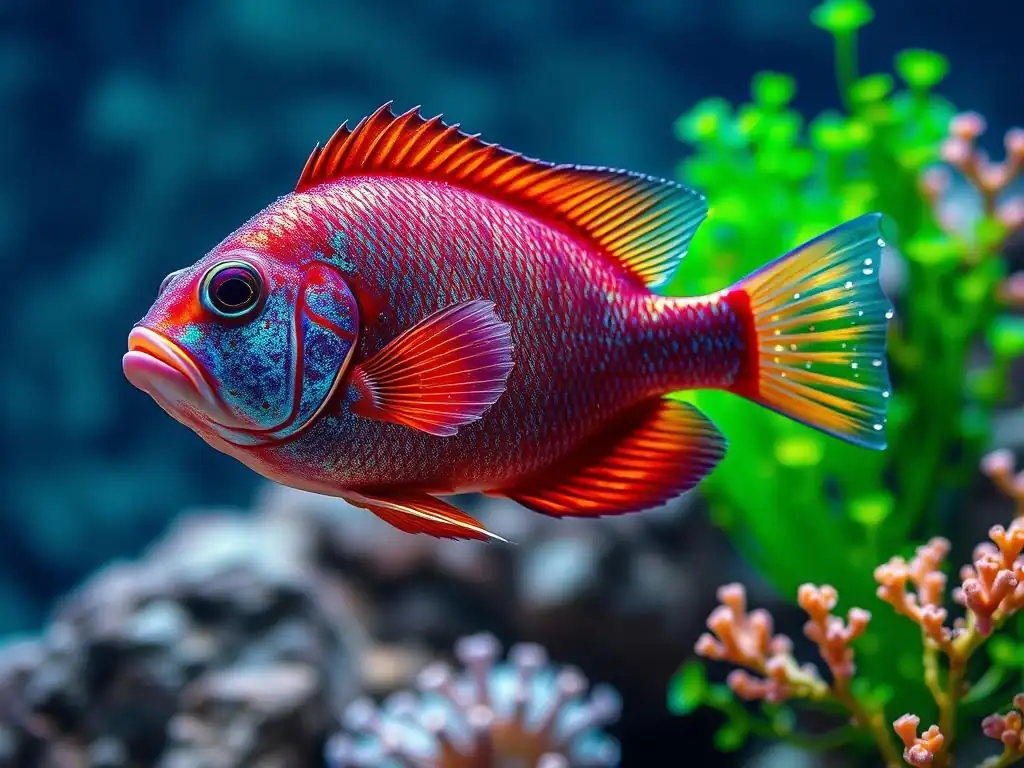
Cardinalfish are generally peaceful and shy, making their compatibility with tank mates a crucial consideration. They thrive best with other docile, non-aggressive fish that will not outcompete them for food or bully them. Excellent choices for a cardinalfish tank include small gobies (such as Watchman Gobies, Yellow Watchman Gobies, or Clown Gobies), blennies (like Lawnmower Blennies or Two-spot Blennies), firefish, and other peaceful schooling fish, provided the cardinalfish tank size can accommodate them all comfortably. Small, peaceful anthias species can also be compatible if given ample space and frequent feedings.
When selecting tank mates, always consider their adult size, temperament, and specific dietary needs to ensure a harmonious environment. For instance, a small school of 5-7 Pajama Cardinalfish will typically coexist well with a pair of Ocellaris or Percula Clownfish in a 40-gallon or larger system, as these clownfish are generally less aggressive than some other species. The key is to avoid any fish known for territorial aggression or a tendency to nip at fins or harass smaller, more timid species.
Invertebrates that Thrive with Cardinalfish
Most invertebrates are excellent and beneficial tank mates for cardinalfish, as cardinalfish generally pose no threat to them, and vice versa. Cleaner shrimp species, such as Peppermint Shrimp (Lysmata wurdemanni) or Skunk Cleaner Shrimp (Lysmata amboinensis), are highly recommended as they contribute to tank cleanup and can even help remove parasites from fish. Various types of snails, including Nassarius snails, Trochus snails, and Turbo snails, are invaluable for controlling algae and scavenging uneaten food, contributing to a cleaner cardinalfish tank.
Hermit crabs, provided they are of a non-aggressive variety and have plenty of appropriately sized spare shells, also make good tank mates. Other compatible invertebrates include various starfish (e.g., Brittle Stars, Serpent Stars), feather dusters, and sea cucumbers. These invertebrates add biodiversity and functional roles to the ecosystem without posing any threat to the cardinalfish. For example, a colony of 3-5 Nassarius snails can effectively manage uneaten food in a 40-gallon cardinalfish tank, keeping the sand bed clean.
Avoiding Aggressive Tank Mates: Protecting Your Cardinalfish
To ensure the safety and well-being of your cardinalfish, it is imperative to avoid housing them with aggressive or semi-aggressive species that could bully, injure, or outcompete them for resources. Large angelfish, triggerfish, puffers, lionfish, and certain large wrasses are typically unsuitable tank mates due to their predatory nature or aggressive tendencies. Even some species of damselfish, known for their territorial behavior, can be too aggressive for the shy cardinalfish.
When introducing any new fish to a cardinalfish tank, always exercise caution. A quarantine period for new additions is highly recommended to observe their temperament and ensure they are disease-free before introducing them to the main display. Closely monitor interactions for several days after introduction. If any signs of aggression, nipping, or excessive chasing are observed towards the cardinalfish, the aggressive individual should be removed promptly to prevent chronic stress, injury, or even death to your cardinalfish.
Maintaining a Healthy Cardinalfish Tank: Water Parameters and Feeding
Ideal Water Parameters for Cardinalfish: Temperature, Salinity, and pH
Maintaining stable and optimal water parameters is the single most critical factor for the long-term health and vibrancy of cardinalfish. These fish thrive within specific ranges: temperature should be consistently kept between 75-80°F (24-27°C), salinity at a specific gravity of 1.023-1.026, and pH between 8.1-8.4. Sudden or significant fluctuations in any of these parameters can cause severe stress, weaken the fish's immune system, and make them highly susceptible to disease.
Regular testing is essential. Use a reliable aquarium heater with a controller to maintain stable temperatures and a high-quality refractometer for accurate salinity readings. Test for ammonia (0 ppm), nitrite (0 ppm), and nitrate (ideally below 10-20 ppm) weekly. If corals are present, also monitor alkalinity (8-12 dKH), calcium (400-450 ppm), and magnesium (1250-1350 ppm) bi-weekly. Consistent monitoring and proactive adjustments are key to preventing issues and ensuring a healthy cardinalfish tank.
Nutritional Needs of Cardinalfish: Feeding Strategies
Cardinalfish are carnivores and require a varied diet rich in meaty foods to thrive. High-quality frozen foods should form the staple of their diet, including enriched Mysis shrimp, brine shrimp, copepods, and finely chopped marine-based foods like krill or silversides. While some cardinalfish may accept high-quality flake or pellet foods, these should be offered as supplements rather than the sole food source, as they often lack the complete nutritional profile of frozen options.
Due to their somewhat nocturnal or crepuscular nature, cardinalfish may feed more actively during dim light conditions or shortly after the main tank lights have been turned off. Offer small amounts of food 2-3 times a day to ensure all fish get enough to eat without overfeeding, which can quickly degrade water quality. For a small school of Pajama Cardinalfish in a 40-gallon tank, a pinch of frozen Mysis shrimp per feeding is often sufficient, ensuring it is consumed within a few minutes to prevent excess waste.
Regular Water Changes: Maintaining Water Quality
Regular water changes are an indispensable part of marine aquarium maintenance and are crucial for the health of cardinalfish. They serve several vital functions: replenishing essential trace elements that are naturally depleted over time, and most importantly, removing accumulated nitrates and other dissolved pollutants that even the most robust filtration systems cannot completely eliminate. A general guideline for a cardinalfish tank is a 10-20% water change every 1-2 weeks.
Always use high-quality RODI (Reverse Osmosis Deionized) water mixed with a reputable marine salt mix to prepare new saltwater. This ensures consistency and prevents the introduction of unwanted impurities like phosphates or silicates found in tap water. Before adding new water to the tank, ensure its temperature and salinity precisely match that of the existing tank water. This meticulous approach minimizes stress on the cardinalfish, helping to maintain stable water parameters and a pristine environment.
Troubleshooting Common Cardinalfish Tank Issues
Identifying and Addressing Cardinalfish Diseases
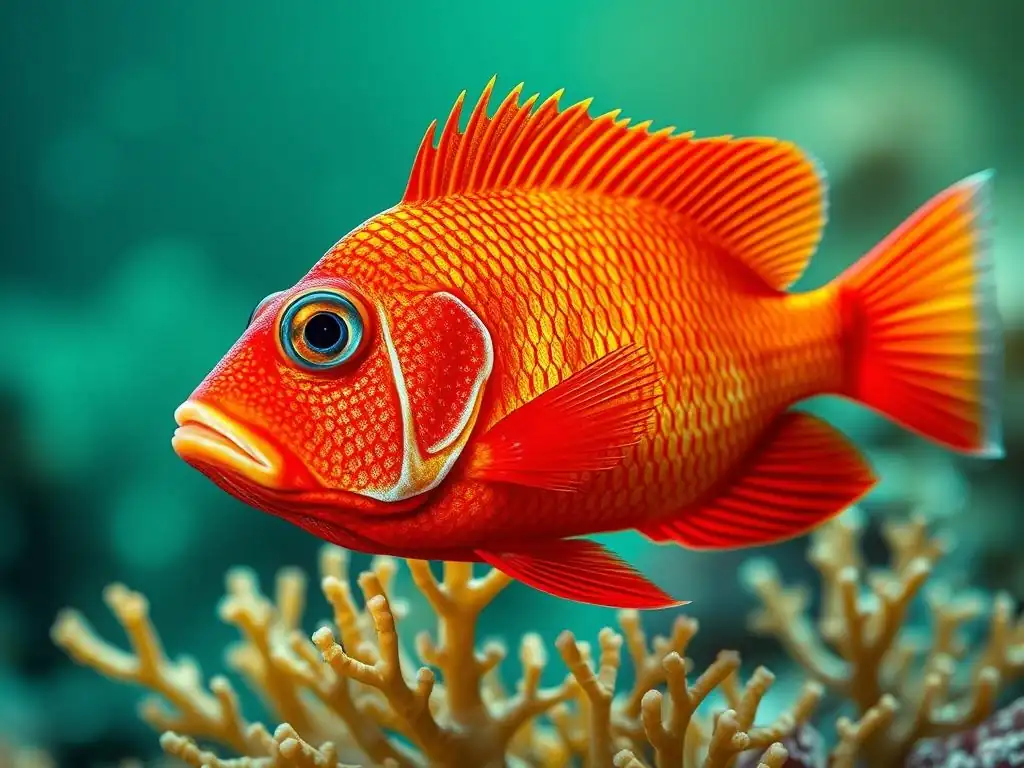
Cardinalfish, like all aquarium inhabitants, can be susceptible to common marine diseases if water quality is poor or they are under stress. Marine ich (Cryptocaryon irritans) and velvet (Amyloodinium ocellatum) are parasitic infections that manifest as white spots or a dusty coating on the fish's body and fins, often accompanied by rapid breathing or scratching against decor. Bacterial infections might present as fin rot, cloudy eyes, or ulcers. Early identification is crucial for successful treatment.
If a disease is suspected, immediately isolate the affected cardinalfish in a dedicated quarantine tank (QT) if possible. Treatments vary by disease; marine ich can often be treated with copper-based medications or by maintaining hyposalinity (reduced salinity) in a fish-only system. Bacterial infections typically require broad-spectrum antibiotics. However, the best defense is always prevention: maintaining excellent water quality, providing a stress-free environment, and quarantining all new fish before introduction to the main cardinalfish tank.
Preventing Stress in Cardinalfish: Minimizing Environmental Changes
Stress is a leading cause of disease in aquarium fish, and cardinalfish are particularly sensitive to environmental instability. To prevent stress, minimize sudden changes in water parameters, lighting, or tank mates. When introducing new fish, use a slow drip acclimation method to gradually equalize water parameters, which can take 1-2 hours. Avoid abrupt shifts in tank temperature or salinity during water changes by ensuring the new water matches the tank's conditions precisely.
Provide ample hiding spots within the aquascape, as outlined in the cardinalfish tank size guide, to give them a sense of security. Avoid aggressive tank mates that might harass them. Also, minimize unnecessary disturbances to the tank, such as excessive hand movements or sudden loud noises. A stable, consistent environment, coupled with regular, appropriate feeding, will significantly reduce stress levels, allowing your cardinalfish to thrive and maintain a robust immune system.
Signs of a Healthy Cardinalfish: Behavior and Appearance
Observing the behavior and appearance of your cardinalfish regularly is key to identifying potential issues early. A healthy cardinalfish exhibits vibrant, clear coloration appropriate for its species, clear and alert eyes, and intact fins free from tears or nips. They should swim actively and purposefully, though Banggai Cardinalfish often hover more than swim, and schooling species like Pajama Cardinalfish should exhibit natural schooling behaviors, moving cohesively as a group.
Their appetite should be consistent, and they should respond eagerly to feeding. Respiration should be calm and even, without rapid gill movements. For instance, healthy Pajama Cardinalfish will typically school loosely during the day and seek shelter among the rockwork at night, whereas Banggai Cardinalfish might be seen hovering near a long-spined urchin or a specific rock cave. Any deviation from these normal behaviors, such as hiding excessively, labored breathing, faded colors, or unusual spots, warrants immediate investigation and action to address the underlying cause in your cardinalfish tank.
Conclusion: Creating a Thriving Cardinalfish Aquarium
The Rewards of a Well-Maintained Cardinalfish Habitat
Successfully establishing and maintaining a thriving cardinalfish habitat is an incredibly rewarding endeavor for any aquarist. By meticulously following guidance on appropriate cardinalfish tank size, providing intricate decor, ensuring optimal water flow, and implementing robust filtration, you create an environment where these captivating fish can flourish. Their unique patterns, peaceful demeanor, and fascinating schooling behaviors add a dynamic beauty and serene interest to any reef aquarium, making them a true focal point for observation and enjoyment.
A well-maintained cardinalfish tank is a testament to dedicated aquarism, showcasing a vibrant, balanced ecosystem where the fish exhibit their natural behaviors. The satisfaction of seeing a healthy school of Pajama Cardinalfish gracefully navigate their space or a pair of Banggai Cardinalfish carefully tending to their brood makes the effort profoundly worthwhile. This success culminates in a captivating underwater display that provides endless fascination and a peaceful retreat within your home for years to come.
Further Resources for Cardinalfish Care at Aquarium Mastery
Aquarium Mastery is your comprehensive resource for all aspects of marine aquarium husbandry, offering a wealth of additional information to deepen your understanding and enhance your cardinalfish care practices. We encourage you to explore our detailed species profiles for specific cardinalfish types, which delve into unique behaviors, dietary needs, and breeding considerations. Our extensive troubleshooting guides cover common issues like disease identification and prevention, helping you quickly address any challenges.
Furthermore, our advanced articles on reef tank maintenance, water chemistry, and filtration techniques provide in-depth knowledge to optimize your system. From selecting the right equipment to understanding complex biological processes, Aquarium Mastery is continually updated to provide the most current and accurate information available. Bookmark Aquarium Mastery as your essential guide, ensuring the long-term health, vibrancy, and success of your cardinalfish and your entire marine ecosystem.
Frequently Asked Questions
What is the minimum tank size recommended for keeping Cardinalfish?
The minimum tank size for a small group of Cardinalfish is typically 20 gallons. However, a larger tank is always better to provide more space and reduce stress on the fish.
How important is water flow in a Cardinalfish tank?
Cardinalfish prefer moderate water flow that mimics their natural reef environment. Adequate flow helps with oxygenation and waste removal, contributing to a healthier aquarium.
What type of decorations should I include in a Cardinalfish tank?
Cardinalfish appreciate plenty of hiding places such as caves, rockwork, and branching corals. These decorations provide them with security and a sense of comfort.
Are Cardinalfish suitable for a community aquarium?
Yes, Cardinalfish are generally peaceful and can be kept in a community aquarium with other non-aggressive fish. Ensure tank mates are compatible in terms of temperament and water parameters.
What are some common mistakes to avoid when setting up a Cardinalfish tank?
Avoid overcrowding the tank, neglecting water changes, and introducing aggressive tank mates. Maintaining stable water parameters is also crucial for their health.
Final Reflection: Cultivating Aquatic Harmony
The principles outlined in this guide, from selecting the appropriate tank size to mimicking natural flow patterns, are not merely about keeping cardinalfish alive; they're about creating thriving ecosystems within our homes. The success of a cardinalfish tank hinges on understanding and respecting the delicate balance of their natural environment, a lesson that extends far beyond the glass walls of an aquarium.
This journey into cardinalfish husbandry has underscored the profound impact we have on the lives of the creatures we choose to share our space with. It's a reminder that responsible pet ownership is about more than just providing basic needs; it's about fostering an environment where they can truly flourish. In the end, we will conserve only what we love; we will love only what we understand; and we will understand only what we are taught.
- Baba Dioum. This quote perfectly encapsulates the importance of understanding the needs of our aquatic companions.
Now, armed with this knowledge, I encourage you to reflect on the environments you create, both for your pets and for yourself. Consider how you can apply these principles of thoughtful design and mindful stewardship to cultivate spaces that promote well-being and harmony. Let the vibrant life of a well-maintained cardinalfish tank serve as a constant reminder of the beauty and responsibility that comes with nurturing life, in all its forms.
Unleash the Vibrant Reef: Your Cardinalfish Adventure Begins!
Thank you for diving into the captivating world of cardinalfish! We hope you've gained valuable insights into creating the perfect environment for these dazzling reef inhabitants. Now, it's time to transform that knowledge into action and watch your underwater paradise thrive.
Here are a few ways to continue your cardinalfish journey:
- Plan Your Ideal Cardinalfish Habitat: Take everything you've learned and design the perfect tank on paper, considering size, aquascaping, and flow. This detailed blueprint will guide your next steps.
- Share Your Vision: Head over to the Aquarium Mastery community forum and share your cardinalfish habitat plan. Get feedback from experienced reef keepers and inspire others!
- Explore Unique Cardinalfish Species: Delve deeper into the diverse world of cardinalfish and research some of the lesser-known, but equally stunning, species that could be a perfect fit for your aquarium.
What's the first element of your dream cardinalfish tank that you're most excited to bring to life?