
Feeding Acan Corals: Fueling Growth & Vibrancy in Your LPS Collection

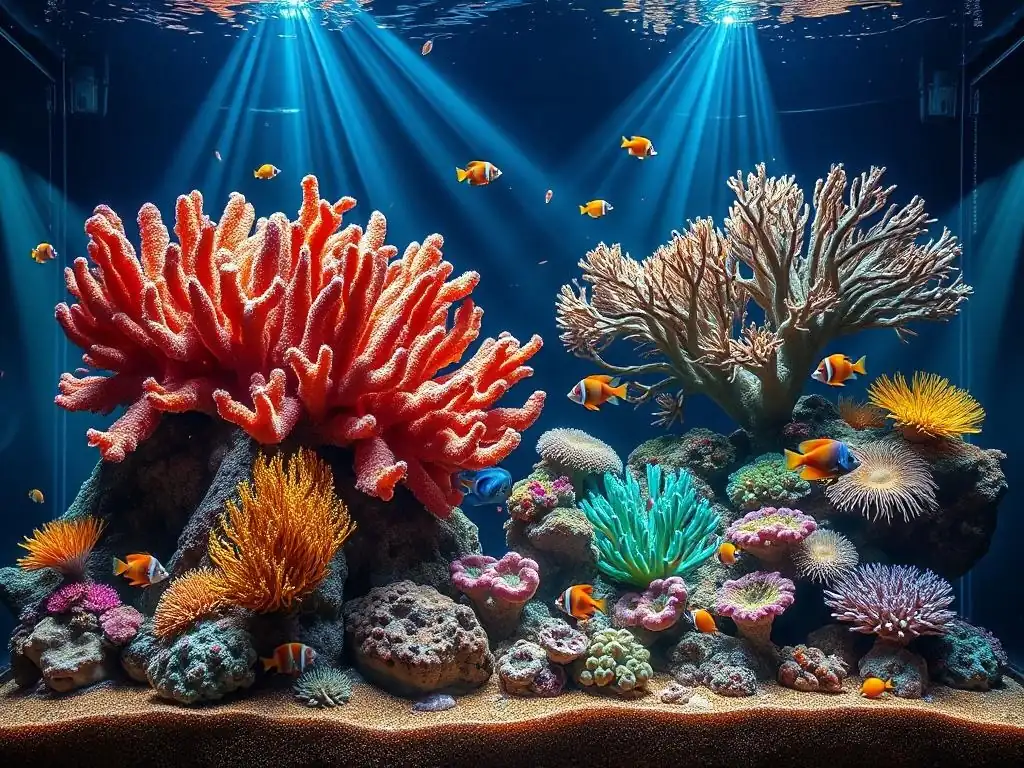
Welcome to Aquarium Mastery!
Ever wondered how to unlock the true vibrancy and rapid growth potential of your Acan corals? We're diving deep into the secrets of Acan coral feeding schedules to help you cultivate a thriving LPS collection. Discover the optimal strategies to nourish these stunning corals and witness the breathtaking results. Ready to fuel their beauty? Let's get started!
- Understanding Acan Corals and Their Nutritional Needs
- Developing an Effective Acan Coral Feeding Schedule
- Choosing the Right Food for Your Acan Corals
- Acan Coral Feeding Techniques: Maximizing Consumption
- Frequently Asked Questions
- Final Reflection: Nurturing the Reef's Jewels
- Ignite Your Acan's Glow: Discover the Feeding Secrets!
Understanding Acan Corals and Their Nutritional Needs
What are Acan Corals? A Brief Introduction to Acanthastrea
Acan corals, scientifically known as Acanthastrea, are a popular genus of Large Polyp Stony (LPS) corals cherished by reef aquarists for their vibrant coloration and unique textured appearance. These corals are colonial, meaning they consist of multiple polyps that share a common skeleton. Each polyp typically has a fleshy appearance with distinct ridges and valleys, often displaying striking combinations of reds, greens, blues, and purples. Their relatively hardy nature and captivating aesthetics make them a cornerstone species in many mixed reef aquariums, provided their specific care requirements, including a precise Acan coral feeding schedule, are met.
Originating from the Indo-Pacific region, Acanthastrea corals inhabit various depths, from shallow reef crests to deeper, turbid waters, indicating their adaptability but also their need for sufficient nutrient availability. They are primarily photosynthetic, hosting symbiotic zooxanthellae algae within their tissues, which provide a significant portion of their energy through photosynthesis. However, like many LPS corals, Acans are also heterotrophic, meaning they actively capture and consume food particles from the water column, making a well-structured Acan coral feeding schedule essential for their long-term health and impressive growth rates.
Why Proper Feeding is Crucial for Acan Coral Health and Growth
While Acan corals derive a substantial amount of their energy from light-driven photosynthesis, relying solely on light will not unlock their full potential for growth, coloration, and overall vitality. Proper feeding supplements the energy provided by zooxanthellae, supplying essential nutrients like proteins, fats, and amino acids that are vital for tissue development, skeletal growth, and vibrant pigmentation.
Studies and extensive anecdotal evidence from aquarists suggest that a consistent and appropriate Acan coral feeding schedule can lead to significantly faster growth rates, sometimes showing an observed increase in colony size of 15-20% per year compared to unfed corals under similar lighting conditions.
Beyond mere growth, a comprehensive Acan coral feeding schedule directly impacts the coral's resilience and ability to recover from stress. Well-fed corals are better equipped to fight off diseases, regenerate damaged tissue, and maintain their stunning coloration. Nutrients absorbed through feeding contribute to the synthesis of pigments, enhancing the reds, greens, and blues that make Acans so appealing.
Without adequate external feeding, Acans may slowly recede, lose their vibrant hues, or fail to expand their polyps fully, signaling a deficiency in their nutritional intake. Therefore, understanding and implementing an effective Acan coral feeding schedule is paramount for cultivating robust and visually spectacular colonies.
Natural Diet of Acan Corals in the Wild: Microfauna and Dissolved Organics
In their natural habitats, Acan corals are opportunistic feeders, relying on a diverse diet that includes various forms of microfauna and dissolved organic matter. Their polyps, especially at night or during periods of reduced light, extend their tentacles to capture microscopic organisms drifting in the water column. This natural Acan coral feeding behavior involves trapping zooplankton, phytoplankton, and small invertebrates that come into contact with their stinging tentacles (nematocysts). The size of these prey items typically ranges from a few microns up to several millimeters, depending on the polyp size.
Beyond active predation, Acans also absorb dissolved organic compounds (DOCs) directly from the surrounding seawater. These organic molecules, derived from the breakdown of detritus, waste products from other organisms, and marine snow, provide additional carbon and nitrogen sources. This dual feeding strategy — a combination of particulate feeding and dissolved nutrient uptake — highlights the importance of offering a varied diet in the home aquarium. Mimicking this natural Acan coral feeding behavior through a well-rounded Acan coral feeding schedule, incorporating both solid and liquid foods, is key to replicating the conditions that lead to thriving colonies in the wild.
Developing an Effective Acan Coral Feeding Schedule
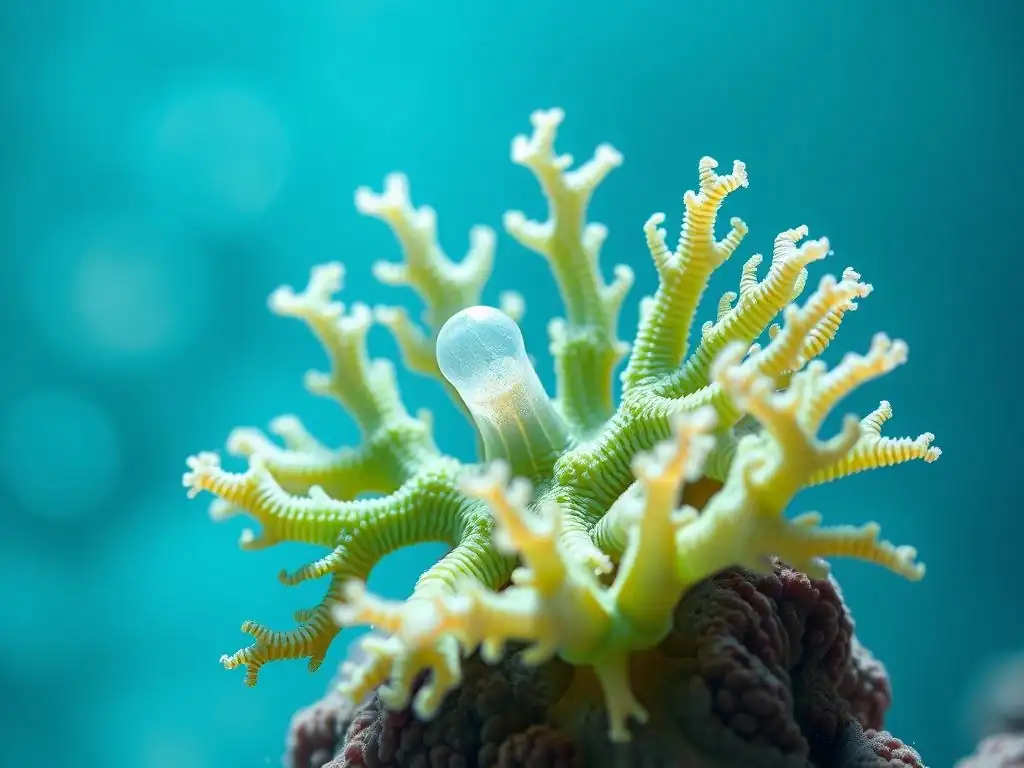
Establishing a Consistent Feeding Routine for Optimal Acan Growth
Consistency is a cornerstone of any successful Acan coral feeding schedule. Just like any living organism, corals benefit from a predictable routine, which allows their metabolic processes to adapt and optimize nutrient uptake. Irregular feeding can stress corals, leading to inconsistent growth, reduced coloration, and potentially even tissue recession as they struggle to adapt to fluctuating food availability. Establishing a set routine, such as feeding every two to three days at a specific time, helps the corals anticipate and prepare for nutrient intake, often resulting in more robust polyp extension and feeding responses.
To implement a consistent Acan coral feeding schedule, it's beneficial to integrate feeding into your regular aquarium maintenance routine. For instance, if you perform water tests on Wednesdays and Saturdays, you might choose those evenings for feeding. This not only ensures regularity but also helps you remember to feed. Documenting your feeding times and observations in a logbook can further refine your Acan coral feeding schedule, allowing you to track which foods and frequencies yield the best results for your specific colonies, leading to more predictable and sustained growth over time.
Frequency of Feeding: How Often Should You Feed Your Acan Corals?
The optimal frequency for an Acan coral feeding schedule can vary depending on several factors, including the coral's size, age, growth rate, and the nutrient levels already present in the aquarium water. Generally, for established colonies, feeding 1 to 3 times per week is a good starting point.
Younger or smaller frags that are actively growing may benefit from more frequent feeding, perhaps every other day, to fuel their rapid development. Conversely, in a heavily stocked reef tank with ample fish waste providing residual nutrients, a less frequent Acan coral feeding schedule, such as twice a week, might suffice to prevent excess nutrient buildup.
It's crucial to observe your specific corals' responses to determine the ideal frequency. Signs of underfeeding might include slow growth, pale coloration, or reluctance to extend polyps, suggesting an increase in feeding frequency is needed. Conversely, overfeeding can lead to issues like elevated nitrates and phosphates, excessive algae growth around the coral, or even tissue necrosis if food particles remain undigested and rot on the coral. A balanced Acan coral feeding schedule aims to provide sufficient nutrition without compromising water quality, often finding a sweet spot around 2-3 times per week for most home aquariums.
Best Time to Feed Acan Corals: Optimizing Nutrient Uptake
The best time to feed Acan corals is typically during the evening or at night, after the main aquarium lights have dimmed or turned off. This timing aligns with their natural feeding behavior in the wild. Acan polyps tend to extend more fully and their feeding tentacles become more active in low-light conditions, as they are less reliant on photosynthesis and more focused on capturing particulate food. Feeding during this period allows the corals to fully extend their feeding tentacles without competition from strong light, maximizing their ability to capture and ingest food particles.
To optimize nutrient uptake as part of your Acan coral feeding schedule, consider turning off powerheads for 15-30 minutes during feeding. This reduces water flow, allowing food particles to settle directly onto the corals' polyps rather than being swept away. After about 30 minutes, resume normal flow to distribute any remaining food and prevent stagnation. This strategic timing and flow adjustment significantly improve the efficiency of your Acan coral feeding efforts, ensuring that more of the expensive coral food reaches its intended target and is consumed, leading to better growth and coloration.
Choosing the Right Food for Your Acan Corals
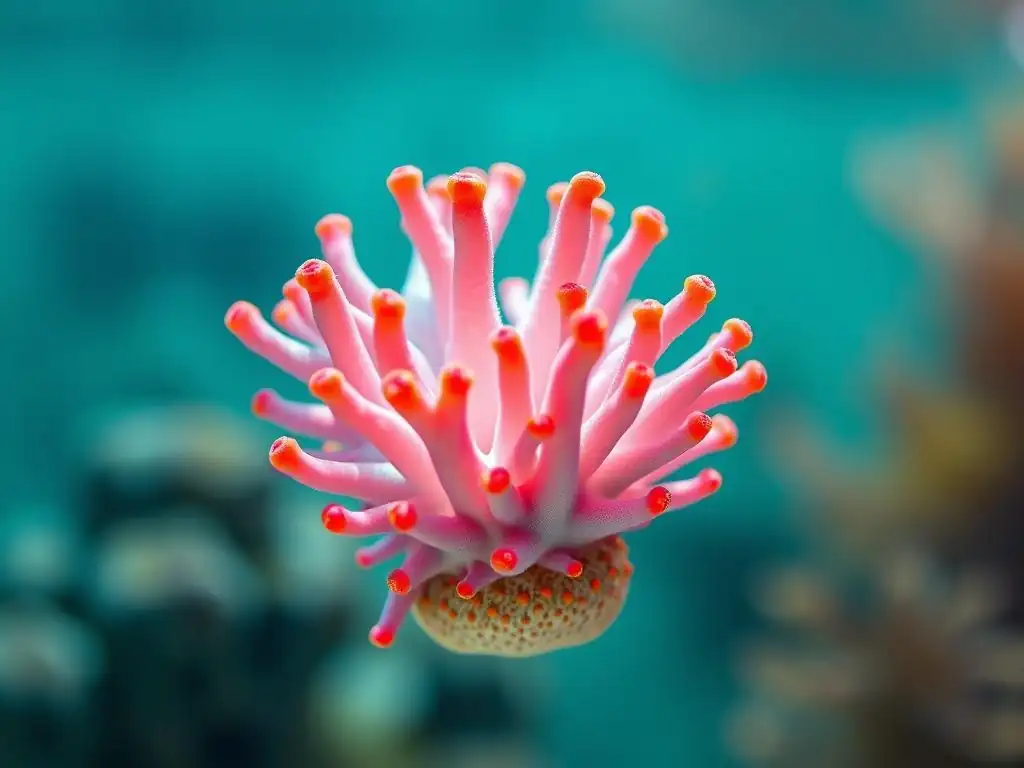
Identifying Ideal Acan Coral Food Size and Texture
The effectiveness of an Acan coral feeding schedule heavily relies on selecting foods of appropriate size and texture. Acan polyps have relatively large mouths compared to many other LPS corals, allowing them to consume a variety of particle sizes. Generally, food particles ranging from 0.5 mm to 3 mm are ideal for most adult Acan colonies.
This size range includes items like small mysis shrimp, cyclop-eeze, finely chopped krill, and various commercially prepared coral foods specifically designed for LPS corals. Particles that are too small might be difficult for the polyps to capture, while overly large pieces could overwhelm their digestive capacity.
Texture is also a critical consideration. Foods that are soft and easily digestible are preferred. Frozen foods, once thawed, typically offer a soft texture that Acans can readily grasp and ingest. Dry foods, such as pellets or flakes, often need to be rehydrated before feeding to soften them and prevent them from floating away too quickly. The goal is to provide food that is readily accepted and efficiently processed by the coral, ensuring that each component of your Acan coral feeding schedule contributes meaningfully to their nutrition without causing stress or wasted resources.
Recommended Foods for Acan Corals: A Comprehensive List
A diverse diet is key to a robust Acan coral feeding schedule, providing a wide spectrum of nutrients necessary for vibrant health and growth. Here's a comprehensive list of recommended foods:
- Frozen Foods:
- Mysis Shrimp: A staple for many LPS corals, rich in protein and fat. Opt for smaller varieties (e.g., Hikari BioPure Mysis Shrimp).
- Cyclop-eeze: Tiny crustaceans high in HUFAs (Highly Unsaturated Fatty Acids) and astaxanthin, excellent for color enhancement.
- Finely Chopped Krill: A good source of protein and carotenoids, but should be finely minced for easier ingestion.
- Brine Shrimp (enriched): While less nutritious than mysis, enriched brine shrimp can be a good carrier for supplements.
- Rotifers: Excellent for smaller Acan polyps or frags, providing a highly digestible protein source.
- Dry/Pelletized Foods:
- LPS-specific Pellets: Brands like Reef Roids, Fauna Marin LPS Grow, or Brightwell Aquatics Reef Blizzard offer balanced nutritional profiles and appropriate particle sizes. These often contain a blend of marine proteins, algae, and vitamins.
- Coral Gels/Pastes: Some manufacturers offer concentrated gel or paste foods that can be target-fed.
- Liquid/Suspension Foods:
- Phytoplankton Concentrates: While Acans are primarily zooplankton feeders, some phytoplankton may be consumed directly or indirectly by filter feeders in the tank, contributing to the overall food web.
- Amino Acid Supplements: Products like Brightwell Aquatics AminOmega or Fauna Marin Ultra Amin provide essential amino acids vital for coral tissue repair and growth. These are absorbed directly.
Integrating a variety of these options into your Acan coral feeding schedule ensures a complete nutritional profile, promoting optimal growth and stunning coloration. For example, you might feed mysis and cyclop-eeze on one day, and an LPS-specific pellet on another, complemented by amino acid dosing.
Liquid Foods vs. Particle Foods: Pros and Cons for Acan Feeding
When designing an Acan coral feeding schedule, it's important to consider the distinct advantages and disadvantages of both liquid (dissolved) and particle (solid) foods. Particle foods, such as mysis shrimp or LPS pellets, mimic the zooplankton and other microfauna that Acans actively capture in the wild. These foods provide dense packets of protein, fat, and carbohydrates, directly fueling growth and tissue development. The act of capturing and consuming solid food also stimulates the coral's natural feeding response, promoting polyp extension and overall vigor. However, particle foods can quickly foul the water if not fully consumed, leading to nutrient spikes.
Liquid foods, including amino acid solutions, vitamin supplements, and some phytoplankton concentrates, are absorbed directly by the coral's tissues or consumed by symbiotic bacteria. They are excellent for providing essential micronutrients, stimulating metabolic processes, and enhancing coloration, particularly through amino acids. Liquid foods are generally less likely to pollute the water if dosed correctly, as they are either absorbed or processed by the tank's biological filtration.
The downside is that they typically do not provide the same caloric density as solid foods, meaning they cannot be the sole source of nutrition for an effective Acan coral feeding schedule. A balanced approach, incorporating both types of food, offers the most comprehensive nutritional strategy for your Acans.
Preparing Frozen Food for Acan Corals: Thawing and Rinsing Techniques
Proper preparation of frozen foods is a crucial step in any effective Acan coral feeding schedule to ensure safety and minimize water quality issues. First, thaw the desired amount of frozen food in a small cup of aquarium water. Never thaw frozen foods in tap water, as it may contain chlorine or chloramines that are harmful to your corals. Allow the food to thaw completely, which usually takes about 5-10 minutes. This ensures the food is soft and easily digestible for the corals.
After thawing, it is highly recommended to rinse the food using a fine mesh net or sieve under a gentle stream of RO/DI water. This step is vital for removing any residual phosphates or nitrates that may be present in the packing juices of the frozen food, which can contribute to undesirable algae growth in your reef tank. Once rinsed, the food is ready for feeding. This simple preparation technique significantly reduces the risk of nutrient pollution, maintaining optimal water parameters while still providing the essential nutrition your Acan coral feeding schedule demands.
Acan Coral Feeding Techniques: Maximizing Consumption
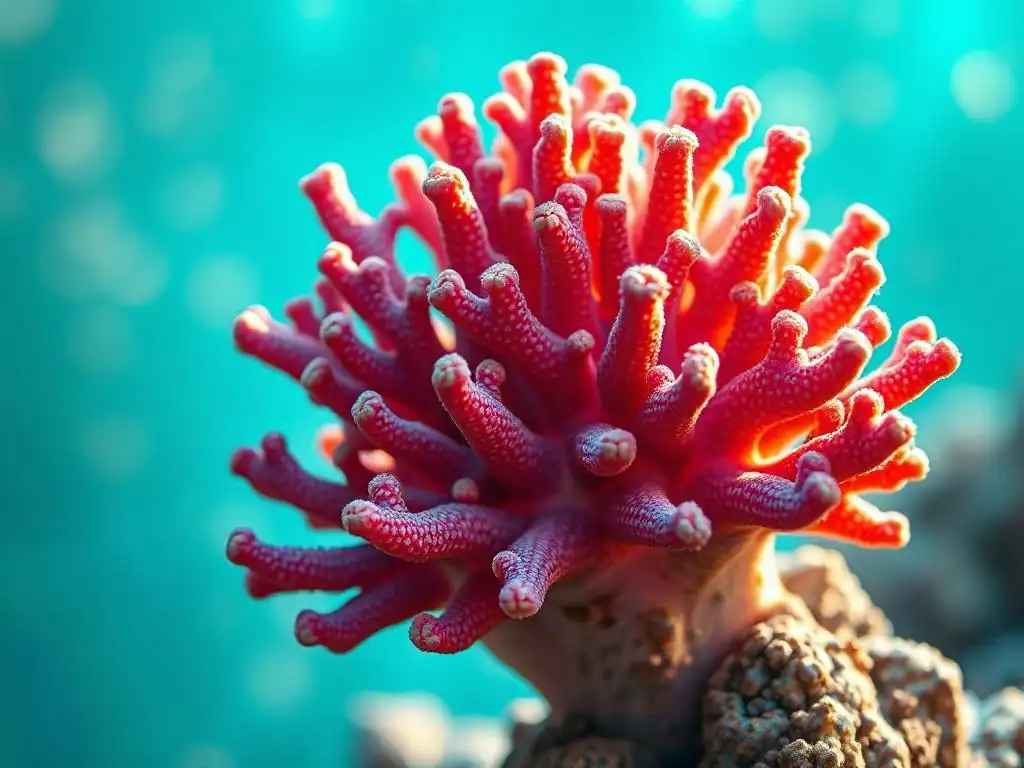
Target Feeding Acan Corals: Precision Nutrition Delivery
Target feeding is arguably the most efficient method for delivering nutrition directly to your Acan corals, ensuring maximum consumption and minimal waste. This technique involves using a specialized feeding tool to precisely deliver food particles directly onto the polyps of individual coral colonies. A turkey baster, a long pipette, or a coral feeding syringe are excellent tools for this purpose. The advantage of target feeding is that it guarantees the food reaches the coral, reducing competition from fish and other tank inhabitants, and significantly minimizing the amount of uneaten food that can degrade water quality.
To perform target feeding as part of your Acan coral feeding schedule, first, prepare your chosen food (e.g., thawed mysis shrimp). Then, turn off your aquarium's return pump and powerheads for about 15-30 minutes to create still water conditions. Draw a small amount of food into your feeding tool and slowly release it directly over the open polyps of your Acan coral.
Observe as the polyps extend and grasp the food. This method, while more time-consuming than broadcasting, ensures that each Acan colony receives adequate nutrition, leading to more robust growth and vibrant coloration, especially for smaller or less competitive colonies.
Broadcasting Food for Acan Corals: Reaching Multiple Colonies
While target feeding offers precision, broadcasting food is a practical method for feeding multiple Acan coral colonies simultaneously, especially in larger reef aquariums with numerous LPS corals. This technique involves dispersing a diluted mixture of food throughout the tank, allowing the water currents to carry the particles to the corals. While less precise than target feeding, broadcasting can stimulate a broader feeding response across the entire reef system and is less labor-intensive when managing a comprehensive Acan coral feeding schedule for a heavily stocked tank.
When broadcasting, it's still advisable to turn off strong water flow for a short period (e.g., 10-15 minutes) to prevent food from being immediately swept into the overflow or mechanical filtration. Dilute your chosen food (e.g., a mix of cyclop-eeze and finely chopped mysis) in a cup of aquarium water before slowly pouring it into an area with gentle flow or directly into the display tank.
Monitor the corals' response to ensure adequate distribution. Although some food may be lost to filtration or other inhabitants, broadcasting can be a time-efficient way to provide general nutrition, complementing a more targeted Acan coral feeding schedule for specific colonies.
Using a Feeding Syringe for Acan Coral Feeding: A Step-by-Step Guide
A feeding syringe is an invaluable tool for precision feeding within your Acan coral feeding schedule, offering excellent control over food delivery. Here's a step-by-step guide:
- Prepare the Food: Thaw your chosen frozen food (e.g., mysis shrimp or cyclop-eeze) in a small cup of aquarium water. Ensure it's finely chopped if necessary to fit through the syringe tip. Rinse the food well to remove impurities.
- Draw Food into Syringe: Submerge the tip of the feeding syringe into the cup of prepared food and slowly pull back the plunger to draw in the desired amount. Avoid drawing in too much air.
- Turn Off Flow: Temporarily switch off your aquarium's return pump and powerheads. This creates calm conditions, preventing food from being swept away before it reaches the coral.
- Target the Coral: Carefully position the tip of the syringe directly above or slightly to the side of the Acan coral's polyps. Aim for the mouth area or directly onto the extended tentacles.
- Dispense Slowly: Gently depress the plunger to slowly release the food. Observe the polyps as they react and grab the food. Avoid squirting too much food at once, as this can overwhelm the coral or create unnecessary waste.
- Repeat for Other Colonies: Move to other Acan colonies or LPS corals you wish to feed, repeating the process.
- Resume Flow: After 15-30 minutes, once the corals have had sufficient time to consume the food, turn your pumps back on.
This precise method ensures that each Acan colony receives its intended portion, making your Acan coral feeding schedule highly effective and minimizing nutrient export concerns.
Minimizing Waste During Acan Coral Feeding: Maintaining Water Quality
Minimizing waste during your Acan coral feeding schedule is critical for maintaining pristine water quality, which directly impacts the long-term health of your reef tank. Uneaten food breaks down rapidly, releasing nitrates and phosphates that can fuel nuisance algae growth and stress sensitive corals. One primary strategy is to feed small amounts frequently rather than large amounts infrequently. Overfeeding often leads to food particles settling in crevices or on the substrate, where they decompose.
Another effective technique is to turn off strong water circulation during feeding, as detailed earlier. This allows food to settle directly onto the corals rather than being propelled into the overflow or mechanical filtration. Additionally, using target feeding methods (e.g., with a feeding syringe) ensures that food reaches its intended recipient, drastically reducing the amount of uneaten food.
Finally, consider using a filter sock or mechanical filter media during the feeding period to capture any stray food particles before they fully decompose. By diligently implementing these waste-minimization strategies, your Acan coral feeding schedule can provide maximum nutritional benefits with minimal impact on your tank's delicate ecosystem.
Frequently Asked Questions
How often should I feed my Acan corals?
Acan corals benefit from consistent feeding. A general rule is to feed them 2-3 times per week. However, adjust this frequency based on your individual corals' needs and tank conditions.
What kind of food is best for Acan corals?
Acan corals thrive on a diet of small, meaty foods. Excellent choices include coral-specific foods, mysis shrimp, and brine shrimp. Ensuring the food is the appropriate size for their polyps is vital.
How do I target feed my Acan corals?
Target feeding is crucial for Acans. Use a turkey baster or pipette to directly deliver food to each polyp. Turn off your pumps during feeding to prevent food from being swept away.
What are the signs that I'm overfeeding my Acan corals?
Overfeeding can lead to water quality issues. Indicators include algae blooms, high nutrient levels, and a general decline in water parameters. Monitor your tank closely.
Can I feed my Acan corals during the day or night?
Acan corals generally extend their feeding tentacles more actively at night. Therefore, feeding at night or during lights out is often more effective. However, they can be fed during the day as well.
Final Reflection: Nurturing the Reef's Jewels
The insights shared throughout this article underscore the critical role of targeted feeding in cultivating thriving Acan corals. Understanding and implementing an effective Acan coral feeding schedule is no longer just a best practice, but a necessity for responsible reef keeping in a world facing increasing environmental pressures on coral ecosystems. By mastering the art of Acan coral nutrition, we actively contribute to the health and vibrancy of our miniature reef environments, mirroring the delicate balance found in the ocean's depths.
The journey of nurturing these captivating LPS corals is deeply rewarding, offering a tangible connection to the underwater world. My own experience with Acans has taught me patience and observation, highlighting the profound impact of attentive care on these living jewels. In the end, we will conserve only what we love; we will love only what we understand; and we will understand only what we are taught.
- Baba Dioum. This quote resonates deeply, reminding us that understanding the needs of our Acans, including their specific feeding requirements, fosters a deeper appreciation and commitment to their well-being.
As you embark on or continue your journey with Acan corals, I encourage you to embrace the principles outlined here. Reflect on your current feeding practices, experiment with different approaches, and meticulously observe the results. Let the vibrant colors and robust growth of your Acans serve as a testament to your dedication. By actively participating in their care, you are not only enhancing your own reef aquarium but also contributing to a greater understanding and appreciation for the delicate beauty of our planet's coral reefs.
Ignite Your Acan's Glow: Discover the Feeding Secrets!
Thank you for diving into the world of Acan coral care! Now that you understand how to keep your Acans thriving, it's time to take action and witness their true potential.
Here's how to amplify their health and vibrancy:
- Commit to a consistent feeding schedule for your Acans, targeting individual polyps with a high-quality LPS food at least twice per week. This will maximize their growth and color.
- Experiment with different food types – try spot-feeding with frozen mysis shrimp one week and a dedicated LPS coral food the next to see what your Acans respond to best.
- Share your most stunning Acan photos and feeding tips with the Aquarium Mastery community on our social media channels to inspire fellow reef keepers!
What exciting new feeding method will you try first to unlock even more vibrant colors in your Acan colony?