
Choosing Healthy Featherfins: What to Look for Before You Buy

Welcome to Aquarium Mastery!
Intrigued by the enigmatic Featherfin? Choosing healthy aquarium fish can be tricky, but it doesn't have to be. Dive into our guide, " Choosing Healthy Featherfins: What to Look for Before You Buy," and unlock the secrets to selecting thriving specimens for your freshwater haven. Discover essential signs of health and vitality—and avoid costly mistakes. Are you ready to ensure your Featherfin thrives? Let's get started!
- Introduction to Featherfin Cichlids for Aquarium Enthusiasts
- Identifying Healthy Featherfin Cichlids: A Pre-Purchase Checklist
- Evaluating the Source: Where to Buy Your Featherfin Cichlids
- Common Health Issues in Featherfin Cichlids and How to Spot Them
- Preparing Your Aquarium for New Featherfin Cichlids
- Acclimation Process: Introducing Your Featherfins to Their New Home
- Long-Term Featherfin Care: Maintaining Optimal Health
- Conclusion: Ensuring a Thriving Featherfin Aquarium
-
Frequently Asked Questions
- How do I identify a healthy Featherfin before purchasing?
- What are the ideal water parameters for a Featherfin aquarium?
- What are some common health problems affecting Featherfin fish?
- What is the best diet for keeping a Featherfin healthy and thriving?
- What are the signs of stress in a Featherfin aquarium fish?
- Final Reflection: The Enduring Beauty of Responsible Fishkeeping
- Unveil Your Perfect Featherfin Companion
Introduction to Featherfin Cichlids for Aquarium Enthusiasts
Understanding the Allure of Featherfins: A Tanganyikan Treasure
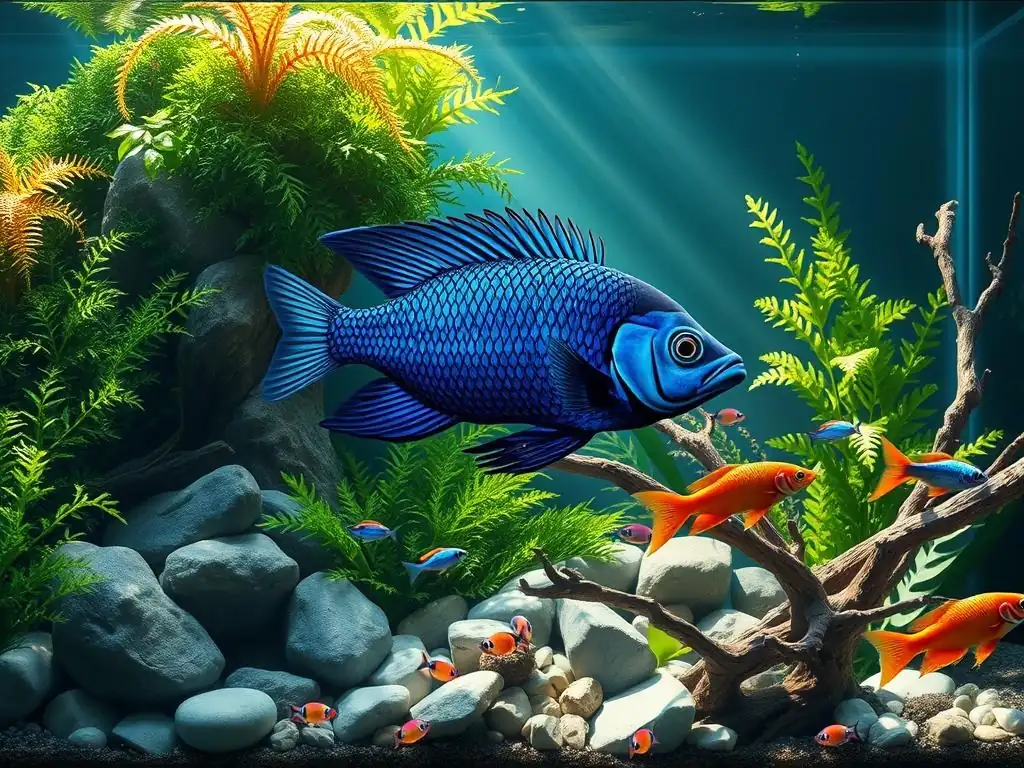
Featherfin cichlids, primarily species from the Cyprichromis genus such as Cyprichromis leptosoma and Cyprichromis microlepidotus, are among the most elegant inhabitants of Lake Tanganyika. Renowned for their unique pelagic swimming style, where they hover and dart in the open water column rather than hugging the bottom, they bring a dynamic grace to the freshwater aquarium. Their iridescent scales, often displaying stunning blues, yellows, and oranges, coupled with their long, flowing fins, make them a captivating centerpiece for any enthusiast.
These social fish are typically found in large schools in their natural habitat, and this schooling behavior translates beautifully into the home aquarium. Unlike many other cichlids, Featherfins are generally peaceful towards other species, making them excellent candidates for a well-planned Tanganyikan community tank. Their elegance and distinctive behavior set them apart, offering a truly unique aquascaping experience.
Why Choosing Healthy Featherfins is Crucial for Aquarium Success
The initial health of any fish you introduce to your aquarium is paramount, and this holds especially true when choosing healthy Featherfin aquarium fish. An unhealthy fish not only faces a diminished chance of survival but can also introduce pathogens, parasites, or stress to your entire established ecosystem. This can lead to widespread illness, significant financial investment in treatments, and the disheartening loss of multiple fish.
Featherfins, while generally robust once settled, can be susceptible to stress during transportation and acclimation dueating to their delicate nature and specific water parameter requirements. By meticulously inspecting and buying Featherfin fish that exhibit clear signs of vitality, you significantly reduce the risks of disease outbreaks, minimize stress on your existing aquatic inhabitants, and ensure a more stable and thriving Featherfin display for years to come.
Identifying Healthy Featherfin Cichlids: A Pre-Purchase Checklist
Observing Behavior: Key Indicators of a Healthy Featherfin
When you are considering choosing healthy Featherfin aquarium fish, their behavior in the dealer's tank provides invaluable clues about their overall well-being. Healthy Featherfins should be active and alert, swimming freely in the mid-to-upper water column, often in loose, flowing schools. They should appear curious and engaged with their surroundings, not lethargic or listless.
Avoid individuals that are hiding excessively, clamping their fins tightly, or exhibiting erratic swimming patterns such as darting uncontrollably or spiraling. These behaviors often indicate severe stress, neurological issues, or advanced stages of illness. A vibrant, responsive fish that subtly reacts to your presence is generally a good sign of health.
Active Swimming and Exploration: Signs of a Vigorous Fish
Healthy Featherfins display a characteristic "hovering" or "dancing" motion, particularly the males during courtship displays. Their movements should be fluid and coordinated, reflecting strong musculature and good balance. They should be actively exploring the tank space, not just sitting motionless or struggling to maintain buoyancy.
Pay close attention to their fins. They should be fully extended and used gracefully for propulsion and steering. Any signs of clamped fins (held tight against the body), difficulty swimming against a gentle current, or sinking/floating unnaturally are strong indicators of poor health or distress.
Social Interaction: Featherfin Behavior in a Group Setting
Featherfins are social creatures that thrive in groups. Observe how individual fish interact within the school. Healthy Featherfins will participate in the group's activities, whether it's schooling together or engaging in the typical mild territorial sparring among males. A harmonious group dynamic, with active interaction and minimal signs of aggression leading to physical damage, is a positive sign.
Be wary of fish that are consistently isolated from the main group, appear bullied, or are being relentlessly chased. While some hierarchy is natural, chronic stress from aggression can severely compromise a fish's immune system, making it more vulnerable to diseases. A well-adjusted group signifies a lower stress environment, which is crucial for healthy Featherfin cichlids.
Physical Appearance: Inspecting Featherfin Body Condition
A thorough visual inspection is a non-negotiable step when buying Featherfin fish. Healthy Featherfins should possess a robust, full body shape that is characteristic of their species, without any signs of emaciation or a sunken belly. Their scales should lie flat and smooth against their body, with no visible lifting or damage.
Look for clear, bright eyes that are free from cloudiness, haziness, or any signs of bulging. Their coloration should be vibrant and true to the species, although some temporary dulling can occur due to stress. Any unusual spots, blotches, or faded patches warrant closer inspection.
Fin Examination: Looking for Tears, Rot, and Clarity
The fins of healthy Featherfin aquarium fish should be pristine: fully extended, clear, and completely free from any tears, fraying, or signs of fin rot. Inspect all fins—caudal (tail), dorsal, pectoral, and pelvic—for integrity. White, fuzzy, or reddened edges indicate bacterial or fungal infections.
The elegant, often elongated fins of Featherfins, especially the dorsal and caudal fins, should appear transparent or exhibit their species-specific vibrant markings without any cloudiness or opacity. Clamped fins, where they are held tightly against the body, are a universal distress signal in fish and should be an immediate red flag.
Body Shape and Coloration: Indicators of Health and Diet
A well-fed, healthy Featherfin should have a streamlined, torpedo-like body, typical of a pelagic cichlid. A sunken belly or a pinched appearance behind the head often suggests prolonged starvation or severe internal parasitic infestation. Conversely, an unnaturally bloated appearance, especially if accompanied by raised scales, could indicate serious internal issues like dropsy.
Coloration is a key indicator. While stress can temporarily mute colors, persistently faded, dull, or patchy coloration, or the presence of unusual spots or blotches, can be symptomatic of an underlying disease. Male Featherfins, in particular, should display their full, vivid breeding colors (e.g., brilliant blues, yellows, or oranges) when healthy and active.
Scale Integrity: Checking for Lesions, Ulcers, or Parasites
Carefully examine the entire body surface of the Featherfin for any abnormalities in its scales or skin. Look for raised scales (which can indicate dropsy), missing scales, or any raw, red patches that suggest physical injury or bacterial infections. The skin should appear smooth and unbroken.
Be vigilant for any small, white, salt-like specks (Ich), a velvety dusting (Velvet disease), or visible worms attached to the body. Open sores, red streaks, or any fuzzy, cotton-like growths are clear signs that the fish is unwell and should be avoided at all costs, as these conditions are often contagious.
Breathing and Respiration: Assessing Gill Function in Featherfins
Observing the gills is a critical, often overlooked, step in choosing healthy Featherfin aquarium fish. Healthy Featherfins should exhibit calm, rhythmic gill movements. The operculum, or gill cover, should open and close smoothly and at a consistent, moderate pace, indicating efficient oxygen uptake.
Any rapid, labored, or uneven gill movements are strong indicators of respiratory distress. This can be caused by poor water quality (such as elevated ammonia or nitrite levels), gill parasites, or systemic illnesses affecting the fish's ability to absorb oxygen from the water.
Observing Gill Movement: Identifying Signs of Distress
Take a moment to count the gill beats per minute if possible, or at least compare the rate to other seemingly healthy fish in the tank. Excessive flaring of the gills, or gills that remain partially open, can signify irritation, inflammation, or a severe infection.
If visible, also check the color of the gills. Healthy gills are typically a vibrant red or pink. Pale gills can suggest anemia or poor water quality, while dark or necrotic gills are a severe sign of distress or disease.
Recognizing Rapid or Labored Breathing: Potential Health Concerns
If a Featherfin is breathing heavily, gasping at the water surface, or constantly rubbing its gills against tank decorations, it is a clear sign of severe respiratory distress. This symptom often points to critically low oxygen levels in the water, a heavy parasitic infestation on the gills, or a serious internal infection.
This behavior, especially when combined with other symptoms like clamped fins, lethargy, or loss of appetite, is a major red flag. Such a fish is likely suffering from a significant health issue that could be contagious and quickly spread to other fish in your established aquarium.
Evaluating the Source: Where to Buy Your Featherfin Cichlids
Reputable Aquarium Stores: Benefits of Buying from Experts
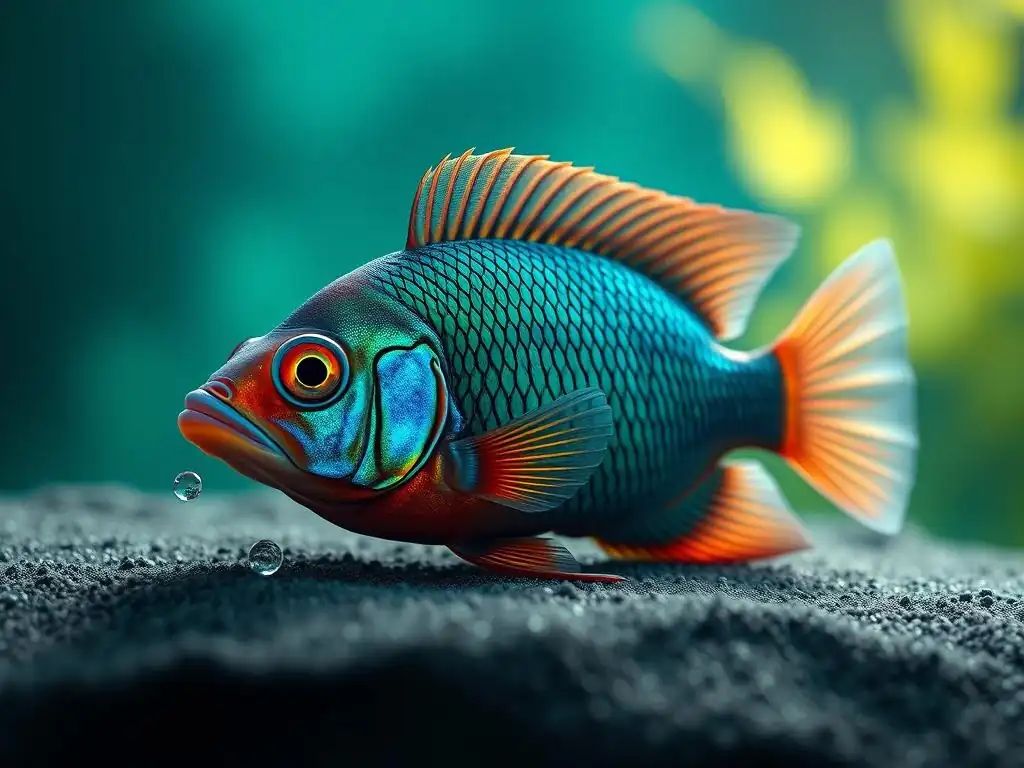
When embarking on Featherfin aquarium fish buying, selecting a reputable local fish store can offer numerous advantages. These establishments often employ knowledgeable staff who can provide invaluable advice on Featherfin care, including their specific needs and compatibility. Reputable stores typically maintain higher standards of water quality in their holding tanks and have established quarantine protocols for incoming fish, reducing the risk of disease transmission.
Take the time to observe the overall cleanliness of the store and the health of the fish in all their tanks, not just the Featherfin section. A store that consistently displays clean tanks, healthy-looking fish across various species, and has attentive, responsive staff is more likely to provide healthy Featherfin cichlids. Don't hesitate to inquire about their guarantee policies, the origin of their fish, and how long the Featherfins have been in their care.
Responsible Breeders: The Advantages of Direct Purchases
Purchasing directly from a responsible Featherfin breeder can be an exceptional way to acquire your fish. Breeders often specialize in specific Cyprichromis species, leading to healthier, genetically robust fish that are already accustomed to specific aquarium conditions and local tap water parameters. They can provide detailed information about the lineage, diet, and specific care requirements of their fish, offering a level of transparency often unavailable elsewhere.
Direct interaction with a breeder allows you to ask detailed questions about the fish's upbringing, diet, and the water parameters they were raised in. Responsible breeders are typically passionate hobbyists who prioritize the health and well-being of their stock above all else, significantly reducing the risk of introducing diseases into your home aquarium. They often provide ongoing support and advice, making them a valuable resource.
Quarantine Procedures: Essential Steps Before Introducing New Featherfins
Regardless of whether you purchase your Featherfins from a reputable store or a dedicated breeder, it is absolutely essential to always quarantine new arrivals. A separate quarantine tank, ideally between 40 to 75 liters (10 to 20 gallons), allows you to observe new fish for signs of illness without risking your main display tank. This crucial period, typically 2 to 4 weeks, is your primary defense against introducing diseases.
During the quarantine period, diligently monitor your new Featherfins for any symptoms of common ailments like Ich, Velvet, or bacterial infections. Maintain pristine water quality, perform daily observations, and be prepared to initiate appropriate treatment if any issues arise. This non-negotiable step safeguards your established aquatic community and is fundamental to responsible Featherfin care.
Common Health Issues in Featherfin Cichlids and How to Spot Them
Ich (White Spot Disease): Recognizing and Addressing Parasitic Infections
Ichthyophthirius multifiliis, universally known as Ich or white spot disease, is one of the most common and highly contagious parasitic infections in freshwater aquariums. It manifests as small, distinct white spots resembling grains of salt scattered across the Featherfin's body, fins, and gills. Infected Featherfins may also exhibit flashing (rubbing against tank decorations), clamped fins, and rapid, labored breathing due to gill irritation.
The life cycle of Ich is crucial to understanding its treatment: adult parasites drop off the fish to reproduce, releasing hundreds of new infective stages that seek out new hosts. Effective treatment typically involves gradually raising the water temperature to 29-30°C (84-86°F) to accelerate the parasite's life cycle, combined with the use of an Ich medication (e.g., malachite green or formalin-based treatments) for a full treatment cycle, usually 7-10 days, along with increased aeration.
Fungal Infections: Identifying and Treating Skin and Fin Issues
Fungal infections in Featherfins typically appear as white, cotton-like growths on the fish's skin, fins, or mouth. These are often secondary infections, meaning they usually take hold when a fish has an existing injury, is stressed, or has a weakened immune system, allowing common aquatic fungi like Saprolegnia to proliferate.
Featherfins suffering from fungal infections may also display lethargy, a noticeable loss of appetite, and clamped fins. Treatment generally involves the use of antifungal medications readily available at aquarium stores. Crucially, addressing the underlying cause—such as improving water quality, reducing stress, or treating primary bacterial infections—is essential to prevent recurrence and ensure the long-term health of your healthy Featherfin cichlids.
Malawi Bloat: Understanding the Causes and Symptoms
Despite its name, Malawi Bloat is a severe internal bacterial infection that can affect various African cichlids, including Featherfins, although it is less common in Cyprichromis than in Mbuna cichlids. It is primarily linked to inappropriate diets, specifically those too high in protein or lacking sufficient vegetable matter and fiber, which disrupts the fish's digestive system and leads to bacterial overgrowth.
Symptoms include a severely bloated abdomen, often accompanied by a loss of appetite, white and stringy feces, rapid breathing, and general lethargy. This condition is frequently fatal if not diagnosed and treated in its early stages. Treatment typically involves the use of specific antibiotics (such as Metronidazole) administered orally, often through medicated food, combined with a strict fasting period and a long-term transition to a more appropriate, high-quality, vegetable-based diet.
Internal Parasites: Recognizing Signs and Implementing Treatment
Internal parasites, which can include flagellates (like Hexamita) or various types of worms, can cause a range of debilitating symptoms in Featherfins. Common indicators include severe emaciation or a sunken belly despite the fish still appearing to eat, white and stringy feces, lethargy, and a general, inexplicable decline in health and vitality. These parasites are often introduced through contaminated live foods or from an already infected source.
Accurate diagnosis often requires microscopic examination of the fish's feces, which is usually beyond the scope of the average hobbyist. However, if multiple Featherfins in a group exhibit these consistent signs, particularly a persistent sunken belly alongside a ravenous appetite, a broad-spectrum anti-parasitic medication (such as Metronidazole or Levamisole) can be considered. These treatments are most effective when administered via medicated food to ensure ingestion by the infected fish.
Preparing Your Aquarium for New Featherfin Cichlids
Tank Size and Setup: Creating an Optimal Habitat
Featherfins are active, schooling fish that require ample swimming space to thrive. A minimum tank size of 120 liters (approximately 30 gallons) is generally recommended for a small group of Featherfins (e.g., 6-8 individuals), allowing them sufficient room to school and display their natural behaviors. However, larger tanks, such as 200-300 liters (55-75 gallons) or more, are ideal for establishing a thriving colony and promoting better social dynamics.
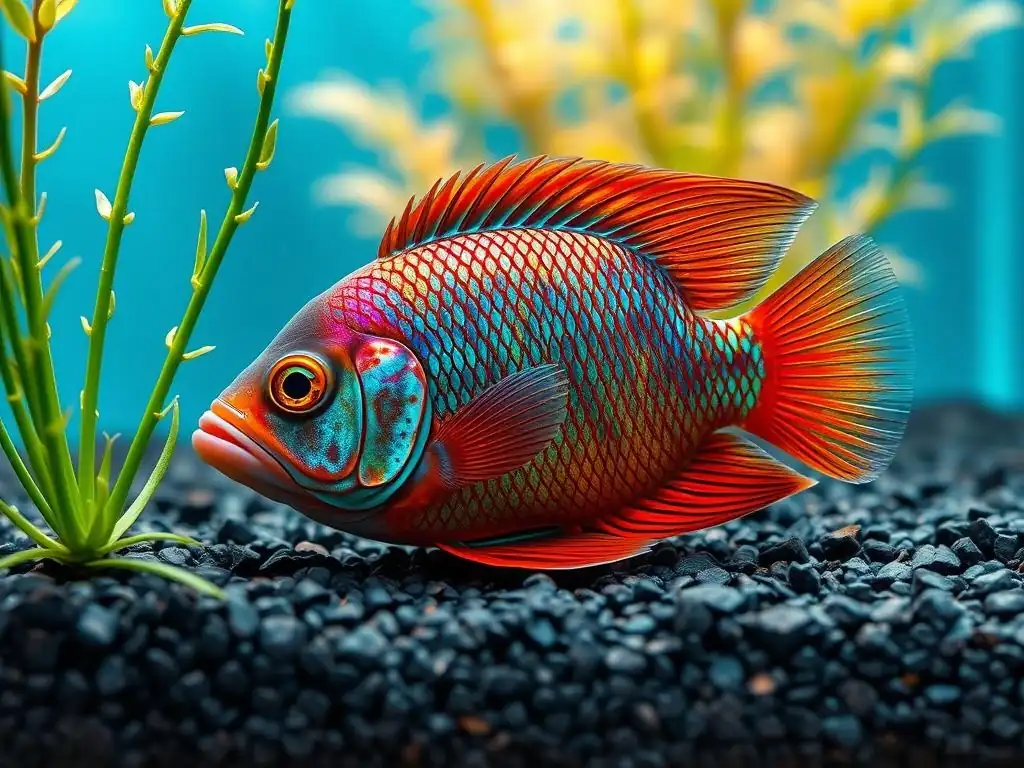
The aquarium aquascape should provide large open swimming areas in the mid-to-upper water column, reflecting their pelagic nature. While they primarily swim openly, some rockwork or tall, sturdy plants that reach near the surface can offer visual breaks and provide secure, albeit rarely used, hiding spots. A dark substrate can help to enhance their vibrant coloration and reduce ambient stress.
Water Parameters: Maintaining Ideal Water Quality for Featherfins
Featherfins originate from Lake Tanganyika, an ancient rift lake renowned for its unique water chemistry: hard, alkaline, and consistently stable. Replicating these specific parameters is absolutely crucial for the long-term health and vitality of your healthy Featherfin cichlids. Aim for a pH range of 7.8 to 8.5, a general hardness (GH) between 10 and 20 dGH, and a carbonate hardness (KH) of 10 to 15 dKH.
Maintain a stable water temperature within the optimal range of 24-27°C (75-80°F). It is imperative that ammonia and nitrite levels remain at zero at all times, and nitrates should be kept consistently below 20 ppm through diligent and regular water changes. Consistency in water quality is paramount, as fluctuations can induce significant stress and make Featherfins highly susceptible to disease.
Quarantine Tank Setup: Protecting Your Existing Fish
As previously emphasized, establishing a dedicated quarantine tank is an indispensable step before introducing any new Featherfins to your main display aquarium. This separate tank should be fully cycled, heated, and equipped with adequate filtration, but kept relatively bare to facilitate easy observation and cleaning. A tank size of 40-75 liters (10-20 gallons) is typically sufficient for quarantining a small group of new fish.
Equip the quarantine tank with a reliable heater to maintain stable temperatures, and a simple, easy-to-clean filter such as a sponge filter or a small hang-on-back filter. Provide a few PVC pipes or small clay pots for hiding spots, but avoid using substrate, as it can harbor parasites and complicate cleaning and medication. This minimalist setup allows for unobstructed monitoring of the fish's health and enables quick, targeted treatment if any health issues arise, effectively safeguarding your established aquatic community.
Acclimation Process: Introducing Your Featherfins to Their New Home
Gradual Temperature Acclimation: Minimizing Stress
Upon bringing your newly acquired Featherfins home, the very first step in their introduction process is gradual temperature acclimation. Carefully float the sealed bag containing the fish in your quarantine tank (or main display tank, if quarantine is not possible) for a duration of 15 to 20 minutes. This allows the water temperature inside the bag to slowly and safely equalize with the temperature of the tank water.
Temperature shock is a significant stressor for fish, particularly sensitive species like Featherfins, and can severely compromise their immune system, making them highly susceptible to disease. Ensure the bag remains completely sealed during this temperature equalization process to prevent the introduction of outside air or unconditioned water, which could alter the water chemistry prematurely.
Drip Acclimation: Adjusting to Water Chemistry
Following temperature acclimation, drip acclimation is highly recommended for Featherfins due to their sensitivity to sudden shifts in water chemistry. Gently transfer the fish and their original bag water into a clean, separate bucket. Using an air line tubing and a small knot or control valve, create a slow, consistent drip of water from your quarantine tank (or main tank) into the bucket.
Aim for a drip rate of approximately 2-3 drops per second, allowing the volume of water in the bucket to slowly double over a period of 30 to 60 minutes. This gradual mixing slowly adjusts the fish to the new pH, hardness, and other water parameters, significantly reducing osmotic stress. Once acclimation is complete, carefully net the Featherfins and introduce them to their new home, discarding the bag water to prevent introducing any potential pathogens.
Post-Introduction Observation: Monitoring for Signs of Stress or Illness
For the first few days following their introduction to the quarantine or main tank, it is crucial to observe your new Featherfins closely and consistently. Look for any immediate signs of stress such as excessive hiding, rapid or labored breathing, clamped fins, or a refusal to eat. Also, remain vigilant for any subtle or overt signs of disease that might have been latent during the quarantine period or developed as a result of the stress of relocation.
To aid their settling in, consider keeping the aquarium lights dimmed for the initial few hours after introduction. Avoid overfeeding during this delicate period. If any fish exhibit concerning symptoms or appear unwell, be prepared to isolate them further if possible, or to initiate appropriate treatment promptly. Continued vigilance during this phase is key to ensuring a smooth transition and fostering long-term health for your healthy Featherfin cichlids.
Long-Term Featherfin Care: Maintaining Optimal Health
Proper Diet and Feeding Habits: Ensuring Nutritional Needs are Met
Featherfins are primarily zooplankton eaters in their natural Lake Tanganyika habitat, making their dietary needs quite specific in the aquarium. Their diet should therefore be high-quality and varied, consisting of small, nutrient-rich pellets or flakes specifically formulated for cichlids. To truly meet their nutritional requirements and enhance their vibrant coloration, supplement their dry food with frozen options such as cyclops, daphnia, or brine shrimp several times per week.
It is best practice to feed small amounts multiple times a day rather than one large meal, which can lead to digestive issues and rapid water quality degradation. Ensure that all food offered is consumed within a few minutes to prevent excess decaying organic matter. Unconsumed food contributes to elevated nitrate levels and can foster undesirable algae growth, impacting the overall health of your Featherfin aquarium fish.
Regular Water Changes: Maintaining Water Quality and Preventing Disease
Regular partial water changes are the absolute cornerstone of maintaining pristine water quality, which is vital for the long-term health and vitality of your Featherfins. Perform weekly water changes of 20-30% of the total tank volume. This routine practice effectively dilutes accumulated nitrates, replenishes essential trace minerals, and helps maintain the stable pH and hardness levels that Featherfins require.
Always use a high-quality dechlorinator or water conditioner when adding new tap water to neutralize harmful chlorine and chloramines. Consistently test your water parameters weekly to ensure they remain within the ideal ranges for Featherfins (pH 7.8-8.5, GH 10-20 dGH, KH 10-15 dKH). Consistent and stable water quality is the most effective defense against stress and disease, directly contributing to ensuring your healthy Featherfin aquarium fish thrive.
Tank Mate Compatibility: Choosing Suitable Tank Mates for Featherfins
Featherfins are generally peaceful cichlids, which makes them suitable for community aquariums with other similarly sized and tempered Tanganyikan cichlids. Excellent tank mates include various species of Julidochromis, certain Neolamprologus species (avoiding the highly aggressive or overly territorial ones), and other species within the Cyprichromis genus, which can enhance their schooling behavior.
It is crucial to avoid pairing Featherfins with overly aggressive or boisterous cichlids that might harass or intimidate them, leading to chronic stress and potential injury. Similarly, avoid species that require significantly different water parameters or vastly different diets, as this can complicate care and compromise the health of all inhabitants. A carefully chosen community promotes a harmonious environment, reducing stress and significantly contributing to the overall well-being of your Featherfins.
Conclusion: Ensuring a Thriving Featherfin Aquarium
Recap of Key Indicators for Choosing Healthy Featherfin Aquarium Fish
The journey to establishing and maintaining a thriving Featherfin aquarium fundamentally begins with the crucial, diligent step of choosing healthy Featherfin aquarium fish. To recap, prioritize individuals that exhibit active and fluid swimming, possess clear and bright eyes, display intact and fully extended fins, boast vibrant and true-to-species coloration, and show calm, rhythmic breathing. It is imperative to avoid any fish displaying signs of disease, overt stress, or emaciation.
Furthermore, the source of your fish matters immensely: always opt for purchases from reputable aquarium stores or dedicated, responsible breeders who prioritize fish health. Crucially, commit to a diligent and thorough quarantine period for all new arrivals to safeguard your existing aquatic ecosystem from potential pathogens. These careful pre-purchase and pre-introduction steps are invaluable and form the bedrock for long-term success and enjoyment.
The Rewards of Responsible Featherfin Ownership and Care
Investing the necessary time and effort in meticulously selecting and providing comprehensive care for healthy Featherfin cichlids yields immense and beautiful dividends. These elegant, schooling fish offer a truly captivating display of color, unique pelagic behavior, and graceful movement, enriching any freshwater aquarium with their serene and dynamic presence. Their distinct charm makes them a highly rewarding species for dedicated aquarists.
Responsible ownership, encompassing a meticulously planned tank setup, consistent maintenance of optimal water quality, provision of an appropriate and varied diet, and vigilant observation for any signs of distress or illness, ensures your Featherfins not only survive but truly thrive for many years. With optimal care, Cyprichromis species can live a remarkable 8-10 years. Their vibrant health and active display are a testament to your dedication and the inherent beauty of a well-maintained and harmonious aquatic environment.
Frequently Asked Questions
How do I identify a healthy Featherfin before purchasing?
Look for bright colors, active swimming behavior, and intact fins. Avoid fish with cloudy eyes, lesions, or clamped fins as these are signs of illness.
What are the ideal water parameters for a Featherfin aquarium?
Featherfins generally prefer slightly acidic to neutral water pH (6.5-7.5) and a temperature between 72-78°F. Maintaining stable water conditions is crucial for their health.
What are some common health problems affecting Featherfin fish?
Common issues include Ich, fin rot, and bacterial infections. Quarantine new fish and maintain proper water quality to prevent these problems.
What is the best diet for keeping a Featherfin healthy and thriving?
Featherfins are omnivores and require a varied diet of high-quality flake food, frozen foods (like bloodworms), and vegetable matter. Avoid overfeeding, which can lead to health issues.
What are the signs of stress in a Featherfin aquarium fish?
Signs of stress include hiding, loss of appetite, and erratic swimming. These can be caused by poor water quality, aggressive tankmates, or inadequate hiding places.
Final Reflection: The Enduring Beauty of Responsible Fishkeeping
The journey of selecting healthy Featherfin aquarium fish extends far beyond the initial purchase; it's a commitment to the well-being of a living creature and the delicate balance of an aquatic ecosystem. By understanding the key indicators of health and practicing responsible sourcing, we contribute to a more sustainable and ethical hobby, ensuring these fascinating fish thrive in our care for years to come.
This commitment resonates deeply because responsible fishkeeping reflects our broader relationship with the natural world. It teaches us patience, observation, and the importance of creating environments where life can flourish. The greatness of a nation and its moral progress can be judged by the way its animals are treated.
- Mahatma Gandhi. This quote, though often applied to larger animals, holds equal weight for the smaller inhabitants of our aquariums.
As you embark on your journey to acquire and care for Featherfin aquarium fish, remember that your choices have a profound impact. Let the knowledge gained here inspire you to not only select healthy fish, but also to become a champion for responsible fishkeeping practices. Consider the long-term implications of your decisions, and strive to create a thriving aquatic world, one Featherfin at a time.
Unveil Your Perfect Featherfin Companion
Thank you for diving deep into the world of Featherfins! We hope you've gained a clearer understanding of how to choose a healthy and vibrant addition to your aquarium. Now, let's put that knowledge into action:
- Inspect potential Featherfins at your local fish store. Look for clear eyes, intact fins, and a healthy appetite before making a purchase.
- Share this guide with fellow aquarium enthusiasts to help them choose healthy Featherfins!
- Surprise us: research and create a small, natural enrichment toy or feeding method tailored specifically for Featherfins, and then share your method with the Aquarium Mastery community!
What specific question about Featherfin health are you still pondering? Share it in the comments below!