
Peacock Cichlid Breeding Secrets: Unlocking Aulonocara Reproduction

Welcome to Aquarium Mastery!
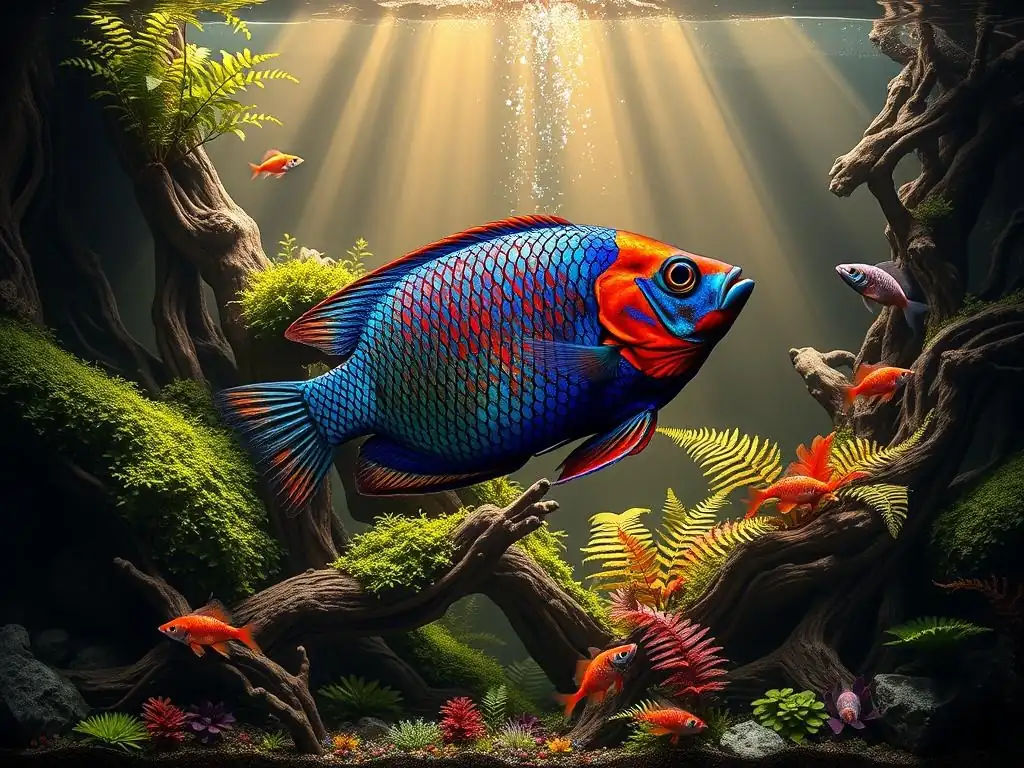
Ever wondered how to unlock the vibrant colors and intricate breeding behaviors of Peacock Cichlids in your own aquarium? Dive in! Our comprehensive Peacock Cichlid Breeding Guide is your key to successfully raising these stunning Aulonocara species. Discover the secrets to creating the perfect breeding environment, understanding their unique courtship rituals, and nurturing healthy fry. Ready to witness the miracle of life firsthand? Let's explore!
- Introduction to Peacock Cichlid Breeding
-
Frequently Asked Questions
- How difficult is it to breed Peacock Cichlids?
- What are the ideal water parameters for Peacock Cichlid breeding?
- What type of aquarium setup is best for breeding Peacock Cichlids?
- How long does it take for Peacock Cichlid fry to hatch and become free-swimming?
- What do Peacock Cichlid fry eat, and how often should they be fed?
- Final Reflection: The Enduring Allure of Aulonocara
- Unleash the Peacock Breeding Potential!
Introduction to Peacock Cichlid Breeding
Why Breed Peacock Cichlids?
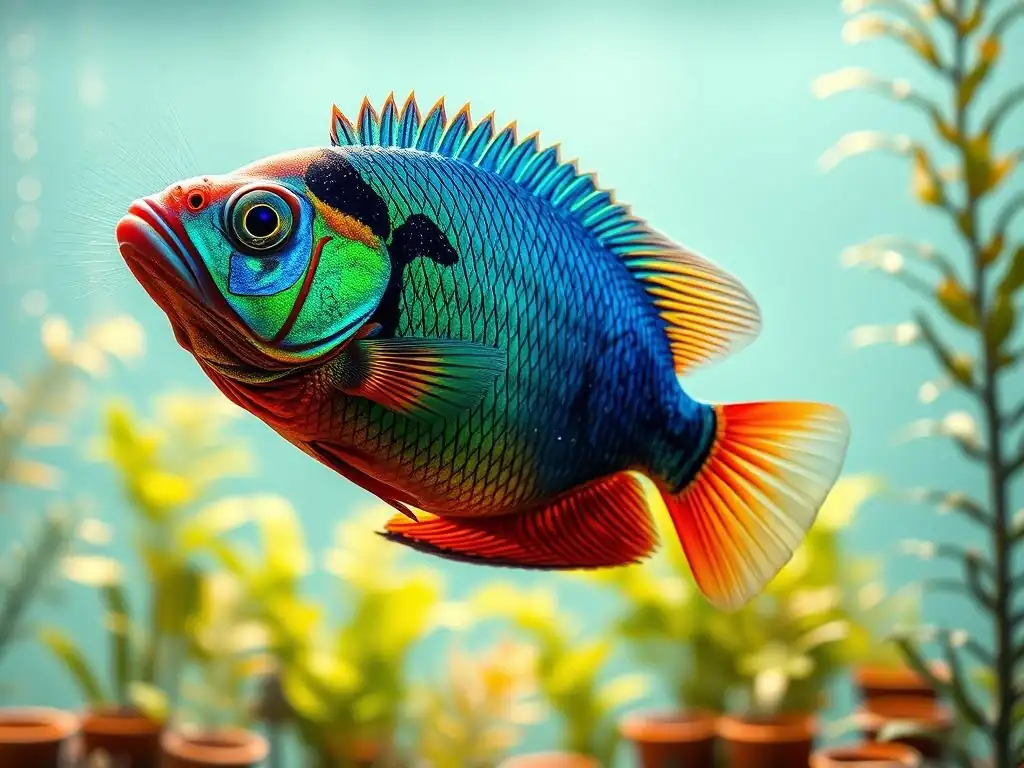
Breeding Peacock cichlids ( Aulonocara species) offers a uniquely rewarding experience for aquarists, combining the aesthetic pleasure of their vibrant colors with the fascinating observation of their complex reproductive behaviors. Unlike many other freshwater fish, Aulonocara are maternal mouthbrooders, meaning the female carries and protects her eggs and fry in her mouth, a captivating natural process to witness firsthand. Successful breeding not only provides a sense of accomplishment but also contributes to the hobby by making diverse genetic lines available, and for some, it can even develop into a small-scale enterprise, sharing these beautiful fish with other enthusiasts.
Beyond the visual appeal and the satisfaction of nurturing new life, engaging in a Peacock cichlid breeding guide offers significant educational value. It provides a practical understanding of fish biology, water chemistry, and genetic principles. For instance, observing the distinct courtship rituals, the precise moment of egg transfer, and the subsequent mouthbrooding period offers insights into natural selection and parental care.
Many male Aulonocara can grow to an average of 4-6 inches, displaying an impressive array of iridescent blues, reds, and yellows, making them a stunning centerpiece for any breeding setup. This deep dive into their life cycle fosters a greater appreciation for the delicate balance required to sustain aquatic ecosystems.
Popular Aulonocara Species for Breeding
Several Aulonocara species and their cultivated variants are highly sought after for breeding due to their striking coloration, manageable size, and relatively peaceful demeanor within a species-specific breeding setup. One of the most popular is the Aulonocara stuartgranti 'Ngara Flametail', renowned for its brilliant blue body and fiery orange-red dorsal and caudal fins, which become particularly intense during breeding displays.
Another excellent choice for those following a Peacock cichlid breeding guide is the Aulonocara baenschi 'Benga', often characterized by its vibrant yellow coloration with distinctive blue facial markings, making it a visually appealing and generally more docile option for novice breeders.
The Aulonocara jacobfreibergi 'Otter Point' is also a favorite, exhibiting a captivating blend of yellow and blue hues, often with elongated dorsal fins that add to its majestic appearance. While slightly more assertive than some other Peacocks, their beauty and unique patterns make them a compelling breeding project. Lastly, the Aulonocara sp.
'Eureka Red' stands out as a highly line-bred variant, showcasing an almost entirely red-orange body, a result of selective breeding for enhanced color. These species represent a small fraction of the diverse Aulonocara genus, each offering unique challenges and rewards for aquarists dedicated to a comprehensive Peacock cichlid breeding guide. Their availability and consistent demand in the aquarium trade make them ideal candidates for anyone looking to unlock the secrets of Aulonocara reproduction.
Frequently Asked Questions
How difficult is it to breed Peacock Cichlids?
Breeding Peacock Cichlids can be challenging for beginners due to specific water parameter requirements and the need for a suitable breeding environment. Success often relies on consistent water quality and understanding their natural behaviors.
What are the ideal water parameters for Peacock Cichlid breeding?
Peacock Cichlids require stable water conditions with a pH between 7.8 and 8.6, a temperature of 78-82°F (25-28°C), and low levels of ammonia, nitrite, and nitrate. Maintaining excellent water quality is crucial for successful spawning.
What type of aquarium setup is best for breeding Peacock Cichlids?
A breeding tank should be spacious, at least 55 gallons, with a sandy substrate and plenty of rocks and caves to provide hiding places and territories. Good filtration and aeration are also essential for water quality.
How long does it take for Peacock Cichlid fry to hatch and become free-swimming?
Incubation takes around 21-28 days, but this varies depending on water temperature. After hatching, the female holds the fry in her mouth for another 2-3 weeks until they are free-swimming.
What do Peacock Cichlid fry eat, and how often should they be fed?
Newly free-swimming fry can be fed baby brine shrimp, microworms, or commercially prepared fry food. Feed them small amounts several times a day to ensure proper growth.
Final Reflection: The Enduring Allure of Aulonocara
The intricacies of Peacock Cichlid breeding, as explored throughout this guide, are not merely academic; they represent a microcosm of the broader challenges and rewards inherent in understanding and preserving the delicate balance of aquatic ecosystems. The ability to successfully breed these vibrant fish underscores our capacity to connect with, and contribute to, the continuation of life itself. This connection is particularly poignant in a world increasingly distanced from the natural world.
The journey of understanding Aulonocara reproduction is a testament to the power of observation, patience, and dedication. This pursuit, for me, has always been more than just a hobby; it's a constant reminder of the beauty and complexity hidden beneath the surface of our planet. In the end, we will conserve only what we love; we will love only what we understand; and we will understand only what we are taught.
- Baba Dioum. This quote perfectly encapsulates the responsibility we bear to learn, appreciate, and protect these magnificent creatures.
Now, armed with the knowledge shared within this Peacock Cichlid breeding guide, I invite you to embark on your own journey of discovery. Consider the profound impact you can have, not only on the lives of these fish but also on your own understanding of the natural world. Let the vibrant colors and intricate behaviors of the Aulonocara inspire you to cultivate a deeper appreciation for the delicate ecosystems that surround us, and to actively participate in their preservation for generations to come.
Unleash the Peacock Breeding Potential!
Thanks for diving deep into the world of Peacock Cichlid breeding! We hope you've gained valuable insights to help you on your fishkeeping journey. Now, it's time to put that knowledge into action.
Here are a few things you can do to continue your exploration:
- Immediately begin preparing a dedicated breeding tank based on the specific environmental needs outlined in this article for Aulonocara species.
- Delve into the specific dietary needs of breeding Peacock Cichlids, researching and sourcing high-quality foods to optimize their reproductive health, including researching uncommon live food options.
- Share your newfound knowledge! Spark a discussion with fellow aquarium enthusiasts on your favorite forum or social media group to enrich your understanding and help other keepers.
What specific environmental parameter will you focus on perfecting first to ensure successful Peacock Cichlid breeding?