
Setting Up the Ideal Severum Aquarium: A Gentle Giant's Paradise Blueprint

Welcome to Aquarium Mastery!
Are you captivated by the serene beauty of Severums and dreaming of creating the perfect underwater haven for these gentle giants? You've come to the right place. Dive in and discover our comprehensive Severum aquarium setup guide, meticulously crafted to help you design and maintain a thriving paradise where your Severums will flourish. Prepare to unlock the secrets to a healthy, vibrant Severum aquarium – your journey to Aquarium Mastery begins now!
- Understanding Severums: The Gentle Giants of the Aquarium
- Planning Your Severum Aquarium Setup: Essential Considerations
- Establishing the Perfect Severum Aquarium Environment
- Aquascaping Your Severum Tank: Creating a Natural Habitat
- Selecting Severum Tank Mates: Compatible Species and Considerations
- Feeding Your Severums: A Balanced Diet for Optimal Health
- Maintaining a Healthy Severum Aquarium: Routine Care and Prevention
- Troubleshooting Common Severum Aquarium Problems
- Severum Aquarium Setup Checklist: Ensuring Success
-
Frequently Asked Questions
- What is the ideal tank size for a Severum aquarium setup?
- What are the crucial water parameters to maintain in a Severum aquarium?
- What type of substrate and decorations are best for a Severum aquarium?
- What are some suitable tank mates for Severums in a community aquarium?
- How often should I perform water changes in a Severum aquarium?
- Final Reflection: Cultivating Harmony in the Severum's World
- Ignite Your Severum Sanctuary!
Understanding Severums: The Gentle Giants of the Aquarium
Severum Cichlid Species Overview: Types and Characteristics
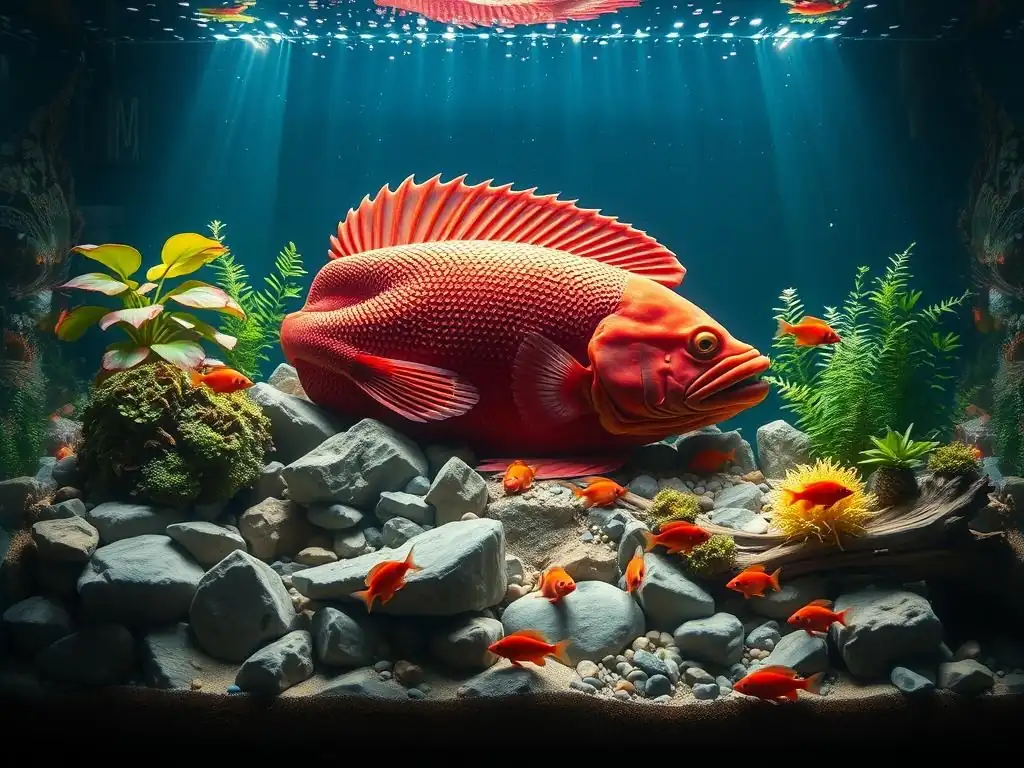
Severums, scientifically classified under the genus Heros, are popular New World cichlids renowned for their relatively peaceful disposition and striking beauty. The most commonly encountered species in the aquarium trade include Heros efasciatus (often simply called the Common Severum) and Heros appendiculatus, known as the Rotkeil Severum, which features a distinctive reddish coloration on its flanks.
These fish typically grow to an impressive size, often reaching 8 to 10 inches (20-25 cm) in length, though some individuals may exceed this. Their body shape is disc-like and compressed, similar to angelfish but more robust, and they display a range of colors from greenish-brown to vibrant reds and oranges, often with vertical barring that can appear or fade depending on their mood or stress levels.
Beyond their aesthetic appeal, Severums are known for their longevity, often living 10 to 15 years in a well-maintained Severum aquarium setup guide. This extended lifespan underscores the commitment required from aquarists and highlights the importance of providing an optimal environment from the outset.
Understanding the specific characteristics of different Heros species is crucial for any successful Severum aquarium setup guide, as while general care is similar, subtle differences in adult size or coloration might influence tank mate selection or aesthetic preferences. Their distinctive large eyes and often inquisitive nature make them a captivating centerpiece in a properly designed habitat.
Severum Behavior and Temperament: Creating a Peaceful Community
Severums are often referred to as "gentle giants" within the cichlid family, a moniker that speaks volumes about their temperament. Unlike many other large cichlids, they are generally not overly aggressive, especially when kept in appropriately sized tanks and with compatible tank mates. While they can exhibit territorial behavior, particularly during breeding or feeding, this is usually mild and directed towards conspecifics or similar-sized fish rather than causing significant harm. Their calm demeanor makes them excellent candidates for a community aquarium, provided the other inhabitants are equally placid and robust enough to handle the Severum's size.
To foster a peaceful environment, it's essential to consider the social structure of Severums. They can be kept singly, in pairs, or in small groups, with a group often helping to diffuse potential aggression among individuals. When setting up a Severum aquarium setup guide, providing ample space and visual breaks, such as driftwood or rock formations, helps to establish territories and reduce stress.
A well-designed Severum tank setup minimizes confrontations, allowing these intelligent fish to display their natural behaviors, such as sifting through substrate or gently interacting with their environment. Observing their interactions closely will help an aquarist fine-tune the community and ensure a harmonious living space.
Severum Natural Habitat: Replicating Their Native Environment
Severums originate from the slow-moving, warm waters of the Amazon Basin and other river systems in South America, including Guyana, Suriname, and French Guiana. Their natural habitats typically consist of clear to blackwater rivers, tributaries, and flooded forests, characterized by dense vegetation, submerged roots, driftwood, and leaf litter. The water in these environments is often soft and acidic, with a high concentration of tannins released from decaying organic matter, which gives the water a tea-stained appearance. This environment provides ample hiding spots, foraging opportunities, and a sense of security for the fish.
Replicating these conditions is a cornerstone of any effective Severum aquarium setup guide. A proper Severum tank setup should include plenty of natural decor like large pieces of driftwood and smooth, rounded rocks to mimic submerged branches and riverbeds. While they might occasionally nip at delicate plants, robust species can be incorporated.
The substrate in their natural habitat is often fine sand or silt, which they enjoy sifting through in search of food. Understanding these environmental preferences is key to creating a thriving habitat that promotes natural behaviors and reduces stress, contributing significantly to the long-term health and well-being of your Severums.
Planning Your Severum Aquarium Setup: Essential Considerations
Choosing the Right Tank Size for Severums: 75 Gallons or Larger
The cornerstone of a successful Severum aquarium setup guide is undoubtedly the tank size. Due to their potential adult size of 8-10 inches and their active nature, a minimum tank size of 75 gallons (approximately 284 liters) is recommended for a single adult Severum. This volume provides adequate swimming space and helps to dilute metabolic waste products, maintaining stable water quality.
However, for a pair of Severums or a small group, or if you plan to include compatible tank mates, a larger tank of 125 gallons (approximately 473 liters) or more is highly advisable. Larger tanks offer more territory, which is crucial for diffusing potential aggression, especially during breeding periods.
The physical dimensions of the tank are as important as its volume. A longer and wider tank is preferable to a taller, narrower one, as Severums are horizontally oriented swimmers and benefit more from floor space than vertical height. For instance, a standard 75-gallon tank is often 48 inches long, 18 inches wide, and 21 inches high, which provides a good footprint.
A 125-gallon tank might be 72 inches long, offering even more lateral swimming room. Investing in a generously sized aquarium from the beginning is a wise decision, as it prevents the need for an upgrade later as your Severums mature, ensuring a stress-free and spacious environment for these magnificent fish throughout their long lives.
Severum Aquarium Substrate Selection: Sand vs. Gravel
Choosing the right substrate is a critical aspect of a comprehensive Severum aquarium setup guide, directly impacting both the aesthetic appeal and the well-being of your fish. Fine sand, such as play sand or pool filter sand, is generally considered the superior choice for a Severum tank.
Severums are natural substrate sifters; they will routinely sift through the sand with their mouths in search of food particles, a behavior that is both natural and beneficial for aeration of the substrate. Sand's fine texture also prevents food from falling too deep into the substrate, reducing the accumulation of detritus and anaerobic pockets.
While gravel can be used, it carries several disadvantages for a Severum tank setup. Larger gravel pieces can injure a Severum's delicate mouth as it attempts to sift, and food particles can easily get trapped within the gaps, leading to poor water quality as they decompose. If gravel is chosen, it should be smooth, rounded, and relatively small (e.g., 2-3 mm) to minimize the risk of injury.
However, even with small gravel, the natural sifting behavior is inhibited. Ultimately, for optimal health, natural behavior, and ease of maintenance in a Severum aquarium setup guide, fine sand is the recommended substrate, mimicking their native riverbed environments.
Essential Severum Aquarium Equipment: Filters, Heaters, and Lighting
A successful Severum aquarium setup guide hinges on the selection and proper installation of essential equipment to maintain a stable and healthy environment. For filtration, an oversized external canister filter is highly recommended.
Given Severums' large size and the bioload they produce, a filter rated for a tank size significantly larger than your actual tank (e.g., a filter for 100-150 gallons on a 75-gallon tank) will provide robust mechanical, biological, and chemical filtration. Look for filters with multiple media baskets, allowing for a combination of sponges, ceramic rings, and activated carbon to efficiently remove particulate matter, convert ammonia/nitrite, and clarify water.
Temperature stability is paramount for Severums, requiring a reliable heater. For a 75-gallon tank, two 150-watt heaters or a single 300-watt heater are typically sufficient to maintain the ideal temperature range of 75-82°F (24-28°C). Using two smaller heaters offers a safety net; if one fails, the other can still provide some heat, preventing drastic temperature drops.
Lighting, while less critical for the fish themselves, plays a role in plant growth (if desired) and overall tank aesthetics. A standard LED aquarium light is usually adequate, providing sufficient illumination for viewing and supporting moderate plant growth without encouraging excessive algae, which helps complete a comprehensive Severum aquarium setup guide.
Establishing the Perfect Severum Aquarium Environment
Severum Water Chemistry: pH, Temperature, and Hardness
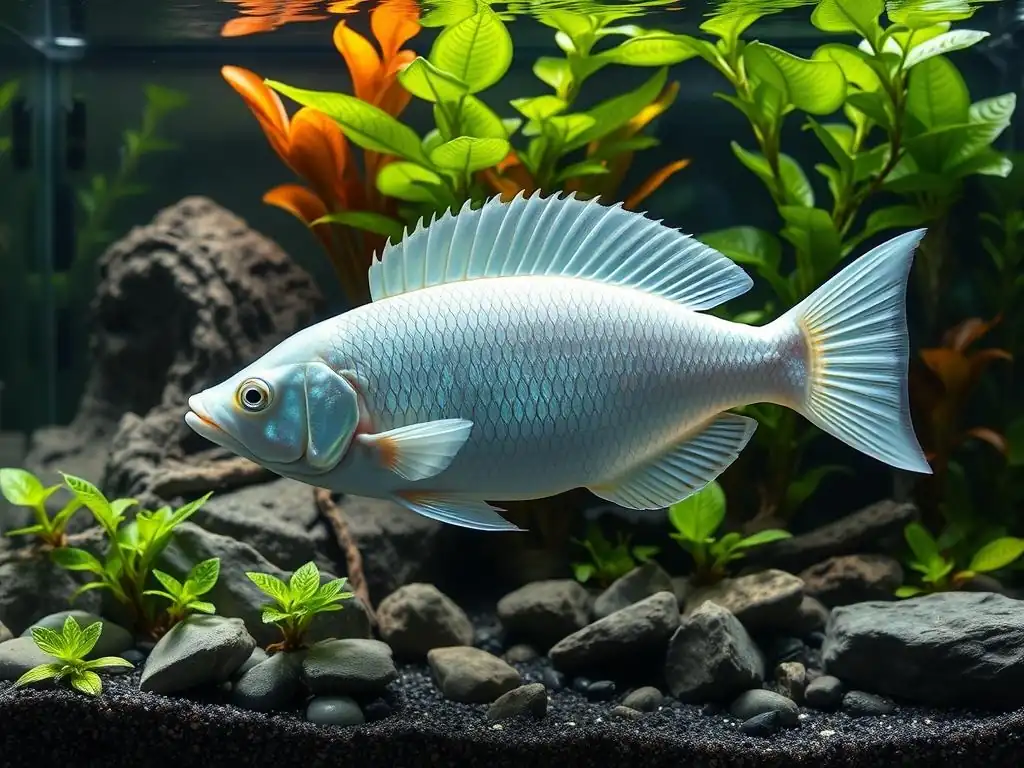
Maintaining precise water chemistry is a cornerstone of any effective Severum aquarium setup guide, directly influencing the fish's health, coloration, and lifespan. Severums thrive in soft to moderately hard water with a slightly acidic to neutral pH, closely mirroring their native South American river systems. The ideal pH range is between 6.0 and 7.5, with stability being more crucial than hitting an exact number.
Sudden fluctuations in pH can cause significant stress. Water hardness, measured in dGH (degrees of General Hardness), should ideally be between 5 and 15 dGH. For temperature, Severums are tropical fish and require warm water, with an optimal range of 75-82°F (24-28°C).
Regular testing of these parameters is indispensable for a robust Severum tank setup. Utilize reliable liquid test kits for pH, GH, KH (carbonate hardness, which buffers pH), ammonia, nitrite, and nitrate. Weekly or bi-weekly testing allows for early detection of issues before they become critical.
If your tap water falls outside these ranges, adjustments may be necessary. For instance, peat filtration can naturally lower pH and soften water, while crushed coral or aragonite can slightly increase hardness and buffer pH. Consistent monitoring and appropriate adjustments are vital for creating a stable and thriving environment, ensuring your Severums flourish within their carefully curated habitat.
Setting Up the Nitrogen Cycle for Severum Health: Beneficial Bacteria
The nitrogen cycle is the biological filtration process that converts harmful fish waste products into less toxic forms, and establishing it correctly is perhaps the most critical step in any Severum aquarium setup guide. This cycle relies on colonies of beneficial bacteria that colonize filter media, substrate, and tank surfaces. First, nitrifying bacteria (Nitrosomonas) convert toxic ammonia (NH3), produced by fish waste, uneaten food, and decaying organic matter, into nitrite (NO2-), which is also highly toxic to fish.
Subsequently, a second group of nitrifying bacteria (Nitrobacter) converts nitrite into much less toxic nitrate (NO3-). Nitrate then accumulates and is primarily removed through regular water changes and uptake by live plants.
Cycling a new Severum tank setup typically takes 4-8 weeks to fully establish these bacterial colonies. This process involves introducing an ammonia source (e.g., pure ammonia solution, fish food, or a small, hardy "starter" fish) and monitoring ammonia, nitrite, and nitrate levels daily. Ammonia and nitrite levels will spike and then gradually drop to zero, indicating that the bacterial colonies are robust enough to handle the bioload.
Using bacterial starter cultures can accelerate this process, but patience is key. A fully cycled tank with zero ammonia and nitrite and low nitrate levels provides a safe and stable environment, preventing "new tank syndrome" and protecting your Severums from potentially fatal toxin exposure.
Water Changes for Severum Aquariums: Frequency and Volume
Regular water changes are fundamental to the long-term success and health of a Severum aquarium setup guide, serving as the primary method for removing accumulated nitrates and replenishing essential minerals. For a well-established Severum tank, a weekly water change of 25-30% of the tank's total volume is generally recommended. This frequency and volume effectively manage nitrate levels, which ideally should be kept below 20 ppm (parts per million) for optimal fish health. In heavily stocked tanks or those with a higher bioload, more frequent or larger water changes, such as 30-50% bi-weekly, might be necessary to maintain pristine conditions.
When performing water changes, it is crucial to use dechlorinated water that is as close as possible in temperature to the aquarium water to prevent temperature shock, which can stress Severums and make them susceptible to disease. A high-quality water conditioner should always be used to neutralize chlorine and chloramines found in tap water.
Additionally, during the water change, utilize a gravel vacuum to remove detritus and uneaten food from the substrate, further contributing to water quality. Consistent adherence to a water change schedule is a non-negotiable part of a Severum tank setup, directly contributing to the fish's vitality, vibrant coloration, and overall longevity.
Aquascaping Your Severum Tank: Creating a Natural Habitat
Choosing Decorations for Severums: Rocks, Wood, and Caves
Aquascaping a Severum aquarium setup guide involves selecting decorations that not only enhance the tank's aesthetic appeal but also serve functional purposes for the fish. Large pieces of driftwood are excellent choices, mimicking the submerged roots and branches found in their natural riverine habitats.
Driftwood releases tannins, which can slightly lower pH and tint the water, replicating the blackwater conditions many Severums originate from, and providing beneficial antibacterial properties. Smooth, rounded rocks, such as river stones or basalt, can be used to create natural-looking caves and crevices, offering hiding spots and visual breaks that help reduce stress and define territories, especially in a community Severum tank setup.
When introducing rocks, ensure they are stable and securely placed to prevent them from toppling over and injuring fish or damaging the tank glass. Avoid any sharp or abrasive decorations that could scratch or cut the Severum's delicate fins or body.
Ceramic or resin ornaments designed for aquariums can also be used, provided they are inert and do not leach harmful chemicals into the water. The key is to create a complex environment with plenty of visual interest and opportunities for exploration and refuge, which encourages natural behaviors and contributes to the overall well-being of your Severums in their customized habitat.
Live Plants for Severum Aquariums: Safe Species and Planting Strategies
Incorporating live plants into a Severum aquarium setup guide can significantly enhance the natural feel and ecological balance of the tank. While Severums are known to occasionally nibble at or uproot plants, especially softer-leaved varieties, many aquarists successfully keep them with robust, hardy plant species. Excellent choices include Anubias species (e.g., Anubias barteri, Anubias nana), Java Fern ( Microsorum pteropus), and various Cryptocoryne species.
These plants have tough leaves and strong root systems, making them more resilient to the Severum's curiosity. Larger, sturdy plants like Amazon Swords ( Echinodorus amazonicus) can also thrive if anchored well and provided with sufficient nutrients.
To prevent uprooting in a Severum tank setup, consider anchoring plants to driftwood or rocks using fishing line or super glue gel. Potting plants in small ceramic pots within the substrate can also provide added stability. For plants that root in the substrate, ensure they are deeply planted.
Providing adequate lighting and a nutrient-rich substrate or root tabs will support healthy plant growth, which in turn helps absorb nitrates and oxygenate the water. A thoughtfully planted Severum aquarium not only looks stunning but also provides natural enrichment, offering hiding places and helping to maintain excellent water quality, integral to any comprehensive Severum aquarium setup guide.
Avoiding Common Aquascaping Mistakes for Severums
When aquascaping for a Severum aquarium setup guide, several common pitfalls should be avoided to ensure the safety and comfort of your fish. Firstly, avoid overcrowding the tank with too many decorations. While hiding spots are important, Severums need ample open swimming space, especially given their adult size. A cluttered tank can restrict movement, increase stress, and make maintenance challenging.
Aim for a balance, creating distinct zones for swimming and areas for refuge. Secondly, refrain from using sharp or rough-edged decorations. Severums are large, active fish, and sharp rocks or plastic plants can easily cause cuts or abrasions to their fins and bodies, leading to infections.
Another common mistake in a Severum tank setup is not securing heavy decorations properly. Large rocks or driftwood pieces must be placed directly on the tank bottom (before adding substrate) or securely interlocked to prevent them from shifting or toppling over, which could crush a fish or even crack the tank glass. Finally, be mindful of plant choices.
While live plants are beneficial, selecting delicate species that are easily uprooted or consumed by Severums can lead to frustration and wasted effort. Opt for hardy, robust plants that can withstand their natural behaviors. Thoughtful planning in aquascaping contributes significantly to a long-lasting, healthy, and aesthetically pleasing Severum habitat.
Selecting Severum Tank Mates: Compatible Species and Considerations
Best Tank Mates for Severums: Community Fish and Cichlids
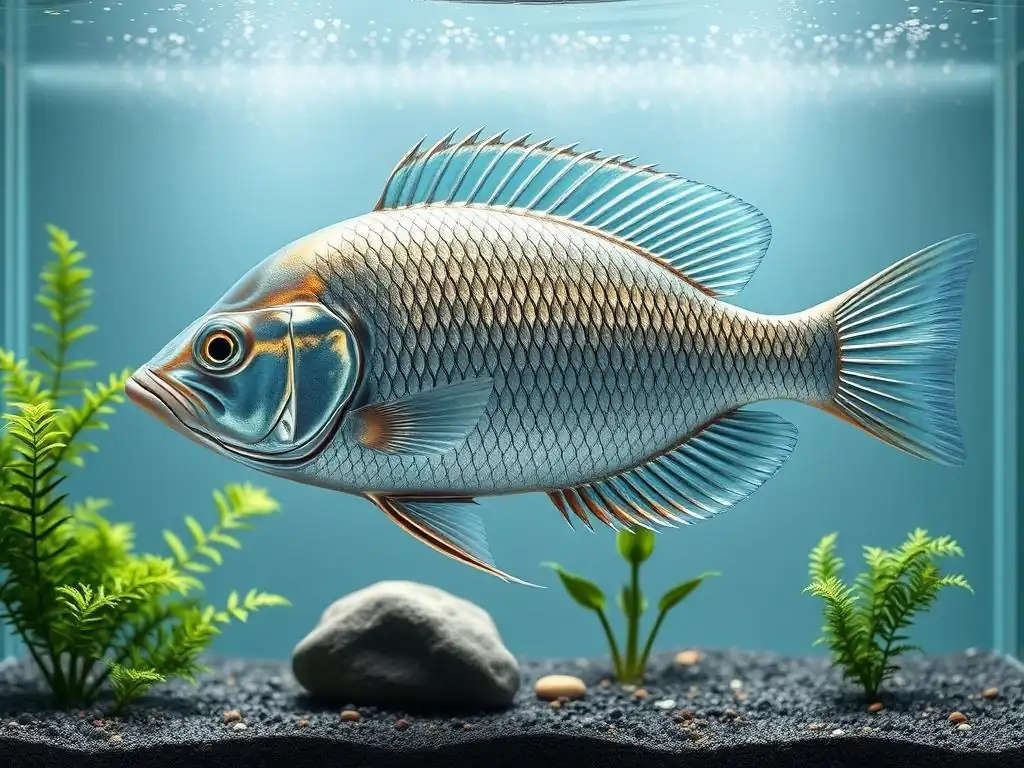
Choosing appropriate tank mates is a crucial consideration for a harmonious Severum aquarium setup guide. Given their "gentle giant" reputation, Severums can coexist peacefully with a variety of other fish, provided the tank is sufficiently large and there are plenty of hiding spots. Ideal tank mates are similarly sized, relatively peaceful, and can tolerate similar water parameters. Good options among other cichlids include Keyhole Cichlids, Geophagus species (Earth Eaters), and even some larger, more placid Central American cichlids like Uaru. These fish share similar dietary and environmental needs and often exhibit compatible temperaments.
Beyond cichlids, a Severum tank setup can also host a variety of large community fish. Large tetras, such as Silver Dollars, Congo Tetras, or Lemon Tetras, are excellent choices as they are too large to be considered prey and are generally peaceful. Robust schooling fish like Giant Danios can also add activity to the upper levels of the tank.
Additionally, larger catfish species such as Bristlenose Plecos, Clown Plecos, or even Synodontis catfish make good bottom-dwelling companions, as they are hardy and can help with algae control. Always introduce tank mates simultaneously or after the Severums are established to minimize territorial disputes, ensuring a balanced community in your Severum aquarium setup guide.
Fish to Avoid with Severums: Aggressive and Incompatible Species
While Severums are generally peaceful, certain fish species are definitely to be avoided in a Severum aquarium setup guide to prevent conflict, stress, or even fatalities. Highly aggressive or overly territorial cichlids, such as many Mbunas from Lake Malawi, Jack Dempseys, or adult Oscars (unless the tank is exceptionally large, 200+ gallons, and the Oscar is introduced as a juvenile), are typically incompatible.
Their aggressive nature and different water parameter preferences can lead to constant harassment and injury to the more docile Severums. Similarly, very small or delicate fish, like Neon Tetras or Guppies, should be avoided as they are likely to be viewed as food, especially as the Severums mature.
Fin-nippers, such as Tiger Barbs (unless kept in a very large group to diffuse aggression among themselves), are also poor choices for a Severum tank setup. Their propensity to nip at the long, flowing fins of Severums can cause stress, injury, and lead to secondary infections. Furthermore, fish with vastly different water chemistry requirements, such as those preferring extremely hard or alkaline water, should not be housed with Severums, as maintaining ideal conditions for one group will compromise the health of the other. Careful research and understanding of species-specific needs are paramount to maintaining a peaceful and healthy community.
Managing Aggression in a Severum Community Tank
Even in a carefully planned Severum aquarium setup guide, occasional aggression can arise, particularly during breeding periods or if tank conditions become suboptimal. The first step in managing aggression is ensuring the tank size is adequate; a cramped environment is a primary catalyst for conflict. For a Severum tank setup, providing ample hiding spots and visual barriers using driftwood, rocks, and tall plants helps break lines of sight and allows submissive fish to retreat, diffusing territorial disputes. Rearranging the tank decor periodically can also reset territories and reduce established dominance hierarchies.
Overfeeding can sometimes lead to heightened aggression, as competition for food intensifies. Ensure food is distributed widely or offered in multiple spots to allow all fish access. Monitoring water quality is also crucial; poor water conditions can stress fish, making them more irritable. If a specific Severum consistently exhibits excessive aggression, isolating it temporarily in a separate tank or rearranging the main tank's decor might help. In extreme cases, rehoming the most aggressive individual may be necessary to maintain harmony within the community. Proactive management and keen observation are key to a peaceful Severum habitat.
Feeding Your Severums: A Balanced Diet for Optimal Health
Severum Dietary Needs: Flakes, Pellets, and Live Foods
Providing a balanced and varied diet is paramount for the optimal health, vibrant coloration, and long lifespan of Severums in a Severum aquarium setup guide. Severums are omnivores with a strong preference for vegetable matter, though they also require protein. A high-quality flake or pellet food specifically formulated for cichlids should form the staple of their diet. Look for foods that list spirulina, algae, or other plant-based ingredients high on the list, alongside fish meal or other protein sources. Supplementing this staple diet with a variety of other foods is crucial to ensure they receive all necessary nutrients.
In addition to commercial foods, incorporate blanched vegetables such as spirulina wafers, spinach, zucchini, or peas (shelled) into their feeding regimen several times a week. These provide essential fiber and vitamins. For protein, occasional treats of frozen or live foods like bloodworms, brine shrimp, daphnia, or small earthworms are highly beneficial. These provide enrichment and can boost their immune system. However, be cautious with live foods to avoid introducing diseases. A diverse diet not only meets their nutritional needs but also stimulates their natural foraging behaviors, contributing to their overall well-being in a Severum tank setup.
Feeding Frequency and Portion Control for Severums
Proper feeding frequency and portion control are vital aspects of a successful Severum aquarium setup guide, directly impacting water quality and fish health. Adult Severums should generally be fed 1-2 times per day. Juveniles, which are growing rapidly, may benefit from 2-3 smaller feedings daily. The key is to offer only as much food as they can consume within 2-3 minutes. Any uneaten food that settles on the substrate will quickly decompose, contributing to ammonia and nitrite spikes and degrading water quality, which can be detrimental to fish health.
Overfeeding is a common mistake in a Severum tank setup and can lead to a host of problems, including digestive issues for the fish (such as bloat), excessive nitrate buildup, and increased algae growth. It's better to slightly underfeed than to overfeed. Observe your Severums during feeding; if food is consistently left over, reduce the portion size. A good indicator of healthy feeding is active foraging and eager consumption. Adjusting feeding amounts based on the number of fish, their activity level, and the effectiveness of your filtration system ensures a clean tank and healthy, well-nourished Severums.
Preventing Overfeeding and Maintaining Water Quality
Preventing overfeeding is a critical component of maintaining pristine water quality and ensuring the long-term health of your fish in any Severum aquarium setup guide. As previously mentioned, feeding small amounts that can be consumed within 2-3 minutes is the primary strategy. This minimizes the amount of uneaten food decaying in the tank, which is a major contributor to elevated ammonia, nitrite, and nitrate levels. These pollutants stress fish, compromise their immune systems, and can lead to various diseases.
Beyond portion control, regular maintenance practices are essential to combat the effects of feeding. Performing weekly 25-30% water changes is crucial for diluting accumulated nitrates and replenishing vital minerals. Using a gravel vacuum during these water changes to thoroughly clean the substrate will remove any settled uneaten food and fish waste that might have been missed.
Ensuring your filtration system is adequately sized and regularly maintained (rinsing filter media in old tank water, replacing chemical media as needed) also plays a significant role. These combined efforts are indispensable for a clean and stable Severum tank setup, allowing your fish to thrive without the constant threat of poor water conditions.
Maintaining a Healthy Severum Aquarium: Routine Care and Prevention
Regular Tank Maintenance Schedule for Severums
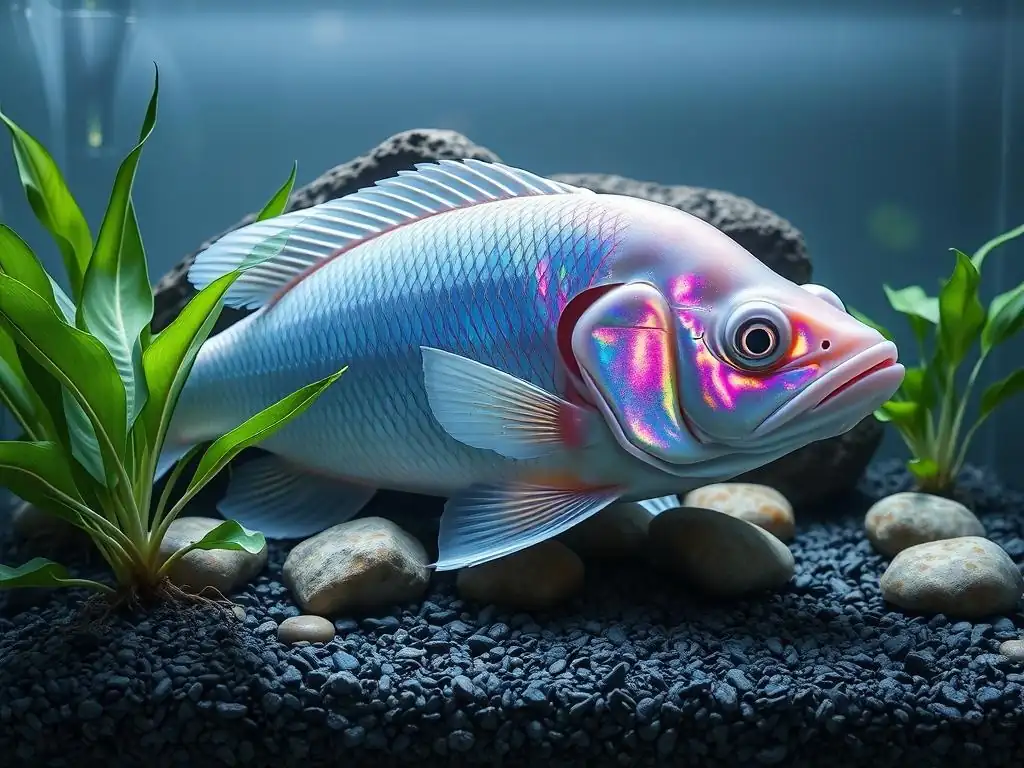
A consistent and comprehensive maintenance schedule is the backbone of a healthy Severum aquarium setup guide, preventing problems before they arise and ensuring a stable environment. Weekly tasks should include a 25-30% water change, using a dechlorinator and temperature-matched water. During this time, use a gravel vacuum to remove detritus and uneaten food from the substrate. Also, wipe down the inside of the glass to remove any algae buildup. Check the water temperature and ensure all equipment, such as heaters and filters, are functioning correctly.
Monthly or bi-monthly tasks for a Severum tank setup involve more thorough filter maintenance. This typically means rinsing mechanical filter media (sponges, filter floss) in old tank water to preserve beneficial bacteria, and replacing chemical media (like activated carbon) as per manufacturer recommendations, usually every 3-4 weeks. Avoid cleaning all filter media at once, as this can disrupt the beneficial bacterial colonies.
Regularly inspect your Severums for any signs of disease, unusual behavior, or physical abnormalities. Consistent adherence to this schedule minimizes stress on the fish, prevents water quality issues, and contributes significantly to the overall success of your Severum aquarium setup guide.
Identifying and Treating Common Severum Diseases
Despite meticulous care in a Severum aquarium setup guide, fish can occasionally fall ill. Early identification and prompt treatment are crucial for successful recovery. Common diseases in Severums often stem from poor water quality, stress, or the introduction of infected new fish. Ich (Ichthyophthirius multifiliis), characterized by small white spots resembling salt grains on the body and fins, is one of the most prevalent. It's often treated by gradually raising the water temperature to 82-86°F (28-30°C) for several days (if compatible with tank mates) and using an anti-parasitic medication.
Other common ailments in a Severum tank setup include bacterial infections (e.g., fin rot, characterized by frayed or deteriorating fins, and body ulcers), fungal infections (cotton-like growths), and internal parasites (leading to emaciation or stringy white feces). Bacterial and fungal infections often respond to broad-spectrum aquarium medications.
"Hole-in-the-Head" disease, while not exclusive to Severums, can occur, often linked to poor water quality, nutritional deficiencies, or internal parasites, and requires addressing the underlying cause alongside specific medication. Always diagnose accurately, follow medication instructions precisely, and ideally, treat fish in a separate quarantine tank to avoid harming beneficial bacteria in the main display.
Quarantine Procedures for New Severums and Tank Mates
Implementing a strict quarantine procedure for all new Severums and potential tank mates is an indispensable step in a responsible Severum aquarium setup guide. This preventative measure significantly reduces the risk of introducing diseases, parasites, or harmful bacteria into your established display tank, protecting your existing fish population. A separate quarantine tank, typically 10-20 gallons for a single Severum juvenile or small fish, equipped with a heater, sponge filter, and a few hiding spots, is essential. This tank does not need elaborate aquascaping; functionality is key.
New fish should be kept in quarantine for a minimum of two to four weeks. During this period, observe them closely for any signs of illness, such as unusual spots, clamped fins, labored breathing, or abnormal behavior. Perform regular small water changes and maintain excellent water quality in the quarantine tank.
If any signs of disease appear, treat them in the quarantine tank before introducing the fish to the main Severum tank setup. Prophylactic treatment (treating for common ailments even if no symptoms are present) can also be considered, but research specific medications carefully. This short period of isolation provides invaluable protection for your entire aquatic ecosystem.
Troubleshooting Common Severum Aquarium Problems
Cloudy Water in a Severum Tank: Causes and Solutions
Cloudy water is a common and often alarming issue in a Severum aquarium setup guide, but it usually indicates an underlying problem that can be resolved. One of the most frequent causes in a new Severum tank setup is a bacterial bloom, which occurs during the cycling process or when a tank is overstocked or overfed. This appears as a milky white haze and typically resolves on its own once the beneficial bacteria stabilize. Another cause can be particulate matter, such as stirred-up substrate, decaying food, or plant matter, leading to a brownish or greenish tint.
Solutions depend on the cause. For bacterial blooms, resist the urge to do large water changes, as this can prolong the cycling process. Instead, ensure adequate filtration, reduce feeding, and wait for the cycle to complete. For particulate cloudiness, enhance mechanical filtration by adding filter floss to your filter, perform small, frequent water changes (e.g., 20% daily for a few days), and thoroughly gravel vacuum the substrate. Always check for uneaten food or decaying plant matter. Addressing the root cause—whether it's overfeeding, insufficient filtration, or an incomplete nitrogen cycle—is key to restoring crystal-clear water in your Severum tank.
Algae Control in a Severum Aquarium: Prevention and Removal
Algae, while a natural component of an aquatic ecosystem, can become an unsightly nuisance in a Severum aquarium setup guide if left unchecked. The primary culprits for excessive algae growth are usually too much light (duration or intensity) and an excess of nutrients (nitrates and phosphates). Green spot algae, brown diatom algae, and hair algae are common types. Prevention is always easier than removal in a Severum tank setup. Limit lighting to 8-10 hours per day, and ensure your light intensity is appropriate for your tank's depth and plant needs.
Controlling nutrient levels is paramount. Perform regular weekly 25-30% water changes to dilute nitrates and phosphates. Avoid overfeeding, as uneaten food quickly breaks down into these nutrients. Ensure your filtration system is efficient and well-maintained. For removal, manual scrubbing of glass and decorations during maintenance is effective. Algae-eating tank mates, such as Bristlenose Plecos or Otocinclus catfish (for smaller tanks), can also help, though they won't solve severe outbreaks alone. In persistent cases, adding fast-growing live plants can outcompete algae for nutrients. Chemical algaecides should be a last resort, as they can harm beneficial bacteria or sensitive fish.
Severum Behavior Changes: Identifying Potential Issues
Observing changes in your Severum's behavior is a crucial skill for any aquarist following a Severum aquarium setup guide, as it often serves as the earliest indicator of stress, illness, or environmental problems. A healthy Severum is typically active, curious, and displays vibrant coloration. Signs of distress or illness can include hiding more than usual, loss of appetite, clamped fins (fins held close to the body), rapid breathing, listlessness, rubbing against tank decorations (flashing), or unusual swimming patterns (e.g., darting, swimming erratically).
Upon noticing such changes in a Severum tank setup, the first step is always to test the water parameters immediately: ammonia, nitrite, nitrate, pH, and temperature. Poor water quality is the most common cause of fish stress and disease. If parameters are off, perform a partial water change and address the underlying issue (e.g., overfeeding, insufficient filtration).
Also, check the tank for any signs of aggression from tank mates, or if any equipment is malfunctioning. If water parameters are stable, consider other factors like diet, recent additions to the tank, or signs of specific diseases. Prompt action based on behavioral cues can often prevent minor issues from escalating into serious health problems for your Severums.
Severum Aquarium Setup Checklist: Ensuring Success
Final Preparations Before Introducing Your Severums
Before the exciting moment of introducing your Severums, a thorough Severum aquarium setup guide mandates a final checklist of preparations. First and foremost, ensure the nitrogen cycle is fully established. This means ammonia and nitrite levels must consistently read zero, and nitrates should be low (below 20 ppm). Use a reliable liquid test kit to confirm these readings. All equipment—filter, heater, air pump (if used), and lighting—should be fully operational and running smoothly for at least a week to ensure stability.
Visually inspect the tank to confirm all decorations are secure and there are no sharp edges. The water temperature should be stable and within the ideal range of 75-82°F (24-28°C). Have all necessary supplies on hand, including a good quality fish net, a bucket for acclimation, and a reliable dechlorinator. Prepare a suitable diet for your new Severums, ensuring you have high-quality pellets or flakes and some vegetable supplements ready. This meticulous final check ensures that your Severum tank setup is a perfectly safe and welcoming environment, minimizing stress for your new aquatic residents.
Acclimating Severums to Their New Aquarium
Proper acclimation is a critical step in any Severum aquarium setup guide to minimize stress and prevent shock when introducing new fish. The goal is to gradually equalize the water temperature and chemistry between the bag water and your aquarium water. Start by floating the sealed bag containing your Severums in the aquarium for 15-20 minutes. This slowly equalizes the temperature, preventing temperature shock.
After temperature acclimation, open the bag and roll down the edges to create a floatable rim. Using a clean cup, begin adding small amounts of your aquarium water to the bag every 5-10 minutes. Aim to double the volume of water in the bag over a period of 30-60 minutes.
This slow drip or gradual addition method allows the fish to adjust to the new pH, hardness, and other water parameters without sudden changes. Once acclimation is complete, gently net the Severums from the bag and release them into the tank, discarding the bag water (never add it directly to your main tank). Turn off the lights for a few hours after introduction to further reduce stress, allowing your new Severums to explore their Severum tank setup calmly.
Enjoying Your Thriving Severum Aquarium: Long-Term Care
Once your Severums are successfully introduced and have settled into their new home, the journey shifts to consistent long-term care, the ultimate goal of any Severum aquarium setup guide. Continue to adhere strictly to your regular maintenance schedule, including weekly water changes, filter maintenance, and routine water parameter testing. Consistency is paramount for maintaining the stable water quality that Severums require for optimal health and longevity. Observe your fish daily for any changes in behavior, appetite, or appearance, as early detection of issues can prevent serious problems.
Maintain a varied and balanced diet, adjusting portion sizes as your fish grow. Engage with your Severums; their intelligent and interactive nature makes them incredibly rewarding pets. They will often recognize their owner and come to the front of the tank. As they mature, continue to monitor tank mate compatibility, ensuring that all inhabitants remain harmonious. A well-maintained Severum tank setup can provide years, even a decade or more, of enjoyment, showcasing these gentle giants in a thriving, naturalistic environment that truly reflects their paradise blueprint.
Frequently Asked Questions
What is the ideal tank size for a Severum aquarium setup?
The minimum recommended tank size for a single Severum is 55 gallons. For a pair, aim for a tank that's at least 75 gallons to provide ample swimming space.
What are the crucial water parameters to maintain in a Severum aquarium?
Severums thrive in slightly acidic to neutral water. You'll want to maintain a pH between 6.0 and 7.0, and a temperature between 78°F and 82°F.
What type of substrate and decorations are best for a Severum aquarium?
A sand or fine gravel substrate is recommended, as Severums like to sift through it. Include plenty of hiding places like driftwood and caves, but avoid sharp decorations.
What are some suitable tank mates for Severums in a community aquarium?
Severums are generally peaceful but can be territorial. Good tank mates include larger tetras, peaceful barbs, and Corydoras catfish, provided the tank is large enough.
How often should I perform water changes in a Severum aquarium?
Regular water changes are essential for maintaining water quality. Aim for 25-30% water changes every one to two weeks, depending on the bioload of your tank.
Final Reflection: Cultivating Harmony in the Severum's World
The journey of creating the ideal Severum aquarium, as we've explored, is more than just assembling a tank; it's about crafting a thriving ecosystem that mirrors their natural habitat and caters to their specific needs. This dedication to responsible fishkeeping is increasingly vital in a world where habitat loss and unsustainable practices threaten aquatic biodiversity. By understanding and implementing the principles outlined in this guide, we contribute to the well-being of these magnificent creatures and promote a more ethical approach to the aquarium hobby.
This endeavor extends beyond the glass walls of our aquariums, influencing our understanding of interconnectedness and the delicate balance of nature. The act of carefully selecting plants, meticulously monitoring water parameters, and observing the Severum's behavior fosters a deeper appreciation for the complexities of life. In nature, nothing exists alone.
- Rachel Carson. This quote resonates deeply when considering the intricate web of interactions within an aquarium, reminding us that every element plays a crucial role in the overall health and vitality of the system.
Now, consider the lessons learned in crafting this Severum paradise and how they can be applied to other aspects of your life. Just as patience and attention to detail are essential for a thriving aquarium, so too are they crucial for nurturing any relationship or pursuing any passion. Let the creation of your Severum aquarium be a reminder of the beauty that can be achieved through mindful effort and a commitment to creating a harmonious environment, not just for your fish, but for yourself and the world around you.
Ignite Your Severum Sanctuary!
Thanks for exploring the secrets to a thriving severum aquarium! We hope you’re now brimming with inspiration to create the perfect environment for these gentle giants. Ready to take the plunge?
Here's how to transform your vision into reality:
- Start building your dream tank today! Research local aquarium stores or trusted online retailers to source the ideal tank size and begin cycling your water.
- Dive deeper! Explore our forum to share your severum setup plans and connect with fellow enthusiasts. Let's learn and grow together!
- Unexpected twist: Create a mini "treasure hunt" for your severums by adding visually appealing, non-toxic decorations that they can explore. Watch their personalities shine!
What's the first captivating decoration you'll add to your severum's underwater paradise to spark their curiosity?