
Where to Source Healthy, EthicallyKept Cardinalfish for Your Aquarium

Welcome to Aquarium Mastery!
Ever wondered where to find truly healthy and ethically sourced cardinalfish for your saltwater aquarium? We all want the best for our aquatic companions, and knowing where your fish come from makes all the difference. Dive into our guide to discover the secrets of finding reputable sources and ensuring your cardinalfish thrive in their new home. Let's unlock the key to a vibrant and responsible aquarium together!
- Sourcing Healthy and Ethically Obtained Marine Fish for Aquariums
- Introduction: Finding Reputable Marine Fish Suppliers
- Understanding the Marine Fish Trade and Ethical Concerns
- Key Factors to Consider When Choosing a Marine Fish Vendor
- Recommended Marine Fish Sourcing Options
- Specific Marine Fish Species and Their Sourcing Considerations
- Questions to Ask Potential Marine Fish Suppliers
- Ensuring the Long-Term Health of Your Ethically Sourced Marine Fish
- Conclusion: Promoting Responsible Marine Fish Keeping
-
Frequently Asked Questions
- How can I ensure the cardinalfish I buy are ethically sourced?
- What are the key signs of a healthy cardinalfish before purchase?
- What kind of aquarium environment is best for cardinalfish upon arrival?
- What should I feed my newly acquired cardinalfish to ensure their well-being?
- What quarantine procedures should I follow before introducing new cardinalfish to my main tank?
- Final Reflection: A Future for Ethical Aquarium Keeping
- Ignite Your Aquarium with Ethically Sourced Cardinalfish!
Sourcing Healthy and Ethically Obtained Marine Fish for Aquariums
Introduction: Finding Reputable Marine Fish Suppliers
Establishing a thriving marine aquarium is a rewarding endeavor, but its success hinges significantly on the health and origin of the fish introduced. For many aquarists, the initial excitement of selecting new inhabitants can overshadow the critical importance of responsible sourcing. Unbeknownst to some, the marine ornamental trade faces various ethical and sustainability challenges, making the choice of supplier a pivotal decision for both the well-being of the aquatic inhabitants and the health of wild ecosystems.
This guide aims to illuminate the path to finding reputable marine fish suppliers, focusing on how to identify healthy specimens and ensure they have been obtained through ethical practices. We will delve into the nuances of the marine fish trade, highlight key considerations when choosing a vendor, and provide specific advice for popular species like cardinalfish. By making informed choices, hobbyists can contribute to a more sustainable and humane aquarium hobby, ensuring their aquatic companions, such as the vibrant cardinalfish, thrive in their new home.
Understanding the Marine Fish Trade and Ethical Concerns
The Importance of Ethical Sourcing for Marine Fish
Ethical sourcing in the marine aquarium trade is paramount for several reasons, impacting both the delicate marine ecosystems and the welfare of the fish themselves. Destructive collection methods, such as cyanide fishing, not only cause immense suffering to the target fish but also devastate coral reefs, which are vital habitats for countless marine species. Overcollection of popular species can lead to localized population declines, disrupting the ecological balance of the reef.
Beyond environmental impact, ethical sourcing prioritizes the health and longevity of the fish. Specimens collected and transported with care are less stressed, more resilient to disease, and have a significantly higher chance of survival in an aquarium environment. For species like the Banggai Cardinalfish ( Pterapogon kauderni), which is listed as Endangered by the IUCN, prioritizing captive-bred individuals or verifying highly sustainable wild collection practices is not just ethical, but crucial for the species' very survival and the long-term viability of the hobby.
Recognizing Signs of Unethical Collection Practices in Marine Fish
Identifying fish that have been unethically collected often requires understanding the signs of stress and damage that manifest during or after harmful practices. Cyanide fishing, for example, involves spraying a sodium cyanide solution onto reefs to stun fish for easier capture. While initially appearing healthy, fish exposed to cyanide often suffer internal organ damage, leading to a slow and painful death weeks or months after collection. Observable signs can include erratic swimming, labored breathing, faded or unnatural coloration, lesions, or a general lack of vitality.
Furthermore, physical damage such as torn fins, missing scales, or open sores can indicate rough handling during collection or transportation. These injuries not only compromise the fish's immediate health but also make them highly susceptible to secondary infections. When seeking an ethically kept cardinalfish source, look for vibrant, alert individuals with intact fins and clear eyes. Any vendor unwilling or unable to provide information about their collection methods or origin of their fish should raise a red flag, as transparency is a hallmark of ethical sourcing.
Key Factors to Consider When Choosing a Marine Fish Vendor
Health and Appearance of Marine Fish: What to Look For
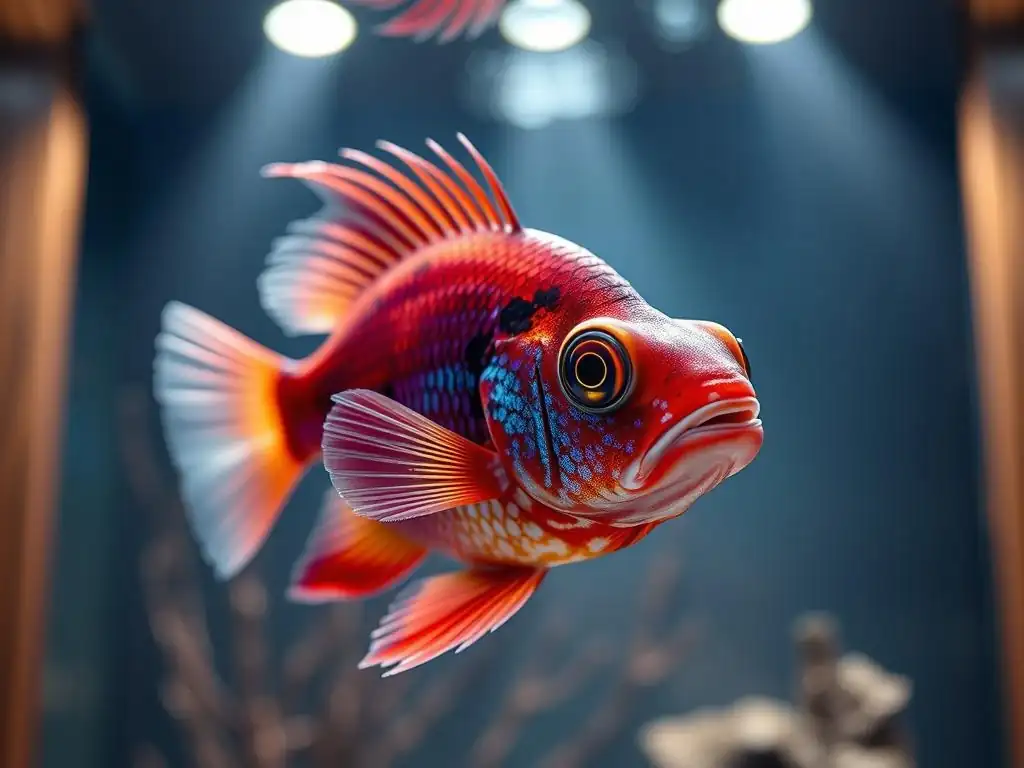
When evaluating marine fish, the first and most crucial step is to meticulously observe their health and appearance. A healthy fish, including cardinalfish, should exhibit vibrant, natural coloration typical of its species, without any fading or unusual blotches. Its fins should be fully intact, free of tears, nips, or signs of fin rot, and held erect rather than clamped against the body. The eyes should be clear and bright, not cloudy or sunken, and the fish should be alert and responsive to its surroundings.
Observe the fish's swimming patterns; they should be smooth and coordinated, without any jerky movements, spiraling, or difficulty maintaining buoyancy. Pay close attention to the gills, ensuring they are not inflamed or rapidly flaring, which can indicate respiratory distress or parasitic infection. For schooling species like many cardinalfish, look for cohesive groups that exhibit natural social behaviors, as isolated or lethargic individuals within a school often signify underlying health issues or stress from poor handling.
Vendor Reputation and Transparency in Marine Fish Acquisition
A vendor's reputation and their commitment to transparency are critical indicators of their ethical sourcing practices. Before making a purchase, invest time in researching the vendor through online forums, social media groups dedicated to marine aquarists, and independent review sites. Look for consistent positive feedback regarding the health of their fish, the accuracy of their descriptions, and the quality of their customer service. A reputable vendor will often be discussed positively within the hobbyist community for their dedication to animal welfare and sustainable practices.
Beyond general reputation, transparency in their acquisition process is paramount. Ethical suppliers should be able to openly discuss the origin of their fish, whether they are wild-caught or captive-bred, and if wild-caught, the collection methods employed. They should also be forthcoming about their internal quarantine procedures, how long fish are held before sale, and what preventative treatments, if any, they administer. A vendor who provides detailed answers and demonstrates knowledge about the specific needs and origins of their stock, especially for an ethically kept cardinalfish source, instills confidence and trust.
Acclimation and Quarantine Protocols Offered by Suppliers
The journey from the ocean or aquaculture facility to your home aquarium is incredibly stressful for marine fish. A responsible supplier understands this and implements robust acclimation and quarantine (QT) protocols to minimize stress and prevent the spread of disease. Enquire about the vendor's internal QT procedures: How long are fish held before they are sold? Are they held in dedicated quarantine tanks? Do they undergo any prophylactic treatments for common parasites like marine ich or velvet?
Suppliers who implement a thorough QT period, typically ranging from two to four weeks, allowing fish to recover from shipping stress, adapt to prepared foods, and be observed for signs of illness, significantly reduce the risk of introducing pathogens into your display tank. While some hobbyists prefer to perform their own quarantine, a supplier's pre-quarantine efforts are a strong indicator of their commitment to providing healthy, ethically sourced marine fish. For delicate species such as cardinalfish, a supplier's meticulous care during this critical period can be the difference between a thriving specimen and a short-lived one.
Recommended Marine Fish Sourcing Options
Working with Local Fish Stores (LFS) Specializing in Saltwater
Building Relationships with Knowledgeable LFS Staff
Local Fish Stores (LFS) can be an invaluable resource for acquiring healthy, ethically kept cardinalfish and other marine species. One of the primary advantages of an LFS is the opportunity to observe the fish directly before purchase, assessing their health, behavior, and overall condition. Furthermore, building a relationship with knowledgeable LFS staff provides access to personalized advice on fish care, compatibility, and troubleshooting. These professionals often have years of hands-on experience and can offer insights into the specific needs of various marine species, including feeding preferences and ideal tank environments for cardinalfish.
A good LFS will employ staff who are passionate about the hobby and well-informed about the origins and care requirements of their livestock. They should be able to answer detailed questions about where their fish come from, their acclimation process, and any treatments they perform. This direct interaction allows you to gauge their commitment to ethical sourcing and responsible animal husbandry, fostering a trust that is difficult to replicate through online transactions alone.
Evaluating the Quality of Marine Fish at Your LFS
When visiting an LFS, a comprehensive evaluation of the store's overall conditions and the health of the marine fish is crucial. Begin by observing the cleanliness and organization of the tanks; clear water, minimal algae, and a lack of dead or diseased fish in any tank are positive indicators. Pay close attention to the specific tank holding the cardinalfish or other species you are interested in. The fish should be active, alert, and exhibiting natural behaviors for their species. For cardinalfish, this often means schooling cohesively and showing interest in their surroundings.
Inquire about the store's turnover rate for marine fish; a high turnover might mean less time for fish to recover from shipping stress and undergo proper quarantine. Ask staff what the fish are currently eating and observe if they are readily accepting food. A fish that is refusing food or appears listless is a major red flag. Ethical and reputable LFS will prioritize the health of their livestock over a quick sale, often holding new arrivals for a period of observation and treatment before placing them on the sales floor, ensuring you acquire an ethically kept cardinalfish source.
Online Retailers Known for Ethically Sourced Marine Fish
Researching Online Vendor Reviews and Testimonials
Online retailers have become a popular avenue for sourcing marine fish, offering a wider selection and convenience. However, the lack of direct observation necessitates thorough research into the vendor's reputation and customer feedback. Utilize dedicated marine aquarium forums (such as Reef2Reef), social media groups, and independent review websites to gather information. Look for consistent positive reviews regarding the health of the fish upon arrival, the accuracy of species identification, and the efficiency of their shipping and customer service.
Pay particular attention to testimonials that specifically mention ethical sourcing practices, the availability of captive-bred specimens, or transparent communication about fish origins and quarantine procedures. A strong reputation built on consistently delivering healthy, ethically sourced marine fish, including cardinalfish, is a key indicator of a reliable online vendor. Conversely, repeated complaints about dead-on-arrival fish, misidentified species, or poor customer support should lead you to seek alternatives, as these often reflect a disregard for animal welfare or ethical sourcing.
Understanding Shipping and Guarantee Policies for Marine Fish
When purchasing marine fish online, understanding the vendor's shipping and live arrival guarantee (LAG) policies is paramount. Reputable online retailers employ professional shipping methods designed to minimize stress on the fish during transit. This typically includes insulated shipping boxes, heat or cold packs depending on ambient temperatures, and expedited shipping options like overnight delivery. Enquire about the specific packing methods used and the care taken to ensure the fish's well-being during its journey.
Crucially, review the live arrival guarantee policy in detail. A transparent and fair LAG outlines what conditions must be met for a claim (e.g., immediate notification of DOA fish with photographic evidence) and what compensation is offered (e.g., credit, refund, or replacement). Be wary of overly complicated or restrictive policies. A strong LAG demonstrates the vendor's confidence in their ethical sourcing and handling practices, providing peace of mind that you are investing in an ethically kept cardinalfish source that stands behind its product.
Directly Supporting Sustainable Aquaculture of Marine Fish
Identifying Farms and Breeders with Ethical Practices
Directly supporting sustainable aquaculture operations is one of the most impactful ways to ensure you are acquiring an ethically kept cardinalfish source. Aquaculture, or captive breeding, significantly reduces the pressure on wild populations and mitigates the environmental damage associated with wild collection. When seeking out aquaculture facilities, look for those that are transparent about their breeding methods, water quality management, and the overall health of their broodstock and fry. Some facilities may even have certifications or affiliations with conservation organizations, further validating their commitment to ethical practices.
Many reputable aquaculture operations specialize in specific species. For instance, several pioneering facilities have achieved significant success in breeding Banggai Cardinalfish ( Pterapogon kauderni), offering a truly sustainable alternative to wild-caught specimens, which are under immense pressure in their natural habitats. Identifying and patronizing these dedicated breeders ensures that your purchase directly contributes to conservation efforts and the long-term viability of the marine aquarium hobby.
The Benefits of Captive-Bred Marine Fish for Your Aquarium
Captive-bred marine fish offer numerous advantages that benefit both the individual hobbyist and the broader marine environment. Firstly, they eliminate the environmental impact associated with wild collection, protecting delicate coral reefs and wild fish populations. Secondly, captive-bred fish are generally hardier and more resilient to the stresses of aquarium life. They are typically accustomed to prepared foods (pellets, flakes), making them easier to feed and establish in a home aquarium, unlike many wild-caught specimens that may only accept live foods initially.
Furthermore, captive-bred fish are often less prone to parasites and diseases commonly found in wild populations, as they have not been exposed to the same pathogens. This significantly reduces the risk of introducing illnesses into your established aquarium. For species like cardinalfish, which can sometimes be delicate due to collection and shipping stress, captive-bred options provide a robust and healthy alternative. Their adaptability and lower disease risk make them an excellent choice for both novice and experienced aquarists seeking an ethically kept cardinalfish source that is also more likely to thrive.
Specific Marine Fish Species and Their Sourcing Considerations
Sourcing Clownfish: A Case Study in Aquaculture Success
Clownfish stand as a shining example of successful marine aquaculture, making them one of the easiest and most ethical marine fish to source. Over 90% of clownfish available in the hobby today are captive-bred, thanks to pioneering efforts in breeding technologies and a strong demand from aquarists. This widespread availability of captive-bred clownfish has dramatically reduced the pressure on wild populations, which once faced significant collection risks.
When sourcing clownfish, virtually any reputable LFS or online retailer will offer captive-bred specimens. These fish are typically hardier, more accustomed to prepared foods, and less prone to disease than their wild counterparts. Their successful breeding programs demonstrate the potential for aquaculture to provide sustainable alternatives for popular marine species, serving as a model for other challenging-to-breed fish.
Finding Captive-Bred Dottybacks
Dottybacks are another group of marine fish that have seen increasing success in captive breeding, offering hobbyists more ethical and robust sourcing options. Species such as the Orchid Dottyback ( Pseudochromis fridmani) are widely available as captive-bred specimens. These fish are known for their vibrant colors, relatively small size, and sometimes territorial nature, making them popular choices for reef aquariums.
Similar to clownfish, captive-bred dottybacks are generally more adaptable to aquarium life, readily accept a variety of prepared foods, and are less susceptible to the stress and disease often associated with wild collection. When seeking a dottyback, prioritizing captive-bred individuals ensures you are supporting sustainable practices and acquiring a healthier, more resilient fish for your tank.
Locating Sustainable Sources for Tangs
Sourcing tangs ethically presents a more significant challenge compared to clownfish or dottybacks, as the vast majority of tangs in the hobby are still wild-caught. Their large size, active swimming habits, and specialized diets make them more difficult to breed in captivity on a commercial scale, though efforts are ongoing. This reliance on wild collection means hobbyists must be particularly vigilant about the source and health of these fish.
When considering a tang, inquire specifically about the collection methods used and the duration of quarantine at the supplier. Look for vendors who are transparent about their sourcing and ideally, those who engage in or support efforts to develop captive-bred alternatives. While rare, a few captive-bred tangs, such as certain species of Yellow Tangs, have begun to appear on the market, representing the pinnacle of sustainable sourcing for these iconic marine fish.
Sourcing Ethically Kept Cardinalfish Species
Sourcing ethically kept cardinalfish, particularly the Banggai Cardinalfish ( Pterapogon kauderni), is a prime example where responsible choices directly impact conservation. The Banggai Cardinalfish is an endangered species endemic to a small region of Indonesia, and its population has been severely impacted by overcollection for the aquarium trade and habitat degradation. Fortunately, significant advancements have been made in breeding this species in captivity.
Today, captive-bred Banggai Cardinalfish are widely available and should always be prioritized. These captive-bred individuals are not only ethically sourced but also tend to be hardier, more accustomed to aquarium foods, and less stressed than wild-caught specimens. For other cardinalfish species, such as the Pajama Cardinalfish ( Sphaeramia nematoptera), which are still predominantly wild-caught, it is crucial to choose suppliers who can verify ethical, net-caught methods and provide robust quarantine for these often delicate fish. An ethically kept cardinalfish source will always emphasize captive-bred options when available, and transparent, sustainable wild collection practices otherwise.
Questions to Ask Potential Marine Fish Suppliers
Inquiring About Collection Methods
When speaking with a potential marine fish supplier, one of the most critical lines of inquiry revolves around their collection methods. Begin by asking, "Are your fish wild-caught or captive-bred?" If the answer is captive-bred, this is generally the most ethical and sustainable option. If the fish, particularly species where captive breeding is less common, are wild-caught, follow up with, "What collection methods are used?" Look for answers that specify net-caught methods, as these are far less destructive to the reef and less harmful to the fish than cyanide fishing or other chemical stunning techniques.
It's also beneficial to ask, "Can you provide details on the specific region or collector from which these fish originate?" Reputable suppliers often work with known, ethical collectors and can provide general geographical information. A supplier who is vague or unwilling to discuss their collection methods or origin should be viewed with skepticism, as transparency is a hallmark of an ethically kept cardinalfish source and other marine fish.
Understanding Quarantine Procedures
A supplier's internal quarantine (QT) procedures are a strong indicator of their commitment to providing healthy fish. Ask direct questions such as, "What is your internal quarantine process for new arrivals?" and "How long are fish typically held before they are made available for sale?" A robust QT period, ideally between two to four weeks, allows fish to recover from shipping stress, adapt to a new environment, and be observed for any signs of illness.
Further, inquire, "Are fish treated prophylactically for common parasites and diseases during their quarantine?" Many reputable suppliers will administer preventative treatments for common ailments like marine ich, velvet, or internal parasites using medications like copper or praziquantel. Understanding their QT process ensures that you are receiving a fish that has already undergone a critical period of observation and care, significantly reducing the risk of introducing diseases into your established aquarium, which is particularly important for an ethically kept cardinalfish source.
Asking About Feeding Habits and Care
Understanding a fish's current feeding habits and the general care it has received at the supplier's facility is crucial for its successful transition to your aquarium. Ask, "What foods are the fish currently eating, and how often are they fed?" A healthy fish should be actively eating and accepting a variety of prepared foods, such as frozen mysis shrimp, brine shrimp, or high-quality pellets. If a fish is only accepting live foods, it may be more challenging to transition to a sustainable diet in your home tank.
Additionally, inquire, "How long have you had this specific fish or batch?" and "What are the ideal water parameters (temperature, salinity, pH) for this species?" A knowledgeable staff member will be able to provide precise answers, demonstrating their understanding of the fish's needs and their commitment to its well-being. This information is particularly valuable for species like cardinalfish, which can sometimes be finicky eaters or require specific water conditions, ensuring you can provide optimal care for your ethically kept cardinalfish source.
Ensuring the Long-Term Health of Your Ethically Sourced Marine Fish
Proper Acclimation Techniques for Marine Fish
Once you've acquired an ethically sourced marine fish, proper acclimation is the critical first step in ensuring its long-term health and survival in your aquarium. The goal of acclimation is to slowly equalize the water parameters (temperature, salinity, pH) between the shipping bag and your display tank, minimizing stress on the fish.
The drip acclimation method is widely recommended for marine fish due to its gentle, gradual approach. This involves slowly dripping water from your display tank into a container holding the fish and its shipping water, over a period of 45-60 minutes, allowing the fish to gradually adjust to its new environment.
Avoid simply floating the bag and dumping the fish in, as sudden changes in water chemistry can induce severe shock and compromise the fish's immune system. During acclimation, keep the lights dim or off to reduce stress. Once the acclimation is complete, carefully net the fish and transfer it to your quarantine tank (highly recommended) or display tank, discarding the shipping water. This meticulous process significantly reduces the physiological shock and increases the chances of your ethically kept cardinalfish source thriving.
Maintaining Optimal Water Parameters for Marine Fish
Consistent and optimal water parameters are fundamental to the long-term health of all marine fish, including your ethically sourced cardinalfish. Regular testing of key parameters such as salinity (specific gravity 1.024-1.026), temperature (75-78°F or 24-26°C), pH (8.1-8.4), alkalinity, calcium, and magnesium is essential. Fluctuations in these parameters can cause significant stress, weaken the fish's immune system, and make them susceptible to disease.
Implement a routine schedule for partial water changes, typically 10-20% bi-weekly or monthly, using high-quality salt mix and purified water (RO/DI). This helps replenish essential trace elements and reduce the accumulation of nitrates and other undesirable compounds. A stable, pristine aquatic environment mirrors the natural conditions that marine fish, including cardinalfish, thrive in, ensuring their vitality and enhancing their natural coloration and behavior.
Providing a Suitable Diet for Marine Fish
A varied and nutritious diet is crucial for the long-term health, coloration, and immune function of your marine fish. While many wild-caught fish can be finicky eaters initially, ethically sourced and often captive-bred specimens, like many cardinalfish, are typically more accepting of prepared foods. Research the specific dietary needs of your fish species. Most marine fish benefit from a diet rich in high-quality frozen foods such as mysis shrimp, brine shrimp, finely chopped seafood, and nutrient-enriched rotifers.
Supplementing with high-quality marine pellets or flakes, especially those fortified with vitamins and probiotics, can provide a balanced nutritional profile. For carnivorous species like cardinalfish, offering small, frequent feedings throughout the day (2-3 times) is often more beneficial than one large meal, mimicking their natural foraging behaviors. A well-fed fish is a healthy fish, better equipped to resist disease and display its full vibrant potential in your aquarium.
Conclusion: Promoting Responsible Marine Fish Keeping
Supporting Ethical Practices in the Aquarium Hobby
The journey of acquiring and maintaining marine fish is deeply intertwined with the responsibility to support ethical and sustainable practices. Every decision made, from selecting a reputable supplier to providing optimal care in the home aquarium, contributes to the overall health of the hobby and the conservation of marine ecosystems. By actively seeking out ethically kept cardinalfish sources and other marine species, aquarists send a clear message to the industry: demand for responsibly sourced livestock is strong and growing.
Prioritizing captive-bred fish, engaging with transparent vendors, and educating oneself about the origins and welfare of marine inhabitants are not just noble ideals; they are practical steps that lead to healthier, more resilient fish and a more fulfilling aquarium experience. As hobbyists, we have the power to drive positive change in the marine ornamental trade. By consistently choosing ethical options, we help ensure that the beauty and diversity of marine life can be enjoyed responsibly for generations to come, fostering a hobby that truly aligns with conservation principles.
Frequently Asked Questions
How can I ensure the cardinalfish I buy are ethically sourced?
Look for reputable vendors who prioritize sustainable collection practices and traceable origins. Ask direct questions about their sourcing methods to verify ethical practices.
What are the key signs of a healthy cardinalfish before purchase?
Check for bright coloration, active swimming behavior, and clear eyes. Avoid fish that appear lethargic, have cloudy eyes, or display signs of disease.
What kind of aquarium environment is best for cardinalfish upon arrival?
A well-established aquarium with stable water parameters and plenty of hiding places is crucial. Ensure the tank is appropriately sized for the number of cardinalfish you intend to keep.
What should I feed my newly acquired cardinalfish to ensure their well-being?
Offer a variety of high-quality foods, including small frozen foods and flake food. Observe their eating habits to ensure they are getting adequate nutrition.
What quarantine procedures should I follow before introducing new cardinalfish to my main tank?
Quarantine new arrivals for at least 2-4 weeks in a separate tank. This allows you to observe them for signs of disease and prevent the spread of potential issues to your established aquarium.
Final Reflection: A Future for Ethical Aquarium Keeping
The journey to find ethically sourced cardinalfish is more than just a quest for beautiful additions to our aquariums; it's a reflection of our responsibility towards the delicate ecosystems from which these creatures originate. In a world increasingly aware of the impact of our choices, prioritizing ethical sourcing is paramount to ensuring the long-term health of both the fish and the reefs they call home.
This pursuit has profoundly influenced the aquarium hobby, shifting the focus from mere aesthetics to a deeper understanding of sustainability and conservation. The growing demand for ethically sourced fish signals a positive change, encouraging responsible breeding practices and discouraging destructive collection methods. We are tied to the ocean. And when we go back to the sea, whether it is to sail or to watch it, we are going back from whence we came.
- John F. Kennedy. This quote reminds us of our inherent connection to the ocean and the importance of protecting its inhabitants.
As you consider adding cardinalfish to your aquarium, remember that your choices have the power to shape the future of this hobby. Let's commit to supporting ethical breeders and suppliers, fostering a community that values conservation and respects the delicate balance of our marine ecosystems. By choosing wisely, you contribute to a future where the beauty of the ocean can be enjoyed responsibly, ensuring these vibrant creatures thrive for generations to come.
Ignite Your Aquarium with Ethically Sourced Cardinalfish!
Thank you for diving into the world of responsible cardinalfish keeping! Now that you're equipped with the knowledge to choose healthy and ethically sourced fish, let's make your aquarium a vibrant and sustainable ecosystem. Ready to take the next step?
- Seek out local aquarium clubs or societies: They often have members who breed cardinalfish or can recommend reputable breeders committed to ethical practices.
- Explore specialized online forums dedicated to marine aquariums and ask for recommendations on ethical breeders or retailers specializing in sustainably sourced livestock.
- Challenge yourself: Commit to educating at least one fellow aquarium enthusiast about the importance of ethical sourcing and sustainable aquarium practices.
What specific certifications or practices will you look for when sourcing your cardinalfish?