
Uronema marinum: Identifying and Combating This FastActing Pathogen in Tangs

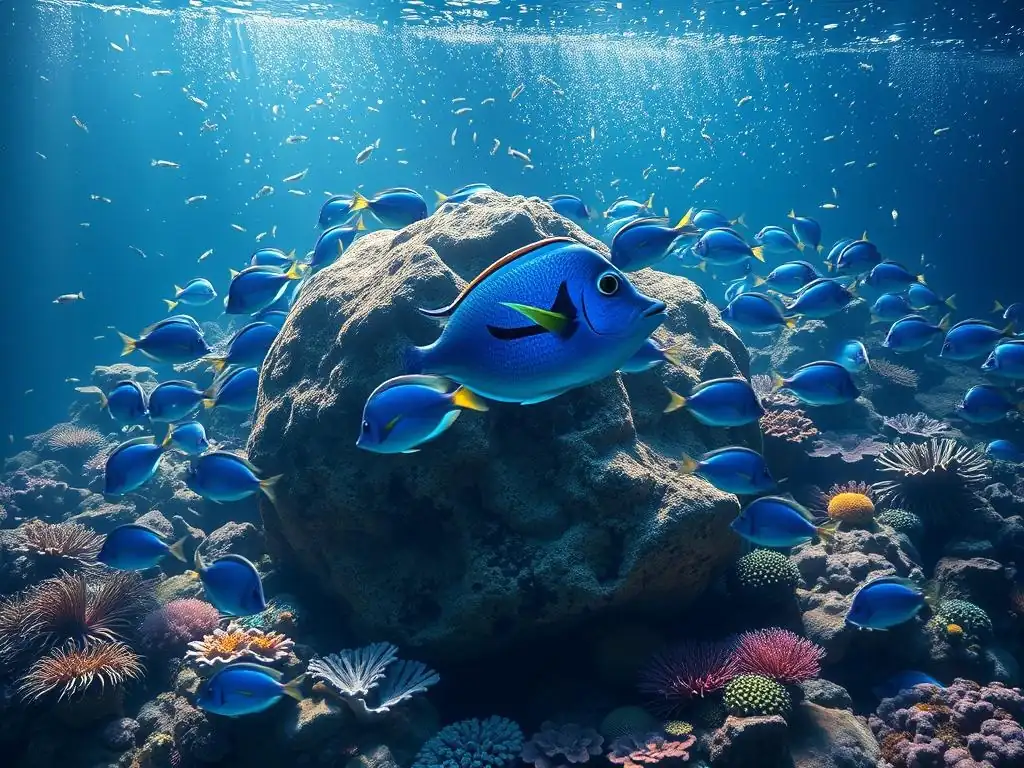
Welcome to Aquarium Mastery, your ultimate resource for thriving aquatic ecosystems!
Ever wondered how to protect your beloved Tangs from the devastating Uronema marinum? This fast-acting pathogen can quickly wreak havoc, and understanding its signs and effective treatment is crucial. Dive in to our comprehensive guide, " Uronema marinum: Identifying and Combating This Fast-Acting Pathogen in Tangs," and discover the secrets to safeguarding your saltwater aquarium's health. Ready to learn more and ensure your fish flourish? Let's get started!
- Uronema marinum in Tangs: Identification, Treatment, and Prevention
- Understanding Uronema marinum and its Impact on Tangs
- Diagnosing Uronema Infections
- Uronema Treatment Strategies
- Preventing Uronema Outbreaks
- Long-Term Care After Treatment
- Addressing Secondary Infections
- The Role of Probiotics
- Managing Uronema in Reef Tanks
- Common Mistakes to Avoid
- Conclusion: Maintaining a Healthy Aquarium.
- Frequently Asked Questions
- Final Reflection: Navigating the Murky Waters of Fish Health
- Unleash Your Inner Reef Guardian!
Uronema marinum in Tangs: Identification, Treatment, and Prevention
Understanding Uronema marinum and its Impact on Tangs
What is Uronema marinum?
Uronema marinum is a highly virulent ciliate protozoan, an opportunistic parasite notorious for causing rapid and often fatal infections in marine fish, particularly Tangs. It belongs to the group of free-living ciliates but becomes pathogenic when fish are stressed or immunocompromised. This microscopic organism is ubiquitous in marine environments, often thriving in systems with elevated organic loads or suboptimal water quality, making it a constant threat in closed aquarium systems.
The lifecycle of Uronema marinum involves both a free-swimming stage in the water column and a parasitic stage where it attaches to and feeds on the host fish's tissues. Its ability to reproduce quickly, especially in favorable conditions, leads to a rapid escalation of infection, often progressing from initial symptoms to severe tissue damage and mortality within a matter of days if left untreated. This aggressive progression underscores the critical need for immediate identification and targeted Tangs Uronema marinum treatment.
Identifying Uronema in Tangs: Symptoms and Signs
Early identification of Uronema marinum in Tangs is crucial due to its fast-acting nature. Initial symptoms often include behavioral changes such as lethargy, reduced appetite, and flashing or rubbing against tank decor, indicating irritation. As the infection progresses, physical signs become more evident. These typically manifest as small, irregular white spots or lesions on the fish's body, often concentrated around the head, fins, and gill areas. Unlike the more uniform, salt-grain-like appearance of marine ich ( Cryptocaryon irritans), Uronema spots are usually smaller, more numerous, and can coalesce into larger, ulcerated patches.
Advanced stages of Uronema infection present with severe tissue damage. Affected Tangs may exhibit frayed or disintegrated fins, cloudy or opaque eyes, and excessive production of a thick, cloudy slime coat as their immune system attempts to repel the parasites. Rapid gill movement or labored breathing is also common as the parasites infest gill tissues, impairing oxygen uptake. Without prompt and effective Tangs Uronema marinum treatment, these symptoms quickly lead to severe secondary infections and ultimately, death.
Why Tangs are Susceptible to Uronema
Tangs, including popular species like Yellow Tangs, Blue Tangs, and Sailfin Tangs, are particularly vulnerable to Uronema marinum infections for several reasons, primarily linked to stress and environmental factors. Many Tangs are wild-caught, and the process of capture, transport, and acclimation to an aquarium environment is inherently stressful. This stress significantly weakens their immune system, making them highly susceptible to opportunistic pathogens like Uronema that are often present in low numbers in healthy systems.
Furthermore, Tangs are active swimmers that require ample space and stable water parameters. Overcrowding, inadequate tank size, fluctuating water chemistry (e.g., sudden changes in salinity or pH), or aggressive tank mates can induce chronic stress, further compromising their natural defenses.
Their delicate skin and scales, while adapted for their natural reef habitats, offer less physical resistance to parasitic attachment compared to some other fish species. Malnutrition, especially a lack of sufficient vegetable matter in their diet, can also lead to nutrient deficiencies that impair immune function, leaving Tangs highly prone to Uronema outbreaks and making subsequent Tangs Uronema marinum treatment more challenging.
Diagnosing Uronema Infections
Microscopic Identification of Uronema
Accurate diagnosis of Uronema marinum is paramount for effective Tangs Uronema marinum treatment, and this typically requires microscopic examination. A definitive diagnosis is made by preparing a wet mount of a skin scrape or gill biopsy from an affected fish. To obtain a sample, gently scrape a small amount of mucus and superficial tissue from a lesion or the body surface using a blunt instrument, such as the edge of a credit card or a sterile scalpel blade. For gill biopsies, extreme care must be taken to avoid harming the fish.
Under a microscope at 100x to 400x magnification, Uronema marinum appears as a small, pear-shaped to oval ciliate, typically measuring between 15 and 30 micrometers in length. They are characterized by rapid, darting, and sometimes erratic movement, propelled by numerous cilia covering their bodies. The presence of these motile ciliates in significant numbers confirms an active Uronema infection. Prompt microscopic confirmation is vital, as the disease progresses quickly, demanding immediate intervention.
Differentiating Uronema from Other Diseases
Differentiating Uronema marinum from other common marine fish diseases, particularly marine ich ( Cryptocaryon irritans) and marine velvet ( Amyloodinium ocellatum), is critical for administering the correct Tangs Uronema marinum treatment. While all three can cause white spots or lesions, their appearance and the causative organisms differ significantly. Marine ich presents as larger, more uniform white spots (0.5-1.0 mm in diameter) resembling grains of salt, typically scattered across the body and fins. Microscopically, Cryptocaryon trophonts are much larger, up to 1 mm, and roll slowly rather than dart.
Marine velvet, on the other hand, appears as a fine, dusty, yellowish-brown film on the fish's skin, often giving a "velvety" appearance. Its causative agent, Amyloodinium, is also much larger than Uronema and exhibits a distinct "spinning top" movement under the microscope. Bacterial or fungal infections can also cause lesions or fin rot, but these lack the characteristic motile ciliate presence. Therefore, relying solely on visual symptoms can lead to misdiagnosis and ineffective treatment, potentially wasting precious time. A microscopic examination provides the definitive answer, ensuring that the appropriate Tangs Uronema marinum treatment is initiated.
Uronema Treatment Strategies
Quarantine Procedures
Immediate and strict quarantine is the cornerstone of effective Tangs Uronema marinum treatment. As soon as Uronema is suspected or confirmed, the affected fish should be promptly removed from the display tank and placed into a dedicated hospital tank. This isolation serves multiple critical purposes: it prevents the rapid spread of the highly contagious parasite to other susceptible fish in the main system, allows for the application of targeted medications that may be harmful to invertebrates or beneficial bacteria in the display tank, and enables closer observation of the infected fish's response to treatment.
A hospital tank should be a bare-bottom aquarium, equipped with a heater, an air stone for robust aeration, and a mature sponge filter or media from an established biological filter to maintain water quality. Crucially, water parameters in the hospital tank, including salinity, temperature, and pH, should be matched as closely as possible to the display tank initially to minimize additional stress on the already compromised fish.
Treatment duration in quarantine typically ranges from four to six weeks, depending on the severity of the infection and the chosen medication protocol, ensuring all parasitic life stages are eradicated and the fish has fully recovered before reintroduction.
Medication Options
Treating Uronema marinum requires potent anti-parasitic medications, carefully administered to ensure efficacy while minimizing stress to the fish. Monitoring fish response and water parameters throughout the treatment period is essential.
Copper-Based Treatments
Copper-based medications are among the most effective and widely used treatments for external protozoan parasites, including Uronema marinum. These compounds work by interfering with the ciliate's cellular processes, leading to their demise. Products like chelated copper (e.g., Cupramine) or copper sulfate are commonly employed. When using copper, it is absolutely critical to maintain a precise therapeutic concentration in the water column, typically between 0.25 and 0.35 ppm for ionic copper, or following the specific instructions for chelated forms.
Consistent daily monitoring of copper levels with a reliable copper test kit is non-negotiable, as levels can fluctuate due to absorption by tank materials or consumption by algae. Treatment usually lasts for 14 to 21 days to ensure that all parasitic life stages, including those emerging from cysts, are eliminated. While Tangs generally tolerate stable copper levels well, sudden fluctuations or overdosing can be highly toxic. Copper is also lethal to invertebrates, making a separate hospital tank essential for Tangs Uronema marinum treatment in a reef environment.
Formalin Dips
Formalin, a solution of formaldehyde, is a powerful disinfectant and antiparasitic agent often used for rapid initial knockdown of external parasites like Uronema marinum. It works by denaturing proteins, effectively killing the protozoa on contact. Formalin is typically administered as a short-term bath or dip rather than a prolonged treatment in the main tank due to its high toxicity to fish and beneficial bacteria, as well as its oxygen-depleting properties.
For a dip, a common concentration is 1 ml of 37% formalin solution per 10 gallons of water, with the fish immersed for 30 to 60 minutes. During the dip, robust aeration must be provided, and the fish should be closely monitored for any signs of distress, such as rapid breathing, loss of balance, or attempting to jump.
If distress is observed, the fish should be immediately returned to fresh, well-aerated water. Formalin dips can provide immediate relief and reduce the parasitic load, making them a valuable initial step in a comprehensive Tangs Uronema marinum treatment protocol, often followed by longer-term medication.
Metronidazole
Metronidazole is an antibiotic and antiprotozoal medication that targets anaerobic organisms. While it is highly effective against internal flagellates and some bacterial infections, its efficacy against external ciliate parasites like Uronema marinum when dosed directly into the water column is often debated and generally considered limited as a standalone treatment. It is more effective when ingested, making it useful for internal parasites or if secondary internal infections are suspected.
When used, metronidazole is typically dosed at 250-500 mg per 10-20 gallons of water, with daily dosing and partial water changes. One advantage of metronidazole is its relative safety for beneficial bacteria and invertebrates compared to copper, making it a consideration for reef-safe approaches, though removing the fish to a hospital tank for more aggressive Tangs Uronema marinum treatment remains the safest and most effective option. It can be used in conjunction with other treatments to address potential secondary infections or to enhance overall recovery.
Alternative Treatments
While not primary standalone cures for active Uronema infections, several alternative or supportive treatments can aid in managing or preventing the disease. Freshwater dips can provide temporary relief by creating an osmotic shock that dislodges some external parasites from the fish's body. A typical freshwater dip involves placing the fish in dechlorinated, pH and temperature-matched freshwater for 3-5 minutes, closely monitoring for signs of distress.
Ultraviolet (UV) sterilization units, when properly sized and maintained, can significantly reduce the number of free-swimming Uronema parasites in the water column, thereby reducing the rate of reinfection. Similarly, ozone generators can oxidize organic matter and pathogens, including free-swimming Uronema, but require precise dosing and monitoring to avoid toxicity. These methods are generally considered preventive or supportive measures rather than definitive Tangs Uronema marinum treatment for an established infection, especially for fish already showing advanced symptoms.
Preventing Uronema Outbreaks
Maintaining Water Quality
Exemplary water quality is the single most critical factor in preventing Uronema marinum outbreaks and is foundational to any successful Tangs Uronema marinum treatment regimen. Uronema thrives in environments with high organic loads and fluctuating parameters, so diligent husbandry is key. Maintain stable salinity levels between 1.023 and 1.025 specific gravity, a consistent temperature range of 76-78°F, and a pH between 8.1 and 8.4. Ammonia and nitrite should always be undetectable, and nitrates kept below 10-20 ppm.
Regular water changes, typically 10-20% weekly or bi-weekly, are essential to dilute pollutants, replenish trace elements, and reduce the overall organic matter that fuels pathogen growth. Robust mechanical, biological, and chemical filtration (e.g., efficient protein skimmer, activated carbon, GFO) will further ensure a clean and stable environment. A pristine, stable aquarium significantly minimizes stress on Tangs, bolstering their immune systems and making them far more resilient to opportunistic infections like Uronema.
Selecting Compatible Tank Mates
Careful selection of compatible tank mates is crucial for preventing stress-induced Uronema outbreaks in Tangs. Overcrowding is a major stressor, leading to insufficient swimming space, increased competition for food, and elevated bioload, all of which compromise fish health. Tangs are active and can be territorial; therefore, providing ample space (e.g., a minimum of 75-100 gallons for a single adult tang, with larger tanks required for multiple tangs or certain species) helps reduce aggression and stress.
Choose peaceful species that will not harass or intimidate Tangs. Aggressive tank mates can cause chronic stress, suppress immune function, and lead to physical injuries that serve as entry points for parasites. For instance, avoid pairing highly territorial Tangs with other dominant fish in tanks that are too small. Ensuring a harmonious environment reduces overall stress levels, strengthening the Tangs' natural defenses and reducing their susceptibility to diseases like Uronema marinum, thereby minimizing the need for intensive Tangs Uronema marinum treatment.
Quarantine New Fish
Implementing a strict quarantine protocol for all new marine fish, especially Tangs, is arguably the most effective preventive measure against introducing and spreading Uronema marinum into your display tank. A dedicated quarantine tank, separate from the main system, should be set up and maintained for a minimum of four to six weeks for every new arrival. During this period, new fish should be closely observed for any signs of disease, including the subtle behavioral changes or early lesions indicative of Uronema.
Many experienced aquarists also opt for prophylactic treatment during quarantine, such as a full copper treatment or a series of freshwater dips, even if no symptoms are apparent. This preemptive approach helps eliminate any hidden parasites before they can be introduced to the established community. By preventing the introduction of Uronema and other pathogens from the outset, you dramatically reduce the risk of future outbreaks, saving your fish from severe illness and yourself from the intensive efforts of Tangs Uronema marinum treatment in a complex display system.
Providing a Balanced Diet
A comprehensive and balanced diet is fundamental to maintaining the robust health and strong immune system necessary for Tangs to resist diseases like Uronema marinum. Tangs are primarily herbivorous, and their diet should reflect this, consisting of a wide variety of high-quality vegetable matter. Offer marine-based spirulina flakes, high-quality nori (seaweed sheets), and spirulina-enriched frozen foods daily. Supplement this with small amounts of meaty foods like mysis shrimp or brine shrimp, ensuring they are gut-loaded or vitamin-enriched.
Regularly soaking foods in vitamin supplements, such as Selcon or Vita-Chem, can significantly boost the fish's nutritional intake and immune response. Feeding small amounts multiple times a day rather than one large meal aids digestion and reduces waste, contributing to better water quality. A well-nourished Tang is less susceptible to stress and has a stronger immune system, making it far more resilient to opportunistic pathogens and better equipped to recover if Tangs Uronema marinum treatment becomes necessary.
Long-Term Care After Treatment
Monitoring for Relapse
Even after a successful Tangs Uronema marinum treatment, diligent monitoring for relapse is crucial. Uronema marinum can be notoriously persistent, and lingering parasites or weakened fish can lead to a resurgence of the infection if conditions are not optimal. Once the fish has completed its treatment in the hospital tank and appears fully recovered, it should be gradually acclimated back to the main display tank.
For several weeks following reintroduction, observe the fish extremely closely for any return of symptoms, no matter how subtle. Watch for changes in behavior such as lethargy, flashing, or reduced appetite, and inspect for any developing white spots, lesions, or frayed fins. Consistent water quality parameters and stress-free conditions in the main tank are vital during this period to prevent any triggers for relapse. Early detection of a returning infection allows for immediate re-isolation and renewed Tangs Uronema marinum treatment, preventing a full-blown outbreak.
Dietary Support for Recovery
Post-treatment dietary support is essential for the full recovery and long-term health of Tangs after battling Uronema marinum. The rigorous treatment process and the infection itself can be taxing on a fish's system, depleting its energy reserves and weakening its immune response. Therefore, a continued focus on a high-quality, nutrient-rich diet is paramount.
Continue to provide a varied diet rich in marine-based vegetable matter, such as multiple types of nori and spirulina flakes, along with high-quality frozen foods. Crucially, soak these foods in vitamin and immune-boosting supplements for an extended period after treatment. Products containing Omega-3 fatty acids, Vitamin C, and other essential nutrients can help rebuild the fish's strength, restore tissue health, and significantly bolster its immune system. Feeding smaller, more frequent meals can also aid digestion and nutrient absorption during this critical recovery phase.
Adjusting Water Parameters
Careful adjustment and maintenance of water parameters are vital for the long-term well-being of Tangs recovering from Uronema marinum. If the fish was treated in a hospital tank with different salinity, temperature, or pH levels, it is imperative to gradually acclimate it back to the main tank's parameters to avoid osmotic shock or additional stress. A slow drip acclimation over several hours is often recommended for this transition.
Once back in the display tank, maintaining stable and optimal water parameters is key to preventing future stress and supporting a robust immune system. Consistent salinity (1.023-1.025 SG), temperature (76-78°F), and pH (8.1-8.4) are non-negotiable. Regular water testing and prompt correction of any deviations will ensure a consistently healthy environment. A well-maintained and stable habitat minimizes stress, allowing the Tang to dedicate its energy to full recovery and maintaining its natural resistance against opportunistic pathogens like Uronema, reducing the likelihood of requiring further Tangs Uronema marinum treatment.
Addressing Secondary Infections
Bacterial Infections
One of the most common and dangerous complications of Uronema marinum is the development of secondary bacterial infections. The lesions and tissue damage caused by the parasitic ciliates create open wounds and weakened areas on the fish's skin and gills, providing ideal entry points for opportunistic bacteria that are naturally present in the aquarium water. Symptoms of secondary bacterial infections often include redness around lesions, cloudy or fuzzy patches, fin rot (where fins appear tattered or dissolving), and open sores or ulcers.
If bacterial infections are suspected, they must be addressed promptly, often concurrently with, or immediately following, the primary Tangs Uronema marinum treatment. Broad-spectrum antibiotics, such as Furan-2, Maracyn, or Kanaplex, are typically administered in a separate hospital tank. It is crucial to select an antibiotic effective against common gram-negative bacteria found in marine aquariums and to complete the full course of treatment as directed, even if symptoms improve, to prevent antibiotic resistance and ensure complete eradication.
Fungal Infections
While less common as a primary issue than bacterial infections, fungal infections can also emerge as a secondary complication in Tangs severely weakened by Uronema marinum. Fungi typically capitalize on heavily compromised immune systems or significant tissue damage. Symptoms of fungal infections usually manifest as cotton-like growths or fuzzy white patches on the fish's body, fins, or around existing lesions. These growths are often superficial but can become invasive if left untreated.
Treatment for secondary fungal infections often involves antifungal medications, such as Pimafix or Melafix, though stronger antifungal agents like Methylene Blue may be required for more severe cases. As with bacterial treatments, these should ideally be administered in a hospital tank to avoid impacting the beneficial bacteria in the main display. Addressing secondary infections is a vital component of holistic Tangs Uronema marinum treatment, as failure to do so can lead to continued decline and mortality even if the initial parasitic infection is successfully eradicated.
The Role of Probiotics
Strengthening the Immune System
Probiotics, often referred to as beneficial bacteria, play an increasingly recognized role in strengthening the immune system of aquarium fish, including Tangs, and can be a valuable adjunct in preventing and recovering from diseases like Uronema marinum. A healthy gut microbiome, populated with beneficial bacteria, is intrinsically linked to a fish's overall immune response. These beneficial bacteria compete with pathogenic organisms for resources and attachment sites, produce compounds that inhibit pathogen growth, and directly stimulate various components of the immune system.
By promoting a robust internal microbial balance, probiotics help fortify the fish's natural defenses, making it more resilient to stress and less susceptible to opportunistic infections. This internal strength reduces the likelihood of Uronema taking hold and enhances the fish's ability to fight off the parasite, or recover more quickly, should Tangs Uronema marinum treatment become necessary. A stronger immune system also means the fish is better equipped to ward off secondary bacterial or fungal infections that often follow a Uronema outbreak.
Choosing the Right Probiotics
When incorporating probiotics into your aquarium husbandry, choosing the right formulations is important for optimal benefits. Look for fish-specific probiotic products designed for marine aquarium use, as these will contain bacterial strains that are naturally beneficial to marine fish and their environment. These can come in various forms, including food additives, water conditioners, or live bacterial cultures.
Reputable aquarium brands often offer probiotic-enhanced foods or liquid supplements. Probiotics can be added to the fish's diet by soaking dry or frozen foods in a liquid probiotic solution, or by selecting pre-made probiotic-fortified foods. They can also be dosed directly into the aquarium water, where they contribute to the overall microbial balance. Consistency is key; regular and long-term application of probiotics, rather than sporadic use, will yield the most significant improvements in fish health and disease resistance, forming a proactive part of your Tangs Uronema marinum treatment prevention strategy.
Managing Uronema in Reef Tanks
Reef-Safe Treatments
Managing Uronema marinum in a reef tank presents significant challenges because many of the most effective treatments, such as copper-based medications and formalin, are highly toxic to corals, anemones, and other invertebrates. Introducing these chemicals directly into a reef display tank would result in widespread loss of sensitive inhabitants, effectively destroying the reef ecosystem. Therefore, direct in-tank Tangs Uronema marinum treatment with traditional medications is generally not an option.
The most effective and safest approach for reef aquarists is to immediately remove any affected Tangs to a dedicated hospital tank for full-strength treatment. This allows for aggressive and targeted medication without harming the reef inhabitants.
For the display tank itself, options are limited to supportive measures: maintaining pristine water quality, utilizing powerful UV sterilizers to reduce free-swimming parasites, and potentially using ozone (with extreme caution and proper monitoring) to lower pathogen loads. While metronidazole is often considered reef-safe, its efficacy against external Uronema in the water column is limited, though it can be used if internal issues are also suspected.
Balancing Control with Ecosystem Health
The delicate balance of a reef ecosystem often means prioritizing the health of corals and invertebrates over aggressive in-tank fish treatments. This necessitates a strong emphasis on prevention. Strict quarantine of all new fish, especially Tangs, for a minimum of 4-6 weeks in a separate hospital tank is paramount. During quarantine, new fish can undergo prophylactic Tangs Uronema marinum treatment with copper or other medications without endangering the main reef.
If Uronema is confirmed in a reef tank, the immediate removal of affected fish for treatment in a hospital tank is the primary course of action. While the fish are in quarantine, the display tank should be maintained with impeccable water quality, and increased water changes can help dilute any lingering parasites.
The goal is to reduce the pathogen count in the display tank while the fish are being treated externally. This strategy ensures that the reef ecosystem remains vibrant and healthy, while also providing the best chance for the infected Tangs to recover through targeted Tangs Uronema marinum treatment.
Common Mistakes to Avoid
Misdiagnosis
One of the most critical mistakes in dealing with Uronema marinum is misdiagnosis. Because its symptoms can superficially resemble other common marine parasites like marine ich ( Cryptocaryon irritans) or velvet ( Amyloodinium ocellatum), or even bacterial infections, aquarists often apply the wrong treatment. For example, treating Uronema with an ich-specific medication that is ineffective against ciliates will allow the Uronema infection to progress rapidly and unchecked, leading to severe illness and potentially irreversible damage or death.
The consequence of misdiagnosis is not just wasted time and resources but, more importantly, the rapid decline of the affected Tang. Uronema is a fast-acting pathogen, and every hour counts. Therefore, if white spots or lesions appear on your Tangs, do not guess. A microscopic examination of a skin scrape or gill biopsy is the only definitive way to identify Uronema marinum and ensure that the correct and timely Tangs Uronema marinum treatment is initiated. If you lack the equipment or expertise, consult an experienced aquarist or aquatic veterinarian immediately.
Over-Treatment
While prompt Tangs Uronema marinum treatment is essential, over-treatment can be just as detrimental as under-treatment or misdiagnosis. This common mistake often stems from a desire to cure the fish quickly, leading to the use of excessively high medication concentrations, prolonged treatment durations beyond what is necessary, or the simultaneous application of multiple incompatible medications. For instance, exceeding the recommended copper levels can quickly become toxic to fish, causing liver damage, gill damage, and severe stress, often leading to death.
Similarly, combining certain medications without expert knowledge can lead to dangerous synergistic effects. Over-treating also stresses the fish, which is already weakened by infection, further compromising its immune system and hindering its ability to recover. Always adhere strictly to the manufacturer's recommended dosages and treatment durations for any medication. Use reliable test kits (e.g., for copper) to ensure therapeutic levels are maintained without reaching toxic concentrations. Careful monitoring of the fish's response and adherence to protocols are key to successful and safe Tangs Uronema marinum treatment.
Neglecting Water Quality
A pervasive mistake that undermines all efforts at Tangs Uronema marinum treatment and prevention is neglecting fundamental water quality parameters. Even with the most potent medications, poor water quality will perpetually stress fish, weaken their immune systems, and provide a fertile breeding ground for opportunistic pathogens like Uronema. High ammonia, nitrite, or nitrate levels, along with fluctuating pH or salinity, create an environment where fish cannot thrive and pathogens flourish.
Consistent water changes, efficient protein skimming, adequate biological filtration, and regular testing of parameters are not optional but are the bedrock of marine aquarium health. A fish recovering from Uronema requires pristine water to heal and rebuild its immune system. Failing to address underlying water quality issues means that even if the Uronema infection is temporarily subdued, the fish remains highly susceptible to relapse or secondary infections. Therefore, maintaining impeccable water quality must be an unwavering priority before, during, and after any Tangs Uronema marinum treatment.
Conclusion: Maintaining a Healthy Aquarium.
Uronema marinum represents a significant and aggressive threat to Tangs in marine aquariums, capable of causing rapid and severe illness. Understanding its nature, recognizing its symptoms early, and initiating prompt, accurate Tangs Uronema marinum treatment are paramount for saving affected fish. While effective medications like copper and formalin can eradicate the parasite, their proper application in a dedicated hospital tank is crucial, especially when considering the delicate balance of a reef environment.
Ultimately, the most effective strategy against Uronema is prevention. Strict quarantine protocols for all new fish, consistent maintenance of pristine water quality, providing a balanced and nutritious diet, and selecting compatible tank mates all contribute to a robust and resilient fish population less susceptible to opportunistic pathogens. By embracing proactive husbandry and vigilant observation, aquarists can significantly reduce the risk of Uronema outbreaks, ensuring their Tangs thrive in a healthy and stable aquarium environment.
Frequently Asked Questions
How can I identify Uronema marinum in my Tang?
Uronema marinum often manifests as small red sores or lesions, typically around the head and fins of Tangs. You might also observe erratic swimming behavior or loss of appetite.
What makes Uronema marinum particularly dangerous for Tangs?
It's a fast-acting pathogen that can rapidly spread through a tank, leading to severe tissue damage and high mortality rates in Tangs if left untreated.
What are the most effective treatments for Uronema marinum?
Treatment options include copper-based medications, formalin dips, and metronidazole. It's crucial to isolate infected fish and carefully monitor water parameters during treatment.
How can I prevent Uronema marinum from infecting my aquarium?
Maintaining excellent water quality, providing a stress-free environment, and quarantining new fish before introducing them to the main tank are essential preventative measures. Regular water changes are vital.
Is Uronema marinum only a threat to Tangs?
While Tangs are particularly susceptible, Uronema marinum can affect other fish species. However, Tangs are often the first to show symptoms, making them an indicator species for this parasite.
The insights shared throughout this article highlight the critical need for proactive and informed approaches to fishkeeping, particularly when dealing with the insidious threat of Uronema marinum in Tangs. Understanding the rapid progression and devastating impact of this pathogen is paramount for any aquarist dedicated to the well-being of their marine companions, demanding constant vigilance and a commitment to best practices in aquarium management.
The fight against Uronema marinum is more than just a technical challenge; it's a reflection of our responsibility as custodians of these delicate ecosystems. The heartbreaking sight of a Tang succumbing to this disease underscores the importance of early detection and swift intervention. The greatness of a nation and its moral progress can be judged by the way its animals are treated.
- Mahatma Gandhi. While this quote speaks to a broader context, it resonates deeply with the ethical considerations inherent in responsible fishkeeping. We must strive to provide the best possible care, recognizing the inherent value of each life entrusted to us.
Now, armed with the knowledge and strategies presented, I urge you to reflect on your own practices and commitment to your aquatic charges. Are you prepared to recognize the early warning signs of Uronema marinum? Are you equipped to implement effective treatment protocols? The health and vitality of your Tangs, and indeed your entire aquarium ecosystem, depend on your dedication. Let this article serve as a catalyst for continuous learning and a renewed commitment to responsible fishkeeping, ensuring a brighter future for these magnificent creatures.
Unleash Your Inner Reef Guardian!
Thanks for diving deep into the world of Uronema marinum and learning how to protect your precious tangs! Now it's time to put that knowledge into action and create a thriving, healthy aquarium.
Here are a few things you can do right now:
- Start by carefully observing your tangs for early signs of Uronema. Early detection is key!
- Share this article with fellow reef keepers to spread awareness and help prevent outbreaks in other aquariums.
- Consider researching and setting up a quarantine tank. A proactive measure is always better than a reactive one!
What specific changes will you make to your tank maintenance routine this week to further safeguard your tangs from Uronema marinum?