
Creating the Ideal Blenny Habitat: Caves, Crevices, and Comfort Zones

Welcome to Aquarium Mastery!
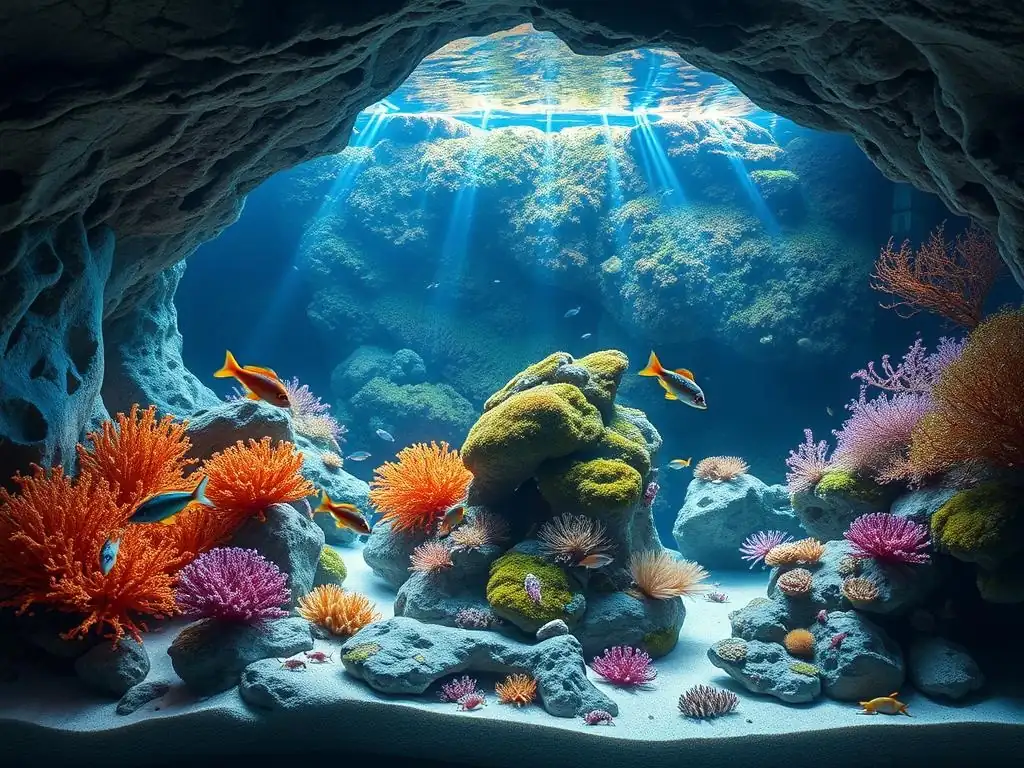
Ever wondered how to truly unlock the secrets to a thriving aquarium, especially when it comes to the unique needs of your finned friends? Dive in with us as we explore the fascinating world of blenny cave habitat setup. Discover how to create the perfect underwater haven, ensuring your blennies are not just surviving, but thriving. What makes a truly ideal blenny cave? Let's find out...
- Understanding Blenny Behavior and Habitat Needs
- Planning Your Blenny Cave Habitat Setup
- Choosing and Creating Blenny Caves and Crevices
- Setting Up Your Blenny Cave Habitat: A Step-by-Step Guide
- Maintaining a Healthy Blenny Cave Environment
- Blenny Tank Mates: Creating a Harmonious Community
- Troubleshooting Common Blenny Habitat Issues
- Enhancing Your Blenny Habitat with Live Rock and Corals
- Advanced Blenny Habitat Design: Enhancing Water Flow and Oxygenation
- Frequently Asked Questions
- Final Reflection: Embracing the Blenny's Perspective
- Ignite Your Blenny's Dream Home!
Understanding Blenny Behavior and Habitat Needs
The Importance of Suitable Habitat for Blenny Health
A well-designed Blenny cave habitat setup is not merely an aesthetic choice; it is fundamental to the long-term health and well-being of these fascinating marine fish. Blennies are inherently shy and territorial creatures, relying heavily on secure hiding spots to mitigate stress from perceived threats, whether from tank mates or the aquarist's presence.
Without adequate caves and crevices, blennies can become highly stressed, leading to compromised immune systems, susceptibility to diseases like marine ich or fin rot, and a general decline in their vibrant coloration and active behaviors. For instance, a blenny lacking a safe haven may constantly dart erratically or attempt to hide in plain sight, exhibiting unnatural behaviors and increased respiration rates.
Furthermore, a proper Blenny habitat directly supports their natural behaviors, such as foraging, perching, and retreating. Many blenny species are micro-predators or detritivores, constantly sifting through substrate or grazing on algae.
Secure rockwork and intricate cave systems provide the necessary structure for these activities, allowing them to feel safe enough to explore and feed. Studies on fish behavior consistently show that environmental enrichment, particularly in the form of complex structures, significantly reduces anxiety and promotes natural physiological functions, translating to healthier, more robust blennies that thrive for their typical lifespan, which can range from 3 to 7 years depending on the species and care quality.
Natural Blenny Habitats: Inspiration for Your Aquarium
To create an optimal Blenny cave habitat setup, it is crucial to draw inspiration from their natural environments. Blennies are predominantly found in shallow, rocky reef zones, rubble fields, and coral flats across tropical and subtropical oceans.
These environments are characterized by an abundance of intricate rock formations, live coral structures, and sandy or silty substrates that offer countless nooks, crannies, and burrows. For example, the popular Tailspot Blenny ( Ecsenius stigmatura) often inhabits rubble zones with small, tightly fitting crevices, while the Midas Blenny ( Ecsenius midas) prefers larger rock structures with open perching spots from which to dart out into the water column.
Replicating this natural complexity in an aquarium setting involves more than just stacking a few rocks. It requires thoughtful aquascaping that mimics the dense, multi-layered structures found on a natural reef. Consider how blennies use these spaces: as ambush points, safe havens from predators, and secure sleeping quarters.
Many species, like the Lawnmower Blenny ( Salarias fasciatus), spend their days grazing on the rockwork and need an environment rich in surfaces for algae growth and numerous small bolt-holes. Incorporating various sizes of live rock, creating overhangs, and ensuring multiple entry and exit points for each cave is essential to truly emulate their wild homes and provide a functional Blenny habitat.
Blenny Species-Specific Habitat Preferences
While all blennies benefit from a well-structured Blenny cave habitat setup, understanding the nuances of species-specific preferences is key to their success. Different blenny species exhibit distinct behaviors and physical adaptations that dictate their ideal living spaces. For instance, the Bicolor Blenny ( Ecsenius bicolor), a common aquarium inhabitant, typically prefers small, tight crevices in rocky structures where it can perch and quickly retreat. Its small size, often reaching about 4 inches, means it thrives in a nano-reef environment rich with intricate nooks.
In contrast, the more robust and larger Combtooth Blennies, such as the Starry Blenny ( Salarias ramosus), which can grow up to 6 inches, require more substantial rockwork with broader surfaces for their grazing habits and larger, easily accessible caves. Fang Blennies (e.g., Meiacanthus oualaniensis) are unique in that they possess venomous fangs and often perch openly, relying on their defensive capabilities, but still benefit from secure bolt-holes within their territory.
Understanding these specific needs—from the size of the preferred crevice to the amount of open rock surface for grazing—allows aquarists to tailor their Blenny habitat setup to perfectly match the chosen species, ensuring optimal health and exhibition of natural behaviors.
Planning Your Blenny Cave Habitat Setup
Determining Tank Size and Compatibility for Blennies
The first step in planning a successful Blenny cave habitat setup is selecting an appropriate tank size, which directly influences the overall health and behavior of your blenny. While many blennies are relatively small, ranging from 2 to 6 inches, they are highly territorial and require ample personal space.
For a single small blenny, such as a Tailspot or Bicolor Blenny, a minimum tank size of 10 to 20 gallons is often recommended, provided it is heavily aquascaped with numerous hiding spots. However, for larger species like the Lawnmower Blenny or if you plan to keep multiple blennies (which is generally discouraged unless the tank is very large and offers distinct territories), a 30-gallon or larger aquarium is far more suitable.
Compatibility with other tank inhabitants also plays a crucial role in determining the ideal tank size. A larger tank provides more real estate for other fish to establish their own territories, reducing potential conflicts with your blenny.
Aggressive or overly active tank mates can stress blennies, even if the Blenny habitat setup offers ample hiding. For example, a 20-gallon tank with a single peaceful blenny and a few small invertebrates will be far less stressful than a 20-gallon tank attempting to house a blenny alongside semi-aggressive damselfish, which might constantly harass the blenny and prevent it from utilizing its carefully constructed caves.
Selecting the Right Substrate for a Blenny-Friendly Tank
The choice of substrate is a critical, yet often overlooked, component of a functional Blenny cave habitat setup, directly impacting both the blenny's health and the tank's ecosystem. Many blenny species, particularly those from the Combtooth family like the Lawnmower Blenny or Starry Blenny, are benthic grazers that spend a significant amount of time sifting through, or perching on, the substrate.
Therefore, a fine to medium-grade sand or crushed coral substrate, ranging from 0.5 mm to 2 mm in grain size, is generally ideal. This type of substrate allows for easy sifting and provides a soft landing for blennies that occasionally "dive" into the sand.
A substrate bed of at least 2-3 inches in depth is beneficial, not only for potential burrowing species but also for supporting beneficial bacterial colonies that contribute to nitrification. While some blennies are not true burrowers, a softer substrate can prevent injuries to their delicate fins and bellies as they navigate their territory.
Avoid very coarse or sharp gravel, as this can abrade their skin, leading to infections. Furthermore, a well-chosen substrate contributes to the overall stability of the rockwork in your Blenny habitat setup, providing a solid base for creating secure and stable cave structures without the risk of collapse.
Essential Water Parameters for Blenny Well-being
Maintaining stable and appropriate water parameters is paramount for the health of any marine fish, and blennies are no exception. A successful Blenny cave habitat setup relies on pristine water quality to prevent stress and disease. Key parameters include salinity, temperature, pH, ammonia, nitrite, and nitrate. For most common marine blennies, salinity should be maintained within a specific gravity range of 1.023 to 1.026, ideally around 1.025, mimicking natural reef conditions. Fluctuations in salinity can cause osmotic stress, leading to lethargy and weakened immunity.
Temperature is also critical, with a stable range of 75°F to 80°F (24°C to 27°C) being optimal for most species. Sudden temperature swings, even by a few degrees, can be highly detrimental. The pH level should be kept between 8.1 and 8.4, which is typical for healthy saltwater aquariums and supports calcification processes for any live rock or corals present in the Blenny habitat setup.
Crucially, ammonia and nitrite levels must always be at 0 ppm, as these are highly toxic to fish. Nitrate levels should be kept as low as possible, ideally below 10-20 ppm, through regular water changes and efficient filtration. Consistent monitoring of these parameters, at least weekly, is essential to ensure a healthy and stable environment for your blenny.
Choosing and Creating Blenny Caves and Crevices
Types of Blenny Caves: Natural vs. Artificial
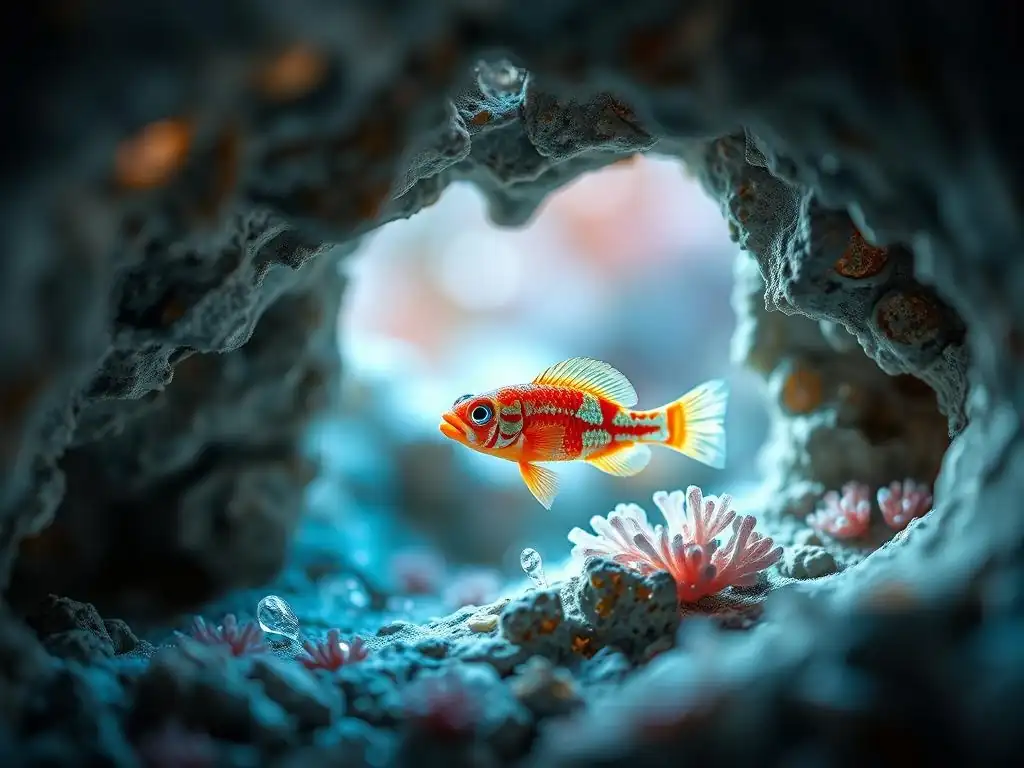
When designing your Blenny cave habitat setup, you have the option of incorporating both natural and artificial cave structures, each offering distinct advantages. Natural caves are primarily formed by live rock, which is porous, irregularly shaped, and provides an authentic, biologically active environment. Live rock not only offers numerous crevices and tunnels for blennies but also contributes to biological filtration by housing beneficial bacteria and microfauna.
For example, a 20-pound piece of live rock can offer dozens of small hiding spots, mimicking the complex micro-habitats found on a natural reef. Many aquarists aim for 1-1.5 pounds of live rock per gallon to ensure ample structure and filtration.
Artificial caves, on the other hand, include ceramic rock formations, PVC pipes, or specially designed resin decorations. These can be advantageous for their stability, ease of cleaning, and predictable shapes. For instance, a small length of PVC pipe (e.g., 1-inch diameter, 4-6 inches long), strategically placed or disguised within the rockwork, can provide a perfectly sized, smooth-surfaced retreat for shy blennies like the Tailspot.
While artificial options may not offer the biological benefits of live rock, they can be excellent supplementary hiding spots, especially in tanks where live rock is limited or specific shapes are desired. A balanced Blenny habitat setup often integrates both, leveraging the biological benefits of live rock while strategically using artificial elements for additional, secure retreats.
DIY Blenny Cave Construction: Safe Materials and Techniques
Creating custom Blenny caves through DIY construction allows for unparalleled control over the shape, size, and security of your Blenny habitat setup. When undertaking such projects, selecting safe, inert materials is paramount to prevent leaching of harmful chemicals into the aquarium water. Common safe materials include aquarium-safe epoxy, PVC pipes, inert plastics (like those used for food containers, ensuring they are thoroughly cleaned), and various types of rocks such as lava rock, limestone, or aragonite rock.
Avoid any materials that are painted, treated, or contain metals that could rust or dissolve. For instance, creating a small "blenny apartment" using two pieces of flat slate rock glued together with aquarium-safe silicone can provide a custom, secure hideaway.
Techniques for DIY cave construction often involve stacking or adhering rocks together to form stable, interconnected structures. Using aquarium-safe epoxy or silicone is crucial for stability, preventing rock collapses that could injure or trap your blenny. When stacking rocks, ensure that the heaviest pieces form the base and that all structures are stable enough to withstand water flow and any digging behavior from tank inhabitants.
For example, creating a series of small, interconnected tunnels by carefully arranging live rock and securing it with epoxy can provide an enriching and secure Blenny habitat. Always cure any adhesives completely before introducing the structures into the aquarium, typically for 24-48 hours, to ensure no volatile organic compounds are released.
Arranging Rocks and Decorations for Optimal Blenny Security
The strategic arrangement of rocks and decorations is fundamental to creating an optimal Blenny cave habitat setup that offers both security and visual appeal. Blennies thrive in environments where they feel secure, and this is achieved by providing multiple, easily accessible hiding spots. When aquascaping, aim to create a complex network of caves, overhangs, and crevices rather than simple rock piles.
Think in terms of layers and depth, providing both small, tight retreats for shy blennies and larger, more open perching spots for species that enjoy surveying their territory. For example, stacking three to five varying sizes of live rock can create a complex structure with several potential blenny bolt-holes.
Ensure that all rock structures are stable and cannot be dislodged by water currents or by the blenny itself. It is advisable to build rockwork directly on the bottom glass of the tank, rather than on the substrate, to prevent collapses if burrowing fish (not typically blennies, but other tank mates) dig underneath. Leave small gaps between rocks and the tank walls to prevent blennies from becoming trapped.
Additionally, consider the line of sight within the tank; blennies often prefer caves that offer a view of the outside while still providing a quick escape route. By thoughtfully arranging the Blenny habitat setup, you can minimize stress, encourage natural behaviors, and enhance the overall aesthetic of your marine aquarium.
Setting Up Your Blenny Cave Habitat: A Step-by-Step Guide
Step 1: Preparing Your Aquarium for the Blenny Habitat
Before introducing any rocks or water, the initial preparation of your aquarium is crucial for a successful Blenny cave habitat setup. Begin by thoroughly cleaning the tank with RO/DI water to remove any dust, debris, or manufacturing residues. Never use household cleaners or soaps, as these can leave harmful chemical residues. Position your aquarium on a sturdy, level stand capable of supporting the significant weight of a filled saltwater tank, which can be over 10 pounds per gallon. For example, a 30-gallon tank filled with water, live rock, and substrate can easily weigh over 300 pounds.
Once the tank is clean and positioned, consider adding a foam mat or leveling pad underneath if your stand isn't perfectly level, to distribute weight evenly and prevent stress cracks in the glass. Install your background if desired, then proceed to lay down any base rock or egg crate (light diffuser panels) on the bottom glass. This foundational layer is critical for stability, especially for a complex Blenny habitat setup, preventing heavy rocks from resting directly on the glass or shifting when substrate is added. This preparatory step ensures a safe and stable foundation for your entire aquascape.
Step 2: Introducing Rocks and Creating Blenny Hideouts
With the tank prepared, the next critical step is to strategically introduce your live rock or artificial structures to create the ideal Blenny cave habitat setup. Begin by placing the largest, heaviest pieces of rock directly onto the tank bottom or the egg crate, ensuring they are stable and cannot be easily toppled. These will form the foundation of your aquascape. Gradually build upwards and outwards, creating a diverse landscape of peaks, valleys, and most importantly, numerous caves and crevices. Aim for at least 1 to 1.5 pounds of live rock per gallon for a robust Blenny habitat.
As you place each rock, visualize how a blenny would use it. Create small, tight "bolt-holes" where a blenny can quickly retreat, as well as larger, more open areas for perching. Ensure there are multiple entry and exit points for key caves, allowing the blenny to escape if a larger fish follows it in. Avoid creating dead-end caves that could trap a blenny.
Use aquarium-safe epoxy or super glue gel to secure unstable rocks, especially those forming arches or overhangs. For instance, securing a smaller rock on top of two larger ones can create a perfect, stable tunnel for a blenny. This step is where the functional design of your Blenny cave habitat truly takes shape.
Step 3: Ensuring Proper Water Circulation Around Blenny Caves
Proper water circulation is often overlooked in a Blenny cave habitat setup but is vital for maintaining water quality and overall ecosystem health. Stagnant areas within caves and crevices can lead to the accumulation of detritus, anaerobic pockets, and localized nutrient buildup, which can be detrimental to both the blenny and the beneficial bacteria living on the live rock. Therefore, once your rockwork is in place, position your powerheads or return pumps to ensure adequate flow throughout the entire tank, including within and around the newly created blenny hideouts.
Aim for a gentle to moderate flow that prevents detritus from settling without being so strong that it constantly buffets your blenny. A general guideline for reef tanks is a total flow rate of 10 to 20 times the tank volume per hour. For a 30-gallon tank, this means 300-600 GPH.
You might need multiple powerheads to achieve this, strategically placed to create turbulent yet distributed flow patterns. For example, one powerhead placed near the surface can create surface agitation for gas exchange, while another directed lower can ensure flow through the rockwork. Observing the movement of small particles in the water will help you identify any stagnant zones that need adjustment, ensuring a healthy Blenny environment.
Step 4: Cycling the Tank Before Adding Your Blenny
The final and arguably most crucial step before introducing your blenny is to fully cycle the aquarium. Cycling establishes the beneficial nitrifying bacteria colonies that convert toxic ammonia and nitrite into less harmful nitrates. Without a complete nitrogen cycle, your blenny will be exposed to lethal levels of ammonia and nitrite, leading to severe stress, illness, and likely death. The cycling process typically takes 4 to 8 weeks, though it can vary.
During this period, you will introduce an ammonia source (e.g., pure ammonia solution, a small piece of shrimp, or a commercially available bacteria starter). Monitor ammonia, nitrite, and nitrate levels daily using a reliable test kit. The cycle is complete when both ammonia and nitrite consistently read 0 ppm, and nitrates are present.
For example, ammonia might peak at 2-3 ppm, then drop, followed by a nitrite peak of 1-2 ppm, which then also drops to zero. Only after these parameters have stabilized for several days should you consider adding your blenny to its meticulously prepared Blenny cave habitat setup, ensuring a safe and biologically mature environment.
Maintaining a Healthy Blenny Cave Environment
Regular Water Changes and Testing for Blenny Health
Maintaining a healthy Blenny cave habitat setup hinges significantly on consistent water changes and diligent water parameter testing. Regular water changes are essential for replenishing vital trace elements, reducing accumulated nitrates, and removing dissolved organic compounds that can degrade water quality over time. For most established blenny tanks, a weekly or bi-weekly water change of 10-20% of the total tank volume is recommended.
For example, in a 30-gallon tank, this would mean changing 3-6 gallons of water every 7-14 days. Always use high-quality RO/DI water mixed with a reputable marine salt mix, ensuring the new saltwater matches the tank's temperature and salinity precisely.
Complementing water changes, regular testing of key water parameters is crucial for monitoring the stability and health of your Blenny environment. Test for ammonia, nitrite, nitrate, pH, and salinity at least once a week, and alkalinity, calcium, and magnesium bi-weekly or monthly if you have corals. Ammonia and nitrite should always be undetectable (0 ppm).
Nitrates should ideally be below 10-20 ppm. Deviations from optimal parameters indicate an underlying issue that needs immediate attention, such as overfeeding or insufficient filtration. Consistent monitoring allows you to proactively address problems before they negatively impact your blenny's health, ensuring the Blenny cave habitat remains pristine.
Cleaning Blenny Caves and Removing Debris
While blennies often reside within their caves, these areas can accumulate detritus and debris, necessitating periodic cleaning to maintain a healthy Blenny habitat. Due to the intricate nature of rockwork and the tight spaces blennies prefer, cleaning can be challenging but is vital to prevent nutrient buildup and anaerobic pockets. During regular water changes, use a turkey baster or a small siphon hose to gently blast water into and around the blenny caves. This dislodges trapped detritus, allowing it to be drawn into the filtration system or siphoned out during the water change.
Care must be taken not to disturb the blenny excessively during this process. Many blennies will dart into their caves when approached, making it difficult to clean thoroughly without causing stress. If the blenny is in its cave, simply clean around it.
For instance, a small, flexible brush can be used to gently scrub the exterior surfaces of rocks where algae might accumulate. Avoid dismantling rockwork unless absolutely necessary, as this can be highly disruptive to the blenny's established territory and the tank's biological stability. Regular, gentle cleaning ensures that the Blenny cave habitat remains free of harmful organic matter, promoting a healthier environment for your fish.
Monitoring Blenny Behavior for Signs of Stress or Illness
A keen eye on your blenny's behavior is one of the most effective ways to assess the health of your Blenny cave habitat setup and the well-being of the fish itself. Blennies are creatures of habit; any deviation from their typical routine can be an early indicator of stress, illness, or an issue with their environment. Healthy blennies are typically active, exploring their territory, perching confidently, and displaying vibrant coloration. They should eagerly accept food during feeding times and exhibit natural grazing or sifting behaviors.
Signs of stress or illness include lethargy, hiding excessively (even more than usual), rapid breathing, faded coloration, clamped fins, or refusal to eat. For example, a blenny that normally perches on a specific rock but is now constantly hidden deep within a cave could be stressed by a new tank mate or deteriorating water quality.
White spots (Ich), frayed fins, or cloudy eyes are clear signs of disease requiring immediate attention. By observing your blenny daily for 5-10 minutes, noting its movements, feeding response, and appearance, you can quickly identify problems and intervene before they escalate, ensuring the Blenny environment remains conducive to its health.
Blenny Tank Mates: Creating a Harmonious Community
Compatible Fish Species for a Blenny Tank
Selecting appropriate tank mates is crucial for creating a harmonious and stress-free Blenny cave habitat setup. Blennies are generally peaceful but can be territorial, especially towards other blennies or fish with similar body shapes and behaviors. Ideal tank mates are those that are peaceful, do not compete for the same food sources or hiding spots, and are not overly boisterous or aggressive. Good choices include small, peaceful gobies (e.g., Watchman Gobies, Clown Gobies), small cardinalfish (e.g., Banggai Cardinalfish), certain types of small wrasses (e.g., Six-Line Wrasse, Possum Wrasse), and firefish.
For instance, a Watchman Goby might share a burrow with a pistol shrimp, while a blenny occupies its own distinct cave, minimizing territorial overlap. Small schools of peaceful fish like Green Chromis ( Chromis viridis) can add movement to the upper water column without bothering the bottom-dwelling blenny. Ensure that any chosen tank mates are also compatible with the specific water parameters and tank size of your Blenny habitat setup. The goal is to create a community where each inhabitant has sufficient space and resources, reducing competition and potential aggression, and allowing your blenny to thrive.
Avoiding Aggressive Tank Mates That Stress Blennies
To ensure the long-term well-being of your blenny, it is imperative to avoid tank mates that are known for aggression, excessive activity, or predatory behavior. Blennies, despite their territorial nature, are relatively small and can be easily stressed or injured by larger, more dominant fish. Species to avoid include most large angelfish, triggers, puffers, large groupers, and aggressive damselfish (e.g., Domino Damselfish, Yellowtail Damselfish). Even some ostensibly peaceful fish can become problematic if the tank is too small or if resources are scarce.
For example, a Yellowtail Damselfish, while small, is notorious for its territorial aggression and can relentlessly harass a blenny, preventing it from feeding or even leaving its Blenny cave habitat setup. Similarly, large predatory fish might view a small blenny as a food source. Even semi-aggressive fish like certain clownfish can become problematic in smaller tanks if they perceive the blenny as encroaching on their territory, particularly if they host an anemone. Prioritizing peace and compatibility in your community tank will significantly reduce stress on your blenny, promoting natural behaviors and a longer, healthier life.
Providing Enough Territory for All Inhabitants
Even with compatible species, providing sufficient territory for all inhabitants is a critical aspect of a successful Blenny cave habitat setup. Overcrowding is a primary source of stress and aggression in marine aquariums. Each fish, especially territorial species like blennies, needs its own perceived "personal space" or territory where it can feel secure, feed, and rest without constant harassment. This is particularly important when considering multiple bottom-dwelling fish.
For instance, if you have a blenny and a goby, ensure there are multiple distinct cave systems or hiding spots that are geographically separated within the aquascape. This allows each fish to establish its own home base, minimizing direct competition for shelter. A 30-gallon tank might support one blenny and one small goby if the rockwork is exceptionally well-designed to create separate territories.
In larger tanks (e.g., 50 gallons or more), more complex aquascaping can support a greater diversity of peaceful bottom dwellers. By providing ample and distinct territories within your Blenny environment, you create a more stable and harmonious community, reducing stress-related illnesses and promoting natural interactions among your fish.
Troubleshooting Common Blenny Habitat Issues
Addressing Algae Growth in Blenny Caves
Algae growth is a common issue in all marine aquariums, and while some blennies (like Lawnmower Blennies) are excellent algae grazers, excessive growth within their caves can be problematic. Dense algae can reduce water flow into and out of the Blenny cave habitat setup, trap detritus, and potentially outcompete beneficial bacteria. Excessive algae typically indicates an imbalance in nutrients (nitrates and phosphates) in the water. To address this, first, test your water parameters to confirm elevated nitrates (above 20 ppm) and phosphates (above 0.03 ppm).
Solutions include increasing the frequency or volume of water changes, reducing feeding to prevent excess nutrients, and improving filtration (e.g., adding a protein skimmer if not already present, or using phosphate-removing media like GFO). For direct removal, a soft brush or a small siphon can be used to gently clean the interior of the caves during water changes.
However, be cautious not to disturb the blenny excessively. Introducing other algae-eating invertebrates like turbo snails or emerald crabs can also help control algae, but ensure they are compatible with your blenny and won't compete for the same food sources within the Blenny environment.
Dealing with Blenny Territorial Disputes
Even in a well-planned Blenny cave habitat setup, territorial disputes can arise, especially if tank mates are not chosen carefully or if the tank is overcrowded. Blennies, despite their peaceful reputation, are highly territorial, particularly towards conspecifics or fish with similar body shapes and behaviors. Signs of disputes include chasing, nipping, flared fins, or one blenny constantly hiding while another dominates the prime spots. If you observe such behavior, immediate action is necessary to prevent chronic stress or injury.
First, assess the tank layout. Does each blenny or bottom-dweller have its own distinct and secure territory with multiple hiding spots? If not, rearrange the rockwork to create more defined boundaries and additional retreats. For example, adding an extra large piece of live rock or a ceramic cave can provide a new, distinct territory.
If the aggression persists, especially between blennies of the same species or very similar appearance, you may need to separate them. This might involve temporarily removing the aggressor to "reset" its territory or, in some cases, rehoming one of the fish. Ensuring adequate space and distinct territories within the Blenny habitat is key to minimizing these disputes.
Ensuring Adequate Feeding in a Cave-Dominated Environment
In a heavily aquascaped, cave-dominated Blenny cave habitat setup, ensuring your blenny receives adequate nutrition can sometimes be a challenge. Shy blennies may be hesitant to venture out for food if they feel exposed or if more aggressive tank mates quickly consume all the offerings. This can lead to malnourishment and a weakened immune system over time. To combat this, observe your blenny during feeding times. Does it come out to eat? Is it getting enough food before other fish consume it all?
Strategies to ensure adequate feeding include target feeding using a turkey baster to deliver food directly near the blenny's cave opening. Offering a variety of foods, such as marine flakes, pellets, frozen mysis shrimp, brine shrimp, and spirulina-enriched foods, can entice pickier eaters. For instance, a Lawnmower Blenny primarily grazes on algae, so ensuring ample algae growth or supplementing with algae wafers is crucial.
If you have active tank mates, consider feeding the main tank first to distract them, then target-feed your blenny. Multiple, smaller feedings throughout the day can also help. By ensuring consistent, sufficient nutrition, you support your blenny's health and vitality within its secure Blenny environment.
Enhancing Your Blenny Habitat with Live Rock and Corals
The Benefits of Live Rock for Blenny Ecosystems
Live rock is an indispensable component for enhancing a Blenny cave habitat setup, offering far more than just structural complexity. It is a cornerstone of a healthy marine ecosystem, providing extensive biological filtration. The porous surface of live rock is home to vast colonies of beneficial nitrifying and denitrifying bacteria, which are crucial for processing ammonia, nitrite, and nitrates, thus maintaining pristine water quality. For instance, a single pound of high-quality live rock can provide as much surface area for beneficial bacteria as 100 square feet of filter media.
Beyond filtration, live rock introduces a rich diversity of microfauna (copepods, amphipods, worms) and microalgae, which serve as a continuous, natural food source for many blenny species. Blennies like the Lawnmower Blenny or Starry Blenny will constantly graze on the surfaces of live rock, consuming nuisance algae and small invertebrates. The intricate network of crevices and tunnels within live rock also provides countless secure hiding spots and territories, directly contributing to the blenny's sense of security and reducing stress. Thus, incorporating ample live rock is paramount for creating a self-sustaining and enriching Blenny environment.
Selecting Blenny-Safe Corals and Invertebrates
When enhancing your Blenny cave habitat setup with corals and invertebrates, careful selection is necessary to ensure compatibility and safety for your blenny. Most blennies are reef-safe, meaning they typically won't bother corals. However, some species, like the Lawnmower Blenny, might occasionally nip at certain soft corals (e.g., Xenia) if their primary algae food source is insufficient.
Therefore, opting for hardy, non-toxic corals is generally recommended. Good choices include various types of LPS (Large Polyp Stony) corals such as Euphyllia (hammer, frogspawn, torch corals), and most soft corals like zoanthids, palythoa, and mushrooms, as these can add visual appeal and additional micro-habitats without posing a threat.
Invertebrates can also enrich the Blenny environment. Snails (turbo, trochus, nassarius) and hermit crabs are excellent clean-up crew members that will graze on algae and detritus without bothering blennies. However, avoid predatory invertebrates like large crabs or aggressive shrimp that could potentially harm a small blenny. Also, ensure any corals or invertebrates chosen have similar lighting and flow requirements to your blenny's preferred habitat. For example, a blenny that prefers lower flow areas might not appreciate being surrounded by corals that require very high flow, so strategic placement is key to integrating them harmoniously into the Blenny habitat setup.
Creating a Visually Appealing and Functional Blenny Environment
The ultimate goal of enhancing your Blenny cave habitat setup with live rock and corals is to create an environment that is both visually stunning and highly functional for your blenny. A well-designed aquascape should mimic the natural beauty and complexity of a coral reef while prioritizing the blenny's needs for security and territory. This involves thoughtful placement of all elements. Consider the "rule of thirds" in aquascaping to create a balanced and aesthetically pleasing layout.
Build your rockwork with a strong base, creating multiple layers and distinct zones. Incorporate open sandy patches for blennies that sift, and ensure plenty of flat surfaces for perching. Place corals strategically so they receive adequate light and flow without overshadowing the blenny's preferred hiding spots.
For instance, position a large, intricate piece of live rock with multiple caves as the central feature of the Blenny habitat, then surround it with smaller rocks and coral fragments to create a dynamic landscape. A visually appealing tank not only enhances your viewing pleasure but also signifies a well-balanced and thriving Blenny environment, fostering natural behaviors and vibrant coloration in your fish.
Advanced Blenny Habitat Design: Enhancing Water Flow and Oxygenation
Incorporating Powerheads for Increased Water Circulation
For an advanced Blenny cave habitat setup, incorporating multiple powerheads is crucial for achieving optimal water circulation, which is far more complex than simple water movement. Effective circulation ensures that oxygenated water reaches all areas of the tank, including deep within blenny caves and crevices, preventing stagnant zones where detritus can accumulate and anaerobic conditions might develop. For instance, a 40-gallon blenny tank might benefit from two 400-600 GPH powerheads strategically placed at opposing ends or angles to create turbulent, multi-directional flow.
The placement of powerheads should be carefully considered to provide varied flow patterns without directly blasting your blenny. Blennies generally prefer moderate flow and can be stressed by constant, direct high flow. Aim to create random, indirect flow that mimics natural reef currents, which constantly change direction and intensity. This helps to suspend detritus for removal by filtration, delivers food particles to filter feeders, and prevents the buildup of harmful compounds. A well-circulated Blenny environment supports robust biological filtration and overall ecosystem health, leading to a more thriving blenny.
Utilizing Wave Makers to Mimic Natural Reef Environments
Taking water circulation a step further, wave makers can significantly enhance a Blenny cave habitat setup by mimicking the natural ebb and flow of ocean currents. Unlike standard powerheads that provide constant, unidirectional flow, wave makers create oscillating or pulsing currents that more closely resemble the dynamic conditions found on a natural reef. This type of flow is highly beneficial for both the blenny and the overall health of the ecosystem. For example, a wave maker set to pulse every 10-30 seconds can prevent detritus from settling in specific spots and encourages a more natural environment.
The varied flow patterns generated by wave makers help to keep detritus in suspension, making it easier for mechanical filtration to remove it. This reduces the risk of nutrient buildup within the Blenny habitat, particularly in hard-to-reach areas of the rockwork.
Furthermore, the changing flow patterns can encourage more natural behaviors in blennies, as they adapt to the varying currents, similar to how they would in their wild habitats. Some advanced wave makers offer multiple programming modes, allowing aquarists to customize the flow to suit their specific blenny species and the overall tank inhabitants, creating a truly dynamic Blenny environment.
Adding an Air Stone for Enhanced Oxygen Levels
While excellent surface agitation from powerheads and wave makers typically provides sufficient oxygenation in a well-circulated marine aquarium, adding an air stone can offer an extra layer of security, especially in a densely aquascaped Blenny cave habitat setup or if there's any concern about oxygen levels. Air stones produce fine bubbles that rise to the surface, increasing the surface area for gas exchange between the water and the air, thereby boosting dissolved oxygen levels. This is particularly beneficial in tanks with a high bioload or during periods of elevated temperatures when oxygen solubility decreases.
For instance, an air stone placed discreetly behind rockwork can provide continuous, gentle oxygenation without disrupting the aesthetic or creating excessive turbulence for your blenny. While not always strictly necessary in a perfectly circulated reef tank, an air stone acts as an inexpensive insurance policy, ensuring that oxygen levels remain optimal for your blenny and other inhabitants, even in the most intricate parts of the Blenny environment. This additional oxygenation supports the metabolic processes of your fish and the beneficial bacteria, contributing to overall system stability and fish health.
Frequently Asked Questions
What makes a good cave for a blenny?
A good blenny cave offers a secure and enclosed space where they can retreat and feel safe. It should be appropriately sized for the blenny species and have a small entrance.
Why is a cave habitat important for blennies?
Blenny fish are naturally shy and territorial creatures. A cave habitat provides them with a safe haven and a place to establish their territory, reducing stress.
What materials are safe to use for creating blenny caves?
Safe materials include aquarium-safe rocks, PVC pipes, and ceramic decorations. Avoid anything that could leach harmful chemicals into the water or have sharp edges.
How many caves should I provide for my blenny?
Ideally, provide at least one cave per blenny, and even more if you have multiple blennies or other fish that might compete for space. This ensures all blennies have a safe retreat.
Where should I position the blenny caves in the aquarium?
Place the caves in various locations within the tank, including areas with low light and moderate current. This allows the blenny to choose its preferred spot and establish its territory.
Final Reflection: Embracing the Blenny's Perspective
The intricate details of crafting a suitable environment for blennies, as explored in this article, are not merely about aquarium aesthetics; they represent a deeper understanding of interconnectedness within a miniature ecosystem. By focusing on the blenny's need for caves, crevices, and comfort zones, we're reminded that even the smallest creatures thrive when their specific requirements are met, mirroring the broader principles of ecological balance and responsible stewardship.
This journey into the blenny's world has profoundly influenced how I perceive the responsibility we have towards all living beings, no matter how small. Understanding their needs and striving to meet them fosters a deeper appreciation for the delicate balance of nature. The greatness of a nation and its moral progress can be judged by the way its animals are treated.
- Mahatma Gandhi. This quote resonates deeply, reminding us that our actions, even within the confines of an aquarium, reflect our broader values and commitment to creating a more compassionate world.
Now, I invite you to reflect on the lessons learned about creating the ideal blenny cave habitat setup. Consider how the principles of observation, empathy, and mindful design can be applied to other areas of your life. Whether it's creating a more supportive environment for your family, fostering a more inclusive workplace, or simply being more attentive to the needs of those around you, remember the blenny and its cave. Embrace the power of creating spaces where others can thrive, and you will find that you, too, will flourish.
Ignite Your Blenny's Dream Home!
Thank you for diving into the world of blenny habitats! We hope you've gained a clear vision for creating the perfect underwater haven for these charming fish. Now, it's time to transform that vision into reality.
- Prioritize your blenny's happiness and start building that ideal cave or crevice today! This is where the magic truly begins.
- Share your blenny habitat ideas and progress on social media using #BlennyBliss – inspire other aquarists!
- Explore Aquarium Mastery's forum and join the blenny enthusiast community to exchange tips and tricks.
What unique, unexpected touch will you add to your blenny's habitat to make it truly special?