
Percula vs. Ocellaris: Unmasking the True Differences for Aquarists

Welcome to Aquarium Mastery!
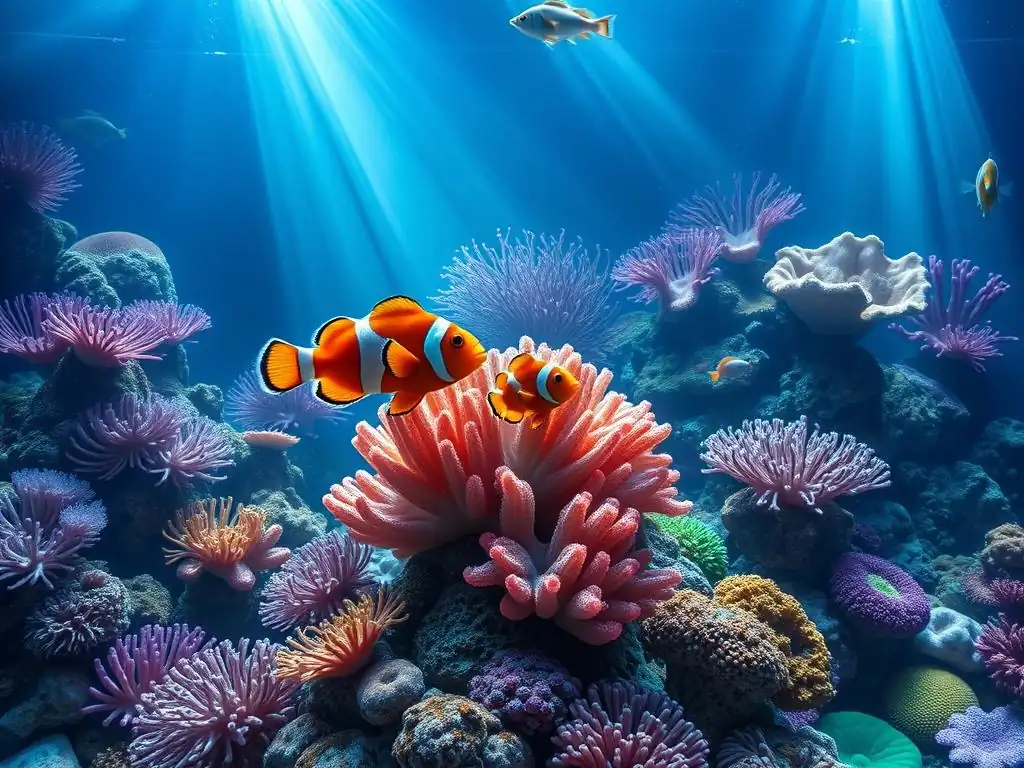
Ever wondered if that adorable clownfish in your tank is a Percula or an Ocellaris? These two are often confused, but understanding their Percula vs. Ocellaris differences is crucial for their well-being and your success as an aquarist. Dive in and unmask the secrets that separate these iconic saltwater beauties – you might be surprised at what you discover!
- Introduction: Demystifying the Percula and Ocellaris Clownfish
- Visual Identification: Spotting the Differences Between Ocellaris and Percula Clownfish
- Habitat and Origin: Where Do Percula and Ocellaris Clownfish Come From?
- Behavior and Temperament: Understanding Percula and Ocellaris Clownfish Behavior
- Care Requirements: Ensuring Optimal Health for Percula and Ocellaris
- Breeding Percula and Ocellaris Clownfish: A Comparative Guide
- Price and Availability: Factors Affecting the Cost of Percula and Ocellaris
- Common Misconceptions: Debunking Myths About Percula and Ocellaris
- Conclusion: Choosing the Right Clownfish for Your Aquarium - Percula or Ocellaris?
-
Frequently Asked Questions
- What are the most significant differences between Percula and Ocellaris clownfish?
- How can I distinguish between a Percula and Ocellaris clownfish when purchasing them?
- Does the care requirements differ significantly between Percula and Ocellaris clownfish in a home aquarium?
- Are Percula clownfish more aggressive than Ocellaris clownfish, or vice versa?
- Can Percula and Ocellaris clownfish breed together in a home aquarium?
- Final Reflection: Embracing Nuance in the Reef
- Dive Deeper: Begin Your Clownfish Adventure Today!
Introduction: Demystifying the Percula and Ocellaris Clownfish
Why Knowing the Difference Between Percula and Ocellaris Matters for Aquarists
Understanding the precise Percula vs Ocellaris differences is far more than a mere academic exercise for the dedicated aquarist; it directly impacts the long-term health, compatibility, and overall success of a saltwater aquarium. Misidentification can lead to incorrect expectations regarding a clownfish's adult size, its temperament towards tank mates, and even its specific care requirements. For instance, while both are hardy, subtle variations in their natural behaviors can influence their suitability for a mixed-reef environment or a species-specific setup.
Moreover, discerning these distinctions is crucial for those interested in breeding. Accidental hybridization between Amphiprion percula and Amphiprion ocellaris can occur, leading to "Percularis" hybrids that dilute the genetic purity of the species. By accurately identifying each fish, aquarists can ensure they are providing the most appropriate environment, selecting compatible tank mates, and, if breeding, maintaining the integrity of the species lineage.
A Brief Overview: Percula and Ocellaris in the Aquarium Hobby
The Percula and Ocellaris clownfish stand as two of the most iconic and beloved species in the marine aquarium hobby. Their vibrant orange, white, and black patterns, coupled with their endearing personalities and famous symbiotic relationship with anemones, have captivated aquarists for decades. Often referred to interchangeably in popular culture, these two species, while strikingly similar in appearance, possess distinct characteristics that differentiate them upon closer inspection.
Their widespread popularity stems from their relatively robust nature, making them suitable for both novice and experienced aquarists. However, the subtle visual and behavioral Percula vs Ocellaris differences frequently lead to confusion, even among experienced hobbyists. This article aims to clarify these distinctions, providing a comprehensive guide to help aquarists confidently identify, care for, and appreciate the unique attributes of each species.
Visual Identification: Spotting the Differences Between Ocellaris and Percula Clownfish
Saddle Patterns: Examining the Black Border Variations
One of the most reliable visual cues for distinguishing between Amphiprion percula and Amphiprion ocellaris lies in the black outlining of their white vertical stripes, often referred to as saddle patterns. A true Percula clownfish ( Amphiprion percula) typically exhibits a thick, prominent black border around all three of its white stripes. This border can be quite substantial, often measuring 2-3 millimeters in width, giving the stripes a very bold and defined appearance, particularly noticeable on the anterior and caudal bands.
In stark contrast, the Ocellaris clownfish ( Amphiprion ocellaris) generally displays a much thinner black outline, often less than 1 millimeter, or in many cases, no black border at all on certain stripes, especially the central body stripe. This absence or reduction of the black trim gives the Ocellaris a slightly softer, less sharply delineated look to its white markings. This subtle, yet consistent, difference in stripe pigmentation is a primary indicator when evaluating Percula vs Ocellaris differences.
Body Shape and Size: A Comparative Look at Percula and Ocellaris Morphology
Beyond stripe patterns, subtle Percula vs Ocellaris differences can also be observed in their overall body morphology and average adult size. Percula clownfish tend to have a slightly more compact, 'stocky,' or 'deep-bodied' build. While both are relatively small, a mature Percula typically reaches an average adult length of about 3 inches (approximately 7.5 centimeters) in a well-maintained aquarium environment.
The Ocellaris clownfish, conversely, often presents a slightly more elongated and streamlined body shape. They also tend to grow a bit larger than Perculas, commonly reaching lengths of 3.5 to 4 inches (approximately 9-10 centimeters) in captivity, with some exceptionally large individuals occasionally exceeding 4.5 inches (11.5 cm). While these size differences are not absolute and can overlap, observing a pair of mature specimens side-by-side often reveals the Percula's more robust and slightly smaller stature compared to the Ocellaris.
Coloration Differences: Intensity and Variations in Orange and Yellow Hues
The base coloration of these two species, while both predominantly orange, can also offer clues to their identity, though this can be more variable and influenced by diet, health, and origin. Percula clownfish are often noted for their intensely vibrant orange coloration, sometimes leaning towards a rich yellow-orange hue, particularly in healthy, well-fed captive-bred specimens. Their white stripes are typically a stark, pure white, creating a high-contrast visual appeal against their vivid orange bodies.
Ocellaris clownfish, on the other hand, frequently exhibit a slightly duller or 'burnt' orange, sometimes with a more brownish-orange tint, especially in wild-caught individuals. Their white stripes might appear creamier or slightly off-white, lacking the crisp, pure white luminosity often seen in Perculas. While color can be subjective and vary, the general tendency for Perculas to display a more "electric" orange and purer white is a consistent observation among experienced aquarists when comparing Percula vs Ocellaris differences.
Habitat and Origin: Where Do Percula and Ocellaris Clownfish Come From?
Percula Clownfish Natural Habitat: Geographical Distribution
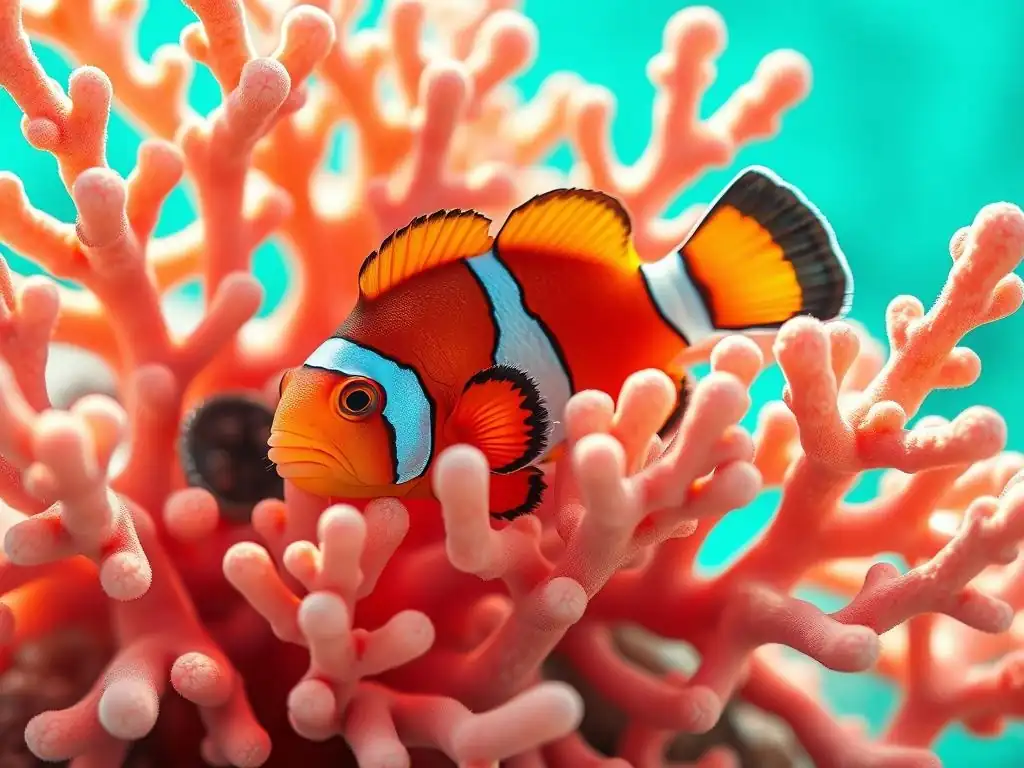
The Percula clownfish ( Amphiprion percula) is native to a more restricted geographical range within the Indo-Pacific region. Its natural distribution primarily encompasses the waters around New Guinea, the Solomon Islands, Vanuatu, and the Great Barrier Reef of Australia. These fish typically inhabit shallow coral reefs, often found at depths ranging from 1 to 15 meters (3 to 50 feet).
In their natural environment, Percula clownfish form symbiotic relationships with specific host anemones. Their preferred hosts include the Magnificent Anemone ( Heteractis magnifica), the Giant Carpet Anemone ( Stichodactyla gigantea), and Merten's Carpet Anemone ( Stichodactyla mertensii). This specific host preference and localized distribution contribute to their distinct ecological niche.
Ocellaris Clownfish Natural Habitat: Exploring Their Native Range
The Ocellaris clownfish ( Amphiprion ocellaris) boasts a significantly wider natural distribution across the Western Pacific Ocean. Their native range extends from the Andaman Sea and Nicobar Islands, across Southeast Asia, to northern Australia and as far north as southern Japan. Like Perculas, they are typically found in shallow reef environments, at similar depths of 1 to 15 meters (3 to 50 feet).
While they can also host in the Magnificent Anemone, Ocellaris clownfish are more commonly associated with the Bubble Tip Anemone ( Entacmaea quadricolor) and the Sebae Anemone ( Heteractis crispa) in their wild habitats. This broader geographical spread and slightly different host preferences are key aspects of their natural history that highlight the subtle Percula vs Ocellaris differences in the wild.
Implications for Aquarium Setup: Replicating Their Natural Environments
While both Percula and Ocellaris clownfish are highly adaptable to aquarium life and often thrive without a host anemone, understanding their natural habitats provides valuable insights for optimizing their captive environment. Replicating stable water parameters is paramount: both species flourish in salinity levels of 1.023-1.025 specific gravity, temperatures ranging from 76-82°F (24-28°C), and a pH of 8.0-8.4. Consistent water quality, with undetectable ammonia and nitrite, and nitrates below 20 ppm, is crucial for their long-term health.
Providing appropriate rockwork with crevices for hiding and potential "hosting" (even if not an anemone) can reduce stress and mimic their natural reef structure. While not mandatory, offering a suitable host anemone, or even certain large polyp stony (LPS) corals like Euphyllia species, can provide a naturalistic behavior outlet. While their wild host preferences show Percula vs Ocellaris differences, in captivity, both species are opportunistic and will often host in available alternatives, emphasizing the importance of providing enrichment and security in their tank.
Behavior and Temperament: Understanding Percula and Ocellaris Clownfish Behavior
Aggression Levels: Comparing Percula and Ocellaris Temperament in the Tank
When considering Percula vs Ocellaris differences in temperament, Percula clownfish are generally perceived as being slightly more territorial and assertive, especially as they mature and form established pairs. While not overtly aggressive, they can display more pronounced defensive behaviors towards other fish, particularly those of similar shape or color, or new additions to the tank. This territoriality might be more noticeable in smaller aquariums (e.g., under 30 gallons), where space is limited.
Ocellaris clownfish, conversely, are widely regarded as the more peaceful of the two species. They tend to exhibit less inter-species aggression and are generally more amenable to diverse community tank setups. While any clownfish pair will defend their chosen territory or host, Ocellaris individuals typically do so with less intensity, making them a slightly safer choice for aquariums with very timid or delicate tank mates.
Both Percula and Ocellaris clownfish are protandrous hermaphrodites, meaning they are born male and the dominant individual in a group or pair will transition to female. They typically form a monogamous pair in captivity, with the larger fish becoming the dominant female and the smaller, male. Percula clownfish pairs, due to their slightly more assertive nature, may establish and defend a larger territory within the tank. They generally coexist well with most peaceful reef-safe fish, but caution is advised when introducing other clownfish species, as inter-species aggression can be severe.
Ocellaris clownfish are highly adaptable to social dynamics and are often recommended for beginners due to their more placid nature. While they primarily form pairs, in very large aquariums (e.g., 75 gallons or more), it may be possible to keep a small group of Ocellaris clownfish if they are all introduced simultaneously as juveniles, allowing a hierarchy to form naturally. However, this still carries risks of aggression as they mature. The reduced aggression of Ocellaris makes them generally more compatible with a wider range of peaceful reef inhabitants, showcasing clear Percula vs Ocellaris differences in their social behavior.
Anemone Hosting Preferences: Which Anemones Do They Prefer?
While both species are famous for their symbiotic relationship with sea anemones, their natural hosting preferences exhibit subtle Percula vs Ocellaris differences. In the wild, Percula clownfish are most frequently found hosting in the Magnificent Anemone ( Heteractis magnifica), the Giant Carpet Anemone ( Stichodactyla gigantea), and Merten's Carpet Anemone ( Stichodactyla mertensii). These specific associations are strong in their native habitats.
Ocellaris clownfish, on the other hand, are commonly observed hosting in the Bubble Tip Anemone ( Entacmaea quadricolor), the Sebae Anemone ( Heteractis crispa), and also the Magnificent Anemone ( Heteractis magnifica). In the aquarium environment, both Percula and Ocellaris are highly opportunistic. If a preferred natural host is unavailable, they may readily host in a variety of other anemone species, large polyp stony (LPS) corals such as Euphyllia species (e.g., Hammer or Frogspawn corals), or even non-biological structures like powerheads or rock crevices. This adaptability makes them popular, but understanding their wild preferences helps appreciate their natural behaviors.
Care Requirements: Ensuring Optimal Health for Percula and Ocellaris
Water Parameters: Ideal Conditions for Both Species
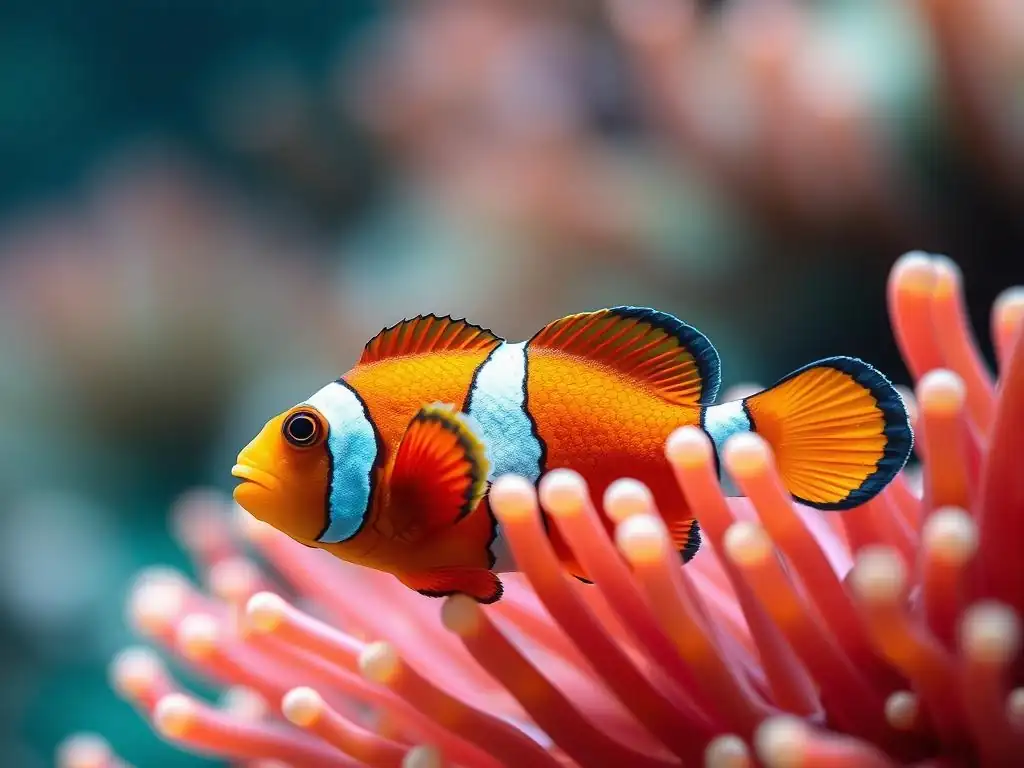
Maintaining stable and appropriate water parameters is fundamental for the health and longevity of both Percula and Ocellaris clownfish, with largely similar requirements for both species. An ideal specific gravity (salinity) range is 1.023 to 1.025, which closely mimics natural ocean conditions. The water temperature should be kept consistently between 76-82°F (24-28°C). A stable pH level of 8.0-8.4 is also crucial for their well-being.
Crucially, ammonia and nitrite levels must always be at undetectable levels (0 ppm), as these compounds are highly toxic to marine fish. Nitrate levels should be kept as low as possible, ideally below 20 ppm, and preferably under 10 ppm for long-term health and to prevent algae issues. Regular partial water changes, typically 10-20% bi-weekly, are essential to replenish trace elements and export accumulated nitrates and other undesirable compounds, ensuring the pristine water quality both species require.
Diet and Feeding: Nutritional Needs of Percula and Ocellaris
Both Percula and Ocellaris clownfish are omnivores and thrive on a varied and high-quality diet. Their feeding regimen should primarily consist of marine-based flake foods and pellets specifically formulated for omnivorous marine fish. It is important to supplement these dry foods with a variety of frozen options to ensure a complete nutritional profile.
Excellent frozen food choices include enriched mysis shrimp, spirulina-enriched brine shrimp, and finely chopped marine preparations. Feeding small portions 2-3 times per day is recommended, as this mimics their natural feeding behavior and helps prevent overfeeding, which can lead to deteriorated water quality. A diverse diet not only boosts their immune system but also enhances their vibrant coloration, making the subtle Percula vs Ocellaris differences in hue even more apparent.
Tank Size and Compatibility: Creating a Suitable Aquarium Environment
For a single Percula or Ocellaris clownfish, a minimum tank size of 20 gallons (approximately 75 liters) is generally recommended. If planning to keep a bonded pair, a 30-gallon (approximately 115 liters) aquarium provides sufficient space for them to establish a territory and thrive. While these are minimums, a larger tank is always beneficial, especially if incorporating other fish or a host anemone, which itself can require significant space.
In terms of compatibility, both species are generally considered peaceful and make excellent additions to most reef or fish-only community tanks. However, as noted when discussing Percula vs Ocellaris differences in temperament, Perculas might be slightly more assertive. It is crucial to avoid housing them with other clownfish species, as inter-species aggression can be severe and often fatal. They typically coexist well with a wide range of peaceful reef-safe fish, such as gobies, blennies, and certain wrasses, as well as various invertebrates like shrimp and snails.
Breeding Percula and Ocellaris Clownfish: A Comparative Guide
Differences in Breeding Behavior: Spawning and Egg Care
Both Percula and Ocellaris clownfish are relatively easy to breed in captivity once a bonded pair is established and conditions are optimal. Their breeding behavior is quite similar: the pair will typically select a flat surface, often a rock or a clay pot, usually near their host anemone (if present), and meticulously clean it. The female then lays adhesive eggs, which the male fertilizes. A notable Percula vs Ocellaris differences lies in their typical clutch sizes and spawning frequency.
Percula clownfish generally lay clutches ranging from 100 to 300 eggs, with an established pair often spawning every 10 to 14 days under ideal conditions. Ocellaris clownfish, conversely, tend to produce larger clutches, frequently exceeding 500-1000 eggs, though their spawning frequency is often similar. The male clownfish meticulously guards and fans the eggs for 7 to 10 days until they hatch, diligently removing any infertile or fungused eggs.
Larval Rearing: Challenges and Tips for Raising Clownfish Fry
Rearing the fry of both Percula and Ocellaris clownfish presents similar challenges, primarily due to the minute size of the newly hatched larvae and their specific dietary requirements. Upon hatching, the larvae are planktonic and require microscopic live food. For their first few days, they must be fed rotifers (typically Brachionus plicatilis), which are essential due to their small mouthparts. As they grow, usually within 3-5 days, they can transition to newly hatched Artemia nauplii (brine shrimp).
A dedicated larval rearing tank, often kept dimly lit to prevent the scattering of prey, is crucial. This tank requires gentle aeration, precise water quality control, and frequent small water changes. Despite their prolific breeding, survival rates for clownfish fry can be low for beginners, often less than 10-20% without experience, but improve significantly with meticulous care and established protocols. There are no substantial Percula vs Ocellaris differences in the technical aspects of larval rearing.
Hybridization Potential: Understanding Crossbreeding Between Species
A critical aspect of Percula vs Ocellaris differences, particularly relevant for breeders, is their capacity for inter-species hybridization. Despite being recognized as distinct species, Amphiprion percula and Amphiprion ocellaris can and do interbreed in captivity, producing fertile offspring. These hybrids are commonly referred to as "Percularis" or "Ocellaris Percula" and often exhibit intermediate characteristics in terms of stripe thickness, coloration, and body shape, making their precise identification challenging without knowing their parentage.
While these hybrids are generally healthy and fertile, intentional hybridization is typically discouraged within the hobby to maintain the genetic purity of each species. Unintentional crossbreeding can occur if both species are kept in the same breeding setup. Understanding this potential is vital for aquarists aiming to breed specific pure strains or for those simply wishing to ensure the authenticity of their clownfish.
Price and Availability: Factors Affecting the Cost of Percula and Ocellaris
Market Trends: Percula vs. Ocellaris Price Fluctuations
When examining Percula vs Ocellaris differences in market price and availability, Ocellaris clownfish are generally more accessible and affordable. A standard captive-bred Ocellaris typically retails for $25-$50, depending on size and local market conditions. This lower price point and widespread availability are largely attributable to their prolific breeding in captivity, allowing aquaculture facilities to produce them in high volumes.
Percula clownfish, while also widely available as captive-bred specimens, can sometimes command a slightly higher price, often ranging from $30-$60 for a standard individual. This slight price premium can be due to various factors, including regional demand, specific color intensity, or the perceived "true Percula" status. It's important to note that designer clownfish variants, which are predominantly Ocellaris mutations (e.g., 'Picasso,' 'Snowflake'), can fetch significantly higher prices, sometimes hundreds of dollars, due to their unique patterning. Wild-caught specimens of either species are now less common due to the success of captive breeding.
Identifying Reputable Breeders and Suppliers: Avoiding Misidentification
Given the subtle Percula vs Ocellaris differences, particularly in their juvenile stages, it is paramount for aquarists to purchase from reputable breeders or established local fish stores. Reputable suppliers typically clearly label their fish with the correct species name and can often provide information regarding their origin, such as whether they are captive-bred or wild-caught. This transparency helps prevent accidental misidentification, especially if an aquarist is specifically seeking one species over the other.
When in doubt, don't hesitate to ask detailed questions about the fish's characteristics, such as the thickness of the black stripe borders. Reliable breeders will also prioritize the health of their livestock, ensuring fish are active, eating well, and free of visible signs of disease. Opting for captive-bred clownfish is generally recommended, as they are typically hardier, more accustomed to aquarium life, and less likely to carry diseases or parasites compared to wild-caught specimens.
Common Misconceptions: Debunking Myths About Percula and Ocellaris
Addressing Common Identification Errors: Clearing Up Confusion
One of the most pervasive misconceptions in the aquarium hobby revolves around the identification of Percula and Ocellaris clownfish, leading to frequent errors. Many Ocellaris clownfish, particularly when young, are often mistakenly identified or sold as "Perculas" due to their similar overall appearance. This has led to the informal term "false Percula" being used for Ocellaris, further blurring the lines. The key differentiator, as previously emphasized, remains the distinct black outlining on their white stripes: Perculas possess thick, bold borders, while Ocellaris have thin or absent ones.
Another common error is assuming that all clownfish with three white vertical stripes are either a Percula or an Ocellaris. In reality, several other Amphiprion species, such as Amphiprion perideraion (Pink Skunk Clownfish) or Amphiprion frenatus (Tomato Clownfish), also exhibit white stripe patterns, though their body shapes, coloration, and stripe configurations are distinctly different. Focusing on the specific Percula vs Ocellaris differences in stripe patterns and body morphology is crucial to avoid these widespread identification pitfalls.
Understanding Genetic Variations: The Influence of Breeding Programs
The rise of selective breeding programs has introduced numerous genetic variations, often termed "designer clownfish," which can further complicate the visual distinction between Percula and Ocellaris. Varieties such as 'Picasso,' 'Snowflake,' 'Onyx,' 'Black Ice,' and 'Darwin' clownfish are popular examples. It is important to understand that the vast majority of these designer clownfish are genetic mutations or selective breeding outcomes of the Ocellaris clownfish, showcasing altered white patterning, increased black pigmentation, or unique stripe configurations.
While stunningly beautiful, these genetic variations can obscure the classic identification markers, making it challenging for an untrained eye to determine their base species. For instance, a 'Black Ice' clownfish, a variant of the Ocellaris, might have so much black pigment that its stripe borders are indistinguishable.
It's crucial to remember that these are not new species but rather unique phenotypes within Amphiprion ocellaris (or less commonly, Amphiprion percula). Their underlying care requirements and general temperament remain consistent with their parent species, despite their dramatically different appearance, adding a layer of complexity to understanding Percula vs Ocellaris differences in the modern hobby.
Conclusion: Choosing the Right Clownfish for Your Aquarium - Percula or Ocellaris?
Summarizing the Key Differences: A Quick Reference Guide
To quickly recap the essential Percula vs Ocellaris differences, here's a concise guide:
- Stripe Outlines: Percula clownfish feature thick, bold black borders around their white stripes, often 2-3 mm wide. Ocellaris clownfish have thin or absent black borders, sometimes less than 1 mm, making their stripes appear softer.
- Body Shape: Percula tend to have a stockier, deeper body. Ocellaris are generally more elongated and streamlined.
- Adult Size: Percula typically reach about 3 inches (7.5 cm). Ocellaris often grow slightly larger, commonly 3.5-4 inches (9-10 cm).
- Color Intensity: Percula often display a more vibrant, "electric" orange and pure white stripes. Ocellaris may have a slightly duller or brownish-orange hue and creamier white stripes.
- Temperament: Percula can be slightly more territorial and assertive. Ocellaris are generally more peaceful and amenable to community tanks.
- Availability & Price: Ocellaris are typically more widely available and generally more affordable ($25-$50). Percula can be slightly more expensive ($30-$60).
Making an Informed Decision: Factors to Consider Before Purchasing
Ultimately, the choice between a Percula and an Ocellaris clownfish for your aquarium depends on a combination of personal preference and practical considerations. Evaluate your tank size; while both can thrive in a minimum of 20-30 gallons for a pair, larger tanks offer more flexibility. Consider your existing tank inhabitants and their temperament; the Ocellaris might be a marginally safer choice for very timid fish due to its slightly calmer disposition.
Your aesthetic preference for color intensity, stripe crispness, and overall body shape will also play a significant role. Lastly, factor in your budget, as Ocellaris generally offer a more economical entry point into the world of clownfish. Regardless of your decision, understanding these detailed Percula vs Ocellaris differences empowers you to make an informed choice, ensuring you provide the best possible care for these captivating and iconic marine inhabitants, leading to a thriving and enjoyable aquarium experience.
Frequently Asked Questions
What are the most significant differences between Percula and Ocellaris clownfish?
The most significant differences lie in their physical appearance and geographic origin. Percula clownfish often have bolder black outlines and are found in specific regions.
How can I distinguish between a Percula and Ocellaris clownfish when purchasing them?
Look for thicker black borders on the Percula. Also, ask the vendor about the fish's origin; Percula are less common in certain areas.
Does the care requirements differ significantly between Percula and Ocellaris clownfish in a home aquarium?
Generally, no. Both species have similar care requirements, thriving in similar water parameters and accepting the same foods.
Are Percula clownfish more aggressive than Ocellaris clownfish, or vice versa?
Neither species is inherently more aggressive. Temperament can vary from individual to individual, regardless of species.
Can Percula and Ocellaris clownfish breed together in a home aquarium?
Yes, Percula and Ocellaris clownfish can hybridize. However, the resulting offspring may exhibit unpredictable traits.
Final Reflection: Embracing Nuance in the Reef
The subtle distinctions between Amphiprion percula and Amphiprion ocellaris, often overlooked by casual observers, highlight a crucial lesson for aquarists and beyond: true understanding lies in appreciating the details. What begins as a simple comparison of clownfish species ultimately reveals the importance of informed decision-making, responsible sourcing, and a commitment to the well-being of the creatures we bring into our care.
This journey into the world of clownfish identification has underscored the profound impact our choices have on the delicate balance of the marine ecosystem. Understanding these nuances isn't just about keeping fish alive; it's about fostering a deeper respect for the natural world and our role within it. In the end, we will conserve only what we love; we will love only what we understand; and we will understand only what we are taught.
- Baba Dioum's words resonate deeply, reminding us that education is the cornerstone of conservation.
So, as you embark on your own aquascaping adventures, remember the lessons learned here. Let the quest to discern the Percula vs. Ocellaris differences inspire you to delve deeper into every aspect of your hobby, to question assumptions, and to prioritize knowledge and responsibility. Embrace the challenge of understanding, and in doing so, contribute to a more sustainable and enriching future for both our aquariums and the oceans they reflect.
Dive Deeper: Begin Your Clownfish Adventure Today!
Thanks for exploring the subtle, yet crucial, differences between Percula and Ocellaris clownfish! Now that you're equipped with this knowledge, it's time to put it to use and bring these vibrant personalities into your own aquarium.
Here are a few things you can do next:
- Plan Your Perfect Clownfish Habitat: Decide whether a Percula or Ocellaris clownfish best suits your current tank setup and commit to providing the optimal environment.
- Explore local aquarium societies or online forums to connect with experienced reef keepers and share your clownfish plans and questions.
- Consider researching and adding a host anemone to your tank to provide a natural and enriching habitat for your new clownfish.
What unique design element are you planning to incorporate into your tank to highlight the beauty of your chosen clownfish?