
Submersible vs. External Aquarium Pumps: Which Type Suits Your Setup Best?

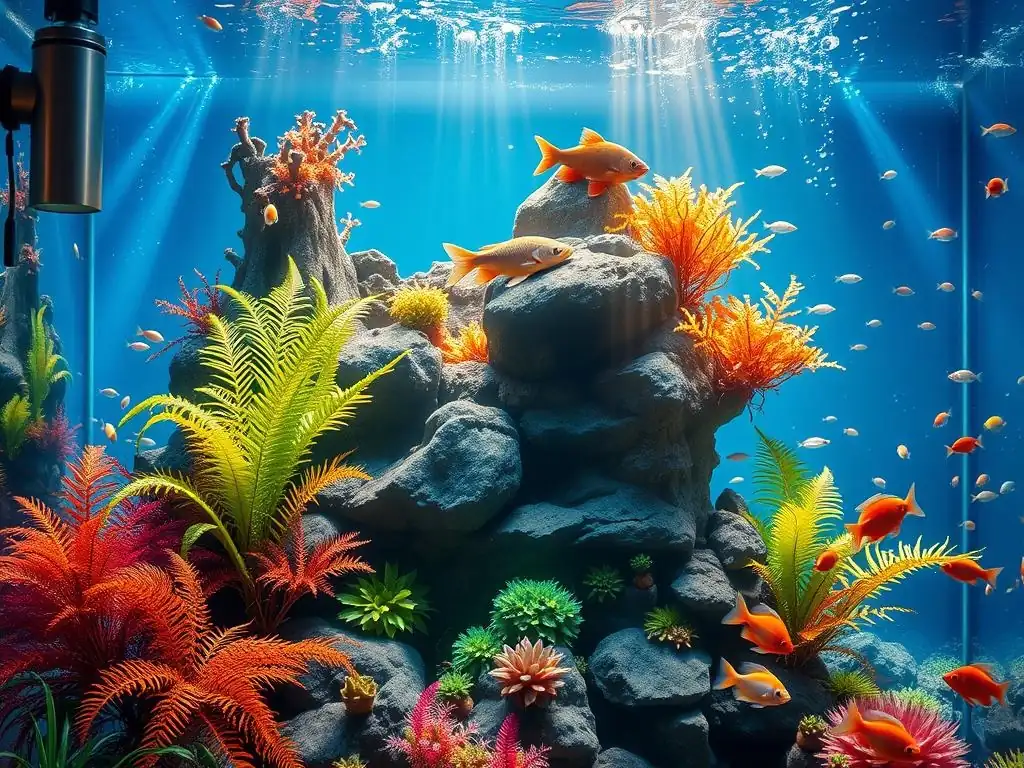
Welcome to Aquarium Mastery, fellow aquarist!
Curious about choosing the absolute best pump for your prized aquatic environment? You've landed in the right place! Many aquarists face the dilemma of deciding between submersible and external pumps. Dive into our comprehensive guide, " Submersible vs. External Aquarium Pumps: Which Type Suits Your Setup Best?," where we explore the pros and cons to help you determine if an external aquarium pump is truly the best choice for your unique setup. Get ready to optimize your aquarium's performance and longevity!
- External aquarium pumps best choice: When is it truly the best option?
- Optimizing Pump Performance and Maintenance Tips
- Conclusion: Making an Informed Decision for a Healthy Aquarium
-
Frequently Asked Questions
- What are the main differences between submersible and external aquarium pumps?
- Why might an external aquarium pump be the "best choice" for some aquariums?
- What are the potential drawbacks of using an external aquarium pump?
- How do I choose the right size (flow rate) of an external aquarium pump for my tank?
- What maintenance is required for external aquarium pumps?
- Final Reflection: Navigating the Depths of Aquarium Technology
- Ignite Your Aquarium's Potential!
External aquarium pumps best choice: When is it truly the best option?
Scenarios where an External Pump is Recommended
For aquarists managing large-scale setups or those requiring exceptional water movement and filtration, an external pump frequently proves to be the external aquarium pumps best choice. Consider a 180-gallon reef tank with a complex sump system, protein skimmer, and multiple reactors; such a setup demands powerful, consistent flow and high head pressure to push water through various filtration stages and return it to the display tank.
An external pump, capable of delivering flow rates often exceeding 1,000 GPH (gallons per hour) with significant head pressure – perhaps 10-15 feet of lift – can effortlessly handle these demands, ensuring all components receive adequate water supply and nutrient export is optimized. This robust performance is critical for maintaining stable parameters in advanced reef or very large freshwater systems.
Furthermore, in situations where minimal heat transfer to the aquarium water is paramount, especially in sensitive reef tanks where temperature stability is key, an external pump truly shines. Because it operates outside the aquarium, the minimal heat generated by the motor dissipates into the surrounding room rather than directly into the tank water. This can be a game-changer for aquariums prone to overheating, particularly during warmer months or in setups with powerful lighting.
For instance, maintaining a consistent 78°F in a densely stocked reef tank can be challenging, and an external pump helps mitigate incremental temperature increases that could stress delicate corals and fish. Its ability to provide powerful circulation without contributing to thermal fluctuations solidifies its position as the external aquarium pumps best choice for discerning aquarists.
Scenarios where a Submersible Pump Might Suffice
While external pumps offer superior power, there are many scenarios where a submersible pump is perfectly adequate and even preferable. For smaller to medium-sized aquariums, typically ranging from 10 to 75 gallons, a submersible pump can provide sufficient water circulation for basic filtration and aeration.
For example, in a 30-gallon freshwater planted tank or a 50-gallon community tank, a submersible powerhead or small internal filter pump with a flow rate of 200-400 GPH is often more than enough to ensure good water movement and distribute nutrients to plants, making it a cost-effective and simple solution. These pumps are ideal for simple setups where the primary goal is basic water movement rather than complex filtration through a sump.
Moreover, for aquarists on a tighter budget or those seeking the simplest possible setup, submersible pumps represent an excellent value. Their lower initial cost, often ranging from $15 to $50 for basic models, makes them highly accessible. Installation is typically a matter of simply placing the pump in the water and plugging it in, requiring no complex plumbing or external connections.
For a nano reef tank (e.g., 10-20 gallons) or a quarantine tank, where temporary or minimal circulation is needed, a compact submersible pump is the practical choice. It eliminates the need for expensive external plumbing and takes up minimal space, proving that sometimes, the simplest option is indeed the best for specific, less demanding applications.
Optimizing Pump Performance and Maintenance Tips
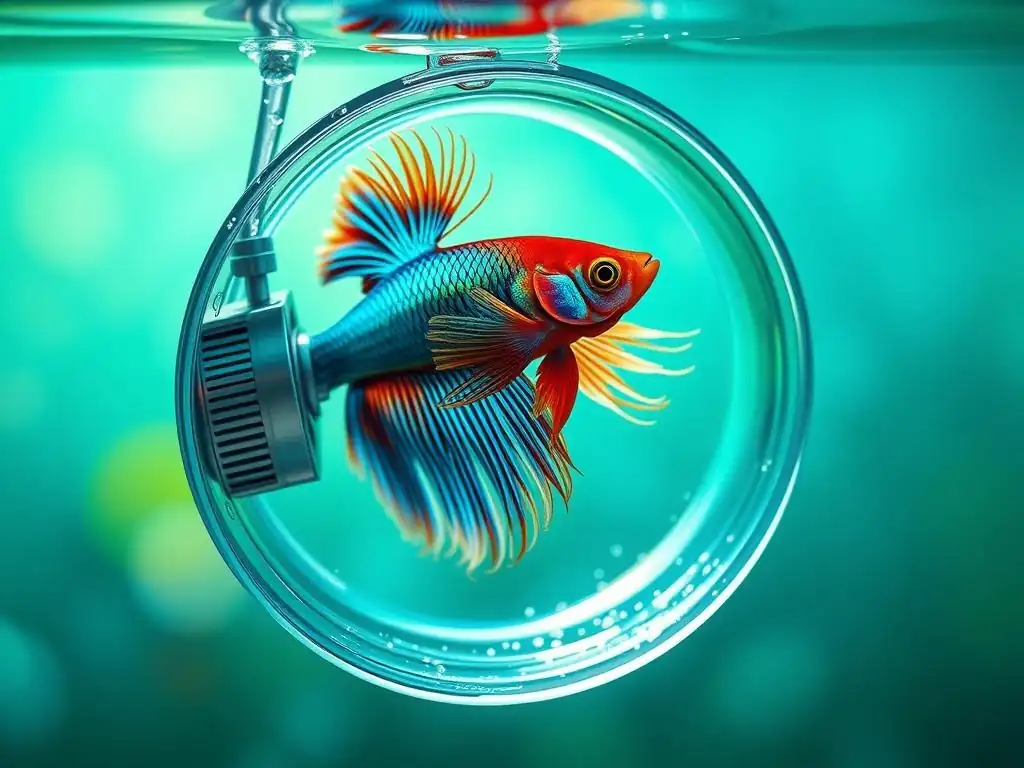
Regular Cleaning and Inspection
Consistent maintenance is paramount to ensuring your aquarium pump operates at peak efficiency and longevity, whether it's an external or submersible model. A critical step is the regular cleaning of the impeller and its housing, as mineral deposits, algae, and detritus can accumulate over time, significantly reducing flow rate and increasing energy consumption. For most pumps, it's recommended to disassemble and clean the impeller assembly every 3 to 6 months, or more frequently if you observe a noticeable drop in flow.
For instance, a pump rated for 500 GPH might only be delivering 300 GPH if its impeller is heavily fouled, leading to insufficient circulation and potentially poor water quality. Use a small brush and a mild acidic solution, such as a vinegar-water mix (e.g., 1 part white vinegar to 4 parts water), to dissolve stubborn deposits.
Beyond the impeller, routine inspection of intake screens, pre-filters, and tubing is equally vital. Intake screens can become clogged with debris like fish waste, uneaten food, or plant matter, restricting water flow into the pump. These should be visually checked weekly and cleaned as needed, often by simply rinsing them under tap water.
For external pumps, inspect the integrity of all plumbing connections and O-rings to prevent leaks, which can be a common issue if seals become brittle or cracked. A proactive approach to cleaning not only maintains optimal flow but also reduces the strain on the pump's motor, preventing premature wear and tear.
Preventing Clogging and Maintaining Flow Rate
Clogging is a common issue that can severely impede an aquarium pump's performance and even lead to its failure. The primary culprits are biological and physical debris. To combat this, consider implementing pre-filtration on your pump's intake.
For submersible pumps, this often means utilizing a sponge or fine mesh bag over the intake strainer, which can trap larger particles before they reach the impeller. These pre-filters should be rinsed or replaced weekly during routine water changes to prevent them from becoming a source of nitrates themselves. For example, a coarse sponge pre-filter on a submersible powerhead in a planted tank can effectively prevent plant trimmings or snail shells from entering the pump.
For external pumps, especially those drawing water from a sump, ensuring the sump's first chamber adequately removes large debris is crucial. Placing filter socks or mechanical filter pads in the sump's initial stage can significantly reduce the particulate load on the external pump, ensuring a consistent and strong flow rate.
Regularly cleaning or replacing these mechanical filtration media, perhaps every 3-7 days depending on bioload, directly contributes to the pump's long-term efficiency. Furthermore, avoiding placing pump intakes too close to the substrate or areas of high detritus accumulation will minimize the amount of solid waste drawn into the pump, maintaining optimal flow and reducing the frequency of deep cleaning.
Extending the Lifespan of Your Aquarium Pump
The lifespan of an aquarium pump can be significantly extended through proper care and adherence to manufacturer guidelines. One of the most critical factors is ensuring the pump never runs dry, especially for submersible models. Dry running can quickly overheat the motor and damage internal components, leading to irreversible failure. Always ensure submersible pumps are fully submerged before plugging them in, and for external pumps, ensure they are properly primed with water before activation. Many external pumps are not self-priming and require manual priming to prevent airlocks and dry running.
Additionally, operating the pump within its specified voltage and head pressure limits is essential. Overworking a pump by forcing it to push water through excessive tubing or too high a lift can strain the motor, leading to reduced efficiency and premature burnout. For instance, if a pump is rated for a maximum head of 10 feet, attempting to push water 15 feet will drastically reduce its GPH output and shorten its life.
Investing in a quality pump from a reputable brand, which often uses more durable components like ceramic shafts and sealed motors, also contributes to greater longevity. Regular maintenance, combined with mindful operation, ensures your pump provides years of reliable service to your aquatic ecosystem.
Conclusion: Making an Informed Decision for a Healthy Aquarium
Summarizing the Key Differences Between Submersible and External Pumps
In the realm of aquarium water circulation, the choice between submersible and external pumps hinges on a balance of performance, cost, and specific setup requirements. Submersible pumps, by design, operate entirely within the aquarium water. They are typically more affordable, easier to install, and ideal for smaller tanks (e.g., under 75 gallons) or as supplementary flow devices.
However, their internal operation means they can transfer heat to the water, often have lower maximum flow rates and head pressure capabilities, and can be more prone to noise and vibration concerns within the tank itself. They are the go-to for simple setups or when budget is a primary constraint.
Conversely, external pumps, often referred to as inline or return pumps, operate outside the aquarium, typically connected via plumbing to a sump or filtration system. They are the external aquarium pumps best choice for larger tanks (e.g., 100 gallons and up), complex filtration setups, and reef systems requiring high flow rates and significant head pressure to overcome resistance from plumbing and various equipment.
Their external placement minimizes heat transfer to the water and generally results in quieter operation. While they come with a higher initial cost and more complex installation, their superior power, efficiency, and longevity make them an invaluable investment for advanced aquarists seeking optimal water quality and circulation.
Choosing the Right Pump for a Thriving Aquatic Ecosystem
Selecting the ideal aquarium pump is a crucial decision that directly impacts the health and stability of your aquatic environment. There's no single "best" pump; rather, the optimal choice is highly dependent on your specific needs. Begin by accurately assessing your aquarium's size and volume, as this will dictate the required flow rate.
For example, a 200-gallon reef tank will necessitate a powerful external pump capable of turning over the tank volume several times an hour, potentially an external aquarium pumps best choice for such demanding scenarios. Consider the type of aquarium you maintain—freshwater, saltwater, or reef—as each has unique filtration and circulation demands. Reef tanks, in particular, often benefit immensely from the consistent, high-volume flow provided by external pumps.
Finally, factor in your filtration requirements, livestock needs, and budget. If your setup includes a sump, protein skimmer, UV sterilizer, or chillers, an external pump's ability to push water through these components efficiently becomes paramount. Ensure the pump's flow rate and head pressure are adequate to meet the needs of your fish and invertebrates, providing sufficient oxygenation and waste removal.
While the initial cost of an external pump might be higher, its long-term benefits in terms of performance, energy efficiency, and reduced heat transfer can lead to greater stability and less maintenance in the long run. By carefully evaluating these factors, you can make an informed decision that fosters a thriving and vibrant aquatic ecosystem.
Frequently Asked Questions
What are the main differences between submersible and external aquarium pumps?
Submersible pumps operate inside the tank, while external pumps sit outside. Submersible pumps are generally cheaper, while external pumps are often quieter and more powerful.
Why might an external aquarium pump be the "best choice" for some aquariums?
External pumps can be a "best choice" because they offer higher flow rates and reduced heat transfer to the aquarium water, particularly beneficial for larger tanks or sensitive species.
What are the potential drawbacks of using an external aquarium pump?
External pumps are typically more expensive than submersible models. They also require more complex plumbing and careful priming to avoid running dry and potentially damaging the pump.
How do I choose the right size (flow rate) of an external aquarium pump for my tank?
The ideal flow rate depends on the tank volume and the livestock. A general rule is to aim for a flow rate that circulates the entire tank volume 4-6 times per hour. Consider the specific needs of your fish and plants.
What maintenance is required for external aquarium pumps?
Regular maintenance includes cleaning the pump impeller, checking for leaks, and ensuring proper water flow. Prime the pump after cleaning or any disruption to the water flow.
The exploration of submersible versus external aquarium pumps reveals more than just technical specifications; it underscores the importance of informed decision-making in creating thriving aquatic ecosystems. Understanding the nuances of each pump type, from efficiency to noise levels, directly impacts the health and well-being of the inhabitants within our glass-walled worlds. The choice, ultimately, reflects our commitment to responsible aquarium keeping.
The ongoing debate surrounding pump selection highlights how deeply intertwined technology and nature have become in modern aquariums. My own journey into this hobby has taught me that even seemingly small choices, like pump type, can have profound consequences. The best way to predict the future is to create it,
a quote often attributed to Peter Drucker, resonates deeply here. We, as aquarists, are actively creating the future of our underwater environments, and the tools we choose shape that reality.
As you consider the optimal setup for your aquarium, remember that the "best choice" is not a universal truth, but a personalized equation. Reflect on your specific needs, your budget, and your long-term vision for your aquatic haven. Let the knowledge gained here empower you to make informed decisions, fostering a vibrant and sustainable ecosystem for years to come.
Ignite Your Aquarium's Potential!
Thanks for diving deep into the world of aquarium pumps with us! We hope you now have a clearer understanding of which pump type is best for your aquatic ecosystem. Now, let's put that knowledge into action:
- Choose the Right Pump: Carefully consider your aquarium size, flow rate needs, and aesthetic preferences to select either a submersible or external pump. This decision directly impacts your tank's health and appearance!
- Explore Unexpected Applications: Research DIY aquarium projects like creating a custom waterfall feature using your chosen pump.
- Share Your Wisdom: Join the Aquarium Mastery community forum to share your experiences with different pump types and help fellow enthusiasts.
What unique application for an aquarium pump are you most excited to try?