
Secrets to Successful *Lamprologus ocellatus* Spawning

Welcome to Aquarium Mastery!
Intrigued by the captivating world of shell dwellers? Unlock the secrets to successful Lamprologus ocellatus spawning and witness the miracle of life in your own aquarium. Discover essential Lamprologus ocellatus spawning tips and so much more – dive in and let's explore the fascinating journey together!
- Secrets to Successful Lamprologus ocellatus Spawning: A Comprehensive Guide
- Understanding Lamprologus ocellatus Breeding Behavior
- Preparing Your Aquarium for Lamprologus ocellatus Spawning
- Triggering Lamprologus ocellatus Spawning
- The Lamprologus ocellatus Spawning Process: What to Expect
- Raising Lamprologus ocellatus Fry: From Egg to Juvenile
- Troubleshooting Common Lamprologus ocellatus Spawning Issues
- Advanced Lamprologus ocellatus Breeding Techniques
- Conclusion: Mastering Lamprologus ocellatus Spawning for Aquarium Mastery
-
Frequently Asked Questions
- How do I choose the right shell for Lamprologus ocellatus spawning?
- What are the ideal water parameters for Lamprologus ocellatus spawning?
- How many Lamprologus ocellatus should I keep in a breeding setup?
- What should I feed Lamprologus ocellatus during spawning?
- How long does it take for Lamprologus ocellatus eggs to hatch?
- Final Reflection: Unlocking the Secrets of Shell Dweller Success
- Ignite Your Lamprologus Legacy!
Secrets to Successful Lamprologus ocellatus Spawning: A Comprehensive Guide
Understanding Lamprologus ocellatus Breeding Behavior
The Allure of Shell Dwelling: Why Ocellatus Choose Shells
Lamprologus ocellatus, often simply called "Ocellatus," are fascinating shell-dwelling cichlids native to Lake Tanganyika. Their small stature, with males typically reaching up to 2.2 inches (5.5 cm) and females around 1.6 inches (4 cm), allows them to utilize empty snail shells as their primary habitat. This unique evolutionary adaptation provides a secure, enclosed space that offers unparalleled protection from larger predators prevalent in their natural environment, significantly increasing the survival rate of their eggs and fry.
The shell serves not only as a refuge but also as the exclusive site for reproduction. In the wild, they predominantly use the shells of the endemic Neothauma tanganyicense snail. In an aquarium setting, appropriately sized escargot shells or similar empty snail shells become their chosen homes and nurseries. The female lays her eggs deep inside the shell, and once fertilized, she often barricades the entrance with sand or substrate, further safeguarding her precious clutch.
Male vs. Female Ocellatus: Identifying Breeding Pairs
Identifying a compatible breeding pair of Lamprologus ocellatus is crucial for successful spawning. Males are generally larger and more robust than females, often displaying more intense coloration, particularly a vibrant gold or blue sheen, which becomes even more pronounced during courtship. While subtle, males may also exhibit slightly longer and more pointed dorsal and anal fins compared to the females.
Beyond physical characteristics, behavioral cues are strong indicators. A male Ocellatus will establish and fiercely defend a territory, typically encompassing several shells, displaying to attract a female. A receptive female will approach the male's territory, cautiously inspecting the shells he guards. Observing a female frequently entering and exiting a specific shell, followed by the male's attentive presence nearby, often signals the formation of a breeding pair, offering key Lamprologus ocellatus spawning tips for selection.
Natural Habitat Influences on Ocellatus Spawning
The unique and stable conditions of Lake Tanganyika profoundly influence the breeding behavior of Lamprologus ocellatus. This ancient rift lake is characterized by consistently high pH levels, typically ranging from 8.0 to 9.0, and hard water with a General Hardness (GH) of 10-20 dGH. The water temperature remains relatively stable, hovering between 76-82°F (24-28°C) throughout the year. The lakebed features expansive sandy areas interspersed with rocky outcrops and an abundance of empty snail shells, which are essential for shell dwellers.
These stable environmental parameters are critical for successful Lamprologus ocellatus spawning. The high mineral content of the water contributes to the integrity of the snail shells, preventing their rapid degradation and ensuring a continuous supply of breeding sites. The consistent temperature and specific water chemistry support optimal egg development and fry health. Replicating these precise conditions in an aquarium is paramount for encouraging natural breeding cycles and ensuring the viability of offspring.
Preparing Your Aquarium for Lamprologus ocellatus Spawning
Tank Size and Setup for Breeding Ocellatus
For a dedicated Lamprologus ocellatus breeding setup, selecting the appropriate tank size is crucial for minimizing aggression and maximizing spawning success. A 10-gallon (38-liter) aquarium can suffice for a single pair, but a 20-gallon (75-liter) long tank is highly recommended. The increased footprint of a 20-gallon long provides more horizontal swimming space and allows for better territory establishment, reducing potential conflicts between the male and female, especially if the female is not constantly receptive.
For a small colony of one male and two to three females, a 30-gallon (113-liter) or larger tank is ideal. The substrate should consist of fine, soft sand, at least 1-2 inches (2.5-5 cm) deep, allowing the fish to dig and manipulate shells naturally. Provide an abundance of empty snail shells – at least 2-3 shells per fish, scattered throughout the tank. Some shells can be clustered, while others are isolated, offering varied choices and helping to diffuse territorial disputes among the cichlids.
Water Parameters Crucial for Successful Ocellatus Reproduction
Maintaining precise water parameters is non-negotiable for successful Lamprologus ocellatus reproduction. The ideal pH range for spawning is between 8.0 and 8.5. Water hardness should be consistently maintained with a General Hardness (GH) of 10-20 dGH and a Carbonate Hardness (KH) of 10-15 dKH. The temperature should be stable, preferably between 78-82°F (25.5-27.8°C), closely mimicking their natural Lake Tanganyika environment.
Stable parameters are not just desirable; they are critical for egg viability and fry development. Fluctuations in pH or temperature can stress the fish, inhibit spawning, or lead to egg fungusing and early fry mortality. Ammonia and nitrite levels must always be zero parts per million (ppm), and nitrates should be kept below 20 ppm through regular partial water changes. Consistency in these parameters is a cornerstone of effective Lamprologus ocellatus spawning tips.
Maintaining Optimal Water Chemistry for Shell Dweller Breeding
To maintain the specific water chemistry required for Lamprologus ocellatus breeding, several methods can be employed. Using Tanganyika-specific buffer salts (e.g., Seachem Tanganyika Buffer) is highly effective for consistently raising and stabilizing pH and hardness. Alternatively, incorporating crushed coral or aragonite sand into the substrate or filter can provide a slow release of carbonates and calcium, helping to buffer the water. It is crucial to avoid materials that lower pH, such as driftwood or peat.
Regular and accurate testing of water parameters with a reliable liquid test kit (e.g., API Freshwater Master Test Kit) is paramount. Weekly testing allows for proactive adjustments before issues arise. Performing consistent partial water changes, typically 10-20% weekly, with water that has been conditioned and matched to the tank's parameters, not only removes nitrates but also replenishes essential minerals, further stabilizing the water chemistry for optimal breeding conditions.
Choosing the Right Substrate and Shells for Spawning
The choice of substrate is fundamental for a thriving Lamprologus ocellatus breeding tank. A fine, soft sand, such as pool filter sand or play sand, is ideal. These cichlids are avid diggers; they will constantly re-arrange the substrate to bury shells, create their territories, and excavate depressions. A substrate depth of at least 1-2 inches (2.5-5 cm) is necessary to allow for these natural behaviors. Coarse gravel is unsuitable as it can injure their delicate mouths and prevent proper shell manipulation and burrowing.
Beyond its role in digging, the sandy substrate provides a natural aesthetic that mimics their native habitat. It also serves as a critical component in the female's breeding strategy, as she will often use sand to seal the opening of her chosen spawning shell after laying eggs, enhancing security for the developing clutch. Providing the correct substrate is as important as water quality in creating an environment conducive to Lamprologus ocellatus spawning.
Shell Selection: Size, Shape, and Placement for Ocellatus
The selection of shells is perhaps the most critical element for encouraging Lamprologus ocellatus spawning. Escargot shells are widely popular and highly recommended due to their appropriate size and shape. The shell opening should be large enough to allow the female to comfortably enter, turn around, and lay eggs, but small enough to offer a secure, protected space. An opening diameter of approximately 0.5-0.75 inches (1.2-1.9 cm) is generally suitable. Avoid shells that are too large, as they may not provide adequate security, or too small, which could trap the fish.
Strategic placement of shells can significantly influence breeding activity. Scatter shells across the tank floor, providing a mix of individually placed shells and small clusters. This allows males to claim distinct territories and offers females a variety of options for their preferred spawning site. Some aquarists find that creating small "shell piles" or "shell fields" can encourage exploration and territorial displays, which often act as a stimulus for breeding behavior in these fascinating shell dwellers.
Triggering Lamprologus ocellatus Spawning
Conditioning Breeding Pairs for Optimal Reproduction
Successful Lamprologus ocellatus spawning hinges on the excellent health and conditioning of the breeding pair. A well-balanced and varied diet, rich in high-quality protein, is essential to bring the fish into prime reproductive condition. This not only boosts their overall vitality but also provides the necessary nutrients for egg development in females and robust sperm production in males. Ensure that any potential breeding fish are free from parasites or diseases, as compromised health will inhibit spawning.
To specifically encourage breeding, consider slightly increasing the feeding frequency or quantity for a week or two. This "power feeding" signals a period of abundance, which often triggers natural breeding instincts. Observe the fish closely for increased territorial displays, fin flaring, and the male actively nudging the female towards shells. These behaviors are strong indicators that the pair is physiologically and behaviorally ready to spawn, providing valuable Lamprologus ocellatus spawning tips.
Feeding Strategies to Encourage Spawning
A diverse and protein-rich diet is paramount for conditioning Lamprologus ocellatus for reproduction. High-quality cichlid pellets or flakes should form the staple of their diet. Supplement this with a variety of live or frozen foods such as brine shrimp, daphnia, cyclops, and finely chopped bloodworms. Feeding small amounts two to three times a day, rather than one large meal, ensures optimal nutrient absorption and reduces waste.
Live foods, in particular, often contain beneficial enzymes and natural stimuli that can further encourage breeding activity. For example, the movement of live brine shrimp can stimulate their natural hunting instincts, contributing to their overall vitality. The increased protein and fat content from these varied foods provide the crucial energy reserves required for the demanding process of egg production and spawning.
Simulating Natural Spawning Triggers
Beyond diet, simulating environmental cues from their natural habitat can effectively trigger Lamprologus ocellatus spawning. One of the most widely recognized and effective methods is performing large, cool water changes. A 25-30% water change with water that is 2-4°F (1-2°C) cooler than the tank temperature can mimic the influx of fresh, cooler water during rainy seasons in Lake Tanganyika. This often stimulates breeding behavior within a week or two, serving as a powerful Lamprologus ocellatus spawning tip.
Maintaining a consistent lighting cycle, typically 12 hours on and 12 hours off, provides a stable day-night rhythm. Minimizing sudden disturbances around the tank also contributes to a secure environment, allowing the fish to feel safe enough to engage in reproductive activities. In some cases, a very slight, gradual increase in temperature (1-2°F or 0.5-1°C) after a cool water change can also sometimes act as a final trigger for spawning.
Temperature Fluctuations and Water Changes
The strategic use of temperature fluctuations in conjunction with water changes is a highly effective method for triggering Lamprologus ocellatus spawning. Performing a 20-30% water change using water that is 2-4°F (1-2°C) cooler than the current tank temperature can simulate the seasonal changes in their natural environment. This subtle drop in temperature, followed by the gradual return to the optimal range, often signals to the fish that conditions are favorable for reproduction. This technique can be repeated every few days until spawning occurs.
Beyond the temperature aspect, the act of a water change itself plays a crucial role. By reducing accumulated nitrates and replenishing essential trace minerals, water changes significantly improve overall water quality. This cleaner, fresher water environment acts as a powerful stimulant for many fish species, including Lamprologus ocellatus, encouraging them to initiate breeding activities. Ensuring the replacement water is properly conditioned and matched for pH and hardness prevents undue stress.
The Lamprologus ocellatus Spawning Process: What to Expect
Courtship Rituals and Shell Selection
The courtship of Lamprologus ocellatus is a fascinating display of territoriality and allure. The male will establish and vigorously defend a chosen territory, often encompassing several prime shells. He will engage in elaborate fin displays, body quivering, and aggressive posturing towards rivals or non-receptive females. His primary goal is to attract a receptive female into his domain, showcasing his strength and the security of his territory.
Once a female is ready to spawn, she will cautiously approach the male's territory, inspecting the shells he guards. She may enter and exit several shells before making her final selection. The male will often "nudge" or guide her towards a specific shell, and once she has chosen, she will fully enter it. This selection process is critical, as the female must feel completely secure within her chosen shell for successful egg laying.
Egg Laying and Fertilization Inside the Shell
After the female has selected and entered her chosen shell, the actual spawning process begins. She will meticulously lay a clutch of small, adhesive eggs on the inner surface of the shell. The number of eggs can vary significantly depending on the female's age, size, and conditioning, typically ranging from 10 to 30, though a large, healthy female might lay up to 50 eggs. Once a portion of eggs is laid, she will briefly exit the shell.
Upon her exit, the male will approach the shell opening and release his milt, fertilizing the eggs. This sequence of egg laying and fertilization may repeat several times over a few hours until the entire clutch is deposited and fertilized. The eggs are typically off-white to yellowish. After the spawning is complete, the female often uses her mouth to move sand or substrate to partially or completely seal the shell opening, leaving only a tiny crevice for water flow and her own access.
Parental Care: The Role of the Male and Female
Parental care in Lamprologus ocellatus is a clear example of specialized roles. The female assumes the primary responsibility for the eggs and newly hatched fry. She remains almost exclusively inside the shell, diligently fanning the eggs with her fins to ensure constant oxygenation and prevent fungal growth. She will fiercely defend her shell and its contents from any perceived threat, including other tank inhabitants and, at times, even the male if he approaches too closely.
The male's role is to act as the territorial guardian. He defends the entire perimeter around the female's shell, chasing away any fish that venture too near. This division of labor ensures maximum protection for the developing offspring. The female provides direct, intimate care within the shell, while the male provides a broader, defensive perimeter, allowing the fry the best chance of survival.
Raising Lamprologus ocellatus Fry: From Egg to Juvenile
Incubation Period and Hatching
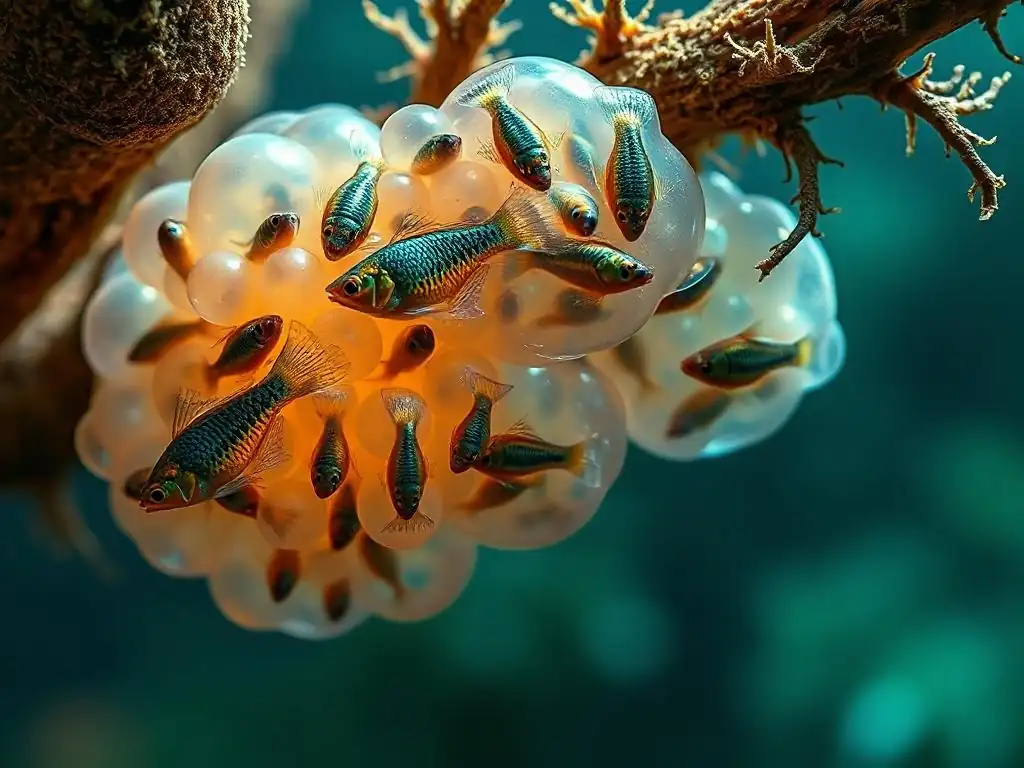
The incubation period for Lamprologus ocellatus eggs is relatively short, typically lasting 2 to 3 days at a consistent temperature of 80°F (26.7°C). Slight variations in temperature can alter this timeframe. Once hatched, the fry are incredibly tiny and remain within the safety of the shell for several more days. During this period, they are not free-swimming but absorb nourishment from their yolk sacs.
Fry typically emerge from the shell and become free-swimming approximately 7 to 10 days post-hatching, once their yolk sacs have been fully absorbed. At this stage, they are extremely small, often no more than 2-3mm in length. They will initially stay very close to the spawning shell, often burrowing into the surrounding sand for additional concealment and security, venturing out only cautiously to feed.
First Foods for Ocellatus Fry
Once Lamprologus ocellatus fry become free-swimming, immediate and appropriate feeding is critical for their survival and rapid growth. Due to their minuscule size, they require microscopic live foods as their initial sustenance. Infusoria, a collective term for various microscopic aquatic organisms, is an excellent first food source. This should be quickly followed by newly hatched brine shrimp nauplii, which are a staple for cichlid fry due to their high nutritional value and ideal size.
Fry have incredibly high metabolic rates and need to be fed frequently. It is recommended to feed them small amounts three to five times a day. Overfeeding should be avoided, as uneaten food can rapidly decompose and foul the water, which is detrimental to delicate fry. Consistent, small feedings are far more effective than infrequent, large ones for promoting healthy development.
Live Food Options for Fry
Newly hatched brine shrimp nauplii are the cornerstone of a successful fry-rearing diet for Lamprologus ocellatus. They are highly nutritious, easily digestible, and their swimming motion attracts the fry. Hatching brine shrimp daily ensures a fresh, continuous supply of this vital food source. Many aquarists use simple brine shrimp hatcheries to facilitate this process.
As the fry grow slightly, typically after a week or two on brine shrimp, other live micro-foods can be introduced to diversify their diet. These include microworms, vinegar eels, and finely sieved daphnia. The variety in live foods provides a broader spectrum of nutrients and encourages natural foraging behaviors, contributing to robust growth and health.
Prepared Fry Food Alternatives
While live foods are undeniably superior for Lamprologus ocellatus fry, high-quality prepared fry foods can serve as a supplementary option or an alternative if culturing live food is not feasible. Look for powdered fry foods specifically designed for egg-laying fish, ensuring the particle size is extremely fine to be ingestible by the tiny fry. Brands like Hikari First Bites or similar micro-pellets can be crushed further if necessary.
However, caution must be exercised when using dry fry foods. They are more likely to pollute the water if overfed, leading to bacterial blooms and potential fry mortality. It is imperative to feed very sparingly, observing how quickly the food is consumed. Regular small water changes become even more critical when relying on prepared fry foods to maintain pristine water quality.
Maintaining Water Quality for Growing Fry
Maintaining impeccable water quality is paramount for the survival and healthy development of Lamprologus ocellatus fry. They are exceptionally sensitive to pollutants. Ammonia and nitrite must remain at 0 ppm, and nitrate levels should be kept as low as possible, ideally below 10 ppm. Even slight accumulations of these compounds can be lethal to young fry.
Daily, small partial water changes (e.g., 5-10% of the tank volume) are often necessary to keep the water pristine. The replacement water must be aged or properly conditioned and matched precisely to the tank's temperature, pH, and hardness to prevent shock. Gentle filtration, such as a well-cycled sponge filter, is ideal as it provides biological filtration without creating strong currents that could harm the delicate fry.
Protecting Fry from Predators
In a dedicated Lamprologus ocellatus breeding tank, the female is incredibly protective of her fry. She will fiercely guard them within and around the shell, often herding them back inside if danger approaches. The male also plays a role in defending the broader territory. However, in a community tank or if other fish (even other cichlids) are present, the fry are highly vulnerable to predation.
For maximum fry yield and survival rates, many experienced breeders opt to move the spawning shell containing eggs or newly hatched fry to a separate "fry grow-out" tank. This isolation eliminates all potential predators, including the parents (though Ocellatus are generally good parents, accidents can happen). A separate tank also allows for more precise feeding schedules and water quality management tailored specifically to the needs of the growing fry, a crucial Lamprologus ocellatus spawning tip for maximizing success.
Troubleshooting Common Lamprologus ocellatus Spawning Issues
Unsuccessful Spawning Attempts: Possible Causes
When Lamprologus ocellatus fail to spawn, several factors could be at play. One of the most common culprits is chronic stress, often induced by incompatible tank mates, an overly aggressive male, or insufficient hiding spots and shells for the female. Fish under constant stress will divert energy away from reproduction. Another major reason is unsuitable water parameters; if the pH is too low, the water is too soft, or conditions fluctuate wildly, breeding will likely not occur.
Nutritional deficiencies also significantly hinder reproductive readiness. If the fish are not receiving a high-quality, varied diet rich in essential proteins and vitamins, they simply will not have the energy or physiological resources to produce eggs or sperm effectively. It is imperative that both the male and female are in peak physical condition to initiate and successfully complete spawning.
Water Quality Problems Affecting Spawning
Suboptimal water quality is a frequent inhibitor of Lamprologus ocellatus spawning. Deviations from their preferred parameters, such as a pH consistently below 8.0, a General Hardness (GH) less than 10 dGH, or temperatures outside the 78-82°F (25.5-27.8°C) range, can prevent breeding. High nitrate levels, particularly above 20 ppm, signal poor overall water quality and can suppress reproductive instincts.
The solution lies in rigorous water quality management. Implement a strict and consistent water change schedule, typically 20% weekly, using properly conditioned water. Regular testing with a reliable liquid test kit is vital to monitor pH, GH, KH, nitrates, ammonia, and nitrites. Use appropriate buffering agents (e.g., Tanganyika buffer salts) to maintain stable, ideal parameters that mimic their natural environment, providing optimal Lamprologus ocellatus spawning tips.
Compatibility Issues Between Breeding Pairs
Even with ideal water parameters and conditioning, Lamprologus ocellatus may fail to spawn due to compatibility issues between the male and female. Sometimes, a male can be excessively aggressive towards a specific female, preventing her from entering a shell, or even causing her harm. This is more prevalent in smaller tanks where the female has limited escape routes or hiding spots.
Conversely, a female might simply not be mature enough to breed, or she may not be receptive to the male's advances. If a pair consistently fails to breed despite optimal conditions, consider introducing additional females to the tank (if space allows) to give the male more options. This increases the likelihood of a compatible pair forming and initiating spawning. Closely observing their interactions can reveal underlying compatibility problems.
Stress Factors Inhibiting Reproduction
Beyond direct aggression or water parameters, general stress factors can significantly inhibit Lamprologus ocellatus reproduction. Overcrowding in the tank, even with seemingly compatible tank mates, can create a constant low-level stress environment. The presence of other dominant cichlids or excessively active fish can make the Ocellatus feel insecure, preventing them from engaging in breeding behaviors.
A lack of adequate privacy or hiding spots also contributes to stress. If the tank is in a high-traffic area of the home, or if there aren't enough shells and visual breaks, the fish may feel too exposed to spawn. Ensuring the breeding tank is placed in a quiet location with ample shells and decor that provides visual barriers can make a significant difference in encouraging natural reproductive instincts.
Fry Mortality: Prevention and Solutions
High fry mortality is a disheartening but common issue in Lamprologus ocellatus breeding. The most prevalent cause is poor water quality, specifically spikes in ammonia or nitrite, or sudden, drastic shifts in pH or temperature. Overfeeding, especially with dry foods, leads to rapid decomposition and toxic dissolved organic waste, which is lethal to delicate fry.
Other significant factors include fungal infections on eggs and, rarely, predation by parents or other tank inhabitants if the fry are not adequately protected. Ensuring meticulous water quality management and appropriate feeding strategies are the primary lines of defense against high fry mortality.
Preventing Fungal Infections in Eggs
Fungal infections are a common threat to Lamprologus ocellatus eggs, often manifesting as white, fuzzy growth on the egg surface. The best prevention is maintaining pristine, well-oxygenated water. Ensure the female is diligently fanning the eggs within the shell, as this crucial behavior provides oxygen and discourages fungal spores from settling.
Unfertilized eggs are particularly susceptible to fungal growth, and this infection can quickly spread to healthy, viable eggs. While challenging within the confines of the shell, if white, opaque eggs are visible, they are likely unfertilized and should ideally be removed if possible to prevent fungal spread. Some breeders in a separate fry tank might use a very low dose of antifungal agents like methylene blue, but this should be approached with caution as it can affect water quality and beneficial bacteria.
Addressing Fry Swim Bladder Problems
Swim bladder problems in Lamprologus ocellatus fry, which can manifest as difficulty swimming normally or remaining buoyant, are often indicative of underlying issues. These problems are commonly linked to poor water quality, particularly high bacterial counts in the water column, or nutritional deficiencies stemming from inappropriate or insufficient first foods.
The primary solution is to ensure impeccable water conditions through frequent, small water changes. This reduces bacterial load and removes pollutants that stress the fry. Additionally, verify that the first foods offered are highly digestible, appropriately sized, and nutritionally complete. For instance, feeding newly hatched brine shrimp provides essential fats and proteins for proper organ development. In some rare cases, a very slight, gradual increase in temperature (1-2°F) might offer some relief, but water quality remains the most critical factor.
Advanced Lamprologus ocellatus Breeding Techniques
Selective Breeding for Desirable Traits
For advanced aquarists, selective breeding of Lamprologus ocellatus offers the opportunity to enhance specific desirable traits within a lineage. This might include intensifying their vibrant gold or blue coloration, increasing overall body size, or refining finnage characteristics. The process involves carefully choosing parent fish that exhibit the most pronounced desired traits, with the aim of passing these characteristics onto successive generations.
Selective breeding is a long-term commitment requiring meticulous record-keeping of parental lineage, spawning dates, and offspring characteristics. Breeders will typically isolate offspring from specific pairs to track the inheritance of traits. Occasional outcrossing with unrelated individuals from a different, healthy lineage is crucial to maintain genetic diversity and prevent inbreeding depression, which can lead to reduced vigor, fertility, and increased susceptibility to disease over time.
Optimizing Breeding Ratios for Maximum Fry Yield
While a single pair of Lamprologus ocellatus can successfully breed, optimizing the male-to-female ratio can significantly increase overall fry yield. A common and highly effective strategy is to maintain one male with two to three females. This ratio helps to diffuse the male's attention, reducing potential aggression towards a single female and allowing for more frequent and successful spawns across multiple females.
In a larger aquarium (e.g., 30 gallons or more), it is sometimes possible to keep multiple males if ample territory and a very high density of shells are provided to minimize inter-male aggression. However, for focused breeding and consistent Lamprologus ocellatus spawning tips, a single dominant male with multiple females is generally the most productive setup. Ensuring each female has multiple shell options to choose from within their territories is also key to maximizing breeding success and fry production.
Conclusion: Mastering Lamprologus ocellatus Spawning for Aquarium Mastery
Frequently Asked Questions
How do I choose the right shell for Lamprologus ocellatus spawning?
The ideal shell should be a natural snail shell, large enough for the female to enter and defend. Ensure it has a narrow opening to make it easier for her to protect the brood.
What are the ideal water parameters for Lamprologus ocellatus spawning?
Maintain a stable pH of 7.5-9.0, a temperature of 78-82°F (25-28°C), and keep the water very clean with regular water changes. Consistency is key.
How many Lamprologus ocellatus should I keep in a breeding setup?
A pair or a small group (1 male, 2-3 females) is best. A larger group may lead to aggression and territorial disputes, hindering successful spawning.
What should I feed Lamprologus ocellatus during spawning?
Offer a varied diet of small, high-quality foods like daphnia, brine shrimp, and finely crushed flake food. This helps support the female's energy during egg production.
How long does it take for Lamprologus ocellatus eggs to hatch?
Eggs typically hatch in 4-5 days at the recommended temperature. The fry become free-swimming about a week later, at which point you can start feeding them baby brine shrimp or microworms.
Final Reflection: Unlocking the Secrets of Shell Dweller Success
The journey into understanding the intricacies of Lamprologus ocellatus spawning, as we've explored, is not just about keeping fish alive; it's about fostering a thriving ecosystem within the confines of our aquariums. The ability to successfully breed these captivating shell dwellers hinges on a deep understanding of their natural behaviors and a commitment to replicating their ideal environment. This knowledge, far from being esoteric, is increasingly relevant as aquarists seek more sustainable and ethical practices within the hobby.
This journey into Lamprologus ocellatus spawning has profoundly influenced my own perspective on responsible fishkeeping. Witnessing the delicate dance of courtship, the fierce protectiveness of the parents, and the emergence of tiny fry has instilled a deeper appreciation for the complexity of aquatic life. In the end, we will conserve only what we love; we will love only what we understand; and we will understand only what we are taught.
- Baba Dioum. This quote resonates deeply, reminding us that understanding, like the tips shared in this article, is the first step towards conservation and a more fulfilling aquascaping experience.
Now, armed with these Lamprologus ocellatus spawning tips, I invite you to embark on your own journey. Observe, experiment, and adapt. Let the lessons learned here guide you, but don't be afraid to forge your own path. By sharing your experiences and contributing to the collective knowledge, you can help ensure that these fascinating shell dwellers continue to thrive, both in our aquariums and in their natural habitat. Embrace the challenge, and unlock the secrets to your own Lamprologus ocellatus spawning success.
Ignite Your Lamprologus Legacy!
Thanks for diving deep into the fascinating world of Lamprologus ocellatus spawning! Hopefully, this article has given you the knowledge to start your own colony. Now, let’s turn that knowledge into action.
- Establish your ocellatus paradise! Create your aquarium habitat and introduce your Lamprologus ocellatus pair.
- Share your experiences! Post photos or videos of your tank setup on social media, tagging Aquarium Mastery.
- Research Lamprologus multifasciatus behavior. Study up on this closely related species.
What unique shell-dwelling behaviors have you observed in your aquarium that you'd be willing to share?