
*Telmatochromis vittatus* Shell Variant: A Unique Addition to Your Shell Bed

Welcome to Aquarium Mastery!
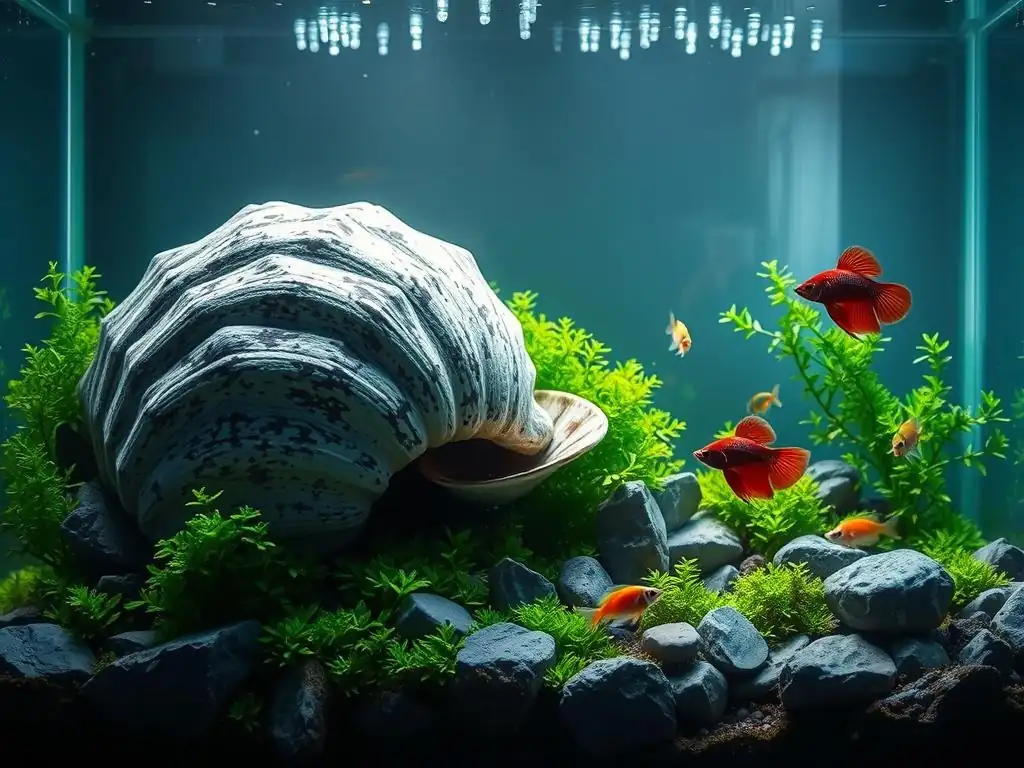
Curious about the captivating world of shell-dwelling cichlids? Dive into the unique care requirements of the Telmatochromis vittatus shell variant and discover how to create the perfect shell bed environment for these fascinating fish. Unlocking the secrets to their well-being is simpler than you think... Ready to learn how to make your shell dwellers thrive?
- Understanding Telmatochromis vittatus Shell Variants: An Introduction
- Setting Up the Ideal Tank Environment for Telmatochromis vittatus Shell Dwellers
- Telmatochromis vittatus Shell Care: Feeding and Nutrition
- Telmatochromis vittatus Shell Dwellers: Behavior and Compatibility
- Breeding Telmatochromis vittatus: A Guide to Successful Spawning
- Maintaining a Healthy Telmatochromis vittatus Shell Bed: Common Issues and Solutions
- Selecting and Sourcing Telmatochromis vittatus Shell Variants
-
Frequently Asked Questions
- How do I provide the correct shell size and type for Telmatochromis vittatus?
- What water parameters are most important for successful Telmatochromis vittatus shell care?
- How often should I perform water changes to maintain optimal conditions for Telmatochromis vittatus shell care?
- What are some common health issues to watch out for in Telmatochromis vittatus and how are they related to shell care?
- How can I encourage breeding in Telmatochromis vittatus through proper shell care?
- Final Reflection: Embracing the Nuances of Telmatochromis vittatus Shell Care
- Unleash the Vibrant World of *Telmatochromis vittatus*!
Understanding Telmatochromis vittatus Shell Variants: An Introduction
Exploring the Appeal of Telmatochromis vittatus in Shell Dweller Aquariums
Telmatochromis vittatus are captivating inhabitants for the specialized shell-dweller aquarium, primarily due to their unique and intricate relationship with empty snail shells. Unlike many larger cichlids, these fish typically reach an adult size of 3 to 4 inches, with males often slightly larger than females, making them suitable for smaller, species-specific setups. Their fascinating behaviors, including their precise excavation around shells and their complex social structures within a colony, offer aquarists a window into the microhabitats of Lake Tanganyika. The appeal lies in observing their natural instincts for shelter, breeding, and territorial defense centered around these humble shells.
Beyond their behavioral intrigue, Telmatochromis vittatus shell variants also possess a subtle, understated beauty. Their coloration, often comprising various shades of beige, brown, and olive with distinctive vertical barring or spotting, allows them to blend seamlessly with the sandy, shell-strewn bottom of Lake Tanganyika. This natural camouflage, combined with their active yet not overly boisterous demeanor, makes them a visually engaging focal point without overwhelming the tank. For enthusiasts of Tanganyikan cichlids, mastering Telmatochromis vittatus shell care provides a deeply rewarding experience, showcasing the adaptability and specialized lifestyles of these remarkable fish.
Distinguishing Telmatochromis vittatus Shell Variants from Other Cichlids
Distinguishing Telmatochromis vittatus shell variants from other cichlids involves recognizing their specific morphological and behavioral adaptations. Their body shape is typically elongated and somewhat torpedo-like, with a pointed snout, which is perfectly suited for maneuvering into and out of the narrow openings of snail shells.
This contrasts sharply with the more robust, deeper-bodied profiles of rock-dwelling Tanganyikan cichlids like Tropheus species, or the slender, streamlined forms of open-water swimmers such as Cyprichromis. Furthermore, Telmatochromis vittatus are obligate shell dwellers, meaning shells are fundamental to their survival, breeding, and overall Telmatochromis vittatus shell care, unlike species that may only use shells opportunistically.
Within the Telmatochromis vittatus species, "shell variants" often refer to distinct populations or geographical morphs found in different parts of Lake Tanganyika, such as those from Kipili or Kiriza. These variants might exhibit subtle differences in pattern intensity, fin coloration, or even slight variations in adult size and preferred shell types.
For instance, some variants may display more pronounced barring, while others might have a more uniform body color. Understanding these nuances is key for serious hobbyists aiming for specific Telmatochromis vittatus shell care protocols or those interested in maintaining genetically pure lines, as these subtle distinctions influence their behavior and aesthetic in the aquarium.
Setting Up the Ideal Tank Environment for Telmatochromis vittatus Shell Dwellers
Tank Size and Dimensions for Optimal Telmatochromis vittatus Shell Care
For optimal Telmatochromis vittatus shell care, selecting the correct tank size and dimensions is paramount. While a single pair can potentially thrive in a well-maintained 15-gallon (approximately 24x12x12 inches or 60x30x30 cm) aquarium, a 20-gallon long (30x12x12 inches or 75x30x30 cm) is often considered the minimum ideal size for a small colony of one male and two to three females. This larger footprint, rather than simply greater volume, provides essential horizontal space for establishing individual territories and scattering shells, which is crucial for minimizing aggression and promoting natural behaviors.
For aquarists aiming to keep a larger colony or integrate Telmatochromis vittatus with suitable tank mates, a 40-gallon breeder tank (36x18x16 inches or 90x45x40 cm) offers significantly more floor space. The increased width and length allow for more diverse shell arrangements and greater territorial separation, which directly contributes to successful Telmatochromis vittatus shell care and reduces overall stress. Prioritizing tank footprint over height is a critical consideration for these bottom-dwelling cichlids, as they utilize the substrate for digging, foraging, and establishing their shell-based homes.
Substrate and Hardscape: Creating a Natural Shell Bed Habitat
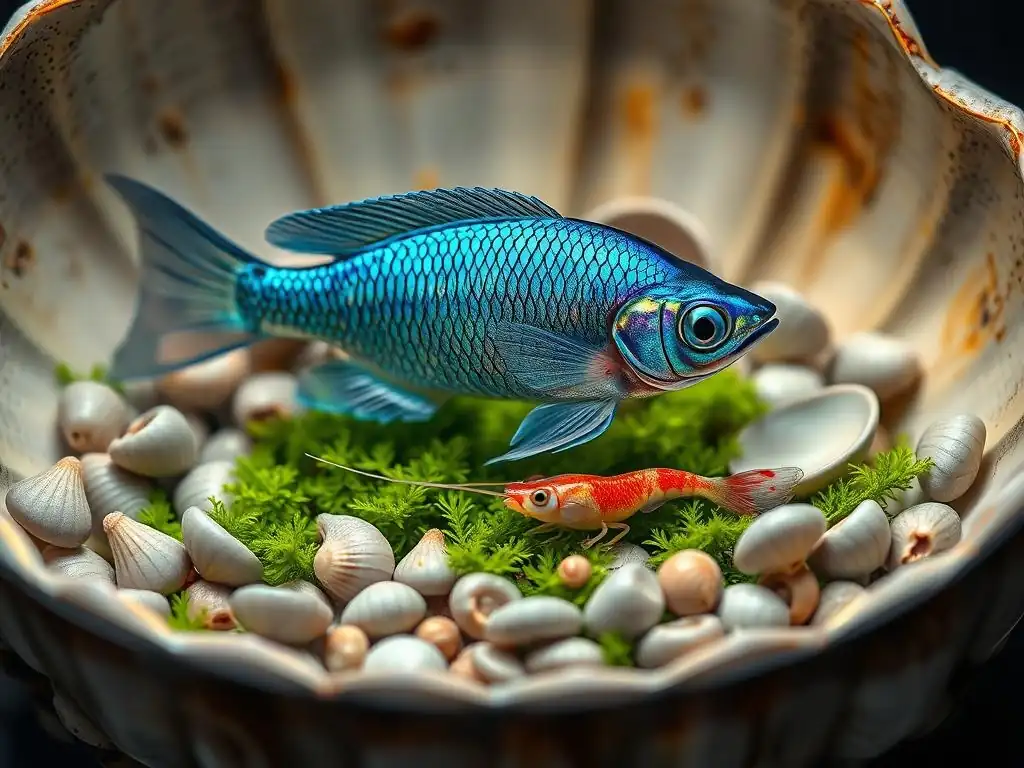
The foundation of a successful Telmatochromis vittatus shell bed is the substrate. Fine sand, such as silica sand, play sand, or aragonite sand with a grain size typically ranging from 0.5 mm to 2 mm, is essential. This fine substrate allows the fish to engage in their natural digging behaviors, sifting through the sand for micro-invertebrates and burying shells to create secure hideouts. A substrate depth of at least 2-3 inches (5-7.5 cm) is recommended across the tank bottom to facilitate these crucial activities and support proper Telmatochromis vittatus shell care.
The hardscape should primarily consist of empty snail shells, which serve as homes, breeding sites, and territorial markers. Neothauma snail shells, native to Lake Tanganyika, are the most authentic choice, but if unavailable, cleaned escargot shells or even larger freshwater snail shells can be used. Provide a generous supply, ideally 2-3 shells per fish, to offer ample choices and reduce competition.
Arrange shells in clusters in some areas and individually scattered in others to create a natural, varied "shell bed" environment. Smooth, inert rocks can also be added sparingly to create visual breaks or additional hiding spots, but the focus remains on the shells and sand.
Water Parameters for Telmatochromis vittatus: Temperature, pH, and Hardness
Maintaining precise and stable water parameters is fundamental for optimal Telmatochromis vittatus shell care. The ideal temperature range for these Tanganyikan cichlids is 76-80°F (24-27°C). Consistency within this range is more important than hitting an exact number, as sudden temperature fluctuations can cause stress and weaken their immune systems. A reliable heater with an accurate thermostat is therefore a crucial piece of equipment.
Regarding chemical parameters, Telmatochromis vittatus thrive in hard, alkaline water, mimicking their natural Lake Tanganyika habitat. The pH should be maintained between 7.8 and 9.0, with 8.0-8.5 being a good target. General Hardness (GH) should be in the range of 10-20 dGH (170-340 ppm), and Carbonate Hardness (KH) between 10-15 dKH (180-270 ppm). High carbonate hardness is vital as it provides buffering capacity, preventing drastic pH swings. Using aragonite sand as a substrate, or incorporating crushed coral or limestone rocks, can naturally help maintain these elevated pH and hardness levels, contributing significantly to long-term Telmatochromis vittatus shell care.
Filtration and Water Quality Management for Shell Dweller Health
Effective filtration is a cornerstone of maintaining pristine water quality, which is vital for the health and longevity of Telmatochromis vittatus shell variants. A robust external filter, such as a canister filter or a well-sized hang-on-back (HOB) filter, is highly recommended.
This filtration system should provide excellent mechanical filtration to remove particulate matter, ample biological filtration for converting harmful ammonia and nitrite, and potentially chemical filtration (e.g., activated carbon) to remove dissolved organic compounds and maintain water clarity. For a 20-gallon tank, a filter rated for 30-50 gallons is advisable to ensure sufficient water turnover, typically aiming for 5-7 times the tank volume per hour.
Beyond filtration, a diligent water change routine is non-negotiable for superior Telmatochromis vittatus shell care. Weekly water changes of 20-30% are crucial for diluting nitrates, replenishing essential minerals, and removing accumulated organic waste that filtration alone cannot fully address.
Always use a high-quality dechlorinator when adding tap water, and ensure the temperature and pH of the fresh water closely match those of the aquarium to prevent shock. Regular testing for ammonia, nitrite, and nitrate levels using a reliable liquid test kit is essential to monitor water parameters and proactively address any potential issues before they become detrimental to the fish's health.
Telmatochromis vittatus Shell Care: Feeding and Nutrition
Choosing the Right Food for Telmatochromis vittatus Shell Variants
Proper nutrition is a key component of robust Telmatochromis vittatus shell care, influencing their health, coloration, and breeding success. In their natural habitat, Telmatochromis vittatus are micro-predators and omnivores, primarily consuming small invertebrates, crustaceans, and detritus found within the sandy substrate and among the shells. Therefore, a varied and balanced diet in the aquarium is essential to replicate these natural feeding habits.
High-quality cichlid pellets or flakes formulated for omnivores should form the staple of their diet. These often contain a good balance of protein and vegetable matter. To provide crucial enrichment and a more complete nutritional profile, supplement their diet with a variety of frozen foods such as brine shrimp, Mysis shrimp, daphnia, and cyclops. While bloodworms can be offered sparingly as a treat, they are not a primary food source. Occasionally, spirulina flakes or wafers can also be provided to ensure they receive adequate vegetable matter, contributing to their overall digestive health and vibrant appearance.
Feeding Schedule and Quantities for Healthy Growth
Establishing a consistent feeding schedule and providing appropriate quantities are vital aspects of effective Telmatochromis vittatus shell care. It is generally recommended to feed Telmatochromis vittatus small amounts 1 to 2 times per day. The key is to offer only what they can consume within 2 to 3 minutes. Overfeeding is a common mistake that leads to excess waste, deteriorating water quality, and potential health issues like bloat.
Observe your fish during feeding to gauge the correct amount. If food remains on the substrate after a few minutes, reduce the quantity at the next feeding. A healthy Telmatochromis vittatus should have a slightly rounded belly, indicating sufficient intake, but should never appear distended or bloated. Adjust the feeding amount based on the number of fish in the tank, their activity levels, and whether they are actively breeding, as breeding pairs may require slightly more sustenance. Consistent, moderate feeding promotes healthy growth and minimizes waste.
Supplementation and Dietary Considerations for Vibrant Colors
While Telmatochromis vittatus are not typically known for the vibrant, flamboyant colors seen in some other cichlid species, a well-rounded diet can significantly enhance their natural hues and overall vibrancy. Foods rich in natural color enhancers, such as carotenes and astaxanthin, can subtly bring out the best in their earthy tones, making their barring and spotting more defined. Specialized cichlid foods that include ingredients like krill, spirulina, or other carotenoid-rich sources can contribute to this effect.
Beyond color, dietary variety is crucial for bolstering the immune system and promoting long-term health, which is a core tenet of comprehensive Telmatochromis vittatus shell care. Rotating between different types of high-quality flakes, pellets, and various frozen or live foods ensures they receive a complete spectrum of vitamins, minerals, and essential fatty acids. For instance, supplementing with vitamin-enriched frozen foods a few times a week can prevent nutritional deficiencies. A robust immune system, supported by diverse nutrition, makes them more resilient to stress and disease, allowing them to truly thrive in their shell-bed habitat.
Telmatochromis vittatus Shell Dwellers: Behavior and Compatibility
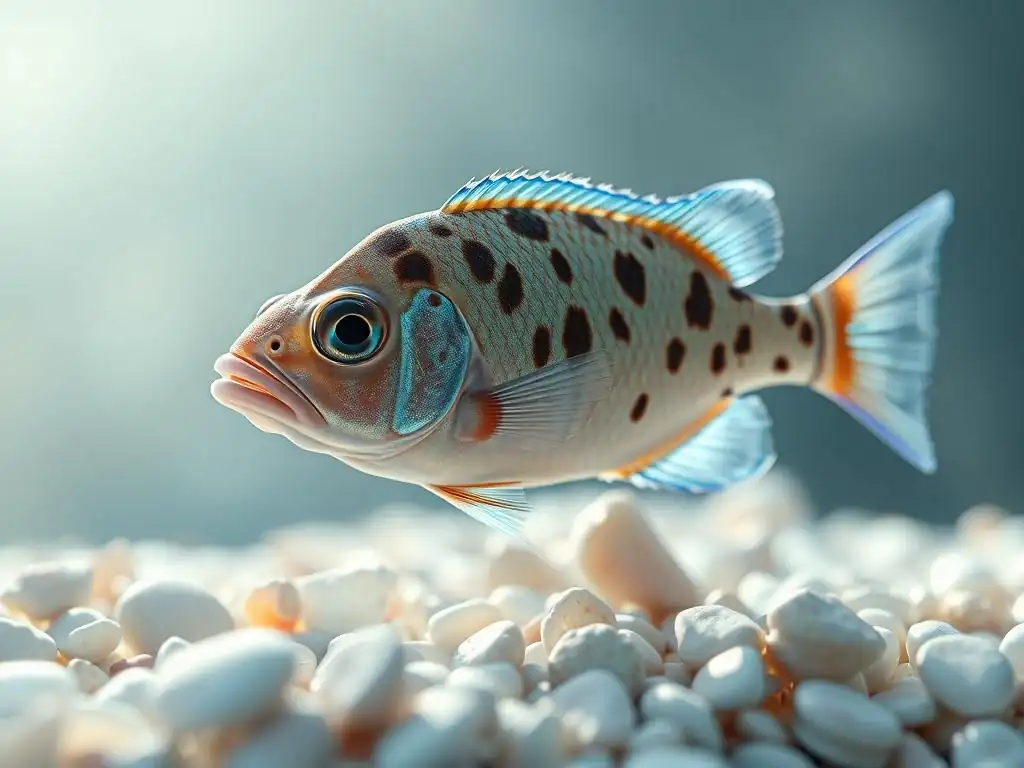
The social dynamics within Telmatochromis vittatus colonies are a fascinating aspect of their behavior and crucial to understand for successful Telmatochromis vittatus shell care. These cichlids typically form monogamous pairs or small harems, where one dominant male presides over several females. Males are inherently territorial, establishing and defending a specific area that often encompasses a cluster of shells, while females will claim individual shells within or near the male's territory for refuge and breeding. This territoriality is a natural part of their social structure, dictating interactions.
Within a colony, a clear hierarchy often emerges, with the dominant male asserting control. Subordinate males may be present but are usually suppressed and will maintain a lower profile, often occupying less desirable shells or areas.
While aggression can occur, particularly between rival males or if space is insufficient, it is generally manageable in a well-set-up tank with ample shells and visual barriers. Observing these interactions closely is key; signs of excessive bullying or stress, such as clamped fins or constant hiding, indicate that adjustments to the tank layout or population may be necessary to ensure the well-being of all fish.
Choosing Suitable Tank Mates for Telmatochromis vittatus
When considering tank mates for Telmatochromis vittatus, the primary goal is to select species that occupy different niches within the aquarium to minimize competition and aggression, directly enhancing Telmatochromis vittatus shell care. Ideal companions are peaceful, open-water or upper-level Tanganyikan cichlids that do not compete for the valuable shell real estate. Excellent choices include various Cyprichromis species, such as Cyprichromis leptosoma, which are mid-to-upper water column dwellers and largely ignore the bottom-dwelling Telmatochromis. Similarly, Paracyprichromis species also make good companions.
Avoid tank mates that are overly aggressive, significantly larger, or share the same bottom-dwelling, shell-dwelling niche. For instance, larger Neolamprologus species like N. brichardi or N. pulcher can be too boisterous or competitive. While other smaller shell dwellers like Neolamprologus multifasciatus can coexist, they reproduce rapidly and might eventually outcompete T. vittatus for shells if space is limited. Also, steer clear of fish that require vastly different water parameters, ensuring all inhabitants thrive in the hard, alkaline conditions preferred by Telmatochromis vittatus.
Minimizing Aggression and Territorial Disputes in Shell Dweller Tanks
Minimizing aggression and territorial disputes is a critical aspect of successful Telmatochromis vittatus shell care, as these fish are naturally territorial, especially males. The most effective strategy is to provide a generous supply of shells – ideally 2-3 shells per fish, or even more. This abundance ensures that every fish has multiple choices for shelter and territory, reducing direct competition. Arranging shells in various clusters and scattered individually across the sandy substrate also helps to break up lines of sight and create multiple potential territories, preventing any single fish from dominating too large an area.
Beyond shell provision, careful tank layout can significantly mitigate aggression. Incorporating rockwork, driftwood, or even tall, hardy plants (if water parameters allow) can create visual barriers and hiding spots. These barriers disrupt direct lines of sight between territorial males, allowing subordinate individuals or less dominant females to escape confrontation. Overcrowding is a major instigator of aggression; ensure the tank size is appropriate for the number of Telmatochromis vittatus and any tank mates. Introducing all fish simultaneously as juveniles can also help establish a more stable hierarchy with less conflict, fostering a more harmonious shell-dweller community.
Breeding Telmatochromis vittatus: A Guide to Successful Spawning
Identifying Male and Female Telmatochromis vittatus Shell Variants
Identifying male and female Telmatochromis vittatus shell variants is crucial for successful breeding and focused Telmatochromis vittatus shell care. Sexual dimorphism in this species is generally noticeable, though not always stark. Males are typically larger than females, often by 0.5 to 1 inch (1.2-2.5 cm) in total length. They may also exhibit slightly more elongated and pointed dorsal and anal fins, and their coloration can appear more intense, especially when they are actively displaying or during breeding periods.
Females, on the other hand, are usually smaller and tend to have a rounder, fuller belly, particularly when gravid with eggs. Behavioral cues are also strong indicators: during spawning, the female will almost exclusively retreat into a chosen shell to lay and tend to her eggs, while the male will actively guard the entrance of her shell and the surrounding territory. Observing these distinct physical and behavioral differences will greatly assist in forming breeding pairs or identifying potential breeding activity within a colony, which is a rewarding aspect of Telmatochromis vittatus shell care.
Creating Optimal Breeding Conditions for Telmatochromis vittatus
To encourage Telmatochromis vittatus to breed, creating optimal and stable environmental conditions is paramount. Maintain water parameters within their preferred range: pH between 8.0-8.5, General Hardness (GH) of 12-18 dGH, and a consistent temperature of 78-80°F (25.5-27°C). A slight increase in temperature (e.g., to 80°F) can sometimes act as a trigger for spawning. Ensure the substrate is fine sand and that plenty of suitable shells are available. Neothauma shells are ideal, but escargot shells can also be used effectively, providing secure, private spaces for the female to lay eggs.
Beyond water parameters and hardscape, a high-quality and varied diet is essential for conditioning the fish for breeding. Feeding a mix of premium cichlid pellets, flakes, and generous portions of live or frozen foods like brine shrimp, Mysis shrimp, and daphnia will provide the necessary nutrients for egg development and overall vigor.
Providing ample privacy by arranging shells in secluded areas or using visual barriers with rocks or driftwood can also reduce stress and encourage spawning behavior. For maximum breeding success, a dedicated breeding tank for a single pair often yields the best results, free from potential disturbances from other tank inhabitants.
Raising Telmatochromis vittatus Fry: From Hatching to Juvenile
Telmatochromis vittatus are diligent shell-brooders, exhibiting excellent parental care, which simplifies the process of raising their fry. After spawning, the female lays her eggs, typically between 20 to 50, though some reports indicate up to 80-100, inside a chosen shell. She then meticulously tends to the eggs, fanning them to ensure oxygenation and guarding them against intruders. The male, meanwhile, actively defends the shell and its surrounding territory. Eggs usually hatch within 3-5 days at optimal temperatures, and the fry become free-swimming within another 7-10 days, typically remaining close to the safety of their birth shell.
Once the fry are free-swimming, they can be fed newly hatched brine shrimp nauplii, which are an ideal first food due to their small size and high nutritional value. Alternatively, finely crushed high-quality flake food can be used if brine shrimp are unavailable. Small, frequent feedings, 3-4 times daily, are crucial for their rapid growth and development.
Maintaining pristine water quality with small, frequent water changes (e.g., 10% daily or every other day) is paramount, as fry are particularly sensitive to nitrates and other pollutants. Under diligent Telmatochromis vittatus shell care, fry can reach about 0.5 inches (1.2 cm) in length within 4-6 weeks, at which point they are considered juveniles and can be gradually introduced to a more varied diet.
Maintaining a Healthy Telmatochromis vittatus Shell Bed: Common Issues and Solutions
Identifying and Treating Common Telmatochromis vittatus Diseases
Despite robust Telmatochromis vittatus shell care, these fish, like all aquarium inhabitants, can occasionally succumb to common diseases. Ich (Ichthyophthirius multifiliis), commonly known as white spot disease, is one of the most prevalent, manifesting as small white spots resembling salt grains on the fish's body and fins. Fungal infections often appear as cotton-like growths, while bacterial infections can cause fin rot, ulcers, or general lethargy and loss of appetite. Often, these issues are triggered by environmental stressors such as poor water quality, sudden temperature fluctuations, or insufficient nutrition.
Upon identifying symptoms, prompt action is crucial. For Ich, gradually raising the tank temperature to 82-84°F (28-29°C) over 24 hours, combined with an appropriate Ich medication (following manufacturer instructions), is often effective. For suspected bacterial or fungal infections, it's best to confirm the diagnosis if possible and use a broad-spectrum antibiotic or antifungal, ideally in a separate hospital tank to avoid medicating the main display. Prevention, however, remains the best cure: consistent water quality, a balanced diet, and minimizing stress are the cornerstones of preventing disease in your Telmatochromis vittatus shell bed.
Preventing Water Quality Issues in Shell Dweller Aquariums
Water quality is arguably the single most critical factor in the long-term health and well-being of Telmatochromis vittatus shell variants. The primary cause of most health problems in these cichlids stems from poor water conditions, characterized by elevated levels of ammonia, nitrite, or nitrate. Ammonia and nitrite are highly toxic even in small concentrations, while high nitrates (above 20 ppm) can cause chronic stress, suppress the immune system, and stunt growth. These issues most commonly arise from infrequent water changes, overfeeding, or inadequate filtration.
To prevent water quality issues, a rigorous maintenance schedule is indispensable for effective Telmatochromis vittatus shell care. Implement weekly water changes of 20-30%, ensuring the new water is dechlorinated and temperature-matched to prevent shock. Avoid overfeeding, as uneaten food quickly breaks down into harmful compounds.
Regularly clean filter media to maintain its efficiency, and perform routine substrate vacuuming to remove accumulated detritus and uneaten food from the sand bed. Consistent testing of water parameters (ammonia, nitrite, nitrate, pH, GH, KH) using reliable liquid test kits is non-negotiable; this allows you to catch and correct any deviations before they negatively impact your fish.
Addressing Behavioral Problems in Telmatochromis vittatus Colonies
Behavioral problems, such as excessive aggression or persistent hiding, can sometimes arise within Telmatochromis vittatus colonies, even with diligent Telmatochromis vittatus shell care. Aggression is most commonly observed between rival males or towards subordinate females if territories are not clearly defined or if there's insufficient space and shells. Conversely, constant hiding or lethargy without apparent physical symptoms can indicate stress from dominant tank mates, unsuitable water conditions, or a lack of secure hiding spots.
To address aggression, re-evaluate the tank layout and shell provision. Ensure there are at least 2-3 shells per fish, and consider adding more if disputes are frequent. Rearranging existing decor, adding more rockwork, or using tall plants to create additional visual barriers can help break up lines of sight and establish distinct territories, diffusing tensions. If a single male is overly aggressive, sometimes adding more females can help spread his attention, reducing the focus on one individual.
For lethargy or hiding, first check all water parameters to rule out environmental stress. If conditions are optimal, assess tank mates for bullying. Sometimes, providing more secluded shell clusters can make shy fish feel more secure and encourage them to emerge.
Selecting and Sourcing Telmatochromis vittatus Shell Variants
Finding Reputable Breeders and Suppliers of Telmatochromis vittatus
Selecting healthy Telmatochromis vittatus shell variants begins with sourcing them from reputable breeders or suppliers. This is a critical step in ensuring the long-term success of your Telmatochromis vittatus shell care efforts. Well-established local fish stores with a good reputation for Tanganyikan cichlids, specialized online retailers, or dedicated hobbyist breeders are generally the best options. These sources often provide captive-bred specimens, which are typically hardier, more accustomed to aquarium life, and less stressed than wild-caught fish, reducing the risk of disease transmission.
A reputable supplier will maintain clean, well-organized tanks and possess knowledgeable staff who can provide detailed information about the fish's origin, specific dietary needs, and their recommended Telmatochromis vittatus shell care protocols. They should also be transparent about their quarantine procedures and offer a health guarantee for their livestock upon arrival. Avoid sources that keep fish in overcrowded or unsanitary conditions, as these are strong indicators of potential health issues down the line. Investing in fish from a trusted source pays dividends in reduced stress and increased longevity for your new aquarium inhabitants.
Identifying Healthy Telmatochromis vittatus Specimens
Once you've found a reputable source, the next step in acquiring Telmatochromis vittatus shell variants is to carefully inspect individual specimens for signs of health. A healthy Telmatochromis vittatus should be active and alert, though it may quickly retreat to a shell if startled. Look for fish with clear, bright eyes and a natural, even coloration without any faded patches, unusual spots, or discoloration.
Their fins should be intact, without any signs of tearing, fraying, or fin rot, and they should be held erect, not clamped against the body. The body itself should appear full and well-conditioned, not pinched, emaciated, or bloated.
Observe their behavior within the tank. Healthy shell dwellers will exhibit natural behaviors such as sifting through the sand, entering and exiting shells, and interacting with their environment. Avoid fish that are constantly hiding and unresponsive, gasping at the surface, or showing signs of labored breathing. Any fish that appears lethargic, has visible external parasites (like white spots or fuzzy growths), or has an abnormally distended abdomen should be avoided, as these are clear indicators of underlying health problems that could compromise your entire Telmatochromis vittatus shell care setup.
Quarantine Procedures for New Telmatochromis vittatus Additions
Implementing a strict quarantine procedure for all new Telmatochromis vittatus additions is a non-negotiable step in responsible Telmatochromis vittatus shell care. Even seemingly healthy fish can carry dormant parasites, bacteria, or viruses that could devastate an established display tank. A dedicated quarantine tank, typically 10-20 gallons (40-75 liters) in size, allows you to observe new fish, treat any potential ailments, and acclimate them to your water parameters without risking the health of your existing fish. A quarantine period of 2 to 4 weeks is generally recommended.
Set up the quarantine tank with a heater, a simple sponge filter (for biological filtration), and a few clean shells for shelter. Maintain stable water parameters consistent with their needs. During the quarantine period, observe the fish closely for any signs of illness, changes in behavior, or external parasites.
Many aquarists opt for prophylactic treatment with a broad-spectrum anti-parasitic and anti-bacterial medication, especially if the source of the fish is uncertain. Only transfer the Telmatochromis vittatus to your main display tank once they have shown no signs of illness for the entire quarantine duration, ensuring the safety and health of your entire shell-dweller community.
Frequently Asked Questions
How do I provide the correct shell size and type for Telmatochromis vittatus?
Telmatochromis vittatus are shell-dwelling cichlids, so providing shells of appropriate size is crucial. Choose shells like Neothauma or escargot shells, ensuring they are large enough for the fish to enter and turn around in.
What water parameters are most important for successful Telmatochromis vittatus shell care?
These fish require stable water parameters. Maintain a pH between 7.5 and 9.0, a temperature of 76-82°F (24-28°C), and keep the water clean and well-oxygenated with regular water changes.
How often should I perform water changes to maintain optimal conditions for Telmatochromis vittatus shell care?
Performing regular water changes, around 25-50% weekly, is essential. This helps to remove nitrates and maintain water quality, which is vital for their health and breeding.
Poor water quality, often linked to insufficient shell bed maintenance, can lead to diseases like ich (white spot disease) or bacterial infections. Maintaining clean shells and water reduces stress and disease risk.
How can I encourage breeding in Telmatochromis vittatus through proper shell care?
Provide multiple shells per fish to allow them to choose their preferred breeding site. A stable environment and good water quality will encourage spawning within the shells, contributing to successful breeding.
Final Reflection: Embracing the Nuances of Telmatochromis vittatus Shell Care
The intricacies of Telmatochromis vittatus shell care, as we've explored, are not merely about maintaining an aquarium; they represent a deeper appreciation for the delicate balance within a miniature ecosystem. Understanding and respecting the specific needs of these shell-dwelling cichlids allows us to not only ensure their well-being but also to connect with the fascinating world of aquatic biodiversity. This knowledge empowers aquarists to create thriving environments where these unique fish can flourish, contributing to the conservation of their species and the enrichment of our own lives.
The journey of providing optimal Telmatochromis vittatus shell care is a continuous learning process, one that mirrors the ever-evolving nature of the natural world. It's a reminder that even in the smallest of aquariums, we can cultivate a profound understanding of ecological interdependence and responsible stewardship. This commitment to detail and observation fosters a deeper connection with our aquatic companions and the environments they represent. In the end, we will conserve only what we love; we will love only what we understand; and we will understand only what we are taught.
- Baba Dioum. This quote perfectly encapsulates the importance of the knowledge shared in this article.
Now, armed with a deeper understanding of Telmatochromis vittatus shell care, I encourage you to reflect on the role you play in preserving the beauty and diversity of our planet. Consider how your actions, however small, can contribute to the well-being of these fascinating creatures and the ecosystems they inhabit. Embrace the challenge of creating a thriving shell bed environment, and in doing so, discover the profound rewards of responsible aquarism and the enduring connection between humanity and the natural world.
Unleash the Vibrant World of *Telmatochromis vittatus*!
Thank you for exploring the fascinating shell variant of Telmatochromis vittatus with us. We hope you've gained valuable insights into these captivating creatures and their unique adaptations. Now, let's dive into bringing that knowledge to life!
Here are a few ways to continue your journey:
- Establish your own shell-dweller haven: Carefully select shells of various sizes and arrange them to create a natural and dynamic habitat for your Telmatochromis vittatus.
- Research compatible tankmates: Discover other peaceful species that can thrive alongside your Telmatochromis vittatus, enriching your aquarium's ecosystem.
- Share your experiences: Post photos and videos of your Telmatochromis vittatus shell bed on social media with #AquariumMastery, inspiring fellow aquarists and showcasing the beauty of these amazing fish.
What unique shell configuration will you design to unlock the full potential of your Telmatochromis vittatus' natural behaviors?