
Can Oscars and Severums Actually Live Together? A Detailed Compatibility Guide

Welcome to Aquarium Mastery!
Ever wondered if those two captivating personalities, the Oscar and the Severum, could actually share the same aquatic kingdom? Dive in and uncover the truth with our Oscar Severum Compatibility Guide. We'll explore everything you need to know to determine if these iconic freshwater fish can coexist peacefully in your aquarium. Prepare to unlock the secrets of successful tank mate selection and create a thriving underwater community!
- Understanding Oscar and Severum Temperaments for Tank Mate Success
- Oscar Severum Compatibility: A Realistic Assessment
- Setting Up the Ideal Aquarium Environment for Oscars and Severums
- Potential Challenges of Keeping Oscars and Severums Together
- Successful Oscar and Severum Tank Mate Strategies
- Alternative Tank Mates for Oscars and Severums
- Oscar vs. Severum: A Side-by-Side Comparison
- Real-World Examples: Oscar and Severum Tank Success Stories
- Troubleshooting Common Oscar and Severum Compatibility Issues
- Conclusion: Achieving Oscar and Severum Harmony in Your Aquarium
-
Frequently Asked Questions
- Can Oscars and Severums of similar sizes coexist peacefully in a shared aquarium?
- What is the minimum tank size recommended when considering Oscar and Severum compatibility?
- What are some key signs of aggression to watch out for when keeping Oscars and Severums together?
- What role does proper aquarium setup play in mitigating potential aggression between Oscars and Severums?
- What feeding strategies can help reduce competition and aggression when keeping Oscars and Severums in the same tank?
- Final Reflection: Harmony in the Aquarium
- Unlock the Secrets to a Thriving South American Community Tank!
Understanding Oscar and Severum Temperaments for Tank Mate Success
Oscar Fish Behavior: What to Expect in an Aquarium
Oscar fish ( Astronotus ocellatus) are renowned for their striking appearance, intelligence, and engaging personalities, making them popular choices for large freshwater aquariums. However, potential aquarists must understand their inherent temperament: Oscars are large, predatory cichlids capable of significant aggression, especially as they mature. They can reach impressive sizes, often growing up to 12-14 inches (30-35 cm) in length, and their predatory instincts mean they will readily consume any fish small enough to fit into their mouths.
Beyond their predatory nature, Oscars are highly territorial and can be quite destructive to tank decor. They are known to redecorate their environment by digging up substrate, moving rocks, and even uprooting plants. While they can be kept singly or in bonded pairs, their dominant nature means they require robust tank mates that can withstand their assertive behavior and size. Their lifespan can extend to 10-15 years, requiring a long-term commitment to a sizable, well-maintained habitat.
Severum Fish Behavior: A More Peaceful Cichlid?
Severum fish ( Heros severus, and related species like H. efasciatus) are often considered the "good-natured" large cichlids, known for their relatively peaceful disposition compared to their more aggressive New World cichlid cousins, such as Oscars. They possess a more rounded body shape and come in various beautiful color morphs, reaching a respectable size of 8-10 inches (20-25 cm). While not as overtly aggressive as Oscars, Severums are still cichlids and can exhibit territoriality, particularly during breeding periods or if housed in an overcrowded environment.
Severums are less destructive to tank decor than Oscars, making them a better choice for planted tanks, though they may still nip at softer plants. They can be kept in groups, especially when juveniles, but a pair often forms and defends a territory. Their calmer demeanor makes them potentially more suitable for community tanks with other large, peaceful-to-semi-aggressive fish, but their size and occasional territorial displays still necessitate careful selection of tank mates to ensure a harmonious environment and successful Oscar severum compatibility.
Oscar Severum Compatibility: A Realistic Assessment
Key Factors Influencing Oscar and Severum Tank Mate Compatibility
Achieving successful Oscar severum compatibility hinges on several critical factors, primarily the significant size difference and inherent aggression levels between the two species. Oscars grow larger and much faster than Severums, often reaching adult size when Severums are still juveniles. This disparity can lead to the Oscar viewing the smaller Severum as a food source or an easy target for bullying. Individual temperament also plays a crucial role; some Oscars are less aggressive, while some Severums can be surprisingly assertive.
Territoriality is another major consideration. Oscars are highly territorial and will establish dominance, often at the expense of other tank inhabitants. While Severums are less aggressive, they will defend their chosen space, especially during breeding. The ability of the tank to provide ample space, visual barriers, and multiple hiding spots is paramount in mitigating conflict and allowing both species to establish their own territories without constant direct confrontation, which is essential for any Oscar severum compatibility guide.
Tank Size Requirements for Housing Oscars and Severums Together
The most crucial element for successful Oscar severum compatibility is providing an adequately sized aquarium. A single adult Oscar requires a minimum of 75 gallons to thrive, while a pair of Severums typically needs a 55-75 gallon tank. When attempting to house both species together, the tank size must be significantly larger to accommodate their combined bio-load, territorial needs, and growth potential. A minimum of 125-150 gallons is generally recommended for one Oscar and two Severums, but even larger is always preferable.
For optimal Oscar severum compatibility, a 180-gallon tank or even a 200-gallon setup provides the necessary space to disperse aggression and allow each fish to establish its own territory. The tank's footprint (length and width) is more important than its height, as it provides more swimming room and surface area for gas exchange. Ample space reduces stress, which in turn minimizes aggression and promotes healthier fish, making the investment in a large tank a non-negotiable aspect of this Oscar severum compatibility guide.
Setting Up the Ideal Aquarium Environment for Oscars and Severums
Water Parameters for Oscar and Severum Compatibility
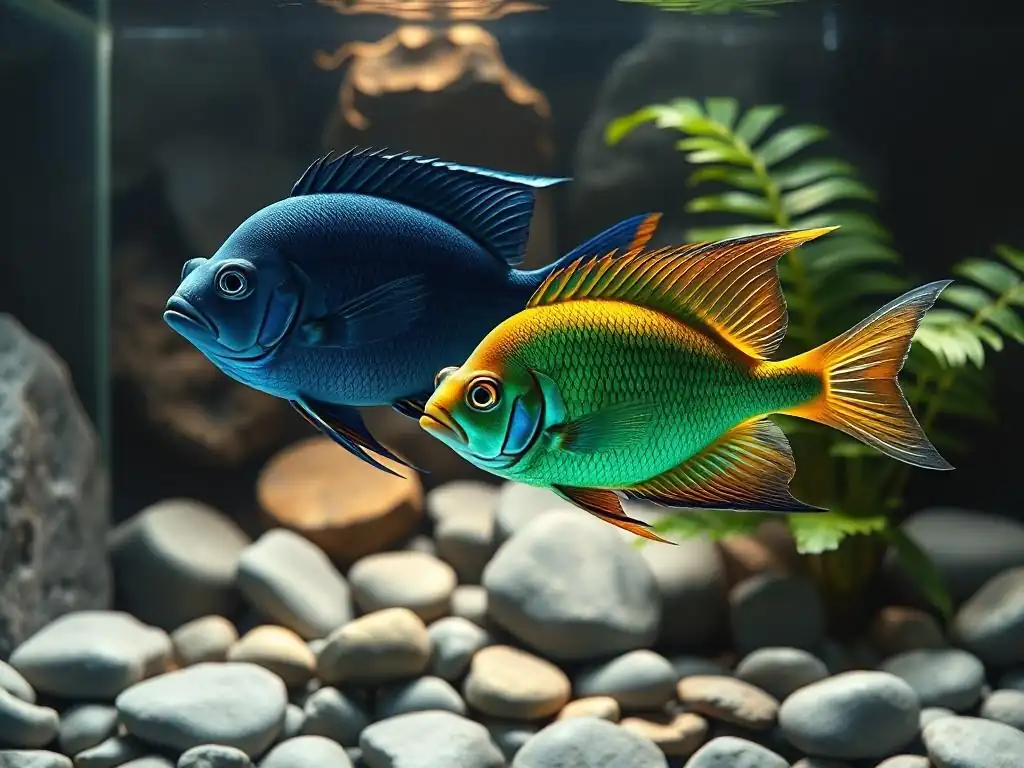
Both Oscars and Severums are New World cichlids originating from South America, and as such, they thrive in similar water conditions, which simplifies achieving Oscar severum compatibility in terms of chemistry. They prefer soft to moderately hard water with a slightly acidic to neutral pH. Ideal parameters generally fall within a pH range of 6.5 to 7.5, a temperature range of 75-80°F (24-27°C), and water hardness (dGH) between 5 and 15. Consistency in these parameters is far more important than hitting exact numbers.
Sudden fluctuations in water chemistry can cause significant stress to both species, leading to weakened immune systems and increased susceptibility to disease. Regular testing for ammonia, nitrite, and nitrate levels is crucial to ensure water quality remains pristine. While both are relatively hardy fish, Severums can sometimes be slightly more sensitive to prolonged exposure to poor water conditions compared to the robust Oscar, underscoring the need for diligent monitoring and maintenance for successful Oscar severum compatibility.
Decor and Substrate for a Harmonious Cichlid Tank
The choice of decor and substrate plays a vital role in creating a harmonious environment for Oscar severum compatibility. For substrate, fine to medium gravel or sand is suitable. Oscars are notorious diggers, so avoiding sharp or abrasive substrates is important to prevent injury to their mouths and fins. Large, smooth river rocks, sizable pieces of driftwood, and robust artificial plants are excellent choices for decor, as they can withstand the Cichlids' activity and digging.
Crucially, the decor should be arranged to create numerous hiding places, caves, and visual barriers. These elements help break up lines of sight and establish distinct territories, reducing direct confrontation and stress between the Oscar and Severums. Ensure that all decor is securely placed and cannot be easily toppled by the fish, as their size and digging habits can displace unsecured items. Providing multiple escape routes within the decor is also beneficial for the less dominant fish, enhancing the overall Oscar severum compatibility.
Filtration and Water Changes: Maintaining a Healthy Environment
Due to their large size and high metabolic rates, both Oscars and Severums produce a significant amount of waste, placing a heavy load on the aquarium's filtration system. For successful Oscar severum compatibility, over-filtration is not just recommended but essential. High-capacity canister filters are typically the best choice, often requiring multiple units for larger tanks to handle the bio-load effectively. Aim for a total filtration turnover rate of at least 8-10 times the tank volume per hour to maintain excellent water quality.
In addition to robust filtration, consistent and substantial water changes are non-negotiable for these messy eaters. A weekly water change of 25-30% of the tank volume is a good starting point, though some aquarists opt for 50% bi-weekly changes, especially in heavily stocked tanks or if nitrate levels rise. Regular water changes dilute harmful nitrates, replenish essential minerals, and reduce overall stress on the fish, directly contributing to their health and the long-term success of Oscar severum compatibility.
Potential Challenges of Keeping Oscars and Severums Together
Aggression and Bullying: Minimizing Conflict Between Cichlids
The primary challenge in achieving Oscar severum compatibility is managing the potential for aggression and bullying. Oscars are typically the dominant and more aggressive species, often chasing, nipping fins, or even attempting to mouth smaller Severums. While Severums are generally more peaceful, they can also exhibit territorial aggression, especially if they feel threatened or during breeding. Signs of aggression include torn fins, clamped fins, rapid breathing, constant hiding, or refusal to eat.
To minimize conflict, ensuring ample space with numerous visual barriers and hiding spots is critical. Introducing fish of similar sizes as juveniles can help them grow up together and establish a pecking order more naturally. However, even with optimal conditions, individual temperaments vary, and some Oscars may simply be too aggressive for Severum tank mates. Continuous observation is key, and being prepared to intervene by rearranging decor or, in severe cases, separating the fish, is vital for long-term Oscar severum compatibility.
Competition for Food: Ensuring Both Species Thrive
Another significant challenge in Oscar severum compatibility is ensuring that both species receive adequate nutrition. Oscars are notoriously fast and voracious eaters, often consuming food quickly and aggressively. Severums, while still enthusiastic eaters, tend to be slower and more deliberate, which can lead to them being outcompeted for food by the more assertive Oscars. This can result in stunted growth, malnutrition, and increased stress for the Severums.
To address food competition, feed in multiple locations simultaneously within the tank, allowing the Severums a better chance to access food without direct competition from the Oscar. Offering a variety of food types, including both floating pellets and sinking wafers, can also help. Ensure the diet is balanced for both species, incorporating high-quality cichlid pellets, flakes, and occasional protein-rich foods like bloodworms or brine shrimp for Oscars, and spirulina flakes or blanched vegetables for Severums. Observing feeding habits is crucial to ensure all fish are thriving.
Disease Transmission: Preventing and Treating Common Ailments
Stress is a major contributor to disease susceptibility in aquarium fish, and the potential for stress due to poor compatibility or inadequate water quality can lead to increased disease transmission between Oscars and Severums. Common ailments that can affect both species include Ich (white spot disease), Hole-in-the-Head (HITH) disease, and various bacterial infections like fin rot. HITH, in particular, is often linked to poor water quality, nutritional deficiencies, and chronic stress, making it a concern in challenging compatibility setups.
Preventative measures are paramount for maintaining health and successful Oscar severum compatibility. This includes maintaining pristine water conditions through diligent filtration and regular water changes, providing a balanced and varied diet, and quarantining all new fish for at least 3-4 weeks before introduction to the main display tank. Early detection of disease symptoms and prompt treatment are also crucial. A healthy, low-stress environment significantly reduces the likelihood of disease outbreaks and ensures the well-being of both species.
Successful Oscar and Severum Tank Mate Strategies
Introducing Oscars and Severums to the Aquarium
The method of introduction can significantly impact Oscar severum compatibility. Ideally, introduce both species to the aquarium simultaneously as juveniles and at similar sizes. This allows them to grow up together and establish a natural pecking order, rather than one fish establishing dominance over the other from the outset. If simultaneous introduction isn't possible, it's often recommended to introduce the Severums first, allowing them to establish territories before the more dominant Oscar is added.
Proper acclimation is also crucial to minimize stress during introduction. Dimming the aquarium lights for the first few hours after introduction can help reduce initial stress and aggression. Ensure all decor and hiding places are already established before introducing the fish, as rearranging the tank after fish are present can disrupt established territories and trigger aggression. A calm, well-prepared environment sets the stage for better Oscar severum compatibility.
Monitoring Fish Behavior: Identifying and Addressing Issues
Continuous monitoring of fish behavior is essential for long-term Oscar severum compatibility. Daily observation allows aquarists to identify subtle signs of stress, aggression, or illness before they escalate into serious problems. Look for signs such as torn or clamped fins, rapid breathing, excessive hiding, reluctance to eat, or constant chasing and bullying. A healthy fish will be active, alert, and exhibit natural behaviors.
If issues arise, prompt intervention is necessary. This might involve rearranging decor to create new territories or break up existing ones, adding more hiding spots, or increasing feeding frequency to reduce competition. In severe cases of persistent aggression where one fish is clearly being targeted and stressed, temporary separation using a tank divider or, as a last resort, permanent rehoming of one of the fish may be required. Proactive monitoring helps maintain a peaceful environment for Oscar severum compatibility.
Providing Adequate Hiding Places and Territory
For any large cichlid tank, and especially for successful Oscar severum compatibility, providing an abundance of adequate hiding places and clearly defined territories is non-negotiable. Large caves, sturdy pieces of driftwood, and robust artificial or real plants (if they can withstand digging) serve as crucial visual barriers and escape routes. These elements allow less dominant fish to retreat and feel secure, reducing stress and preventing constant direct confrontation.
The layout should be designed to break up lines of sight across the tank, preventing dominant fish from continuously seeing and harassing others. Ensure that each hiding spot has multiple entry and exit points to prevent a fish from being trapped. A well-scaped tank with ample territories not only enhances Oscar severum compatibility but also enriches the lives of the fish by providing complexity and naturalistic behaviors.
Alternative Tank Mates for Oscars and Severums
Other Large Cichlids: Jack Dempsey, Texas Cichlid, Green Terror
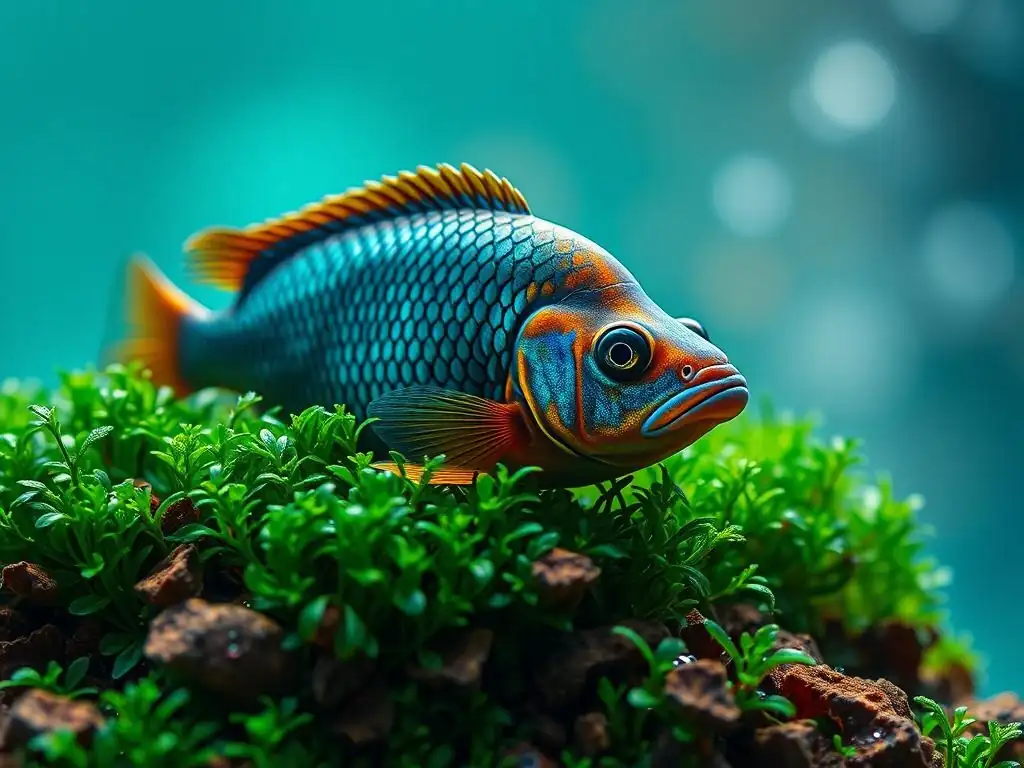
While the focus is on Oscar severum compatibility, considering other large cichlids as alternative or additional tank mates is common. The Jack Dempsey ( Rocio octofasciata) is a possibility, sharing similar size and aggressive tendencies with Oscars, making them potentially compatible in very large tanks (180+ gallons). However, they are still highly territorial and require ample space and careful monitoring.
The Texas Cichlid ( Herichthys cyanoguttatus) is another large, aggressive New World cichlid. While beautiful, their high aggression and territorial nature make them generally less suitable for Severums unless the tank is exceptionally large and the Severum is robust. The Green Terror ( Andinoacara rivulatus) also earns its name for a reason; they are known for their aggressive disposition, especially males. While they can coexist with Oscars in massive aquariums (200+ gallons), their inclusion significantly increases the risk of conflict, particularly for the more docile Severum.
Armored Catfish: Plecostomus, Raphael Catfish
For bottom-dwelling tank mates that generally pose little threat and can withstand the robust nature of Oscars and Severums, armored catfish are excellent choices. Various species of Plecostomus (e.g., common Pleco, bristlenose Pleco) are popular. Their armored bodies protect them from cichlid aggression, and they are effective algae eaters. However, common Plecos can grow very large (18-24 inches), requiring substantial tank space. Smaller species like the Bristlenose Pleco are often more manageable.
The Raphael Catfish ( Platydoras armatulus) is another highly recommended armored catfish. They are nocturnal, peaceful, and their spiny, armored bodies deter aggression from even large cichlids. Raphael Catfish typically reach a more modest size of 7-8 inches, making them a suitable long-term companion in tanks housing Oscars and Severums. Their nocturnal habits also mean they avoid direct competition for space during the day, contributing to a more balanced community.
Oscar vs. Severum: A Side-by-Side Comparison
The fundamental differences in temperament and social behavior are at the core of understanding Oscar severum compatibility challenges. Oscars are large, predatory, and highly intelligent cichlids known for their assertive and territorial nature. They often prefer to be the dominant fish in the aquarium and can display significant aggression towards tank mates, especially if space is limited or if the other fish are smaller. They are known for their strong "personalities" and direct interaction with their owners.
In contrast, Severums are generally considered more peaceful and less aggressive cichlids. While they are still large fish and can be territorial, particularly during breeding, they are less prone to outright bullying or predatory behavior. Severums can often be kept in small groups or pairs and are less destructive to aquarium decor. This disparity in typical aggression levels means that the Oscar will almost always be the dominant force, requiring careful management to ensure the Severum's well-being in an Oscar severum compatibility setup.
Dietary Needs and Feeding Habits
While both Oscars and Severums are omnivores, their dietary preferences and feeding habits differ notably. Oscars have a strong carnivorous bias, and their diet should primarily consist of high-quality cichlid pellets, krill, and occasional frozen or live protein sources like bloodworms or earthworms. They are extremely voracious eaters, often consuming food very quickly and with enthusiasm, which can lead to them outcompeting slower tank mates.
Severums, while also omnivores, lean more towards herbivory. Their diet should include high-quality cichlid pellets formulated for herbivores, spirulina flakes, and blanched vegetables such as peas, spinach, or zucchini. They also benefit from occasional protein sources like bloodworms or brine shrimp. Severums tend to eat more slowly and deliberately than Oscars. This difference in feeding speed and dietary emphasis necessitates careful feeding strategies to ensure both species receive adequate and appropriate nutrition in an Oscar severum compatibility tank.
Size and Growth Rate Considerations
The disparity in maximum size and growth rate is a critical factor influencing Oscar severum compatibility. Oscars are among the largest aquarium cichlids, commonly reaching 12-14 inches (30-35 cm) in length, and under optimal conditions, they can grow to a substantial size within their first year or two. Their rapid growth means they quickly outsize most potential tank mates.
Severums, while still large fish, typically grow to a more modest 8-10 inches (20-25 cm). This size difference, particularly as the Oscar matures, can lead to significant problems. A much larger Oscar can easily intimidate, bully, or even injure a smaller Severum. For successful Oscar severum compatibility, it is crucial to introduce fish of similar juvenile sizes and provide an exceptionally large tank to accommodate their eventual adult dimensions and minimize the impact of this size disparity.
Real-World Examples: Oscar and Severum Tank Success Stories
Success Story: Large Tank, Mature Specimens, Well-Planted
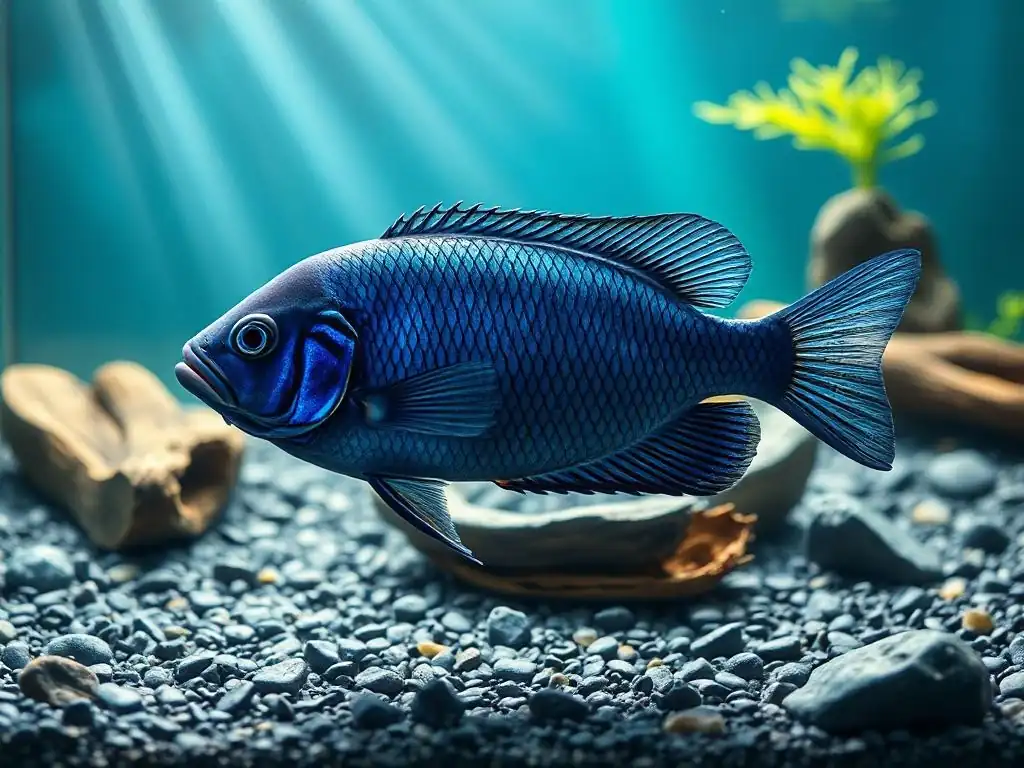
A notable success story for Oscar severum compatibility involved a 200-gallon aquarium housing a 12-inch adult Oscar, two 8-inch Severums (one male, one female), and a large, common Plecostomus. The tank was meticulously aquascaped with several large pieces of driftwood forming caves and numerous robust artificial plants creating dense visual barriers. The fish were introduced as juveniles of similar sizes, allowing them to grow together.
The owner maintained two large canister filters and performed 30% weekly water changes, ensuring pristine water quality. Feeding was done in multiple spots, using a mix of sinking pellets for the Severums and floating pellets for the Oscar. While minor chasing occurred occasionally, particularly during the Severums' breeding attempts, the ample space and numerous hiding spots prevented any serious aggression or injury over a period of four years, demonstrating that careful planning can lead to successful Oscar severum compatibility.
Failure Story: Overcrowding, Insufficient Hiding Places, Aggressive Oscar
Conversely, a common failure in Oscar severum compatibility attempts often stems from inadequate tank size and poor planning. One such case involved a 75-gallon tank attempting to house a 6-inch juvenile Oscar and two 4-inch juvenile Severums. The tank decor was sparse, consisting of only a few small rocks and no significant hiding places or line-of-sight breaks. The Oscar was introduced first and quickly established dominance over the entire tank.
Within weeks, the Oscar became overtly aggressive, relentlessly chasing and fin-nipping the smaller Severums. One Severum, constantly stressed and injured, developed severe fin rot and eventually succumbed to its injuries. The lack of adequate space and insufficient hiding spots, combined with the Oscar's natural territoriality, led to a complete breakdown of Oscar severum compatibility. The remaining Severum had to be rehomed to a separate tank to ensure its survival, highlighting the critical importance of tank size and proper aquascaping.
Troubleshooting Common Oscar and Severum Compatibility Issues
Dealing with Fin Nipping and Aggression
Fin nipping and overt aggression are common issues in Oscar severum compatibility setups. If observed, immediate action is crucial. First, closely monitor to identify the primary aggressor and the target. Then, consider rearranging the tank decor significantly. This can disrupt established territories and create new hiding spots or visual barriers, often resetting the social dynamics. Adding more large caves or driftwood can provide essential retreats for the less dominant fish.
If aggression persists or escalates, a temporary separation might be necessary. A tank divider can be used to isolate the aggressor for a few days, giving the bullied fish a chance to recover and reducing the aggressor's territorial claims. In severe, unresolvable cases where one fish is constantly stressed or injured despite interventions, the most responsible course of action for long-term Oscar severum compatibility is to rehome one of the fish to a more suitable environment.
Addressing Uneven Growth Rates
Uneven growth rates among Oscars and Severums in the same tank can be a sign of underlying compatibility issues, particularly if the Severums are growing significantly slower than the Oscar. This often indicates that the smaller fish are either being outcompeted for food, constantly stressed, or both. Ensure that all fish are receiving adequate and appropriate nutrition. Feed high-quality foods tailored to each species' dietary needs, and employ strategies like feeding in multiple locations to ensure the slower Severums get their share.
If one fish is severely stunted or appears perpetually stressed, it may be necessary to intervene. Isolating the smaller, less dominant fish to a separate "grow-out" tank for a period of intensive feeding and reduced stress can help it catch up in size and regain health. Alternatively, if the disparity becomes too great and continues to cause stress, rehoming the smaller fish to a tank with less aggressive tank mates may be the best solution for its long-term well-being and to maintain a peaceful Oscar severum compatibility.
Managing Water Quality Problems
Large cichlids like Oscars and Severums produce a substantial bio-load, making water quality management a critical aspect of Oscar severum compatibility. High levels of ammonia, nitrite, or nitrate are common problems, leading to fish stress, disease, and overall poor health. Symptoms include lethargy, clamped fins, loss of appetite, and increased susceptibility to infections like Hole-in-the-Head disease.
To manage water quality effectively, ensure that the filtration system is robust and over-sized for the tank volume, with regular cleaning or replacement of filter media. Most importantly, increase the frequency and volume of water changes. Instead of a standard weekly change, consider two smaller water changes per week (e.g., 25% twice a week) or a larger single change (e.g., 50% weekly) to keep nitrate levels consistently low. Regular water parameter testing (at least weekly) is essential to catch any issues early and maintain a healthy environment for successful Oscar severum compatibility.
Conclusion: Achieving Oscar and Severum Harmony in Your Aquarium
The Importance of Research and Planning
Achieving successful Oscar severum compatibility is not a guaranteed outcome but rather a testament to meticulous research and comprehensive planning. Before even acquiring these magnificent cichlids, it is paramount to thoroughly understand their individual needs, typical temperaments, maximum sizes, and potential challenges when housed together. This includes delving into their specific water parameter requirements, dietary preferences, and social behaviors.
Planning extends beyond just theoretical knowledge. It involves selecting an appropriately sized aquarium—one that is significantly larger than the minimums for individual species—to provide ample space for both growth and territorial dispersion. It also encompasses designing an aquascape with abundant hiding places and visual barriers, and investing in powerful filtration systems. Without this foundational research and foresight, the likelihood of creating a harmonious and stress-free environment for Oscar severum compatibility is drastically reduced, often leading to aggression, injury, or rehoming.
Long-Term Considerations for a Successful Community Tank
Even with initial success in establishing Oscar severum compatibility, the journey is an ongoing one that requires continuous attention and adaptation. Fish grow, individual temperaments can shift over time, and social dynamics within the tank may evolve. Therefore, regular observation of fish behavior is crucial to detect early signs of stress, bullying, or illness. Be prepared to intervene by rearranging decor, adding more hiding spots, or, in extreme cases, separating the fish if persistent aggression threatens the well-being of either species.
Maintaining pristine water quality through consistent and substantial water changes, along with a robust filtration system, is paramount for the long-term health and reduced stress of these large, messy cichlids. Providing a balanced and appropriate diet for both species will ensure their vitality. A truly successful community tank with Oscar severum compatibility is a dynamic ecosystem that thrives under the watchful eye and dedicated care of a knowledgeable aquarist, ensuring a fulfilling experience for both the fish and their keeper.
Frequently Asked Questions
Generally, yes, if the tank is sufficiently large and provides ample hiding spaces. Successful cohabitation depends heavily on individual temperament and the availability of resources.
What is the minimum tank size recommended when considering Oscar and Severum compatibility?
A minimum of 125 gallons is strongly advised to provide adequate swimming space and reduce aggression. Larger tanks, such as 180 gallons or more, are preferable.
What are some key signs of aggression to watch out for when keeping Oscars and Severums together?
Look for fin nipping, excessive chasing, or one fish consistently being cornered by the other. These behaviors suggest incompatibility and may require separation.
What role does proper aquarium setup play in mitigating potential aggression between Oscars and Severums?
A well-decorated tank with plenty of rocks, driftwood, and plants can provide shelter and break lines of sight, reducing territorial disputes and creating a more harmonious environment.
What feeding strategies can help reduce competition and aggression when keeping Oscars and Severums in the same tank?
Feed multiple smaller meals throughout the day rather than one large feeding to ensure both fish get enough food. Consider using sinking pellets for the Severums to ensure they aren't outcompeted at the surface.
Final Reflection: Harmony in the Aquarium
The question of whether Oscars and Severums can coexist isn't just about fish; it's a microcosm of the broader challenges of creating harmony in any shared environment. As we've explored the nuances of their temperaments, tank requirements, and potential for conflict, it becomes clear that successful cohabitation demands careful planning, diligent observation, and a willingness to adapt. The principles of compatibility, whether in an aquarium or in life, hinge on understanding and respecting individual needs.
This exploration of Oscar and Severum compatibility has highlighted the delicate balance required to foster a thriving ecosystem. The lessons learned here extend far beyond the glass walls of a fish tank, reminding us that successful relationships, both in nature and in our own lives, require empathy and a commitment to creating space for others to flourish. The measure of intelligence is the ability to change.
- Albert Einstein. This quote resonates deeply, urging us to remain flexible and responsive to the ever-changing dynamics of any shared environment.
Now, armed with this knowledge, consider how you can apply these principles of compatibility to your own life. Are there areas where a deeper understanding of individual needs could foster greater harmony? Are you willing to adapt and create space for others to thrive? Let this exploration of Oscar and Severum compatibility serve as a reminder that with careful planning, diligent observation, and a commitment to understanding, we can cultivate thriving ecosystems, both in our aquariums and in our lives.
Unlock the Secrets to a Thriving South American Community Tank!
Thank you for exploring the fascinating world of Oscars and Severums! We hope this guide has given you the knowledge to create a beautiful and balanced aquarium. Ready to take the next step?
Here’s how you can bring your dream tank to life:
- Prioritize the needs of your fish: If your current tank is too small for both species together, consider upgrading to a larger aquarium before introducing any new fish. This is the most important step!
- Share your success! Post pictures of your Oscar and Severum tank on social media with #AquariumMastery to inspire other aquarists.
- Delve Deeper: Visit your local fish store and ask an experienced aquarist about unique tank decorations that mimic a natural South American habitat to enhance your fishes' comfort.
What's the first element you'll change in your aquarium setup to improve the living conditions for your Oscars and Severums? Share your plans in the comments below!