
Acclimating Your New Pearl Gourami: StressFree Introduction Techniques

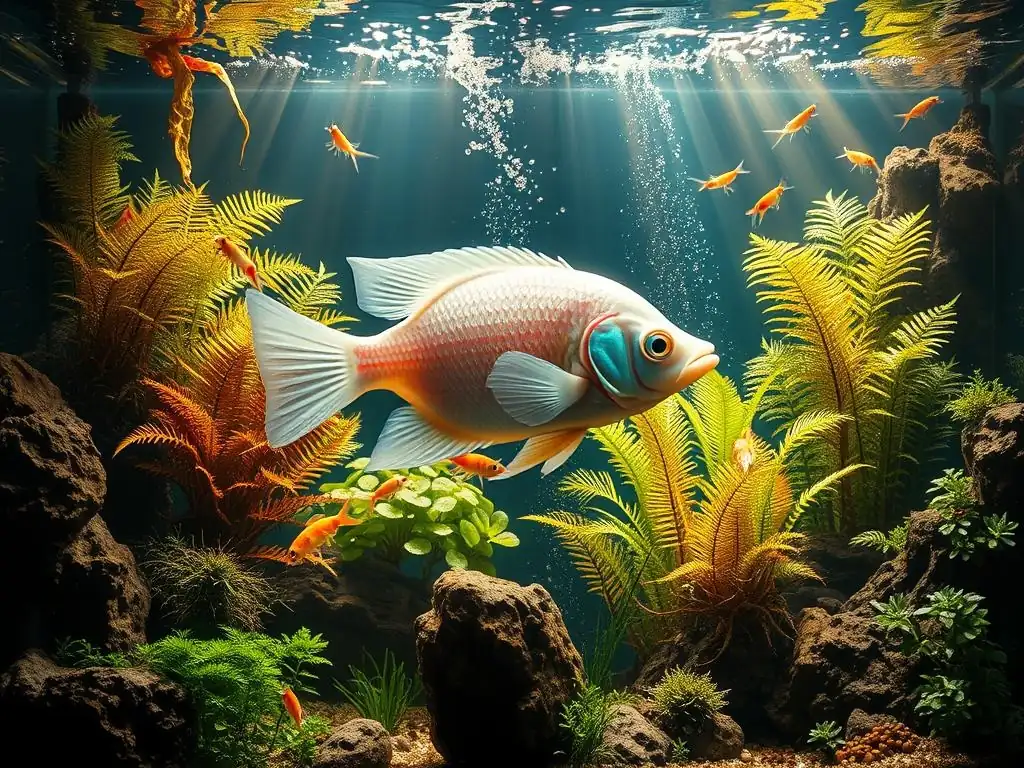
Welcome to Aquarium Mastery!
Ever wondered how to introduce your new Pearl Gourami to its watery home without causing unnecessary stress? Discover the secrets to a stress-free pearl gourami acclimation and unlock a happier, healthier life for your fish. Dive in and learn how to make the transition smooth and successful, ensuring your shimmering gourami thrives in its new environment. Are you ready to learn the best techniques?
- Understanding Pearl Gourami Sensitivity: Why Acclimation Matters
- Step-by-Step Guide to Stress-Free Pearl Gourami Acclimation
- Post-Acclimation Care: Ensuring a Smooth Transition
- Common Acclimation Mistakes to Avoid with Pearl Gouramis
- Maintaining a Healthy Habitat: Long-Term Pearl Gourami Care
- Troubleshooting Acclimation Issues: What to Do When Things Go Wrong
-
Frequently Asked Questions
- How long should I float the bag containing my new Pearl Gourami in my aquarium before releasing it?
- Why is acclimation so crucial for Pearl Gouramis?
- What is drip acclimation, and is it necessary for Pearl Gouramis?
- What water parameters should I check in my aquarium before introducing a new Pearl Gourami?
- What are some signs of stress in a Pearl Gourami after acclimation?
- Final Reflection: Embracing Tranquility in Acclimation
- Nurture Your Gourami's New Life
Understanding Pearl Gourami Sensitivity: Why Acclimation Matters
The Importance of Gradual Acclimation for Pearl Gouramis
Pearl Gouramis (Trichopodus leerii) are renowned for their vibrant coloration and peaceful demeanor, making them a popular choice for freshwater aquariums. However, like many anabantoids with a labyrinth organ, they are particularly sensitive to sudden shifts in their environment. Their natural habitats typically consist of slow-moving, stable waters, making them less adapted to abrupt changes in water chemistry or temperature. Proper, gradual acclimation is not merely a recommendation; it is a foundational step crucial for their immediate survival and long-term health, effectively preventing physiological shock and chronic stress.
A meticulously executed acclimation process minimizes the profound physiological stress that a new Pearl Gourami experiences during transit and introduction. This careful approach significantly reduces the likelihood of the fish developing stress-related illnesses, such as bacterial infections or parasitic infestations, which often manifest within the first few days or weeks. By ensuring a stressfree pearl gourami acclimation, aquarists provide their new fish with the best possible start, allowing them to settle, exhibit natural behaviors, and integrate smoothly into their new aquatic home, rather than just merely surviving.
Stress in Pearl Gouramis: Recognizing the Signs
Recognizing the signs of stress in your Pearl Gourami is paramount for timely intervention. Common indicators include clamped fins (held tightly against the body), rapid gilling even in well-oxygenated water, darting or erratic swimming movements, excessive hiding, or a complete loss of appetite. Healthy Pearl Gouramis should display vibrant colors, engage in calm exploration, and show interest in their surroundings and food. Any deviation from these normal behaviors, particularly after introduction, should be a cause for concern.
When a Pearl Gourami is under stress, its immune system becomes severely compromised, making it highly susceptible to opportunistic pathogens that are often present even in healthy aquariums. For instance, a stressed gourami is far more likely to contract Ich (Ichthyophthirius multifiliis), a common parasitic disease, or develop fin rot, a bacterial infection. Early detection of these stress signals allows for immediate corrective action, such as adjusting acclimation speed or addressing underlying water quality issues, which is vital for successful pearl gourami acclimation.
Water Parameter Shock: A Major Threat to New Gouramis
Water parameter shock is perhaps the most immediate and dangerous threat to newly introduced Pearl Gouramis. This occurs when a fish is abruptly moved from water with one set of parameters (e.g., from the fish store's tank or shipping bag) to water with significantly different parameters in the home aquarium. Key parameters that can cause shock include sudden changes in temperature, pH, general hardness (GH), or carbonate hardness (KH). Pearl Gouramis thrive in temperatures between 75-82°F (24-28°C) and a pH range of 6.5-7.5. A rapid shift of even 2-3°F (1-1.5°C) or 0.5 pH units can be detrimental.
The physiological impact of water parameter shock can be severe, disrupting the fish's osmoregulation—its ability to balance water and salt within its body. This can lead to cellular damage, gill tissue destruction, and internal organ failure, often resulting in rapid death. For instance, if a gourami is moved from water with a pH of 6.0 to a tank with a pH of 7.5 too quickly, the sudden shift can overwhelm its system. Therefore, meticulously minimizing these differences through a controlled process is the core objective of achieving stressfree pearl gourami acclimation.
Step-by-Step Guide to Stress-Free Pearl Gourami Acclimation
Step 1: Dimming the Lights for a Calmer Arrival
The journey from the fish store to your home aquarium is inherently stressful for any fish, and Pearl Gouramis are no exception. They typically travel in dark, confined shipping bags, emerging into what can be a brightly lit and overwhelming new environment. A sudden blast of light can cause immediate fright and heighten their stress response. To counteract this, it is highly recommended to dim the room lights and turn off your aquarium lights for at least 30-60 minutes before you even begin the acclimation process.
This simple yet effective step creates a much calmer and less intimidating introduction. By reducing visual stimulation, you allow the Pearl Gourami to slowly perceive its new surroundings without being startled or overstimulated. This quiet, subdued environment helps the fish feel more secure and encourages it to explore more readily once introduced, laying a solid foundation for a truly stressfree pearl gourami acclimation.
Step 2: Floating the Bag: Temperature Equalization
Once your Pearl Gourami arrives home, the very first physical step in its acclimation should be temperature equalization. With the aquarium lights off or dimmed, place the unopened shipping bag containing the gourami directly into your aquarium. Ensure the bag is sealed and no aquarium water can enter it at this stage. The purpose here is to gradually allow the water temperature inside the shipping bag to match the temperature of your aquarium water.
Sudden changes in temperature, even a difference of a few degrees Fahrenheit, can induce thermal shock in fish, severely weakening their immune system or causing immediate mortality. By floating the bag, heat transfer occurs slowly through the plastic, allowing the fish to physiologically adjust to the new temperature without abrupt stress. This crucial initial phase prepares the gourami for the more significant chemical adjustments that follow, forming a vital part of pearl gourami acclimation.
How Long to Float the Bag? A Precise Timing Guide
For optimal temperature equalization, floating the sealed shipping bag in your aquarium for a period of 15 to 20 minutes is generally sufficient. This timeframe allows the water in the bag to slowly reach the same temperature as your tank water, minimizing the risk of thermal shock. For larger bags or if there's a significant temperature difference (e.g., more than 5°F or 3°C), extending this period to 25-30 minutes might be beneficial, but rarely longer.
It is critical not to prolong the floating period excessively. While temperature equalization is important, the water inside the sealed bag contains limited oxygen, and metabolic waste from the fish (ammonia) will rapidly accumulate and become toxic over time. After approximately 30 minutes, ammonia levels can begin to rise to dangerous concentrations, especially if the fish has been in the bag for many hours during transit. Adhering to this precise timing contributes significantly to ensuring a safe and stressfree pearl gourami acclimation.
Step 3: Drip Acclimation: The Gold Standard for Gouramis
For sensitive fish like Pearl Gouramis, drip acclimation is widely considered the "gold standard" method for introduction. This technique involves slowly introducing your aquarium water into the fish's transport water over an extended period. Its primary advantage lies in its ability to gradually equalize not just temperature, but more importantly, crucial water chemistry parameters such as pH, general hardness (GH), and carbonate hardness (KH), minimizing the risk of osmotic shock.
Osmotic shock occurs when a fish's internal fluid balance is overwhelmed by rapid changes in external water chemistry. Drip acclimation allows the gourami's delicate internal systems to adapt to these new parameters in minute increments, preventing the severe stress and potential damage that can arise from abrupt shifts. While it requires more time—typically 1 to 3 hours—the investment significantly increases the chances of a successful, stressfree pearl gourami acclimation and improves the long-term health prospects of your new fish.
Setting Up a Drip Acclimation System: What You'll Need
To set up an effective drip acclimation system, you'll need a few common aquarium supplies. First, acquire a clean, dedicated container, such as a 5-gallon (approximately 19-liter) bucket or a large plastic tub, which will hold the gourami and its initial water. You'll also need a length of airline tubing (typically 4-6 feet or 1.2-1.8 meters) and a method to control the water flow, such as an airline control valve, a small clamp, or even a simple knot tied in the tubing.
Begin by carefully opening the shipping bag and gently pouring the Pearl Gourami and its original water into the clean bucket. Position the bucket on the floor or a stable surface below your aquarium. Submerge one end of the airline tubing into your aquarium water and use a siphon (e.g., by sucking on the other end until water flows) to start a continuous drip into the bucket. Use the control valve or clamp to adjust the drip rate to a slow, steady flow, typically 1-2 drips per second.
Gradual Water Exchange: Mimicking the Tank Environment
The essence of drip acclimation lies in the slow and controlled exchange of water. Once the drip is established, allow your aquarium water to slowly drip into the bucket containing the Pearl Gourami. The goal is to gradually increase the volume of water in the bucket, thereby slowly diluting the original shipping water with your tank water. This process mimics the natural, gradual changes in water chemistry that a fish might experience in its native environment over time, rather than an abrupt transition.
Aim for the volume of water in the bucket to double or triple over the course of 60 to 90 minutes. For example, if you started with approximately 1 cup (240 ml) of water from the shipping bag, you would want to add 1 to 2 additional cups of your aquarium water via dripping during this period. This ensures that the Pearl Gourami is exposed to a slowly shifting blend of water, giving its internal systems ample time to adjust to the new pH, hardness, and dissolved mineral content, leading to a truly stressfree pearl gourami acclimation.
Monitoring Water Parameters During Drip Acclimation
While the drip acclimation process is underway, it is highly beneficial to periodically monitor the water parameters within the acclimation bucket. Using a reliable aquarium test kit, check the pH and temperature of the water in the bucket every 15-30 minutes. Compare these readings to the known parameters of your main display tank. The objective is to observe a gradual convergence of the bucket's water parameters towards those of your main aquarium.
Although temperature largely equalizes during the initial bag floating stage, pH and hardness are the critical parameters that drip acclimation addresses. By the end of the drip acclimation period, the pH difference between the bucket water and the tank water should be minimal, ideally less than 0.2 pH units. Consistent monitoring ensures that the acclimation is proceeding effectively and that the Pearl Gourami is indeed adapting to its new environment in a controlled manner, solidifying the success of your pearl gourami acclimation.
Step 4: Gentle Release into the Quarantine Tank
Once the drip acclimation process is complete, it is crucial to perform the final transfer with care and strategic thinking. Under no circumstances should the water from the acclimation bucket (which originated from the fish store and the shipping bag) be introduced into your main display tank. This water can contain pathogens, parasites, medications, or undesirable waste products that could contaminate your established aquarium and potentially harm its inhabitants.
Instead, carefully net the Pearl Gourami from the acclimation bucket, allowing as much of the acclimation water as possible to drain back into the bucket. Then, gently and swiftly transfer the gourami into a dedicated quarantine tank. This two-step approach—drip acclimation followed by a clean transfer—is fundamental for ensuring the health and safety of both your new Pearl Gourami and your existing aquatic community.
Why a Quarantine Tank is Crucial for New Pearl Gouramis
A quarantine tank is an indispensable tool for any responsible aquarist, especially when introducing new, sensitive fish like Pearl Gouramis. This separate, established tank provides a controlled environment where the new fish can be observed for signs of disease, parasites, or stress without posing a risk to your main display aquarium. Shipping and acclimation are stressful events that can weaken a fish's immune system, making it susceptible to illnesses that might otherwise be latent.
A typical quarantine period should last a minimum of two to four weeks. During this time, any common ailments such as Ich, velvet disease, or bacterial infections like fin rot can manifest and be treated effectively in isolation. This prevents the spread of pathogens to your main tank, which could devastate an entire established community. Furthermore, the quarantine tank offers a peaceful, low-stress environment for the Pearl Gourami to recover and adjust, significantly contributing to its successful pearl gourami acclimation and long-term well-being.
Net or Cup? Choosing the Safest Transfer Method
When transferring your Pearl Gourami from the acclimation bucket to the quarantine tank, the method you choose can impact the fish's stress levels. Using a fine-mesh, soft aquarium net is a common and efficient method. It allows for a quick transfer, minimizing the fish's exposure to air. However, care must be taken to avoid damaging the gourami's delicate fins or scales, which can be prone to tearing if caught in a coarse net.
Alternatively, gently scooping the Pearl Gourami with a small, clean plastic cup (such as a measuring cup) can be an even gentler approach. This method keeps the fish fully submerged in water during the transfer, eliminating any air exposure and reducing physical contact, thus minimizing the risk of fin damage or scale loss. For particularly sensitive or shy species like Pearl Gouramis, the cup method is often preferred as it ensures a softer, less jarring transition, further enhancing the stressfree pearl gourami acclimation process.
Post-Acclimation Care: Ensuring a Smooth Transition
Observing Your Pearl Gourami for Signs of Stress
After the meticulous acclimation process, continuous observation of your Pearl Gourami in the quarantine tank is paramount for the first few days and weeks. Look for consistent signs of health and comfort: vibrant coloration, calm and steady swimming, active exploration of its new environment, and a healthy appetite. Conversely, be vigilant for any lingering signs of stress or illness, such as clamped fins, rapid gilling, hiding excessively, rubbing against tank decorations, or any visible spots, lesions, or frayed fins.
Minimizing disturbances to the quarantine tank during this initial period is crucial. Keep the lights dim for the first 24-48 hours to allow the gourami to settle without overstimulation. A healthy Pearl Gourami should begin to display natural behaviors within 24-48 hours post-introduction. If signs of stress persist beyond this timeframe, it warrants further investigation into water parameters or potential underlying health issues, ensuring the long-term success of your pearl gourami acclimation.
Feeding Your Newly Acclimated Gourami: First Meal Considerations
It is generally advisable to wait approximately 12 to 24 hours after introducing your Pearl Gourami to the quarantine tank before offering its first meal. This allows the fish ample time to settle into its new surroundings and recover from the stress of transit and acclimation. Offering food too soon may not only be ignored but also contribute to water quality degradation if left uneaten, potentially stressing the fish further.
When you do offer food, start with a very small amount of high-quality flake food or micro-pellets, which are typically well-accepted by Pearl Gouramis. If the fish does not show immediate interest, do not overfeed; remove any uneaten food promptly to prevent ammonia spikes. After a few days, once the gourami is consistently eating, you can gradually introduce a varied diet including frozen foods like brine shrimp or daphnia, which are excellent for enticing appetite and providing rich nutrition, supporting a robust pearl gourami acclimation.
Water Quality Monitoring After Introduction
Maintaining pristine water quality in the quarantine tank is absolutely critical for the successful recovery and long-term health of your newly acclimated Pearl Gourami. Even if your quarantine tank is cycled, the addition of a new bioload can cause minor fluctuations. Therefore, it is essential to test the water daily for ammonia, nitrite, and nitrate levels, especially for the first week after introduction. Ammonia and nitrite should always read 0 ppm.
If any detectable levels of ammonia or nitrite appear, perform small, targeted water changes of 10-20% immediately using perfectly temperature-matched and dechlorinated water. Consistent water changes, even if parameters are stable, also help dilute any potential pheromones or stress hormones released by the new fish. Maintaining stable temperatures and appropriate pH levels is equally important. Diligent water quality monitoring acts as a protective shield, reinforcing the stressfree pearl gourami acclimation and ensuring a smooth transition into its new home.
Common Acclimation Mistakes to Avoid with Pearl Gouramis
Rushing the Acclimation Process
One of the most frequent and detrimental mistakes aquarists make when introducing new fish, especially sensitive species like Pearl Gouramis, is rushing the acclimation process. Attempting to complete drip acclimation in less than the recommended 60-90 minutes, or skipping it entirely in favor of a quick "plop and drop," significantly elevates the risk of severe shock, disease, and ultimately, mortality. While it might seem time-consuming, patience during this critical phase is an investment in your fish's health.
A hurried acclimation deprives the Pearl Gourami's delicate physiological systems of the necessary time to adjust to new water chemistry. This can lead to immediate osmotic shock, gill damage, and a severely compromised immune system, making the fish highly susceptible to opportunistic infections within days. Prioritizing a thorough, unhurried stressfree pearl gourami acclimation prevents these costly losses and ensures a much higher success rate for your new aquatic inhabitant.
Ignoring Water Parameter Differences
A common oversight, often leading to dire consequences, is failing to acknowledge or account for the differences in water parameters between the fish's source (the shipping bag or fish store tank) and your home aquarium. Each aquatic environment has its unique pH, hardness (GH/KH), and temperature profile. Introducing a Pearl Gourami from a tank with, for instance, a pH of 6.5 into your aquarium with a pH of 7.8 without gradual adjustment can be fatal due to pH shock.
Before bringing any new fish home, it is highly recommended to know your own tank's water parameters accurately. Ideally, inquire about the parameters of the fish store's tanks or, upon arrival, test the water in the shipping bag. If significant differences exist (e.g., more than 0.5 pH units or 3-4 dGH), then drip acclimation becomes absolutely essential. Ignoring these disparities undermines any attempt at stressfree pearl gourami acclimation and places the fish at immediate risk.
Overcrowding the Quarantine Tank
While the use of a quarantine tank is highly recommended for new Pearl Gouramis, overcrowding it is a mistake that can negate its benefits. A standard 10-gallon (approximately 38-liter) quarantine tank is generally suitable for one or two Pearl Gouramis. Introducing too many fish into a small quarantine setup can quickly overwhelm the tank's biological filtration, leading to dangerous spikes in ammonia and nitrite, even in a cycled tank.
Beyond water quality issues, overcrowding in a confined space can increase stress levels among the new fish due to limited personal space and potential aggression, even among generally peaceful species. This heightened stress compromises their immune systems, making them more vulnerable to the very diseases the quarantine tank is meant to prevent. To ensure a truly calm and healing environment during the pearl gourami acclimation period, keep the quarantine tank lightly stocked and monitor water parameters diligently.
Maintaining a Healthy Habitat: Long-Term Pearl Gourami Care
Water Chemistry for Pearl Gouramis: Achieving Optimal Parameters
For the long-term health and vibrance of your Pearl Gouramis, consistently maintaining optimal water chemistry is just as crucial as the initial acclimation. These fish thrive in stable conditions, preferring a temperature range of 75-82°F (24-28°C), a slightly acidic to neutral pH between 6.5 and 7.5, and moderate water hardness (GH 5-15 dGH). While hitting exact numbers is ideal, stability is paramount; sudden fluctuations are far more detrimental than slightly off but consistent parameters.
Achieving and maintaining these conditions requires regular partial water changes (e.g., 25% weekly), effective filtration, and routine water parameter testing. Avoid drastic chemical adjustments to your water, as these can induce stress. Instead, focus on small, consistent changes if adjustments are needed. A stable and appropriate water environment, built upon the foundation of a successful stressfree pearl gourami acclimation, ensures your gouramis will flourish for years.
Tank Mates for Pearl Gouramis: Choosing Compatible Species
Selecting appropriate tank mates is vital for the long-term well-being of your Pearl Gouramis. They are generally peaceful and shy fish that can become stressed or withdrawn if housed with overly boisterous, aggressive, or fin-nipping species. Ideal tank mates are similarly sized, share similar water parameter requirements, and exhibit calm temperaments.
Good choices include peaceful community fish such as Neon Tetras, Cardinal Tetras, Rummy-nose Tetras, various species of Rasboras (e.g., Harlequin Rasboras), Corydoras catfish, and peaceful smaller loaches like Kuhli Loaches. Avoid large, aggressive cichlids, Tiger Barbs (known fin-nippers), or very active species that might outcompete the gouramis for food or space. Thoughtful tank mate selection complements the initial pearl gourami acclimation efforts by providing a harmonious and low-stress living environment.
Providing Hiding Places: Reducing Stress Long-Term
Pearl Gouramis, despite their beauty, are naturally shy and appreciate ample opportunities to retreat and feel secure. A well-structured aquarium with plenty of hiding places and visual barriers is essential for their long-term comfort and stress reduction. This includes dense live plants, especially those with broad leaves or floating varieties, as well as driftwood, rock formations, or ceramic caves.
Dense planting, particularly with species like Java Fern, Anubias, or floating plants such as Amazon Frogbit or Dwarf Water Lettuce, mimics their natural habitat and provides secure cover. These hiding spots allow the gourami to escape from perceived threats, rest, or simply establish a personal territory, significantly reducing chronic stress. A secure environment, cultivated after successful stressfree pearl gourami acclimation, is key to a thriving and confident Pearl Gourami.
Troubleshooting Acclimation Issues: What to Do When Things Go Wrong
Recognizing and Treating Acclimation Shock
Despite best efforts, a Pearl Gourami may still exhibit signs of severe acclimation shock. These can include extreme listlessness, lying on its side at the bottom, rapid and labored breathing (gasping), complete loss of color, or erratic, uncontrolled swimming. If these severe symptoms appear, immediate action is required to save the fish.
First, ensure water parameters in the quarantine tank are pristine (0 ammonia, 0 nitrite, low nitrate). Perform a small, slow water change (10-15%) using perfectly temperature-matched and dechlorinated water. Increase aeration in the tank significantly with an air stone to maximize oxygen availability. Consider adding a stress coat product containing Aloe Vera, which can help repair the fish's slime coat and reduce stress, following product instructions carefully. Do not attempt to force-feed. If the fish is still in the acclimation bucket, gently transfer it to the quarantine tank to provide a more stable environment.
Dealing with Fin Rot or Other Infections
Stress from improper or insufficient acclimation can severely weaken a Pearl Gourami's immune system, making it highly susceptible to opportunistic infections. Fin rot, characterized by frayed, ragged, or disintegrating fins, is a common bacterial infection that often appears in stressed fish. Other possibilities include Ich (white spots resembling salt grains) or velvet disease (a dusty, yellowish coating).
If signs of infection appear during the quarantine period, prompt treatment is crucial. For fin rot, a broad-spectrum antibacterial medication designed for aquarium use, such as those containing Furan-2 or Erythromycin, should be administered according to the manufacturer's instructions. For Ich, raising the water temperature slightly (to 82-84°F or 28-29°C, if safe for the fish and filtration) combined with an Ich-specific medication is often effective. Always maintain pristine water quality throughout any treatment regimen to support the fish's recovery.
Seeking Expert Advice: When to Consult an Aquatic Veterinarian
While many common acclimation issues and diseases can be managed by experienced hobbyists, there are times when professional expertise is invaluable. You should consider consulting an aquatic veterinarian if your Pearl Gourami's condition rapidly deteriorates despite your interventions, if symptoms are unusual or do not respond to standard treatments, or if you suspect a more complex or virulent disease that you cannot diagnose.
An aquatic veterinarian possesses specialized knowledge and diagnostic tools that are not typically available to the average aquarist. They can perform accurate diagnoses, prescribe specific medications, or offer advanced treatment options tailored to the exact condition of your fish. While it may seem like an extreme measure for a single fish, seeking expert advice ensures the best possible outcome for your Pearl Gourami and provides peace of mind, especially after investing time in careful pearl gourami acclimation.
Frequently Asked Questions
How long should I float the bag containing my new Pearl Gourami in my aquarium before releasing it?
You should float the bag for approximately 15-30 minutes to allow the water temperature inside the bag to gradually equalize with the aquarium's water temperature. This minimizes temperature shock.
Why is acclimation so crucial for Pearl Gouramis?
Acclimation is vital because Pearl Gouramis are sensitive to sudden changes in water parameters like temperature and pH. Stress caused by rapid changes can weaken their immune system and make them susceptible to disease.
What is drip acclimation, and is it necessary for Pearl Gouramis?
Drip acclimation involves slowly introducing aquarium water into the bag containing the Pearl Gourami over a longer period, typically 1-2 hours. While not always necessary, it's highly recommended for sensitive fish like Pearl Gouramis to minimize stress from parameter changes.
What water parameters should I check in my aquarium before introducing a new Pearl Gourami?
Before introducing your Pearl Gourami, ensure your aquarium water has stable parameters, specifically a pH between 6.0 and 7.5, a temperature between 77-82°F (25-28°C), and zero levels of ammonia and nitrite.
What are some signs of stress in a Pearl Gourami after acclimation?
Signs of stress include rapid breathing, erratic swimming, loss of color, and hiding excessively. If you observe these, monitor closely and consider adjusting water parameters or providing more hiding places.
Final Reflection: Embracing Tranquility in Acclimation
The journey of introducing a Pearl Gourami to a new home is more than just a technical process; it's an act of compassion, a commitment to minimizing stress and fostering well-being. The techniques outlined in this article are not merely steps, but a philosophy of gentle integration, crucial in a world where rapid change often overshadows the need for mindful adaptation. By prioritizing a stress-free acclimation, we acknowledge the delicate nature of these beautiful creatures and ensure they thrive in our care.
The impact of mindful acclimation extends beyond the individual fish. It reflects a broader understanding of our responsibility as aquarists, shaping a culture of empathy and respect within the hobby. By sharing these techniques, we contribute to a community that values the well-being of its aquatic inhabitants. The greatness of a nation and its moral progress can be judged by the way its animals are treated.
- Mahatma Gandhi. This quote resonates deeply, reminding us that our actions, however small, contribute to a larger ethical framework.
Now, as you prepare to welcome your Pearl Gourami, remember that patience and observation are your greatest allies. Embrace the principles of stress-free acclimation, not just as a method, but as a mindset. Let your actions be guided by empathy, and witness the beauty that unfolds when tranquility is prioritized. Your dedication to a gentle introduction will not only benefit your new companion but also enrich your own experience as a caretaker, fostering a deeper connection with the natural world.
Nurture Your Gourami's New Life
Thanks for diving into the world of Pearl Gouramis with us! We hope you've discovered the best techniques to ensure your new aquatic friend has a smooth transition into their forever home. Now, let's put that knowledge into action!
Here are a few next steps to continue ensuring the best possible start for your new Pearl Gourami:
- Implement a Quarantine Protocol: Monitor your Gourami closely for any signs of illness during a 2-4 week quarantine period before introducing them to your main tank. This is the most important step to protect your existing aquarium ecosystem.
- Observe and Document: Note your gourami's behaviour in the first week: eating habits, swimming activity, and interactions with tank mates if it is in the main aquarium.
- Share Your Success (or Struggles)! Join our active Aquarium Mastery community forum and tell us about your acclimation experience – tips, challenges, or funny moments.
What specific strategy from this article are you most excited to implement to help your Pearl Gourami thrive?