
How to Humanely Control Livebearer Populations in Your Aquarium

Welcome to Aquarium Mastery!
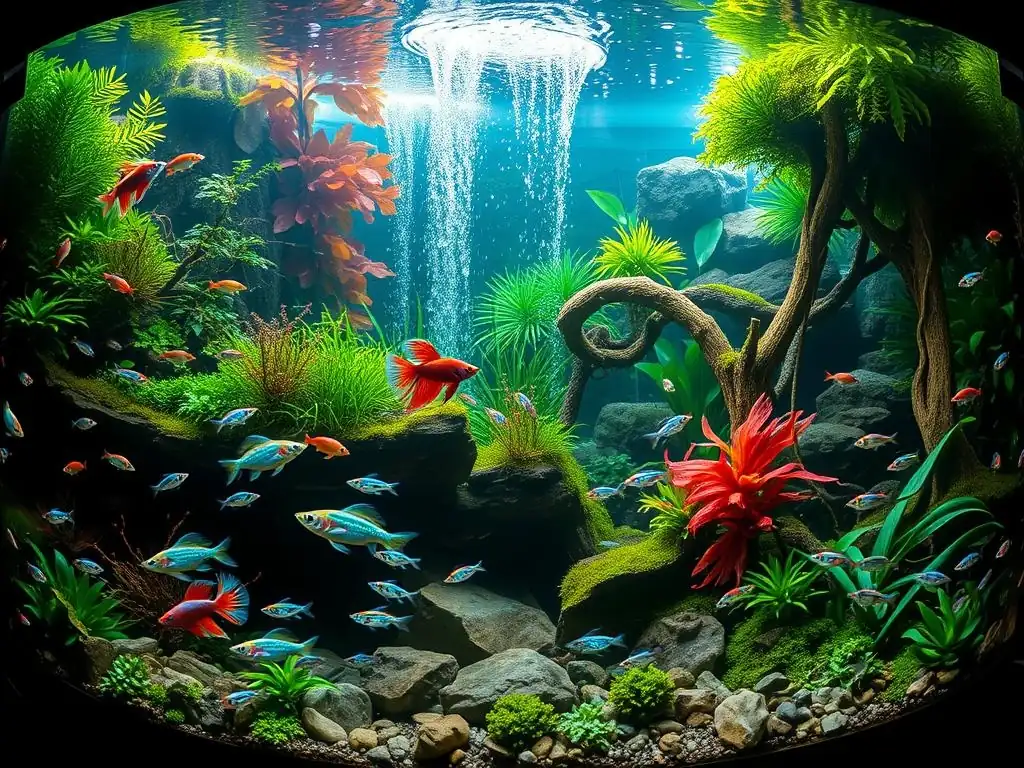
Ever wondered how to keep your livebearer aquarium thriving without being overrun by a constant stream of fry? You're in the right place! Dive in and discover the secrets to humane and effective livebearer population control strategies, ensuring a balanced and beautiful ecosystem for your aquatic companions. Let's explore how to manage your aquarium's inhabitants responsibly.
- Understanding Livebearer Breeding Habits and Population Growth
- Methods for Humanely Managing Livebearer Numbers
- Preventing Unplanned Breeding: Strategies for Long-Term Control
- Ethical Considerations in Livebearer Population Management
- Choosing the Right Livebearer Population Control Method for Your Aquarium
- Troubleshooting Common Issues with Livebearer Population Control
- Long-Term Care and Management of Your Livebearer Aquarium
-
Frequently Asked Questions
- How quickly do livebearers reproduce in an aquarium?
- What are the most humane methods for controlling livebearer populations?
- Can I rely solely on plants to control livebearer populations?
- What are the ethical considerations when dealing with excess livebearer fry?
- Is introducing a predator the best option for livebearer population control?
- Final Reflection: Cultivating Harmony in the Aquarium Ecosystem
- Take Control: Start Your Humane Aquarium Journey Today!
Understanding Livebearer Breeding Habits and Population Growth
The Prolific Nature of Livebearers: Guppies, Mollies, and Platies
Livebearers, including popular species like guppies ( Poecilia reticulata), mollies ( Poecilia sphenops), and platies ( Xiphophorus maculatus), are renowned for their incredible reproductive capabilities. Unlike egg-laying fish, livebearers give birth to fully formed, free-swimming fry, which significantly increases their survival rate compared to eggs or vulnerable larval stages. A single female guppy, for instance, can produce between 20 to 100 or more fry every 20-40 days, depending on environmental conditions and nutrition.
This continuous cycle of reproduction means that a small initial group of livebearers can quickly transform into a densely populated aquarium within a few months. Mollies and platies also exhibit similar prolific breeding patterns, though their brood sizes and gestation periods can vary slightly. Understanding this inherent biological trait is the first crucial step in effective livebearer population control for any aquarium enthusiast, preventing the rapid escalation of numbers that can lead to significant management challenges.
Factors Contributing to Overpopulation in Livebearer Aquariums
Several factors contribute to the rapid overpopulation often observed in livebearer aquariums. Firstly, the absence of natural predators in a typical home aquarium environment means that most fry survive to adulthood. In the wild, a significant portion of fry would be consumed by larger fish or other aquatic organisms, acting as a natural check on population growth. Secondly, stable and optimal water parameters, consistent feeding, and a lack of stress further encourage frequent breeding and high fry survival rates.
Furthermore, many aquarists inadvertently contribute to overpopulation by providing ample hiding spots, such as dense plant cover, which protect the vulnerable fry from being eaten by adult fish, including their own parents. This combination of biological predisposition, a predator-free environment, and ideal living conditions creates a perfect storm for exponential livebearer population growth, making proactive livebearer population control aquarium strategies essential for maintaining a balanced and healthy ecosystem.
Why Control Livebearer Populations? Maintaining a Healthy Aquarium Ecosystem
Controlling livebearer populations is not merely about having fewer fish; it is fundamental to maintaining a healthy, stable, and thriving aquarium ecosystem. Overpopulation leads to a cascade of negative effects that can severely compromise the well-being of all inhabitants. When too many fish are present, the biological filter can become overwhelmed by the increased bioload, leading to elevated levels of ammonia, nitrite, and nitrate – all toxic to fish.
Beyond water quality degradation, overcrowding causes significant stress among fish, making them more susceptible to diseases. Stunted growth, aggressive behaviors due to limited space, and reduced lifespan are common consequences. An effective livebearer population control aquarium strategy ensures that each fish has adequate space, resources, and optimal water conditions, fostering a peaceful environment where fish can grow to their full potential and exhibit natural behaviors, ultimately leading to a more aesthetically pleasing and sustainable aquarium.
Methods for Humanely Managing Livebearer Numbers
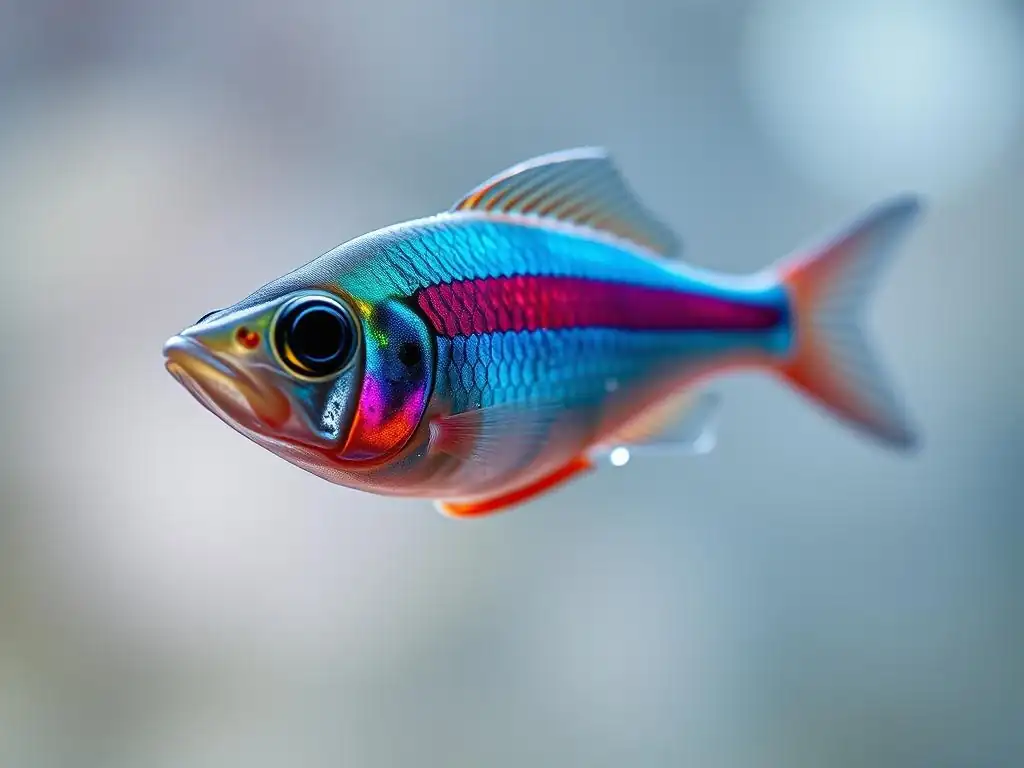
Option 1: Natural Predation - Introducing a Livebearer Predator [Dwarf Gourami]
Natural predation is one method of livebearer population control aquarium enthusiasts can consider, leveraging the food chain to manage fry numbers. Introducing a suitable, larger fish species that preys on livebearer fry can significantly reduce the survival rate of offspring. A common and relatively peaceful option for this role is the Dwarf Gourami ( Trichogaster lalius). These beautiful labyrinth fish are generally docile towards adult livebearers but will readily consume newly born fry, effectively curbing population explosions.
While Dwarf Gouramis can be effective, it's important to understand that they typically only eat fry small enough to fit in their mouths and are not a foolproof solution for complete livebearer population control. They will not hunt down every single fry, especially if there are abundant hiding spots. However, their presence can dramatically reduce the number of fry that reach adulthood, making them a viable component of a multi-faceted livebearer population control aquarium plan.
Considerations for Introducing Predators to Your Aquarium
Before introducing any predator, including a Dwarf Gourami, several critical considerations must be addressed to ensure the well-being of all tank inhabitants. Firstly, tank size is paramount; a Dwarf Gourami requires at least a 10-gallon tank, and larger tanks are always better for community setups, allowing ample space for all fish to establish territories and reduce stress. Compatibility with existing fish is also crucial; while Dwarf Gouramis are generally peaceful, some individual fish can be nippy or territorial.
Secondly, assess the temperament of your existing livebearers. While they are resilient, overly aggressive tank mates can cause stress. The goal of livebearer population control aquarium management through predation is reduction, not annihilation or harm to adult fish. Ensure the predator chosen is not large enough to pose a threat to adult livebearers and that it can thrive in the same water parameters (temperature, pH, hardness) as your current inhabitants.
Ensuring the Predator's Well-being and Compatibility
Ensuring the well-being and compatibility of the introduced predator is just as important as its effectiveness in livebearer population control. A healthy Dwarf Gourami will be active, brightly colored, and exhibit natural behaviors. Provide plenty of hiding spots and visual barriers with plants and decorations to help the Gourami feel secure and reduce potential aggression from other tank mates. Monitor its feeding habits; ensure it's not being outcompeted for food by faster or more aggressive eaters, as a well-fed predator is less likely to hunt fry out of necessity.
Furthermore, routinely check water parameters to ensure they remain within the optimal range for the Dwarf Gourami (e.g., pH 6.0-7.5, temperature 72-82°F or 22-28°C), which generally aligns well with livebearer requirements. Observe interactions between the Gourami and other fish closely for the first few weeks. Any signs of excessive chasing, nipping, or stress (such as clamped fins or hiding constantly) indicate incompatibility, and the Gourami may need to be rehomed. A successful livebearer population control aquarium relies on a harmonious environment for all species involved.
Option 2: Separating Males and Females - The Most Reliable Method
Separating male and female livebearers is unequivocally the most reliable and humane method for livebearer population control in an aquarium. Since livebearers give birth to live young after internal fertilization, preventing males and females from interacting completely eliminates the possibility of breeding. This method offers absolute control over reproduction, ensuring no unwanted fry are produced and allowing you to manage your livebearer numbers precisely.
This approach requires commitment and additional tank space, but it guarantees an end to unexpected population booms. It's particularly effective for aquarists who wish to maintain a specific number of fish or prevent any accidental breeding, providing a definitive solution to the challenge of livebearer population control aquarium management.
Setting Up Separate Tanks for Male and Female Livebearers
To implement the separation method effectively, you will need at least two aquariums: one dedicated to males and another for females. Each tank should be appropriately sized for the number of fish it will house, adhering to the general guideline of at least one gallon per inch of adult fish to avoid overcrowding. For instance, a 10-gallon tank can comfortably house 5-7 adult male guppies, while a similar tank would be suitable for a small group of female guppies.
Ensure both tanks are fully cycled and maintained with identical water parameters to minimize stress during transfer. Provide ample filtration, heating, and decorations in both setups. This permanent separation is the most effective long-term strategy for livebearer population control aquarium management, allowing you to enjoy your livebearers without the constant worry of overpopulation.
Temporary Separation: Using Breeding Boxes or Nets Responsibly
While not a long-term solution for livebearer population control, breeding boxes or nets can be used for very temporary separation, typically to isolate a pregnant female just before birth or to house fry for a short period before rehoming. These small, often plastic, enclosures are placed inside the main aquarium, allowing water circulation. However, their use for extended periods is strongly discouraged due to several significant drawbacks.
Breeding boxes provide extremely limited space, leading to severe stress for the fish confined within them. This stress can weaken their immune system, stunt their growth, and even lead to premature death. Furthermore, the restricted water flow can result in poor water quality within the box itself, accumulating waste. For humane and effective livebearer population control aquarium strategies, permanent separation into adequately sized, dedicated tanks is always the superior choice over temporary, restrictive enclosures.
Option 3: Controlling Food Supply - Impact on Breeding and Fry Survival
Controlling the food supply can indirectly impact livebearer breeding and fry survival. Fish, like most animals, tend to breed more prolifically when food is abundant and readily available, signaling optimal conditions for raising offspring. By slightly reducing the amount of food provided, you can subtly decrease the frequency of breeding and the overall vigor of the fish, which in turn may lead to fewer fry being produced or a lower survival rate among them.
This method does not involve starving the fish but rather feeding just enough to maintain their health without encouraging excessive energy reserves for reproduction. It's a delicate balance and requires careful observation to ensure the fish remain healthy and active. As a livebearer population control aquarium strategy, it's a subtle approach that should be combined with other methods for more significant impact.
The Ethical Considerations of Food Restriction
The ethical considerations surrounding food restriction for livebearer population control are paramount. The goal is to reduce breeding stimuli, not to cause stress, malnutrition, or suffering. Never starve your fish. Underfeeding can lead to stunted growth, weakened immune systems, and increased aggression among tank mates as they compete for scarce resources. It can also cause irreparable damage to their organs and significantly shorten their lifespan.
A responsible approach involves feeding a high-quality diet once a day, only what they can consume in 2-3 minutes, ensuring no food is left to decay. Monitor your fish for signs of hunger, such as excessive scavenging or lethargy. This method should always be approached with caution and combined with other, more direct livebearer population control aquarium techniques to ensure the well-being of your fish remains the top priority.
Supplementing with Live Food to Maintain Fish Health
While reducing overall food portions can help with livebearer population control, it's crucial to ensure your fish receive all necessary nutrients. Supplementing their diet with live or frozen foods, such as brine shrimp, daphnia, or bloodworms, even in smaller quantities, can provide essential vitamins, minerals, and protein that might be lacking in a reduced dry food diet. These foods also stimulate natural hunting behaviors, enriching the fish's environment.
Live foods are particularly beneficial for maintaining the vitality and health of your livebearers, even when aiming to curb breeding. They offer a more complete nutritional profile than flakes alone and can improve coloration and overall vigor. When implementing a livebearer population control aquarium strategy that includes food management, incorporating varied, high-quality live or frozen foods ensures that while breeding might be less frequent, the fish themselves remain in peak condition.
Option 4: Rehoming Livebearers - Finding New Homes for Excess Fish
Rehoming excess livebearers is a highly humane and effective method for livebearer population control. Rather than allowing your tank to become overcrowded or resorting to culling, finding new homes for the offspring ensures their continued well-being. This method requires a bit of effort and networking but is a responsible way to manage the inevitable surplus of fry that prolific livebearers produce.
It's a proactive approach that contributes positively to the aquarium community by providing healthy fish to new enthusiasts or expanding existing collections. For any livebearer population control aquarium plan, rehoming should be considered a primary strategy when other methods aren't sufficient or desired.
Local Fish Stores and Aquarium Clubs: Your Rehoming Resources
Local fish stores are often a valuable resource for rehoming excess livebearers. Many stores will accept healthy, well-conditioned fish, sometimes offering store credit in exchange. It's advisable to call ahead and inquire about their policies and current needs. Ensure your fish are free of disease and well-fed before offering them. Aquarium clubs and societies are another excellent avenue; these communities are typically passionate about the hobby and often have members looking for new fish or willing to take in surplus.
Online forums dedicated to aquarists, particularly local or regional groups, can also connect you with individuals seeking livebearers. Always prioritize the health and safety of the fish, ensuring they go to knowledgeable and responsible homes. These resources make livebearer population control aquarium management much more manageable and ethical.
Responsibly Donating or Selling Livebearers
When donating or selling livebearers, responsibility is key. Ensure the fish are healthy, active, and free from any signs of disease (e.g., fin rot, ich, clamped fins). Transport them in clean, appropriately sized bags with enough water and air to minimize stress during transit. If selling, set a fair price that reflects the effort you've put into raising them, but prioritize finding them good homes over maximizing profit.
Be transparent about their care requirements and any specific traits of the species or strain. Providing basic care sheets or advice to new owners can also be helpful. By responsibly donating or selling your livebearers, you contribute to the sustainability of the hobby and ensure your livebearer population control aquarium efforts are truly humane and beneficial for the fish involved.
Preventing Unplanned Breeding: Strategies for Long-Term Control
Plant Density and Fry Survival Rates: Creating a Balanced Environment
The density of aquarium plants plays a significant role in livebearer population control by directly influencing fry survival rates. Densely planted tanks, especially those with fine-leaved plants like Java moss ( Taxiphyllum barbieri), hornwort ( Ceratophyllum demersum), or floating plants like dwarf water lettuce ( Pistia stratiotes), offer abundant hiding spots for newborn fry. These safe havens protect them from predation by adult fish, including their own parents, thus increasing the number of fry that survive to maturity.
Conversely, a sparsely planted tank with fewer hiding spots will naturally lead to a higher rate of fry consumption by adult fish. While this can contribute to livebearer population control, it's crucial to balance this with the overall well-being of the tank. Plants are vital for oxygenation, water quality, and providing enrichment. Therefore, strategically managing plant density—perhaps by having some areas of dense growth for beneficial bacteria and aesthetics, but fewer overall hiding spots for fry—can be a subtle yet effective part of a livebearer population control aquarium strategy.
Regular Aquarium Maintenance: Reducing Fry Survival Opportunities
Regular aquarium maintenance, while primarily focused on water quality, also indirectly impacts livebearer population control. Consistent and thorough tank cleaning, including vacuuming the substrate and cleaning filters, removes detritus, uneaten food, and can even inadvertently remove some newly born fry before they can find hiding spots. While not a primary method, this routine activity contributes to an environment less conducive to mass fry survival.
Furthermore, stable and pristine water conditions, while generally beneficial, can also encourage breeding. By maintaining a clean tank and performing regular water changes (e.g., 25% weekly), you keep parameters consistent, which supports healthy fish but also their reproductive drive. Therefore, while crucial for fish health, maintenance is a background factor in livebearer population control aquarium efforts, best combined with more direct methods.
Understanding Water Parameters and Their Impact on Breeding [Temperature, pH, and Hardness]
Water parameters such as temperature, pH, and hardness significantly influence the breeding frequency and success of livebearers. Generally, livebearers breed most prolifically in warmer temperatures, typically between 75-80°F (24-27°C), as higher temperatures increase metabolism and accelerate gestation. While maintaining species-appropriate temperatures is vital for health, keeping the temperature at the lower end of their acceptable range (e.g., 72-74°F or 22-23°C for guppies) can subtly reduce breeding frequency without harming the fish.
Similarly, livebearers prefer slightly alkaline to hard water (pH 7.0-8.0, GH 10-25 dGH). Maintaining parameters within their preferred range encourages breeding. However, slight variations within healthy limits or keeping them at the less optimal end of their range for breeding (e.g., slightly softer water if they prefer hard) can sometimes reduce breeding vigor. This method for livebearer population control aquarium management is nuanced and should only be attempted by experienced aquarists who can ensure fish health is not compromised. Drastic changes or unsuitable parameters will stress fish and lead to disease, not humane population control.
Ethical Considerations in Livebearer Population Management
The Importance of Humane Treatment and Responsible Ownership
Humane treatment and responsible ownership are the cornerstones of all livebearer population control aquarium strategies. Our responsibility as aquarists extends beyond simply keeping fish alive; it includes ensuring their quality of life, minimizing stress, and preventing suffering. This means choosing control methods that prioritize the fish's well-being above convenience or efficiency. Intentional neglect, starvation, or culling without proper, humane methods are unethical and should be strictly avoided.
Responsible ownership also entails understanding the prolific nature of livebearers before acquiring them and having a plan in place for managing their offspring. This foresight prevents situations where overpopulation becomes unmanageable, leading to desperate and often inhumane measures. Every decision in livebearer population control must be guided by compassion and a commitment to the welfare of these fascinating creatures.
Avoiding Overcrowding and Its Negative Effects on Fish Health
Avoiding overcrowding is perhaps the most critical ethical consideration in livebearer population management. An overcrowded aquarium is a breeding ground for stress, disease, and poor water quality, severely compromising the health and lifespan of all inhabitants. When fish are too numerous for their tank volume, competition for food, space, and oxygen intensifies, leading to heightened aggression, fin nipping, and stunted growth.
The increased bioload from too many fish rapidly depletes oxygen, elevates ammonia and nitrite levels to toxic concentrations, and causes a dangerous accumulation of nitrates. These conditions weaken fish immune systems, making them highly susceptible to bacterial infections, parasites, and fungal diseases. Therefore, proactively implementing livebearer population control aquarium methods is not just about aesthetics; it's a fundamental ethical obligation to provide a healthy, stress-free environment for your aquatic pets.
Recognizing the Signs of Stress and Adjusting Your Approach
Being able to recognize the signs of stress in your livebearers is crucial for ethical livebearer population control. Stressed fish may exhibit clamped fins, rapid gilling, faded coloration, erratic swimming, hiding excessively, or refusing to eat. These behaviors indicate that something is wrong with their environment or the chosen control method. For example, if a predator fish is causing too much distress to adult livebearers, or if food restriction is leading to lethargy, adjustments are immediately necessary.
It is imperative to observe your fish daily and be prepared to modify your livebearer population control aquarium strategy if signs of stress appear. This might mean increasing food slightly, removing a predator, or re-evaluating tank capacity. A humane approach prioritizes the immediate health and comfort of the fish, demonstrating true responsible ownership.
Choosing the Right Livebearer Population Control Method for Your Aquarium
Assessing Your Tank Size and Existing Fish Community
Choosing the most appropriate livebearer population control method begins with a thorough assessment of your existing aquarium setup. Tank size is a primary determinant; a small 10-gallon tank has very different management capabilities than a large 50-gallon one. Larger tanks offer more flexibility for introducing predator species without causing overcrowding, or for establishing separate sections if you choose to divide sexes.
Equally important is understanding your existing fish community. Are there other species present? What are their temperament and size? Introducing a Dwarf Gourami, for example, would be unsuitable if you already have highly aggressive fish or very small, delicate species that could be targeted. A comprehensive understanding of your current livebearer population control aquarium environment is key to selecting a method that integrates seamlessly and ethically.
Evaluating Your Commitment to Each Control Method
The effectiveness of any livebearer population control strategy is directly tied to your commitment to its implementation. Methods like permanent male-female separation require significant dedication, including maintaining two separate tanks, which means double the equipment, double the water changes, and double the daily care. Are you prepared for this level of ongoing commitment?
Conversely, relying solely on natural predation or subtle food restriction might be less demanding but also less effective in preventing population booms. Evaluate your time, resources, and willingness to perform the necessary tasks associated with each method. A realistic assessment of your commitment ensures that the chosen livebearer population control aquarium method is sustainable and humane in the long run.
Combining Methods for Optimal and Humane Population Management
For optimal and humane livebearer population control, combining multiple methods often yields the best results. A multi-faceted approach addresses various aspects of breeding and fry survival, providing more comprehensive management than any single method alone. For instance, you might decide to keep a slightly lower temperature (within the safe range) to subtly reduce breeding frequency.
Simultaneously, you could introduce a Dwarf Gourami to help manage fry numbers, and actively rehome any remaining surplus offspring through local fish stores or clubs. This integrated livebearer population control aquarium strategy allows for more effective management while distributing the effort and impact across several humane techniques, ensuring a balanced and healthy environment for your livebearers.
Troubleshooting Common Issues with Livebearer Population Control
Unintentional Breeding Despite Separation Efforts
Even with diligent separation efforts, unintentional breeding can sometimes occur, a common frustration in livebearer population control aquarium management. This often happens due to misidentification of sexes, especially with juvenile fish whose gonopodium (the modified anal fin in males) may not be fully developed. Some livebearer species can also store sperm for several months, meaning a female separated from males can still give birth to multiple broods over time from previous encounters.
To troubleshoot, carefully re-examine all fish to ensure accurate sexing, paying close attention to fin shapes. If sperm retention is the cause, simply continue with the separation; eventually, the stored sperm will be used up. In rare cases, fry might somehow transfer between tanks if filtration systems are shared or if they are accidentally scooped during maintenance. Double-check all equipment and procedures to prevent any unintended transfers, ensuring your livebearer population control aquarium strategy remains effective.
Predator Fish Not Eating Fry [Reasons and Solutions]
If your chosen predator fish, such as a Dwarf Gourami, is not eating livebearer fry as expected, there are several common reasons and potential solutions. The most frequent reason is that the predator is simply too well-fed on other foods. If the Gourami has easy access to flakes or pellets, it may have little incentive to actively hunt down fast-moving fry. Solution: Slightly reduce the amount of primary food offered, ensuring the Gourami remains healthy but has a stronger natural drive to seek out fry.
Another factor could be the density of hiding spots for the fry. If your tank is heavily planted with fine-leaved plants, the fry might be too well-hidden for the predator to find them effectively. Solution: While plants are good, consider thinning out some of the densest fry-hiding areas. Lastly, individual fish temperament varies; some Dwarf Gouramis are naturally more predatory than others. If after adjusting feeding and habitat, the Gourami still shows no interest, it might simply not be a good fry-eater, and you may need to consider alternative livebearer population control aquarium methods or rehome the Gourami.
Maintaining Water Quality During Population Control Measures
Maintaining pristine water quality is paramount, especially when implementing livebearer population control measures. Overpopulation, even temporarily, significantly increases the bioload, leading to rapid accumulation of ammonia, nitrite, and nitrate. If you are experimenting with livebearer population control aquarium methods that involve a slight reduction in food, it's crucial to monitor water parameters even more closely, as this can affect the overall health of the fish.
Regular and consistent water testing (at least weekly) for ammonia, nitrite, and nitrate is essential. Be prepared to perform more frequent or larger water changes (e.g., 30-50% twice a week instead of 25% once a week) if parameters begin to spike. Ensure your filtration system is adequately sized for the current bioload. A healthy, well-maintained environment is fundamental to the success of any livebearer population control strategy and the overall well-being of your fish.
Long-Term Care and Management of Your Livebearer Aquarium
Regular Health Checks and Disease Prevention
Long-term care of a livebearer aquarium, especially one focused on livebearer population control, necessitates regular health checks and proactive disease prevention. Daily observation of your fish is critical: look for signs of stress or illness such as clamped fins, lethargy, loss of appetite, unusual spots, frayed fins, or abnormal swimming patterns. Early detection of disease allows for prompt treatment, which significantly increases the chances of recovery and prevents outbreaks from spreading throughout the tank.
Maintaining stable and appropriate water parameters, providing a varied and nutritious diet, and avoiding overcrowding are the best preventative measures. Quarantining new fish for 2-4 weeks before introducing them to the main tank is also a vital step to prevent the introduction of pathogens. A vigilant approach to fish health is central to the overall success and sustainability of your livebearer population control aquarium.
Maintaining a Balanced Ecosystem for Happy and Healthy Fish
Maintaining a balanced ecosystem is the ultimate goal of any livebearer population control aquarium. This involves more than just managing fish numbers; it encompasses providing an optimal environment where all elements work in harmony. A balanced ecosystem includes appropriate tank size, efficient filtration, stable water parameters, adequate lighting for plants, and a diverse community of compatible inhabitants.
Plants contribute to oxygenation and nutrient absorption, while beneficial bacteria in the filter convert harmful waste products. Regular maintenance, including water changes and substrate vacuuming, removes accumulating nitrates and detritus. By focusing on creating a thriving, self-sustaining environment, you reduce stress on your livebearers, enhance their natural behaviors, and minimize the need for drastic interventions, fostering truly happy and healthy fish.
Continuing Education and Responsible Fishkeeping Practices
The world of aquarium keeping is constantly evolving, and responsible fishkeeping practices require a commitment to continuing education. Stay informed about the specific needs of your livebearer species, new methods for livebearer population control, and advancements in aquarium technology and fish health. Read reputable articles (like those on Aquarium Mastery! ), join online forums, and connect with experienced aquarists.
Understanding the nuances of water chemistry, fish behavior, and disease management will empower you to make informed decisions and adapt your livebearer population control aquarium strategies as needed. Responsible fishkeeping is an ongoing journey of learning and adaptation, ensuring that you provide the best possible care for your aquatic companions throughout their lives.
Frequently Asked Questions
How quickly do livebearers reproduce in an aquarium?
Livebearers, such as guppies and mollies, reproduce very quickly. They can give birth every 20-30 days, leading to a rapid increase in population within your aquarium if left unchecked. It's crucial to understand this rapid breeding cycle for effective population control.
What are the most humane methods for controlling livebearer populations?
Humane methods include separating males and females, using a second tank, or introducing a natural predator that will consume some of the fry. Avoid drastic measures like overcrowding or deliberately neglecting the fry.
Can I rely solely on plants to control livebearer populations?
While dense plants provide refuge for some fry, they are generally not sufficient to completely control the population. Some fry will still survive, leading to continued, albeit slower, population growth. Plants are more of a supplemental measure.
What are the ethical considerations when dealing with excess livebearer fry?
Ethically, it's important to consider the well-being of all the fish. Finding suitable homes for excess fry or rehoming them to responsible aquarists is a good option. Avoid releasing them into the wild as this can harm local ecosystems.
Is introducing a predator the best option for livebearer population control?
Introducing a predator can be an effective method, but it's crucial to choose one compatible with your aquarium's size and the other fish. Research the predator's temperament and needs to ensure a balanced and healthy ecosystem.
Final Reflection: Cultivating Harmony in the Aquarium Ecosystem
The insights shared in this article, focused on responsible livebearer population control, resonate deeply within the current aquarium hobby. Overpopulation can quickly transform a tranquil underwater world into a stressful environment for all inhabitants, highlighting the urgent need for ethical and effective management strategies. Understanding and implementing these methods is not just about maintaining a beautiful tank; it's about upholding our responsibility as stewards of these delicate ecosystems.
This topic has profoundly shaped, and continues to shape, the way we approach aquarium keeping. It encourages a shift from passive observation to active participation in maintaining a balanced and healthy environment for our aquatic companions. The greatness of a nation and its moral progress can be judged by the way its animals are treated.
- Mahatma Gandhi. This quote, while broad, underscores the ethical considerations that should guide our actions, even within the seemingly small world of a home aquarium.
Now, take a moment to reflect on your own role in the aquarium ecosystem. Consider how you can apply these principles of humane population control to not only manage your livebearer populations but also to foster a more thoughtful and compassionate approach to all aspects of aquarium keeping. Let us all strive to create thriving, balanced environments where every creature can flourish.
Take Control: Start Your Humane Aquarium Journey Today!
Thank you for diving into the world of responsible livebearer care! We hope this article has empowered you with the knowledge to maintain a healthy and balanced aquarium ecosystem. Now, let's put that knowledge into action:
- Prioritize your fishes happiness by setting up a separate tank for the fry, ensuring their well-being while preventing overpopulation.
- Share this article with fellow aquarium enthusiasts to spread awareness about humane livebearer population control.
- Explore the Aquarium Mastery community forums to discuss your experiences and learn from other aquarists who are facing the same challenges.
What specific steps will you take this week to ensure your livebearer population remains manageable and your aquarium thrives?