
LongTerm Success: Maintaining Thriving Cardinalfish and Anthias Schools for Years

Welcome to Aquarium Mastery!
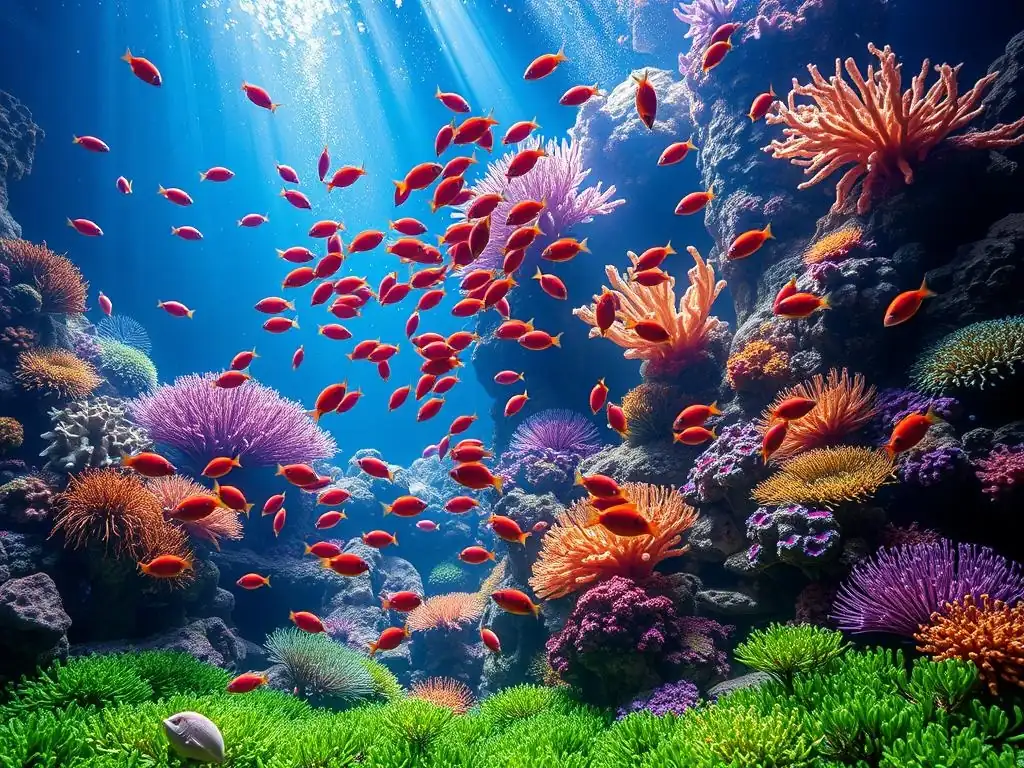
Ever wondered how to keep those vibrant cardinalfish and anthias schools thriving in your saltwater aquarium, not just for months, but for years? Unlock the secrets to long-term success with these captivating species. Dive in to discover everything you need to know about their specific care requirements, from optimal water parameters to compatible tank mates, and transform your aquarium into a flourishing underwater paradise. What are you waiting for to master the art of cardinalfish and anthias care?
- Long-Term Success: Maintaining Thriving Banggai Cardinalfish and Lyretail Anthias Schools for Years
- Understanding Banggai Cardinalfish and Lyretail Anthias: Key to Long-Term Aquarium Success
- Setting Up Your Aquarium for Banggai Cardinalfish and Lyretail Anthias: Creating a Thriving Habitat
- Banggai Cardinalfish and Lyretail Anthias Care: Feeding, Maintenance, and Disease Prevention
- Maintaining a Stable School: Promoting Social Harmony in Banggai Cardinalfish and Lyretail Anthias
- Long-Term Strategies for Banggai Cardinalfish and Lyretail Anthias: Ensuring a Thriving Aquarium
- Advanced Banggai Cardinalfish Keeping: Breeding and Propagation [Optional Section]
-
Frequently Asked Questions
- What are the primary differences in care requirements between Cardinalfish and Anthias in a reef aquarium?
- How frequently should I feed Cardinalfish and Anthias to ensure their long-term health?
- What are the most common health problems affecting Cardinalfish and Anthias, and how can I prevent them?
- What size aquarium is recommended for keeping a school of Cardinalfish and a group of Anthias together?
- What water parameters are crucial for the long-term success of Cardinalfish and Anthias?
- Final Reflection: Sustaining the Reef's Harmony
- Ignite Your Reef Tank's Brilliance!
Long-Term Success: Maintaining Thriving Banggai Cardinalfish and Lyretail Anthias Schools for Years
Understanding Banggai Cardinalfish and Lyretail Anthias: Key to Long-Term Aquarium Success
The Appeal of Schooling Fish: Banggai Cardinalfish and Lyretail Anthias in Reef Tanks
The dynamic presence of schooling fish profoundly transforms a reef aquarium, bringing a sense of natural vitality and continuous motion. Banggai Cardinalfish and Lyretail Anthias, in particular, are prized for their ability to create mesmerizing displays, with groups moving in synchronized patterns that mimic their wild counterparts. This natural schooling behavior not only adds visual intrigue but also contributes to a more natural and stimulating environment within the confines of a home aquarium, making them highly sought after for a captivating reef tank.
Beyond their coordinated movements, these species enhance the aesthetic and ecological balance of a reef tank in distinct ways. Banggai Cardinalfish, with their striking monochrome patterns and elongated fins, offer a sophisticated elegance as they hover gracefully, often in shaded areas. Lyretail Anthias, on the other hand, provide bursts of vibrant orange, pink, and yellow, constantly darting through the water column, adding an energetic splash of color. Together, they create a diverse visual tapestry that captivates observers and exemplifies the beauty achievable with dedicated cardinalfish and anthias care.
Banggai Cardinalfish and Lyretail Anthias Species: Choosing the Right Fish for Your Aquarium
The Banggai Cardinalfish ( Pterapogon kauderni) is a unique and charismatic species, reaching an adult size of approximately 3 inches (7.5 cm). Native to the Banggai Archipelago in Indonesia, these peaceful fish are known for their distinctive black and white striped patterns and are one of the few marine fish that are mouthbrooders. They are relatively docile, making them suitable for community reef tanks, and their moderate activity level means they do not require exceptionally large swimming spaces, often preferring to hover near rockwork or tall plants.
In contrast, the Lyretail Anthias ( Pseudanthias squamipinnis) is a more active and larger species, with males reaching up to 6 inches (15 cm) and females typically smaller. Originating from the Indo-Pacific, these fish are renowned for their brilliant, sexually dimorphic coloration – males boast vibrant purple and orange hues with an elongated caudal fin, while females are predominantly orange-yellow. Lyretail Anthias are active planktivores that thrive in harems and require constant feeding and ample swimming room, presenting a different set of challenges and rewards for dedicated cardinalfish and anthias care.
Meeting the Specific Needs of Banggai Cardinalfish and Lyretail Anthias: A Foundation for Longevity
Successful long-term cardinalfish and anthias care hinges on understanding and consistently meeting their specific environmental and dietary requirements. Both species demand pristine water quality, with stable parameters being paramount for their health and longevity. They are particularly sensitive to elevated nitrates and phosphates, which can lead to stress, disease, and faded coloration. Regular monitoring and maintenance are non-negotiable for their well-being.
While both are reef-safe, their daily needs diverge significantly. Lyretail Anthias possess a very high metabolism and, in their natural habitat, feed almost continuously on zooplankton. This necessitates multiple small feedings (3-5 times daily) in captivity to prevent starvation and maintain their vibrant colors. Banggai Cardinalfish, while also carnivorous, have a more moderate feeding requirement, typically needing 2-3 feedings per day. Recognizing these differences in their metabolic rates and activity levels is crucial for tailoring a successful care regimen.
Setting Up Your Aquarium for Banggai Cardinalfish and Lyretail Anthias: Creating a Thriving Habitat
Tank Size and Aquascaping: Providing Ample Space and Hiding Places
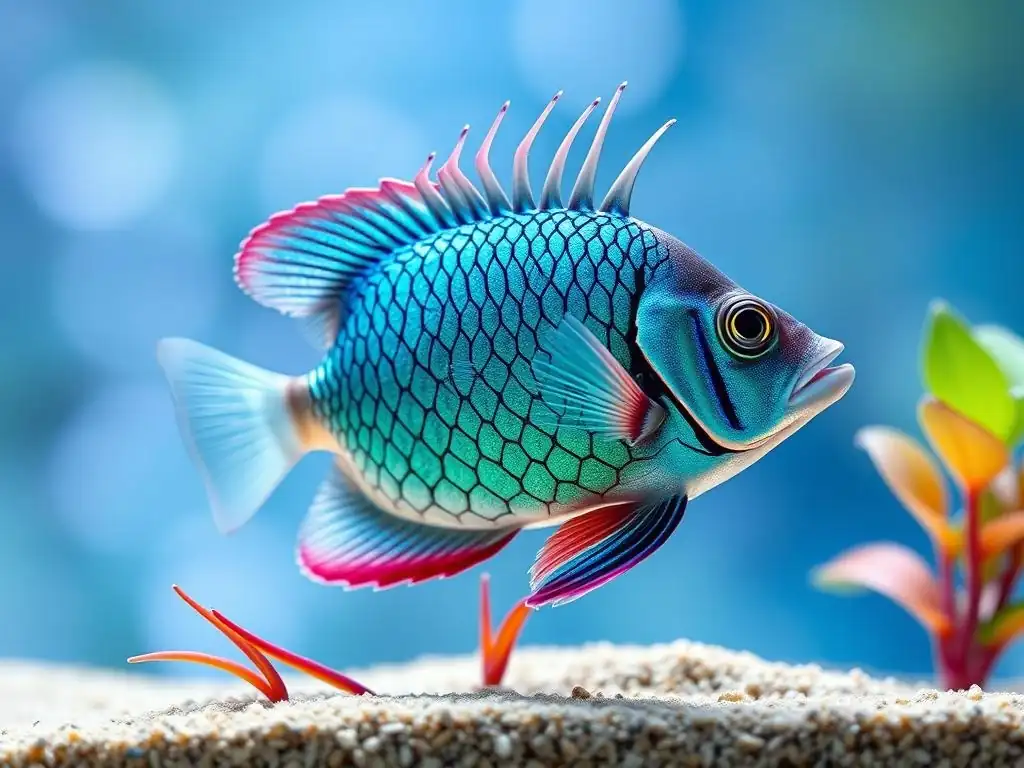
Selecting the appropriate tank size is fundamental for the long-term success of both Banggai Cardinalfish and Lyretail Anthias. For a small school of 6-8 Banggai Cardinalfish, a minimum tank size of 50 gallons is generally recommended, providing sufficient space for their schooling behavior and individual territories, though they can exist in smaller tanks, a larger volume offers greater stability. Lyretail Anthias, due to their active nature and haremic social structure, require significantly more space; a group of one male and 5-7 females ideally needs a minimum of 75-100 gallons, emphasizing horizontal swimming room.
Aquascaping should cater to the distinct preferences of each species while fostering a harmonious environment. Banggai Cardinalfish benefit greatly from intricate rockwork that forms caves, overhangs, and shaded areas, offering secure hiding spots and places to retreat. Lyretail Anthias, conversely, need expansive open swimming areas in the mid-to-upper water column, but also require plenty of live rock with numerous crevices and holes where they can retreat for sleep or safety, especially the females within a harem. A well-designed aquascape enhances both their physical health and psychological well-being, integral to comprehensive cardinalfish and anthias care.
Water Parameters for Banggai Cardinalfish and Lyretail Anthias: Maintaining Stability
Maintaining stable and appropriate water parameters is the cornerstone of successful cardinalfish and anthias care. For both species, ideal salinity should range from 1.023 to 1.026 specific gravity, with a consistent temperature between 74-78°F (23-26°C). The pH should be maintained within the reef-safe range of 8.1-8.4. Crucially, ammonia and nitrite levels must always be undetectable (0 ppm), as even trace amounts are highly toxic to these sensitive marine fish.
Beyond the basic parameters, attention to reef chemistry is vital for a thriving environment, even if the fish themselves don't directly consume these elements. Alkalinity should be maintained between 8-12 dKH, calcium at 400-450 ppm, and magnesium at 1300-1400 ppm. Elevated nitrates, ideally below 10 ppm, and phosphates, aiming for less than 0.03 ppm, are detrimental to overall water quality and can stress these fish, making them susceptible to disease. Regular testing and consistent water changes are essential to prevent parameter fluctuations.
Essential Equipment for a Banggai Cardinalfish and Lyretail Anthias Reef Aquarium: Filtration, Lighting, and Flow
A robust filtration system is non-negotiable for an aquarium housing Banggai Cardinalfish and Lyretail Anthias, particularly given the latter's heavy feeding habits. A combination of live rock for biological filtration, a powerful protein skimmer rated for at least 2-3 times the tank's actual volume, and mechanical filtration (like filter socks or sponges) is highly recommended. A refugium can also be a valuable addition, aiding in nitrate export and cultivating beneficial microfauna.
Regarding lighting and flow, careful consideration is needed to cater to both species. While Banggai Cardinalfish prefer areas with moderate to low water movement, often hovering in calmer zones, Lyretail Anthias thrive in moderate to high flow, mimicking their natural surge zone habitats where they feed on passing plankton. Therefore, a well-designed aquarium should incorporate powerheads that create varied flow patterns, offering both turbulent and calmer regions. Lighting for these fish is less about intensity and more about providing a natural day-night cycle, with typical reef tank lighting being more than sufficient.
Banggai Cardinalfish and Lyretail Anthias Care: Feeding, Maintenance, and Disease Prevention
Nutritional Needs of Banggai Cardinalfish and Lyretail Anthias: Ensuring a Balanced Diet
Providing a diverse and appropriate diet is paramount for the long-term health and vibrancy of both Banggai Cardinalfish and Lyretail Anthias. Banggai Cardinalfish are carnivorous and will readily accept a variety of frozen foods. Their diet should consist of high-quality frozen mysis shrimp, enriched brine shrimp, finely chopped krill, and small, high-quality marine pellets. Feeding them 2-3 times per day is generally sufficient to meet their metabolic needs and ensure optimal health.
Lyretail Anthias, as highly active planktivores, have a significantly higher metabolic rate and require much more frequent feeding. In the wild, they feed almost constantly, darting to capture zooplankton. In captivity, this translates to feeding them small amounts of food 3-5 times a day, or even more for very active schools. Their diet should include a variety of frozen foods such as enriched brine shrimp, mysis shrimp, cyclop-eeze, and finely chopped marine preparations. This consistent and frequent feeding is a critical component of successful cardinalfish and anthias care and is essential for preventing starvation and maintaining their brilliant coloration.
Regular Water Changes and Tank Maintenance for Optimal Health
Consistent and diligent water changes are a cornerstone of effective cardinalfish and anthias care, directly impacting the longevity and health of these sensitive fish. Performing regular 10-20% weekly or bi-weekly water changes with high-quality RODI (Reverse Osmosis Deionized) water mixed with a reputable marine salt mix is crucial. This practice not only replenishes essential trace elements but, more importantly, dilutes accumulating nitrates, phosphates, and other undesirable byproducts that can stress the fish and lead to poor water quality.
Beyond water changes, routine tank maintenance is vital. This includes daily or every-other-day cleaning of the protein skimmer collection cup, replacing filter socks every few days, and siphoning detritus from the sump or sand bed as needed. Regularly scraping algae from the glass and inspecting equipment for proper function also contribute significantly to maintaining a pristine environment. These proactive measures prevent water quality degradation and ensure that the delicate balance required for thriving Banggai Cardinalfish and Lyretail Anthias is consistently upheld.
Identifying and Treating Common Banggai Cardinalfish and Lyretail Anthias Diseases: A Proactive Approach
Despite diligent cardinalfish and anthias care, these fish can still be susceptible to common marine diseases, particularly if stressed by poor water quality or aggressive tank mates. Ich ( Cryptocaryon irritans) and Marine Velvet ( Amyloodinium ocellatum) are two of the most prevalent parasitic infections. Symptoms often include white spots (Ich) or a dusty film (Velvet) on the body and fins, rapid breathing, flashing (scratching against decor), and lethargy. Bacterial infections, often manifesting as fin rot or cloudy eyes, can also occur, especially in compromised fish.
A proactive approach to disease prevention is far more effective than treatment. Always quarantine new fish for a minimum of 4 weeks in a separate tank before introducing them to the main display. This allows for observation and treatment without risking the entire tank. If disease does occur, treatment should ideally take place in a hospital tank using appropriate medications such as copper-based treatments for parasites or broad-spectrum antibiotics for bacterial infections. Maintaining stable water parameters and providing a nutritious diet are the best defenses against illness, strengthening their immune systems.
School Size and Compatibility: Avoiding Aggression and Stress
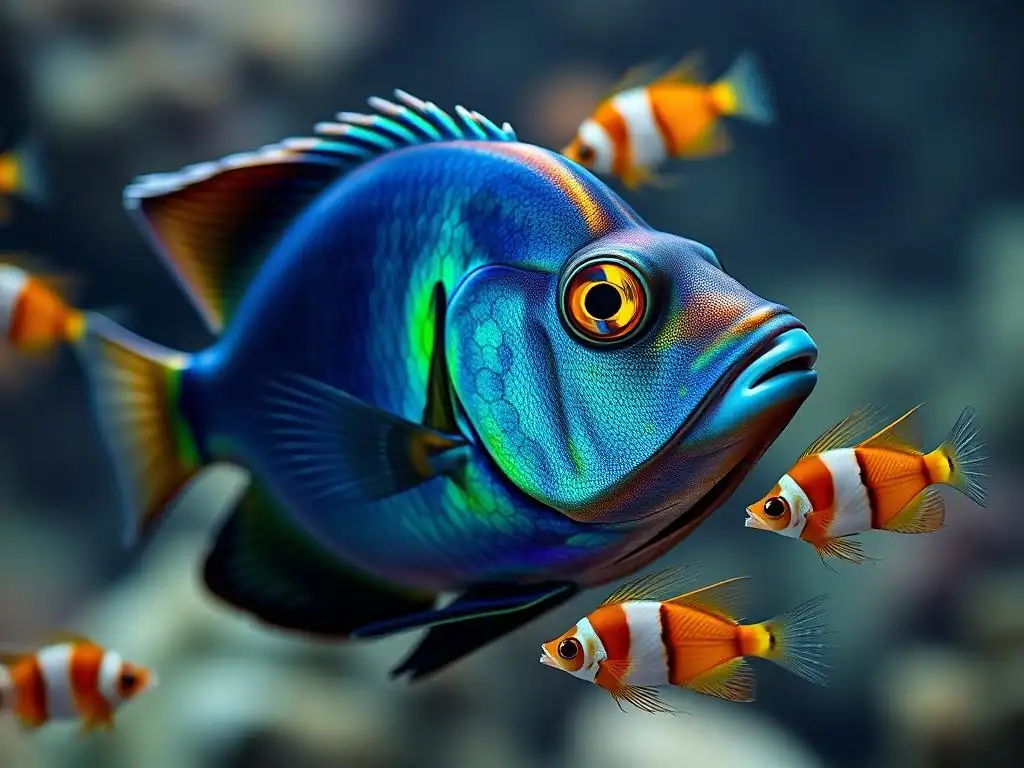
Establishing the correct school size and ensuring compatibility are critical aspects of promoting social harmony in Banggai Cardinalfish and Lyretail Anthias. Banggai Cardinalfish are generally peaceful and can be kept in small groups of 6 or more, or as a mated pair. While they appreciate company, overcrowding can lead to subtle stress.
Lyretail Anthias, however, are haremic, meaning one male should be housed with multiple females (typically 5-7). Introducing more than one male to a standard home aquarium can lead to intense aggression, often resulting in the death of subordinate males, unless the tank is exceptionally large (over 180 gallons) with ample visual breaks.
Choosing appropriate tank mates is equally important for avoiding aggression and stress. Both species are relatively peaceful and should not be housed with large, overly aggressive, or highly predatory fish that might intimidate them or outcompete them for food. Good tank mates include smaller, docile wrasses, gobies, blennies, and other peaceful reef inhabitants. Careful observation of interactions, particularly during feeding times, is essential to ensure that all fish are thriving and that the social dynamics remain stable, which is a key part of long-term cardinalfish and anthias care.
Introducing New Fish to the School: Minimizing Disruption
Introducing new Banggai Cardinalfish or Lyretail Anthias to an existing school requires careful planning to minimize disruption and stress. After a thorough quarantine period (at least 4 weeks) in a separate hospital tank, the new fish should be drip acclimated to the main tank's water parameters over 1-2 hours to prevent osmotic shock. Dimming the aquarium lights during and immediately after introduction can help reduce initial aggression from established inhabitants, allowing the new fish to explore their surroundings with less intimidation.
For Lyretail Anthias, adding multiple females simultaneously can sometimes help diffuse aggression from an established male, as his attention is spread among several new individuals rather than focused on just one. Observing the tank closely for the first few days is crucial. Signs of excessive bullying or stress, such as clamped fins, hiding constantly, or refusal to eat, may necessitate temporary removal of the new fish or the aggressor to a separate tank to allow for re-introduction later or to consider alternative tank mates. Patience and observation are vital for successful integration into a stable school.
Observing Behavior: Recognizing Signs of Stress or Illness in Schooling Fish
Regular and attentive observation of your Banggai Cardinalfish and Lyretail Anthias is perhaps the most powerful tool in proactive cardinalfish and anthias care. Normal behavior for Banggai Cardinalfish involves slow, deliberate movements, often hovering in shaded areas or among rockwork, occasionally darting for food. Lyretail Anthias, conversely, are typically very active, constantly swimming in the mid-to-upper water column, exhibiting quick, darting movements as they forage. Both species should display vibrant coloration, clear eyes, and intact fins.
Any deviation from these normal behaviors can be a critical indicator of stress or illness. Signs to watch for include excessive hiding (especially for anthias), clamped fins held close to the body, rapid or labored breathing, fading or dull coloration, refusing to eat, scratching or "flashing" against decor, or unusual swimming patterns (e.g., erratic movements, listing). Early detection of these subtle changes allows for prompt intervention, whether it's addressing water quality issues, adjusting social dynamics, or initiating disease treatment, significantly improving the chances of a positive outcome.
Long-Term Strategies for Banggai Cardinalfish and Lyretail Anthias: Ensuring a Thriving Aquarium
Preventing Common Issues: Proactive Banggai Cardinalfish and Lyretail Anthias Care
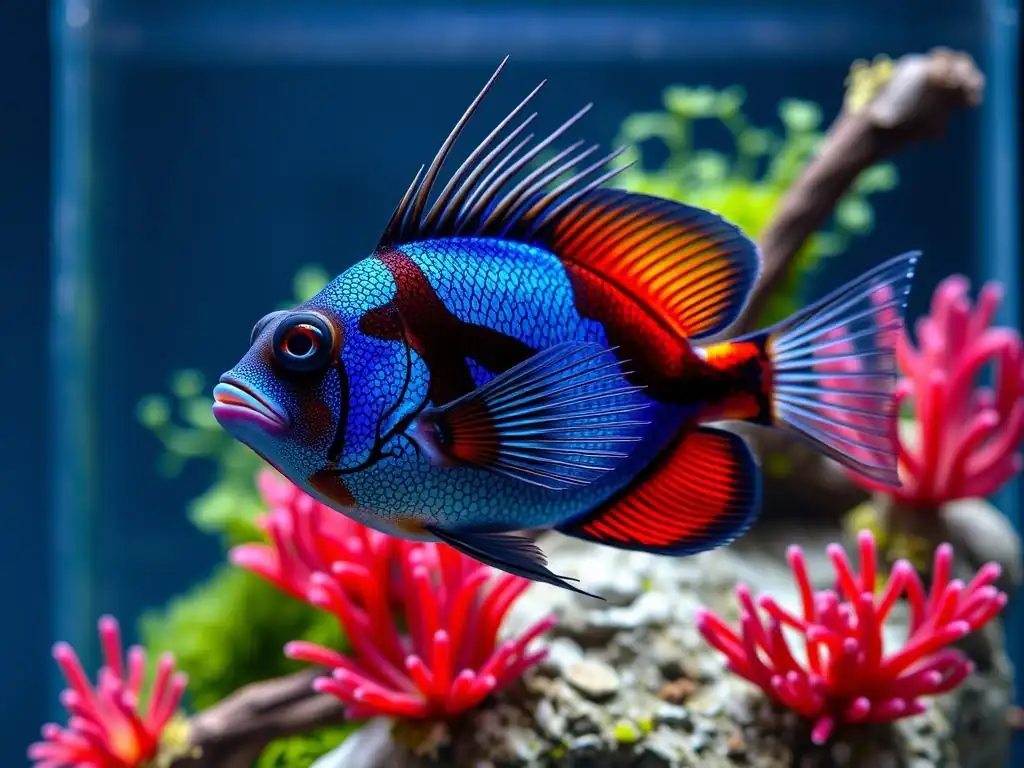
Long-term success in cardinalfish and anthias care is built on a foundation of proactive prevention rather than reactive problem-solving. Beyond the routine water changes and parameter checks, implementing continuous nutrient export methods is crucial. Integrating a well-maintained refugium into your sump can provide a natural means of nitrate and phosphate reduction by cultivating macroalgae, while also fostering beneficial microfauna that can serve as a supplemental food source. Ensuring your heating and cooling systems are reliable and equipped with controllers prevents dangerous temperature swings.
Furthermore, always using RODI (Reverse Osmosis Deionized) water for all top-offs and water changes eliminates the introduction of harmful contaminants like chlorine, chloramines, and heavy metals present in tap water, which can silently stress fish over time. Consistent feeding schedules with high-quality, varied foods not only meet their nutritional needs but also bolster their immune systems, making them more resilient to potential stressors and pathogens. These preventative measures create a stable and healthy environment, minimizing the likelihood of common issues.
Addressing Algae Blooms and Water Quality Problems
Algae blooms and deteriorating water quality are common challenges in reef aquariums, and their prompt resolution is vital for the health of Banggai Cardinalfish and Lyretail Anthias. Algae blooms, whether green hair algae, diatoms, or cyanobacteria, are often symptomatic of elevated nitrates and phosphates. Addressing the root cause is paramount: increase the frequency or volume of water changes, reduce feeding amounts, and assess your filtration. Implementing GFO (Granular Ferric Oxide) reactors or biopellets can effectively reduce phosphates and nitrates, respectively.
More severe water quality problems, such as ammonia or nitrite spikes, are acutely toxic and demand immediate action. If testing reveals any detectable levels of ammonia or nitrite, perform a large water change (50% or more) immediately and consider using an ammonia-neutralizing product while diagnosing the cause (e.g., dead fish, filter malfunction, new tank syndrome). Regular, perhaps weekly, testing of nitrates, phosphates, alkalinity, and calcium, alongside daily checks for ammonia and nitrite in new or unstable systems, is non-negotiable for maintaining the pristine conditions these delicate fish require for thriving.
Regular Health Checks: Monitoring Your Fish for Long-Term Well-being
Establishing a routine for regular health checks is a critical long-term strategy in comprehensive cardinalfish and anthias care. Dedicate a few minutes each day to simply observe your fish during feeding. Note their appetite – are they eating readily and vigorously? Observe their swimming patterns; are they fluid and natural, or are there any signs of erratic movement, labored breathing, or excessive hiding? Check their coloration; are their vibrant hues maintained, or do they appear faded or dull?
Beyond daily observations, consider performing a more detailed visual inspection of each fish periodically, perhaps once a month. Look closely for any subtle changes: minor abrasions, small white spots that might indicate a developing parasitic infection, or slight reddening around the gills or fins. Keeping a simple log of water parameters and any unusual observations can help you track trends and identify potential issues before they escalate. This diligent and proactive monitoring is key to ensuring the sustained well-being and longevity of your Banggai Cardinalfish and Lyretail Anthias.
Advanced Banggai Cardinalfish Keeping: Breeding and Propagation [Optional Section]
Creating a Breeding Environment: Mimicking Natural Conditions
For aquarists interested in advanced cardinalfish and anthias care, breeding Banggai Cardinalfish can be a rewarding endeavor, offering insights into their unique reproductive behaviors. As mouthbrooders, the male takes on the responsibility of incubating the eggs. To encourage breeding, a dedicated breeding tank of 20-30 gallons with stable, pristine water parameters is highly recommended. The tank should feature plenty of vertical structures, such as tall PVC pipes, live rock crevices, or even macroalgae like Caulerpa, providing the male with secure, secluded spots to hide while brooding.
To condition a breeding pair, a varied and high-protein diet is crucial, including live foods like enriched brine shrimp or small mysis shrimp. Once a pair forms, the female will lay eggs, which the male promptly fertilizes and gathers into his mouth. The male will then brood the eggs for approximately 20-25 days, during which time he typically refrains from eating. Maintaining a slightly elevated temperature, around 78-80°F (25-27°C), can sometimes stimulate spawning activity. Ensuring the female remains well-fed during this period is also important for her health.
Raising Banggai Cardinalfish Fry: Meeting their Specific Needs
Once the male Banggai Cardinalfish releases the fry from his mouth, they are relatively large and well-developed, a distinct advantage for aquarists aiming to raise them. Unlike many marine fry that require microscopic rotifers, Banggai Cardinalfish fry can immediately consume newly hatched brine shrimp or small copepods. Providing these live foods multiple times a day (4-6 feedings) is essential for their rapid growth and development.
The fry are highly sensitive to water quality, so maintaining pristine conditions in the breeding or grow-out tank is paramount. Frequent, small water changes (e.g., 10% daily) are necessary to dilute waste products and prevent nitrate accumulation. Water flow should be kept to a minimum to avoid stressing the delicate fry. With consistent high-quality feeding and meticulous water management, survival rates for Banggai Cardinalfish fry can be quite high, making this an accessible and sustainable aspect of advanced cardinalfish and anthias care.
Frequently Asked Questions
What are the primary differences in care requirements between Cardinalfish and Anthias in a reef aquarium?
Cardinalfish generally require a peaceful environment and are less demanding about water flow, while Anthias need strong water flow and frequent feedings due to their high metabolism. Both benefit from a stable environment.
How frequently should I feed Cardinalfish and Anthias to ensure their long-term health?
Cardinalfish can be fed 2-3 times daily with smaller portions, focusing on high-quality flake or frozen foods. Anthias require more frequent feedings, ideally 3-5 times a day, with a variety of small, nutritious meals.
What are the most common health problems affecting Cardinalfish and Anthias, and how can I prevent them?
Cardinalfish are susceptible to diseases like ich (white spot disease) and bacterial infections, preventable through quarantine procedures and maintaining excellent water quality. Anthias are prone to stress-related illnesses; ensure stable water parameters and minimize aggression from tank mates.
What size aquarium is recommended for keeping a school of Cardinalfish and a group of Anthias together?
A larger tank, at least 75 gallons, is recommended to accommodate both Cardinalfish and Anthias. This allows for adequate swimming space and helps to dilute waste, contributing to water quality stability.
What water parameters are crucial for the long-term success of Cardinalfish and Anthias?
Maintaining stable water parameters is critical. Key parameters include a temperature between 72-78°F, salinity of 1.024-1.026 specific gravity, and low levels of nitrates and phosphates. Regular water changes are essential.
Final Reflection: Sustaining the Reef's Harmony
The journey of cultivating thriving Cardinalfish and Anthias schools, as explored in this article, transcends mere aquarium keeping; it's about fostering a miniature ecosystem and understanding the delicate balance within. The enduring success of these vibrant communities hinges on a commitment to meticulous care and a deep appreciation for their natural behaviors. This dedication, far from being a fleeting trend, reflects a growing awareness of our responsibility to the marine environment and the creatures that inhabit it.
This intricate dance of water chemistry, social dynamics, and nutritional needs has profoundly shaped our understanding of reef ecosystems. The dedication required to maintain these schools long-term has instilled in me a profound respect for the complexity of marine life and the interconnectedness of all living things. In the end, we will conserve only what we love; we will love only what we understand; and we will understand only what we are taught.
- Baba Dioum. This quote perfectly encapsulates the spirit of responsible reef keeping, urging us to learn, understand, and ultimately, protect these fragile environments.
Now, armed with the knowledge and insights shared, I invite you to reflect on your own role in preserving the beauty and biodiversity of our oceans. Consider how even small actions, like responsible aquarium keeping, can contribute to a larger movement of conservation and respect. Let the vibrant colors and graceful movements of your Cardinalfish and Anthias serve as a constant reminder of the delicate balance we must strive to maintain, not just within our tanks, but within the world around us.
Ignite Your Reef Tank's Brilliance!
Thanks for diving deep into the secrets of cardinalfish and anthias school success! We hope you’ve discovered valuable insights to elevate your reef-keeping journey. Now, let's put that knowledge into action and create a truly stunning aquarium.
Here’s how to continue the journey:
- Commit to a weekly observation routine. Closely monitor your cardinalfish and anthias for signs of stress or disease every week. Document your observations to track long-term health.
- Share your success! Post photos and videos of your thriving school on social media using #AquariumMastery, inspiring other hobbyists to create stunning reef environments.
- Research one unexpected food source that can enhance the color and vitality of your fish and introduce it into their diet this week.
What unique feeding strategy are you most excited to try to boost the vibrancy of your reef inhabitants?