
Molly Fish Behavior Explained: From Peaceful to Playful

Welcome to Aquarium Mastery!
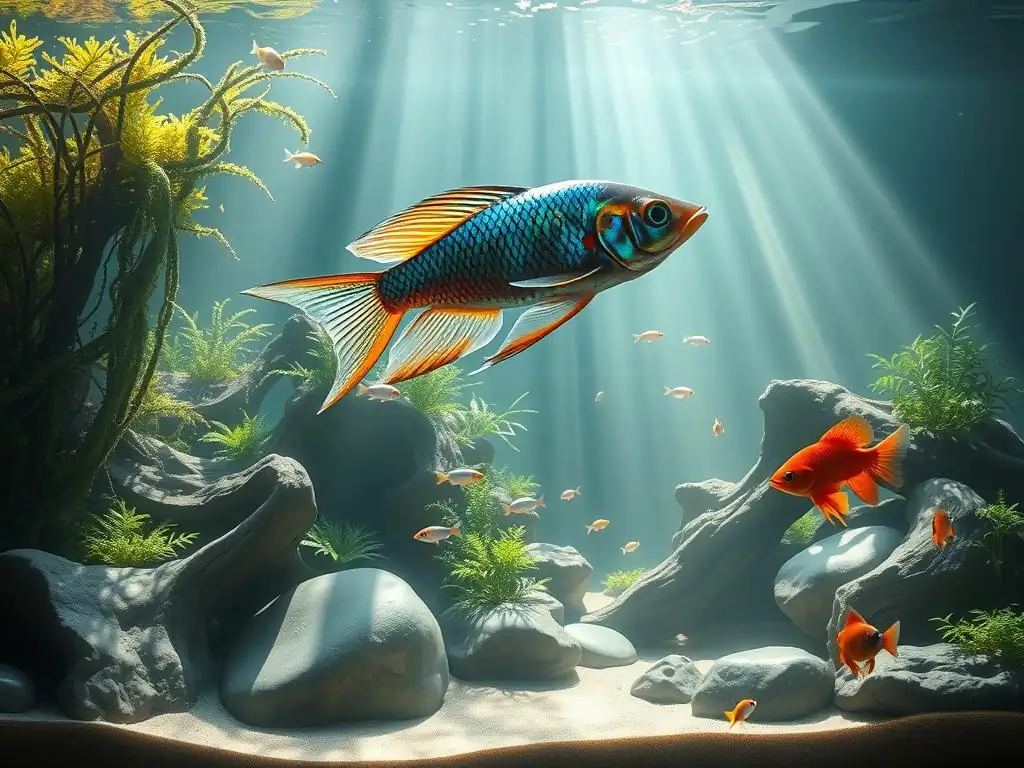
Ever wondered why your Molly fish is suddenly acting a little... different? Dive in and explore the fascinating world of Molly fish personality changes. We'll unravel the mysteries behind their behavior, from peaceful schooling to surprising displays of playfulness, and help you understand what your finned friend is really trying to tell you. Intrigued? Let's get started!
- Understanding Molly Fish: An Introduction to Their Behavior
- Molly Fish Personality Changes: Decoding Their Actions
- Peaceful Mollies: Observing Calm and Content Behavior
- Playful Mollies: Exploring Energetic and Social Interactions
- Molly Fish Aggression: Identifying and Addressing Problematic Behavior
- Molly Fish Breeding Behavior: Understanding the Mating Rituals
- Molly Fish Behavior and Water Quality: The Crucial Connection
- Dietary Influences on Molly Fish Behavior: What They Eat Matters
- Molly Fish Tank Mates: Compatibility and Social Dynamics
- Advanced Molly Fish Behavior: Uncommon Behaviors and Explanations
- Conclusion: Appreciating the Nuances of Molly Fish Behavior in Your Aquarium
-
Frequently Asked Questions
- What are some common reasons for molly fish personality changes?
- How does water quality affect a molly fish's behavior?
- Can the introduction of new fish cause behavioral shifts in my molly fish?
- What are some signs that a molly fish's personality change might be due to illness?
- Is it normal for molly fish to exhibit different personality traits based on their age or sex?
- Final Reflection: Unveiling the Depths of Molly Fish Personality
- Dive Deeper: Transform Your Molly's World!
Understanding Molly Fish: An Introduction to Their Behavior
Exploring the Diverse Personalities of Mollies
Molly fish, members of the Poecilia genus, are renowned for their vibrant colors and adaptability, but their individual personalities are often overlooked. While generally considered peaceful, mollies exhibit a surprising range of temperaments, from the outgoing and curious explorer to the shy and reclusive observer. Some mollies might spend their days actively grazing on algae and exploring every corner of the tank, while others prefer to subtly navigate their environment, often staying close to plants or décor. These individual differences contribute significantly to the dynamic social structure within a molly tank, making observation a rewarding part of their care.
These subtle variations in temperament can also manifest as "Molly fish personality changes" when their environment shifts. A molly that was once outgoing might become withdrawn if introduced to an overly aggressive tank mate, or a shy fish might gain confidence in a well-planted, secure habitat. Understanding these innate predispositions and how they interact with their surroundings is crucial for aquarists aiming to provide an optimal environment. For instance, some sailfin mollies, due to their larger size, might develop a more dominant presence compared to smaller balloon mollies, influencing the overall tank dynamic.
Key Factors Influencing Molly Fish Behavior
Several critical factors profoundly influence the behavior and overall well-being of molly fish. Water parameters are paramount; mollies thrive in hard, alkaline water with a pH typically between 7.5 and 8.5 and a temperature range of 72-78°F (22-26°C). Deviations from these ideal conditions, such as a sudden drop in temperature by even 3-4 degrees Fahrenheit or a significant pH swing, can rapidly induce stress, leading to lethargy, clamped fins, and noticeable "Molly fish personality changes."
Beyond water chemistry, the physical environment of the aquarium plays a vital role. Tank size, for example, directly impacts activity levels and stress; a minimum of 20 gallons is generally recommended for a small group of 3-4 mollies to prevent overcrowding and provide adequate swimming space. The presence of ample hiding spots, such as dense plant cover or aquarium décor, offers security and reduces stress, allowing mollies to express their natural behaviors more freely. A varied diet and compatible tank mates also contribute significantly to their overall contentment and the stability of their "Molly fish personality changes" over time.
Molly Fish Personality Changes: Decoding Their Actions
Recognizing Common Molly Fish Behaviors: A Guide for Aquarists
Healthy molly fish typically exhibit a range of predictable and active behaviors that indicate their well-being. They are often seen swimming actively throughout the mid to upper levels of the aquarium, occasionally darting downwards to graze on algae or detritus. Their fins should be erect and open, not clamped against their body, and their breathing should be calm and regular, without gasping at the surface. Observing them interacting with their tank mates, whether through gentle schooling or casual encounters, is also a sign of a thriving fish.
Another common behavior is their constant grazing, which is natural for these omnivorous fish that feed on algae and small invertebrates in the wild. A healthy molly will have a consistent appetite, readily accepting food during feeding times. Deviations from these typical behaviors, such as prolonged hiding, listlessness, or refusal to eat, are often the first indicators of underlying issues and represent clear "Molly fish personality changes" that warrant immediate attention from the aquarist. Monitoring these daily actions provides invaluable insight into their health status.
Why is My Molly Fish Acting Strange? Identifying Potential Causes
When a molly fish begins to act "strange," it's usually a clear signal of distress or illness, manifesting as significant "Molly fish personality changes." One of the most common culprits is poor water quality. Elevated levels of ammonia, nitrite, or nitrate can quickly poison fish, leading to symptoms like lethargy, rapid gill movement, gasping at the surface, or rubbing against tank objects. For instance, even a slight ammonia presence above 0 ppm can cause immediate stress, making the fish withdrawn or erratic.
Other potential causes for unusual behavior include disease, which can manifest as visible spots, growths, or fin rot, often accompanied by a loss of appetite or unusual swimming patterns. Stress from aggressive tank mates or overcrowding can also cause a molly to become reclusive, hide frequently, or even develop stress-related illnesses. A sudden change in diet or a lack of proper nutrition can also impact their vitality and lead to behavioral anomalies, highlighting the interconnectedness of environmental factors and "Molly fish personality changes."
Peaceful Mollies: Observing Calm and Content Behavior
Signs of a Happy and Healthy Molly Fish
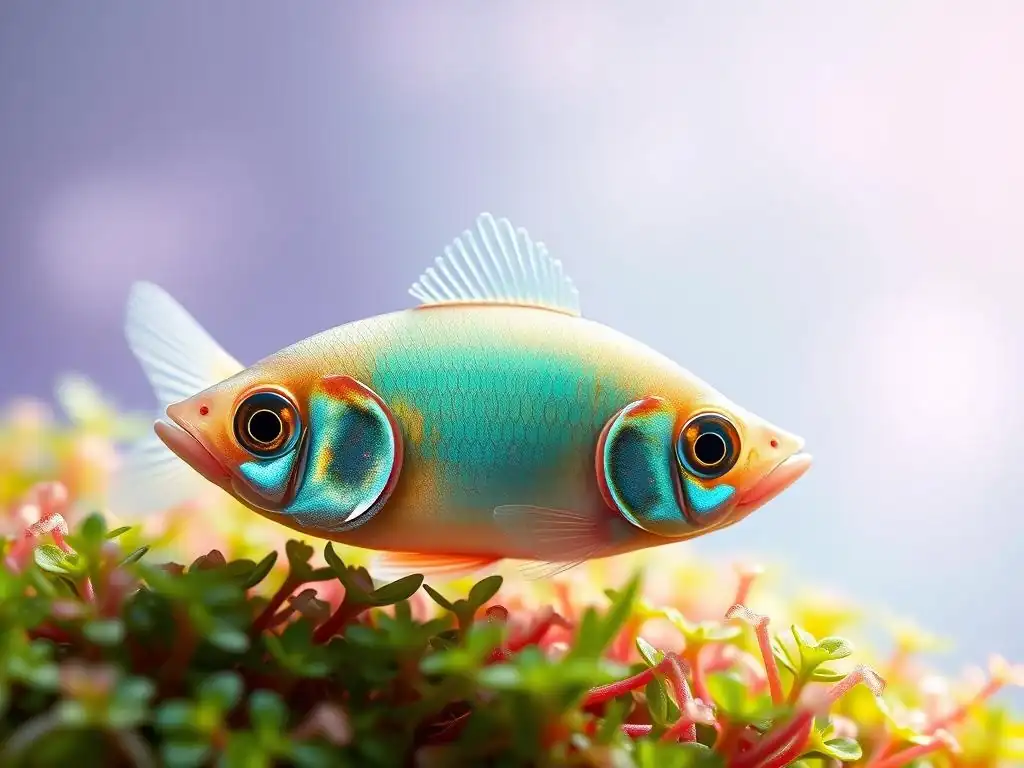
A happy and healthy molly fish displays a vibrant array of behaviors that indicate its contentment within the aquarium environment. Their colors will be bright and distinct, reflecting their genetic potential and excellent health. They will swim actively and gracefully throughout the tank, utilizing all available space without erratic darting or prolonged periods of hiding. Their fins will be fully extended and free from tears or clamping, and their breathing will be even and unlabored, typically around 60-90 breaths per minute, depending on water temperature.
Furthermore, a content molly will exhibit a strong appetite, eagerly approaching the surface or mid-water column during feeding times. They will also engage in natural social interactions, whether gently schooling with other mollies or peacefully coexisting with compatible tank mates, showing no signs of aggression or excessive fear. Observing these consistent positive behaviors is key to ensuring that any "Molly fish personality changes" are quickly identified and addressed, maintaining their overall well-being.
Creating a Stress-Free Environment for Peaceful Mollies
Establishing a stress-free environment is paramount for fostering peaceful and healthy molly fish behaviors. This begins with providing an adequately sized aquarium; a 20-gallon tank is a good starting point for a small group, allowing each fish approximately 5 gallons of water space to reduce territorial disputes and stress. Maintaining stable water parameters within their preferred range (pH 7.5-8.5, temperature 72-78°F or 22-26°C, and hard water) is crucial, as fluctuating conditions are a primary source of stress leading to negative "Molly fish personality changes."
The physical setup of the tank also plays a significant role. Incorporating ample live plants, such as Java fern or Anubias, along with driftwood or rock formations, provides essential hiding spots and visual barriers. These elements allow mollies to retreat when feeling stressed or to establish small territories without direct conflict. Regular partial water changes (e.g., 25% weekly) and a high-quality filter are also vital to keep water pristine, further contributing to a calm and stable environment where mollies can thrive.
Molly fish are inherently social creatures, and their interactions within a community tank are a fascinating aspect of their behavior. They are not schooling fish in the strict sense like tetras, but they do enjoy the company of their own kind and other peaceful species. You will often observe them loosely grouping together, especially during feeding times or when exploring new areas of the tank. This communal behavior provides a sense of security and reduces individual stress, allowing for more natural and outgoing "Molly fish personality changes."
Dominance hierarchies can sometimes form, particularly among males, but these are typically subtle and non-aggressive in a well-managed tank with sufficient space. Females, especially when pregnant, may seek out quieter areas, while males might engage in courtship displays, chasing females around the tank. Understanding these natural social dynamics helps aquarists create a balanced environment where mollies feel secure enough to exhibit their full range of social behaviors, from curious exploration to playful chases.
Encouraging Playful Interactions Among Mollies
To encourage playful and active interactions among mollies, several factors can be optimized within the aquarium. Firstly, ensuring an appropriate male-to-female ratio, ideally one male to two or three females, can help distribute male attention and reduce stress on individual females, leading to more relaxed and playful behavior. Overly aggressive male pursuit can be mitigated by this ratio. Providing a spacious tank, such as a 29-gallon setup for a group of 6-8 mollies, also gives them ample room to swim, chase, and explore without constant bumping or territorial disputes.
A well-decorated tank with varied elements like live plants (e.g., Water Sprite or Hornwort) and smooth rocks offers both hiding spots and interesting landscapes for exploration. Mollies are naturally curious and enjoy investigating their surroundings. Introducing a diverse, high-quality diet that includes both flakes/pellets and occasional live or frozen foods (like brine shrimp or bloodworms) can also boost their energy levels and overall vitality, contributing to more energetic and playful "Molly fish personality changes."
Molly Fish Aggression: Identifying and Addressing Problematic Behavior
Recognizing Signs of Aggression in Molly Fish
While generally peaceful, mollies can exhibit aggression, particularly if conditions are not ideal. Recognizing these signs early is crucial to prevent harm to other tank inhabitants. Common indicators of aggression include persistent chasing, fin nipping, or outright attacking other fish. You might observe a molly relentlessly pursuing another, preventing it from feeding or resting. Males are more prone to this, especially when competing for female attention or establishing dominance.
Another subtle sign of aggression can be a molly constantly cornering or bullying a smaller or weaker tank mate, forcing it into hiding. The victimized fish may show signs of stress, such as clamped fins, faded colors, or even physical damage like torn fins. These "Molly fish personality changes" from peaceful to aggressive often point to underlying issues like overcrowding, an imbalanced male-to-female ratio, or a lack of sufficient hiding spots in the aquarium.
Strategies for Reducing Aggression in the Molly Tank
Addressing aggression in molly fish requires a multi-faceted approach. The first step is to assess the tank's population and layout. Overcrowding is a major stressor; ensure there is at least 5 gallons of water per molly, or more for larger varieties like Sailfins. If you have multiple males, increasing the number of females to a ratio of at least two or three females per male can help disperse male attention and reduce targeted harassment. For example, in a 29-gallon tank, a group of 1 male and 3 females is often more peaceful than 2 males and 2 females.
Introducing more visual barriers and hiding spots is also highly effective. Dense planting with tall, bushy plants like Vallisneria or Amazon Swords, along with driftwood and rock caves, can break up lines of sight and provide safe havens for bullied fish. Ensuring stable water parameters and a consistent feeding schedule also reduces overall stress, which can indirectly mitigate aggressive "Molly fish personality changes." In severe cases, separating the aggressive fish or rehoming it might be necessary.
Molly Fish Breeding Behavior: Understanding the Mating Rituals
Identifying Pregnant Mollies: Signs and Stages of Pregnancy
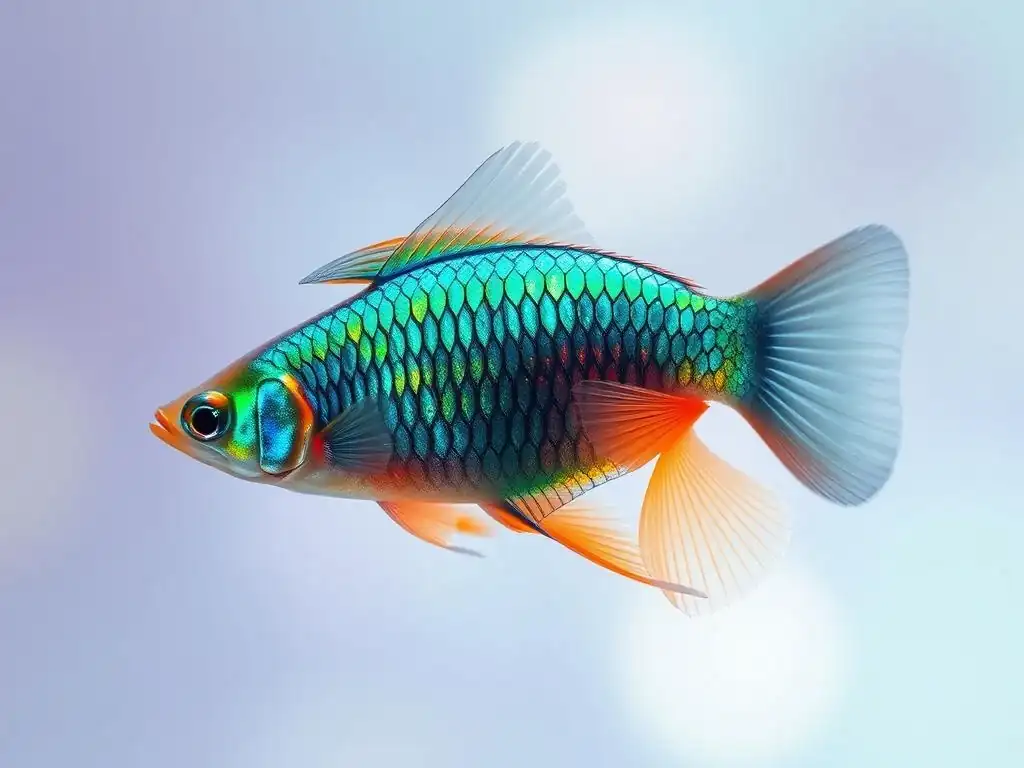
Molly fish are livebearers, meaning they give birth to live fry rather than laying eggs. Identifying a pregnant molly involves observing several distinct physical and behavioral changes. The most noticeable sign is the gradual enlargement and rounding of her abdomen, which becomes noticeably swollen over several weeks. As she approaches delivery, her belly may appear almost box-like or squared off. Another key indicator is the development of a "gravid spot" – a dark, often black, spot near her anal vent, which becomes more prominent as the fry develop.
Behaviorally, a pregnant molly may become less active, spending more time in secluded areas or near heaters. She might also exhibit subtle "Molly fish personality changes," such as increased appetite or, conversely, a slight decrease in interest in food in the final stages. The gestation period typically lasts between 30 to 60 days, with an average of around 40-45 days. Just before birth, she might shimmy or appear restless, seeking out dense vegetation to give birth safely.
Creating a Suitable Breeding Environment for Mollies
To successfully breed molly fish and ensure the survival of the fry, creating an appropriate environment is crucial. A separate breeding tank, typically 5-10 gallons, is often recommended to protect the fry from being eaten by the parents or other tank inhabitants. This tank should be well-filtered with a gentle sponge filter to prevent fry from being sucked in, and heated to the mollies' preferred temperature range of 75-78°F (24-26°C).
The most important aspect of a breeding tank is the provision of ample hiding spots for the newborn fry. Dense floating plants like Water Hyacinth, Hornwort, or Java Moss provide excellent cover, allowing the tiny fry to escape predation immediately after birth. Once the female has given birth, she should be promptly returned to the main tank to prevent her from consuming her offspring. A consistent feeding schedule with high-quality, protein-rich foods for the pregnant female will also ensure healthier fry and more successful births.
Molly Fish Behavior and Water Quality: The Crucial Connection
The Impact of Water Parameters on Molly Fish Temperament
Water quality is arguably the single most influential factor in determining the temperament and overall health of molly fish. Mollies are sensitive to fluctuations in water parameters, and even slight deviations from their ideal range can cause significant stress, leading to noticeable "Molly fish personality changes." They thrive in hard, alkaline water with a pH between 7.5 and 8.5 and a GH (General Hardness) of 10-25 dGH. Soft, acidic water can lead to chronic stress, fin clamping, and susceptibility to disease, causing them to become lethargic or withdrawn.
Ammonia and nitrite, even in trace amounts (above 0 ppm), are highly toxic and will quickly cause severe stress, leading to gasping at the surface, rapid gill movement, and erratic swimming. Nitrate levels, while less acutely toxic, should be kept below 20 ppm through regular water changes, as high levels can cause chronic stress and suppress their immune system. Consistently poor water quality will inevitably result in negative "Molly fish personality changes," transforming vibrant, active fish into listless, stressed individuals.
Maintaining Optimal Water Quality for Healthy Molly Behavior
Maintaining optimal water quality is fundamental to fostering healthy and consistent molly fish behavior. This begins with a robust filtration system, ideally an external canister filter or a hang-on-back filter, appropriately sized for the tank volume, to provide both mechanical and biological filtration. Regular partial water changes are equally vital; a weekly 25% water change is a good standard for most molly tanks to dilute nitrates and replenish essential minerals. For example, in a 20-gallon tank, this means removing and replacing 5 gallons of water weekly.
Testing water parameters regularly (at least weekly for ammonia, nitrite, and nitrate, and monthly for pH and hardness) allows aquarists to catch and correct issues before they impact the fish. Using a reliable test kit is essential. Additionally, avoiding overfeeding, which leads to excess waste, and ensuring the tank is not overcrowded will significantly contribute to stable and pristine water conditions, thereby minimizing stress-induced "Molly fish personality changes" and promoting their natural, vibrant temperament.
Dietary Influences on Molly Fish Behavior: What They Eat Matters
Choosing the Right Food to Support Molly Fish Wellbeing
The diet of molly fish significantly impacts their health, vitality, and overall behavior. As omnivores with a strong preference for plant matter, their diet should be diverse and rich in vegetable content. High-quality flake or pellet foods formulated for livebearers, which often contain spirulina or other plant-based ingredients, should form the cornerstone of their diet. Supplementing with blanched vegetables like zucchini, spinach, or shelled peas a few times a week provides essential fiber and nutrients, mirroring their natural grazing habits.
Additionally, incorporating occasional protein sources, such as live or frozen brine shrimp, daphnia, or bloodworms, provides necessary amino acids and fats, enhancing their coloration and boosting their immune system. A varied and balanced diet directly contributes to their energy levels, activity, and resilience, helping to prevent lethargy or aggression stemming from nutritional deficiencies. Consistent feeding of appropriate foods will ensure positive "Molly fish personality changes" that reflect a healthy, thriving fish.
How Overfeeding Affects Molly Fish Health and Behavior
Overfeeding is a common mistake that can severely detriment molly fish health and lead to undesirable "Molly fish personality changes." When mollies are given too much food, uneaten portions decompose, rapidly fouling the water. This leads to dangerous spikes in ammonia and nitrite, which are highly toxic and can cause severe stress, illness, and even death. Fish in such conditions often become lethargic, gasp at the surface, or develop clamped fins – clear signs of distress.
Furthermore, overfeeding can lead to internal health issues for the fish themselves, such as digestive problems or fatty liver disease, which can reduce their lifespan and vitality. A fish suffering from digestive issues might become bloated, lose appetite, or exhibit erratic swimming due to discomfort. It's best to feed mollies small amounts two to three times a day, only what they can consume within 2-3 minutes. This practice not only keeps the water cleaner but also encourages their natural foraging behaviors and maintains their optimal health and temperament.
Selecting Compatible Tank Mates for Peaceful Coexistence
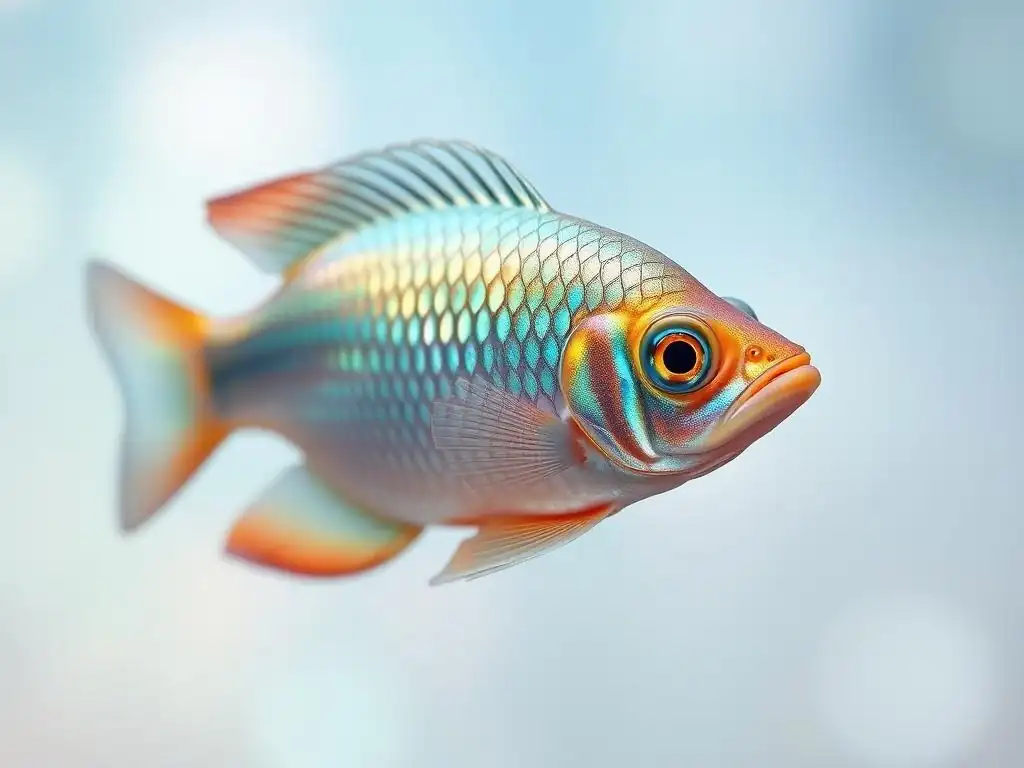
Choosing compatible tank mates is crucial for maintaining peaceful "Molly fish personality changes" and a harmonious community aquarium. Mollies are generally peaceful but can be stressed by overly boisterous or aggressive species. Ideal tank mates include other peaceful livebearers like platies or guppies, which share similar water parameter requirements and temperament. Other good choices are certain tetras (like Neon Tetras or Black Skirt Tetras), peaceful rasboras, Corydoras catfish, and small, non-aggressive plecos (like Bristlenose Plecos).
It is essential to select fish that thrive in hard, alkaline water, matching the mollies' preferred conditions. Species that prefer soft, acidic water will not do well long-term with mollies, leading to stress and potential health issues for all inhabitants. Always research the specific needs and temperaments of any potential tank mate to ensure they will coexist peacefully and not cause undue stress or aggression amongst your mollies.
Avoiding Aggression: Choosing the Right Community Fish
To avoid aggression and ensure that your mollies retain their peaceful "Molly fish personality changes," careful consideration of potential tank mates is necessary. Avoid fin-nipping species such as Tiger Barbs, which can harass mollies, especially those with larger fins like Sailfin Mollies. Similarly, highly aggressive or territorial cichlids, even smaller ones, are generally not suitable as they can intimidate or injure mollies.
It's also important to consider the size difference between species. While mollies are relatively robust, very large fish might stress them, even if not overtly aggressive. Conversely, tiny, delicate fish might be overwhelmed by the active mollies. Always introduce new fish slowly and observe interactions closely for the first few days. Providing ample hiding spots and ensuring the tank is not overcrowded also helps to mitigate potential conflicts and allows all fish, including your mollies, to thrive in a stress-free environment.
Advanced Molly Fish Behavior: Uncommon Behaviors and Explanations
Understanding Molly Fish "Shimmying" Behavior: Causes and Solutions
"Shimmying" is a distinct and concerning "Molly fish personality change" where the fish appears to vibrate or twitch its body rapidly while remaining largely in one spot. This is not a normal behavior and is almost always a sign of severe stress or illness. The primary cause of shimmying in mollies is typically unstable or incorrect water parameters, particularly fluctuations in temperature or a lack of sufficient hardness and alkalinity. Mollies, being brackish water fish by nature, require harder, more alkaline water than many other freshwater species.
If a molly is shimmying, immediately test your water for pH, GH (General Hardness), temperature, and ammonia/nitrite/nitrate. A pH below 7.0 or a GH below 10 dGH can be very stressful. Gradually adjusting the water parameters to their ideal range (pH 7.5-8.5, GH 10-25 dGH, Temp 72-78°F or 22-26°C) through careful water changes or the addition of aquarium salt (1 teaspoon per 5 gallons) can often resolve the issue. Ensuring a stable temperature and avoiding sudden swings is also critical to prevent this stress response.
Interpreting Molly Fish "Flashing" Behavior: Identifying Parasites and Irritants
"Flashing" is another unusual "Molly fish personality change" where a fish rapidly scrapes or rubs its body against tank decorations, substrate, or plants. While an occasional rub might be normal, persistent flashing is a strong indicator of irritation or the presence of external parasites. This behavior is the fish's attempt to dislodge something from its skin or gills. Common culprits include Ich (white spot disease), Velvet, or various types of external flukes or worms.
Beyond parasites, poor water quality can also cause flashing. High levels of ammonia, nitrite, or even chlorine in tap water (if not properly conditioned) can irritate a molly's sensitive skin and gills, prompting them to flash. If you observe flashing, first perform a water test to rule out chemical irritants. If water parameters are good, closely inspect the fish for visible signs of parasites (e.g., white spots for Ich). Treatment will depend on the identified cause, but addressing the underlying issue quickly is vital to prevent further stress and potential secondary infections.
Conclusion: Appreciating the Nuances of Molly Fish Behavior in Your Aquarium
Frequently Asked Questions
What are some common reasons for molly fish personality changes?
Molly fish personality changes can stem from several factors, including water quality issues, stress from tank mates, or even underlying disease. Monitoring these aspects is crucial for a healthy and happy molly.
How does water quality affect a molly fish's behavior?
Poor water quality, such as high ammonia or nitrite levels, can cause significant stress to molly fish. This stress can manifest as lethargy, erratic swimming, or a complete loss of appetite.
Can the introduction of new fish cause behavioral shifts in my molly fish?
Yes, introducing new fish can disrupt the established social hierarchy in the tank. This can lead to aggression, bullying, or increased shyness in your molly fish as they adjust.
What are some signs that a molly fish's personality change might be due to illness?
If a molly fish's personality change is accompanied by physical symptoms like fin rot, bloating, or white spots, it's likely due to illness. Quarantine and treatment are then necessary.
Is it normal for molly fish to exhibit different personality traits based on their age or sex?
Yes, younger molly fish may be more playful and active than older ones. Also, male mollies can sometimes display more aggressive tendencies, especially towards other males, during mating season.
Final Reflection: Unveiling the Depths of Molly Fish Personality
The insights we've explored regarding Molly fish personality changes resonate deeply within the aquarium hobby and beyond. Understanding these subtle shifts in behavior, from peaceful coexistence to playful interaction, allows us to not only provide better care for these fascinating creatures but also to appreciate the complexity of animal behavior in general. This understanding is especially crucial now, as responsible pet ownership and ethical treatment of animals are gaining increasing importance.
This journey into the world of Molly fish has underscored the profound impact our environment has on shaping individual personalities. Observing these personality changes has reminded me of the interconnectedness of all living beings and the responsibility we have to create nurturing environments. The greatness of a nation and its moral progress can be judged by the way its animals are treated.
- Mahatma Gandhi. This quote perfectly encapsulates the importance of understanding and respecting the unique needs and personalities of every creature, no matter how small.
As we conclude this exploration of Molly fish personality changes, I invite you to reflect on the lessons learned. Consider how you can apply this newfound understanding to your own interactions with animals, and perhaps even to your relationships with fellow humans. Strive to create environments that foster well-being and allow for the full expression of individual personalities. By doing so, you contribute to a world where every being can thrive and reach its full potential.
Dive Deeper: Transform Your Molly's World!
Thank you for exploring the fascinating world of molly fish behavior! Now that you understand their quirks and personalities, it's time to put that knowledge into action. Let's create an even better life for your finned friends.
Here's how you can make a real difference:
- Commit to enriching your molly's environment: Introduce new plants, hiding spots, or even rearrange the tank layout to stimulate their curiosity and reduce boredom. This is the single most impactful thing you can do.
- Document your molly's personality: Start a fun log or video diary on aquariummastery.com, detailing their individual quirks and favorite activities. You will see patterns over time.
- Share your own observations and tips on social media using #MollyFishMagic to connect with other enthusiasts and inspire a community of enriched molly habitats.
Ready to transform your molly's tank from ordinary to extraordinary? What small change will you implement today to make your molly happier?