
Breeding Discus Fish: The Pinnacle of Freshwater Aquarium Husbandry

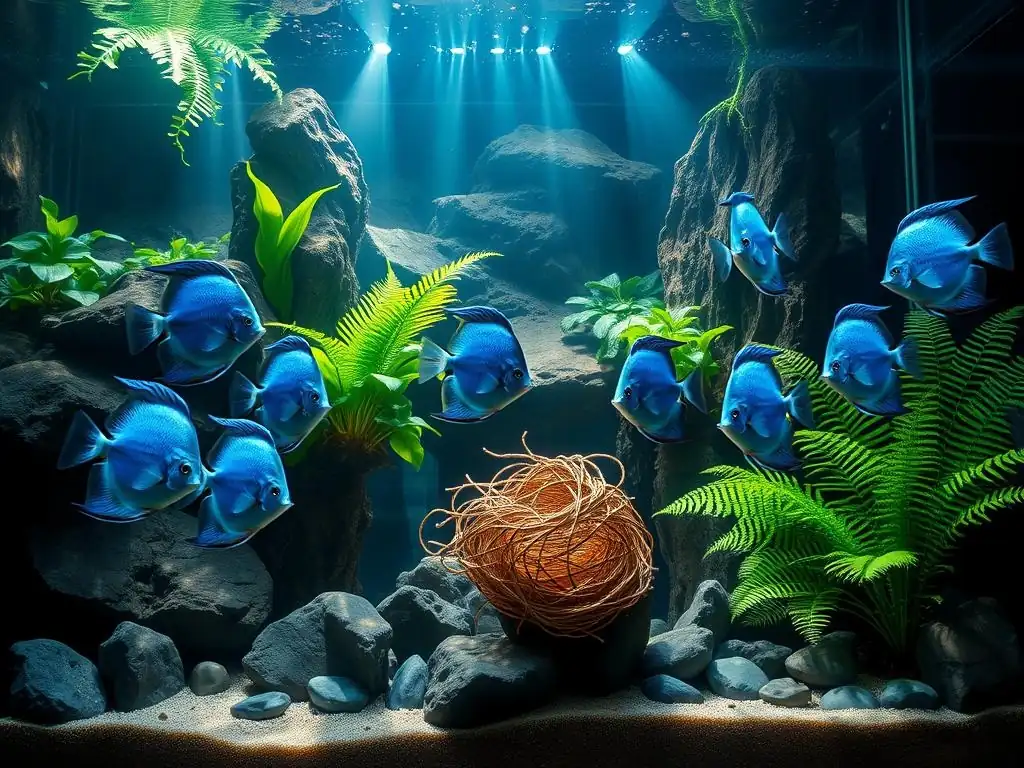
Welcome to Aquarium Mastery!
Ever dreamt of witnessing the magic of Discus breeding in your own home aquarium? Breeding Discus fish is often considered the pinnacle of freshwater aquarium keeping, and it's more achievable than you might think. Dive into our comprehensive Discus breeding care guide and discover the secrets to successfully raising these magnificent fish. What challenges await, and what rewards can you expect? Let's explore the fascinating world of Discus breeding together!
- Introduction to Discus Breeding: A Rewarding Challenge
- Understanding Discus Fish Breeding Behavior
- Setting Up Your Discus Breeding Tank: The Ideal Environment
- Selecting Your Discus Breeding Pair: Choosing the Right Fish
- Preparing Your Discus for Breeding: Conditioning and Diet
- The Discus Spawning Process: What to Expect
- Caring for Discus Eggs and Fry: From Hatching to Free-Swimming
- Raising Discus Fry: Ensuring Healthy Development
- Common Problems in Discus Breeding and How to Solve Them
- Advanced Discus Breeding Techniques: Addressing Pigeon Blood Stunting Issues
- Discus Breeding Care Guide: Conclusion and Next Steps
-
Frequently Asked Questions
- How difficult is it to breed Discus fish compared to other freshwater fish?
- What are the ideal water parameters for successful Discus breeding?
- What type of spawning site do Discus fish prefer?
- What kind of parental care do Discus fish exhibit?
- What are some common problems encountered during Discus breeding?
- Final Reflection: The Enduring Allure of Discus Breeding
- Unleash Your Inner Discus Breeder!
Introduction to Discus Breeding: A Rewarding Challenge
Breeding Discus fish (Symphysodon spp.) is widely considered the pinnacle of freshwater aquarium husbandry, demanding meticulous attention to detail, consistent care, and a deep understanding of their unique needs. Unlike many other freshwater species, Discus exhibit complex social behaviors, require pristine water conditions, and engage in elaborate parental care, making their successful reproduction a highly rewarding endeavor for dedicated aquarists. This comprehensive Discus breeding care guide will walk you through every step, from setting up the ideal environment to raising healthy fry.
The journey of breeding Discus offers an unparalleled opportunity to observe natural fish behaviors, from intricate courtship rituals to the diligent protection of their young. While challenging, the satisfaction of seeing a pair successfully raise their offspring is immense, providing a profound sense of accomplishment. This guide aims to demystify the process, providing actionable insights and specific parameters to increase your chances of success in Discus reproduction.
Understanding Discus Fish Breeding Behavior
Natural Discus Spawning Habits in the Wild
In their natural habitat, the Amazon basin's slow-moving, warm, and acidic blackwater rivers, Discus typically spawn on vertical surfaces such as submerged logs, broad leaves of aquatic plants, or even tree roots. These environments are characterized by very soft water, often with a pH as low as 5.0 to 6.5, and stable temperatures ranging from 28°C to 31°C (82-88°F). The Discus parents meticulously clean the chosen site before depositing their adhesive eggs, ensuring a sterile surface for the developing clutch.
Following the egg deposition, both male and female Discus engage in diligent parental care, fanning the eggs to provide oxygen and deterring potential predators. Once the fry hatch, they remain attached to the spawning site for a few days, absorbing their yolk sacs, before becoming free-swimming. At this crucial stage, the fry feed exclusively on a protein-rich mucous secreted by the parents' skin, a unique and vital aspect of Discus development that underscores the importance of strong parental bonds.
Discus Pair Bonding and Mate Selection
Discus are monogamous breeders, and successful reproduction heavily relies on the formation of a compatible pair. In a community tank or a group of juvenile Discus, pairs typically form naturally over time as the fish mature. Observing a group of six to eight young Discus, allowing them to choose their own partners, is often the most effective method for identifying a compatible breeding pair. Signs of pair bonding include a specific male and female frequently swimming together, engaging in "lip-locking" (a gentle mouth-to-mouth pushing that signifies dominance and bonding), fin twitching, and mutual cleaning of potential spawning sites.
Once a pair has bonded, they will often become territorial, defending their chosen area from other fish. It's crucial to separate this pair into a dedicated breeding tank to minimize stress and prevent interference from other tank inhabitants. Not all bonded pairs will be successful breeders on their first attempt, or even at all, but a strong bond significantly increases the likelihood of successful spawning and, more importantly, successful fry rearing, as both parents need to be committed to caring for the eggs and fry.
Setting Up Your Discus Breeding Tank: The Ideal Environment
Tank Size and Dimensions for Discus Breeding
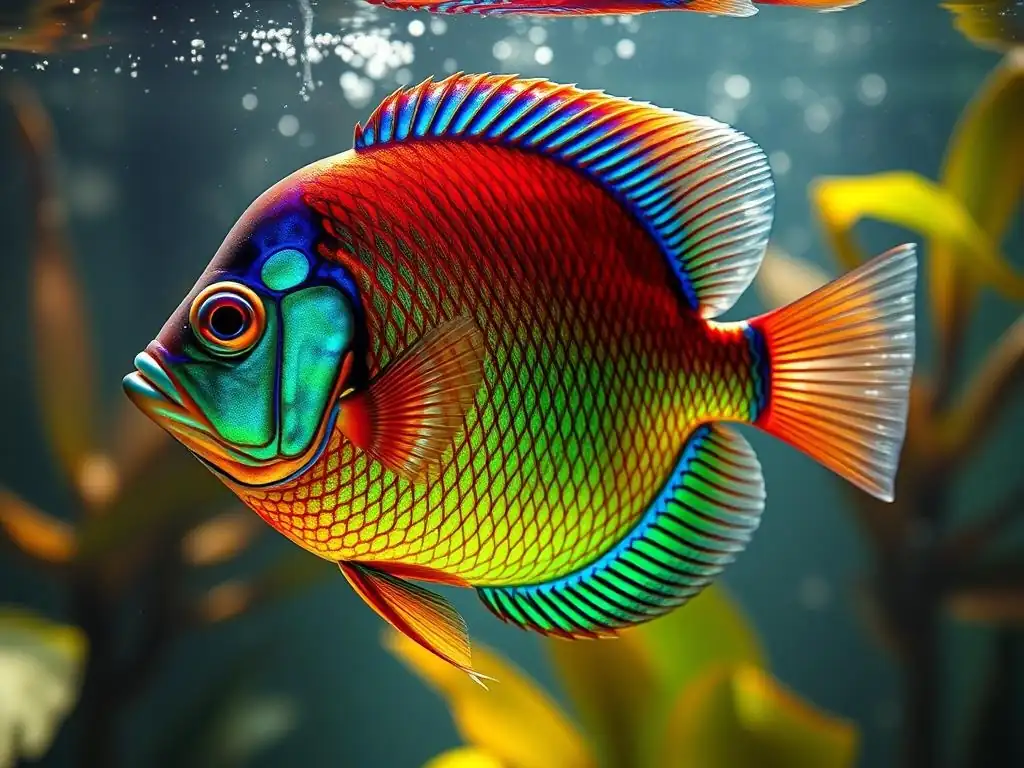
For a dedicated Discus breeding care guide, tank size is a critical consideration. A breeding tank for a single pair should ideally be between 20 to 40 gallons (approximately 75 to 150 liters). While a 20-gallon long (30x12x12 inches) can be used, a 29-gallon (30x12x18 inches) or a 40-gallon breeder tank (36x18x16 inches) often provides better stability for water parameters and allows for easier management. The height of the tank is particularly important, as Discus prefer to spawn on vertical surfaces, and a taller tank provides more options for spawning cones or PVC pipes.
The smaller size of a breeding tank, compared to a community tank, offers several advantages. It simplifies the process of maintaining pristine water quality through frequent water changes, which is paramount for egg and fry development. Furthermore, it allows for easier observation of the pair's behavior, more direct control over feeding the fry, and facilitates the removal of any unfertilized eggs or detritus. A bare-bottom tank is universally recommended for breeding setups due to hygiene benefits.
Water Parameters: Achieving Optimal Breeding Conditions for Discus
Achieving and maintaining precise water parameters is the cornerstone of a successful Discus breeding care guide. Discus are highly sensitive to water quality, and even slight fluctuations can deter spawning or lead to egg/fry loss. The goal is to replicate their soft, acidic native environment as closely as possible.
Temperature, pH, and Water Hardness for Discus Reproduction
For Discus reproduction, the water temperature should be maintained consistently within a narrow range of 28-30°C (82-86°F). Temperatures below this range can inhibit spawning, while excessively high temperatures can stress the fish. The pH level is also crucial; an acidic range of 5.5-6.5 is generally recommended for optimal egg viability and reduced bacterial growth. Many breeders aim for pH 6.0-6.5.
Water hardness is perhaps the most critical parameter for successful egg hatching. Discus eggs require very soft water for successful fertilization and to prevent the egg membrane from hardening, which can trap the developing embryo. General Hardness (GH) should be kept between 1-3 dGH, and Carbonate Hardness (KH) ideally between 0-1 dKH. Achieving these parameters often requires the use of reverse osmosis (RO) water, reconstituted with mineral salts specifically for Discus.
The specific parameters for a successful Discus breeding care guide can vary slightly depending on the strain and individual fish, but consistency is key. For instance, some wild strains might prefer even lower pH values (e.g., 5.0-5.5), while many domestic strains are more adaptable to slightly higher pH (up to 7.0) if the water is still very soft. Monitoring these parameters daily with reliable test kits is essential, as even minor shifts can lead to stress or failed spawns.
Filtration and Water Changes for Discus Breeding Success
Effective filtration and rigorous water change routines are non-negotiable for a successful Discus breeding care guide. For filtration, air-driven sponge filters are the preferred choice in a Discus breeding tank. They provide excellent biological filtration without creating strong currents that could stress the breeding pair or harm fragile eggs and fry. Additionally, sponge filters are easy to clean and do not harbor large amounts of detritus, which is crucial in a bare-bottom setup. Canister filters or hang-on-back filters are generally avoided due to their potential for creating strong flow and difficulty in cleaning thoroughly.
Water changes are the most vital aspect of maintaining pristine conditions for Discus breeding. Daily water changes of 50-80% are often recommended, particularly once eggs are laid and especially when fry are present. Some advanced breeders even perform 90% water changes multiple times a week. The new water must match the tank's temperature and pH precisely to prevent shock. This rigorous water change schedule dilutes nitrates, removes dissolved organic compounds, and replenishes essential minerals, all of which are critical for stimulating spawning, ensuring high egg hatch rates, and promoting rapid, healthy fry growth.
Substrate and Decorations: Minimizing Stress and Maximizing Hygiene
For a Discus breeding care guide, simplicity and hygiene are paramount when it comes to tank setup. A bare-bottom tank is universally recommended for Discus breeding. The absence of substrate eliminates areas where uneaten food, waste, and harmful bacteria can accumulate, making daily cleaning and siphoning much more efficient. This sterile environment is crucial for preventing bacterial and fungal infections, which can devastate egg clutches and young fry.
Decorations should be minimal, smooth, and easily cleaned. The primary "decoration" in a breeding tank is typically a spawning cone or a smooth PVC pipe section, which provides the vertical surface Discus prefer for egg deposition. These items should be non-porous and easy to remove for cleaning or disinfection. Avoid any sharp objects or rough textures that could injure the delicate Discus. The focus is entirely on creating a stress-free, impeccably clean environment that promotes natural spawning behavior and ensures the highest possible survival rate for eggs and fry.
Selecting Your Discus Breeding Pair: Choosing the Right Fish
Identifying Healthy and Mature Discus for Breeding
Identifying healthy and mature Discus is a fundamental step in any Discus breeding care guide. Discus typically reach sexual maturity between 12 and 18 months of age, though some robust strains may mature slightly earlier, and others later. For optimal breeding potential, select fish that are at least 4-5 inches in diameter, exhibiting a full, round body shape without any concavity around the head or abdomen. Healthy Discus will have vibrant, consistent coloration, clear and bright eyes, and fully extended, undamaged fins.
Beyond physical appearance, observe their behavior. Healthy breeding candidates should be active, alert, and exhibit a strong appetite, readily accepting food. Avoid fish that are shy, lethargic, or show any signs of disease such as clamped fins, labored breathing, or white feces. Sourcing your breeding stock from reputable breeders who can attest to the fish's lineage and health history is crucial to starting with strong, genetically sound individuals.
Observing Discus Behavior for Breeding Potential
Observing the subtle behaviors of Discus within a group is key to identifying potential breeding pairs. As Discus mature, you'll notice certain individuals spending more time together, often engaging in ritualistic "shaking" or "quivering" behavior towards each other. This is a form of courtship, where the fish rapidly vibrate their bodies, often with fins flared, signaling interest. Another common behavior is "lip-locking," where two Discus gently push their mouths together, which can be a sign of bonding or a mild dominance display.
Once a pair starts to bond, they will often begin to "clean" potential spawning sites. This involves both the male and female meticulously rubbing their bodies and mouths against a vertical surface, such as a spawning cone or the tank glass, as if preparing it for eggs. This cleaning behavior, coupled with increased territoriality towards other tank mates, is a strong indicator that a pair is ready to be moved to a dedicated breeding tank. Patience and keen observation are vital, as forcing an incompatible pair will almost certainly lead to unsuccessful spawns.
Avoiding Common Genetic Issues in Discus Breeding
A comprehensive Discus breeding care guide must address genetic considerations to ensure the long-term health and vitality of your stock. Inbreeding depression is a significant concern, arising from mating closely related Discus. This can lead to reduced vigor, slower growth rates, smaller adult size, increased susceptibility to disease, and physical deformities such as shortened gill plates or malformed fins. To mitigate this, it's crucial to diversify your breeding lines by acquiring unrelated fish from different sources when possible.
Furthermore, be mindful of specific genetic traits associated with certain strains. For example, some Pigeon Blood Discus strains, while beautiful, can be prone to "pepper" (small black specks) or may exhibit stunted growth if not carefully line-bred for robust characteristics. Cross-breeding different strains can introduce desirable traits but also dilute pure lines. Responsible breeding involves understanding the genetic background of your fish and making informed decisions to produce healthy, vibrant offspring, rather than merely focusing on quantity or novel color patterns.
Preparing Your Discus for Breeding: Conditioning and Diet
High-Quality Discus Food for Breeding Success
The diet plays a paramount role in conditioning Discus for successful breeding, directly impacting their health, energy levels, and reproductive capabilities. A high-quality, protein-rich diet is essential for both the male and female. This should primarily consist of premium Discus pellets or flakes that have a protein content of 45-55%. These formulated foods provide a balanced nutritional profile, including necessary vitamins and minerals that support gonadal development and egg production.
In addition to dry foods, frozen foods should be a staple in their diet. Excellent choices include frozen bloodworms, mysis shrimp, and spirulina-enriched brine shrimp. Many breeders also incorporate a homemade beef heart mix, which is highly nutritious and palatable to Discus. Feeding multiple small meals throughout the day (e.g., 3-5 times) is more beneficial than one or two large feedings, as it mimics their natural feeding behavior and ensures a steady supply of nutrients, helping to maintain optimal body condition for spawning.
Live and Frozen Foods to Stimulate Spawning
While a high-quality staple diet is crucial, the strategic introduction of certain live and frozen foods can act as a powerful trigger for spawning in Discus. Live foods, such as blackworms, white worms, or daphnia, are particularly effective. Their movement stimulates the fish's predatory instincts, and they are packed with essential proteins and fats that contribute to peak conditioning. For example, feeding live blackworms daily for a week or two can often induce a pair to spawn if they are otherwise ready.
Frozen foods like mysis shrimp, often enriched with spirulina, or a high-quality beef heart mix, also contribute significantly to conditioning. These foods are highly palatable and provide concentrated nutrition. The goal is to ensure the Discus are in prime physical condition, with ample energy reserves for the demanding process of spawning and subsequent parental care. A varied diet, combining high-quality dry foods with a rotating selection of live and frozen options, is the best approach for a comprehensive Discus breeding care guide.
Maintaining Optimal Water Quality During Conditioning
Maintaining optimal water quality is as critical during the conditioning phase as it is during spawning and fry rearing. Even before a pair shows signs of readiness, the water in their tank (whether a community tank or a pre-breeding setup) must be impeccable. This means performing frequent, substantial water changes – typically 30-50% daily or every other day – with perfectly matched temperature and pH. Consistent water quality reduces stress on the fish, strengthens their immune systems, and promotes overall vitality, all of which are prerequisites for successful breeding.
Stable water parameters, specifically temperature, pH, and hardness, should be diligently monitored and maintained within the target ranges for breeding. Fluctuations can cause stress, leading to a reluctance to spawn or even health issues. A well-maintained filtration system (preferably sponge filters) and regular siphoning of detritus are also essential to prevent the buildup of nitrates and other harmful compounds. This proactive approach to water management creates a healthy and conducive environment that signals to the Discus that conditions are favorable for reproduction, a key aspect of any effective Discus breeding care guide.
The Discus Spawning Process: What to Expect
Identifying Discus Eggs and Spawning Sites
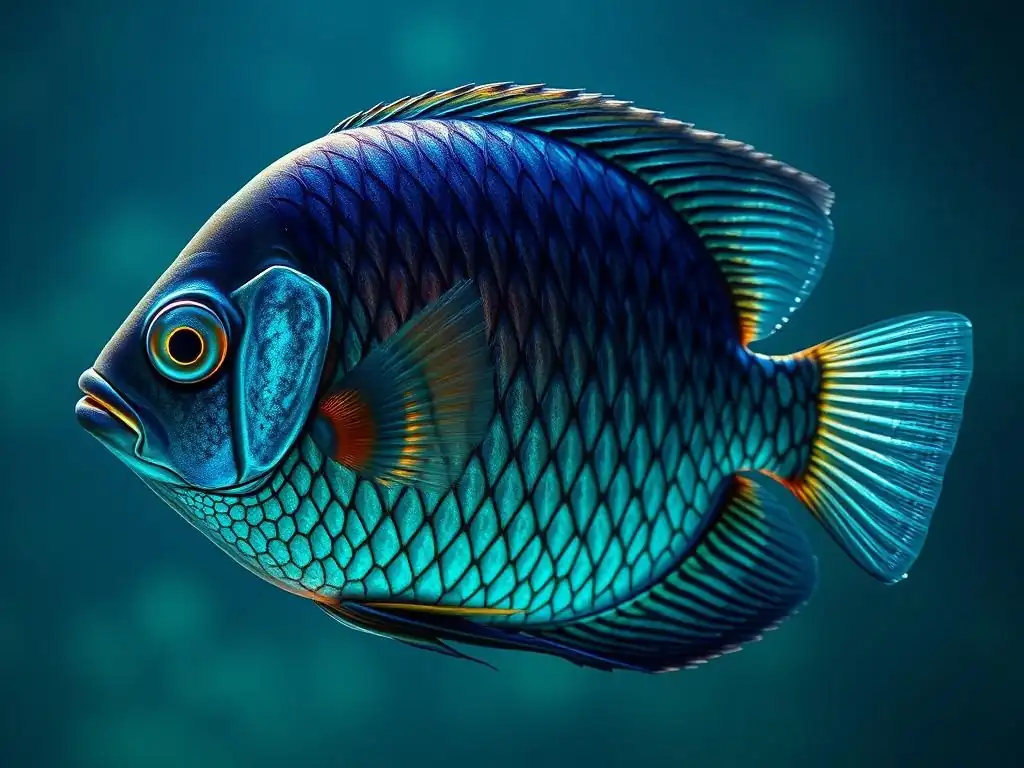
Once a Discus pair is conditioned and comfortable in their breeding tank, they will begin the spawning process, which can be fascinating to observe. The female's ovipositor (a small tube near the anal fin) will become more prominent and pointed, while the male's sperm duct will also be visible. The pair will meticulously clean a chosen vertical surface, often a spawning cone, a piece of PVC pipe, or even the tank glass, by rubbing their bodies against it.
Egg deposition typically occurs in rows, with the female laying a line of small, translucent, adhesive eggs, immediately followed by the male fertilizing them. A healthy, mature Discus pair can lay anywhere from 50 to 300 eggs in a single spawn, with highly prolific pairs sometimes exceeding 500. The eggs are usually light amber or yellowish in color. Unfertilized eggs will often turn opaque white within 24 hours, indicating they are infertile or have succumbed to fungus.
Protecting Discus Eggs from Predation
In a dedicated breeding tank, the primary "predators" of Discus eggs are often the parents themselves, particularly if they are first-time breeders or stressed. While Discus are known for their parental care, sometimes a new pair might eat their first few clutches of eggs. This is a common behavior and usually resolves with subsequent spawns as the pair gains experience. If the eggs are in a community tank, other fish will almost certainly consume them, highlighting the necessity of a separate breeding setup.
To protect the eggs, ensure the breeding tank is in a quiet, low-traffic area to minimize external stress. Dim lighting can also help. If the parents consistently eat their eggs after several attempts, some breeders opt to remove the eggs immediately after spawning and hatch them artificially in a separate container with an air stone and potentially a fungicidal treatment like methylene blue. However, allowing the parents to care for the eggs naturally is always preferred, as it prepares them for fry care and allows the fry to feed on parental slime coat.
Monitoring Water Quality During Spawning
Maintaining pristine and stable water quality is paramount during the Discus spawning process. Fluctuations in temperature, pH, or the presence of ammonia/nitrite can stress the breeding pair, leading them to abandon or consume their eggs. It is crucial to continue with daily water changes, albeit carefully, to avoid disturbing the eggs. Gentle siphoning of the tank bottom to remove any detritus or uneaten food is essential, but care must be taken not to create strong currents near the spawning site.
The parameters should remain consistent with the optimal breeding conditions established (e.g., 28-30°C, pH 5.5-6.5, very soft water). Regular testing with reliable kits will help confirm that ammonia and nitrite levels remain at zero, and nitrates are kept very low (below 5 ppm). High water quality not only ensures the health of the parents but also significantly increases the viability of the eggs and helps prevent the growth of fungus, which can quickly wipe out an entire clutch.
Caring for Discus Eggs and Fry: From Hatching to Free-Swimming
Preventing Fungus on Discus Eggs
Egg fungus is a common challenge in Discus breeding and can rapidly lead to the loss of an entire clutch. Fungus typically appears as a white, cottony growth on the eggs. It primarily attacks unfertilized eggs, but can quickly spread to healthy, fertilized ones. The best prevention is maintaining impeccable water quality, as high bacterial loads in the water contribute to fungal growth. Ensuring that both parents are mature and compatible helps maximize fertilization rates, reducing the number of unfertilized eggs that serve as a breeding ground for fungus.
Some breeders opt to add a very mild fungicidal treatment, such as a low dose of methylene blue, to the water immediately after spawning, though this is a debated practice as it can stain the tank and may not be necessary in perfectly clean water. If fungus appears, gently siphoning off the affected eggs daily can help prevent its spread. However, this must be done with extreme care to avoid dislodging healthy eggs or stressing the parents. Optimal water parameters and vigorous parental fanning of the eggs are the most effective natural defenses against fungus.
Hatching Discus Eggs: Incubation and Observation
Discus eggs typically hatch within 48-72 hours (2-3 days) at optimal temperatures of 82-86°F (28-30°C). As the eggs near hatching, you might observe tiny movements within the translucent shells. Once hatched, the fry are not free-swimming but appear as tiny "wrigglers" attached to the spawning site, still absorbing their yolk sacs. They will twitch and move, sometimes detaching and reattaching themselves. Both parents will diligently guard and fan the wrigglers, often picking them up and moving them to different spots on the cone or tank wall.
During this incubation period, it is crucial to maintain stable water parameters and continue gentle water changes. Avoid any sudden movements or loud noises that could startle the parents, potentially causing them to abandon or consume the wrigglers. Observing the wrigglers' development is a fascinating part of the Discus breeding care guide, as you witness the delicate transition from egg to independent fish, preparing for their free-swimming stage.
Feeding Discus Fry: Infusoria and Baby Brine Shrimp
The initial and most critical food source for newly free-swimming Discus fry is the protein-rich mucous secreted from the parents' skin. Fry will be seen "pecking" at the parents' sides, often congregating around them. This parental slime coat is absolutely vital for the first 3-5 days after the fry become free-swimming, providing essential nutrients and antibodies. If the fry do not feed on parental slime, their chances of survival are significantly reduced.
After this initial period, typically around day 4-5 of being free-swimming, you will need to introduce supplemental food. Newly hatched baby brine shrimp (Artemia nauplii) are the best first food due to their small size, high nutritional value, and stimulating movement. They should be fed 4-6 times daily in small amounts to ensure the fry have a constant supply of food.
Some breeders also introduce infusoria or liquid fry food for the first day or two before transitioning to baby brine shrimp. The key is to ensure the fry's bellies are always full and rounded, a sign of adequate feeding.
Maintaining Water Quality for Discus Fry Growth
Maintaining impeccable water quality is arguably the single most important factor for the survival and growth of Discus fry. Fry are extremely sensitive to poor water conditions, particularly ammonia, nitrite, and high nitrates. Their rapid metabolism and the frequent feedings required mean that waste accumulates quickly. Therefore, extremely frequent water changes are necessary – often 50% or more, two to three times per day, depending on the number of fry and tank size.
The new water must be precisely matched in temperature and parameters to avoid shocking the delicate fry. Gentle aeration from an air stone or sponge filter is also important to ensure adequate oxygenation without creating strong currents. Regular siphoning of the tank bottom to remove uneaten food and waste is also critical. Neglecting water quality during this phase can lead to stunted growth, increased susceptibility to disease, and high mortality rates, making diligent water maintenance a cornerstone of any successful Discus breeding care guide.
Raising Discus Fry: Ensuring Healthy Development
Frequent Water Changes for Optimal Fry Growth
As Discus fry grow, their metabolic rate increases, and they consume more food, leading to a higher bioload on the tank. To ensure optimal growth and prevent stunting, frequent and substantial water changes remain paramount throughout the fry-rearing phase. For rapid growth, some breeders perform 50% water changes two to three times daily. This aggressive water change schedule dilutes nitrates and other dissolved organic compounds, replenishing essential minerals and creating an incredibly clean environment that promotes maximum growth potential.
Neglecting water changes, even for a day, can lead to the accumulation of growth-inhibiting hormones and waste products, resulting in stunted fry that never reach their full size or vibrancy. The new water should always be dechlorinated, temperature-matched, and have parameters identical to the tank water to prevent stress. This commitment to pristine water quality is a non-negotiable aspect of a successful Discus breeding care guide, directly impacting the long-term health and development of your young Discus.
Gradual Introduction of Larger Foods
Once Discus fry are consistently feeding on baby brine shrimp for a couple of weeks and have shown significant growth (typically by 3-4 weeks of age), it's time to gradually introduce larger, more varied foods. This transition is crucial for ensuring a comprehensive nutritional profile as they develop. Begin by offering finely crushed high-quality Discus flakes or micro-pellets. These can be soaked briefly in tank water to soften them before feeding.
Alongside the dry foods, continue offering baby brine shrimp, but also consider introducing other live or frozen foods such as grindal worms, finely chopped bloodworms, or mysis shrimp. The goal is to diversify their diet, providing a wider range of amino acids, vitamins, and minerals essential for robust growth and vibrant coloration. Observe the fry's acceptance of new foods and adjust accordingly, always ensuring they consume everything within a few minutes to prevent water fouling.
Preventing Diseases in Discus Fry
Discus fry are particularly susceptible to diseases due to their developing immune systems and the intense conditions of rapid growth and frequent feeding. Prevention is always better than cure, and the cornerstone of disease prevention in fry is maintaining impeccable water quality. As emphasized throughout this Discus breeding care guide, frequent water changes and rigorous tank hygiene are the most effective measures against bacterial and parasitic infections.
Overfeeding should be avoided, as uneaten food quickly fouls the water and provides a breeding ground for harmful bacteria. Any new fish introduced to the same water system (even if in a separate tank) should undergo strict quarantine. Common issues in fry can include bacterial infections (often due to poor water quality), and, less commonly, parasitic issues like Hexamita if parents were carriers. Observing fry daily for any signs of lethargy, clamped fins, or abnormal swimming is crucial for early detection and intervention.
Common Problems in Discus Breeding and How to Solve Them
Unsuccessful Spawning Attempts: Troubleshooting Tips
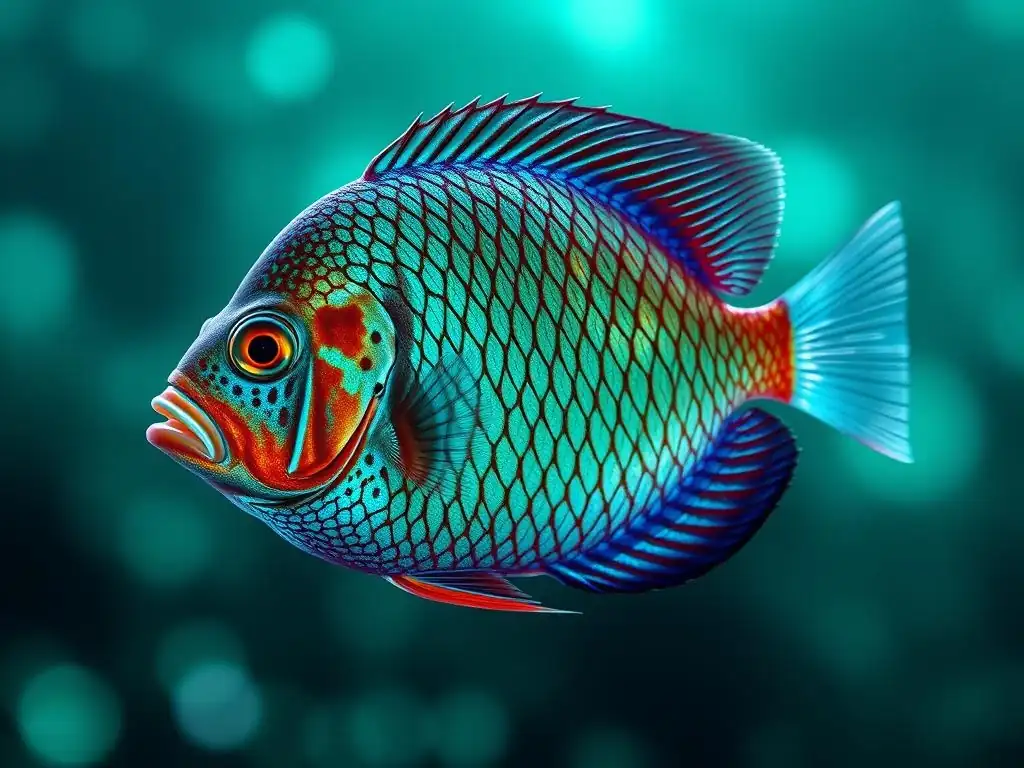
One of the most common frustrations in Discus breeding is an unsuccessful spawning attempt. This can manifest as a pair refusing to spawn, laying unfertilized eggs, or eating the eggs shortly after deposition. The primary causes often include an incompatible pair, incorrect water parameters, inadequate conditioning, or high stress levels. To troubleshoot, first re-evaluate your pair's bond; if they don't show strong bonding behaviors, they may not be a true pair.
Next, meticulously re-check all water parameters: temperature (ensure 82-86°F), pH (5.5-6.5), and especially hardness (GH 1-3 dGH, KH 0-1 dKH). Even slight deviations can inhibit spawning. Enhance their diet with more live and frozen foods to ensure they are in peak breeding condition. Finally, assess the tank environment for stressors: is it in a high-traffic area? Is lighting too bright? Providing more privacy with dim lighting and a quiet location can often encourage a reluctant pair to spawn. Patience is key; some pairs require several attempts to get it right.
Egg Fungus and Loss: Prevention and Treatment
Egg fungus is a pervasive problem that can decimate Discus egg clutches. It typically appears as white, fuzzy growth on the eggs, often starting on unfertilized ones and then spreading rapidly to viable eggs. The main culprits are poor water quality (high bacterial count) and a high percentage of unfertilized eggs. To prevent fungus, maintaining ultra-clean water through daily, large water changes is paramount. Ensure the breeding pair is mature and compatible, as this increases fertilization rates.
If fungus appears, gently siphoning off the affected eggs daily can help contain its spread, but this is a delicate operation. Some breeders use a very dilute solution of methylene blue in the breeding tank after spawning, which acts as an antifungal agent, though it will stain the tank and filter media. However, the most effective "treatment" is always prevention through pristine water conditions and ensuring optimal parental care, as the parents' fanning helps prevent fungal growth. For a comprehensive Discus breeding care guide, proactive measures against fungus are essential.
Fry Mortality: Identifying and Addressing Issues
High fry mortality rates are heartbreaking and often indicate underlying issues in the breeding setup or care routine. The most common causes include poor water quality, insufficient or inappropriate food, parental aggression or neglect, and disease. If fry are dying, immediately check your water parameters: ammonia and nitrite must be zero, and nitrates very low. Increase the frequency and volume of water changes.
Ensure fry are getting enough to eat. Are you feeding newly hatched baby brine shrimp 4-6 times a day? Are they able to find the food? Sometimes, the parents may not be producing enough slime coat, or are overly aggressive towards the fry. If parents are eating fry, they may need to be separated, and the fry raised artificially. Diseases, often bacterial, can sweep through a batch of fry quickly; maintaining cleanliness is the best defense. Early identification of issues and prompt corrective action, guided by this Discus breeding care guide, is critical for improving fry survival rates.
Advanced Discus Breeding Techniques: Addressing Pigeon Blood Stunting Issues
Pigeon Blood Discus, renowned for their vibrant, patternless coloration, can sometimes be prone to stunting issues, a challenge that requires advanced Discus breeding care guide techniques. Unlike most other Discus strains, Pigeon Bloods lack the stress bars that darken when the fish is stressed or ill. This genetic trait, while aesthetically pleasing, is sometimes associated with a higher susceptibility to growth stunting, potentially due to hormonal factors or increased sensitivity to environmental conditions.
To combat stunting in Pigeon Blood Discus, breeders often employ hyper-intensive husbandry. This includes even more rigorous water change schedules, with some breeders performing 90% water changes daily or even twice a day, to ensure absolutely pristine conditions and eliminate any growth-inhibiting substances. Aggressive feeding with a high-protein, varied diet, multiple times a day, is also crucial.
Providing larger grow-out tanks than typically used for other strains allows more space for development. Additionally, selective breeding, focusing on robust, fast-growing Pigeon Blood lines, is key. Breeders like Forrest Young have demonstrated that with dedicated care and selective breeding, it is possible to raise large, healthy Pigeon Blood Discus, overcoming the historical perception of their stunting propensity.
Discus Breeding Care Guide: Conclusion and Next Steps
Breeding Discus fish is undeniably one of the most challenging yet profoundly rewarding aspects of freshwater aquarium husbandry. It demands unwavering dedication, meticulous attention to water quality, precise parameter control, and a deep understanding of Discus behavior. By following this comprehensive Discus breeding care guide, from selecting the right pair and setting up an optimal environment to diligently caring for eggs and fry, you significantly increase your chances of success in this intricate endeavor. The journey of seeing tiny fry grow into magnificent adult Discus is a testament to the aquarist's skill and commitment.
Continuing Education in Discus Husbandry
The world of Discus breeding is constantly evolving, with new techniques, strains, and insights emerging regularly. To continue your success and deepen your understanding, ongoing education is vital. Engage with online Discus forums and communities, where experienced breeders share their knowledge and troubleshoot common issues. Investing in specialized books and publications dedicated to Discus husbandry can provide in-depth scientific and practical information. Attending local aquarium club meetings or even national Discus shows can connect you with fellow enthusiasts and provide invaluable learning opportunities from seasoned professionals.
Resources for Discus Breeders
For those committed to mastering Discus breeding, a wealth of resources exists beyond this Discus breeding care guide. Online specialized Discus forums provide a platform for asking questions and sharing experiences with a global community of breeders. Reputable online and local specialty fish stores often carry high-quality Discus breeding stock, as well as specialized equipment like spawning cones, RO/DI units, and professional-grade water test kits.
Many experienced breeders also offer mentorship or advice, which can be invaluable for navigating the nuances of Discus reproduction. Remember, consistent learning and adaptation are key to long-term success in the art of Discus breeding.
Frequently Asked Questions
How difficult is it to breed Discus fish compared to other freshwater fish?
Breeding Discus is considered highly challenging due to their specific water parameter requirements, complex parental care, and susceptibility to diseases. It's often seen as the pinnacle of freshwater aquarium keeping.
What are the ideal water parameters for successful Discus breeding?
Discus require pristine water conditions. This usually means a temperature of 82-86°F (28-30°C), a pH between 6.0 and 6.5, and very low levels of nitrates and nitrites.
What type of spawning site do Discus fish prefer?
Discus typically prefer vertical surfaces like spawning cones, slate, or even filter pipes. The surface should be clean and smooth to allow for proper egg adhesion.
What kind of parental care do Discus fish exhibit?
Discus are known for their exceptional parental care. They will fan the eggs, remove any that fungus, and feed their fry a special secretion from their skin for the first few weeks.
What are some common problems encountered during Discus breeding?
Common issues include egg fungus, fry not attaching to the parents, and disease outbreaks due to the stress of breeding. Maintaining excellent water quality is crucial to prevent these problems.
Final Reflection: The Enduring Allure of Discus Breeding
The journey into Discus breeding, a true test of dedication and skill, is far more than just a technical exercise. It's a testament to our ability to understand and nurture life in its most delicate forms, a pursuit that resonates deeply even in our increasingly digital world. The meticulous care, the unwavering patience, and the profound satisfaction derived from witnessing the successful rearing of these magnificent fish speak to a fundamental human desire to connect with nature and master its complexities.
The impact of Discus breeding extends beyond the aquarium hobby. It fosters a deeper appreciation for the intricate ecosystems that support aquatic life and underscores the importance of responsible aquarium keeping. My own fascination with Discus began with a simple observation of their elegant movements, a moment that sparked a lifelong dedication to understanding their needs and contributing to their well-being. In the end, we will conserve only what we love; we will love only what we understand; and we will understand only what we are taught.
- Baba Dioum's words perfectly encapsulate the responsibility we bear as aquarists and breeders.
Now, as you close this guide, consider the lessons learned and the challenges overcome. The path to mastering Discus breeding is not easy, but it is profoundly rewarding. Embrace the opportunity to apply this knowledge, not just to the care of these magnificent fish, but to all aspects of your life. Let the patience, dedication, and attention to detail that Discus breeding demands inspire you to pursue excellence in all your endeavors, and to cultivate a deeper understanding and appreciation for the natural world around you.
Unleash Your Inner Discus Breeder!
Thank you for diving into the fascinating world of Discus breeding! We hope you've gained valuable insights into this rewarding, albeit challenging, aspect of the aquarium hobby. Now, let's translate that knowledge into action!
Here are a few steps to get you started:
- Commit to setting up a dedicated breeding tank – This is the crucial first step towards achieving your Discus breeding dreams.
- Explore local Discus enthusiast communities to learn firsthand tips and tricks. Don't be shy – ask about common pitfalls!
- Consider documenting your breeding journey through a blog or video series to share your experiences with others.
What specific challenge are you most excited to tackle in your Discus breeding adventure?