
The Surprising Speed of Mushroom Coral Spreading

Welcome to Aquarium Mastery!
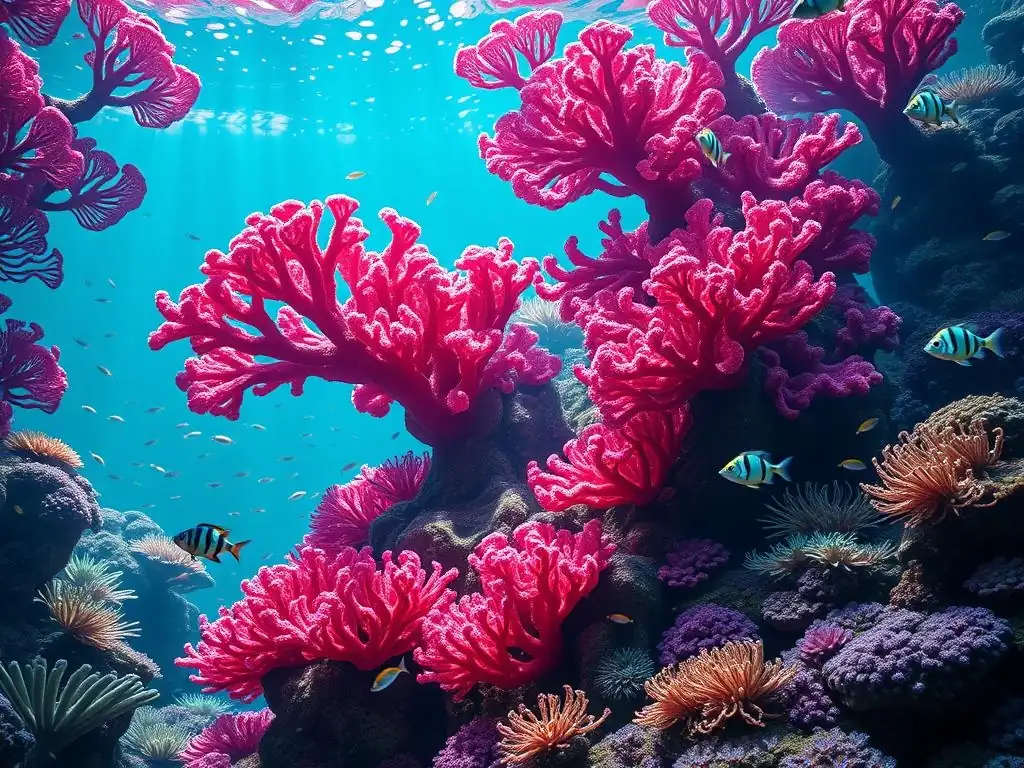
Ever wondered just how quickly those captivating Mushroom Corals can transform your reef tank? You might be surprised! Dive into our latest article, "The Surprising Speed of Mushroom Coral Spreading," where we uncover the secrets to their rapid growth and what it means for your reef's ecosystem. Ready to witness the magic? Let's explore the fascinating world of Mushroom Corals together!
- The Surprising Speed of Discosoma Mushroom Coral Spreading: A Guide for Aquarists
- Understanding Discosoma Mushroom Coral Growth in Reef Tanks
- Discosoma Coral Rapid Growth: How Fast is Fast?
- Why is My Discosoma Coral Growing So Fast? Exploring the Causes
- Controlling Discosoma Coral Overgrowth in Your Reef Aquarium
- Fragging Discosoma Corals: A Method for Controlled Propagation
- Troubleshooting: Addressing Slow or Stunted Discosoma Coral Growth
- Choosing the Right Discosoma Coral Species for Your Aquarium
- Conclusion: Mastering Discosoma Coral Growth in Your Reef Tank
-
Frequently Asked Questions
- What factors contribute to mushroom coral rapid growth in an aquarium?
- How quickly can mushroom corals spread under ideal conditions?
- What are the signs of uncontrolled mushroom coral growth and potential problems?
- How can I control the spread of mushroom corals in my aquarium?
- What water parameters are most important for promoting mushroom coral rapid growth?
- Final Reflection: The Unstoppable Bloom
- Ignite Your Reef Tank: Unleash the Coral Growth!
The Surprising Speed of Discosoma Mushroom Coral Spreading: A Guide for Aquarists
Understanding Discosoma Mushroom Coral Growth in Reef Tanks
Introduction to Discosoma Corals and Their Popularity
Discosoma corals, commonly known as mushroom corals, are a highly popular choice among both novice and experienced aquarists due to their vibrant colors, diverse textures, and remarkable hardiness. These soft corals come in a breathtaking array of hues, from deep reds and blues to iridescent greens and oranges, often adorned with unique patterns or vesicles. Their relatively low maintenance requirements and ability to thrive in various tank conditions make them an accessible entry point into the world of reef keeping, contributing significantly to their widespread appeal.
Beyond their aesthetic charm, Discosoma corals are celebrated for their resilience and capacity for self-propagation. Unlike some more delicate coral species, they are forgiving of minor fluctuations in water parameters and generally resistant to common coral ailments. This combination of beauty, durability, and a surprising tendency for mushroom coral rapid growth often leads to a thriving colony that can quickly become a focal point in a reef aquarium, much to the delight of their keepers.
Factors Influencing Discosoma Coral Rapid Growth
The rate at which Discosoma corals proliferate is influenced by a complex interplay of environmental factors within the aquarium. Optimal water quality, appropriate lighting intensity and spectrum, gentle water flow, and the availability of nutrients all contribute to their overall health and growth. When these conditions are met and consistently maintained, Discosoma corals channel their energy efficiently into reproduction, manifesting as noticeable expansion of their colony.
While Discosoma corals are known for their adaptability, fine-tuning their environment can dramatically accelerate their spreading. For instance, maintaining stable temperature and salinity, along with adequate levels of nitrates and phosphates, can create an ideal environment that pushes their growth beyond typical expectations. This ability to exhibit Discosoma coral rapid growth under favorable conditions is a key characteristic that aquarists often observe and sometimes need to manage.
Discosoma Coral Rapid Growth: How Fast is Fast?
Documented Rates of Discosoma Coral Spreading
Discosoma corals primarily reproduce through budding, where new polyps emerge from the base or mouth of an existing polyp, or by fission, where a single polyp splits into two or more independent individuals. Under ideal conditions, a single, healthy Discosoma polyp can produce 2-4 new polyps within a few months. For instance, a small colony might double its polyp count within 6 to 12 months, effectively covering a significant portion of the available rockwork. This consistent proliferation demonstrates the potential for mushroom coral rapid growth in a well-maintained system.
Specific examples highlight this speed: a "Ricordea Florida" mushroom, a type of Discosoma, can split into two distinct polyps in as little as 3-4 weeks if water parameters, lighting, and nutrient levels are perfectly dialed in. Similarly, common "Rhodactis" mushrooms are observed to bud a new polyp every 2-3 months on average. While these rates can vary widely depending on the specific species and tank conditions, they underscore the inherent capacity for Discosoma coral rapid growth.
Comparing Discosoma Coral Growth to Other Soft Corals
When compared to other popular coral types, Discosoma corals often exhibit a notably faster rate of expansion. They typically outpace many Large Polyp Stony (LPS) corals, such as Acanthastrea, which might add only a few new polyps or increase in size by an inch or two over a year. Their growth is also significantly more direct in terms of new polyp formation than the structural growth seen in Small Polyp Stony (SPS) corals like Acropora, which might grow a few inches in height annually but take much longer to form a dense, broad colony.
Against other fast-growing soft corals, Discosoma's growth mechanism offers a unique challenge and benefit. While corals like Xenia are known for their rapid pulsing and Green Star Polyps (GSP) for their quick encrusting, Discosoma's process of budding and splitting new, independent polyps can lead to equally, if not more, extensive surface coverage, especially in smaller aquariums. This prolific generation of new individuals contributes directly to what is often perceived as widespread mushroom coral rapid growth, sometimes requiring active management.
Identifying Healthy Discosoma Coral Growth vs. Overgrowth
Identifying healthy Discosoma coral growth is relatively straightforward: polyps are typically plump, fully expanded, and display vibrant coloration. They consistently bud or split, and new polyps emerge with similar vigor and appearance to the parent. The polyps will maintain their characteristic shape and texture, indicating proper nutrient uptake and light exposure. This consistent expansion across available surfaces is a clear sign of a thriving colony and healthy mushroom coral rapid growth.
However, unchecked proliferation can lead to overgrowth, which presents a different set of visual cues and management challenges. Signs of overgrowth include polyps becoming overly crowded, potentially shading each other, or beginning to colonize areas where they are not desired, such as the sand bed, overflow boxes, or even encrusting onto powerheads. When Discosoma coral rapid growth starts to impinge on other corals, causing them to retract or lose color due to competition for light and space, it signals that the growth has transitioned from healthy expansion to problematic overgrowth.
Why is My Discosoma Coral Growing So Fast? Exploring the Causes
Optimal Water Parameters for Discosoma Coral Growth
Temperature and Salinity
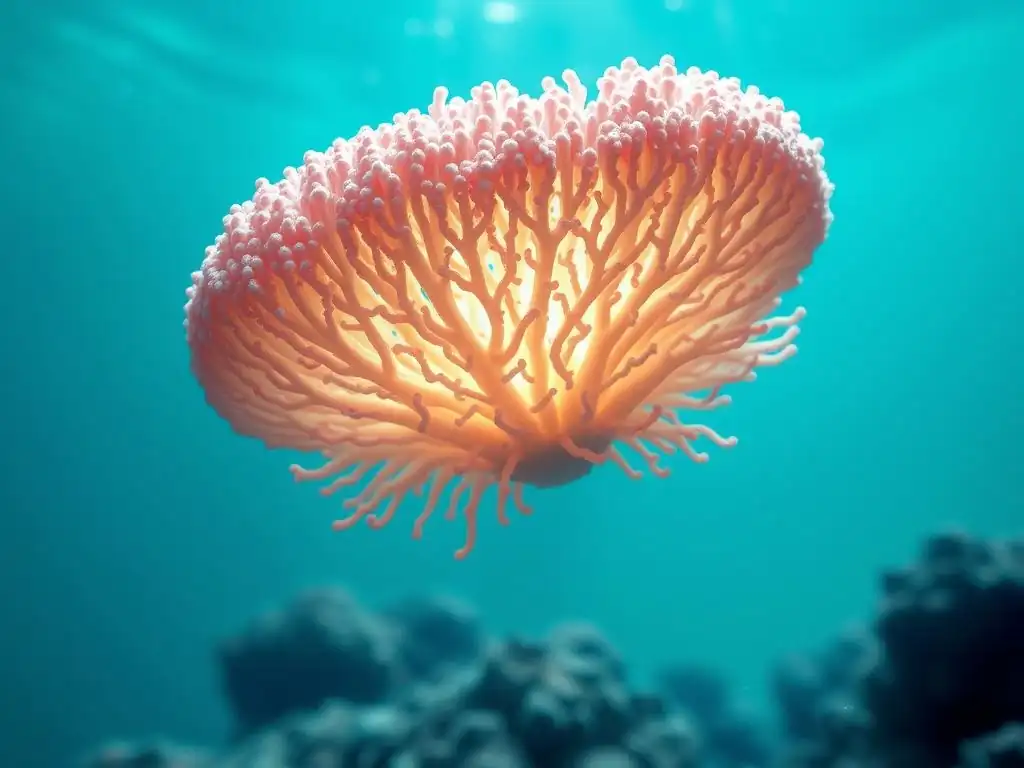
Maintaining stable and appropriate temperature and salinity levels is foundational for encouraging Discosoma coral rapid growth. The optimal temperature range for most Discosoma species is typically between 76-80°F (24.4-26.7°C). Consistency is paramount, as sudden temperature swings can stress corals and inhibit their growth. Similarly, a stable specific gravity of 1.024-1.026 (34-35 ppt salinity) mimics their natural marine environment and supports healthy cellular functions.
Deviations outside these narrow ranges can significantly impede Discosoma coral proliferation. For instance, prolonged exposure to temperatures below 72°F (22.2°C) or above 82°F (27.8°C) can cause retraction, tissue recession, or even death. Likewise, unstable salinity can lead to osmotic stress. When these parameters are consistently within their ideal range, Discosoma corals can allocate more energy towards growth and reproduction, leading to pronounced mushroom coral rapid growth.
Alkalinity, Calcium, and Magnesium
While soft corals like Discosoma do not build large calcium carbonate skeletons like SPS or LPS corals, they still benefit immensely from stable water chemistry. Optimal alkalinity levels, typically between 8-12 dKH, ensure the stability of pH and provide bicarbonate ions necessary for various biological processes. Calcium levels around 400-450 ppm and magnesium levels between 1250-1350 ppm are also beneficial, contributing to overall water stability and the health of their symbiotic zooxanthellae.
Fluctuations in these parameters, even if not critically high or low, can stress corals and divert energy away from growth. Maintaining these parameters within standard reef-safe ranges, through regular testing and consistent dosing or water changes, indirectly supports Discosoma coral rapid growth by fostering a stable and healthy environment. A well-buffered system allows the corals to thrive without expending energy on adapting to chemical shifts.
Nitrate and Phosphate Levels
Unlike many demanding SPS corals that require ultra-low nutrient systems, Discosoma corals often thrive in tanks with slightly elevated nutrient levels. Nitrates in the range of 5-20 ppm and phosphates between 0.03-0.1 ppm are generally well-tolerated and can even stimulate mushroom coral rapid growth. These nutrients, often considered pollutants in other reef systems, provide essential building blocks for the zooxanthellae living within the coral tissues, which in turn supply the coral with energy.
Extremely low nutrient levels, often seen in "ULNS" (Ultra-Low Nutrient System) tanks, can sometimes starve Discosoma corals, leading to faded coloration, retraction, and stunted growth. A balanced approach where nutrients are present but not excessively high can significantly contribute to a Discosoma coral's ability to proliferate quickly. For example, a tank with a moderate fish load and consistent feeding can often support robust Discosoma coral rapid growth without experiencing significant algae issues.
Lighting Requirements and Their Impact on Discosoma Coral Growth
PAR Levels for Discosoma Corals
Discosoma corals are generally considered low to moderate light corals, preferring less intense illumination compared to SPS or many LPS species. Optimal Photosynthetically Active Radiation (PAR) levels for Discosoma typically range from 30-80 PAR. Placing them too high in the tank or under excessively strong lighting can cause them to retract, bleach, or shrink, as their zooxanthellae become overwhelmed.
Consistent exposure to appropriate PAR levels allows their symbiotic algae to photosynthesize efficiently, converting light energy into sugars that fuel the coral's metabolic processes and growth. Many aquarists find that placing Discosoma corals on the sand bed or lower rockwork, away from direct, intense light, encourages maximal expansion and contributes significantly to Discosoma coral rapid growth. For example, a PAR reading of 50-70 µmol·m⁻²·s⁻¹ at the coral's location is often ideal.
Light Spectrum and Coloration
While PAR dictates intensity, the light spectrum plays a crucial role in both the health and visual appeal of Discosoma corals. A spectrum rich in blue (around 450-470 nm) and royal blue (around 420-430 nm) wavelengths is highly beneficial, mimicking the natural light penetration in tropical reef environments. These specific wavelengths are particularly effective for photosynthesis by the zooxanthellae.
Incorporating a broader spectrum that includes some white or warm white light, while still leaning heavily towards the blue end, can enhance the vibrant coloration of Discosoma mushrooms, making their reds, greens, and blues truly pop. This optimal spectrum not only improves their aesthetic but also supports the robust photosynthetic activity essential for sustained mushroom coral rapid growth.
Flow Rates and Their Effect on Discosoma Coral Expansion
Discosoma corals prefer low to moderate, indirect water flow. Strong, turbulent, or direct flow can cause them to retract, curl up, or even detach from their substrate. Such conditions prevent the polyps from fully expanding, which limits their surface area for light absorption and nutrient uptake, thereby hindering their growth.
Gentle, turbulent flow is ideal, as it helps deliver essential nutrients to the coral while efficiently removing waste products from its surface. This type of flow allows the mushrooms to remain fully expanded and minimizes stress, enabling them to maximize their photosynthetic efficiency and nutrient absorption. An environment with appropriate flow is crucial for encouraging optimal Discosoma coral rapid growth and maintaining their plump, healthy appearance.
Nutrient Availability and Discosoma Coral Proliferation
Overfeeding and Excess Nutrients
Discosoma corals are heterotrophic to some extent, meaning they can absorb dissolved organic matter and even consume small particulate foods from the water column. In a reef tank, overfeeding the fish or inverts can lead to higher levels of dissolved organic carbons (DOCs), nitrates, and phosphates. While excessive levels can lead to nuisance algae, a moderate increase in these nutrients can be directly utilized by Discosoma corals and their zooxanthellae.
This ability to assimilate available nutrients from the water column means that a slightly "dirtier" tank, by the standards of an SPS-dominated system, can paradoxically be beneficial for Discosoma coral rapid growth. They are less sensitive to these compounds and can effectively convert them into energy for proliferation. For example, a tank with a regular feeding schedule for fish might see more aggressive mushroom coral spreading than a meticulously clean, ultra-low nutrient system.
The Role of Supplements
While not strictly essential for survival if water changes are regular and the bioload is adequate, certain supplements can further enhance Discosoma coral rapid growth. Liquid coral foods designed for filter feeders, such as phytoplankton or zooplankton solutions, provide direct nutritional input that complements their photosynthetic capabilities. Amino acid supplements can also offer building blocks for tissue repair and growth.
For instance, a weekly target feeding of a high-quality liquid coral food can provide the additional energy and nutrients needed to push Discosoma proliferation beyond what photosynthesis alone can achieve. However, it's crucial to dose sparingly and observe the tank's response to avoid nutrient spikes that could lead to undesirable algae growth.
Controlling Discosoma Coral Overgrowth in Your Reef Aquarium
Manual Removal Techniques for Discosoma Corals
Using a Razor Blade or Scalpel
For individual Discosoma polyps that have attached to flat, accessible rock surfaces, manual removal with a sharp razor blade or surgical scalpel is often the most direct and effective method. The key is to carefully slide the blade underneath the mushroom's foot, severing its attachment to the rock. This technique allows for precise removal without disturbing the surrounding aquascape.
It is imperative to use a new, sterile blade to minimize the risk of introducing pathogens and to ensure a clean cut. Once detached, the mushroom can be carefully netted out of the tank or, if desired, placed on a frag plug for propagation. This method is particularly useful for managing early signs of mushroom coral rapid growth in unwanted areas.
Rock Removal and Fragging
When a significant colony of Discosoma corals has established itself on a specific piece of live rock, and individual removal becomes impractical, the entire rock can be carefully removed from the aquarium. Once out, the mushrooms can be manually scraped off using a sturdy tool or, more commonly, fragged off the rock using a scalpel or small bone cutters if they are attached to a larger piece.
This approach is more disruptive to the tank environment but offers a comprehensive solution for extensive Discosoma coral rapid growth. The removed polyps can then be discarded, traded, or given to other aquarists, effectively containing the spread and reclaiming space within the main display tank.
Natural Predators of Discosoma Corals
Nudibranchs and Other Grazers [Berghia Nudibranch, Sea Urchins]
Introducing natural predators can be a tempting solution for controlling mushroom coral rapid growth, but it comes with significant caveats. Certain species of nudibranchs, such as some Phyllodesmium species, are known to prey on specific types of soft corals, including some mushroom varieties. However, finding a nudibranch that exclusively targets Discosoma without posing a risk to other desirable soft corals can be challenging, and their effectiveness is often inconsistent.
Sea urchins, like Diadema or Mespilia species, are primarily herbivorous grazers that consume algae. While they might occasionally nip at the edges of soft corals or consume small, detached polyps, they are not reliable or targeted predators for controlling established Discosoma colonies. Their impact on significant mushroom coral rapid growth is generally minimal, and they can sometimes disturb corals or rockwork.
Chemical Methods for Discosoma Coral Control [Considerations and Risks]
Chemical methods for controlling Discosoma coral overgrowth typically involve injecting individual polyps with a solution designed to kill them, such as concentrated kalkwasser paste or a highly saline solution. This method aims to target specific polyps without affecting the entire colony or surrounding corals. A small syringe with a fine needle is used to carefully inject the solution directly into the mushroom's oral disc or foot.
However, chemical control carries substantial risks. Injecting chemicals can release undesirable compounds into the water column, potentially affecting overall water parameters, stressing other tank inhabitants, or harming beneficial bacteria. The risk of collateral damage to nearby corals is high, and this method is generally not recommended for widespread mushroom coral rapid growth. It should only be considered as a last resort for isolated, problematic polyps and performed with extreme caution to avoid system instability.
Preventing Unwanted Discosoma Coral Spread
Careful Placement of Discosoma Corals
The most effective strategy for preventing unwanted mushroom coral rapid growth is careful initial placement within the aquarium. Discosoma corals should ideally be placed on isolated rocks or in areas where their inevitable spread will not impinge on other, less aggressive corals. Avoid placing them directly on the main aquascape if you wish to limit their colonization to a specific zone.
Creating a "mushroom island" – a dedicated, separate piece of rockwork specifically for your Discosoma corals – is an excellent preventative measure. This isolation allows them to proliferate freely on their designated rock without encroaching upon LPS or SPS corals, which could be stung or shaded out by their expansion. This proactive approach is key to managing mushroom coral rapid growth effectively.
Regular Tank Maintenance
Consistent and thorough tank maintenance is crucial for early detection and intervention regarding Discosoma coral spread. During routine tasks such as water changes, glass cleaning, and general observation, aquarists should actively look for any newly budded polyps that appear outside their designated areas. Early identification allows for swift manual removal before the new polyps firmly attach and become larger, more challenging colonies.
Promptly scraping off any newly formed polyps that are colonizing unwanted surfaces can significantly curb Discosoma coral rapid growth before it escalates into a major overgrowth issue. This proactive vigilance is far less disruptive than attempting to control an established, widespread colony, making regular checks an indispensable part of managing these prolific soft corals.
Fragging Discosoma Corals: A Method for Controlled Propagation
Preparing for Discosoma Coral Fragging
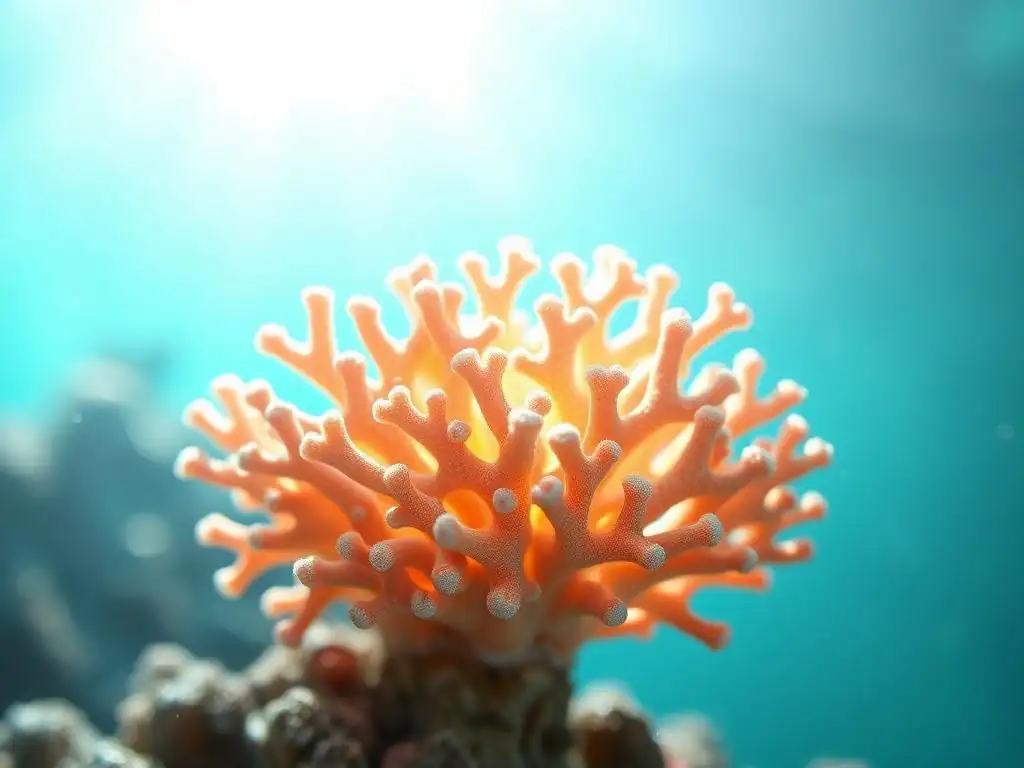
Before attempting to frag Discosoma corals, it's essential to gather all necessary tools and prepare a clean workspace. You will need a new, sharp scalpel or razor blade, coral-safe super glue gel (cyanoacrylate), frag plugs or small pieces of inert live rock rubble, and a small container filled with tank water. Ensuring all tools are sterile and readily accessible will minimize stress on the coral and streamline the process.
Working efficiently and quickly is paramount to reduce the coral's time out of water, which can cause undue stress. Having everything laid out and ready before you begin the fragging process will help ensure a smooth operation, allowing you to effectively manage and propagate your Discosoma coral rapid growth into new, viable pieces.
Step-by-Step Guide to Fragging Discosoma Corals
Choosing the Right Tools
For precise and clean cuts, a new, sterile surgical scalpel (such as a #10 or #15 blade) is highly recommended. A very sharp, new razor blade can also be used for larger, more robust polyps. Avoid using dull tools, as they can tear the delicate coral tissue, leading to damage and potentially hindering the frag's recovery.
Coral-safe super glue gel is the adhesive of choice for attaching the freshly cut frag to a frag plug or a small piece of live rock. Ensure the glue is specifically formulated for aquarium use to prevent any adverse effects on water quality or tank inhabitants.
Cutting and Attaching Frags
Gently remove the mushroom polyp from its attachment point on the rock. For many Discosoma species, a small piece of the foot or even a torn fragment of the polyp's margin can regenerate into a full mushroom. Some larger polyps can be carefully cut in half through the mouth, with each half regenerating into a new polyp. Apply a small amount of super glue gel to the top of a frag plug or a small piece of rubble.
Carefully place the cut mushroom, underside down, onto the glue. Gently hold it in place for 10-20 seconds until it adheres. Once secured, place the new frag back into a low-flow, shaded area of the tank to recover. This process allows for controlled Discosoma coral rapid growth and propagation.
Caring for Discosoma Coral Frags
Placement and Water Flow
Newly fragged Discosoma mushrooms are sensitive and require a period of recovery. Place them in a shaded area of the tank with very low, indirect water flow. This minimizes the risk of the frag detaching before it fully adheres to the plug and reduces stress on the healing tissue. Strong flow can dislodge the frag, while excessive light can cause bleaching.
Once the frag has securely attached to its plug (typically within a few days to a week), it can be gradually moved to its desired permanent location in the tank. At this point, it can be exposed to the moderate lighting and gentle flow conditions that encourage robust mushroom coral rapid growth for the new individual.
Feeding and Lighting
While Discosoma corals primarily rely on photosynthesis for energy, target feeding newly fragged mushrooms with small, meaty foods like zooplankton or phytoplankton can significantly accelerate their recovery and growth. This direct nutritional input provides additional energy for tissue regeneration and expansion.
Maintain consistent, moderate lighting conditions. Avoid sudden increases in light intensity, which can shock the recovering frag. A stable environment with appropriate lighting will allow the symbiotic zooxanthellae to function optimally, providing the energy necessary for the new frag to exhibit healthy Discosoma coral rapid growth.
Troubleshooting: Addressing Slow or Stunted Discosoma Coral Growth
Identifying Potential Issues
Poor Water Quality
If your Discosoma corals are exhibiting slow or stunted growth, or appear retracted and unhealthy, poor water quality is often the primary culprit. Regularly test your water parameters. High nitrates (consistently above 20 ppm), zero phosphates (which can starve them), or significant fluctuations in alkalinity and calcium can all stress mushrooms, leading to reduced expansion or fading. Ammonia and nitrite spikes are particularly toxic and will cause immediate and severe distress, completely halting any mushroom coral rapid growth.
Insufficient Lighting
Discosoma corals, while low-light tolerant, still require adequate illumination for photosynthesis. If your mushrooms are stretching tall and thin (etiolation), losing their vibrant coloration, or remaining consistently retracted, they may not be receiving enough light. This often occurs if they are placed too low in the tank, are heavily shaded by other corals or rockwork, or if your lighting system is insufficient. Conversely, too much light can cause them to bleach or shrink.
Inadequate Flow
Improper water flow can also hinder Discosoma coral growth. Too little flow can lead to the accumulation of detritus on the coral's surface, inhibiting gas exchange and nutrient absorption. Conversely, excessively strong or direct flow can cause the polyps to constantly retract, struggle to expand, or even detach from their substrate, preventing them from thriving. Observe the coral's behavior; if it's constantly "dancing" violently or consistently shriveled, the flow may be too intense.
Pests and Diseases
Although generally hardy, Discosoma corals can occasionally be affected by specific pests or diseases. Predatory snails, such as sundial snails, or certain nudibranch species not typically found in reef tanks, might graze on mushroom corals. Look for small bite marks on the polyps or unexplained tissue recession. Bacterial infections can sometimes manifest as a white film or melting tissue. If pests are suspected, isolating affected corals or manual removal may be necessary.
Corrective Measures for Promoting Healthy Discosoma Coral Growth
To promote healthy Discosoma coral growth, begin by addressing any identified water quality issues. Perform small, frequent water changes (e.g., 10% weekly) to stabilize parameters, dilute pollutants, and replenish essential trace elements. Adjust your lighting intensity or relocate the corals to a more suitable PAR level based on your observations of their expansion and color. If they are stretching, move them slightly higher; if bleaching, move them lower or reduce intensity.
Ensure proper water flow by adjusting powerhead directions or adding small wavemakers to create a gentle, turbulent flow around the mushrooms without directly blasting them. If pests are confirmed, manual removal is often the safest approach; introducing specific predators should be done with extreme caution as they may pose risks to other tank inhabitants. By systematically addressing these factors, you can restore conditions conducive to robust Discosoma coral rapid growth.
Choosing the Right Discosoma Coral Species for Your Aquarium
Beginner-Friendly Discosoma Coral Varieties
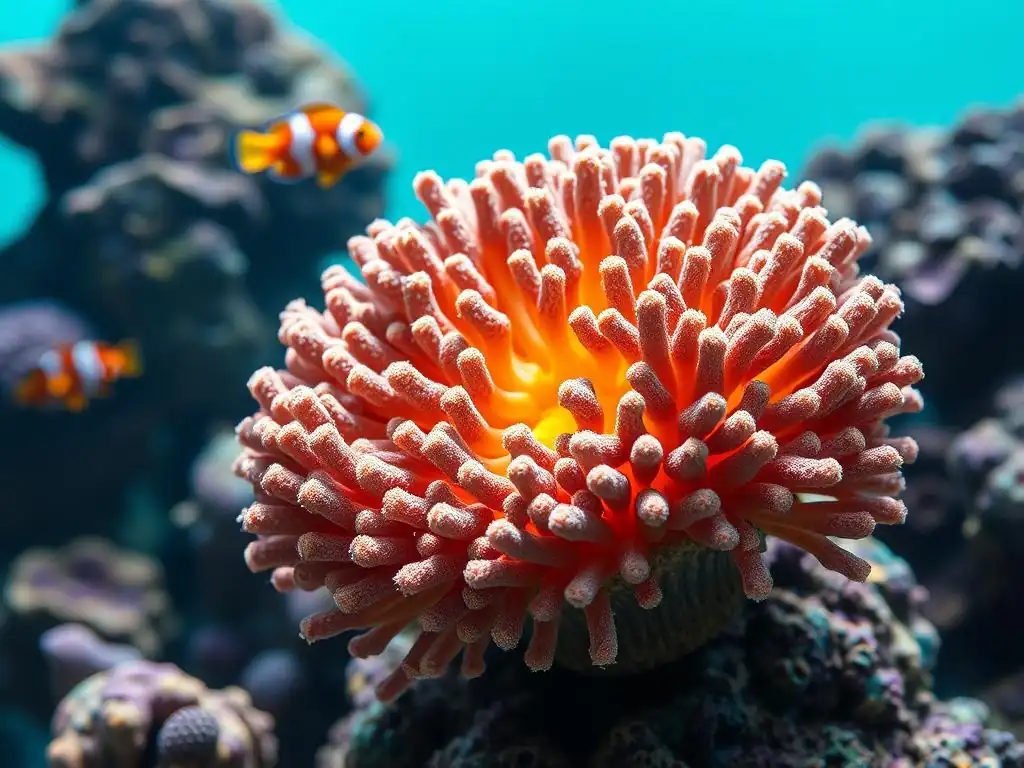
For aquarists new to mushroom corals, several Discosoma species are particularly forgiving and excellent choices. Common varieties such as "Red Mushrooms," "Blue Mushrooms," and "Green Mushrooms" (often Discosoma spp.) are highly resilient, tolerate a wider range of water parameters than many other corals, and readily propagate. Their consistent and reliable mushroom coral rapid growth makes them rewarding for beginners looking to establish a vibrant soft coral garden.
Rhodactis mushrooms, especially the common "Green Hairy Rhodactis," are also very beginner-friendly. They are known for their hardiness and ability to thrive in various tank conditions, exhibiting strong growth and propagation tendencies. While some Rhodactis species can be more aggressive with stinging capabilities, the common varieties are generally peaceful enough for mixed reef tanks with adequate spacing.
Unique and Fast-Growing Discosoma Coral Species
For aquarists seeking unique aesthetics combined with good growth, Ricordea Florida mushrooms are highly sought after. Known for their vibrant, often multi-colored vesicles and unique textures, they can be a stunning addition. While they might take a bit longer to settle in initially, once established, they can exhibit surprising "Ricordea coral rapid growth" through budding, adding new, highly prized polyps to the collection.
"Bounce Mushrooms," a distinctive variety of Rhodactis, are prized for their dramatic, bubble-like formations on their surface. While commanding higher prices due to their rarity and unique appearance, once acclimated, they too can demonstrate significant "bounce mushroom rapid growth." Their propagation by budding allows enthusiasts to grow their collection or even trade frags of these captivating corals.
Considerations for Tank Compatibility
Despite their generally peaceful nature, it's crucial to consider tank compatibility when introducing Discosoma corals, especially given their potential for mushroom coral rapid growth. Some species, particularly Rhodactis varieties, possess mild stinging capabilities and can irritate or even damage other corals if they come into direct contact. It's advisable to maintain a buffer zone of at least 2-3 inches between mushroom corals and other coral species, particularly more sensitive LPS or SPS corals.
Their prolific nature and tendency for Discosoma coral rapid growth mean they can quickly spread and overshadow slower-growing corals, competing for light and space. Therefore, careful aquascaping and strategic placement are essential to ensure they do not smother or outcompete other desirable inhabitants. Planning for their potential spread from the outset can prevent future conflicts and maintain a balanced, diverse reef ecosystem.
Conclusion: Mastering Discosoma Coral Growth in Your Reef Tank
Key Takeaways for Maintaining a Balanced Reef Ecosystem with Discosoma Corals
Discosoma corals are undeniably one of the most rewarding and visually striking inhabitants for a reef aquarium, prized for their beauty, resilience, and captivating forms. Under optimal conditions—characterized by stable water parameters, moderate lighting, gentle water flow, and adequate nutrient availability—these soft corals exhibit a surprising and often rapid growth rate. Their ability to quickly populate available surfaces, whether through budding or fission, makes them a dynamic addition to any system.
Mastering Discosoma coral growth involves understanding their environmental preferences and being proactive in managing their spread. Through careful initial placement, consistent observation during routine tank maintenance, and the strategic application of manual fragging techniques, aquarists can effectively control their proliferation. By harnessing the power of Discosoma coral rapid growth for controlled propagation or by managing potential overgrowth, hobbyists can maintain a balanced, vibrant, and thriving reef ecosystem that showcases the full splendor of these fascinating soft corals.
Frequently Asked Questions
What factors contribute to mushroom coral rapid growth in an aquarium?
Several factors can influence the speed at which mushroom corals spread. These include optimal water parameters, adequate lighting, and a nutrient-rich environment.
How quickly can mushroom corals spread under ideal conditions?
Under ideal conditions, some mushroom coral species can spread quite rapidly. You might observe noticeable growth within weeks, and a significant increase in colony size within a few months.
What are the signs of uncontrolled mushroom coral growth and potential problems?
Signs include overcrowding other corals, shading them from light, and competing for resources. This can lead to stress and even death for other tank inhabitants.
How can I control the spread of mushroom corals in my aquarium?
Methods include physical removal of individual mushrooms, using barriers to contain them, or adjusting water parameters to slow growth. Careful observation is key.
What water parameters are most important for promoting mushroom coral rapid growth?
Maintaining stable parameters is crucial. Key factors include appropriate alkalinity, calcium, and magnesium levels, along with consistent temperature and salinity.
Final Reflection: The Unstoppable Bloom
The evidence is clear: Mushroom coral rapid growth is not just a scientific observation, but a dynamic force reshaping reef ecosystems. Understanding the speed and mechanisms behind this expansion is now more critical than ever, as our oceans face unprecedented environmental pressures. The ability of these corals to colonize and adapt offers a glimmer of hope, but also presents complex challenges for conservation efforts.
The implications of this rapid growth extend far beyond the scientific community. Witnessing the resilience and adaptability of mushroom corals inspires a deeper appreciation for the intricate balance of marine life. In nature, nothing is perfect and everything is perfect. Trees can be contorted, bent in weird ways, and they're still beautiful.
- Alice Walker. This quote resonates deeply when considering the mushroom coral's ability to thrive even in disturbed environments, reminding us of the inherent beauty and strength found in adaptation.
Now, consider your own role in this story. How can you contribute to a greater understanding and protection of our coral reefs? Whether it's through supporting sustainable practices, advocating for responsible environmental policies, or simply spreading awareness, each of us has the power to influence the future of these vital ecosystems. Let the surprising speed of mushroom coral growth serve as a reminder: even small actions, when multiplied, can lead to transformative change.
Ignite Your Reef Tank: Unleash the Coral Growth!
Thank you for diving deep into the fascinating world of mushroom corals! We hope you’ve discovered how surprisingly dynamic these captivating creatures can be. Now, let's translate that knowledge into action and supercharge your reef aquarium.
Here’s how you can take the next step:
- Immediately optimize your mushroom coral's placement. Experiment with different light and flow conditions to find the sweet spot that encourages the fastest growth and vibrant colors.
- Share your newfound knowledge! Educate fellow reef keepers by posting a before-and-after photo of your mushroom coral on social media, tagging @AquariumMastery and using #MushroomMania.
- Consider introducing a rare or unique mushroom coral morph to your aquarium to add diversity and intrigue. Perhaps a speckled variety or a vibrant discosoma?
What unique tactics have you found most successful in encouraging your mushroom corals to thrive and spread? Share your secrets in the comments below!