
LPS Coral Aquarium Setup: Building the Perfect Home for Large Polyp Stony Corals

Welcome to Aquarium Mastery!
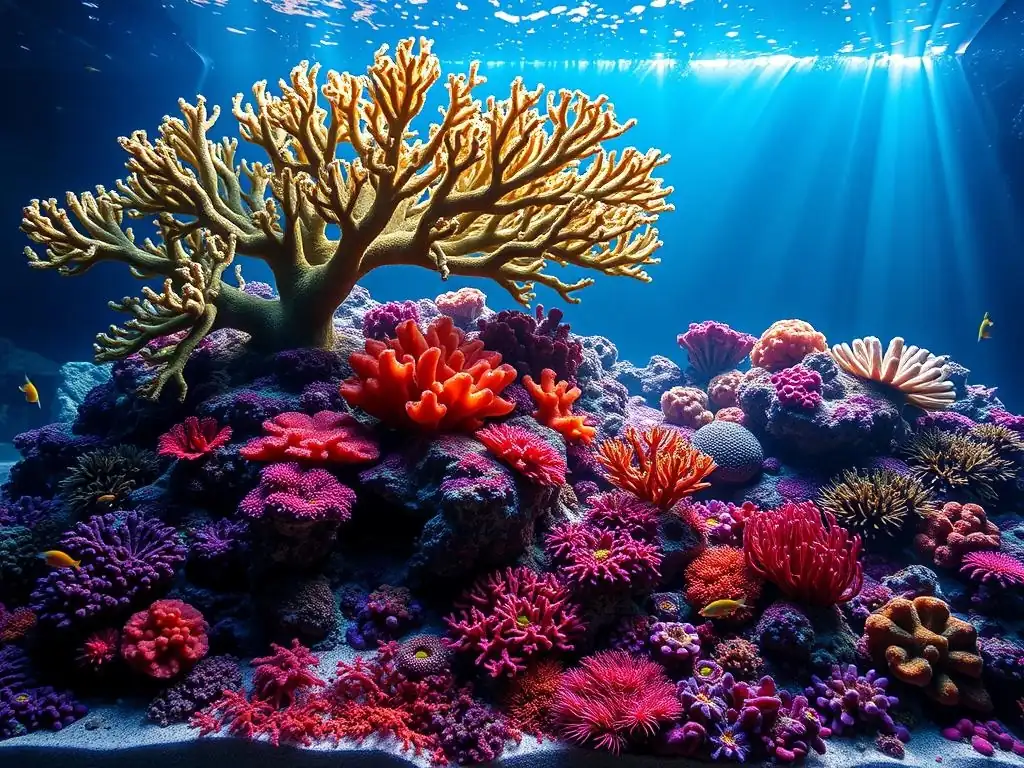
Ever dreamt of a vibrant reef teeming with the mesmerizing beauty of LPS corals? Wondering where to begin? Our LPS coral aquarium setup guide unveils the secrets to creating the perfect environment for these captivating creatures. Dive in and discover everything you need to know, from tank selection to water parameters, and unlock the potential to build a thriving underwater paradise. Let's get started!
- Introduction to LPS Coral Aquariums: A Comprehensive Setup Guide
-
Frequently Asked Questions
- What exactly are LPS corals, and why are they popular in reef aquariums?
- What are the key differences between setting up an LPS coral aquarium versus a fish-only aquarium?
- What kind of lighting is best for an LPS coral aquarium, and how do I determine the correct intensity?
- What are the most important water parameters to monitor and maintain in an LPS coral aquarium?
- What are some common problems that LPS corals face in aquariums, and how can I prevent or treat them?
- Final Reflection: Cultivating Underwater Gardens of Tomorrow
- Ignite Your Reef: Design the LPS Dream Tank!
Introduction to LPS Coral Aquariums: A Comprehensive Setup Guide
What are LPS Corals and Why Keep Them?
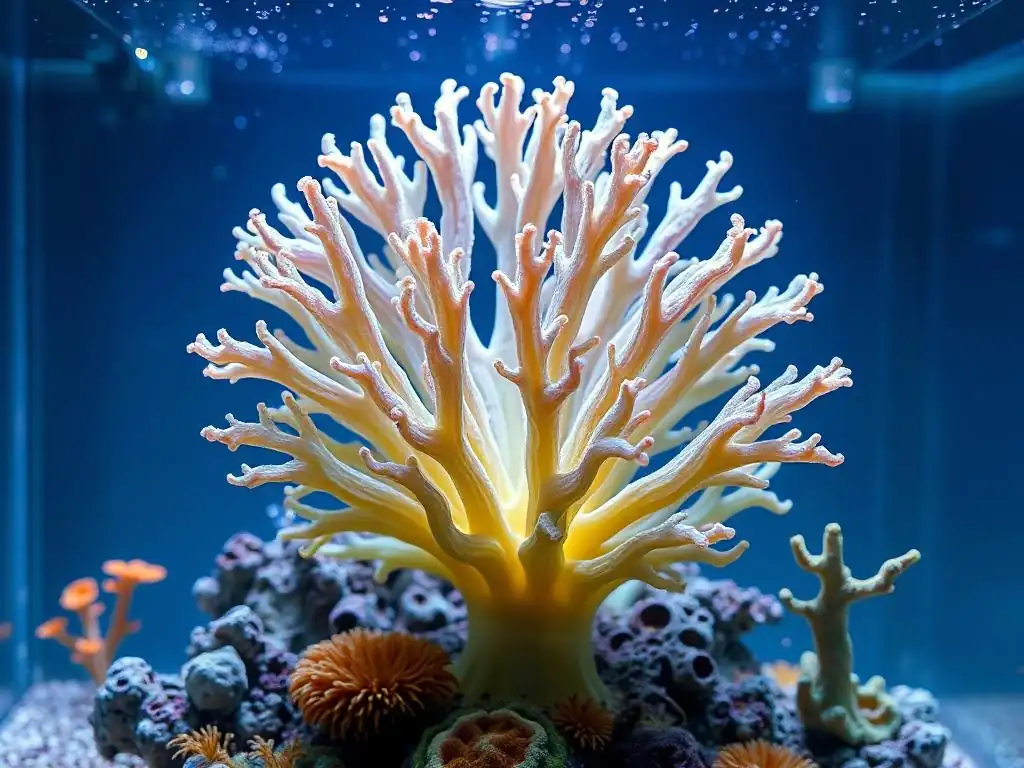
Large Polyp Stony (LPS) corals represent a captivating group of marine invertebrates, characterized by their substantial, fleshy polyps that extend over a hard, calcium carbonate skeleton. Unlike their Small Polyp Stony (SPS) counterparts, which typically feature tiny polyps and often form intricate branching structures, LPS corals boast more prominent, often flowing polyps that create a dynamic and visually stunning display within a reef aquarium.
Popular examples include the elegant Euphyllia species like Hammer and Torch corals, the vibrant Acanthastrea (Acans), and the intricate Brain corals ( Favia, Favites). Their diverse forms, ranging from solitary polyps to massive colonies, along with a spectacular array of colors – from deep blues and purples to fiery reds and fluorescent greens – make them highly sought after by aquarists aiming for a vibrant and active reef tank.
Keeping LPS corals offers a unique blend of aesthetic appeal and the rewarding challenge of maintaining a miniature marine ecosystem. Many enthusiasts are drawn to their mesmerizing polyp movement, which often sways gently with tank currents, creating a living, breathing display.
Furthermore, while requiring specific care, many LPS species are considered more forgiving than SPS corals regarding water parameter fluctuations and lighting intensity, making them an excellent stepping stone for aquarists looking to advance from soft corals. A well-executed LPS coral aquarium setup guide empowers hobbyists to cultivate these magnificent creatures, observing their growth—some Euphyllia species, for instance, can add 1 to 2 inches of growth per year under optimal conditions—and even their fascinating feeding responses, contributing to a truly immersive hobby experience.
Understanding the Challenges and Rewards of LPS Coral Care
Embarking on an LPS coral aquarium setup guide involves navigating a distinct set of challenges that differentiate their care from other aquarium inhabitants. The primary hurdle lies in maintaining stable water chemistry, particularly concentrations of alkalinity, calcium, and magnesium, which are crucial for their skeletal growth. Fluctuations, such as alkalinity swings exceeding 0.5 dKH within a 24-hour period, can induce significant stress, leading to tissue recession or even coral death.
Furthermore, providing appropriate lighting, often within a PAR range of 75-150 for many species, and ensuring adequate but not excessive water flow are critical for their health and vibrant coloration. Aggression between different LPS species, often through sweeping tentacles that can extend several inches at night, also presents a unique challenge in aquascaping and coral placement.
Despite these complexities, the rewards of successfully maintaining an LPS coral aquarium are immense and deeply satisfying. The sheer beauty and dynamic nature of a thriving LPS reef tank are unparalleled; witnessing polyps inflate, tentacles extend for feeding, and corals grow and color up under optimal conditions provides a profound sense of accomplishment.
Aquarists often find joy in observing the symbiotic relationship between the corals and their zooxanthellae algae, which are responsible for much of their energy production and vibrant hues. For many, the journey outlined in an LPS coral aquarium setup guide culminates in a breathtaking display of marine life, fostering a deeper appreciation for oceanic ecosystems and providing a tranquil, living art piece within their home.
Frequently Asked Questions
What exactly are LPS corals, and why are they popular in reef aquariums?
LPS corals, short for Large Polyp Stony corals, are popular due to their vibrant colors and relatively easier care compared to SPS corals. They add beauty and movement to reef tanks.
What are the key differences between setting up an LPS coral aquarium versus a fish-only aquarium?
LPS corals require specific water parameters, including alkalinity, calcium, and magnesium, along with moderate lighting and water flow. Fish-only tanks are less demanding in these areas.
What kind of lighting is best for an LPS coral aquarium, and how do I determine the correct intensity?
Moderate lighting is generally best, with PAR values ranging from 50-150 depending on the species. LED fixtures with adjustable intensity are recommended for fine-tuning.
What are the most important water parameters to monitor and maintain in an LPS coral aquarium?
Maintaining stable alkalinity, calcium, and magnesium levels is crucial for skeletal growth. Regular testing and water changes are essential for long-term coral health.
What are some common problems that LPS corals face in aquariums, and how can I prevent or treat them?
Common problems include tissue recession, bleaching, and brown jelly disease. Preventing these involves maintaining water quality, proper flow, and quarantining new corals.
Final Reflection: Cultivating Underwater Gardens of Tomorrow
The journey of establishing an LPS coral aquarium, as detailed in this guide, is more than just setting up a tank; it's about creating a thriving ecosystem. The principles of balance, patience, and understanding are paramount, not just for the corals' well-being, but also as a microcosm of our responsibility towards the larger marine environment. In a world increasingly aware of the fragility of our oceans, the dedication required for a successful LPS coral aquarium mirrors the commitment needed to protect these vital ecosystems in the wild.
This endeavor has deeply influenced my perspective on the interconnectedness of life. Witnessing the vibrant colors and intricate structures of LPS corals flourish under controlled conditions underscores the delicate balance required for their survival, both in captivity and in their natural habitats. It's a constant reminder of the impact our choices have on the planet. In the end, we will conserve only what we love; we will love only what we understand; and we will understand only what we are taught.
- Baba Dioum. This quote perfectly encapsulates the essence of responsible reef keeping; understanding breeds love, and love inspires conservation.
Now, as you contemplate the information shared in this LPS coral aquarium setup guide, I invite you to consider your own role in preserving our planet's precious resources. Let the dedication and care required for these captivating creatures inspire you to make informed choices, advocate for sustainable practices, and become a steward of the marine environment. Embrace the challenge, nurture the beauty, and contribute to a future where coral reefs, both in our tanks and in the ocean, continue to thrive.
Ignite Your Reef: Design the LPS Dream Tank!
Thank you for diving into the fascinating world of LPS corals! We hope this guide has sparked your excitement for creating a thriving reef environment. Now, it’s time to put that knowledge into action and watch your underwater masterpiece come to life.
Here's how to get started:
- Immediately Begin Planning: Sketch your dream LPS aquascape – consider rock placement, flow patterns, and coral placement based on lighting needs. Don't be afraid to get creative!
- Dive Deeper: Research a specific LPS coral species that captivated you in this article. Understand its specific needs and how it would fit into your aquascape vision.
- Share the Inspiration: Post your initial aquascape plan to a reefing forum and ask for feedback. Collaboration breeds success!
Ready to start building your LPS paradise? What's the first coral you're envisioning in your reef, and why?