
Swordtail & Variatus Hybridization: Creating Unique Livebearers

Welcome to Aquarium Mastery!
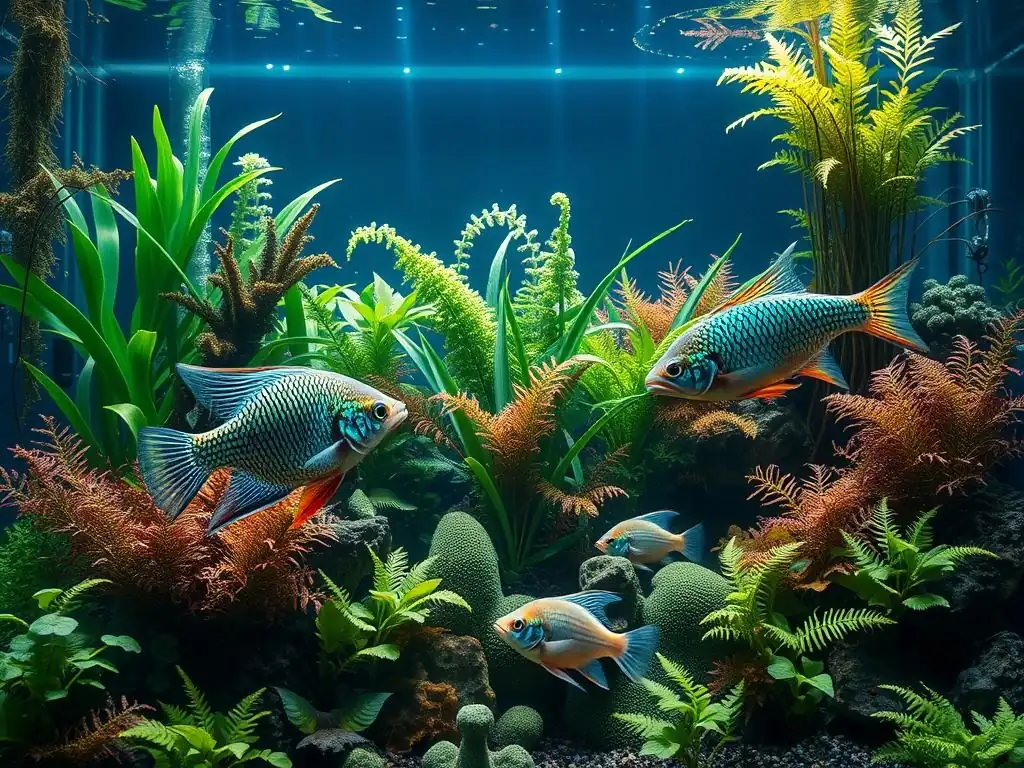
Dive into the fascinating world of aquarium keeping, and today, let's explore something truly unique. Ever wondered about the secrets behind creating extraordinary livebearers? Unlock the mysteries of Swordtail hybrid breeding techniques and discover how to craft your own stunning varieties. Intrigued? Let's begin!
- Platy & Swordtail Hybridization: Creating Unique Livebearers
- Understanding Platy and Swordtail Livebearers for Hybridization
- Planning Your Platy Hybrid Breeding Project
- Platy Hybrid Breeding Techniques: A Step-by-Step Guide
- Raising Platy and Swordtail Hybrid Fry
- Identifying and Selecting Desirable Platy Hybrid Traits
- Challenges and Considerations in Platy Hybrid Breeding
- Examples of Successful Platy and Swordtail Hybrids
- Documenting Your Platy Hybrid Breeding Journey
- Maintaining the Health of Your Platy and Swordtail Hybrids
- Advanced Platy Hybridization Techniques
- Conclusion: The Art and Science of Platy Hybrid Breeding
-
Frequently Asked Questions
- How difficult is it to successfully create a Swordtail hybrid?
- What are some of the most common Swordtail species used in hybridization?
- What factors should I consider when selecting parent fish for Swordtail hybrid breeding?
- Are there any ethical considerations when breeding Swordtail hybrids?
- What are some potential challenges or risks associated with Swordtail hybridization?
- Final Reflection: Embracing the Art of Genetic Innovation
- Unveil Your Own Hybrid Masterpiece!
Platy & Swordtail Hybridization: Creating Unique Livebearers
Understanding Platy and Swordtail Livebearers for Hybridization
Introduction to Platies (Xiphophorus maculatus) and Swordtails (Xiphophorus hellerii)
Platies ( Xiphophorus maculatus) are small, vibrant freshwater fish native to Central America and Mexico, typically reaching an adult size of 1.5 to 2.5 inches (3.8 to 6.4 cm). They are renowned for their wide array of color morphs, including red, orange, yellow, and various patterned varieties like the wagtail, tuxedo, and comet. Platies are peaceful, hardy, and prolific livebearers, meaning they give birth to live, free-swimming fry rather than laying eggs. Their adaptability to various water conditions and their active, engaging nature make them popular choices for community aquariums.
Swordtails ( Xiphophorus hellerii), also originating from Central America, are larger and more elongated than platies, with males famously possessing a distinctive sword-like extension on their caudal fin, which can add an extra 2-4 inches (5-10 cm) to their overall length, bringing total size up to 5-6 inches (13-15 cm). Females are typically larger and lack the sword.
Like platies, swordtails exhibit a broad spectrum of colors, including green, red, black, and various mixed patterns. They share the livebearing reproductive characteristic with platies and are generally peaceful, though male swordtails can sometimes show aggression towards each other, especially in smaller tanks.
Genetic Compatibility: Why Platies and Swordtails Can Hybridize
The ability of platies and swordtails to hybridize stems from their close genetic relationship; both species belong to the same genus, Xiphophorus. Species within the same genus often share a high degree of genetic similarity, including compatible chromosome numbers and gene structures, which allows for successful cross-breeding. While Xiphophorus maculatus (Platy) and Xiphophorus hellerii (Swordtail) are distinct species, their evolutionary paths have not diverged so significantly as to prevent interbreeding.
This genetic compatibility means that when a male of one species mates with a female of the other, fertilization can occur, and viable offspring (hybrids) can be produced. In many cases, these F1 (first filial generation) hybrids are fertile themselves, capable of reproducing with other hybrids or backcrossing with either parent species.
This continued fertility is a key factor that allows for selective breeding programs focused on "Swordtail hybrid breeding techniques" and the development of new, stable lines of fish with unique characteristics. The shared genus classification is a strong indicator of this inherent ability to produce fertile hybrid offspring, a trait not common between more distantly related fish species.
Importance of Understanding Livebearer Genetics
A deep understanding of livebearer genetics is paramount for any successful "Swordtail hybrid breeding techniques" project. This knowledge allows breeders to predict potential outcomes, manage desired traits, and avoid undesirable ones.
For instance, many color patterns and fin shapes in Xiphophorus species are controlled by dominant and recessive genes, or even by sex-linked genes, such as the gene responsible for the sword development in male Swordtails. Knowing which traits are dominant (e.g., certain red colors) and which are recessive (e.g., specific black patterns) helps in selecting parent fish that are more likely to pass on the desired characteristics to their offspring.
Furthermore, understanding Mendelian inheritance principles helps in navigating subsequent generations (F2, F3, etc.). For example, if a desired trait is recessive, it may only appear in the F2 generation after two F1 hybrids are bred together. Genetic knowledge also aids in managing inbreeding depression, where excessive inbreeding can lead to reduced fertility, smaller size, or increased susceptibility to disease. By applying genetic principles, breeders can strategically outcross (breed with unrelated individuals) to maintain genetic diversity while selectively breeding for specific traits, ensuring the long-term health and viability of their unique hybrid lines.
Planning Your Platy Hybrid Breeding Project
Defining Your Breeding Goals: Desired Traits and Characteristics
Before embarking on any "Swordtail hybrid breeding techniques" project, it is crucial to clearly define your breeding goals. This involves identifying the specific traits and characteristics you wish to achieve in your hybrid offspring.
For example, you might aim to combine the robust red coloration of a Red Wagtail Platy with the elegant lyretail fin structure of a Lyretail Swordtail, creating a larger, red-bodied fish with elongated fins. Another goal could be to introduce a specific pattern, such as the 'tuxedo' or 'hifin' trait from a Platy, onto a Swordtail body shape, or to develop a new color combination not typically found in either pure species, such as a vibrant orange body with blue fins.
Consider traits beyond just aesthetics, such as size, temperament, and hardiness. For instance, breeding for a hardier hybrid that is more resistant to common diseases or can tolerate a wider range of water parameters could be a valuable objective. Documenting these specific goals from the outset will serve as a roadmap throughout your breeding journey, guiding your selection of parent fish and helping you evaluate the success of each breeding generation. Without clear objectives, a hybrid breeding project can quickly become unfocused, yielding random results rather than targeted improvements or novel creations.
Selecting Parent Fish: Choosing Platies and Swordtails with Desired Traits
The success of your "Swordtail hybrid breeding techniques" project heavily relies on the meticulous selection of parent fish. Choose individuals that exhibit the desired traits in their most pronounced and healthy forms. For example, if your goal is to create a hybrid with intense red coloration, select the most vibrant, uniformly red Platy and Swordtail you can find. Avoid fish with any signs of disease, deformities, or stunted growth, as these issues can be genetically passed down to offspring. Healthy parent fish are more likely to produce healthy, robust fry.
It is also beneficial to understand the lineage of your chosen fish, if possible, to avoid hidden recessive genes that might produce undesirable traits in later generations. For instance, two seemingly perfect red fish might carry a recessive gene for a duller color or a fin deformity, which could surface in their offspring. Observe the fish's behavior; active, alert, and stress-free individuals are generally better candidates for breeding.
A typical breeding ratio is one male to two or three females to minimize stress on the females from constant male attention and maximize the chances of successful mating. Selecting high-quality, genetically sound parent stock is the foundational step for achieving your desired hybrid outcomes.
Setting Up a Dedicated Breeding Tank for Hybridization
A dedicated breeding tank is essential for successful "Swordtail hybrid breeding techniques," providing a controlled environment conducive to mating, fry survival, and monitoring. A 10 to 20-gallon (38 to 76-liter) tank is often sufficient for a small breeding group (e.g., one male and two females). The tank should be equipped with a gentle filtration system, such as a sponge filter, which provides biological filtration without creating strong currents that could harm delicate fry. Maintain stable water parameters consistent with the preferences of both Platies and Swordtails: a temperature range of 75-79°F (24-26°C) and a pH of 7.0-8.0.
Crucially, the breeding tank must offer ample hiding spots for the female fish to escape persistent male attention, reducing stress and potential injury. Live plants like Java moss, hornwort, or guppy grass are ideal, as they not only provide cover but also offer micro-organisms for fry to graze on and protect them from adult predation.
A bare bottom tank or a tank with a thin layer of fine gravel is often preferred for easier cleaning and fry collection. Regular, small water changes (10-15% every few days) are vital to maintain pristine water quality, which is critical for the health of both adult breeders and developing fry.
Platy Hybrid Breeding Techniques: A Step-by-Step Guide
Introducing Parent Fish to the Breeding Tank
Once your dedicated breeding tank is set up and fully cycled, the next step in "Swordtail hybrid breeding techniques" is to carefully introduce your selected parent fish. It is generally recommended to introduce the female Platies or Swordtails first, allowing them to acclimate to the new environment for a few hours or even a day before introducing the male. This helps reduce stress on the females, as males can be quite persistent in their pursuit.
A common ratio is one male to two or three females. This ratio helps to disperse the male's attention, preventing any single female from becoming overly stressed or harassed, which can lead to injury or even death.
When introducing the male, do so gently. Dimming the lights can help reduce initial stress. Observe the fish closely for the first few hours and days to ensure they are coexisting peacefully. While some chasing is normal for livebearers, excessive aggression or one fish constantly nipping another indicates a problem, and the aggressive fish may need to be removed. Ensure that all fish are eating well and exhibiting normal behavior, as this is a strong indicator of successful acclimation and readiness for breeding.
Monitoring the Breeding Process: Signs of Successful Mating
Monitoring the breeding process is a key aspect of "Swordtail hybrid breeding techniques." Livebearers like Platies and Swordtails have internal fertilization, meaning mating occurs when the male uses his modified anal fin, called a gonopodium, to transfer sperm to the female. While the actual act of mating is often quick and difficult to observe directly, signs of successful mating become apparent in the female over the subsequent weeks. The most noticeable sign is a gradual swelling of the female's abdomen, particularly in the lower rear portion. As the pregnancy progresses, her belly will become noticeably rounder and fuller.
Another indicator, though less reliable in heavily pigmented fish, is the development of a "gravid spot" – a dark, triangular area near the anal fin. This spot is actually the stretched peritoneal membrane and the eyes of the developing fry showing through. The gestation period for Xiphophorus species typically ranges from 28 to 35 days, depending on water temperature, nutrition, and individual fish.
As the female approaches birth, she may become more reclusive, seek out hiding spots, or exhibit a boxy appearance in her abdomen. Observing these changes helps predict when fry are imminent, allowing you to prepare for their arrival.
Caring for Pregnant Female Platies and Swordtails
Proper care for pregnant female Platies and Swordtails is crucial for ensuring healthy fry and the well-being of the mother during your "Swordtail hybrid breeding techniques" project. During gestation, increase the quality and quantity of food provided to the females. Offer a varied diet consisting of high-quality flake food, supplemented with live or frozen foods such as brine shrimp, daphnia, bloodworms, and spirulina flakes. This enriched diet provides the necessary nutrients for both the mother and the developing fry. Feed them 2-3 times a day in smaller portions to avoid overfeeding and maintain water quality.
Maintain pristine water conditions by performing regular, small water changes (e.g., 10-15% every 2-3 days). Stable water parameters and low nitrate levels significantly reduce stress on the pregnant female. As the due date approaches, ensure the tank has ample hiding spots, such as dense live plants (e.g., Java moss, hornwort, water sprite) or breeding mops.
These not only provide a safe haven for the female but also offer immediate cover for the newly born fry, protecting them from predation by the adults, including the mother herself. While breeding traps or nets can be used, a heavily planted tank is often less stressful for the female and provides a more natural environment for the fry to thrive.
Raising Platy and Swordtail Hybrid Fry
Providing Optimal Water Parameters for Fry Development
Maintaining optimal water parameters is paramount for the healthy development and survival of Platy and Swordtail hybrid fry, especially in the early stages of your "Swordtail hybrid breeding techniques" endeavor. Just like their parents, fry thrive in stable water conditions, but they are significantly more sensitive to fluctuations and poor water quality. The ideal temperature range for fry is typically 75-79°F (24-26°C), as warmer temperatures can slightly accelerate growth and metabolism. The pH should remain stable between 7.0 and 8.0, and hardness levels (GH and KH) should also be consistent.
The most critical aspect of water quality for fry is cleanliness. Due to their small size and delicate nature, fry are highly susceptible to ammonia, nitrite, and high nitrate levels. Perform small, frequent water changes—daily or every other day, changing 10-15% of the water volume—using declorinated water that matches the tank's temperature and pH.
A gentle sponge filter is essential, as it provides biological filtration without creating strong currents that could sweep away or injure the tiny fry. Avoid strong air stones or power filters that can create turbulent water. Consistent, pristine water conditions are the foundation for robust fry growth and survival.
Feeding Platy and Swordtail Hybrid Fry: First Foods and Growth
Proper nutrition is a critical component in raising healthy Platy and Swordtail hybrid fry, influencing their growth rate, color development, and overall vitality. Newly hatched fry have very small mouths and require finely crushed or specialized foods. For the first few days, infusoria (microscopic organisms) or liquid fry food are excellent initial options. As they grow slightly, typically within 2-3 days, they can transition to finely crushed high-quality flake food, powdered spirulina, or specialty fry foods designed for livebearers.
The gold standard for rapid fry growth and health is newly hatched brine shrimp (Artemia nauplii). These live foods are highly nutritious and stimulate the fry's natural hunting instincts. Feed the fry small amounts multiple times a day, ideally 3-5 times, to ensure a constant supply of nutrients for their fast metabolism.
Overfeeding should be avoided, as uneaten food quickly fouls the water. Observe the fry's bellies; they should appear rounded, indicating they are well-fed. As the fry grow, they can gradually be transitioned to larger food particles, eventually eating the same diet as adult platies and swordtails within a few weeks to a couple of months.
Separating Fry to Control Inbreeding and Maintain Genetic Diversity
Separating fry is a crucial practice in "Swordtail hybrid breeding techniques" for several reasons, primarily to control inbreeding and maintain genetic diversity within your hybrid lines. Allowing fry to remain with adult fish in the same tank often leads to significant predation, drastically reducing survival rates. While a heavily planted tank can offer some protection, isolating the fry in a separate grow-out tank ensures their safety and allows for more focused care. This separation also prevents premature breeding among siblings, which can begin as early as 2-3 months of age in livebearers.
Controlling inbreeding is vital for the long-term health and vigor of your hybrid strain. Breeding siblings or parent-offspring too frequently can lead to inbreeding depression, characterized by reduced size, weakened immune systems, decreased fertility, and the manifestation of undesirable recessive traits or deformities.
By separating the fry and maintaining distinct groups or generations, you can carefully plan future crosses, introducing new bloodlines from unrelated hybrids or even backcrossing to pure parent stock (Platy or Swordtail) if necessary to reintroduce genetic diversity or strengthen specific traits. This strategic management of breeding pairs is fundamental to developing robust and genetically healthy hybrid lines.
Identifying and Selecting Desirable Platy Hybrid Traits
Observing Fry for Unique Color Patterns and Fin Shapes
A fascinating stage in "Swordtail hybrid breeding techniques" is the meticulous observation of hybrid fry for the emergence of unique color patterns and fin shapes. While newly hatched fry are often colorless or uniformly drab, their true potential begins to reveal itself as they grow, typically starting around 2-4 weeks of age.
At this point, you can begin to discern initial colorations, whether they are inheriting the vibrant reds of a Platy parent, the iridescent greens of a Swordtail, or an entirely new combination. Pay close attention to the development of patterns like wagtail (black fins), tuxedo (black body with colorful head/tail), or spotted markings.
Fin development is another key area of observation. Look for signs of elongated fins, such as lyretails or hifins, which might be inherited from a Swordtail parent or appear as a new expression.
Male fry will eventually develop their characteristic gonopodium (modified anal fin), and Swordtail hybrids will begin to show the development of the "sword" on their caudal fin, usually becoming noticeable around 2-3 months of age. Documenting these emerging traits—perhaps with notes on coloration, fin type, and body shape—will help you identify individuals that align with your initial breeding goals and stand out as exceptional examples of your hybrid creation.
Culling Undesirable Traits in Hybrid Offspring
Culling, the process of removing individuals that do not meet the breeding goals or exhibit undesirable traits, is a necessary and responsible practice in selective "Swordtail hybrid breeding techniques." This is not about cruelty but about improving the overall quality, health, and genetic integrity of your hybrid line.
Undesirable traits can include deformities (e.g., bent spines, malformed fins, missing eyes), stunted growth, dull coloration, poor vitality, or the absence of the specific characteristics you are aiming to develop. Culling should begin as soon as such traits become apparent, often within the first few weeks or months of the fry's life.
The method of culling should be humane and swift. Options include using them as feeders for larger predatory fish (if ethically appropriate for your setup) or, for smaller numbers, using methods like clove oil overdose, which induces anesthesia followed by euthanasia. By removing individuals with genetic flaws or those that deviate significantly from your breeding objectives, you concentrate the desired genes within your breeding population. This ensures that future generations are more likely to inherit the positive traits you are working towards, preventing the propagation of genetic weaknesses and refining your hybrid strain over time.
Line Breeding Techniques for Stabilizing Desired Hybrid Traits
Line breeding is a powerful set of "Swordtail hybrid breeding techniques" used to stabilize and fix desired traits within a hybrid population, allowing for predictable outcomes in future generations. Once you have identified individuals with the most promising hybrid traits (e.g., specific color patterns, fin shapes, or body forms), you begin selectively breeding them. The most common approach involves breeding the best F1 hybrids together to produce an F2 generation. This often reveals recessive traits and allows for further selection.
To "fix" a trait, you might employ mild inbreeding, such as breeding a promising F2 male back to his F1 mother (backcrossing) or breeding promising F2 siblings together. This increases the homozygosity of the desired genes, meaning the offspring are more likely to consistently express that trait. For example, if you're trying to stabilize a unique red-blue color combination, you would continuously select the most vibrant red-blue individuals from each generation and breed them together.
This iterative process, spanning several generations (F3, F4, F5 and beyond), gradually concentrates the genes for the desired traits, leading to a stable line where the chosen characteristics consistently appear in a high percentage of the offspring. Careful record-keeping of parentage and offspring traits is paramount for successful line breeding.
Challenges and Considerations in Platy Hybrid Breeding
Hybrid Sterility: Addressing Potential Fertility Issues
One significant challenge in "Swordtail hybrid breeding techniques" is the potential for hybrid sterility, though it is less common within the Xiphophorus genus compared to crosses between more distantly related species. Hybrid sterility occurs when the offspring of two different species are unable to reproduce, either because they cannot produce viable gametes (sperm or eggs) or because their reproductive organs are malformed.
While Platy ( Xiphophorus maculatus) and Swordtail ( Xiphophorus hellerii) hybrids are generally known to be fertile in the F1 generation, subsequent generations (F2, F3) or specific crosses might exhibit reduced fertility or complete sterility in some individuals.
If you encounter fertility issues, it's important to first rule out environmental factors such as poor water quality, inadequate nutrition, or stress, which can also impede breeding. If these factors are optimized and sterility persists, it may be a genetic issue. In such cases, backcrossing the F1 or F2 hybrids to one of the pure parent species (Platy or Swordtail) can sometimes reintroduce the necessary genetic material to restore fertility.
However, this also means reintroducing more of the parent species' traits, which might dilute the unique hybrid characteristics you are trying to establish. Careful observation of breeding success rates and the viability of offspring across generations is key to identifying and addressing potential fertility challenges.
Genetic Regression: Maintaining Desired Traits Across Generations
Genetic regression is a common challenge in "Swordtail hybrid breeding techniques" where desired traits, once seemingly established in a hybrid line, begin to diminish or disappear in subsequent generations. This phenomenon occurs because genetic variation is inherent in reproduction, and without continuous selective pressure, recessive or less desirable genes can re-express themselves. For example, if you successfully breed for a vibrant blue coloration in your F2 hybrids, but then randomly breed those individuals without strict selection, duller colors or original parent colors might reappear in the F3 or F4 generations.
To combat genetic regression, consistent and rigorous selection is essential. Every generation requires careful observation and culling of individuals that do not meet your breeding goals. Only the very best specimens that strongly express the desired traits should be chosen as breeders for the next generation.
This process, often referred to as "fixing" a trait, involves multiple generations of selective breeding to increase the homozygosity of the desired genes. Additionally, maintaining detailed breeding records helps track the inheritance of traits and identify potential genetic bottlenecks or regressions early on, allowing for corrective breeding strategies, such as introducing new, carefully selected bloodlines to re-invigorate the desired characteristics.
Ethical Considerations in Creating New Fish Varieties
Engaging in "Swordtail hybrid breeding techniques" carries significant ethical considerations, as breeders are actively creating new genetic combinations and potentially new varieties of fish. The primary ethical responsibility is to prioritize the welfare and health of the fish. This means avoiding breeding practices that intentionally or unintentionally lead to severe deformities, chronic health issues, or a diminished quality of life for the hybrid offspring. For example, breeding for extreme finnage that impairs swimming or for body shapes that compress internal organs would be ethically questionable.
Breeders should also consider the impact on the existing genetic diversity of the parent species. While hybridization can create novelty, uncontrolled release of hybrids into natural ecosystems could potentially dilute the gene pool of wild populations. For hobbyists, the focus remains on responsible breeding within closed aquarium systems.
Furthermore, the practice of culling, while necessary for selective breeding, must be performed humanely and with respect for the life of the animal. Responsible "Swordtail hybrid breeding techniques" involve a commitment to producing healthy, viable, and robust fish, ensuring that the pursuit of unique aesthetics does not compromise the well-being of the aquatic creatures.
Examples of Successful Platy and Swordtail Hybrids
Red Wagtail Platy x Green Swordtail: Creating Red-Green Hybrids
One classic example of "Swordtail hybrid breeding techniques" involves crossing a Red Wagtail Platy with a Green Swordtail. The Red Wagtail Platy is characterized by its vibrant red body and distinct black fins, while the Green Swordtail typically exhibits an iridescent green body with a prominent sword on the male's caudal fin. The breeding goal here is often to combine the striking red body coloration and possibly the black finnage of the Platy with the larger size and sword of the Swordtail.
The F1 generation from such a cross typically produces fish with a mix of traits. Some may have a reddish-green body hue, while males will almost certainly develop a sword, although its length and shape might vary. The black finnage trait from the Wagtail Platy is often dominant and can appear on the hybrid's fins.
Through selective breeding in subsequent generations (F2, F3), breeders can work to intensify the red and green coloration, aiming for a more pronounced red body with green iridescence, or even a dominant red over a green base, all while retaining the sword. The challenge lies in stabilizing the exact shade of red-green and ensuring the sword's quality, leading to unique "Red-Green Sword Platy" hybrids not found in nature.
Blue Platy x Lyretail Swordtail: Aiming for Blue Lyretail Hybrids
Another compelling example of "Swordtail hybrid breeding techniques" is the cross between a Blue Platy and a Lyretail Swordtail. Blue Platies are sought after for their cool, often iridescent blue or steel-blue body coloration, while Lyretail Swordtails are distinguished by their elongated, flowing finnage, particularly the dorsal and caudal fins, in addition to the male's sword. The objective of this cross is typically to merge the appealing blue body color with the elegant, extended fins of the Lyretail Swordtail, creating a truly unique and graceful hybrid.
In the F1 generation, you might observe a range of colors, from muted blues to greenish-blue hues, and some individuals will likely display the elongated fins of the Lyretail parent. The sword will be present in male offspring. Subsequent selective breeding is crucial to enhance the blue coloration, aiming for a consistent, vibrant blue that covers the entire body.
Simultaneously, breeders would select for the most pronounced lyretail finnage, ensuring that both the dorsal and caudal fins are elongated and well-formed. The long-term goal is to establish a stable line of "Blue Lyretail Swordtail-Platy hybrids" that consistently exhibit a rich blue body color combined with the flowing, extended fins, offering a distinct aesthetic appeal in the aquarium hobby.
Documenting Your Platy Hybrid Breeding Journey
Thorough documentation is an indispensable tool for successful "Swordtail hybrid breeding techniques." Keeping detailed records allows you to track progress, identify patterns, and make informed decisions for future crosses. Start by recording the exact parent fish used for each breeding attempt, including their specific traits, origin (if known), and any unique identifiers. Note the date of spawning or fry birth, the number of fry produced, and their initial appearance.
As the fry grow, regularly document their development. This includes observations on color changes, fin development (especially the sword in males), body shape, and any emerging desirable or undesirable traits. Use a logbook, spreadsheet, or dedicated software to record this information, perhaps even including photographs to visually track changes over time. For each subsequent generation (F1, F2, F3, etc.
), clearly label the parentage and the specific individuals chosen for breeding. This meticulous record-keeping helps you understand the inheritance patterns of specific genes, identify successful breeding pairs, and troubleshoot challenges like genetic regression or sterility. Without comprehensive documentation, your "Swordtail hybrid breeding techniques" efforts will be largely based on guesswork, making it difficult to achieve consistent and predictable results.
Maintaining the Health of Your Platy and Swordtail Hybrids
Preventing Common Diseases in Hybrid Livebearers
Preventing common diseases is paramount to the long-term success and vitality of your Platy and Swordtail hybrids, a critical aspect of responsible "Swordtail hybrid breeding techniques." Hybrid fish, like their purebred counterparts, are susceptible to common freshwater aquarium ailments such as Ich (white spot disease), fin rot, fungal infections, and bacterial infections. The best defense against these diseases is maintaining consistently pristine water quality. Perform regular, sufficient water changes (e.g., 25-30% weekly for adult tanks), ensure proper filtration, and avoid overfeeding, which can lead to excessive waste and elevated ammonia/nitrite levels.
A well-balanced, nutritious diet also plays a vital role in bolstering their immune systems. Feed a variety of high-quality flake foods, pellets, and frozen or live foods like brine shrimp, daphnia, and bloodworms. Overcrowding should be strictly avoided, as it leads to increased stress, aggressive behavior, and a higher concentration of waste, all of which contribute to disease outbreaks.
Additionally, always quarantine any new fish, plants, or decorations for at least 2-4 weeks before introducing them to your main hybrid tanks. This prevents the introduction of pathogens that could decimate your carefully bred population, safeguarding your "Swordtail hybrid breeding techniques" efforts.
Proper Tank Maintenance for Long-Term Hybrid Health
Proper tank maintenance is the cornerstone of ensuring the long-term health and vibrancy of your Platy and Swordtail hybrids, directly impacting the success of your "Swordtail hybrid breeding techniques." Regular water changes are the most crucial aspect: performing weekly water changes of 25-30% for established adult tanks, and more frequent, smaller changes (10-15% daily or every other day) for fry tanks, is essential for removing accumulated nitrates, phosphates, and other waste products. Always use a dechlorinator and ensure the new water matches the tank's temperature and pH to prevent shock.
Beyond water changes, consistent gravel vacuuming (if using substrate) helps remove uneaten food and detritus that can decompose and foul the water. Filter maintenance is also vital; clean or replace filter media as recommended by the manufacturer, ensuring not to sterilize biological media, which houses beneficial bacteria. Regularly inspect your equipment, such as heaters and filters, to ensure they are functioning correctly.
Maintaining appropriate water temperature (75-79°F or 24-26°C) and pH (7.0-8.0) stability is also key. Consistent and diligent tank maintenance creates a stable, healthy environment, reducing stress on your hybrids and minimizing their susceptibility to disease, thereby preserving your investment in "Swordtail hybrid breeding techniques."
Understanding the Lifespan of Platy and Swordtail Hybrids
Understanding the typical lifespan of your Platy and Swordtail hybrids is an important consideration in "Swordtail hybrid breeding techniques," informing your long-term breeding plans and expectations. Generally, livebearers like Platies and Swordtails have a relatively short lifespan compared to some other aquarium fish, typically living for 2 to 3 years under optimal conditions. Hybridization within the same genus, as with Xiphophorus maculatus and Xiphophorus hellerii, usually does not significantly alter this natural lifespan.
Factors that influence the lifespan of your hybrids include genetics, diet, water quality, and tank environment. Hybrids that are bred for extreme physical traits (e.g., highly elongated fins or deformed body shapes) might experience a slightly reduced lifespan due to the physiological stress associated with these traits.
Conversely, a well-maintained aquarium with stable water parameters, a varied and nutritious diet, and appropriate tank mates will maximize their longevity. While you can't make them live indefinitely, providing the best possible care will ensure your unique Platy and Swordtail hybrids live their full, healthy lives, allowing ample time for observation and potential further breeding generations within your "Swordtail hybrid breeding techniques" program.
Advanced Platy Hybridization Techniques
Exploring Different Color Morphs and Genetic Combinations
Advanced "Swordtail hybrid breeding techniques" delve deeply into exploring the vast array of color morphs and genetic combinations available within Platies and Swordtails. Beyond basic red or green crosses, breeders can strategically combine specific genetic traits to produce novel and intricate patterns. For example, crossing a "Pineapple" Platy (known for its yellow-orange body with black speckles) with a "Kohaku" Swordtail (white body with red patches) could lead to entirely new multi-colored hybrids. Understanding the genetic basis of these colorations—whether they are autosomal dominant, recessive, or sex-linked—allows for more precise predictions and targeted crosses.
This exploration also involves understanding how different genes interact. For instance, a gene for a specific fin shape might interact with a gene for a color pattern in an unexpected way, leading to a unique aesthetic. Advanced breeders might also work with "unfixed" or "mutated" color strains to introduce entirely new alleles into their hybrid pool, potentially creating phenotypes never before seen. This requires meticulous record-keeping and a strong grasp of Mendelian genetics to track the inheritance of multiple traits simultaneously, pushing the boundaries of what is aesthetically possible in livebearer hybridization.
Utilizing Selective Breeding to Enhance Specific Traits
Utilizing selective breeding is the cornerstone of advanced "Swordtail hybrid breeding techniques," moving beyond simple hybridization to actively enhance and refine specific desired traits. This involves a rigorous and continuous process of choosing only the very best individuals from each generation to become the parents of the next. For instance, if your goal is to achieve an exceptionally long and vibrant red sword on your hybrids, you would consistently select males with the longest, most intensely colored swords and females from the same lineage that are known to produce such males.
This process often involves setting strict criteria for selection, such as a minimum sword length, a specific shade of color, or a particular fin shape. Individuals that do not meet these criteria, even if healthy, are removed from the breeding pool (culled or rehomed).
Over multiple generations, this intense selection pressure concentrates the genes responsible for the desired traits, leading to a higher percentage of offspring expressing those traits in a more pronounced manner. Advanced selective breeding can transform a promising F1 hybrid into a stable, high-quality line that consistently produces fish with the enhanced characteristics you've worked to develop, showcasing the true art of "Swordtail hybrid breeding techniques."
Genetic Testing for Trait Inheritance
While largely a practice for professional geneticists or advanced university research, the concept of genetic testing is increasingly relevant to understanding advanced "Swordtail hybrid breeding techniques." For the average hobbyist, direct genetic testing of individual fish for specific trait inheritance is generally not feasible or accessible. However, understanding its potential highlights the scientific depth of fish breeding. In a research setting, DNA sequencing or molecular marker analysis could be used to identify specific genes responsible for color, fin shape, or disease resistance.
For the hobbyist, "genetic testing" often translates to meticulous phenotypic observation and detailed pedigree tracking. By carefully documenting the traits of parents and their offspring over multiple generations, a breeder can infer the genetic basis of certain traits (e.g., identifying if a trait is dominant, recessive, or sex-linked). This observational "genetic testing" allows for more informed pairing decisions, predicting the likelihood of certain traits appearing in future generations. While not laboratory-based, this systematic approach to understanding trait inheritance is a highly advanced "Swordtail hybrid breeding technique" that significantly increases the predictability and success rate of complex hybrid breeding projects.
Conclusion: The Art and Science of Platy Hybrid Breeding
Platy hybrid breeding: A rewarding and challenging endeavor
Platy hybrid breeding, encompassing sophisticated "Swordtail hybrid breeding techniques," stands as a profoundly rewarding and equally challenging endeavor for the dedicated aquarist. It is a journey that combines the meticulous precision of scientific methodology with the creative vision of an artist. The reward lies in the unique satisfaction of creating entirely new fish varieties, witnessing the emergence of novel color patterns, fin shapes, and body forms that did not exist before. This process offers a deep connection to the biological world, fostering an appreciation for genetics, inheritance, and the delicate balance of life.
However, it is also a challenging pursuit. It demands patience, detailed observation, and a willingness to learn from both successes and failures. Breeders must contend with genetic complexities, the potential for undesirable traits, and the commitment to maintaining optimal conditions for multiple generations of fish. The continuous cycle of selection, culling, and careful record-keeping requires significant time and dedication. Despite these challenges, the ability to shape the future of livebearer aesthetics and contribute to the diversity of aquarium fish makes Platy hybrid breeding an immensely gratifying experience for those willing to embrace its demands.
Contributing to the Diversity of Aquarium Fish
Engaging in "Swordtail hybrid breeding techniques" is a direct and impactful way to contribute to the rich diversity of aquarium fish available to hobbyists worldwide. While many popular aquarium fish are wild-caught or mass-bred for commercial purposes, the dedicated work of individual breeders in creating unique hybrids introduces entirely new genetic lines and aesthetic variations. This expands the choices for aquarists, offering fish with novel color combinations, enhanced finnage, or improved hardiness that might not be present in purebred strains.
Every successful hybrid line, meticulously developed and stabilized, represents a valuable addition to the hobby's genetic pool. These new varieties can inspire other breeders, spark new trends, and ultimately enrich the overall experience for fish keepers. By responsibly pursuing "Swordtail hybrid breeding techniques," hobbyists move beyond simply keeping fish to actively participating in the evolution of ornamental aquaculture, leaving a lasting legacy in the vibrant world of aquarium fish. This contribution underscores the significance of individual efforts in shaping the future of the aquatic hobby.
Further Resources for Livebearer Breeding and Genetics
For those deeply committed to mastering "Swordtail hybrid breeding techniques" and advancing their knowledge, a wealth of further resources are available. Comprehensive understanding often comes from consulting specialized literature on livebearer genetics and breeding. Books by renowned ichthyologists and experienced breeders often provide in-depth scientific explanations of genetic principles, inheritance patterns, and practical breeding strategies for Xiphophorus species. Online forums and dedicated livebearer breeding communities are invaluable for connecting with experienced breeders, sharing insights, and troubleshooting specific challenges.
Academic papers and research articles on Xiphophorus genetics, while sometimes technical, can offer cutting-edge information on specific gene functions, mutations, and evolutionary relationships within the genus. Attending local aquarium club meetings or livebearer-specific shows can provide opportunities for networking, learning from experts, and even acquiring new breeding stock. Continued education and active engagement with the broader livebearer community are essential for staying abreast of new discoveries, refining "Swordtail hybrid breeding techniques," and ultimately achieving mastery in the fascinating world of Platy and Swordtail hybridization.
Frequently Asked Questions
How difficult is it to successfully create a Swordtail hybrid?
Hybridizing swordtails can be relatively straightforward, especially between closely related species. However, success rates can vary and require careful selection and monitoring of breeding pairs.
What are some of the most common Swordtail species used in hybridization?
Common choices include Xiphophorus hellerii (swordtail) and Xiphophorus variatus (variatus platy). Crossing these species can produce interesting color and pattern combinations in offspring.
What factors should I consider when selecting parent fish for Swordtail hybrid breeding?
Focus on selecting fish with desirable traits you want to combine in the offspring, such as specific colors, fin shapes, or body sizes. Ensure both parents are healthy and of breeding age.
Are there any ethical considerations when breeding Swordtail hybrids?
It's important to be mindful of responsible breeding practices and avoid creating fish with health problems due to genetic incompatibility. Research potential issues before attempting hybridization.
What are some potential challenges or risks associated with Swordtail hybridization?
Possible challenges include infertile offspring, increased susceptibility to disease, or unexpected and undesirable traits appearing in the hybrid generation. Careful planning and observation are essential.
Final Reflection: Embracing the Art of Genetic Innovation
The exploration of Swordtail and Variatus hybridization, as detailed in this article, isn't just about creating aesthetically pleasing fish; it's about unlocking the potential of genetic diversity and pushing the boundaries of what's possible in livebearer breeding. The techniques discussed offer a glimpse into the intricate dance of genes and the power we wield in shaping new variations, a power that carries both immense opportunity and responsibility in the world of aquatics.
This journey into Swordtail hybrid breeding has profoundly impacted my understanding of the delicate balance within ecosystems and the profound influence breeders can have. It's a reminder that every cross, every carefully selected pairing, contributes to the ever-evolving tapestry of life in our aquariums. The only limit to our realization of tomorrow will be our doubts of today.
- Franklin D. Roosevelt. This quote resonates deeply, urging us to embrace experimentation and overcome the challenges inherent in pushing the boundaries of established breeding practices.
Now, as you consider the techniques and insights shared, I invite you to reflect on your own potential to contribute to the world of aquatics. Whether you're a seasoned breeder or a curious beginner, consider how you can ethically and responsibly explore the possibilities of hybridization. Let the knowledge gained here inspire you to innovate, to create, and to contribute to the vibrant and ever-changing world of livebearers.
Unveil Your Own Hybrid Masterpiece!
Thanks for diving deep into the fascinating world of swordtail and variatus hybridization! We hope you've gained some valuable insights into creating your own unique livebearers. Now, it's time to turn that knowledge into action.
Here are a few things you can do:
- Boldly begin your own hybridization project! Carefully select your parent swordtails and variatus based on desired traits and prepare a dedicated breeding tank.
- Document your progress! Start a breeding log or video series to share your experiences and insights with fellow aquarists online.
- Reach out to local aquarium clubs or breeders to discuss your goals and get personalized advice on specific breeding challenges.
Ready to create something truly special in your aquarium? What unique color combination or finnage variation are you most excited to try and breed?