
The Dither Fish Secret: Reducing Aggression in African Cichlid Tanks

Welcome to Aquarium Mastery!
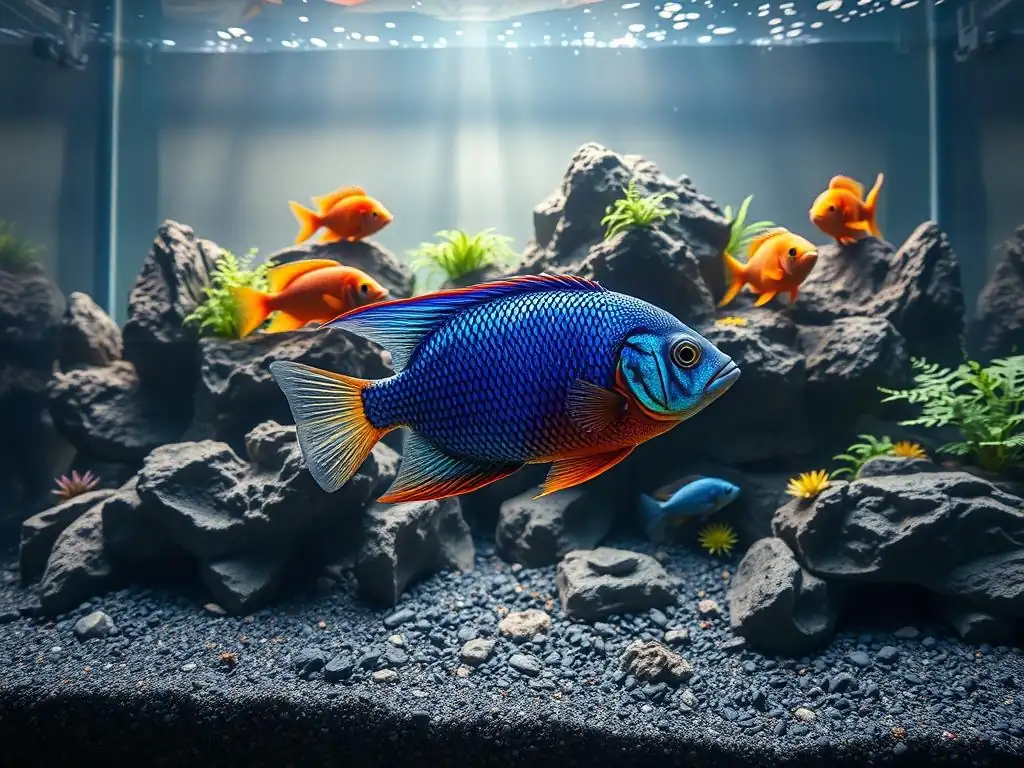
Ever wondered how to create a harmonious underwater world, even with the notoriously territorial African cichlids? Discover the surprisingly simple secret of African cichlid dither fish and how they can drastically reduce aggression in your tank. Dive in to learn how these unassuming companions can unlock a more peaceful and vibrant aquarium, and what to consider before introducing them to your cichlid community. Let's explore!
- Understanding African Cichlid Aggression and Tank Dynamics
- What are Dither Fish and How Do They Work?
- Top Dither Fish Choices for African Cichlid Aquariums
- Setting Up Your Tank for Success with Dither Fish
- Introducing Dither Fish to Your African Cichlid Tank: A Step-by-Step Guide
- Troubleshooting Dither Fish Issues in African Cichlid Tanks
- The Benefits of Using Dither Fish for African Cichlid Care
- Beyond Dither Fish: Additional Strategies for Managing Cichlid Aggression
- Conclusion: Mastering African Cichlid Aggression with Dither Fish and Sound Practices
-
Frequently Asked Questions
- How do dither fish help reduce aggression in African cichlid tanks?
- What are some good examples of dither fish for African cichlid tanks?
- Are there any risks associated with using dither fish?
- How many dither fish should I add to my African cichlid tank?
- What if the dither fish become the primary target of aggression?
- Final Reflection: Harmony in the Aquarium
- Unlock a Peaceful Cichlid Paradise!
Understanding African Cichlid Aggression and Tank Dynamics
Why Are African Cichlids Aggressive? Exploring Natural Behaviors
African cichlids, particularly those from the Great Rift Valley lakes like Malawi and Tanganyika, are renowned for their vibrant colors and complex social structures, which often include pronounced aggression. This behavior is deeply rooted in their natural habitats, where competition for limited resources such as food, mates, and prime spawning territories is intense. In their native environments, a dominant male might claim a rock crevice spanning several square feet as his territory, vigorously defending it against rivals. This innate territoriality translates directly into aggressive displays in the confines of an aquarium, where escape routes are limited.
Their aggression is largely driven by instinctual behaviors related to survival and reproduction. Males often display heightened aggression, especially during breeding periods, to establish dominance and attract females. This can manifest as chasing, nipping fins, head-shaking, and even direct physical confrontations that can lead to injury or death for weaker tank inhabitants. Understanding these natural tendencies is crucial for any aquarist aiming to keep a harmonious African cichlid tank, as it informs decisions about tank size, stocking levels, and the potential inclusion of African cichlid dither fish to mitigate stress.
The Role of Tank Size and Overcrowding in Cichlid Temperament
The physical dimensions and stocking density of an African cichlid aquarium play a critical role in mitigating or exacerbating their inherent aggression. In tanks that are too small, territorial disputes intensify because there isn't enough space for subordinate fish to escape the aggression of dominant individuals. For instance, a common mistake is housing a group of Mbuna cichlids, which can grow to 4-6 inches, in a tank smaller than 55 gallons. In such a confined space, aggression that might be manageable in a larger environment becomes lethal.
Overcrowding, paradoxically, is sometimes employed as a strategy to "diffuse" aggression, particularly with Mbuna cichlids. The theory is that by having numerous fish, no single cichlid can focus its aggression on just one or two targets, spreading it thin across the entire population.
While this can work for certain species and experienced aquarists, it also places immense strain on filtration systems due to increased bioload and requires diligent water changes—often 30-50% weekly—to maintain pristine water quality. A 75-gallon tank, for example, might safely house 15-20 adult Mbuna with proper filtration, whereas a 40-gallon breeder would struggle with even half that number, regardless of any African cichlid dither fish present.
Identifying Aggression Problems in Your African Cichlid Aquarium
Recognizing the signs of aggression in your African cichlid tank is vital for intervention before serious harm occurs. One of the most common indicators is constant chasing, where a dominant cichlid relentlessly pursues a weaker tank mate. This often leads to the targeted fish spending excessive time hiding, refusing to eat, or displaying faded colors due to stress. You might observe torn fins, missing scales, or even open wounds, which are clear signs of physical altercations.
Beyond physical damage, behavioral changes are strong indicators. Subordinate fish may exhibit clamped fins, rapid breathing, or unusual swimming patterns, such as darting erratically or staying perpetually near the surface or bottom corners of the tank. In severe cases, a fish might become completely lethargic, lying on the substrate or hovering listlessly. Monitoring the entire tank population daily for these subtle and overt signs allows aquarists to take proactive steps, such as re-arranging decor, adding more hiding spots, or considering the introduction of carefully selected African cichlid dither fish to alleviate the tension.
What are Dither Fish and How Do They Work?
Defining "Dither Fish": More Than Just Tank Mates
"Dither fish" are a specific type of tank mate introduced into an aquarium primarily to reduce aggression among resident fish, particularly in territorial species like African cichlids. They are typically fast-moving, non-aggressive, schooling fish that occupy the upper and middle levels of the water column. Unlike typical tank mates chosen for compatibility or aesthetic appeal, the role of an African cichlid dither fish is strategic: they act as a visual cue to the cichlids, signaling that the environment is safe and free from immediate predators.
This perception of safety encourages the cichlids to be more outgoing and less stressed, as they see other fish swimming openly without fear. A true African cichlid dither fish does not compete for territory or food aggressively, nor does it present itself as a threat. Instead, its constant, calm activity provides a reassuring presence that can significantly alter the overall temperament of the cichlid community, leading to more natural behaviors and reduced inter-species aggression.
The Psychology of Dither Fish: Reducing Stress in Cichlids
The effectiveness of African cichlid dither fish lies in their psychological impact on the cichlids. In the wild, if small, non-predatory fish are swimming freely and openly, it generally indicates that larger predators are not in the immediate vicinity. Cichlids, being naturally wary and territorial, interpret this open swimming behavior as a sign of security. This reduces their innate stress levels, which are often heightened in the confined spaces of an aquarium, leading to less aggressive and more natural behavior.
When cichlids are less stressed, they are less likely to engage in territorial disputes or target weaker tank mates. The presence of active dither fish encourages the cichlids themselves to be more visible and explore their environment rather than hiding or constantly being on edge. For example, a group of Pseudotropheus demasoni, known for their intense aggression, might become noticeably calmer and more active throughout the tank when appropriate African cichlid dither fish are present, instead of constantly patrolling their small territories.
How Dither Fish Distract and Diffuse Aggression in African Cichlid Tanks
African cichlid dither fish primarily work through two mechanisms: distraction and diffusion of aggression. Firstly, their constant, energetic movement in the upper water column can draw the attention of aggressive cichlids away from their primary targets. Instead of relentlessly chasing a subordinate cichlid, a dominant male might occasionally dart at a dither fish, releasing some aggression without causing serious harm, as the dither fish are typically too fast to be caught. This temporary shift in focus can provide much-needed respite for stressed cichlids.
Secondly, the sheer presence and activity of a school of dither fish can create a "busy" environment that disperses territorial focus. When there are many fish moving around, it becomes harder for a cichlid to establish and maintain a rigid, exclusive territory. This diffusion of focus can prevent one cichlid from becoming overly dominant and bullying specific individuals. For instance, in a 125-gallon tank housing various Peacock cichlids, adding a school of 8-10 Giant Danios can transform the tank dynamics, leading to less intense territorial disputes and a more harmonious community.
Top Dither Fish Choices for African Cichlid Aquariums
Best Dither Fish Species for Mbuna Cichlids
When selecting African cichlid dither fish for Mbuna, it's crucial to choose species that can tolerate the hard, alkaline water conditions (pH 7.8-8.6, GH 10-20 dGH) and the energetic, sometimes nippy nature of Mbuna. They should be robust, fast, and preferably schooling fish that won't compete for the same rock-based territories.
Giant Danios (Devario aequipinnulus): A Popular and Effective Choice
Giant Danios are perhaps one of the most widely recommended African cichlid dither fish for Mbuna tanks, and for good reason. These torpedo-shaped fish can reach lengths of up to 4-5 inches and are incredibly fast swimmers, making them nearly impossible for even the most aggressive Mbuna to catch. They are highly active, schooling fish that typically occupy the upper levels of the tank, away from the cichlids' main territorial zones.
Their hardiness is another significant advantage; Giant Danios thrive in the same hard, alkaline water parameters that Mbuna require, and they can tolerate a wide temperature range, generally between 72-80°F (22-27°C). A school of at least six, preferably 8-10, Giant Danios in a 75-gallon or larger Mbuna tank can dramatically reduce aggression by providing constant movement and a harmless outlet for cichlid aggression.
Silver Dollars (Metynnis argenteus): A Larger Option for Larger Tanks
For very large African cichlid setups, particularly those over 100 gallons, Silver Dollars can serve as excellent dither fish. These disc-shaped fish can grow quite large, often reaching 6-8 inches in diameter, and their reflective scales make them highly visible. They are peaceful, schooling fish that prefer to swim in the middle to upper water column, keeping them out of the cichlids' primary territorial areas.
While they are generally peaceful, their size and schooling nature make them formidable enough not to be easily bullied by cichlids. They also adapt well to the harder water conditions of African cichlid tanks, though they prefer slightly less alkaline water than Mbuna (pH 6.5-7.5), a compromise that can often be met in mixed setups. A group of 4-6 Silver Dollars can add a striking visual element while effectively diffusing aggression in a spacious tank.
Rainbowfish (Melanotaenia spp. ): Adding Color and Activity
Various species of Rainbowfish, such as Boeseman's Rainbowfish ( Melanotaenia boesemani) or Turquoise Rainbowfish ( Melanotaenia lacustris), can be excellent African cichlid dither fish options. These fish are known for their vibrant colors, active schooling behavior, and peaceful temperament. They typically grow to 4-6 inches, making them large enough not to be easily intimidated by most Mbuna, and they are quick swimmers.
Rainbowfish generally prefer slightly less hard water than Mbuna, but many species are adaptable and can thrive in pH ranges from 7.0-8.0, making them suitable for tanks with a slightly lower pH than typical Mbuna setups. Their active swimming patterns in the mid-to-upper water column provide the constant movement necessary to distract and diffuse aggression. A school of 6-8 Rainbowfish can add dynamic beauty and effective aggression management to a 75-gallon or larger tank.
Dither Fish for Peacock Cichlids and Other Haplochromis
Peacock cichlids ( Aulonocara spp.) and other Haplochromis species are generally less aggressive than Mbuna, making the selection of African cichlid dither fish slightly more flexible. These cichlids still benefit from dither fish to reduce stress and encourage open swimming, but the dither fish don't need to be quite as robust.
Congo Tetras (Phenacogrammus interruptus): A Peaceful and Active Option
Congo Tetras are a superb choice for Peacock cichlid tanks. These beautiful, iridescent fish can grow up to 3-4 inches and display stunning colors, particularly the males with their elongated dorsal and caudal fins. They are peaceful, active schooling fish that occupy the mid-to-upper water column, making them ideal African cichlid dither fish.
They prefer slightly softer, more acidic water (pH 6.0-7.5) than Mbuna, but they are quite adaptable and can thrive in the slightly harder, more alkaline conditions often maintained for Peacocks (pH 7.0-8.0). Their shimmering scales and constant movement provide the visual stimulation needed to keep Peacock cichlids active and less focused on territorial disputes. A school of 6-8 Congo Tetras in a 75-gallon Peacock tank can greatly enhance the overall tank dynamics.
Synodontis Catfish: Bottom-Dwelling Dither Options
While most African cichlid dither fish occupy the mid-to-upper water column, Synodontis catfish (e.g., Synodontis eupterus, Synodontis nigriventris) serve a different, yet valuable, dither role. These hardy, nocturnal catfish are bottom-dwellers and are largely ignored by territorial cichlids because they do not compete for the same space. Their presence adds activity to the lower regions of the tank and can help break up the monotony of cichlid territories.
Synodontis catfish are well-suited to the water parameters of African cichlid tanks, thriving in hard, alkaline water. They are generally peaceful and can grow to various sizes depending on the species, with some reaching 6-10 inches. A group of 3-5 Synodontis in a 75-gallon or larger tank can provide a sense of security and a subtle distraction, particularly for cichlids that are aggressive towards other bottom-dwellers or those establishing territories near the substrate.
Dither Fish to Avoid: Species Incompatible with African Cichlids
Selecting the wrong African cichlid dither fish can lead to disaster, either for the dither fish themselves or by exacerbating aggression. Avoid any slow-moving, long-finned, or delicate fish, as they will quickly become targets for aggressive cichlids. Examples include Angelfish, Guppies, or Fancy Goldfish, none of which can withstand the nipping and chasing of even moderately aggressive cichlids, nor do they thrive in the required water parameters.
Similarly, avoid very small fish that can be easily swallowed by larger cichlids, such as Neon Tetras or small Rasboras. While they are fast, their size makes them little more than expensive snacks for adult cichlids. Furthermore, steer clear of dither fish that require soft, acidic water, as they will not survive long-term in the hard, alkaline conditions of an African cichlid tank. This includes many South American tetras and dwarf cichlids. Always research the specific water parameter needs of any potential African cichlid dither fish.
Setting Up Your Tank for Success with Dither Fish
Tank Size and Dither Fish Numbers: Finding the Right Balance
The success of using African cichlid dither fish hinges significantly on providing an appropriately sized tank and maintaining the correct dither fish school size. For most African cichlid setups, a minimum tank size of 75 gallons is recommended to allow adequate space for both the cichlids and their dither fish. A 125-gallon or larger tank is ideal, offering even more room for territories and open swimming.
When it comes to numbers, dither fish should always be kept in schools of at least 6-8 individuals, and preferably 10-12 for larger species like Giant Danios or Rainbowfish. This schooling behavior provides safety in numbers, making them less likely to be singled out and harassed by cichlids. A small group of 2-3 dither fish will likely become targets and succumb to stress or aggression. For instance, in a 90-gallon tank with 15 Mbuna, a school of 8 Giant Danios is far more effective than 3-4, as the larger group creates a more convincing "safe" environment.
Aquascaping for Dither Fish and Cichlid Harmony: Creating Safe Spaces
Proper aquascaping is paramount when integrating African cichlid dither fish into your tank. While cichlids require numerous rock formations, caves, and crevices to establish territories and provide hiding spots for subordinates, dither fish need open swimming areas. The ideal setup balances these needs: dense rockwork along the back and sides of the tank provides cichlid territories, while leaving the front and middle sections relatively open for dither fish to school freely.
Consider using tall rock structures that reach near the surface, as this creates visual barriers and breaks up lines of sight for aggressive cichlids, allowing dither fish to swim above the primary conflict zones. Floating plants can also offer additional cover for dither fish and help diffuse overhead light, making both cichlids and dither fish feel more secure. For example, a well-structured 125-gallon tank might feature several large rock piles on either end, with a wide-open central area for a school of African cichlid dither fish to patrol.
Maintaining Optimal Water Parameters for a Mixed Community Tank
Maintaining pristine and consistent water parameters is critical for the health and harmony of any mixed African cichlid and dither fish tank. African cichlids typically thrive in hard, alkaline water with a pH of 7.8-8.6, a General Hardness (GH) of 10-20 dGH, and a temperature range of 76-82°F (24-28°C). While selected African cichlid dither fish are chosen for their adaptability, they must still be able to tolerate these specific conditions.
Regular water changes—typically 25-30% weekly, or more frequently for heavily stocked tanks—are essential to keep nitrates low and maintain stability. High water quality reduces stress for all inhabitants, which in turn can mitigate aggression. Using a reliable water testing kit to monitor pH, ammonia, nitrite, and nitrate levels consistently ensures that the environment remains optimal for both the vibrant cichlids and their active African cichlid dither fish companions.
Introducing Dither Fish to Your African Cichlid Tank: A Step-by-Step Guide
Quarantine Procedures for New Dither Fish
Before introducing any new fish, especially African cichlid dither fish, into an established cichlid tank, a strict quarantine procedure is non-negotiable. New fish can carry diseases, parasites, or external pathogens that could devastate your entire aquarium. Set up a separate quarantine tank of at least 10-20 gallons, equipped with a filter, heater, and some hiding spots.
House the dither fish in this quarantine tank for a minimum of 2-4 weeks. During this period, observe them closely for any signs of illness, such as white spots (ich), clamped fins, labored breathing, or unusual growths. Perform regular small water changes in the quarantine tank and treat any detected ailments. This isolation period ensures that only healthy African cichlid dither fish are introduced, protecting your existing valuable cichlid collection from potential outbreaks.
Gradual Acclimation to Minimize Stress
Once the African cichlid dither fish have successfully completed their quarantine period, the next crucial step is gradual acclimation to the main tank's water parameters. Drastic changes in pH or temperature can cause severe stress and even death. The drip acclimation method is highly recommended for this process.
Place the dither fish in a clean bucket with their current water. Using airline tubing, siphon water from your main display tank into the bucket, tying a knot in the tubing to create a slow drip (e.g., 2-3 drips per second). Allow the water volume in the bucket to slowly double or triple over 1-2 hours. This gradual mixing allows the dither fish to adjust to the new temperature, pH, and hardness levels without shock. Once acclimated, gently net the fish and release them into the main tank, discarding the water from the bucket.
Monitoring Cichlid Behavior After Introduction
The period immediately following the introduction of African cichlid dither fish is critical for observation. For the first few hours and days, closely monitor the behavior of both the cichlids and the newly added dither fish. Look for signs of excessive aggression from the cichlids, such as relentless chasing, fin nipping, or any dither fish showing signs of stress or injury.
Ideally, the cichlids will initially show some curiosity, perhaps a few investigative chases, but should quickly lose interest as the dither fish prove too fast and non-threatening. The dither fish should school together and swim actively in the open water. If you observe any dither fish being relentlessly targeted, becoming lethargic, or showing physical damage, immediate intervention may be necessary, such as adding more hiding spots, rearranging decor, or in extreme cases, removing the dither fish. Patience and vigilance during this phase are key to successful integration of African cichlid dither fish.
Troubleshooting Dither Fish Issues in African Cichlid Tanks
Dither Fish Becoming Targets of Aggression: Signs and Solutions
Despite careful planning, sometimes African cichlid dither fish can become targets of aggression, rather than diffusers. Signs include constant chasing, torn fins, hiding, or dither fish appearing stressed with clamped fins and faded colors. This often occurs if the dither fish school is too small (e.g., fewer than 6 individuals), if the tank is too small, or if the cichlids are exceptionally aggressive or overstocked.
To address this, first, evaluate if the dither fish school size is adequate; increasing the number to 8-12 can provide safety in numbers. Next, assess the tank's aquascaping: are there enough hiding spots for both cichlids and dither fish? Adding more caves or tall rock structures can help. If aggression persists, consider rearranging the aquascape completely to disrupt established cichlid territories. In extreme cases, if a specific cichlid is the sole aggressor, its removal may be necessary.
Dither Fish Outcompeting Cichlids for Food: Prevention Strategies
While dither fish are beneficial for aggression, their active nature can sometimes lead to them outcompeting slower-eating cichlids for food, especially at the surface. This can result in some cichlids not receiving adequate nutrition, leading to stunted growth or weakened immune systems.
To prevent this, employ various feeding strategies. Try feeding small amounts multiple times a day instead of one large meal, allowing the cichlids more opportunities to eat. Feeding at opposite ends of the tank simultaneously can also help. Alternatively, use sinking pellets or flakes that drop quickly to the bottom, where cichlids like Mbuna and Peacocks can access them more readily, while the dither fish primarily feed at the surface. Observing feeding habits is key; if cichlids appear thin or lethargic, adjust feeding techniques to ensure all inhabitants, including your African cichlid dither fish, receive proper nourishment.
Disease Management in a Mixed Species Tank
Introducing African cichlid dither fish means managing a mixed-species environment, which can complicate disease treatment. Many medications effective for one type of fish might be harmful to another. For example, some medications for external parasites like ich contain copper, which can be toxic to certain catfish species, including Synodontis dither fish, and invertebrates if present.
Always identify the specific disease and the most benign yet effective treatment. Whenever possible, treat sick fish in a separate hospital tank to avoid medicating the entire display tank, especially if it contains sensitive African cichlid dither fish or other tank mates. If tank treatment is unavoidable, research the medication's compatibility with all species present. Maintaining excellent water quality and a stable environment is the best preventative measure against disease outbreaks in a mixed African cichlid and dither fish aquarium.
The Benefits of Using Dither Fish for African Cichlid Care
Reduced Stress and Improved Cichlid Health
The primary and most significant benefit of incorporating African cichlid dither fish is the profound reduction in stress levels among your cichlids. By providing a constant visual cue of safety and diffusing aggression, dither fish allow cichlids to behave more naturally, reducing the chronic stress that often plagues these territorial fish in captivity.
Lower stress translates directly into improved health. Cichlids under less stress are less susceptible to disease, exhibit more vibrant coloration, and are more active and outgoing. They are less likely to hide perpetually or develop stress-related conditions like bloat. For example, a group of Metriaclima estherae (Red Zebra Cichlids) that might otherwise be constantly battling could show more natural schooling behavior and retain their vivid red hues when a school of Giant Danios is present, fostering a healthier and more visually appealing environment.
Enhanced Viewing Pleasure and Tank Activity
Beyond health benefits, African cichlid dither fish significantly enhance the aesthetic appeal and dynamic activity of your aquarium. Without dither fish, cichlid tanks can sometimes appear static, with fish constantly hiding or locked in territorial standoffs. The presence of fast-moving, brightly colored dither fish in the upper and middle water columns adds a lively dimension to the tank.
Their constant motion draws the eye and encourages the cichlids themselves to be more visible and active. Instead of cichlids lurking in caves, they become more comfortable swimming in the open, displaying their natural behaviors and stunning colors. A tank with a well-chosen school of African cichlid dither fish feels more vibrant and engaging, transforming it from a mere collection of fish into a dynamic, living ecosystem that is a true pleasure to observe.
Creating a More Natural and Balanced Aquarium Ecosystem
Using African cichlid dither fish helps to create a more natural and balanced aquarium ecosystem that mimics aspects of their wild habitats. In nature, cichlids coexist with numerous other fish species, and their behavior is influenced by the presence of both prey and non-threatening species. Introducing dither fish replicates this dynamic, providing a more holistic environment.
This balanced approach can lead to a more stable tank environment overall. The diffused aggression means less physical damage to fish, fewer stress-related illnesses, and a more robust nitrogen cycle due to healthier fish and less decaying matter from constant skirmishes. Ultimately, a tank with African cichlid dither fish is not just a collection of individuals but a more complex, interactive, and resilient community, reflecting a deeper understanding of cichlid behavior and ecological principles.
Beyond Dither Fish: Additional Strategies for Managing Cichlid Aggression
Proper Filtration and Water Changes
While African cichlid dither fish are a powerful tool, they are part of a larger strategy for aggression management. Proper filtration is paramount, particularly in heavily stocked cichlid tanks. A robust filtration system, often involving multiple filters (e.g., a large canister filter combined with a powerful hang-on-back filter), is essential to handle the high bioload. This ensures that ammonia and nitrite levels remain at zero, and nitrates are kept below 20 ppm.
Regular and consistent water changes are equally crucial. For most African cichlid tanks, a weekly water change of 25-50% is recommended, depending on stocking density and filtration efficiency. Pristine water quality directly reduces stress on fish, which in turn can significantly decrease aggressive tendencies. Poor water conditions lead to weakened immune systems and heightened stress, making fish more irritable and prone to aggression.
Regular Tank Maintenance and Monitoring
Consistent tank maintenance extends beyond just water changes. Regularly cleaning the substrate, wiping down algae from glass, and inspecting equipment ensures a healthy environment. More importantly, regular monitoring of your fish's behavior is key. Observe feeding habits, swimming patterns, and physical condition daily. Are any fish showing signs of stress, such as clamped fins, fading colors, or hiding excessively? Are there any new nips or tears on fins?
Early detection of aggression issues allows for swift intervention before problems escalate. This might involve identifying a particularly aggressive individual, noticing that an African cichlid dither fish is being targeted, or recognizing that a territory has become too dominant. Proactive observation allows you to adjust the environment, whether by adding more hiding spots, rearranging decor, or considering fish removal, before serious harm occurs.
Considering Tank Dividers or Re-Arranging Aquascaping
For persistent or severe aggression, even with African cichlid dither fish, more direct interventions may be necessary. Tank dividers offer a temporary or permanent solution to separate highly aggressive individuals from the rest of the community without removing them from the tank entirely. These can be clear acrylic or mesh dividers, allowing water flow while preventing physical interaction. They are particularly useful for separating a breeding pair or isolating a bully.
Re-arranging the aquascaping is another highly effective strategy. Cichlids establish territories based on the existing decor. By completely moving rocks, caves, and other structures, you disrupt established pecking orders and territories. This forces all fish to re-establish their claims, often leading to a temporary period of reduced aggression as they focus on new territories. This method is especially useful when a dominant cichlid has become overly oppressive, and it can be done periodically to reset tank dynamics.
Conclusion: Mastering African Cichlid Aggression with Dither Fish and Sound Practices
Mastering aggression in African cichlid tanks is a multifaceted endeavor that combines careful planning, diligent observation, and strategic interventions. The "dither fish secret" is a powerful component of this mastery, offering a natural and effective way to reduce stress and diffuse aggression. By selecting robust, fast-moving, schooling African cichlid dither fish like Giant Danios or Rainbowfish, aquarists can create a more serene and active environment where cichlids feel more secure and display their vibrant behaviors.
However, the success of African cichlid dither fish is deeply intertwined with fundamental best practices in cichlid care. Proper tank sizing, appropriate aquascaping with ample hiding spots, rigorous quarantine procedures, and consistent water quality management are all indispensable elements. Integrating a well-chosen school of African cichlid dither fish alongside these sound aquarium husbandry techniques allows aquarists to transform potentially tumultuous environments into thriving, visually stunning displays that truly showcase the beauty and complexity of African cichlids. It’s about creating a balanced ecosystem where both the cichlids and their peaceful companions can flourish.
Frequently Asked Questions
How do dither fish help reduce aggression in African cichlid tanks?
Dither fish act as "target fish," diverting the cichlids' aggression. This reduces stress and allows more peaceful cohabitation within the tank. Their presence also helps cichlids feel more secure.
What are some good examples of dither fish for African cichlid tanks?
Suitable dither fish are generally fast-swimming and robust to withstand potential aggression. Examples include Giant Danios, Silver Dollars, and certain types of larger barbs like Rosy Barbs.
Are there any risks associated with using dither fish?
Yes, there are. Dither fish can become targets of aggression if not chosen carefully. They also need compatible water parameters and may compete for food.
How many dither fish should I add to my African cichlid tank?
The number depends on the tank size and the aggression level of your cichlids. Start with a small school of 5-7 fish and observe the interactions. You may need to adjust the number based on your observations.
What if the dither fish become the primary target of aggression?
If the dither fish are constantly harassed, it indicates they are not suitable or the tank is overcrowded. Remove them and consider a different species or reducing the number of cichlids.
Final Reflection: Harmony in the Aquarium
The principles of creating a balanced ecosystem, as explored in this article, extend far beyond the glass walls of an aquarium. The concept of introducing dither fish to mitigate aggression in African cichlid tanks serves as a powerful metaphor for managing conflict and fostering cooperation in any environment, highlighting the importance of understanding dynamics and implementing strategic interventions.
This exploration into the delicate balance of cichlid tanks has profoundly influenced my understanding of how seemingly small changes can ripple outwards, creating significant positive impacts. Witnessing the transformation of a chaotic, aggressive environment into a thriving, harmonious community underscores the importance of empathy and thoughtful intervention in all aspects of life. Peace is not merely the absence of war, but the presence of justice, of law, of order – in short, of government.
- Albert Einstein. This quote resonates deeply, reminding us that true harmony requires careful planning and consistent effort.
Now, consider how you can apply the "dither fish principle" to your own life. Are there areas where strategic additions or adjustments could reduce conflict and promote a more balanced, thriving environment? Embrace the challenge of fostering harmony, whether in your personal relationships, your workplace, or your community, and witness the transformative power of thoughtful intervention.
Unlock a Peaceful Cichlid Paradise!
Thanks for diving into the world of dither fish! We hope you've found some inspiration for creating a more harmonious environment for your African Cichlids. Now, let's take those ideas and turn them into reality!
Ready to transform your tank? Here's what you can do next:
- Identify the best dither fish candidates for your specific Cichlid species and tank size. Research compatibility is key to a successful and balanced aquarium.
- Share this article with fellow Cichlid enthusiasts! Help them create a thriving and peaceful community tank by spreading the word.
- Document your journey! Take photos and videos of your aquarium before and after introducing dither fish, and share your experience on social media or relevant forums.
What surprising behaviors have you observed in your Cichlids since introducing dither fish, or what challenges are you anticipating? Share your thoughts in the comments below!