
Growing Vibrant Gracilaria: Essential Care Tips for "Red Ogo" with Aquarium Mastery

Welcome to Aquarium Mastery!
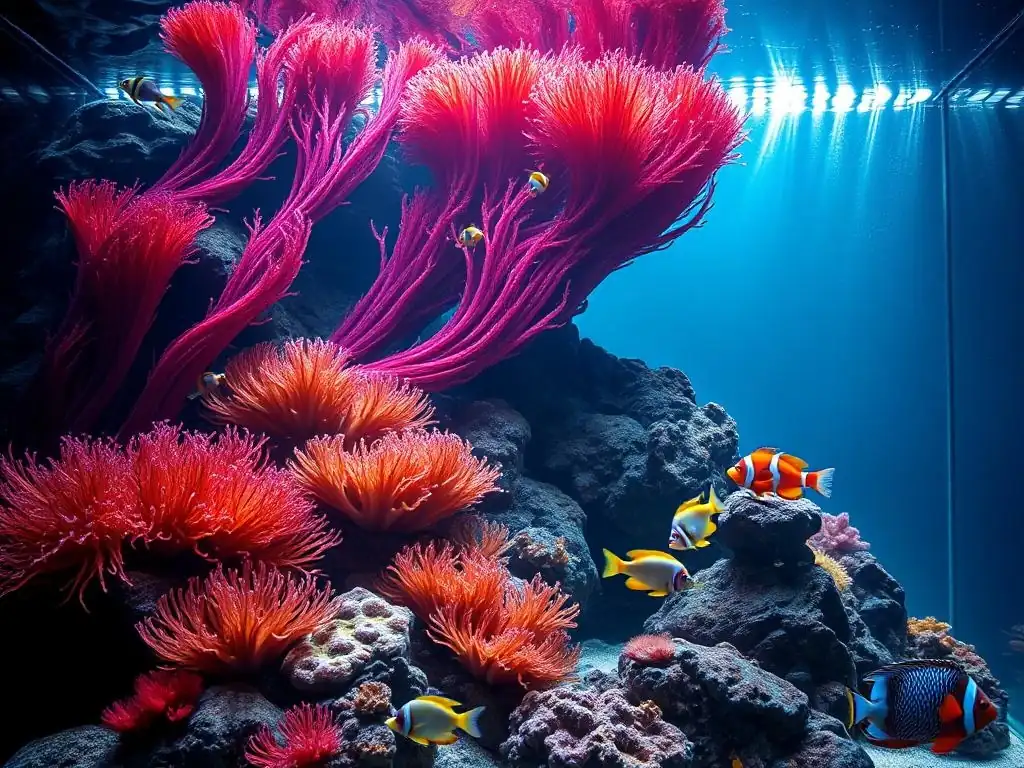
Ever wondered how to cultivate vibrant, thriving Gracilaria – that stunning "Red Ogo" macroalgae – in your aquarium? Dive in and discover our essential Gracilaria care tips aquarium, unlocking the secrets to a lush, healthy aquatic display. Ready to transform your tank with this captivating plant? Let's get started!
- Understanding Gracilaria: The "Red Ogo" Macroalgae for Saltwater Aquariums
- Essential Gracilaria Care Tips for a Thriving Aquarium Environment
- Setting Up Your Aquarium for Successful Gracilaria Cultivation
- Maintaining Healthy Gracilaria: Preventing and Treating Common Issues
- Propagating Gracilaria: Expanding Your "Red Ogo" Collection
- Troubleshooting Common Gracilaria Problems in Saltwater Aquariums
- Advanced Gracilaria Care: Maximizing Color and Growth Potential
- Harvesting Gracilaria: Utilizing "Red Ogo" for Natural Aquarium Feeding
- Conclusion: Mastering Gracilaria Care for a Vibrant and Healthy Saltwater Aquarium.
-
Frequently Asked Questions
- How do I ensure my Gracilaria ("Red Ogo") gets enough light in my aquarium?
- What water parameters are best for Gracilaria growth in my aquarium?
- How often should I prune my Gracilaria to encourage healthy growth?
- What can I do to prevent Gracilaria from turning brown or bleaching in my aquarium?
- Is Gracilaria a good choice for nutrient control in my aquarium?
- Final Reflection: Cultivating Underwater Ecosystems
- Ignite Your Reef: Cultivate a Thriving Gracilaria Oasis!
Understanding Gracilaria: The "Red Ogo" Macroalgae for Saltwater Aquariums
What is Gracilaria? Identifying the Ideal Macroalgae for Your Reef Tank
Gracilaria, commonly known as "Red Ogo," is a genus of red macroalgae highly prized in the saltwater aquarium hobby for its vibrant coloration and significant benefits. This branching, bushy macroalgae typically exhibits shades ranging from bright red to deep maroon, adding a striking visual contrast to the often green-dominated aquatic plant landscape. Originating from tropical and subtropical waters worldwide, Gracilaria thrives in diverse marine environments, making it a robust and adaptable choice for home aquariums. Its unique structure provides an excellent aesthetic appeal while serving crucial biological functions within the confined ecosystem of a reef tank.
Identifying healthy Gracilaria involves looking for firm, brightly colored fronds without signs of bleaching or decay. A robust specimen will have a dense, intricate branching pattern, indicative of active growth. Unlike many nuisance algaes, Gracilaria is a desirable macroalgae that contributes positively to water quality and overall tank health. Its ease of care and rapid growth under optimal conditions make it an ideal candidate for aquarists seeking to enhance their system's natural filtration and biodiversity.
Benefits of Gracilaria in a Saltwater Aquarium: Nutrient Control and Natural Food Source
The primary benefit of integrating Gracilaria into a saltwater aquarium is its exceptional ability to perform nutrient export. As a photosynthesizing organism, Gracilaria efficiently absorbs dissolved nitrates and phosphates from the water column, effectively reducing the levels of these undesirable compounds that can fuel nuisance algae outbreaks.
A healthy, actively growing patch of Gracilaria in a refugium, for example, can significantly lower nitrate levels by 5-10 parts per million (ppm) weekly in a well-stocked 100-gallon reef tank, depending on biomass and nutrient input. This natural filtration mechanism helps maintain pristine water quality, which is crucial for the health of sensitive corals and fish.
Beyond nutrient control, Gracilaria serves as a valuable natural food source for various herbivorous inhabitants within the aquarium. Tangs, angelfish, and certain blennies readily graze on "Red Ogo," providing them with essential roughage, vitamins, and minerals that might be lacking in prepared foods. Offering Gracilaria as a dietary supplement can enhance the vibrant coloration of these fish and promote their overall well-being. Furthermore, the dense structure of Gracilaria offers a natural habitat and refuge for small copepods and amphipods, which, in turn, become a supplementary food source for corals and other micro-predators, enriching the tank's biodiversity and food web.
Different Gracilaria Species: Choosing the Right "Red Ogo" for Your Aquarium
While many aquarists refer to various red branching macroalgae simply as "Red Ogo," there are several distinct species within the Gracilaria genus that are commonly cultivated in aquariums. Gracilaria parvispora, often considered the "true" Ogo, is highly sought after for its delicate branching structure and rapid growth, making it an excellent choice for nutrient export. Another popular species is Gracilaria tikvahiae, which tends to be more robust and can tolerate a wider range of conditions, making it a forgiving option for beginners focusing on Gracilaria care tips aquarium.
When selecting Gracilaria for your aquarium, it's less about identifying the exact species and more about ensuring you acquire a healthy, vibrant specimen. Look for pieces that are firm to the touch, deep red in color, and free from any signs of pests or other undesirable algae. While subtle differences in growth rate or branching patterns might exist between species, the general Gracilaria care tips aquarium parameters remain largely consistent across the commonly available forms. Prioritizing a clean, robust starter colony will set the foundation for successful Gracilaria cultivation and maximize its benefits in your reef system.
Essential Gracilaria Care Tips for a Thriving Aquarium Environment
Optimal Water Parameters for Gracilaria Growth: Temperature, Salinity, and pH
Maintaining stable and optimal water parameters is paramount for healthy Gracilaria growth. Gracilaria thrives in temperatures ranging from 72°F to 78°F (22°C to 26°C), mirroring the conditions preferred by most tropical reef inhabitants. Fluctuations outside this range can stress the macroalgae, leading to stunted growth or even tissue necrosis. Similarly, salinity should be kept consistent, ideally between 1.023 and 1.026 specific gravity (33-35 parts per thousand), a standard range for a thriving reef environment. Regular monitoring with a calibrated refractometer is essential to prevent significant swings.
The pH level is another critical factor in Gracilaria care tips aquarium. A stable pH between 8.0 and 8.4 is ideal, as it supports the calcification processes of corals (if present) and ensures optimal photosynthetic efficiency for the macroalgae. While Gracilaria is relatively tolerant, sudden drops or spikes in pH can inhibit its growth and overall health. Consistent water quality, achieved through regular water changes and stable parameter management, forms the cornerstone of successful Gracilaria cultivation, allowing it to efficiently absorb nutrients and maintain its vibrant coloration.
Lighting Requirements for Gracilaria: Ensuring Healthy Growth and Coloration
Gracilaria, like all photosynthetic organisms, has specific lighting requirements to ensure robust growth and maintain its characteristic red coloration. It generally prefers moderate to high intensity light with a full spectrum, though it particularly benefits from light in the red and blue wavelengths, which are crucial for its photosynthetic pigments. For optimal growth, a Photosynthetically Active Radiation (PAR) level of 50-150 PAR is typically recommended, depending on its placement within the tank or refugium. Lower PAR levels can lead to slower growth and a paler appearance, while excessively high PAR without adequate nutrients can cause bleaching.
A consistent photoperiod of 10-14 hours per day is ideal for Gracilaria. Many aquarists utilize a reverse daylight photoperiod in their refugiums, where the refugium light is on during the tank's dark cycle.
This strategy helps stabilize pH fluctuations by promoting photosynthesis and CO2 consumption when the main display tank is not, and it also prevents competition for oxygen between the macroalgae and corals at night. Using dedicated LED lights designed for refugiums or macroalgae growth, which often emphasize the red and blue spectrums, can significantly enhance Gracilaria's vitality and nutrient uptake capabilities, making it a key aspect of effective Gracilaria care tips aquarium.
Nutrient Levels and Fertilization: Balancing Nutrients for Vibrant "Red Ogo"
Gracilaria's primary function in a saltwater aquarium is nutrient export, meaning it actively consumes nitrates and phosphates from the water column. For optimal growth and coloration, Gracilaria requires a consistent, albeit low, supply of these nutrients. Ideal nitrate levels for Gracilaria are typically between 2-10 ppm, and phosphates should be maintained between 0.02-0.08 ppm. If nutrient levels drop too low (e.g., nitrates consistently below 1 ppm or phosphates undetectable), Gracilaria may become pale, stunt its growth, or even begin to "melt" as it starves.
While Gracilaria thrives on nitrates and phosphates, it also requires trace elements, with iron being particularly crucial for its red pigmentation and photosynthetic processes. In heavily skimmed or ultra-low nutrient (ULNS) systems, supplemental dosing of iron and other trace elements like iodine and manganese may be necessary to support vibrant Gracilaria growth. However, caution is advised, as over-dosing can lead to nuisance algae issues. Regular testing of water parameters and observing the macroalgae's appearance are the best ways to determine if nutrient supplementation is needed for effective Gracilaria care tips aquarium.
Setting Up Your Aquarium for Successful Gracilaria Cultivation
Substrate and Flow: Creating the Ideal Environment for Gracilaria to Flourish
Gracilaria does not typically root into a substrate in the way vascular plants do. Instead, it often attaches itself to live rock or is simply placed in an area of the refugium or display tank where it can tumble gently or be held in place. For successful Gracilaria care tips aquarium, adequate water flow is crucial. Moderate to high flow helps prevent detritus from settling on the macroalgae, which can smother it and lead to decay. More importantly, consistent flow ensures that nutrients are continuously delivered to the Gracilaria fronds, maximizing its photosynthetic efficiency and nutrient uptake.
In a refugium, a tumbling motion caused by a gentle powerhead or the return flow can be highly beneficial, as it exposes all parts of the macroalgae to light and nutrients. If placing Gracilaria in the main display, positioning it in an area with good water movement but not direct, blasting flow will prevent it from being dislodged. The aim is to replicate the natural ocean currents that keep macroalgae clean and well-fed, promoting robust and healthy growth within your aquarium system.
Preventing Gracilaria Detachment: Anchoring Techniques and Flow Management
One common challenge in Gracilaria care tips aquarium is preventing the macroalgae from detaching and potentially clogging pumps or filters. Since Gracilaria does not have a true holdfast that strongly anchors it to rock, aquarists often employ various techniques to keep it in place. Small rubber bands can be used to secure a clump of Gracilaria to a piece of live rock, allowing it to naturally attach over time. Alternatively, super glue gel can be used to adhere a small portion of the macroalgae to a rock plug or a stable piece of rockwork.
Proper flow management is also key to preventing detachment. While Gracilaria thrives in good flow, excessively strong, direct currents can dislodge it. Position powerheads and return nozzles to create turbulent, indirect flow around the Gracilaria, rather than a laminar jet. This ensures nutrient delivery without the risk of physical displacement. Regularly checking the stability of your Gracilaria and re-securing any loose pieces will contribute significantly to its long-term health and prevent potential equipment issues.
Compatible Tank Mates: Selecting Inhabitants that Won't Damage Your Gracilaria
When incorporating Gracilaria into a display tank, careful consideration of compatible tank mates is essential. Many common reef fish are herbivorous and will readily graze on "Red Ogo," potentially consuming it faster than it can grow.
While this can be a desired outcome for feeding, if the goal is to maintain a significant biomass of Gracilaria for nutrient export or aesthetic purposes, certain species should be avoided or monitored closely. Tangs, such as Yellow Tangs ( Zebrasoma flavescens) and Kole Tangs ( Ctenochaetus strigosus), as well as some angelfish and rabbitfish, are known to be voracious algae eaters and may quickly decimate a Gracilaria patch.
Conversely, many invertebrates and smaller, non-herbivorous fish species are perfectly compatible with Gracilaria. Snails, hermit crabs, and most ornamental shrimp (e.g., Peppermint Shrimp, Skunk Cleaner Shrimp) will generally ignore Gracilaria, focusing on detritus or nuisance algae. Even some reef-safe fish like clownfish, gobies, and blennies (excluding certain herbivorous blennies) pose no threat. For successful Gracilaria care tips aquarium in a display setting, it's crucial to research the dietary habits of your chosen fish to ensure they won't turn your beautiful "Red Ogo" into a quick snack.
Maintaining Healthy Gracilaria: Preventing and Treating Common Issues
Identifying and Addressing Gracilaria Algae Blooms: Maintaining Balance
It's important to clarify that Gracilaria itself is a beneficial macroalgae, and its "bloom" is generally a positive sign of rapid growth and efficient nutrient uptake, rather than a problem. A large, thriving mass of Gracilaria indicates that it is effectively consuming excess nitrates and phosphates in the system. However, if Gracilaria grows too rapidly and overwhelms its designated space, it can restrict flow or even outcompete corals for light if placed improperly. This rapid growth also suggests that nutrient levels in the tank might be consistently high, indicating a need to re-evaluate feeding habits or bioload.
Addressing an overly vigorous Gracilaria bloom primarily involves regular harvesting. Trimming back about 30-50% of the Gracilaria biomass every few weeks, or as needed, helps maintain manageable growth and ensures it continues to actively export nutrients. If nuisance algaes (like Bryopsis or Hair Algae) begin to grow on the Gracilaria, it often signals an underlying water quality issue, such as elevated nitrates or phosphates, or insufficient flow around the Gracilaria itself. In such cases, the solution involves improving overall water parameters and increasing flow to the affected areas, rather than treating the Gracilaria itself as the problem.
Dealing with Gracilaria Algae Deficiencies: Recognizing and Correcting Imbalances
When Gracilaria begins to show signs of deficiency, such as turning pale, white, or developing translucent patches, it's a clear indicator of an imbalance in its environment. The most common causes are a lack of essential nutrients, particularly nitrates and iron. If nitrates consistently test below 1 ppm in a system relying heavily on Gracilaria for nutrient export, the macroalgae may be starving. Similarly, a lack of bioavailable iron can lead to a loss of the characteristic red pigmentation, causing the Gracilaria to appear pale or even yellowish.
Correcting these imbalances involves a systematic approach. First, re-evaluate feeding practices; if the tank is underfed, increasing the bioload or feeding more can naturally raise nutrient levels. If trace elements are suspected, careful dosing of a high-quality reef supplement containing iron and other essential trace elements can help. It's crucial to test water parameters regularly and make gradual adjustments, observing the Gracilaria's response. Providing a stable environment with adequate light, flow, and the necessary macro and trace nutrients is key to resolving deficiencies and maintaining vibrant Gracilaria care tips aquarium.
Pest Control for Gracilaria: Protecting Your "Red Ogo" from Nuisance Organisms
While Gracilaria is generally robust, it can occasionally become a target or host for nuisance organisms. The most common "pests" are other, less desirable algaes that might grow on or amongst the Gracilaria, such as hair algae or diatoms, especially if water quality is compromised. These nuisance algaes compete with Gracilaria for light and nutrients, potentially stifling its growth. Aiptasia anemones or vermetid snails can also sometimes establish themselves within Gracilaria clumps, though this is less common.
Preventative measures are the best form of pest control for Gracilaria. Always quarantine new macroalgae additions to prevent introducing unwanted hitchhikers. Maintaining excellent water quality with low nitrates and phosphates is the most effective way to prevent nuisance algae from taking hold.
If nuisance algae do appear on your Gracilaria, manual removal is often effective; gently brush or rinse the affected areas. For Aiptasia, targeted application of Aiptasia-specific remedies or introducing biological controls like Peppermint Shrimp ( Lysmata wurdemanni) can be considered. Regular inspection and proactive Gracilaria care tips aquarium ensure your "Red Ogo" remains healthy and free from undesirable invaders.
Propagating Gracilaria: Expanding Your "Red Ogo" Collection
Simple Gracilaria Propagation Techniques: Fragmentation and Growth
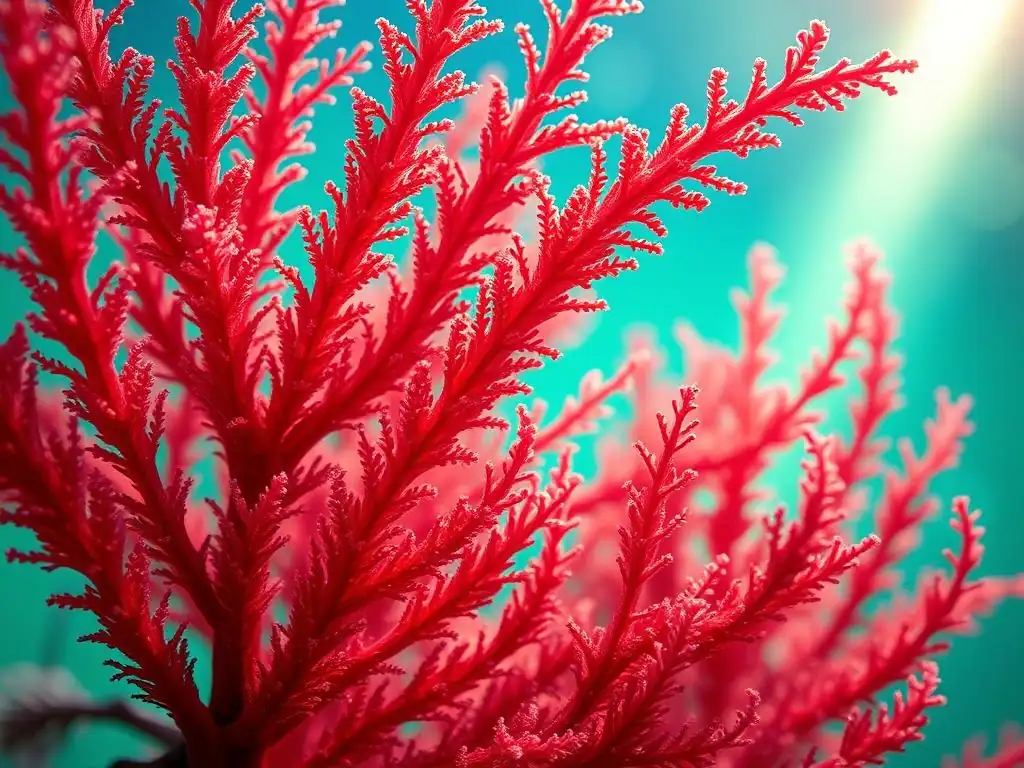
Propagating Gracilaria is remarkably straightforward, making it one of the easiest macroalgae to expand in your aquarium. The most common and effective technique is simple fragmentation. This involves gently breaking off a piece of a healthy, actively growing Gracilaria colony. The size of the fragment can vary, but a piece roughly 1-2 inches (2.5-5 cm) in length is typically sufficient to start a new colony. Ensure the fragment has multiple branching points, as these are areas from which new growth will emerge.
Once fragmented, the new piece of Gracilaria can be placed in an area with good flow and light within your refugium or display tank. It can be loosely placed among live rock, secured with a small rubber band to a frag plug, or even glued to a stable surface using reef-safe super glue gel.
Under optimal conditions of light, flow, and nutrient availability, these fragments will quickly begin to grow and develop into new, independent colonies. This simple propagation method allows aquarists to easily share Gracilaria with others or expand their own biomass for increased nutrient export, making Gracilaria care tips aquarium propagation highly accessible.
Optimizing Propagation for Faster Growth
To optimize Gracilaria propagation for faster growth and a more prolific output, focus on replicating the ideal conditions for the mother colony. This means ensuring the fragmented pieces are placed in areas receiving optimal light intensity and spectrum, ideally within the recommended PAR range of 50-150. Consistent, moderate to high water flow around the fragments is also crucial, as it delivers nutrients and prevents detritus accumulation, stimulating robust growth. Consider placing new fragments directly in a dedicated refugium where conditions are typically more stable and conducive to macroalgae growth, free from fish grazing.
Furthermore, maintaining stable water parameters and ensuring adequate, but not excessive, nutrient levels (nitrates 2-10 ppm, phosphates 0.02-0.08 ppm) will significantly accelerate the growth rate of new Gracilaria propagations. Regular harvesting of the main colony can also stimulate new growth and encourage the mother plant to put more energy into biomass production, indirectly benefiting the rate at which new fragments can be taken. By providing these ideal environmental conditions, your Gracilaria will not only thrive but also multiply rapidly, allowing for continuous expansion of your "Red Ogo" collection.
Troubleshooting Common Gracilaria Problems in Saltwater Aquariums
Gracilaria Turning White or Pale: Identifying the Cause and Implementing Solutions
When Gracilaria begins to turn white or pale, it's a clear signal that something in its environment is amiss. One of the most common causes is nutrient deficiency, particularly a lack of nitrates or iron. If your tank runs ultra-low nutrient levels (ULNS) with nitrates consistently near zero, the Gracilaria may be starving, leading to a loss of its vibrant red pigmentation.
Overly intense lighting can also cause bleaching, especially if the macroalgae is not acclimated or if it's placed too close to a powerful light source. Insufficient water flow, leading to stagnant areas and detritus buildup, can also contribute to localized paling.
To address this, first test your water parameters, focusing on nitrates, phosphates, and alkalinity. If nitrates are too low, consider slightly increasing feeding or introducing a small amount of nitrate solution, if safe for your other tank inhabitants. If iron deficiency is suspected, a reputable trace element supplement can be carefully dosed.
Adjust lighting intensity by raising the light fixture or dimming it, if possible, or relocating the Gracilaria to a less intense light zone. Finally, ensure adequate, turbulent flow around the Gracilaria to prevent dead spots. Consistent attention to these Gracilaria care tips aquarium will help restore its health and color.
Slow or Stunted Gracilaria Growth: Diagnosing and Resolving Growth Issues
Slow or stunted growth in Gracilaria is another common issue that aquarists encounter, indicating that the macroalgae is not thriving optimally. The primary culprits for inhibited growth are often insufficient lighting, inadequate nutrient availability, or poor water flow. If the PAR levels are too low (e.g., consistently below 50 PAR), or the spectrum is not conducive to red algae photosynthesis, Gracilaria will struggle to grow efficiently. Similarly, if nitrate and phosphate levels are consistently too low, the macroalgae lacks the building blocks for new tissue.
To diagnose, first verify your lighting setup: check the age of your bulbs (if applicable), measure PAR if possible, and ensure the photoperiod is at least 10-12 hours. Next, test your water for nitrates and phosphates; if they are undetectable or extremely low, consider increasing feeding frequency or a very cautious, measured dosing of a balanced macroalgae fertilizer. Finally, assess water flow around the Gracilaria; ensure it's moderate to high and turbulent, preventing detritus accumulation and ensuring nutrient delivery. Resolving these environmental factors is crucial for promoting robust Gracilaria care tips aquarium and growth.
Gracilaria Attracting Unwanted Algae: Maintaining Water Quality and Balance
If your Gracilaria appears to be "attracting" unwanted algae, such as hair algae, diatoms, or dinoflagellates growing directly on its fronds, it's generally not an issue with the Gracilaria itself but rather a symptom of broader water quality problems within your aquarium. Nuisance algaes thrive on excess nutrients, particularly phosphates and silicates, and often proliferate in systems with inconsistent maintenance or inefficient nutrient export. The Gracilaria merely provides a surface for these opportunistic algaes to colonize when conditions are favorable for them.
To combat this, the focus should shift to improving overall water quality and nutrient control. This involves several key Gracilaria care tips aquarium strategies:
- Reduce Nutrient Input: Cut back on overfeeding, rinse frozen foods, and ensure high-quality dry foods are used.
- Enhance Nutrient Export: Improve protein skimming efficiency, perform more frequent or larger water changes (e.g., 10-20% weekly), and ensure your Gracilaria biomass is sufficient for the tank's nutrient load.
- Increase Flow: Ensure strong, turbulent flow around the Gracilaria and throughout the tank to prevent detritus from settling, which can fuel nuisance algae growth.
- Address Specific Nutrients: If phosphates are persistently high, consider using a GFO (Granular Ferric Oxide) reactor or other phosphate-removing media.
- Manual Removal: Gently brush or rinse nuisance algae off the Gracilaria during water changes.
By addressing the underlying causes of high nutrients and maintaining a balanced system, your Gracilaria will remain clean and healthy, effectively outcompeting unwanted algae.
Advanced Gracilaria Care: Maximizing Color and Growth Potential
Utilizing Refugiums for Optimal Gracilaria Growth and Nutrient Export
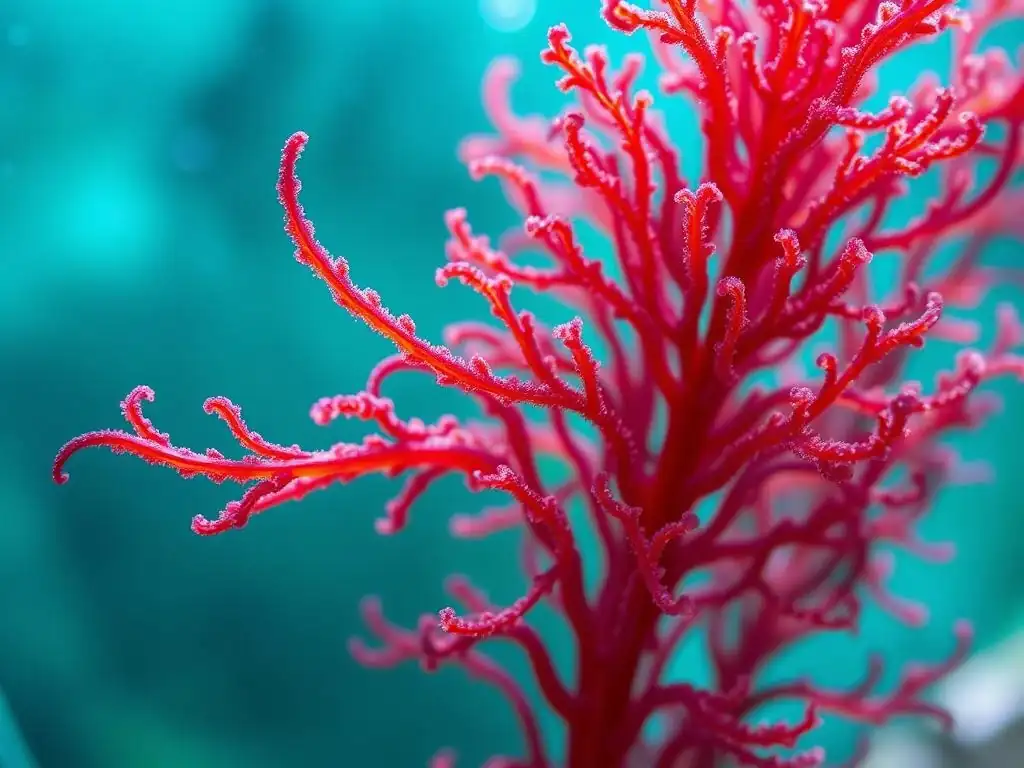
Refugiums are arguably the single most effective tool for maximizing Gracilaria growth and its nutrient export capabilities. A dedicated refugium provides a safe, stable environment where Gracilaria can thrive without competition or predation from display tank inhabitants. In a refugium, you can optimize lighting specifically for macroalgae growth, often employing a reverse daylight photoperiod (lights on during the main tank's dark cycle). This helps stabilize the system's pH by promoting photosynthesis and CO2 consumption when the display tank's photosynthesis is minimal.
The controlled environment of a refugium also allows for optimal water flow, typically a steady, moderate flow that keeps the Gracilaria tumbling gently, ensuring all fronds are exposed to light and nutrient-rich water. This constant movement prevents detritus accumulation and maximizes nutrient uptake efficiency. By dedicating a section of your sump or an external hang-on refugium to Gracilaria cultivation, aquarists can achieve significantly higher biomass and, consequently, more robust nutrient export, leading to a healthier and more stable main display tank. This is a paramount Gracilaria care tips aquarium strategy for advanced hobbyists.
The Role of Trace Elements in Gracilaria Health and Coloration
While nitrates and phosphates are the primary macronutrients for Gracilaria, trace elements play a vital, albeit smaller, role in its overall health, growth, and particularly its vibrant coloration. Iron is arguably the most critical trace element for red macroalgae like Gracilaria. It is a key component of chlorophyll and other photosynthetic pigments, and a deficiency can lead to pale, washed-out coloration and stunted growth. Other important trace elements include iodine, manganese, and potassium, which are involved in various metabolic processes and enzyme functions.
In established, heavily skimmed, or ultra-low nutrient (ULNS) systems, these essential trace elements can become depleted over time. If your Gracilaria is otherwise healthy but lacks its characteristic deep red hue, or if growth is sluggish despite adequate macronutrients, consider supplementing with a high-quality, balanced trace element solution designed for reef aquariums. Always follow the manufacturer's dosing instructions carefully and monitor your Gracilaria's response.
Regular water changes with a good quality salt mix can also replenish some trace elements. Understanding and addressing the subtle needs for trace elements elevates your Gracilaria care tips aquarium to an advanced level, ensuring maximal vibrancy.
Advanced Lighting Strategies for Enhanced Gracilaria Growth
Beyond standard LED or T5 lighting, advanced lighting strategies can significantly enhance Gracilaria growth and coloration, particularly in a dedicated refugium. Utilizing LED fixtures specifically designed for refugiums or plant growth often provides a spectrum optimized for macroalgae, typically with strong peaks in the red (620-670nm) and blue (430-470nm) wavelengths. These specific wavelengths are highly efficient for photosynthesis in red macroalgae, promoting faster growth and deeper pigmentation. Some advanced hobbyists even experiment with pulsed lighting or varying photoperiods to mimic natural tidal cycles or enhance specific metabolic processes.
Another advanced strategy involves carefully monitoring and adjusting PAR levels. While a general range of 50-150 PAR is suitable, fine-tuning the intensity based on the Gracilaria's response can yield superior results. If Gracilaria appears pale or bleached, reducing intensity or raising the light may be necessary.
Conversely, if growth is slow but nutrients are available, increasing PAR can stimulate it. Some aquarists employ separate, lower-wattage lights that run during the main tank's dark cycle to provide continuous nutrient export without affecting display tank aesthetics. Implementing these advanced lighting Gracilaria care tips aquarium can unlock the full potential of your "Red Ogo."
Harvesting Gracilaria: Utilizing "Red Ogo" for Natural Aquarium Feeding
Safe and Effective Gracilaria Harvesting Methods
Regular harvesting of Gracilaria is crucial for maintaining its efficiency as a nutrient export mechanism and preventing it from overgrowing its designated space. The safest and most effective method involves simply trimming off excess growth with clean, sharp scissors or by gently breaking off pieces by hand. Aim to remove about 30-50% of the Gracilaria biomass during each harvest, typically every 2-4 weeks, depending on its growth rate and the nutrient load of your system. Avoid removing too much at once, as this can shock the remaining colony and temporarily reduce its nutrient uptake capacity.
When harvesting, ensure that no loose pieces float into the main display tank or get drawn into pumps, as they can cause clogs. It's often best to perform harvesting during a water change or when the return pump to the display tank is temporarily off, allowing you to easily collect all trimmed pieces. Regular, consistent harvesting not only keeps your Gracilaria healthy and robust but also provides an ongoing means of permanently removing accumulated nitrates and phosphates from your aquarium, which is a core Gracilaria care tips aquarium practice.
Feeding Your Fish with Gracilaria: A Natural and Nutritious Food Source
One of the fantastic benefits of cultivating Gracilaria is its utility as a natural and highly nutritious food source for your aquarium inhabitants, particularly herbivorous fish. Species such as tangs (e.g., Yellow Tangs, Purple Tangs), angelfish (e.g., Flame Angelfish, Coral Beauty Angelfish), and certain blennies (e.g., Lawnmower Blennies) will readily graze on "Red Ogo." To offer Gracilaria to your fish, you can simply secure a small piece to a rock with a rubber band, or use a veggie clip to attach it to the side of the tank.
Gracilaria provides essential roughage, fiber, and a wide array of vitamins and minerals that are vital for the long-term health and vibrant coloration of herbivorous marine fish. It can significantly supplement their diet, especially if they are primarily fed processed foods. Offering Gracilaria as a regular treat can also provide mental stimulation for your fish, mimicking their natural grazing behaviors in the wild. This natural feeding aspect is a rewarding culmination of effective Gracilaria care tips aquarium, transforming your macroalgae cultivation into a direct benefit for your aquatic pets.
Conclusion: Mastering Gracilaria Care for a Vibrant and Healthy Saltwater Aquarium.
Frequently Asked Questions
How do I ensure my Gracilaria ("Red Ogo") gets enough light in my aquarium?
Gracilaria requires sufficient lighting for photosynthesis. Aim for moderate to high light levels using LED or fluorescent fixtures designed for aquarium plants. Adjust the intensity and duration based on your tank's needs.
What water parameters are best for Gracilaria growth in my aquarium?
Maintain stable water parameters with a specific gravity between 1.024 and 1.026 for saltwater tanks. Ensure adequate levels of nutrients like nitrate and phosphate, but avoid excessive levels that could lead to algae blooms.
How often should I prune my Gracilaria to encourage healthy growth?
Regular pruning is essential for maintaining the shape and health of your Gracilaria. Trim back any dead or decaying portions and thin out dense areas to promote better light penetration and water flow within the algae.
What can I do to prevent Gracilaria from turning brown or bleaching in my aquarium?
Browning or bleaching often indicates stress from inadequate lighting, nutrient deficiencies, or unstable water parameters. Review your lighting, water testing, and consider supplementing with trace elements if necessary.
Is Gracilaria a good choice for nutrient control in my aquarium?
Yes, Gracilaria is an excellent choice for natural nutrient control. It effectively absorbs nitrates and phosphates, helping to maintain water quality and reduce the risk of unwanted algae growth.
Final Reflection: Cultivating Underwater Ecosystems
The journey of understanding and nurturing Gracilaria, or "Red Ogo," within the aquarium setting is more than just a technical exercise; it's a testament to our ability to foster miniature ecosystems. The principles of careful observation, balanced nutrient management, and proactive problem-solving, as outlined in this guide, extend far beyond the confines of a glass tank. They mirror the essential practices needed to maintain the health and vitality of larger, more complex environments, reminding us of the interconnectedness of all living things.
This exploration into Gracilaria cultivation has profoundly influenced my perspective on the delicate balance within aquatic environments. It underscores the importance of responsible stewardship and the potential for even small actions to have a significant impact. The vibrant red hues of healthy Gracilaria serve as a constant reminder of the beauty and fragility we must protect. The care of one life is the care of all life.
This quote, though simple, encapsulates the responsibility we bear as keepers of these miniature worlds.
Now, armed with these Gracilaria care tips, I invite you to reflect on your own role in nurturing life, both within and beyond the aquarium. Consider how the principles of balance, observation, and proactive care can be applied to other aspects of your life, fostering growth and resilience in all that you touch. Let the vibrant "Red Ogo" inspire you to cultivate a world where life thrives, one careful step at a time.
Ignite Your Reef: Cultivate a Thriving Gracilaria Oasis!
Thank you for exploring the vibrant world of Gracilaria! We hope this guide has empowered you with the knowledge to successfully cultivate this beautiful and beneficial algae in your aquarium. Ready to transform your tank into a haven of color and health?
Here's how to get started:
- Embark on your Gracilaria journey: Order a small starter culture of Gracilaria from a reputable source today! Witness the magic firsthand.
- Explore the possibilities: Experiment with different lighting intensities to unlock the most vibrant red coloration in your "Red Ogo."
- Join the community: Share your Gracilaria growing successes (and challenges!) with fellow aquarists on Aquarium Mastery's forum.
What innovative technique will you try first to optimize your Gracilaria's growth and color?