
HC Cuba (Hemianthus Callitrichoides): The Tiniest, Most Demanding Carpet?

Welcome to Aquarium Mastery!
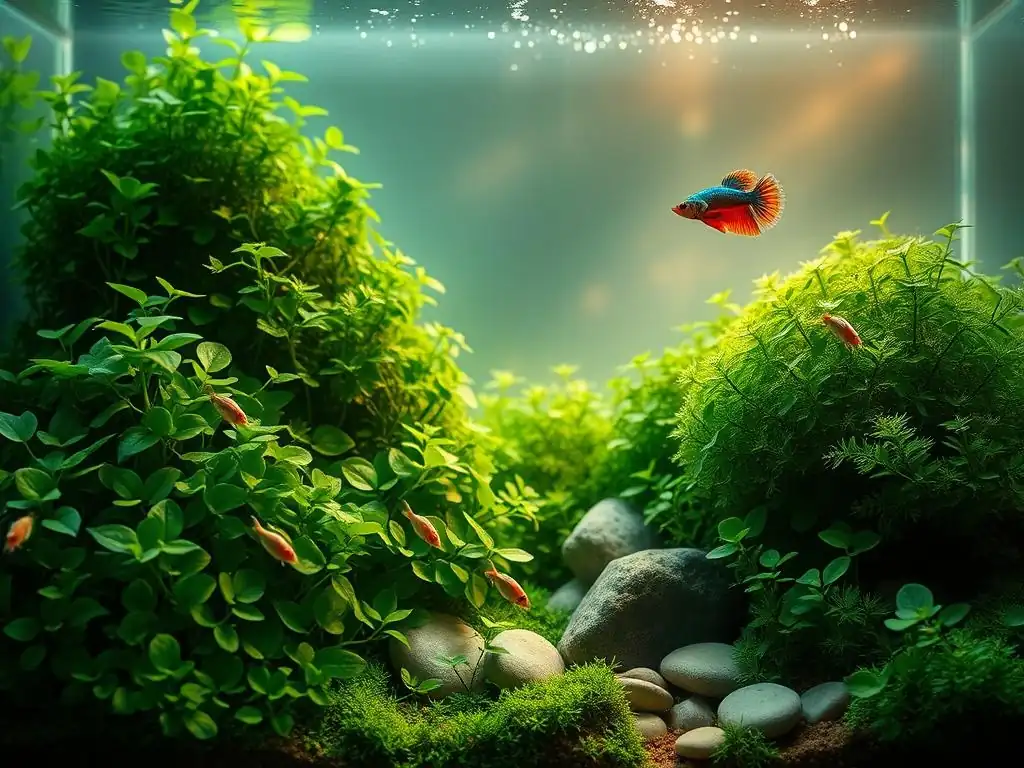
Ever dreamt of a lush, vibrant carpet of green swaying gently in your aquarium? We're diving deep into the world of Hemianthus Callitrichoides, also known as HC Cuba, the ultimate challenge (and reward!) for aquascapers. But is this tiny beauty really that demanding? Get ready to unravel the secrets to successful HC Cuba (Hemianthus Callitrichoides) carpet care and discover how to cultivate your own breathtaking underwater landscape. Intrigued? Let's get started!
- Dwarf Baby Tears (Hemianthus Callitrichoides): Achieving a Lush Green Carpet
- Understanding Dwarf Baby Tears: An Introduction
- Dwarf Baby Tears Carpet Care: A Comprehensive Guide
- Troubleshooting Common Dwarf Baby Tears Problems
- Comparing Dwarf Baby Tears to Other Carpeting Plants
- Mastering Aquascaping with Dwarf Baby Tears
-
Frequently Asked Questions
- What exactly is Hemianthus Callitrichoides (HC) Cuba, and why is it considered demanding?
- What are the key requirements for successful HC Cuba carpet growth?
- What are some common problems aquarists face when growing HC Cuba, and how can they be addressed?
- How often should I trim my HC Cuba carpet, and what's the best technique?
- What type of substrate is best for HC Cuba, and why is it important?
- Final Reflection: Cultivating Patience and Beauty
- Cultivate Your Dream Carpet: Begin Your HC Cuba Journey Now!
Dwarf Baby Tears (Hemianthus Callitrichoides): Achieving a Lush Green Carpet
Understanding Dwarf Baby Tears: An Introduction
What is Dwarf Baby Tears? Origin and Characteristics
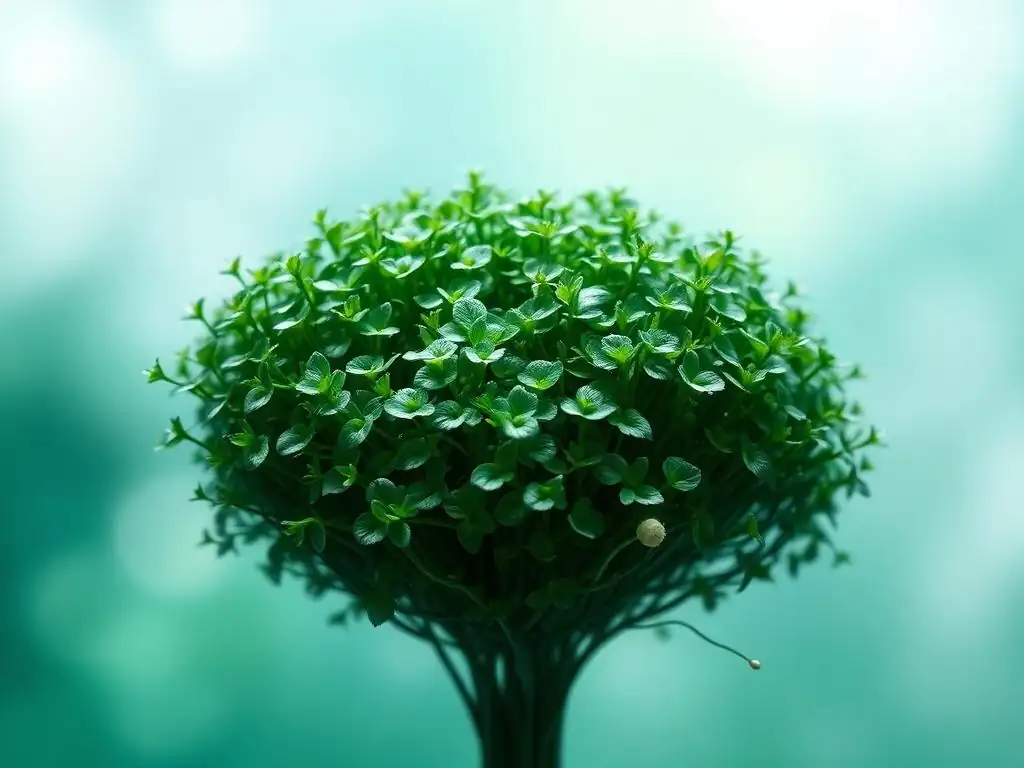
Hemianthus Callitrichoides, commonly known as Dwarf Baby Tears or HC Cuba, is a tiny, vibrant green aquatic plant highly prized in the aquascaping community. Originating from the island of Cuba, specifically found growing densely along riverbanks and streams, its minute leaves typically measure just 3-5 millimeters across, making it one of the smallest aquatic plants available. This diminutive size allows it to create an incredibly fine-textured, dense carpet across the aquarium substrate.
This plant exhibits a creeping growth habit, spreading horizontally through stolons that root into the substrate. When conditions are optimal, these stolons rapidly form a continuous, lush green mat. Its bright green coloration provides a striking contrast against darker substrates or hardscape elements, contributing significantly to the aesthetic appeal of a planted tank. However, achieving and maintaining this pristine carpet requires precise environmental conditions and diligent Hemianthus Callitrichoides carpet care.
Why is Dwarf Baby Tears Popular in Aquascaping? The Appeal of a Dense Carpet
The primary appeal of Dwarf Baby Tears in aquascaping lies in its unparalleled ability to form a dense, uniform, and vibrant green carpet that mimics a natural meadow or mossy riverbed. This creates an immediate sense of scale and depth in an aquarium, making even smaller tanks appear more expansive and natural. It is a cornerstone plant in popular aquascaping styles such as Iwagumi, where its fine texture beautifully complements the minimalist arrangement of rocks.
Beyond its aesthetic contribution, a healthy Hemianthus Callitrichoides carpet provides practical benefits. It offers excellent hiding places for small fish fry, shrimp, and other invertebrates, enhancing biodiversity and providing a sense of security for tank inhabitants. The dense growth also helps to stabilize the substrate, preventing erosion and contributing to overall tank health, making it a desirable, albeit demanding, choice for aquascapers.
The Challenges of Growing Dwarf Baby Tears: Determining Suitability
Despite its allure, Dwarf Baby Tears has a reputation as one of the more challenging carpeting plants to grow successfully. Its demanding nature stems from specific requirements for high light intensity, consistent carbon dioxide (CO2) injection, and stable water parameters. Without these crucial elements, the plant often melts, stunts, or fails to spread, leading to frustration for aquarists. This means that effective Hemianthus Callitrichoides carpet care is paramount.
Considering its high demands, Dwarf Baby Tears is generally not recommended for beginner aquarists or low-tech setups that lack CO2 injection and powerful lighting. It requires a significant commitment to regular maintenance, including precise fertilization and frequent trimming, to prevent it from becoming leggy or detaching from the substrate. Aquarists should assess their willingness and ability to provide a high-tech environment before attempting to cultivate a Hemianthus Callitrichoides carpet.
Dwarf Baby Tears Carpet Care: A Comprehensive Guide
Optimal Aquarium Conditions for Dwarf Baby Tears Growth
Lighting Requirements for a Thriving Dwarf Baby Tears Carpet
Achieving a lush Hemianthus Callitrichoides carpet hinges significantly on providing high-intensity lighting. Dwarf Baby Tears is a light-hungry plant, typically requiring a Photosynthetically Active Radiation (PAR) level of at least 50-80 µmol/m²/s at the substrate level for optimal, dense growth. Full-spectrum LED lights are highly recommended as they offer the necessary intensity and color rendition to promote vigorous photosynthesis and vibrant green coloration.
The photoperiod should ideally be maintained at 8-10 hours per day. Insufficient light will cause the plant to stretch upwards (etiolation) in search of light, resulting in a leggy and sparse carpet, or eventually lead to melting. Conversely, excessive light without adequate CO2 and nutrients can trigger rampant algae growth, which quickly smothers the delicate HC Cuba. Consistent and appropriate lighting is a foundational aspect of successful Hemianthus Callitrichoides carpet care.
CO2 Injection: Necessity and Alternatives for Dwarf Baby Tears
Pressurized CO2 injection is almost universally considered essential for cultivating a healthy and dense Hemianthus Callitrichoides carpet. CO2 acts as a vital carbon source for photosynthesis, directly fueling the rapid growth and horizontal spreading characteristic of a thriving HC Cuba carpet. Target CO2 levels should be maintained consistently between 25-35 parts per million (ppm), which can be monitored accurately with a CO2 drop checker displaying a lime green color.
While some aquarists might attempt to grow HC Cuba with liquid carbon supplements (e.g., glutaraldehyde-based products), these are generally far less effective than pressurized CO2 for such a demanding plant. Liquid carbon can offer some benefit in very low-tech setups or as an algae inhibitor, but it typically cannot provide the sustained, high levels of carbon needed for the robust growth of a true Hemianthus Callitrichoides carpet. For best results, invest in a reliable pressurized CO2 system.
Water Parameters: Ideal Chemistry for Dwarf Baby Tears
Maintaining stable and appropriate water parameters is crucial for the long-term health and growth of a Hemianthus Callitrichoides carpet. Dwarf Baby Tears thrives in tropical temperatures ranging from 20-28°C (68-82°F). A slightly acidic to neutral pH, typically between 6.0 and 7.5, is preferred, as this range optimizes nutrient availability and CO2 solubility.
Regarding water hardness, a general hardness (GH) of 3-8 dGH (approximately 50-140 ppm) and carbonate hardness (KH) of 3-6 dKH (approximately 50-100 ppm) are generally suitable. More importantly than hitting exact numbers, stability in these parameters is key. Regular, small water changes (e.g., 20-30% weekly) help replenish trace elements and remove accumulated waste, contributing to a pristine environment for your Hemianthus Callitrichoides carpet.
Planting Dwarf Baby Tears: Techniques for Successful Establishment
The Dry Start Method: Advantages and Disadvantages
The Dry Start Method (DSM) is a popular technique for establishing a Hemianthus Callitrichoides carpet, particularly favored by experienced aquascapers. This method involves planting HC Cuba in a moist, unflooded aquarium substrate, keeping the tank covered to maintain high humidity. The primary advantage is that plants receive abundant atmospheric CO2, leading to rapid, dense growth and strong root development in 4-8 weeks without the immediate threat of algae or plants floating.
However, the DSM also has its drawbacks. It significantly extends the setup time before the tank can be flooded and fish introduced. There's also a risk of mold or fungal growth if humidity isn't balanced with adequate air circulation (brief daily uncovering). Furthermore, the transition from emersed (dry start) to submersed (flooded) growth can sometimes cause a temporary melt, requiring diligent Hemianthus Callitrichoides carpet care during this phase.
Planting Dwarf Baby Tears in a Flooded Tank: Tips and Tricks
Planting Dwarf Baby Tears directly into a flooded aquarium requires meticulous attention to detail to ensure successful establishment. HC Cuba is best planted in very small portions, typically 1-2 cm squares, using fine-tipped tweezers. Each small clump should be planted deeply and closely together into the substrate, ensuring at least 70% of the plant is buried to prevent it from floating. Planting densely from the start encourages faster lateral growth and a seamless carpet.
To facilitate planting and minimize disturbance, it's advisable to turn off the filter during the process. If possible, keep the water level low initially, just covering the substrate, which makes planting easier. Immediately after planting, ensure high light and consistent CO2 injection are provided to kickstart photosynthesis and root development. While some initial melting is normal, consistent Hemianthus Callitrichoides carpet care in a flooded tank will help it recover and thrive.
Maintaining Your Dwarf Baby Tears Carpet: Long-Term Care and Prevention
Trimming Dwarf Baby Tears: Encouraging Dense and Healthy Growth
Regular trimming is an indispensable aspect of long-term Hemianthus Callitrichoides carpet care. Without it, the carpet can become too thick, leading to shading of the lower layers. This lack of light and nutrient flow causes the bottom portions to melt and decay, which can result in large sections of the carpet detaching and floating to the surface. It is generally recommended to trim the carpet when it reaches a height of 2-3 centimeters.
Using sharp, curved aquascaping scissors, trim approximately 50-70% of the top growth. This aggressive trimming stimulates lateral branching and promotes denser, healthier growth from the base. After trimming, carefully remove all trimmings from the tank to prevent them from decaying and contributing to nutrient spikes or detritus buildup. Consistent trimming ensures a vibrant and stable Hemianthus Callitrichoides carpet.
Fertilization Strategies for Dwarf Baby Tears: Macro and Micronutrients
Dwarf Baby Tears is a heavy feeder, and a comprehensive fertilization strategy is crucial for its vigorous growth and lush coloration. It requires a balanced supply of both macronutrients (Nitrogen, Phosphorus, Potassium) and micronutrients (Iron, Manganese, Boron, etc.). Deficiencies in any of these can lead to stunted growth, discoloration, or melting. For example, a lack of Nitrogen can cause overall yellowing, while insufficient Iron often results in pale new growth.
Many aquarists successfully employ the Estimative Index (EI) dosing method or similar comprehensive liquid fertilizer regimes to ensure all necessary nutrients are available in excess. If using an inert substrate like sand, root tabs placed beneath the carpet can provide localized nutrients for the roots. However, aquasoils are generally preferred as they offer a rich, sustained nutrient source. Consistent and balanced fertilization is a cornerstone of effective Hemianthus Callitrichoides carpet care.
Preventing Algae Growth in Your Dwarf Baby Tears Carpet
Algae growth is a common frustration when cultivating a Hemianthus Callitrichoides carpet, often indicating an imbalance in the aquarium environment. Common culprits include fluctuating CO2 levels, insufficient nutrient dosing, or excessive light intensity/photoperiod without adequate plant mass to consume the light energy. Hair algae, diatoms, and green spot algae are frequently observed on struggling HC Cuba.
Prevention is key and involves maintaining a stable, balanced ecosystem. Ensure CO2 levels are consistent at 25-35 ppm throughout the day. Optimize your lighting schedule and intensity, avoiding prolonged periods of high light. Implement a consistent fertilization routine to prevent nutrient deficiencies that can stress plants and allow algae to take hold. Regular water changes help export excess nutrients. Introducing algae-eating invertebrates like Amano shrimp (Caridina multidentata) can also provide biological control, complementing diligent Hemianthus Callitrichoides carpet care.
Troubleshooting Common Dwarf Baby Tears Problems
Dwarf Baby Tears Turning Yellow or Brown: Identifying Causes
Nutrient Deficiencies: Diagnosing and Correcting Imbalances
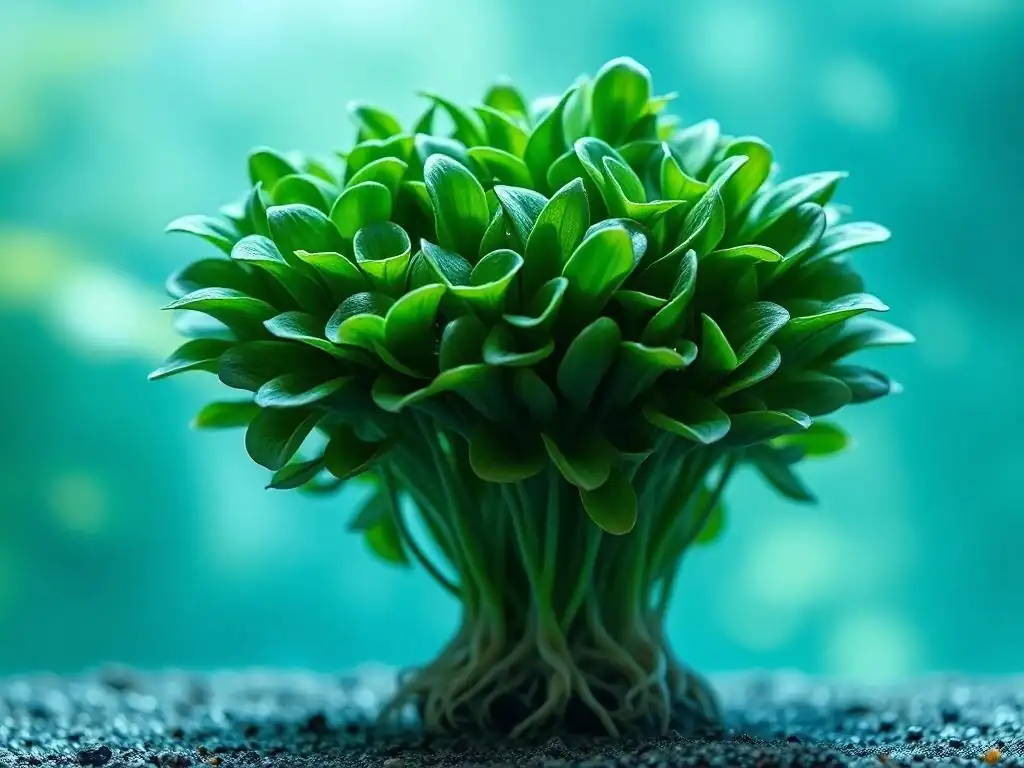
When a Hemianthus Callitrichoides carpet turns yellow or brown, nutrient deficiencies are a prime suspect. For instance, a general yellowing of older leaves often points to a lack of Nitrogen (N), while stunted growth with unusually dark green or purplish leaves might indicate Phosphorus (P) deficiency. New growth that appears pale or yellow, particularly at the tips, is a strong indicator of Iron (Fe) deficiency, crucial for chlorophyll production.
To correct these imbalances, assess your current fertilization routine. If using an all-in-one fertilizer, consider increasing the dose slightly or supplementing with specific macro or micronutrient products. Regular water testing can help confirm nutrient levels. For example, if nitrates are consistently zero, increasing Nitrogen dosing is warranted. Prompt diagnosis and correction are vital for effective Hemianthus Callitrichoides carpet care.
Insufficient Lighting: Recognizing Signs and Solutions
Insufficient lighting is another common reason for Dwarf Baby Tears to show signs of distress, such as yellowing, browning, or a general lack of vigor. When light is inadequate, HC Cuba often exhibits leggy growth, stretching upwards with elongated stems and sparse leaves as it attempts to reach for more light. The lower leaves may also melt away due to insufficient light penetration, leading to gaps in the carpet.
The solution involves increasing the light intensity or extending the photoperiod. If your current light fixture is adjustable, gradually increase its output. Alternatively, consider upgrading to a more powerful LED light designed for planted tanks. Ensure the light penetrates effectively to the substrate level. Remember to make changes gradually and monitor for algae, as a sudden increase in light without corresponding CO2 and nutrient adjustments can trigger an outbreak. Proper Hemianthus Callitrichoides carpet care emphasizes balanced parameters.
Algae Overgrowth: Addressing Root Cause and Control Methods
Algae overgrowth is a common issue that can cause a Hemianthus Callitrichoides carpet to appear brown or unhealthy, often by physically covering the leaves. As mentioned, algae is usually a symptom of an underlying imbalance, such as fluctuating CO2, nutrient deficiencies, or excessive light. Hair algae and Black Beard Algae (BBA) are particularly problematic for HC Cuba, as they can quickly outcompete and smother the delicate plant.
To address algae, first identify and rectify the root cause. Ensure CO2 levels are stable and consistently within the optimal range (25-35 ppm). Review your fertilization schedule to confirm that all macro and micronutrients are adequately supplied. Adjust your lighting intensity or photoperiod if it's excessive. Manual removal of algae using a toothbrush or by trimming heavily affected leaves is often necessary. Spot treatments with liquid carbon (e.g., glutaraldehyde) can also be effective for stubborn patches, applied cautiously. Holistic Hemianthus Callitrichoides carpet care includes robust algae management.
Dwarf Baby Tears Not Spreading: Encouraging Horizontal Growth
Proper CO2 Levels: Ensuring Adequate Carbon Availability
If your Dwarf Baby Tears is not spreading horizontally to form a dense carpet, the most common limiting factor is often insufficient or unstable CO2 levels. CO2 is crucial for photosynthesis, which provides the energy for the plant to grow and send out runners. Without adequate carbon, HC Cuba will exhibit stunted growth, remain small, or prioritize vertical growth in an attempt to reach the water surface for atmospheric CO2.
To encourage robust horizontal spread, ensure your pressurized CO2 system is delivering a consistent 25-35 ppm throughout the entire photoperiod. Use a reliable CO2 regulator and solenoid, and monitor levels with a drop checker. Ensure good CO2 diffusion and distribution throughout the tank, especially near the substrate where the carpet needs it most. Consistent and ample CO2 is the primary driver for a successful Hemianthus Callitrichoides carpet.
Substrate Considerations: Choosing the Right Substrate for Rooting
The choice of substrate plays a significant role in how well Dwarf Baby Tears roots and spreads. A nutrient-rich, fine-grained substrate is highly recommended. Aquasoils, such as ADA Aqua Soil Amazonia or UNS Controsoil, are ideal as they provide essential nutrients for initial root development and have a granular structure that allows HC Cuba to easily anchor its delicate roots and send out runners.
Coarse gravel or inert sand can make rooting difficult and may not provide sufficient nutrients for sustained growth. If using an inert substrate, it is imperative to supplement with nutrient-rich root tabs placed directly beneath the planted sections of HC Cuba. However, for the most vigorous and rapid spread of a Hemianthus Callitrichoides carpet, an aquasoil substrate remains the superior choice.
Water Circulation: Promoting Nutrient Distribution
Adequate water circulation is vital for ensuring that CO2, macro, and micronutrients are effectively distributed throughout the entire aquarium, reaching all parts of your Hemianthus Callitrichoides carpet. Poor circulation can lead to "dead spots" where nutrients are scarce, resulting in localized stunted growth or patchy areas within the carpet. Even with optimal dosing, if nutrients don't reach the plants, they cannot thrive.
To optimize circulation, ensure your filter provides sufficient flow for your tank size. If necessary, strategically place a small powerhead or wavemaker to create gentle, consistent water movement across the substrate. Avoid strong, direct currents that can uproot newly planted HC Cuba. Good water flow ensures that every tiny leaf of your Hemianthus Callitrichoides carpet receives the necessary building blocks for robust growth and spread.
Dwarf Baby Tears Floating: Replanting and Preventing Future Issues
Anchoring Techniques: Securing Dwarf Baby Tears to the Substrate
Dwarf Baby Tears floating to the surface is a common frustration, especially during the initial establishment phase or if the carpet becomes too thick and loses its grip. When planting, use fine-tipped aquascaping tweezers to plant very small clumps (e.g., 1x1 cm) deeply into the substrate. Ensure that a significant portion of the plant, including its tiny roots, is firmly buried. Planting at a slight angle can also help secure it.
For established patches that begin to lift, gently push them back down into the substrate using tweezers. If a section is particularly stubborn, you can carefully use small, inert rocks or specialized plant weights to hold it down until new roots develop and anchor it more securely. Regular trimming, as discussed earlier, also helps prevent the carpet from becoming too buoyant and detaching. Mastering these anchoring techniques is key to successful Hemianthus Callitrichoides carpet care.
Avoiding Disturbances: Minimizing Disruption During Establishment
The initial weeks after planting a Hemianthus Callitrichoides carpet are critical for its establishment, and minimizing disturbances is paramount. Any strong currents, aggressive gravel vacuuming near the carpet, or sudden movements in the tank can easily dislodge the delicate, newly rooted plants. Even a strong filter outflow directed onto the carpet can cause significant uprooting.
During this sensitive period, perform water changes slowly and gently, avoiding direct pouring onto the planted areas. If using a gravel vacuum, exercise extreme caution or avoid vacuuming near the HC Cuba until it is well-rooted. Consider turning off filters during initial planting to prevent plants from being swept away. Patience and a hands-off approach during the first 2-4 weeks will significantly increase the chances of your Hemianthus Callitrichoides carpet successfully establishing itself.
Comparing Dwarf Baby Tears to Other Carpeting Plants
Dwarf Baby Tears vs. Monte Carlo: A Comparative Analysis
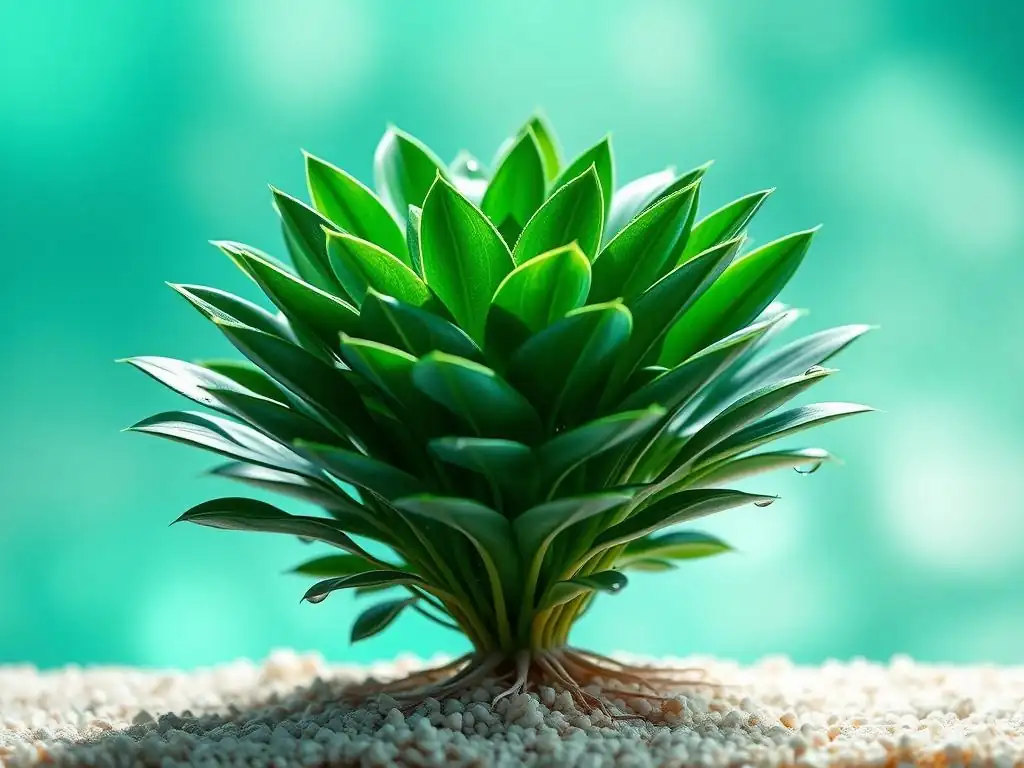
When considering carpeting plants, Monte Carlo (Micranthemum Monte Carlo) is often compared directly to Dwarf Baby Tears (Hemianthus Callitrichoides) due to their similar aesthetic goal. Monte Carlo is generally considered an easier alternative, making it a popular choice for aquarists who desire a lush carpet but prefer less intensive Hemianthus Callitrichoides carpet care. Its leaves are slightly larger than HC Cuba, typically 5-8mm, and have a more rounded shape.
Monte Carlo is more tolerant of lower light levels and less consistent CO2 injection, although it still benefits significantly from both. It tends to root more readily and is less prone to melting or uprooting compared to HC Cuba. While Monte Carlo forms a beautiful, dense carpet, it lacks the incredibly fine, delicate texture that makes Dwarf Baby Tears so unique and sought after in high-end aquascapes.
Dwarf Baby Tears vs. Dwarf Hairgrass: Growth Habits and Care
Dwarf Hairgrass (Eleocharis parvula or Eleocharis acicularis 'Mini') offers a distinctly different aesthetic compared to the dense, velvety mat of a Hemianthus Callitrichoides carpet. Hairgrass grows as thin, upright blades, creating a natural "lawn" or "meadow" effect. It is moderately demanding, requiring good light and CO2 for robust growth and spread, but it is generally less susceptible to melting than HC Cuba.
In terms of care, both plants benefit from nutrient-rich substrates and regular trimming. However, hairgrass can become extremely dense and may require periodic thinning to prevent the lower layers from decaying. While Dwarf Baby Tears creates a uniform, flat surface, Dwarf Hairgrass provides a more textured, wild appearance. The choice between them often comes down to the desired final look of the aquascape and the level of specific Hemianthus Callitrichoides carpet care an aquarist is willing to provide.
Alternative Carpeting Plants for Low-Tech Aquariums
For aquarists running low-tech setups without high light or CO2 injection, several alternative carpeting plants can achieve a foreground effect, though they may not replicate the dense, fine texture of a Hemianthus Callitrichoides carpet.
- Java Moss (Taxiphyllum barbieri): Extremely low demanding, Java Moss can be spread thinly over the substrate or attached to mesh to create a mossy carpet effect. It tolerates a wide range of water parameters and light conditions.
- Cryptocoryne parva: This small, slow-growing rosette plant can form a foreground carpet over many months. It requires moderate light and no CO2, making it a good choice for patient aquarists.
- S. Repens (Staurogyne repens): While it benefits greatly from CO2 and higher light, S. Repens can carpet in moderate light conditions with liquid carbon supplementation. It has slightly larger, more rigid leaves than HC Cuba.
These alternatives offer more forgiving Hemianthus Callitrichoides carpet care requirements, making them suitable for beginners or those seeking a less intensive aquascaping experience.
Mastering Aquascaping with Dwarf Baby Tears
Advanced Techniques for Creating Stunning Dwarf Baby Tears Aquascapes
Creating a truly stunning aquascape with a Hemianthus Callitrichoides carpet often involves advanced techniques that go beyond basic planting. One such technique is creating a sloped substrate, where the substrate depth increases towards the back of the tank. Planting HC Cuba on this slope enhances perspective and depth, making the aquascape appear larger. The Dry Start Method is frequently employed for such designs, ensuring strong initial rooting before flooding.
Meticulous planting of small, uniform clumps ensures a seamless carpet with no visible seams. Aquascapers often strategically combine HC Cuba with other plants that offer contrasting textures or colors, such as red stem plants (e.g., Rotala rotundifolia 'H'ra') or larger rosette plants, to highlight the vibrant green carpet. The precise placement of hardscape elements (rocks, driftwood) also plays a crucial role in framing and accentuating the Hemianthus Callitrichoides carpet.
Aquascape Example: Iwagumi Style with Dwarf Baby Tears
The Iwagumi aquascaping style is a prime example of where a Hemianthus Callitrichoides carpet truly shines. Originating from Japan, Iwagumi is a minimalist style that focuses on the arrangement of rocks (Ishi) as the primary hardscape, complemented by a single species of carpeting plant. HC Cuba is often the plant of choice due to its ability to create a vast, open "field" around the carefully selected and placed rocks, symbolizing a natural, tranquil landscape.
In an Iwagumi setup, the Hemianthus Callitrichoides carpet represents the "grassland" or "mossy ground," emphasizing the form and presence of the rocks. The simplicity of the design demands perfection in plant health and density, making diligent Hemianthus Callitrichoides carpet care absolutely critical. A pristine, vibrant green carpet enhances the natural aesthetic and evokes a powerful sense of harmony and balance within the aquatic environment.
Resources for Further Learning About Dwarf Baby Tears
For aquarists committed to mastering Hemianthus Callitrichoides carpet care and aquascaping, a wealth of resources are available. Reputable online forums and dedicated aquascaping websites (such as those associated with the International Aquatic Plants Layout Contest - IAPLC) offer extensive visual guides, detailed articles, and opportunities to interact with experienced aquascapers. YouTube channels from renowned aquascapers and brands (e.g., ADA - Aqua Design Amano, The Green Machine) provide invaluable video tutorials on planting, trimming, and troubleshooting.
Furthermore, investing in books by legendary aquascapers like Takashi Amano can provide profound insights into the philosophy and techniques of Nature Aquarium design, including specific guidance on cultivating demanding plants like HC Cuba. Joining local aquarium clubs or aquatic plant societies can also offer practical advice, shared experiences, and access to plant swaps, fostering a community of learning around Hemianthus Callitrichoides carpet care and general aquascaping.
Frequently Asked Questions
What exactly is Hemianthus Callitrichoides (HC) Cuba, and why is it considered demanding?
HC Cuba is a dwarf aquatic plant often used to create a carpet effect in aquariums. It's demanding due to its need for intense light, CO2 injection, and nutrient-rich substrate.
What are the key requirements for successful HC Cuba carpet growth?
Successful growth hinges on providing high light intensity, consistent CO2 supplementation, and a nutrient-rich substrate. Without these, HC Cuba will struggle and may even die.
What are some common problems aquarists face when growing HC Cuba, and how can they be addressed?
Common issues include algae growth, lifting from the substrate, and slow growth. These can often be mitigated by adjusting lighting, improving CO2 levels, and ensuring proper fertilization.
How often should I trim my HC Cuba carpet, and what's the best technique?
Trimming frequency depends on growth rate, but generally every 2-4 weeks is recommended. Use sharp scissors to trim the carpet, encouraging lateral growth.
What type of substrate is best for HC Cuba, and why is it important?
A nutrient-rich substrate like aquasoil is ideal, providing essential nutrients directly to the plant roots. This is crucial for healthy growth and a dense carpet.
Final Reflection: Cultivating Patience and Beauty
The journey of cultivating a lush Hemianthus Callitrichoides carpet in an aquarium is a testament to dedication and understanding. As we've explored the intricacies of its care, from lighting and CO2 to nutrient balance, it becomes clear that success with this miniature marvel mirrors the challenges and rewards found in many aspects of life. The commitment required to nurture this delicate plant reflects a broader need for patience and precision in our pursuits, reminding us that even the smallest details can contribute to breathtaking beauty.
The impact of HC Cuba extends beyond the aquascaping world; it's a symbol of the beauty that can be achieved through meticulous care and attention. My own experiences with this plant have taught me the value of perseverance and the importance of understanding the delicate balance of an ecosystem, both within the aquarium and beyond. The best view comes after the hardest climb.
This quote perfectly encapsulates the feeling of finally achieving a thriving HC Cuba carpet, a reward earned through diligent effort and a deep understanding of its needs.
Now, as you consider the lessons learned from mastering the art of Hemianthus Callitrichoides carpet care, I invite you to apply that same dedication and attention to detail in other areas of your life. Embrace the challenges, celebrate the small victories, and remember that even the most demanding endeavors can yield extraordinary results. Let the vibrant green of a thriving HC Cuba carpet serve as a constant reminder of the beauty that blossoms from patience, perseverance, and a genuine commitment to nurturing growth.
Cultivate Your Dream Carpet: Begin Your HC Cuba Journey Now!
Thank you for diving into the world of HC Cuba! We hope you've found inspiration and practical knowledge to conquer the challenges of cultivating this beautiful aquatic plant. Now, let's turn that knowledge into action.
- Dive into the Deep End: Start Your HC Cuba Carpet Today! Don't let the demands scare you. Begin with a small, manageable area and experience the joy of watching this miniature plant flourish.
- Explore the science: Research more on nutrient requirements in advanced planted tanks to boost your success.
- Share your knowledge: Join aquarium forums and online groups to connect with fellow enthusiasts, share your progress, and learn from their experiences.
What's the first step you'll take to bring your HC Cuba carpet vision to life?