
Banana Plant (Nymphoides Aquatica): Quirky Charm & Simple Care

Welcome to Aquarium Mastery!
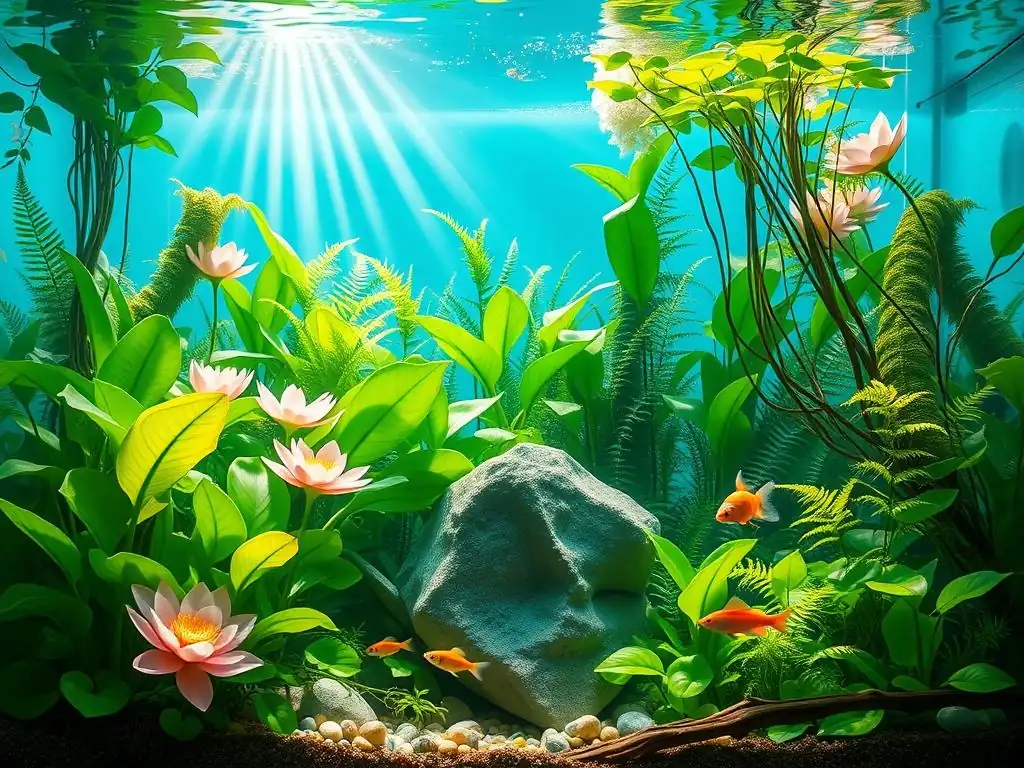
Ever seen a plant that looks like a bunch of tiny bananas nestled at the bottom of your tank? Prepare to be charmed! Dive into our guide on Banana Plant (Nymphoides Aquatica) Care and discover how to easily add this quirky and beneficial plant to your freshwater aquarium. Uncover the secrets to thriving banana plants and unlock a new level of aquascaping possibilities. Ready to grow your knowledge (and your plants)? Let's get started!
- Introduction to the Banana Plant: A Beautiful Aquarium Addition
- Optimal Banana Plant Aquarium Care: A Comprehensive Guide
- Planting and Propagating Banana Plant in Your Aquarium
- Common Banana Plant Problems and Solutions
- Choosing Tank Mates for Your Banana Plant Aquarium
- Where to Buy Banana Plant and What to Look For
- The Banana Plant vs. Other Aquarium Plants: A Comparison
- Enhancing Your Aquarium with Banana Plant: Design Ideas and Inspiration
- Conclusion: Mastering Banana Plant Aquarium Care for a Thriving Aquatic Ecosystem
-
Frequently Asked Questions
- How easy is it to care for a Banana Plant in an aquarium?
- What are the ideal water parameters for a Banana Plant?
- What type of substrate is best for a Banana Plant?
- How much light does a Banana Plant need?
- What are some common problems associated with Banana Plant aquarium care, and how can I fix them?
- Final Reflection: Cultivating Aquatic Harmony
- Dive Deeper: Cultivate Your Banana Plant Paradise!
Introduction to the Banana Plant: A Beautiful Aquarium Addition
What is a Banana Plant (Nymphoides Aquatica)? Unveiling its Origins
The Banana Plant, scientifically known as Nymphoides aquatica, is a captivating freshwater aquatic plant native to the southeastern United States, particularly states like Florida and Georgia. It thrives naturally in slow-moving waters, such as ponds, ditches, and the calmer sections of streams, often rooted in muddy substrates. Its common name derives from its unique rhizomatous structure, which consists of several swollen, banana-shaped tubers that store nutrients, giving the plant its distinctive and charming appearance. These tubers, typically light green to brownish, can range in size from a few millimeters to over an inch, resembling a small bunch of bananas.
Unlike many other aquatic plants that rely solely on extensive root systems, the Banana Plant utilizes these specialized tubers as its primary energy reserve, allowing it to survive periods of nutrient scarcity or adverse conditions. In an aquarium setting, it typically grows both submerged leaves and, given sufficient light and space, floating lily pad-like leaves that reach the water's surface. The submerged leaves are generally round to heart-shaped and vibrant green, while the floating leaves are thicker and often a slightly darker shade, sometimes developing small white or yellow flowers above the water.
Why Choose a Banana Plant for Your Freshwater Aquarium?
Choosing a Banana Plant for your freshwater aquarium offers a unique blend of aesthetic appeal and relatively straightforward Banana plant aquarium care. Its distinctive "banana" roots provide an immediate point of interest, making it a conversation starter and a focal point in any aquascape. Beyond its quirky appearance, the plant's dual growth habit—producing both submerged and floating leaves—adds dynamic visual layers to the tank. Submerged leaves offer lush green foliage in the mid-ground, while surface leaves provide shade and a natural canopy that can benefit shy fish species, creating a more naturalistic environment.
Furthermore, the Banana Plant is an excellent choice for aquarists seeking a low to moderate maintenance plant. Its robust nature and ability to store nutrients in its tubers make it forgiving of minor fluctuations in water parameters or occasional lapses in fertilization, which simplifies the overall Banana plant maintenance. It's also a fantastic natural filter, absorbing nitrates and other unwanted compounds from the water column, contributing to a healthier and more stable aquatic ecosystem. For those interested in creating biotope-inspired setups or simply adding a unique and beneficial live element, the Banana Plant stands out as a rewarding addition.
Optimal Banana Plant Aquarium Care: A Comprehensive Guide
Understanding Banana Plant Water Parameters for Thriving Growth
Ensuring the correct water parameters is paramount for successful Banana plant aquarium care and robust growth. These plants are relatively adaptable but thrive best within specific ranges that mimic their natural habitats. For temperature, the ideal range for Nymphoides aquatica is generally between 68°F and 82°F (20°C to 28°C). Maintaining a stable temperature within this range helps prevent stress and encourages consistent growth, as extreme fluctuations can lead to melting or stunted development of leaves.
Regarding pH and water hardness, Banana Plants prefer slightly acidic to neutral water conditions. An optimal pH range is typically 6.0 to 7.5. While they can tolerate slightly outside these bounds, maintaining pH within this window prevents nutrient lockout and ensures efficient absorption of essential minerals.
For general hardness (GH), a range of 3-8 dGH (50-140 ppm) is suitable, indicating soft to moderately hard water. Carbonate hardness (KH) between 3-8 dKH is also beneficial for buffering the pH and providing essential carbonates. Consistent monitoring with an aquarium test kit, perhaps weekly or bi-weekly depending on tank stability, is crucial to ensure these parameters remain within the ideal ranges for optimal Banana plant tank care.
Lighting Requirements for Banana Plant: Achieving the Right Balance
Lighting is a critical factor in Banana plant aquarium care, directly influencing its growth form and overall health. Banana Plants can adapt to a range of light intensities from moderate to high. In a moderate light environment, typically achieved with LED lights providing 20-30 PAR at the substrate level, the plant will primarily produce submerged leaves, maintaining a more compact form. This is often preferred by aquarists who want to keep the plant from reaching the surface and shading out other plants or blocking the view.
However, if provided with higher light intensity, such as 30-50+ PAR, the Banana Plant will be more inclined to send up long stems that produce floating lily pad-like leaves. While these surface leaves are natural for the plant and can be aesthetically pleasing, they can also block light from reaching plants below and reduce gas exchange at the water surface if too numerous.
Therefore, aquarists must balance their lighting choices with their desired plant form and the needs of other tank inhabitants. For enhanced Banana plant growth, a photoperiod of 8-10 hours daily is generally recommended to provide sufficient energy for photosynthesis without promoting excessive algae growth.
Substrate and Fertilization for Healthy Banana Plant Growth
Choosing the Right Substrate for Banana Plant
The choice of substrate plays a significant role in the long-term health and vitality of your Banana Plant. While the "banana" tubers are the primary nutrient storage organs, the plant also develops fine rootlets that absorb nutrients directly from the substrate. A fine-grained substrate such as sand or a small-sized gravel (1-3mm) is ideal, allowing the delicate rootlets to anchor easily and access nutrients. It's crucial to ensure the substrate is inert or designed for planted aquariums to avoid leaching unwanted chemicals.
When planting, it's essential to bury the fine rootlets but leave the distinctive "banana" tubers exposed above the substrate. Burying the tubers completely can lead to rot, as they are not designed to be constantly submerged in anaerobic conditions. This specific planting method is a unique aspect of Banana plant aquarium care and contributes significantly to its successful establishment. A nutrient-rich substrate, such as a specialized planted tank substrate, can provide a fantastic foundation for sustained growth, slowly releasing essential minerals over time.
Fertilizing Your Banana Plant: Liquid vs. Root Tabs
Even with a nutrient-rich substrate, regular fertilization is often necessary to ensure your Banana Plant receives all the vital nutrients for optimal growth. Banana Plants are primarily root feeders, meaning they absorb a significant portion of their nutrients through their root system. Therefore, root tabs are highly effective for providing a concentrated dose of essential minerals directly to the plant's "bananas" and developing rootlets. Placing a root tab strategically near the tubers every 3-6 months, depending on the product and plant's needs, can significantly boost growth and maintain vibrant foliage.
While root tabs are crucial for the root-feeding aspect, supplementing with a comprehensive liquid fertilizer can also be beneficial, especially for the submerged leaves that absorb nutrients from the water column. Liquid fertilizers containing micronutrients like iron, potassium, and magnesium are particularly important, as deficiencies in these can lead to yellowing leaves or stunted growth. For instance, an iron deficiency often manifests as chlorosis, where leaves turn pale green or yellow while veins remain darker. A balanced approach, combining targeted root fertilization with general water column dosing, provides the most comprehensive Banana plant care and promotes lush, healthy growth.
Planting and Propagating Banana Plant in Your Aquarium
How to Plant Your Banana Plant Correctly
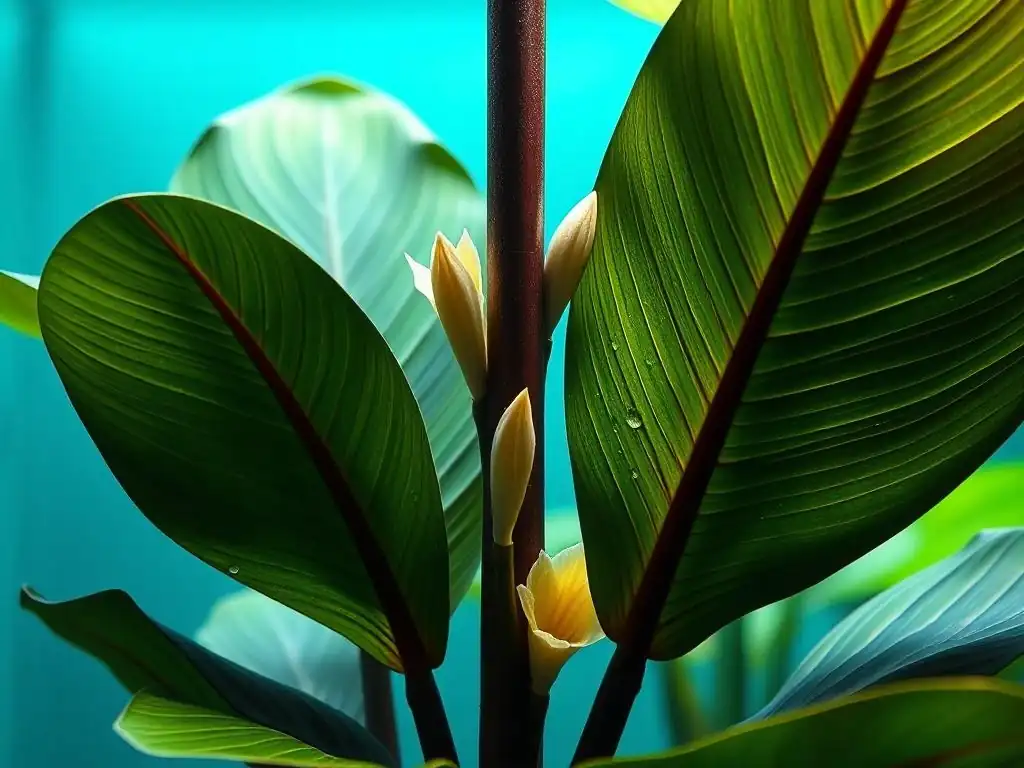
Proper planting technique is crucial for the successful establishment of your Banana Plant in a new aquarium. Upon receiving your plant, gently unpackage it and rinse off any excess debris. The most critical step is ensuring that the unique "banana" tubers are not buried entirely in the substrate.
Instead, carefully place the plant so that the fine, hair-like roots are nestled into the substrate (sand or fine gravel is ideal), but the main cluster of banana-shaped tubers remains exposed above the substrate. This prevents the tubers from rotting due to lack of oxygen or anaerobic conditions, which they are not adapted to.
Once positioned, you can gently push the substrate around the fine roots to anchor the plant securely. It's common for Banana Plants to experience a period of "melt" or shedding of older leaves after transplanting, especially if they were grown emersed before being submerged. This is a normal acclimation process. Continue providing good Banana plant aquarium care with stable parameters and adequate light, and new, healthier leaves will typically emerge within a few weeks, signaling successful adaptation to its new environment.
Banana Plant Propagation: Encouraging New Growth
Propagating the Banana Plant is a relatively straightforward process, primarily occurring through the formation of adventitious plantlets. As the plant matures and thrives, it will often send out long runners or produce small plantlets directly from its floating lily pad-like leaves. These small plantlets resemble miniature versions of the parent plant, complete with tiny "banana" tubers and leaves. Once these plantlets develop a few leaves and some discernible tubers (typically when they are about 1-2 inches in size), they can be gently detached from the parent leaf or runner.
After detachment, these new plantlets can be planted in the substrate following the same guidelines as the parent plant—burying the fine roots while keeping the developing "bananas" exposed. While propagation by splitting the main rhizome is theoretically possible, it is less common and often unnecessary for hobbyists, as the plantlets provide a reliable and less invasive method to expand your collection. Consistent Banana plant care with optimal lighting and nutrient availability will encourage the plant to produce these runners and plantlets more frequently, allowing you to easily share or expand your aquatic garden.
Common Banana Plant Problems and Solutions
Identifying and Treating Banana Plant Diseases
While Banana Plants are generally hardy, they can occasionally succumb to issues, though true "diseases" in the traditional sense (like bacterial or fungal infections) are rare in properly maintained aquariums. More commonly, problems arise from environmental deficiencies or imbalances. One common issue is the melting of leaves, particularly when the plant is newly introduced to an aquarium or undergoes significant environmental changes. This is often an acclimation response, where the plant sheds old leaves to grow new ones better suited to the submerged conditions. Ensuring stable water parameters and consistent Banana plant aquarium care helps minimize this initial melt.
If melting persists or spreads to new growth, it could indicate severe nutrient deficiency or poor water quality. For instance, a lack of essential macronutrients like nitrogen or phosphorus can lead to overall decay. The solution often involves reviewing your fertilization regimen, including both root tabs and liquid fertilizers, and performing regular water changes to maintain pristine water conditions. Ensuring adequate CO2 levels, especially in higher light setups, can also prevent stress that might lead to weakened plants susceptible to secondary issues.
Addressing Yellowing Leaves and Poor Growth in Banana Plant
Yellowing leaves (chlorosis) and poor growth are common indicators that your Banana Plant is not receiving adequate nutrients or is under stress. A frequent cause of yellowing, especially in older leaves, is an iron deficiency. Iron is crucial for chlorophyll production, and without it, leaves will lose their vibrant green color and turn pale yellow or even white.
To address this, supplement your aquarium with an iron-specific liquid fertilizer, or ensure your comprehensive liquid fertilizer contains sufficient iron. Observing the pattern of yellowing—whether it affects new or old growth—can help pinpoint specific nutrient deficiencies, as different nutrients are mobile or immobile within the plant.
Stunted growth or a general lack of vigor often points to broader nutrient deficiencies, insufficient light, or unsuitable water parameters. Review your lighting intensity and duration; if the light is too low, the plant won't photosynthesize efficiently, leading to slow growth. Conversely, if light is too high without adequate CO2 or nutrients, algae can outcompete the plant. Ensure your water temperature, pH, and hardness are within the optimal ranges for Nymphoides aquatica. Regular water testing and consistent Banana plant tank care are essential to identify and rectify these issues promptly, promoting lush, healthy growth.
Preventing Algae Growth on Banana Plant
Algae growth on your Banana Plant's leaves is a common nuisance that can hinder photosynthesis and detract from the plant's appearance. The primary cause of algae outbreaks is an imbalance in the aquarium ecosystem, often characterized by excessive light, too many nutrients (especially nitrates and phosphates), or insufficient CO2. To prevent algae from colonizing your Banana Plant, start by optimizing your lighting schedule; an 8-10 hour photoperiod is usually sufficient, and avoiding direct sunlight on the tank is crucial.
Secondly, manage your nutrient levels. While plants need nutrients, an excess can fuel algae. Regular water changes (25-30% weekly) help dilute excess nutrients. If using fertilizers, ensure you're dosing appropriately for your plant mass and tank size, avoiding over-fertilization. Thirdly, consider CO2 supplementation if you have moderate to high lighting, as CO2 is a crucial component for plant growth and helps plants outcompete algae. Finally, introducing algae-eating invertebrates like Amano shrimp ( Caridina multidentata) or Nerite snails ( Neritina natalensis) can provide a biological defense against algae, contributing to excellent Banana plant aquarium care and a cleaner tank.
Choosing Tank Mates for Your Banana Plant Aquarium
Compatible Fish Species for Banana Plant
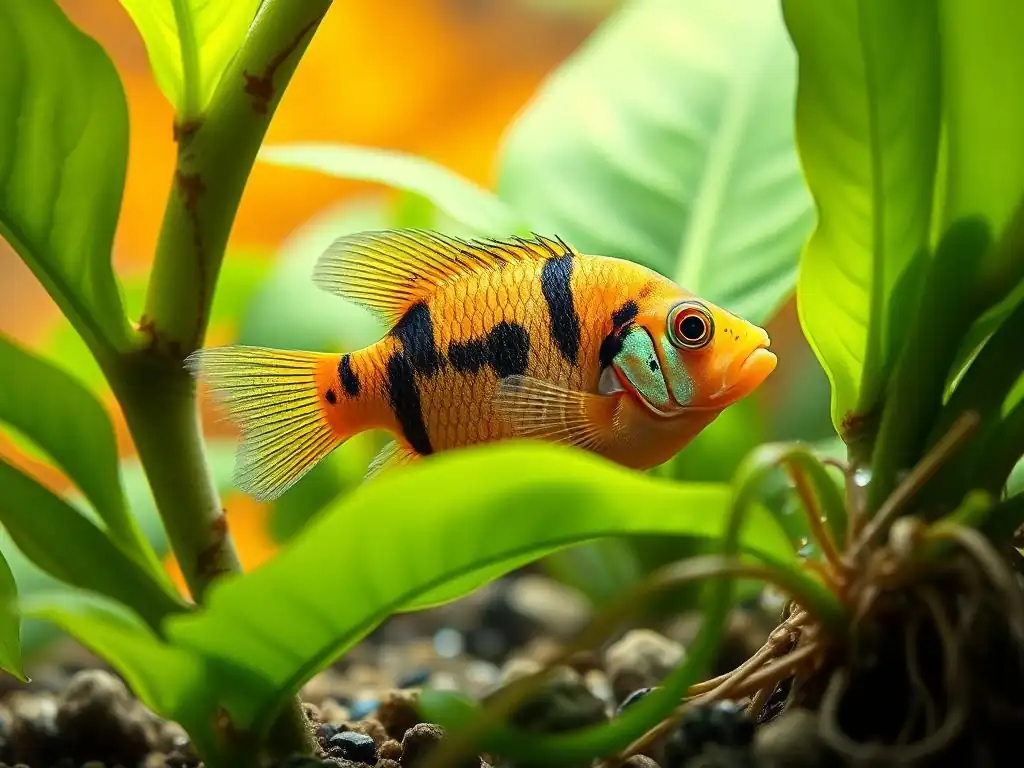
Selecting appropriate tank mates is an important aspect of ensuring the long-term health and beauty of your Banana Plant. Generally, peaceful community fish are ideal companions for Nymphoides aquatica. Small to medium-sized tetras, such as Neon Tetras ( Paracheirodon innesi), Cardinal Tetras ( Paracheirodon axelrodi), and Rummy Nose Tetras ( Hemigrammus bleheri), are excellent choices as they are unlikely to disturb the plant. Rasboras, including Harlequin Rasboras ( Trigonostigma heteromorpha) and Chili Rasboras ( Boraras brigittae), also make fantastic tank mates, adding vibrant color without posing a threat to the plant's delicate leaves or tubers.
Other compatible species include peaceful livebearers like Guppies ( Poecilia reticulata) and Platies ( Xiphophorus maculatus), as well as smaller gouramis such as Dwarf Gouramis ( Trichogaster lalius). Bottom-dwelling fish like Corydoras catfish ( Corydoras spp.) are also suitable, as they gently sift through the substrate and do not uproot plants. It is important to avoid highly herbivorous fish species, such as some larger cichlids, Silver Dollars ( Metynnis argenteus), or certain goldfish varieties, as they are known to nibble on or uproot aquatic plants, potentially damaging your Banana Plant and undermining your Banana plant aquarium care efforts.
Invertebrates and Banana Plant: A Symbiotic Relationship
Invertebrates can form a highly beneficial symbiotic relationship with your Banana Plant, contributing to the overall health and cleanliness of your aquarium. Shrimp species, particularly Amano Shrimp ( Caridina multidentata) and various Neocaridina shrimp (e.g., Cherry Shrimp, Neocaridina davidi), are excellent additions. These invertebrates are diligent algae eaters, constantly grazing on biofilm and algae that might otherwise accumulate on the Banana Plant's leaves, keeping them clean and optimizing light absorption. They are entirely harmless to the plant itself, making them ideal partners in Banana plant tank care.
Snails are another valuable group of invertebrates. Nerite Snails ( Neritina natalensis) are highly regarded for their voracious appetite for various types of algae, including green spot algae and diatoms, which often appear on plant leaves. Mystery Snails ( Pomacea bridgesii) can also be kept, though they are larger and their activity might occasionally dislodge smaller plants if not properly rooted.
It's generally advisable to avoid larger, more destructive snail species that might consume live plant tissue. By introducing these beneficial invertebrates, you not only manage algae but also add another layer of fascinating life to your aquarium, contributing to a balanced and thriving aquatic ecosystem around your Banana Plant.
Where to Buy Banana Plant and What to Look For
Selecting Healthy Banana Plant: A Buyer's Guide
When purchasing a Banana Plant, whether from a local fish store or an online retailer, careful selection is key to ensuring a healthy start for your new aquatic addition. Begin by visually inspecting the "banana" tubers; they should be firm and plump, not soft, mushy, or discolored, which can indicate rot or poor health. The leaves, if present, should be vibrant green and free from significant holes, tears, or excessive algae growth. Avoid plants with yellowing, translucent, or heavily damaged leaves, as these may struggle to recover.
If buying online, research reputable sellers who specialize in aquatic plants and have positive reviews regarding their packaging and plant quality. Many online nurseries ship plants emersed (grown out of water) to reduce shipping stress, so don't be alarmed if the leaves look different initially; they will adapt once submerged.
Always inquire about the plant's origin and whether it was grown submerged or emersed, as this will give you an idea of the acclimation period. A healthy Banana Plant will have a robust appearance, indicating it has been well-cared for, which is the first step in successful Banana plant aquarium care.
Caring for Your Banana Plant during Shipping
The period immediately following purchase, especially if the plant has been shipped, is crucial for successful integration into your aquarium. Shipping can be stressful for aquatic plants due to temperature fluctuations, lack of light, and jostling. Upon arrival, carefully unpackage your Banana Plant. If it arrives wrapped in moist paper or gel, gently rinse off any residual material under cool, dechlorinated water. Inspect the tubers and leaves again for any damage incurred during transit.
If the plant looks stressed or has lost some leaves, don't despair. Provide it with optimal Banana plant care from the moment it's introduced to the tank. Ensure stable water parameters, moderate lighting, and consider adding a liquid fertilizer to the water column to provide readily available nutrients. Some initial melting of existing leaves is common and expected as the plant acclimates to its new environment. Patience is key; with proper care, new, healthy leaves will emerge within a few weeks, signaling the plant's recovery and successful establishment in your aquarium.
The Banana Plant vs. Other Aquarium Plants: A Comparison
Banana Plant vs. Amazon Sword
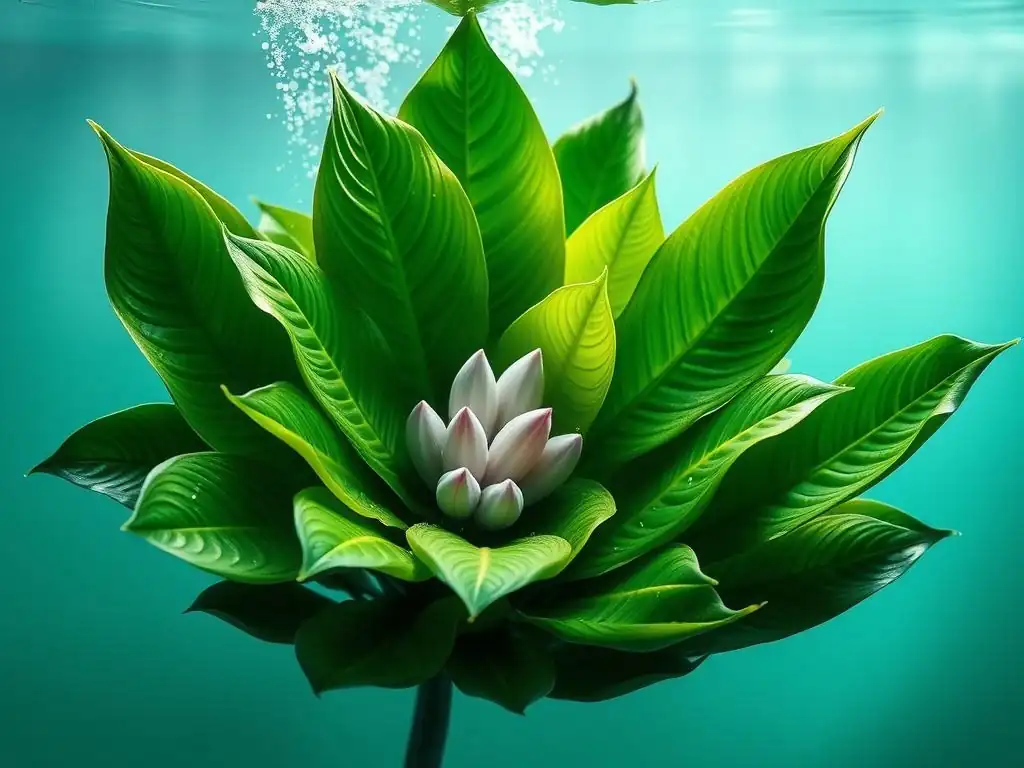
Comparing the Banana Plant ( Nymphoides aquatica) to the Amazon Sword ( Echinodorus amazonicus or E. bleheri) highlights key differences in appearance, growth habit, and aquarium plant care. The most striking difference is their root structure: the Banana Plant has its distinctive banana-shaped tubers, while the Amazon Sword possesses a traditional fibrous root system.
Visually, Amazon Swords are classic rosette plants with long, broad, sword-shaped leaves that can grow quite large (up to 20 inches or more), making them prominent background or midground plants. Banana Plants, conversely, offer a more unique, compact form with rounder leaves that can either stay submerged or float to the surface.
In terms of Banana plant aquarium care versus Amazon Sword care, both are relatively easy, but their nutrient acquisition differs. Amazon Swords are heavy root feeders and thrive with nutrient-rich substrates and frequent root tab fertilization. While Banana Plants also benefit from root tabs, their tubers provide a significant nutrient reserve, making them somewhat more forgiving of occasional lapses in substrate fertilization.
Lighting requirements are similar, with both preferring moderate light, though Amazon Swords are less likely to produce floating leaves in higher light than Banana Plants. Choosing between them often comes down to desired aesthetic and specific tank space, with the Banana Plant offering a quirky, smaller alternative to the grand Amazon Sword.
Banana Plant vs. Java Fern
The Banana Plant and Java Fern ( Microsorum pteropus) represent two distinct categories of aquatic plants, each with unique aquarium care requirements and visual characteristics. The Banana Plant, as discussed, is a rooted plant with peculiar tubers, typically planted in the substrate. Java Fern, on the other hand, is a rhizome plant that should not be buried in the substrate. Instead, its rhizome (the horizontal stem from which leaves and roots grow) should be attached to driftwood or rocks using fishing line or super glue, allowing its roots to anchor onto the surface.
Their growth patterns also differ significantly. Banana Plants can send leaves to the surface, creating a lily pad effect, while Java Fern remains entirely submerged, forming a dense bush of dark green, often elongated leaves. In terms of Banana plant aquarium care versus Java Fern care, Java Fern is renowned for being one of the easiest and most forgiving aquarium plants, tolerating a wide range of water parameters and low light conditions.
Banana Plants are also easy, but their specific planting requirement (exposed tubers) and preference for slightly more consistent parameters make Java Fern arguably simpler for absolute beginners. Both are excellent choices for community tanks, but Java Fern offers more flexibility in placement (attached to decor), whereas the Banana Plant provides a unique visual element rooted in the substrate.
Enhancing Your Aquarium with Banana Plant: Design Ideas and Inspiration
Integrating Banana Plant into Your Aquascape
Integrating the Banana Plant into your aquascape can add a whimsical touch and unique visual interest. Due to its distinctive "banana" roots and dual growth habit, it can serve multiple roles depending on your design goals. In smaller tanks (5-10 gallons), a single Banana Plant can be a charming focal point, positioned in the midground where its tubers are visible.
For larger tanks, a cluster of 2-3 Banana Plants can create a lush, natural-looking grouping. When placing, consider the potential for its leaves to reach the surface; if you prefer submerged growth, ensure adequate light to encourage this, or trim any stems reaching for the surface.
The exposed "banana" tubers are a key aesthetic feature. Positioning the plant near clear areas of the substrate or slightly elevated on a small piece of rock can highlight these unique structures. The round, vibrant green leaves provide a soft contrast to more pointed or linear plants. For instance, pairing Banana Plants with fine-leaved stem plants like Rotala species in the background or carpeting plants like Monte Carlo in the foreground can create depth and texture. This thoughtful placement, combined with consistent Banana plant aquarium care, ensures the plant thrives and enhances the overall beauty of your aquascape.
Aquascaping Examples Featuring Banana Plant
The versatility of the Banana Plant allows it to fit into various aquascaping styles, from natural biotopes to more structured Dutch or Iwagumi layouts. In a South American biotope, for example, the Banana Plant can be combined with driftwood, leaf litter, and fish like Corydoras catfish and small tetras to replicate its natural slow-moving water habitat. Its surface leaves can provide natural shade, mimicking the overhead canopy found in such environments.
For a more aesthetically driven aquascape, consider using the Banana Plant as a midground anchor point in a "nature aquarium" style layout. Its unique form can break up straight lines and add visual weight. Imagine a cluster of Banana Plants nestled among smooth river stones, with a carpet of Glossostigma elatinoides in the foreground and tall, elegant stem plants like Vallisneria spiralis in the background. The quirky charm of the Banana Plant, combined with diligent Banana plant tank care, allows it to thrive in diverse setups, contributing to a vibrant and unique underwater landscape.
Conclusion: Mastering Banana Plant Aquarium Care for a Thriving Aquatic Ecosystem
Mastering Banana plant aquarium care is a rewarding endeavor that brings a unique and charming element to any freshwater setup. From understanding its distinctive "banana" tubers and dual growth habit to providing optimal water parameters, lighting, and fertilization, each aspect contributes to the plant's vitality. Successful care involves maintaining stable temperatures between 68-82°F, a pH of 6.0-7.5, and moderate hardness, alongside consistent moderate to high lighting to encourage desired growth forms. The specific planting method, leaving the tubers exposed, is crucial for preventing rot and ensuring the plant's long-term health.
Beyond the technical aspects, incorporating the Banana Plant into your aquascape offers immense creative potential, whether as a quirky focal point in a small tank or a lush midground element in a larger display. Its adaptability and relatively forgiving nature make it an excellent choice for both novice and experienced aquarists looking to add something truly special. By diligently applying the principles of Banana plant maintenance outlined here, you can ensure your Nymphoides aquatica not only survives but truly thrives, contributing to a balanced, beautiful, and vibrant aquatic ecosystem for years to come.
Frequently Asked Questions
How easy is it to care for a Banana Plant in an aquarium?
Banana plants are generally considered easy to care for, making them a good choice for beginner aquarists. They require moderate lighting and benefit from nutrient-rich substrate.
What are the ideal water parameters for a Banana Plant?
The ideal water parameters are a temperature of 72-82°F (22-28°C), a pH of 6.5-7.5, and moderate water hardness. Consistent water quality is crucial for healthy growth.
What type of substrate is best for a Banana Plant?
A nutrient-rich substrate is best, as Banana Plants primarily absorb nutrients through their roots. Consider using an aquarium-specific substrate or adding root tabs.
How much light does a Banana Plant need?
Banana Plants require moderate lighting to thrive. Too little light can lead to stunted growth, while too much can encourage algae growth.
What are some common problems associated with Banana Plant aquarium care, and how can I fix them?
Common problems include yellowing leaves (nutrient deficiency), slow growth (insufficient lighting), and rotting bananas (poor water quality). Address these by adjusting nutrient levels, lighting, and water parameters respectively.
Final Reflection: Cultivating Aquatic Harmony
The journey of understanding the Nymphoides aquatica, or Banana Plant, extends beyond mere aquarium maintenance; it's about fostering a microcosm of natural beauty within our homes. The ease of Banana Plant aquarium care, coupled with its unique aesthetic appeal, makes it a compelling choice for both novice and experienced aquarists seeking to add a touch of the extraordinary to their aquatic landscapes. This humble plant, with its quirky charm, reminds us that even the simplest elements can contribute significantly to a vibrant and balanced ecosystem.
The Banana Plant's enduring popularity underscores its ability to resonate with our innate desire to connect with nature. Its gentle swaying in the water current, its vibrant green leaves, and its relatively low-maintenance needs offer a soothing and rewarding experience, a miniature oasis in our often-hectic lives. Look deep into nature, and then you will understand everything better.
- Albert Einstein. This quote perfectly encapsulates the essence of keeping a Banana Plant; it's an invitation to observe, learn, and appreciate the intricate beauty of the natural world.
As you consider adding a Banana Plant to your aquarium, remember that you're not just introducing a decorative element; you're cultivating a living piece of art, a testament to the power of simplicity and the beauty of aquatic life. Embrace the opportunity to learn from this unassuming plant, to observe its growth, and to contribute to the delicate balance of your underwater world. Let the Banana Plant inspire you to create a space of tranquility and wonder, a reflection of the harmony that exists within nature and within ourselves.
Dive Deeper: Cultivate Your Banana Plant Paradise!
Thanks for exploring the quirky world of the Banana Plant with us! Now that you're equipped with the knowledge to care for this unique aquatic gem, it's time to bring that knowledge to life.
Here’s how to take the next step:
- Boldly embark on your Banana Plant journey: Purchase a Nymphoides Aquatica from a reputable source and introduce its charm to your aquarium.
- Share your newfound expertise: Write a short testimonial about your experience with Banana Plants and post it in an aquarium forum, helping others discover its wonders.
- Try a quirky aquascaping experiment: Arrange your Banana Plants amongst contrasting textures, like jagged rocks or fine-leaved plants, to create a visually stunning focal point.
Ready to witness the unique beauty of a thriving Banana Plant in your aquarium?