
Aquarium Algae Warriors: A Deep Dive into Pleco, Ancistrus & Otocinclus Keeping

Welcome to Aquarium Mastery!
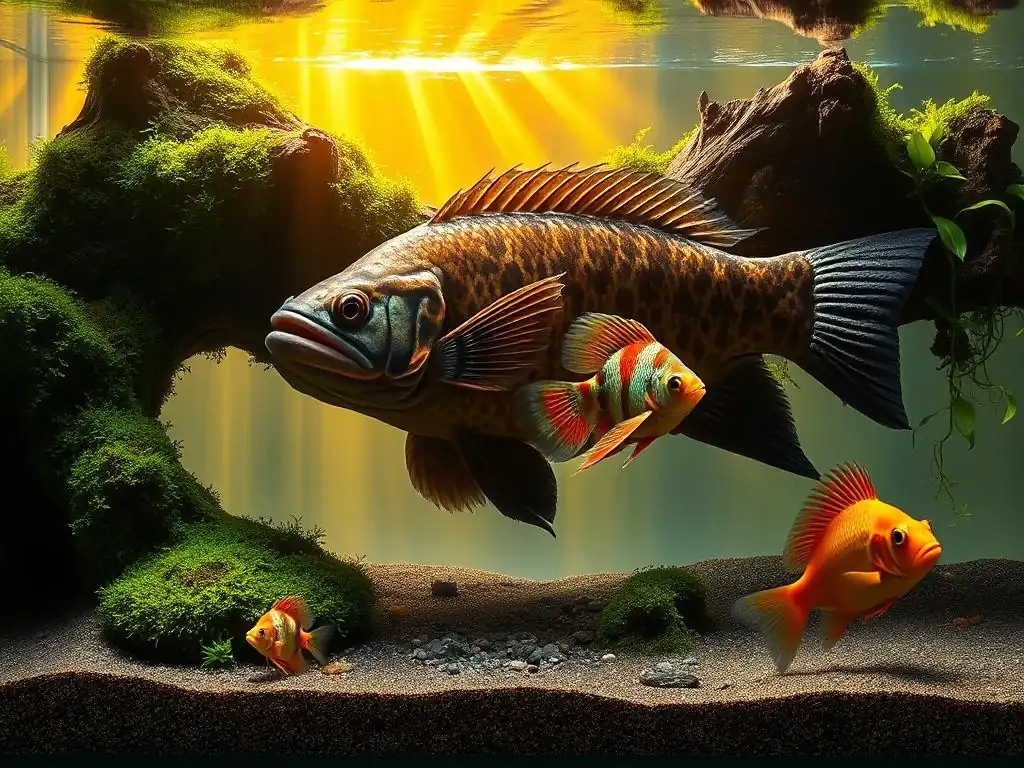
Ever wondered if those algae blooms in your freshwater tank could actually be someone's dinner? Dive in with us as we explore the fascinating world of algae-eating fish! Specifically, we're unlocking the secrets to effective Pleco algae control tips and beyond, discovering how these amazing creatures—Plecos, Ancistrus, and Otocinclus—can keep your aquarium sparkling. Ready to transform your tank into a balanced ecosystem? Let's get started!
- Algae Eaters: Plecos, Bristlenose & Otocinclus for Aquarium Algae Control
- Understanding Aquarium Algae
- Algae Eating Fish: Plecos, Bristlenose & Otocinclus
- Pleco Algae Control Tips
- Bristlenose Pleco Algae Control
- Otocinclus Algae Control
- Optimizing Your Aquarium for Algae Control
- Supplementing Algae Eaters
- Troubleshooting Algae Problems
- Sustainable Aquarium Practices
-
Frequently Asked Questions
- What is the best type of Pleco for algae control in a community aquarium?
- How often should I feed my Pleco, and what should I feed them besides algae?
- What water parameters are crucial for keeping Plecos healthy and promoting algae control?
- My Pleco doesn't seem to be eating the algae in my tank. What could be the problem?
- Are Otocinclus or Ancistrus (Bushy Nose Plecos) better suited for beginners looking for algae control?
- Final Reflection: The Enduring Power of Symbiosis
- Unleash Your Inner Aquascaper!
Algae Eaters: Plecos, Bristlenose & Otocinclus for Aquarium Algae Control
Understanding Aquarium Algae
Types of Aquarium Algae and Their Causes
Aquarium algae manifest in various forms, each indicative of specific underlying imbalances in the tank environment. Green spot algae, appearing as small, hard green dots, often signal low phosphate levels or insufficient light intensity, commonly found on glass and slow-growing plant leaves. By contrast, green hair algae, characterized by long, stringy green strands, usually thrive in tanks with excess nutrients, particularly nitrates and phosphates, combined with prolonged or overly intense lighting.
Brown diatom algae, which create a dusty brown film, are prevalent in new tanks, typically subsiding as silicate levels decrease and beneficial bacteria colonies establish. This type of algae is common during the initial cycling phase, often appearing within the first 2-4 weeks of setup.
Other common types include black beard algae (BBA), a stubborn, dark, fuzzy growth often caused by fluctuating CO2 levels or inconsistent nutrient dosing, and blue-green algae (cyanobacteria), which form slimy, dark green to black mats and are a strong indicator of poor water circulation, high organic waste, and low oxygen levels. For instance, a tank with insufficient filtration or infrequent water changes might see a rapid proliferation of BBA within weeks, especially if CO2 injection is erratic.
Understanding these specific types is crucial for effective pleco algae control tips and overall tank management, as each type requires a tailored approach beyond just introducing algae-eating fish. Identifying the root cause is the first step in successful eradication.
Importance of Algae Control for Aquarium Health
Effective algae control is paramount not only for the aesthetic appeal of an aquarium but also for the overall health and stability of its delicate ecosystem. Excessive algae growth can quickly outcompete live plants for essential nutrients like nitrates, phosphates, and potassium, leading to stunted plant growth and even plant death.
This nutrient imbalance can also directly impact fish health; for example, a severe bloom of blue-green algae can deplete oxygen levels, stressing fish and making them more susceptible to disease. Anecdotal evidence from experienced aquarists suggests that tanks with rampant algae often experience higher rates of fish illness, such as fin rot or ich, due to compromised water quality and increased stress.
Furthermore, a thick layer of algae can obscure the view of your aquatic inhabitants, making it difficult to monitor their health and behavior. It can also clog filtration systems, reducing their efficiency and leading to an accumulation of harmful waste products.
For instance, a canister filter struggling with excessive debris from decaying algae might see its flow rate drop by 30-50% within a month if not regularly cleaned, compromising water clarity and filtration capacity. Maintaining low algae levels through proper husbandry, including implementing effective pleco algae control tips and regular maintenance, ensures a clean, oxygen-rich environment where fish and plants can thrive, fostering a balanced and resilient aquatic habitat.
Algae Eating Fish: Plecos, Bristlenose & Otocinclus
Plecos: Species Overview and Algae Consumption
Plecostomus, commonly known as plecos, encompass a vast and diverse group of armored catfish within the Loricariidae family, with over 150 identified species. While many are renowned for their algae-eating capabilities, their effectiveness varies significantly depending on the species and their dietary needs as they mature.
Common plecos ( Hypostomus plecostomus), often sold as small juveniles, can grow to an impressive 18-24 inches (45-60 cm) in length, quickly outgrowing most home aquariums. While young common plecos readily consume soft algae, their diet shifts significantly as they age, becoming more carnivorous and relying less on algal matter, often preferring sinking pellets, decaying wood, and even protein-rich foods.
Smaller, specialized pleco species offer more targeted pleco algae control tips for home aquariums. For example, the Clown Pleco ( Panaque maccus), reaching about 4 inches (10 cm), is a wood-eater, relying on driftwood for digestion rather than being a primary algae consumer.
Conversely, species like the Rubber Lip Pleco ( Chaetostoma formosae), typically growing to 5-6 inches (12-15 cm), are excellent algae grazers throughout their lives, actively scraping diatoms and soft green algae from surfaces. Understanding the specific dietary requirements and adult size of each pleco species is paramount before adding them to your tank, ensuring they are truly beneficial for algae control and not just another fish requiring dedicated feeding.
Bristlenose Plecos: Efficient Algae Grazers
Bristlenose plecos ( Ancistrus spp.) are arguably the most popular and effective pleco species for algae control in home aquariums, largely due to their manageable size and voracious appetite for a wide range of algae types. Typically reaching an adult size of 3-5 inches (7-12 cm), they fit comfortably in tanks as small as 20 gallons (75 liters).
Their distinctive bristly tentacles, more prominent on males, are not just for show; they assist in sensing food and scraping algae from hard surfaces, making them highly efficient grazers. Bristlenose plecos excel at consuming soft green algae, brown diatoms, and even some types of green spot algae, consistently working to keep surfaces clean.
Unlike many larger pleco species, Bristlenose plecos maintain their herbivorous diet throughout their lives, making them reliable long-term algae solutions. They are also relatively hardy and peaceful, making them suitable tank mates for a wide variety of community fish. For instance, a single Bristlenose pleco can effectively manage algae in a 30-gallon tank, reducing the need for manual scraping by up to 50% in a well-maintained system. Their consistent grazing habits make them an invaluable addition to any freshwater setup aiming for natural algae management, embodying excellent pleco algae control tips.
Otocinclus: Schooling Algae Specialists
Otocinclus catfish, often simply called "Otos," are small, peaceful, and highly effective algae eaters, making them a superb choice for smaller aquariums or as part of a comprehensive algae management strategy. Reaching a maximum size of about 1.5-2 inches (3.5-5 cm), these diminutive catfish are dedicated herbivores, primarily feeding on soft green algae, diatoms, and biofilm that accumulates on plant leaves, glass, and decor. Their small size allows them to navigate tight spaces and graze on delicate plant leaves without causing damage, a significant advantage over larger plecos.
Otocinclus are schooling fish and thrive when kept in groups of at least six individuals. A school of six Otos in a 10-gallon (38-liter) planted tank can significantly reduce the presence of brown diatom algae and keep plant leaves spotless. They are particularly effective in newly established tanks where diatom blooms are common.
However, they are sensitive to water parameter fluctuations and require a well-established, mature aquarium with stable conditions. Their shy nature and small size make them vulnerable to larger, aggressive tank mates, so careful consideration of their environment is crucial for their well-being and continued effectiveness as algae control specialists.
Pleco Algae Control Tips
Selecting Pleco Species for Algae Control
Choosing the right pleco species is the cornerstone of effective pleco algae control tips and preventing future problems. It is crucial to research the adult size and primary diet of any pleco before purchase. For most home aquariums, especially those under 75 gallons (280 liters), common plecos are generally unsuitable due to their immense adult size and shift towards a less algivorous diet. Instead, focus on smaller, truly herbivorous species.
The Bristlenose Pleco ( Ancistrus spp.) is an excellent choice, staying compact at 3-5 inches and consistently grazing on various soft algaes and diatoms throughout its lifespan. Their efficiency means less manual scrubbing and a cleaner tank environment.
Other suitable options for dedicated algae consumption include the Rubber Lip Pleco ( Chaetostoma spp. ), which typically reaches 5-6 inches and is known for its diligent scraping of tough algae, and the Clown Pleco ( Panaque maccus), though it primarily consumes wood for digestion rather than solely algae. When considering these species, ensure your tank can accommodate their adult size and provide their specific dietary needs.
For example, a Rubber Lip Pleco will benefit from rocky surfaces and driftwood to scrape from, while a Bristlenose will appreciate blanched vegetables as supplements. Always prioritize species that remain manageable in size and retain their strong algivorous habits into adulthood to ensure continuous and effective algae management.
Tank Size and Compatibility for Algae-Eating Plecos
Proper tank size is paramount for the health and effectiveness of algae-eating plecos. Housing a pleco in an undersized aquarium can lead to stunted growth, stress, and reduced activity, ultimately diminishing its ability to control algae. For instance, a Bristlenose pleco, which reaches 3-5 inches, requires a minimum of a 20-gallon (75-liter) tank, with 30 gallons (113 liters) being more ideal for long-term health and stability. Providing ample space allows for proper development and natural behaviors, including foraging for algae across various surfaces.
Compatibility with other tank inhabitants is equally important for successful pleco algae control tips. While most smaller plecos like Bristlenoses are peaceful, larger or more aggressive tank mates can intimidate them, causing them to hide and neglect their algae-eating duties. Ensure that tank mates are not fin-nippers or overly boisterous.
For example, housing a Bristlenose with peaceful community fish like tetras, rasboras, or corydoras typically results in a harmonious environment where the pleco feels secure enough to actively graze. Avoid pairing them with large, predatory cichlids unless the tank is exceptionally large and provides ample hiding spots, as plecos can become targets of aggression, leading to stress and potential injury.
Optimizing Tank Conditions for Pleco Algae Consumption
Optimizing tank conditions is crucial for maximizing the algae-eating efficiency of plecos and implementing effective pleco algae control tips. A stable and well-oxygenated environment encourages active grazing behavior. Maintain water parameters within the recommended range for your specific pleco species; for most Bristlenose plecos, a pH between 6.5-7.5 and temperatures between 72-80°F (22-27°C) are ideal.
High nitrate levels (above 20 ppm) can stress plecos and also contribute to excessive algae growth, so regular water changes are vital. Providing plenty of driftwood is also essential, especially for wood-eating species like the Clown Pleco, as the cellulose aids in their digestion and overall health, even if they are primarily algae grazers.
Furthermore, ensure there is a natural supply of algae for your pleco to consume. While supplemental feeding is often necessary, overfeeding can lead to a pleco preferring prepared foods over algae. A good strategy is to allow a moderate amount of green film algae to grow on one side of the tank or on specific decorations, providing a consistent food source.
For example, reducing lighting duration slightly (e.g., from 10 hours to 8 hours per day) can help manage rapid algae growth, ensuring a steady, manageable supply rather than an overwhelming bloom that even a dedicated pleco might struggle with. This balance ensures the pleco remains an active algae consumer without starving or becoming reliant on flakes.
Bristlenose Pleco Algae Control
Bristlenose Pleco Diet: Supplemental Feeding
While Bristlenose plecos are exceptional algae eaters, relying solely on natural algae growth in a well-maintained aquarium is often insufficient for their long-term nutritional needs. Supplemental feeding is crucial to ensure they receive a balanced diet and remain healthy and active. Their primary diet should consist of high-quality sinking algae wafers or pellets, which are formulated with spirulina and other plant-based ingredients.
It is advisable to offer these foods several times a week, typically in the evening when plecos are most active. For instance, a 3-inch Bristlenose might require 1-2 algae wafers every other day, depending on the amount of natural algae available.
Beyond prepared foods, Bristlenose plecos greatly benefit from blanched fresh vegetables. Zucchini, cucumber slices, shelled peas, and romaine lettuce are excellent options. Simply blanch a slice of zucchini for about 30 seconds to soften it, then weigh it down with a veggie clip or a lead-free sinker to keep it at the bottom of the tank. Offer vegetables 2-3 times a week, removing any uneaten portions after 24 hours to prevent water fouling. This varied diet not only ensures optimal nutrition but also encourages their natural grazing behaviors, reinforcing their role in Bristlenose pleco algae control.
Creating an Ideal Habitat for Bristlenose Plecos
Creating an ideal habitat is fundamental for the well-being and effectiveness of Bristlenose plecos as algae controllers. These fish thrive in tanks that mimic their natural riverine environments, characterized by good water flow and plenty of hiding spots. A mature aquarium with stable water parameters is essential; pH levels between 6.5 and 7.5 and temperatures ranging from 72-80°F (22-27°C) are generally suitable. Consistent water quality, achieved through regular partial water changes (e.g., 25% weekly), minimizes stress and promotes active feeding.
Providing ample driftwood is crucial for Bristlenose plecos. They not only use driftwood as a source of fiber for digestion but also as a preferred hiding place and a surface to graze on biofilm. Incorporating caves made from ceramic, PVC pipes, or natural rock formations offers additional secure retreats, reducing stress and encouraging them to explore and graze openly.
For example, a 30-gallon tank for a single Bristlenose should ideally include at least one piece of driftwood roughly 8-10 inches long and one or two small caves. A well-structured environment ensures that the pleco feels secure enough to spend its time actively cleaning surfaces, contributing significantly to Bristlenose pleco algae control.
Breeding Bristlenose Plecos
Breeding Bristlenose plecos can be a rewarding experience for aquarists, and understanding their breeding habits can also offer insights into their natural behaviors and needs. Bristlenose plecos are cave spawners, with the male typically taking on the primary role of protecting the eggs and fry. To encourage breeding, provide several suitable spawning sites, such as ceramic caves, PVC pipes, or driftwood with small crevices, ideally with an opening size just slightly larger than the male's body. A slightly acidic to neutral pH (around 6.5-7.0) and a stable temperature around 78°F (25.5°C) can often trigger spawning.
A common method to induce breeding is to perform a large, cool water change (e.g., 50% with water a few degrees cooler than the tank) followed by heavy feeding with high-protein foods like bloodworms or brine shrimp. Once eggs are laid (typically 20-100 eggs, depending on the female's size), the male will guard and fan them until they hatch, usually within 4-7 days. The fry will then consume their yolk sacs for approximately 7-10 days before becoming free-swimming.
At this stage, they require finely crushed algae wafers, blanched zucchini, or specialized fry food. Successfully breeding Bristlenose plecos not only provides new fish but also demonstrates a healthy, thriving environment, which is a key component of effective Bristlenose pleco algae control.
Otocinclus Algae Control
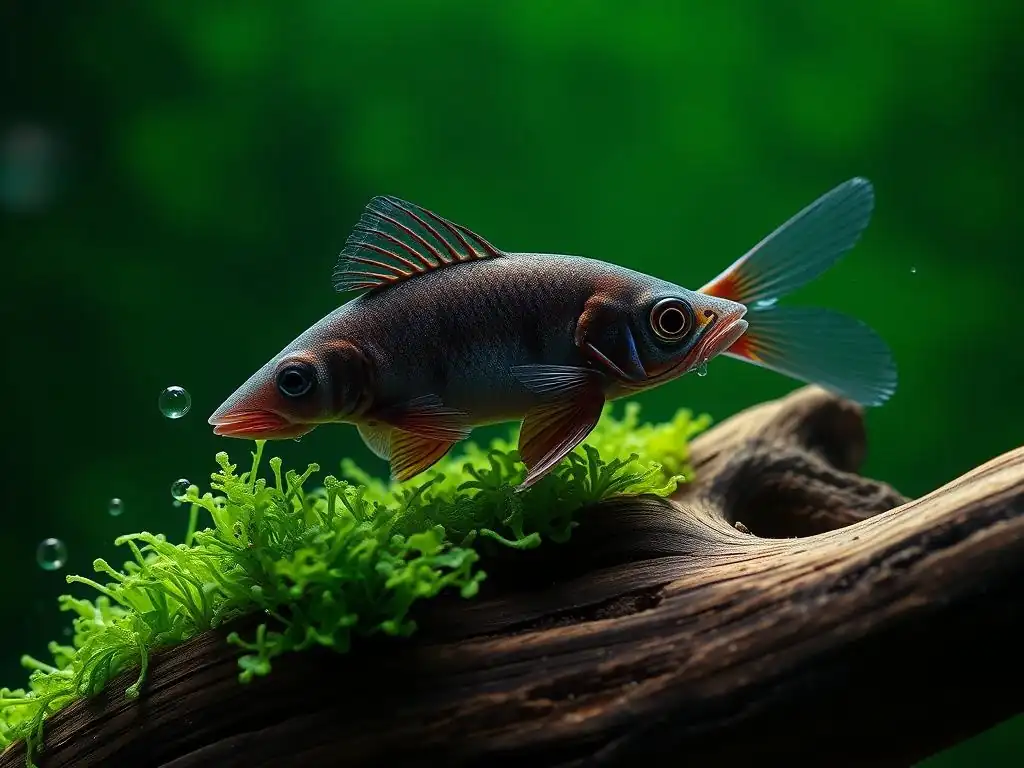
Otocinclus Care: Maintaining a Stable Environment
Otocinclus catfish are delicate yet effective algae eaters, but their success in an aquarium hinges on maintaining a highly stable and mature environment. They are particularly sensitive to fluctuating water parameters, especially sudden changes in temperature or pH, and are intolerant of even trace amounts of ammonia or nitrite. Therefore, Otocinclus should only be introduced to fully cycled aquariums that have been established for several months, ensuring a robust biological filter. Ideal water parameters for Otocinclus include a pH range of 6.0-7.5, soft to moderately hard water (GH 3-10 dGH), and temperatures between 72-78°F (22-26°C).
Regular, small water changes (e.g., 10-15% twice a week) are preferable to large, infrequent ones, as they help maintain consistent water chemistry without shocking the fish. Furthermore, a well-planted tank provides security and additional grazing surfaces for Otocinclus. They thrive in aquariums with plenty of live plants, which also contribute to stable water quality by absorbing nitrates. For instance, an aquarium with a dense carpet of Anubias or Java Fern will provide ample surface area for biofilm and soft algae, which are primary food sources for Otocinclus, making them excellent choices for Otocinclus algae control.
Best Tank Mates for Otocinclus
Selecting appropriate tank mates is crucial for the survival and well-being of Otocinclus catfish, ensuring they can effectively contribute to Otocinclus algae control. Due to their small size (1.5-2 inches) and peaceful, shy nature, Otos can easily become stressed or preyed upon by larger, aggressive, or boisterous fish. Ideal tank mates are small, non-aggressive, and share similar water parameter requirements. Good choices include small schooling fish such as Neon Tetras, Cardinal Tetras, Ember Tetras, and various species of Rasboras (e.g., Harlequin Rasboras, Chili Rasboras).
Other excellent companions include peaceful bottom dwellers like Corydoras catfish, which occupy a different niche and do not compete directly for food or territory. Small, peaceful invertebrates like Amano Shrimp or Neocaridina shrimp can also coexist harmoniously with Otocinclus, as they share a similar diet and temperament.
Avoid any fish known to be nippy or predatory, such as larger cichlids, Barbs (except perhaps Cherry Barbs), or Gouramis, which could harass or consume Otocinclus. A school of at least six Otocinclus is recommended to provide them with security and encourage their natural schooling behavior, leading to more confident and active grazing.
Recognizing and Addressing Otocinclus Health Issues
Recognizing and promptly addressing health issues in Otocinclus catfish is vital, as they are often more delicate than other aquarium fish. Common signs of distress or illness include lethargy, loss of appetite (especially if they stop grazing on algae), clamped fins, rapid gilling, or unusual swimming patterns. A sunken belly is a particularly concerning sign, indicating starvation, which can occur if there isn't enough natural algae or if supplemental feeding is insufficient. Otocinclus are prone to stress during acclimation, and a significant percentage may not survive the first week if not properly introduced to a mature, stable tank.
To address a sunken belly, offer blanched zucchini, spirulina wafers, or specialized Oto diets, ensuring the food is available overnight. If you suspect parasitic infections, which can manifest as white spots (ich) or velvet, prompt treatment with appropriate aquarium medications is necessary, ensuring they are safe for scaleless fish like Otos.
Maintaining pristine water quality with zero ammonia and nitrite, and very low nitrates (below 10-20 ppm), is the best preventative measure against most Otocinclus health problems. A quarantine tank for new arrivals is also highly recommended to prevent the introduction of diseases, safeguarding your existing fish and ensuring your Otocinclus remain effective for Otocinclus algae control.
Optimizing Your Aquarium for Algae Control
Lighting Strategies for Algae Minimization
Effective lighting management is a cornerstone of preventing excessive algae growth and supporting overall aquarium health, complementing the efforts of pleco algae control tips. Algae, like plants, require light for photosynthesis, so controlling light duration and intensity is crucial. A common mistake is leaving aquarium lights on for too long, often exceeding 10-12 hours daily, which provides ample opportunity for algae to proliferate. Reducing the photoperiod to 8-10 hours, or even less for tanks struggling with severe algae, can significantly curb its growth without negatively impacting most fish.
Beyond duration, light intensity also plays a role. High-intensity lights, particularly those designed for heavily planted tanks, can fuel rapid algae growth if not balanced with sufficient CO2, nutrients, and a robust plant mass. Consider using a timer to ensure consistent light cycles, preventing sporadic lighting that can stress both fish and plants.
For instance, if you observe green hair algae or green spot algae proliferating rapidly, try reducing your light duration by an hour or two per day for a week and monitor the results. Sometimes, a simple adjustment from 12 hours to 9 hours of light can reduce algae by 30-50% in a few weeks, making the job of your algae eaters much easier.
Water Chemistry and Algae Prevention
Maintaining optimal water chemistry is a critical, yet often overlooked, aspect of algae prevention and effective pleco algae control tips. Imbalances in key nutrients, particularly nitrates and phosphates, are primary drivers of algae blooms. While nitrates are a natural byproduct of the nitrogen cycle, excessive levels (above 20 ppm) provide ample fuel for algae. Regular partial water changes (e.g., 25-30% weekly) are the most effective method for diluting nitrates and phosphates, preventing their accumulation. Using a high-quality water conditioner that neutralizes chlorine and chloramines is also important to protect beneficial bacteria.
Phosphates, often introduced through tap water, fish food, or decaying organic matter, are another significant algal nutrient. While ideal phosphate levels are often debated, keeping them below 0.5 ppm is a good target for algae prevention. Testing your tap water for phosphates can reveal if your source water is contributing to the problem.
Additionally, ensuring proper filtration, including mechanical filtration to remove particulate matter and biological filtration to process ammonia and nitrite, helps prevent organic waste buildup that can fuel algae. A tank with consistently low nitrates (under 15 ppm) and phosphates (under 0.2 ppm) will naturally support less algae growth, creating a healthier environment for your algae-eating fish.
Plants Competing with Algae
Live aquatic plants are one of the most effective and natural allies in the fight against algae, working synergistically with pleco algae control tips. Healthy, fast-growing plants actively compete with algae for essential nutrients like nitrates, phosphates, and trace elements present in the water column. When plants are thriving, they absorb these nutrients efficiently, effectively "starving" the algae and preventing unsightly blooms. For example, a tank densely planted with stem plants like Hornwort or Water Wisteria can significantly outcompete algae for nitrates, often reducing levels by 50% or more compared to a sparsely planted tank.
Incorporating a variety of plant types, including fast-growing stem plants, floating plants (like Frogbit or Dwarf Water Lettuce), and rooted plants (like Swords or Cryptocorynes), creates a robust nutrient uptake system. Floating plants are particularly effective as they have direct access to atmospheric CO2 and can rapidly absorb excess nutrients from the water surface. Ensuring plants receive adequate light, CO2 (if applicable), and fertilization (root tabs or liquid fertilizers) is crucial for their vigorous growth. A vibrant, healthy planted aquarium naturally suppresses algae, creating a more balanced and aesthetically pleasing environment that lessens the burden on your algae-eating fish.
Supplementing Algae Eaters
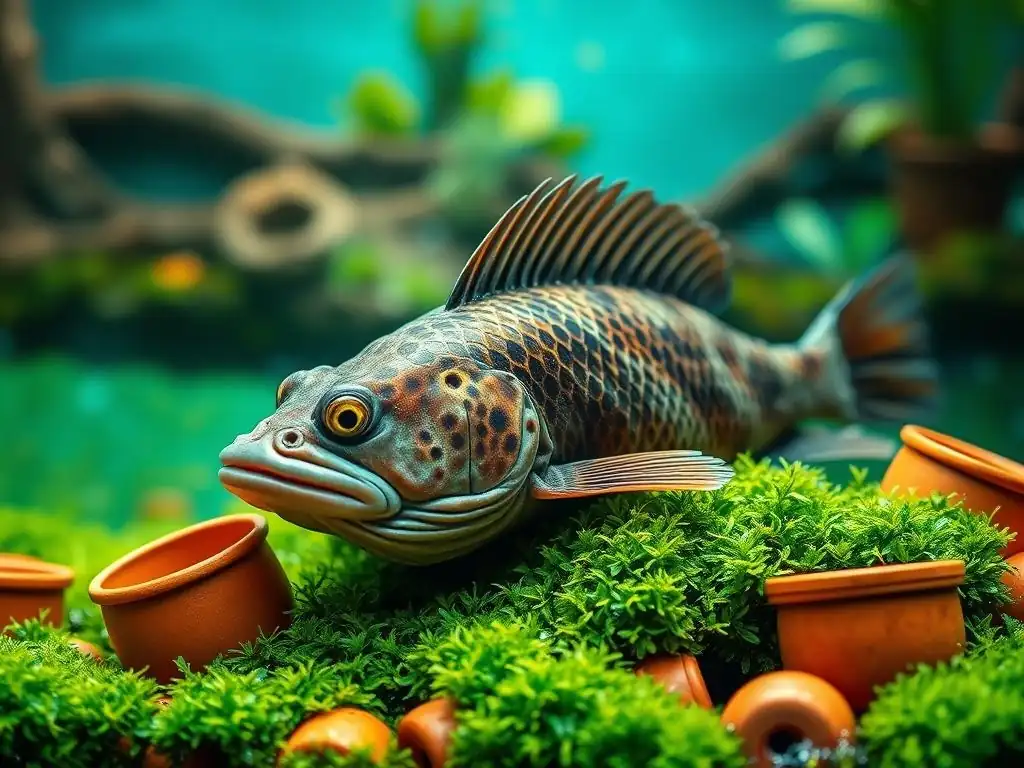
Scraping Algae from Glass and Decorations
While plecos, Bristlenose, and Otocinclus are invaluable for algae control, they are rarely a complete solution, especially for stubborn algae types or areas they cannot reach. Manual scraping of algae from glass and decorations remains a vital supplementary task in aquarium maintenance. Tools like magnetic algae cleaners (mag-floats), razor blade scrapers, or dedicated algae pads can effectively remove green film algae, green spot algae, and even some tougher black beard algae from glass surfaces. It is recommended to scrape glass weekly or bi-weekly, depending on algae growth, to maintain clear viewing.
For decorations, plants, and driftwood, a soft brush, toothbrush, or even a credit card can be used to gently scrub off algae. Care must be taken not to scratch acrylic tanks or damage delicate plant leaves.
When removing algae from decorations, it's often best to remove the item from the tank, scrub it thoroughly, and rinse it with old tank water or dechlorinated tap water before returning it. For instance, a weekly 10-minute glass scraping session can prevent the buildup of tough, calcified green spot algae that even the most diligent Bristlenose might struggle to remove entirely, ensuring a pristine appearance and supporting the overall effectiveness of your pleco algae control tips.
Algae-Eating Invertebrates
Beyond fish, several species of invertebrates are excellent allies in the battle against aquarium algae, offering specialized services that complement the work of plecos and other algae eaters. Amano shrimp ( Caridina multidentata) are perhaps the most renowned, voraciously consuming various types of algae, including hair algae, thread algae, and even some types of black beard algae. A small group of 5-10 Amano shrimp in a 20-gallon tank can significantly reduce the presence of stringy algae within a few weeks. They are also adept at cleaning uneaten food and detritus, contributing to overall tank cleanliness.
Nerite snails ( Neritina natalensis, Clithon sp., Vittina sp.) are another highly effective group of algae-eating invertebrates. They are tireless grazers, particularly effective at consuming green spot algae, diatoms, and green film algae from glass, rocks, and plant leaves without damaging the plants themselves.
Unlike some other snail species, Nerite snails do not reproduce in freshwater, so you won't face an overpopulation issue. For example, 2-3 Nerite snails in a 10-gallon tank can keep the glass remarkably clean, often outperforming fish in their ability to scrape tough, adherent algae. Combining these invertebrates with your pleco algae control tips provides a multi-pronged approach to algae management.
Water Changes for Algae Management
Regular partial water changes are one of the most fundamental and effective practices for algae management, working in conjunction with biological algae control methods like pleco algae control tips. Water changes directly remove dissolved organic compounds, nitrates, and phosphates – the primary nutrients that fuel algae growth. By diluting these nutrients, you effectively starve the algae, preventing large-scale blooms and maintaining a healthier environment for your fish and plants. For most freshwater aquariums, a weekly or bi-weekly water change of 25-30% of the tank volume is a good baseline.
For instance, in a 50-gallon tank experiencing moderate algae, a weekly 15-gallon water change can reduce nitrate levels from 40 ppm to approximately 28 ppm, significantly limiting the available nutrients for algae. Consistent water changes also help to remove suspended algae cells and detritus that can contribute to nutrient buildup. This practice not only keeps nutrient levels in check but also replenishes essential trace elements that plants and fish utilize. Neglecting water changes, even in a tank with excellent algae eaters, will almost certainly lead to persistent algae problems due to the unchecked accumulation of algal nutrients.
Troubleshooting Algae Problems
Pleco Not Eating Algae: Identifying and Resolving Issues
When a pleco, particularly a species known for its algae-eating prowess like a Bristlenose, seems to stop consuming algae, it's a clear signal that something is amiss. One common reason is overfeeding with prepared foods. If the pleco is constantly provided with sinking pellets or blanched vegetables, it may prefer these easier-to-access, often more palatable options over grazing on tougher algae.
To resolve this, reduce the frequency or quantity of supplemental feedings, allowing the pleco to become hungry enough to resume its natural grazing behavior. For example, if you're feeding daily, try reducing it to every other day for a week.
Another critical factor is the type of algae present. While Bristlenose plecos are excellent at soft green algae and diatoms, they may ignore tougher varieties like black beard algae (BBA) or green spot algae (GSA) due to their hard texture. Ensure the tank conditions are suitable for the pleco, including stable water parameters (e.g., pH 6.5-7.5, temp 72-80°F), adequate oxygenation, and plenty of hiding spots.
A stressed or ill pleco will not actively graze. If the pleco appears lethargic or has a sunken belly, it might be underfed or suffering from an internal issue, requiring immediate attention to its diet and overall health. Addressing these underlying issues is key to effective pleco algae control tips.
Dealing with Algae Blooms
Algae blooms, characterized by a rapid and widespread proliferation of algae, are often symptoms of a significant imbalance in the aquarium ecosystem, requiring immediate intervention beyond just relying on algae eaters. Green water, caused by microscopic suspended algae, is typically a sign of excess light and nutrients. To combat this, perform a large water change (50-70%), reduce lighting duration significantly (e.g., to 4-6 hours daily), and consider a temporary blackout for 2-3 days, ensuring the tank is completely dark. Mechanical filtration with fine filter floss or a diatom filter can also help physically remove suspended algae particles.
For other large-scale blooms like long stringy hair algae or widespread diatoms, the focus should be on identifying and correcting the root cause of the nutrient imbalance. Test your water for nitrates and phosphates; if high, increase the frequency and volume of water changes. Reduce feeding to prevent excess nutrients from uneaten food.
If you have live plants, ensure they are thriving and absorbing nutrients effectively. For example, if your nitrates are consistently above 40 ppm, aiming for 50% weekly water changes might be necessary initially to bring them down to a manageable 10-20 ppm, providing a foundation for your pleco algae control tips to work more effectively.
Recognizing Nutritional Deficiencies
Recognizing nutritional deficiencies in your plecos, Otocinclus, and other algae eaters is crucial for their long-term health and their effectiveness in algae control. A common sign of undernourishment, especially in Otocinclus and some pleco species, is a sunken belly or a thin appearance, indicating they are not getting enough food. This can happen if there isn't enough natural algae in the tank, or if they are not accepting supplemental foods. For example, if an Otocinclus has a concave abdomen, it likely needs more food, even if there appears to be some algae.
Other signs of deficiency can include faded coloration, lethargy, or a lack of activity. Bristlenose plecos, while primarily herbivorous, also require some protein and essential vitamins; a diet solely of algae might lead to deficiencies. Ensure you are offering a variety of foods, including high-quality algae wafers, blanched vegetables, and occasional protein-rich treats like spirulina-enriched pellets.
If your pleco's bristles appear brittle or its growth is stunted despite being a juvenile, it could be lacking specific minerals or vitamins. Providing a balanced diet is paramount for the vitality of your algae eaters, allowing them to perform their crucial role in pleco algae control tips effectively.
Sustainable Aquarium Practices
Biological Control Methods
Embracing biological control methods is a cornerstone of sustainable aquarium management and the most natural approach to algae prevention, working hand-in-hand with pleco algae control tips. This involves fostering a balanced ecosystem where natural processes keep algae in check rather than relying solely on chemical treatments. The most prominent biological control is the establishment of a robust population of beneficial bacteria in the filter and substrate, which efficiently convert harmful ammonia and nitrite into less toxic nitrate. A well-cycled tank with mature biological filtration prevents the buildup of organic waste that fuels algae.
Introducing a diverse array of healthy, fast-growing live plants is another powerful biological method. Plants directly compete with algae for essential nutrients like nitrates and phosphates, effectively starving them. For instance, a tank densely planted with species like Anacharis, Java Moss, or Hornwort can absorb significant amounts of excess nutrients, often reducing nitrate levels by 50% or more compared to a sparsely planted tank over a week. Furthermore, employing a varied cleanup crew, including species like Amano shrimp, Nerite snails, and the appropriate pleco species, creates a multi-layered approach to consuming different types of algae and detritus, establishing a self-sustaining algae management system.
Eco-Friendly Products
Incorporating eco-friendly products into your aquarium maintenance routine aligns with sustainable practices and minimizes the environmental impact of your hobby. When it comes to algae control, this means opting for solutions that are safe for your aquatic inhabitants and the broader environment. Instead of harsh chemical algaecides that can stress fish and beneficial bacteria, prioritize natural methods. For instance, use activated carbon made from sustainable sources for chemical filtration, which effectively removes dissolved organic compounds and tannins without introducing harmful substances.
When choosing water conditioners, look for brands that emphasize their non-toxic formulations and are free of heavy metals or unnecessary additives. For general cleaning, simple tools like magnetic scrapers, brushes, and sponges are inherently eco-friendly as they require no chemicals. If you must use a supplement for nutrient control, consider natural phosphate removers that bind phosphates safely without releasing other harmful compounds. Supporting brands that prioritize sustainable sourcing and environmentally responsible manufacturing processes contributes to a healthier planet while maintaining a clean and thriving aquarium.
Frequently Asked Questions
What is the best type of Pleco for algae control in a community aquarium?
Choosing the right Pleco depends on your tank size and needs. While the Common Pleco is effective, it can grow very large. Bushy Nose Plecos (Ancistrus) are often a better choice due to their smaller size and herbivorous diet.
How often should I feed my Pleco, and what should I feed them besides algae?
Even with algae present, supplement their diet. Offer algae wafers, blanched vegetables like zucchini, and occasionally protein-rich foods. Feeding frequency depends on the available algae and the Pleco's size, typically every other day.
What water parameters are crucial for keeping Plecos healthy and promoting algae control?
Plecos thrive in stable conditions. Maintain a pH between 6.5-7.5, a temperature of 72-82°F, and ensure excellent water quality through regular water changes to prevent algae blooms.
My Pleco doesn't seem to be eating the algae in my tank. What could be the problem?
Several factors could contribute to this. Ensure the Pleco is receiving enough food. Also, excessive light can cause different types of algae that Plecos might not prefer.
Are Otocinclus or Ancistrus (Bushy Nose Plecos) better suited for beginners looking for algae control?
Ancistrus are generally considered more hardy and adaptable than Otocinclus. However, both are excellent algae eaters. Consider your tank size and experience level when making your decision.
Final Reflection: The Enduring Power of Symbiosis
The insights shared throughout this article highlight the remarkable potential of natural algae control within the aquarium ecosystem, a concept that resonates deeply in our increasingly eco-conscious world. Understanding the specific needs and contributions of Plecos, Ancistrus, and Otocinclus extends beyond mere fishkeeping; it's a testament to the delicate balance achievable when we embrace symbiotic relationships within our own carefully curated environments. The success of these "algae warriors" underscores the broader principle that sustainable solutions often lie in understanding and respecting natural processes.
The influence of these small, yet mighty, algae eaters extends far beyond the confines of our glass tanks. Their existence reminds us of the interconnectedness of all living things and the profound impact even the smallest creatures can have on maintaining equilibrium. In nature, nothing exists alone.
- Rachel Carson's words echo the sentiment that understanding these symbiotic relationships is crucial, not just for aquarium health, but for the health of our planet. The growing popularity of natural aquarium solutions reflects a broader societal shift towards sustainable practices and a deeper appreciation for the intricate web of life.
As you consider the information presented here, I encourage you to reflect on the power of observation and the importance of understanding the needs of every member of your aquarium community. Just as Plecos, Ancistrus, and Otocinclus contribute to a thriving ecosystem, so too can we all play a part in fostering balance and sustainability in our own lives. Embrace the lessons learned from these "algae warriors" and strive to create environments, both within and beyond your aquarium, where harmony and symbiosis can flourish.
Unleash Your Inner Aquascaper!
Thanks for diving deep with us into the world of algae-eating aquarium heroes! We hope you’ve discovered a newfound appreciation for these miniature cleaning crews and feel empowered to create a thriving, balanced ecosystem in your own tank. Now, let's put that knowledge into action!
Here's how you can transform your aquarium and become a true Aquarium Master:
- Commit to a 30-day Algae Observation Challenge: Actively monitor your tank's algae levels daily, noting changes after introducing or adjusting your pleco, ancistrus or otocinclus population. Share your findings! This hands-on experience will solidify your understanding and help you tailor your approach.
- Share this article with other aquarium enthusiasts.
- Consider subscribing to our newsletter for exclusive tips and deals!
What innovative algae-control tactic will you implement first in your aquarium to optimize the environment for your new algae-eating companions?