
Velvet Disease (Oodinium) in Rasboras: Diagnosis and Effective Treatment

Welcome to Aquarium Mastery!
Ever noticed a subtle shimmer on your Rasboras that just doesn't look right? It could be Velvet Disease, a common yet serious threat. Dive into our comprehensive guide to Rasbora velvet disease treatment and learn how to diagnose, treat, and prevent this devastating illness. Ready to ensure the health and vibrancy of your freshwater aquarium? Let's get started!
- Understanding Velvet Disease in Rasboras
- Diagnosing Velvet Disease in Rasboras: A Step-by-Step Guide
- Rasbora Velvet Disease Treatment: Effective Methods and Medications
- Maintaining Water Quality During Rasbora Velvet Disease Treatment
- Preventing Velvet Disease in Rasboras: Long-Term Strategies
- Post-Treatment Care for Rasboras Recovering from Velvet Disease
- Choosing the Right Rasbora Velvet Disease Medication: A Comparison
- Common Mistakes to Avoid When Treating Rasbora Velvet Disease
-
Frequently Asked Questions
- What are the key symptoms of Velvet Disease (Oodinium) in Rasboras?
- How does Velvet Disease (Oodinium) commonly spread in a Rasbora aquarium?
- What is the best initial treatment for Velvet Disease in Rasboras?
- What medications are effective in treating Velvet Disease in Rasboras?
- How can I prevent Velvet Disease from recurring in my Rasbora tank?
- Final Reflection: A Beacon of Hope for Rasbora Keepers
- Unveil a Healthier Rasbora Today!
Understanding Velvet Disease in Rasboras
What is Velvet Disease (Oodinium) and How Does it Affect Rasboras?
Velvet disease, scientifically known as Oodinium pillularis in freshwater environments, is a highly contagious and often fatal parasitic infection caused by dinoflagellates. These microscopic parasites attach themselves to the skin and gills of fish, including delicate Rasboras, feeding on their cells and body fluids. The initial effect on Rasboras is severe irritation, leading to behavioral changes such as flashing or rubbing against tank decorations. As the infection progresses, the parasites damage the fish's protective slime coat and gill tissue, impairing their ability to breathe and maintain osmotic balance.
If left untreated, Oodinium can rapidly spread throughout an aquarium, leading to widespread mortality within a matter of days, especially in densely populated Rasbora tanks. The parasites primarily attack the gills first, causing rapid respiration and suffocation before external symptoms become obvious. Rasboras, being smaller and often more sensitive to environmental fluctuations, can succumb to the disease quickly, highlighting the urgency of prompt Rasbora velvet disease treatment upon detection. The mortality rate can reach upwards of 80-90% in severe, untreated outbreaks.
Identifying Oodinium in Rasbora Fish: Recognizing the Symptoms
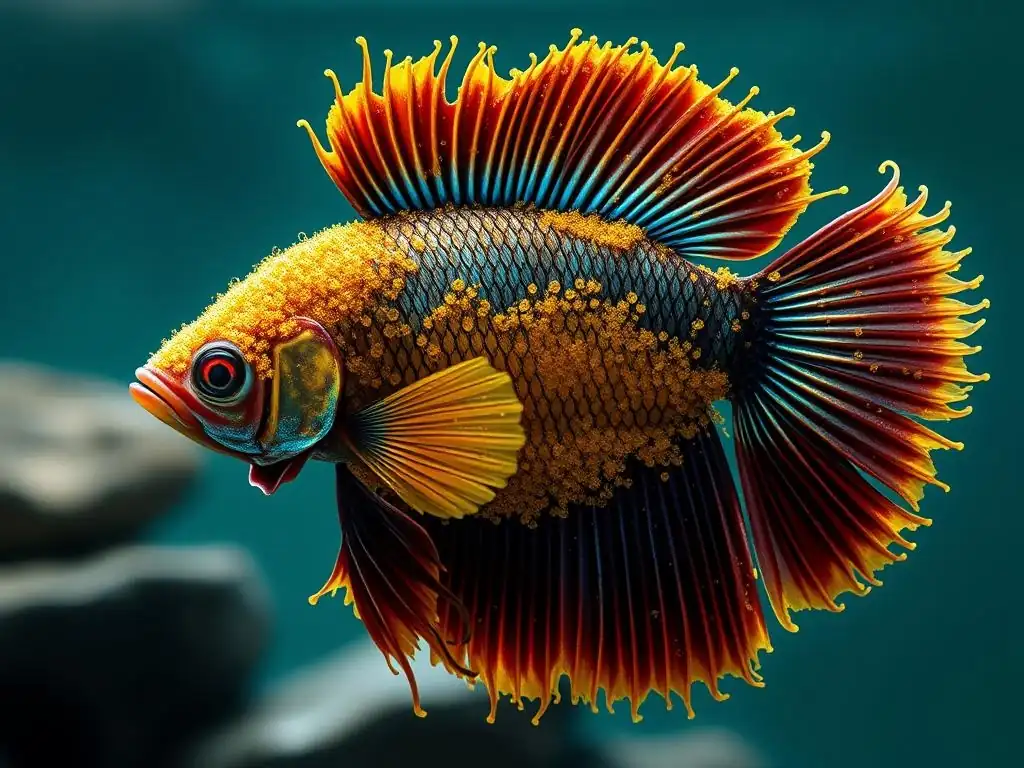
Recognizing the symptoms of Oodinium in Rasboras early is crucial for successful intervention. The most distinctive sign is the development of a fine, dust-like coating on the fish's body, fins, and gills, which often appears golden, brownish, or yellowish when viewed under direct light, resembling velvet fabric. This "gold dust" appearance is caused by thousands of tiny Oodinium parasites encysted on the fish's surface. To best observe this, shine a flashlight directly at your Rasboras in a darkened room; the reflective nature of the parasites will make them more apparent.
Beyond the characteristic coating, infected Rasboras will exhibit several behavioral changes. These include lethargy, loss of appetite, and isolation from the school. You might observe rapid gill movement, indicating respiratory distress, as the parasites compromise gill function. Rasboras may also "flash" or rub their bodies against tank ornaments, substrate, or plants in an attempt to dislodge the irritating parasites. Clamped fins, particularly the dorsal fin, are another common indicator of discomfort and illness. Early detection of these subtle signs is key to initiating effective Rasbora velvet disease treatment before the disease becomes too advanced.
The Oodinium Life Cycle: How Velvet Disease Spreads in Your Rasbora Tank
Understanding the Oodinium life cycle is fundamental to effective Rasbora velvet disease treatment, as treatment protocols are designed to target specific stages. The life cycle typically involves three main stages:
- Trophont (Parasitic Stage): This is the feeding stage where the parasite is attached to the fish, consuming its cells. During this stage, the parasite is relatively resistant to medication because it's protected by the fish's slime coat and its own outer layer.
- Tomont (Cyst Stage): Once mature, the trophont detaches from the fish and forms a protective, non-feeding cyst (tomont) that settles on the substrate, plants, or tank decorations. This stage is highly resilient to most medications and can survive for several days to weeks, patiently waiting for a host.
- Dinospore (Free-Swimming Stage): Within the tomont, the parasite rapidly divides, releasing hundreds of tiny, free-swimming infective dinospores into the water column. These dinospores actively seek out a new fish host. This is the most vulnerable stage to medication, as the parasites are exposed and actively swimming. Dinospores typically have a limited lifespan of about 24 to 48 hours if they don't find a host, which is why consistent treatment duration is vital.
The rapid reproduction and short free-swimming phase mean that Oodinium can quickly overwhelm an entire Rasbora population. A single tomont can release over 200 new dinospores, which can then infect more fish. This cyclical nature necessitates a continuous and prolonged Rasbora velvet disease treatment to ensure all emerging dinospores are eradicated, preventing new infections and breaking the cycle entirely.
Diagnosing Velvet Disease in Rasboras: A Step-by-Step Guide
Visual Inspection: Detecting the Characteristic Gold Dust Appearance
The initial and most accessible step in diagnosing velvet disease in your Rasboras is a thorough visual inspection of your fish. As previously mentioned, the hallmark symptom is the "gold dust" or "rusty" appearance on their skin and fins. This fine, powdery coating is caused by thousands of tiny Oodinium parasites.
To maximize your chances of detection, observe your Rasboras in a darkened room using a strong flashlight directed at the fish from various angles. The light will reflect off the parasites, making the golden sheen more pronounced and easier to spot, especially on the darker areas of the fish or in the crevices of their fins.
Pay close attention to the fins, especially the caudal (tail) and pectoral fins, as well as the gill covers, where the parasites often establish themselves first. Compare the appearance of the affected Rasboras to healthy ones, noting any subtle changes in coloration or texture. Early detection through meticulous visual inspection allows for more immediate intervention, significantly improving the prognosis for successful Rasbora velvet disease treatment before the infection becomes severe and widespread.
Microscopic Examination: Confirming the Presence of Oodinium Parasites
While visual inspection provides strong indicators, a definitive diagnosis of Oodinium can be confirmed through microscopic examination of a skin or gill scrape. This method allows for the direct observation of the parasites, differentiating them from other similar-looking ailments like Ich (Ichthyophthirius multifiliis) or external bacterial infections. To perform a scrape, gently net an affected Rasbora and, using a clean, soft-edged plastic scraper or even a credit card edge, lightly scrape a small amount of mucus from the fish's flank or gill area.
Transfer this mucus sample onto a microscope slide with a drop of tank water and cover with a coverslip. Under a microscope at 100x to 400x magnification, Oodinium parasites appear as small (typically 10-50 micrometers in diameter), spherical to pear-shaped organisms. They often exhibit a distinct, dark internal structure (the nucleus) and may show evidence of chloroplasts, as Oodinium is a dinoflagellate capable of photosynthesis. Observing these characteristic features under magnification provides irrefutable confirmation of velvet disease, guiding you towards the appropriate and targeted Rasbora velvet disease treatment.
Differentiating Velvet Disease from Other Rasbora Ailments (Ich, Epistylis)
Accurate differentiation of velvet disease from other common Rasbora ailments is vital for effective treatment, as misdiagnosis can lead to ineffective or even harmful medication use.
- Ich (Ichthyophthirius multifiliis): Often confused with Oodinium, Ich presents as larger, distinct white spots resembling grains of salt (typically 0.5-1.0 mm in diameter) scattered across the fish's body and fins. These spots are more raised and irregular compared to the fine, powdery sheen of velvet. Ich parasites are also significantly larger than Oodinium under magnification.
- Epistylis: This is a sessile ciliate that often appears as small, cottony tufts or white patches, primarily on areas of skin damage or ulcers. Unlike Oodinium, Epistylis is typically a secondary infection and does not present as a uniform "dusting." Under a microscope, Epistylis appears as stalked organisms, distinctly different from the free-swimming or attached Oodinium dinoflagellates.
Understanding these distinctions is paramount. For instance, while both Ich and Oodinium are parasitic, their life cycles and sensitivities to certain medications differ. Treating Oodinium with an Ich-specific medication might be ineffective, prolonging the disease and increasing mortality. Therefore, a careful visual assessment, possibly supplemented by a microscopic examination, is essential to ensure you are applying the correct Rasbora velvet disease treatment.
Rasbora Velvet Disease Treatment: Effective Methods and Medications
Immediate Actions: Isolating Infected Rasboras and Tank Preparation
Upon confirming a velvet disease diagnosis in your Rasboras, immediate action is critical. If possible, transfer severely affected fish to a dedicated quarantine or hospital tank. This helps prevent further spread in the main display tank and allows for more focused treatment. If a quarantine tank is not feasible, the entire main tank must be treated, which means preparing it carefully. The first crucial step is to remove all activated carbon from your filtration system, as carbon will absorb medications, rendering them ineffective.
Next, slowly increase the water temperature in the tank to approximately 27-29°C (80-84°F) over a few hours. This elevation speeds up the Oodinium life cycle, causing the tomonts to release their infective dinospores more quickly, making them more vulnerable to medication. Additionally, dim the aquarium lights or keep the tank in darkness for the duration of the treatment, as Oodinium is a dinoflagellate that can photosynthesize, and reduced light can inhibit its development. These preparatory steps significantly enhance the efficacy of any Rasbora velvet disease treatment.
Copper-Based Medications: Dosage and Application for Rasbora Oodinium Treatment
Copper-based medications are among the most effective and widely used treatments for Oodinium due to copper's potent antiparasitic properties, specifically targeting the free-swswimming dinospore stage. Products typically contain copper sulfate or chelated copper. When using copper, it is imperative to use a reliable copper test kit to monitor copper levels throughout the treatment period. The therapeutic range for Oodinium is generally between 0.2 ppm (parts per million) and 0.5 ppm. For Rasboras, it's often safer to aim for the lower end of this spectrum, around 0.2-0.3 ppm, given their sensitivity.
Follow the manufacturer's specific dosing instructions precisely, as overdosing can be highly toxic to fish, beneficial bacteria, and plants. Administer the initial dose, then test the water within 24 hours and adjust as necessary to maintain the target concentration. Copper levels can fluctuate due to absorption by substrate or decorations, so daily monitoring and redosing are often required. Continue the Rasbora velvet disease treatment for at least 10-14 days, even if symptoms disappear, to ensure all stages of the parasite's life cycle are eradicated, preventing recurrence.
Alternative Treatments: Acriflavine and Methylene Blue for Velvet Disease
For aquarists seeking alternatives to copper, particularly in tanks with sensitive invertebrates (though copper is generally not recommended with invertebrates at all) or fish like Rasboras that might be more susceptible to copper toxicity, Acriflavine and Methylene Blue offer viable options for Rasbora velvet disease treatment.
Acriflavine is an effective antiseptic and antiparasitic dye that targets external parasites and also possesses antibacterial and antifungal properties. It is often considered safer for sensitive fish and beneficial bacteria than copper, making it a good choice for Rasboras. Acriflavine works by interfering with the parasite's cellular processes. Dosage typically involves adding a specific amount per gallon (e.g., 1 ml per 5 gallons) and repeating every 24-48 hours, often for a period of 7-10 days. Be aware that Acriflavine can permanently stain silicone seals and some tank decorations a yellowish hue.
Methylene Blue is another potent dye used for treating external parasites, fungal infections, and improving oxygen uptake by fish gills. While effective against Oodinium, it is generally considered less potent than copper or Acriflavine for severe outbreaks and is often used for milder cases or as a preventative. Methylene Blue is particularly beneficial for fish experiencing respiratory distress due to gill damage.
It can be used as a prolonged bath (e.g., 1 teaspoon per 10 gallons for up to 5 days) or as a dip. Like Acriflavine, Methylene Blue will stain tank components and water blue. Both alternative treatments require the removal of activated carbon and may necessitate reduced lighting during the treatment period.
Maintaining Water Quality During Rasbora Velvet Disease Treatment
The Importance of Water Changes: Reducing Parasite Load and Maintaining Stability
Maintaining pristine water quality is paramount during Rasbora velvet disease treatment, as it directly impacts the fish's ability to recover and the efficacy of medications. Regular water changes serve multiple critical purposes: they physically remove free-swimming Oodinium dinospores from the water column, thereby reducing the overall parasite load and potential for reinfection. Furthermore, water changes dilute accumulated organic waste, such as uneaten food and fish waste, which can contribute to poor water parameters and stress fish.
During treatment, especially with medications that can stress the biological filter, frequent small water changes (e.g., 20-25% daily or every other day) are often more beneficial than less frequent large ones. Always ensure the new water is dechlorinated and temperature-matched to the aquarium water to prevent additional stress to your already compromised Rasboras. Consistent water changes contribute significantly to a healthier environment, supporting the fish's immune system and aiding in their recovery from velvet disease.
Monitoring Water Parameters: Ammonia, Nitrite, and Nitrate Levels
Strict monitoring of key water parameters—ammonia, nitrite, and nitrate—is non-negotiable during Rasbora velvet disease treatment. Many medications, particularly copper-based ones and even some dyes, can negatively impact the beneficial bacteria in your biological filter, leading to a disruption of the nitrogen cycle. A compromised filter can result in dangerous spikes in ammonia and nitrite, both of which are highly toxic to fish, even at low concentrations.
Regular testing (daily or every other day) is essential. Ammonia and nitrite levels should remain at 0 ppm (parts per million). While nitrates are less toxic, keeping them below 20 ppm is ideal. If you detect any rise in ammonia or nitrite, perform an immediate partial water change (e.g., 25-30%) and consider using an ammonia-detoxifying product. Maintaining stable and healthy water parameters minimizes stress on the Rasboras, allowing their immune systems to focus on fighting the infection rather than battling poor water conditions, thus enhancing the success of the velvet disease treatment.
Avoiding Overcrowding: Stress Reduction for Rasboras During Treatment
Overcrowding in an aquarium is a significant stressor for fish, and its negative impacts are exacerbated during a disease outbreak like velvet. A densely populated tank leads to increased biological waste production, which in turn can rapidly degrade water quality, even with regular filtration and water changes. Higher fish density also means that parasites can spread more quickly and efficiently from one host to another, making it harder to contain the infection and achieve successful Rasbora velvet disease treatment.
During the treatment period, it's crucial to ensure your Rasboras have ample space. If your tank is significantly overcrowded, consider temporarily rehoming some fish to another established, healthy tank (if available and disease-free) or a separate quarantine setup. Reducing population density lowers stress levels, improves oxygen availability, and minimizes direct contact between infected and healthy fish, thereby slowing the spread of Oodinium. A less stressful environment allows the Rasboras to allocate more energy to healing and recovery, making them more resilient to the disease and more responsive to medication.
Preventing Velvet Disease in Rasboras: Long-Term Strategies
Quarantine Procedures: Preventing Introduction of Oodinium into Your Aquarium
The most effective long-term strategy for preventing velvet disease, and indeed most fish diseases, from entering your main Rasbora aquarium is to implement a strict quarantine procedure for all new fish, plants, and even live foods. A dedicated quarantine tank, typically a 10-20 gallon setup with a heater, filter, and aeration, should be used. New Rasboras should be housed in this tank for a minimum of 4-6 weeks before being introduced to your main display tank.
During this quarantine period, observe the new fish closely for any signs of illness, including the subtle "gold dust" of Oodinium, clamped fins, or unusual behavior. It is also advisable to proactively treat the quarantine tank with a broad-spectrum antiparasitic medication, or at least a mild preventative treatment, to eliminate any latent parasites. Never use equipment from the quarantine tank directly in your main tank without thorough disinfection. This rigorous quarantine protocol is your primary defense against introducing diseases like Oodinium, saving you the effort and stress of future Rasbora velvet disease treatment.
Maintaining Optimal Water Conditions: Temperature, pH, and Water Hardness for Rasboras
Consistent maintenance of optimal water conditions is fundamental to strengthening Rasbora immunity and preventing disease outbreaks. Rasboras, like many freshwater fish, thrive within specific parameters. For instance, popular Harlequin Rasboras (Trigonostigma heteromorpha) prefer temperatures between 22-27°C (72-80°F), a slightly acidic to neutral pH of 6.0-7.5, and soft to moderately hard water (dH 5-12). Deviations from these ideal ranges, especially sudden fluctuations, cause significant stress to fish, compromising their immune systems and making them highly susceptible to opportunistic parasites like Oodinium.
Regular testing of your aquarium water for temperature, pH, and hardness (GH/KH) is crucial. Aim for stability rather than chasing "perfect" numbers. Small, frequent water changes (e.g., 10-20% weekly) help maintain these parameters and dilute accumulating nitrates. A stable, well-maintained environment reduces stress levels in your Rasboras, allowing their natural defenses to function optimally and making them far less likely to contract or succumb to velvet disease, thereby minimizing the need for intensive Rasbora velvet disease treatment.
Proper Nutrition: Strengthening Rasbora Immunity to Velvet Disease
A varied and high-quality diet is indispensable for bolstering the immune system of your Rasboras, making them more resilient to diseases like velvet. Just as with humans, a well-nourished fish is better equipped to fight off pathogens. Rasboras are omnivores, and their diet should include a mix of high-quality flakes or micro-pellets specifically formulated for small tropical fish, supplemented with frozen or live foods.
Incorporate foods rich in essential vitamins, particularly Vitamin C, which is known to boost fish immunity, and proteins for overall health and growth. Examples of beneficial supplemental foods include frozen or live bloodworms, daphnia, brine shrimp, and spirulina flakes. Feed small amounts multiple times a day rather than one large meal to ensure all fish get enough and to prevent uneaten food from fouling the water. A robust immune system, fueled by proper nutrition, is a critical long-term strategy in preventing velvet disease and reduces the likelihood of requiring extensive Rasbora velvet disease treatment.
Post-Treatment Care for Rasboras Recovering from Velvet Disease
Gradual Reintroduction to the Main Tank: Minimizing Stress
After successful Rasbora velvet disease treatment in a quarantine tank, the process of reintroducing your fish to the main display aquarium must be handled with care to minimize stress and prevent relapse. Before reintroduction, ensure your main tank has been fish-free for at least 2-3 weeks if it was also infected, to allow any remaining Oodinium tomonts to die off without a host.
When ready to move the fish, use a slow acclimation method, such as drip acclimation, to gradually equalize the water parameters (temperature, pH, hardness) between the quarantine tank and the main tank over an hour or two.
This gradual process prevents shock from sudden environmental changes, which can severely stress the recovering Rasboras and potentially trigger a relapse or secondary infection. Observe the fish closely during and immediately after reintroduction for any signs of distress or recurring symptoms. A smooth transition back into their permanent home supports their continued recovery and long-term health.
Monitoring for Relapse: Observing Rasboras for Recurring Symptoms
Even after a seemingly successful Rasbora velvet disease treatment, continuous monitoring for relapse is crucial. Oodinium can be notoriously persistent, and if any tomonts or dinospores survived the treatment cycle, symptoms can reappear. For several weeks following the completion of treatment and reintroduction, closely observe your Rasboras daily for any signs of the "gold dust" coating, rapid gill movement, flashing, clamped fins, or lethargy.
Pay particular attention during feeding times, noting any changes in appetite or social behavior. A relapse may indicate that the initial treatment duration was insufficient, the medication dosage was incorrect, or new stressors have weakened the fish's immunity. Early detection of recurring symptoms allows for prompt re-initiation of Rasbora velvet disease treatment, significantly improving the chances of a full recovery before the infection becomes severe again.
Boosting Immune System: High-Quality Food and Stress Reduction
Post-treatment care for Rasboras recovering from velvet disease should focus heavily on boosting their immune systems and minimizing any potential stressors. Continue to provide a varied and high-quality diet, supplementing with vitamin-enriched foods or liquid vitamins if possible. Foods rich in Vitamin C, such as spirulina flakes or specially formulated immunity-boosting pellets, are particularly beneficial for strengthening fish defenses.
Beyond nutrition, maintaining impeccable water quality through regular partial water changes and consistent parameter monitoring (ammonia, nitrite, nitrate) is vital. Ensure the tank is not overcrowded, and avoid sudden changes in water temperature, pH, or lighting. Minimize any unnecessary disturbances to the tank and ensure compatible tank mates to reduce social stress. A strong immune system, supported by optimal environmental conditions and nutrition, is the best defense against future disease outbreaks and ensures the long-term well-being of your Rasboras after their battle with velvet disease.
Choosing the Right Rasbora Velvet Disease Medication: A Comparison
Copper Sulfate vs. Copper Chelated: Advantages and Disadvantages
When selecting a copper-based medication for Rasbora velvet disease treatment, aquarists often encounter two main forms: copper sulfate and chelated copper. Each has distinct advantages and disadvantages.
Copper Sulfate is a potent and fast-acting form of copper. Its primary advantage is its rapid effectiveness against the free-swimming Oodinium dinospores, often showing quick results in severe outbreaks. However, copper sulfate is highly reactive and can easily precipitate out of the water column, especially in tanks with high alkalinity (KH) or substrate containing calcium carbonate.
This means its concentration can fluctuate rapidly, requiring very frequent monitoring with a copper test kit (sometimes multiple times a day) and precise, often small, redoses to maintain a stable therapeutic level (e.g., 0.2-0.3 ppm). Overdosing is a significant risk, as copper sulfate is more acutely toxic to fish, beneficial bacteria, and plants if not managed carefully.
Chelated Copper (e.g., copper citrate, copper gluconate) is a form where the copper ions are bound to an organic molecule, making them more stable in the water column. Its main advantage is its stability and lower reactivity, meaning it precipitates less readily and maintains a more consistent concentration over time. This makes it generally safer and easier to use for hobbyists, as daily monitoring might be sufficient, and redosing is less frequent.
While often perceived as less potent or slower-acting than copper sulfate, chelated copper is still highly effective against Oodinium at appropriate concentrations. The primary disadvantage is that it can be slightly less potent initially and may require a longer overall treatment period to ensure eradication. For sensitive fish like Rasboras, chelated copper is often the preferred choice due to its greater stability and reduced risk of sudden toxicity.
Acriflavine vs. Methylene Blue: Which is Best for Your Rasbora Tank?
Acriflavine and Methylene Blue are two alternative dye-based medications for Rasbora velvet disease treatment, each with specific strengths suitable for different scenarios.
Acriflavine is a synthetic dye with strong antiseptic and antiparasitic properties. It is highly effective against external parasites like Oodinium, as well as certain bacterial and fungal infections. A significant advantage of Acriflavine is that it is generally considered less toxic to the beneficial nitrifying bacteria in the biological filter compared to copper, and often safer for sensitive fish species, including many Rasboras.
It can be a good choice for tanks where copper is deemed too risky or where a broader-spectrum treatment (including potential secondary bacterial infections) is desired. A drawback is its tendency to permanently stain silicone seals, air lines, and light-colored decorations a yellowish hue. Typical treatment duration is 7-10 days, following specific product instructions for dosage (e.g., 1 ml per 5 gallons).
Methylene Blue is another well-known dye with antiparasitic, antifungal, and antiseptic qualities. Its primary advantage for Rasbora velvet disease is its ability to aid in oxygen transfer by helping fish blood carry oxygen, which is particularly beneficial for fish suffering from gill damage caused by Oodinium. It is also relatively safe for most fish and some invertebrates (though always check product specifics).
Methylene Blue is often used for milder cases of velvet, as a prophylactic treatment, or as a dip for severely affected fish. However, it is generally less potent against severe Oodinium outbreaks compared to copper or Acriflavine.
A major disadvantage is its intense blue color, which will heavily stain everything in the tank, including the water, silicone, and decorations, and it can also negatively impact beneficial bacteria if used in high concentrations or for prolonged periods in the main filter. The choice between Acriflavine and Methylene Blue for your Rasbora tank often depends on the severity of the infection and your tolerance for staining versus potential filter impact.
Common Mistakes to Avoid When Treating Rasbora Velvet Disease
Overdosing Medications: Potential Harm to Rasboras and the Aquarium Ecosystem
One of the most critical mistakes to avoid during Rasbora velvet disease treatment is overdosing medications. While the desire to quickly eradicate the parasite is understandable, exceeding the recommended dosage for any aquarium medication can have severe, often irreversible, consequences for your fish and the entire aquarium ecosystem. Overdosing can lead to acute toxicity in Rasboras, resulting in organ damage (e.g., liver, kidney, gill damage), severe stress, and ultimately death. For instance, even a slight overdose of copper can be lethal to sensitive fish.
Beyond the fish, excessive medication can decimate the beneficial nitrifying bacteria in your biological filter, leading to a dangerous ammonia and nitrite spike, which can kill fish even if the initial disease is under control. Furthermore, many medications can harm or kill live plants and invertebrates. Always read and strictly follow the manufacturer's dosing instructions, using precise measurements. When using copper, consistently employ a reliable copper test kit to ensure levels remain within the safe and therapeutic range (e.g., 0.2-0.3 ppm for Rasboras), preventing the detrimental effects of over-medication.
Incomplete Treatment Cycles: Preventing Recurrence of Oodinium
Another common and detrimental mistake in Rasbora velvet disease treatment is discontinuing medication too early, simply because visible symptoms have disappeared. Oodinium has a complex life cycle with a resilient cyst (tomont) stage that is largely unaffected by medication. While the free-swimming dinospores are vulnerable to treatment, the cysts can remain dormant for several days to weeks, waiting for the medication to dissipate before releasing a new generation of infective parasites.
Stopping treatment prematurely means that these dormant cysts will eventually hatch, leading to a rapid and often more severe recurrence of velvet disease. To effectively break the parasite's life cycle, it is crucial to continue the full recommended treatment duration, typically 10-14 days for Oodinium, even if your Rasboras appear to be fully recovered after a few days. This prolonged exposure ensures that all emerging dinospores are killed before they can find a host and perpetuate the cycle, preventing a frustrating and dangerous relapse.
Ignoring Water Quality: Exacerbating Stress and Impeding Recovery
A frequently overlooked mistake during disease treatment is neglecting crucial water quality parameters. While the focus is naturally on administering medication for Rasbora velvet disease treatment, poor water quality can severely undermine these efforts and even exacerbate the fish's condition. High levels of ammonia, nitrite, or nitrate, along with unstable pH or temperature, are significant stressors for fish. Stressed fish have weakened immune systems, making them more susceptible to the disease itself and less capable of recovering from it, even with the best medication.
Furthermore, some medications can directly impact the beneficial bacteria that maintain the nitrogen cycle, leading to dangerous spikes in toxic compounds. Failing to monitor these parameters (e.g., daily testing for ammonia and nitrite) and perform necessary water changes can lead to fish deaths from poisoning rather than the disease itself. Consistent monitoring, regular partial water changes with temperature-matched, dechlorinated water, and ensuring adequate aeration are non-negotiable practices that support the fish's recovery and enhance the effectiveness of any velvet disease treatment.
Frequently Asked Questions
What are the key symptoms of Velvet Disease (Oodinium) in Rasboras?
The primary symptom is a fine, gold or rust-colored dust on the fish's body. Other signs include clamped fins, rapid breathing, and scratching against objects.
How does Velvet Disease (Oodinium) commonly spread in a Rasbora aquarium?
Oodinium spreads through free-swimming dinospores in the water. It's often introduced by new, unquarantined fish or contaminated equipment.
What is the best initial treatment for Velvet Disease in Rasboras?
Start by raising the water temperature to around 86°F (30°C) and turning off the lights. This helps to accelerate the parasite's life cycle and make it more susceptible to medication.
What medications are effective in treating Velvet Disease in Rasboras?
Copper-based medications like copper sulfate or copper chelate are commonly used. Follow the manufacturer's instructions carefully to avoid overdosing, which can harm your fish.
How can I prevent Velvet Disease from recurring in my Rasbora tank?
Quarantine all new fish for at least two weeks. Maintain excellent water quality through regular water changes and proper filtration, and avoid stressing your fish.
Okay, here's a final reflection crafted for your article "Velvet Disease (Oodinium) in Rasboras: Diagnosis and Effective Treatment," optimized for the keyword "Rasbora velvet disease treatment" and following your specified structure:
Final Reflection: A Beacon of Hope for Rasbora Keepers
The information presented throughout this article underscores the critical importance of early detection and effective Rasbora velvet disease treatment. Recognizing the signs of Oodinium and implementing a swift, informed response can be the difference between a thriving aquarium and devastating loss. This knowledge, readily accessible and practically applied, empowers aquarists to protect their beloved Rasboras from this pervasive threat.
This journey into understanding and combating Velvet disease highlights the delicate balance within our aquariums and the responsibility we bear as caretakers. The ability to diagnose and treat this disease effectively not only saves lives but also deepens our connection with these fascinating creatures. The best way to observe a fish is to become the water.
- Jacques Cousteau. This quote reminds us that understanding the environment and needs of our Rasboras is paramount to their well-being, and our own enjoyment of the hobby.
As you close this article, take a moment to reflect on the knowledge you've gained. Consider how you can apply these insights to your own aquarium practices, ensuring a healthy and vibrant environment for your Rasboras. Let this understanding be a catalyst for proactive care, transforming potential threats into opportunities for growth and a deeper appreciation for the delicate beauty of aquatic life.
Unveil a Healthier Rasbora Today!
Thanks for diving into our guide on velvet disease! We hope you've gained the knowledge to spot and treat this common ailment in your Rasboras, ensuring their vibrant colors and playful energy shine through. Ready to take the next step?
Here are a few things you can do right now:
- Immediately inspect your Rasboras for any signs of velvet disease, paying close attention to their fins and body. Early detection is key!
- Share this guide with other Rasbora enthusiasts in your aquarium groups. Helping them safeguard their fish contributes to a healthier hobby for everyone!
- Consider setting up a quarantine tank to prevent the spread of disease in your main aquarium. It's a proactive step that can save you a lot of trouble in the long run.
What specific preventative measure will you implement this week to protect your Rasboras from future outbreaks?