
Chili Rasbora Companions: Safe and Serene Tank Mates for Tiny Beauties

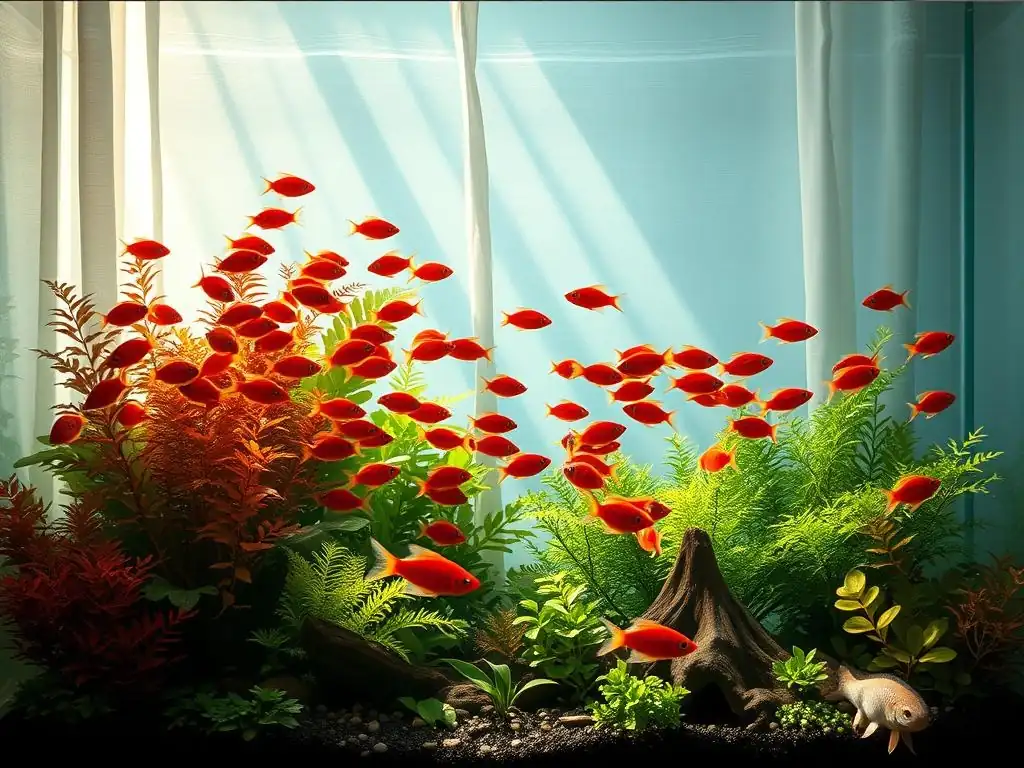
Welcome to Aquarium Mastery!
Ever wondered who would make the perfect aquatic companions for your dazzling Chili Rasboras? These tiny jewels deserve a peaceful and thriving environment. Discover the secrets to selecting Chili Rasbora compatible tank mates within this guide. We'll help you create a serene and balanced ecosystem where your little beauties can truly shine. Let's dive in and unlock the secrets to a harmonious aquarium!
- Understanding Chili Rasbora Needs for a Harmonious Aquarium
- Ideal Chili Rasbora Compatible Tank Mates: Peaceful Community Fish
- Tank Mates to Avoid: Ensuring a Safe Environment for Chili Rasboras
- Setting Up the Ideal Tank for Chili Rasboras and Their Companions
- Introducing New Tank Mates: A Gradual and Careful Approach
- Maintaining a Healthy and Balanced Aquarium Ecosystem for Chili Rasboras
-
Frequently Asked Questions
- What are some good community fish to keep with Chili Rasboras?
- Why is it important to choose the right tank mates for Chili Rasboras?
- What type of invertebrates can be kept with Chili Rasboras?
- What kind of fish should I avoid keeping with Chili Rasboras?
- How does tank size affect compatibility when choosing tank mates for Chili Rasboras?
- Final Reflection: Harmony in Miniature Worlds
- Ignite Your Aquarium: Cultivate a Thriving Rasbora Paradise!
Understanding Chili Rasbora Needs for a Harmonious Aquarium
Chili Rasboras ( Boraras brigittae) are renowned for their incredibly peaceful and shy disposition, making them ideal candidates for nano and community aquariums where aggression is minimized. These diminutive fish, typically reaching only about 0.8 inches (2 cm) in length, thrive when kept in sizable schools of at least 8 to 10 individuals, with larger groups often leading to more confident and vibrant displays of their natural schooling behavior.
Their non-aggressive nature means they will not harass or fin-nip other tank inhabitants, nor will they compete aggressively for food, which is a crucial consideration when selecting Chili Rasbora compatible tank mates.
Their small size and timid personality necessitate careful selection of companions to prevent stress and predation. They are easily intimidated by larger, faster-moving, or even moderately aggressive fish. In a well-planted aquarium, Chili Rasboras exhibit more natural behaviors, darting between leaves and exploring their environment with greater confidence. This inherent shyness also means they appreciate environments with plenty of hiding spots and subdued lighting, which helps them feel secure and reduces the likelihood of them becoming withdrawn or stressed.
Optimal Water Parameters for Chili Rasboras and Their Tank Mates
Maintaining stable and appropriate water parameters is paramount for the health and longevity of Chili Rasboras and any potential Chili Rasbora compatible tank mates. These fish originate from blackwater habitats in Southeast Asia, which are characterized by soft, acidic water. Ideal temperature ranges from 72°F to 79°F (22°C to 26°C), ensuring their metabolic processes function optimally without undue stress. Fluctuations outside this range can weaken their immune system, making them susceptible to disease.
The preferred pH for Boraras brigittae is typically between 6.0 and 7.0, with a general hardness (GH) of 3-8 dGH and carbonate hardness (KH) of 0-5 dKH. Such soft, slightly acidic conditions mimic their natural environment and are crucial for their long-term well-being and vibrant coloration. When considering tank mates, it is essential to choose species that also thrive within these narrow parameters to avoid compromising the health of any fish in the community. Regular water testing, ideally weekly, for ammonia, nitrite, nitrate, pH, and temperature, is vital to ensure these conditions remain consistent and safe.
Tank Size Requirements for Chili Rasboras and Suitable Companions
While Chili Rasboras are tiny, their schooling nature means they require adequate space to thrive, even in a nano setup. A minimum tank size of 5 gallons (approximately 19 liters) is often cited for a small school of 6-8 individuals, but a 10-gallon (approximately 38 liters) aquarium is highly recommended as a starting point. This larger volume provides greater water stability, more swimming space, and allows for a more diverse and healthier school, which enhances their natural schooling behavior and reduces stress.
When introducing Chili Rasbora compatible tank mates, the tank size requirement increases significantly. For instance, adding another small schooling species might necessitate a 15-gallon (57-liter) or even a 20-gallon (76-liter) tank to prevent overcrowding and ensure sufficient territory for all inhabitants. Overcrowding can lead to increased stress, poor water quality due to higher bioload, and even stunted growth in the fish. A larger tank also offers more flexibility for aquascaping, providing the dense planting and open swimming areas that Chili Rasboras and their companions appreciate.
Ideal Chili Rasbora Compatible Tank Mates: Peaceful Community Fish
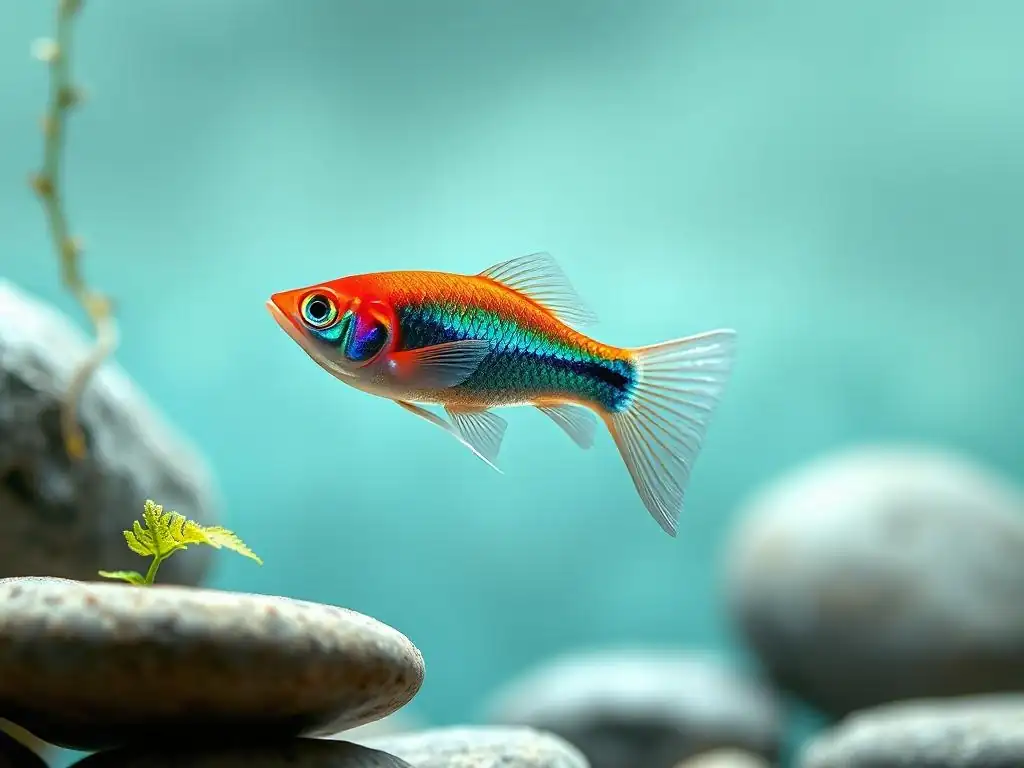
Small Rasbora Tank Mates: Species That Thrive Together
When selecting Chili Rasbora compatible tank mates, other small rasbora species often prove to be excellent choices due to their similar size, temperament, and water parameter requirements. These species typically inhabit the same ecological niches in the wild or have adapted to similar conditions in captivity, making their cohabitation relatively straightforward. Their shared preference for soft, acidic water and peaceful dispositions ensures a harmonious environment where no single species dominates or stresses the others.
The key to successful cohabitation with other small rasboras lies in understanding their specific needs regarding school size and swimming space. While they share many similarities with Chili Rasboras, slight differences in size or activity levels can influence the overall dynamics of the aquarium. Careful planning ensures that the tank can comfortably accommodate the combined bioload and social needs of multiple schooling species, leading to a vibrant and balanced community.
Harlequin Rasboras: A Classic Choice for Chili Rasbora Tanks
Harlequin Rasboras ( Trigonostigma heteromorpha) are a popular and visually striking choice for community aquariums, and they can be considered Chili Rasbora compatible tank mates under specific conditions. Although significantly larger than Chili Rasboras, reaching about 1.8 inches (4.5 cm), they share a remarkably peaceful temperament and similar preferences for soft, acidic water (pH 6.0-7.0, GH 5-12 dGH) and temperatures between 72-79°F (22-26°C). They are active schooling fish that add a dynamic element to the mid-water column.
Due to their larger size, a tank of at least 20 gallons (76 liters) is recommended if housing both Harlequins and Chili Rasboras, allowing ample space for both schools to thrive. A school of 6-8 Harlequins alongside a similar number of Chilis will create a beautiful and active display without overcrowding. Their calm demeanor ensures they won't intimidate the tiny Chili Rasboras, making them a safe and aesthetically pleasing option.
Espei Rasboras: Adding a Touch of Orange to Your Community Tank
Espei Rasboras ( Trigonostigma espei), often known as Lambchop Rasboras, are another excellent option for Chili Rasbora compatible tank mates. These beautiful fish share a similar body shape and coloration pattern to Harlequins but are smaller, typically growing to about 1 inch (2.5 cm). Their vibrant orange hues provide a delightful contrast to the red of Chili Rasboras, enhancing the visual appeal of the aquarium.
Like their larger cousins, Espei Rasboras are peaceful, schooling fish that prefer soft, acidic water (pH 6.0-7.5, GH 2-12 dGH) and temperatures from 72-79°F (22-26°C), making their water parameter requirements align perfectly with those of Chili Rasboras. A 10-gallon (38-liter) tank can comfortably house a school of 8-10 Espei Rasboras alongside a similar group of Chilis, offering sufficient space for both species to exhibit natural behaviors and thrive. They are not known to be aggressive or fin-nippers, ensuring the delicate Chili Rasboras remain stress-free.
Nano Fish Companions for Chili Rasboras: Peaceful and Proportional
When selecting Chili Rasbora compatible tank mates for smaller aquariums, nano fish species are often the most suitable choice. These fish share the diminutive size of Chili Rasboras, which minimizes the risk of predation or intimidation. Their proportional size also means they contribute less to the bioload, making it easier to maintain stable water parameters in smaller tank volumes, such as 5 to 10 gallons.
The key to success with nano companions lies in ensuring their temperament is equally peaceful and that their environmental needs, particularly regarding water chemistry and temperature, align closely with those of Chili Rasboras. These tiny inhabitants create a truly harmonious micro-ecosystem, where each species can thrive without overshadowing or stressing the others.
Pygmy Corydoras: Bottom-Dwelling Clean-Up Crew
Pygmy Corydoras ( Corydoras pygmaeus) are an exceptional choice for Chili Rasbora compatible tank mates, particularly for occupying the bottom strata of the aquarium. These miniature catfish grow to only about 1 inch (2.5 cm) and are incredibly peaceful, spending their time sifting through the substrate for leftover food particles without disturbing other fish. They are schooling fish and should be kept in groups of at least 6-8 individuals to ensure their confidence and well-being.
Their preferred water parameters (pH 6.0-7.5, GH 2-15 dGH, temperature 72-79°F / 22-26°C) overlap significantly with those of Chili Rasboras, making cohabitation straightforward. They appreciate a soft, sandy substrate that allows them to forage without damaging their delicate barbels. Pygmy Corydoras are non-competitive feeders and will not bother the mid-water dwelling Chili Rasboras, making them a perfect, unobtrusive addition to a serene nano community.
Ember Tetras: Vibrant Color Contrast in a Peaceful Setting
Ember Tetras ( Hyphessobrycon amandae) are another fantastic option for Chili Rasbora compatible tank mates, offering a stunning splash of orange-red color that complements the Chilis beautifully. These small tetras grow to about 0.8-1 inch (2-2.5 cm), making them perfectly proportionate to Chili Rasboras. They are very peaceful schooling fish that prefer to swim in the mid-water column, similar to Chili Rasboras, creating a dynamic and colorful display.
Their ideal water conditions (pH 5.5-7.0, GH 5-10 dGH, temperature 72-80°F / 22-27°C) align well with the needs of Boraras brigittae, facilitating a stable shared environment. Like most schooling fish, Ember Tetras are most confident and display their best colors when kept in groups of 8 or more. They are not known for fin-nipping or aggression, ensuring a tranquil atmosphere for the delicate Chili Rasboras.
Invertebrate Tank Mates for Chili Rasboras: Shrimps and Snails
Adding invertebrates to a Chili Rasbora tank can enhance the ecosystem's diversity and provide beneficial clean-up services, provided they are selected carefully. The general rule for Chili Rasbora compatible tank mates extends to invertebrates: they must be peaceful, non-predatory, and able to thrive in similar water conditions. Invertebrates can add a unique visual interest and contribute to algae control and detritus breakdown, making the aquarium a more self-sustaining environment.
It is crucial to ensure that the chosen shrimp or snail species are not large enough to pose a threat to the tiny Chili Rasboras, nor should the fish be large enough to prey on the invertebrates. This balance ensures a safe and productive coexistence, where both fish and invertebrates can flourish.
Cherry Shrimp: Colorful and Beneficial Tank Cleaners
Cherry Shrimp ( Neocaridina davidi) are arguably one of the best Chili Rasbora compatible tank mates due to their peaceful nature, small size, and excellent clean-up abilities. These vibrant red invertebrates typically grow to about 1.5 inches (3.8 cm) and spend their time grazing on algae, biofilm, and leftover food particles. They are non-aggressive and pose no threat to the tiny Chili Rasboras, nor are the Chili Rasboras large enough to prey on adult shrimp, though newly hatched shrimplets might occasionally be seen as a snack.
Cherry Shrimp thrive in similar water parameters to Chili Rasboras (pH 6.5-8.0, GH 4-10 dGH, temperature 65-78°F / 18-26°C), although they are slightly more tolerant of varying pH. Providing plenty of mosses and fine-leaved plants offers both food sources and hiding spots for the shrimp, especially for their vulnerable young. Their continuous foraging helps maintain tank cleanliness and adds a fascinating dynamic to the aquarium.
Mystery Snails: Adding Personality and Algae Control
Mystery Snails ( Pomacea diffusa) are another excellent option for Chili Rasbora compatible tank mates, providing both aesthetic appeal and practical benefits. These larger snails, which can reach up to 2 inches (5 cm) in shell diameter, are known for their active grazing habits, effectively consuming algae from tank surfaces and leftover food. Their distinctive antennae and "breathing tube" add a unique personality to the aquarium.
Mystery Snails are entirely peaceful and pose no threat to fish or plants. They prefer similar water parameters (pH 6.5-8.0, GH 5-15 dGH, temperature 68-82°F / 20-28°C), making them suitable for Chili Rasbora tanks, though they do require sufficient calcium in the water for healthy shell growth. They are a valuable addition to the clean-up crew, helping to keep the substrate and decor free of unsightly algae, and their slow, deliberate movements will not disturb the serene Chili Rasboras.
Tank Mates to Avoid: Ensuring a Safe Environment for Chili Rasboras
When curating a community aquarium with Chili Rasboras, it is as important to know which species to avoid as it is to know which ones are suitable. The diminutive size and inherently shy nature of Chili Rasboras make them particularly vulnerable to aggression, predation, or even just competition from larger or more boisterous tank mates. Introducing incompatible species can lead to chronic stress, fin damage, illness, or even the outright disappearance of your tiny beauties.
Careful research into the temperament, adult size, and feeding habits of any potential new addition is crucial. Ignoring these factors can quickly turn a peaceful nano tank into a stressful environment, compromising the health and well-being of your Chili Rasboras. Understanding these incompatibilities is a cornerstone of responsible aquarium keeping.
Aggressive Fish Species: Preventing Stress and Predation
Aggressive fish are unequivocally unsuitable as Chili Rasbora compatible tank mates. Even seemingly mild forms of aggression can cause significant stress to these tiny, timid fish. Species known for territorial disputes, nipping, or outright predatory behavior should be strictly avoided. This includes many cichlids, even smaller ones like some dwarf cichlids, which can view Chili Rasboras as prey or competitors for space.
For example, Bettas ( Betta splendens), despite their popularity, are often too aggressive and territorial to be housed with Chili Rasboras, as they may fin-nip or even kill the smaller fish. Similarly, species like many Gouramis, especially larger or male individuals, can be overly dominant. The constant threat posed by aggressive tank mates will prevent Chili Rasboras from schooling confidently, leading to a duller appearance, reduced activity, and a higher susceptibility to disease due to chronic stress.
Fin-Nipping Fish: Protecting Chili Rasboras' Delicate Fins
Fin-nipping fish pose a direct threat to the delicate fins of Chili Rasboras, which are essential for their movement and stability. While not necessarily predatory, persistent fin-nipping can lead to severe stress, infections, and ultimately, a shortened lifespan for the affected fish. The small size and relatively slow movements of Chili Rasboras make them easy targets for species known for this behavior.
Common fin-nippers include many species of Barbs (e.g., Tiger Barbs, Rosy Barbs) and some larger Tetras (e.g., Serpae Tetras, Black Skirt Tetras). Even though some of these might share similar water parameters, their aggressive tendencies towards fins make them unsuitable Chili Rasbora compatible tank mates. The constant harassment can prevent Chili Rasboras from feeding properly, lead to fin rot, and cause them to hide continuously, diminishing their quality of life.
Large Fish: Overcrowding and Potential Predation Issues
Introducing large fish into a tank with Chili Rasboras presents two primary risks: overcrowding and potential predation. Even if a large fish is considered "peaceful," its sheer size can be intimidating to tiny Chili Rasboras, causing them chronic stress and preventing them from exhibiting natural behaviors. A 2-inch Chili Rasbora will always feel threatened by a 5-inch fish, regardless of the larger fish's intent.
More critically, many larger fish, even those typically considered peaceful, may view Chili Rasboras as a food source simply because of their small size. For instance, species like Angelfish ( Pterophyllum scalare) or larger Gouramis, while generally docile towards similarly sized fish, will readily prey on anything small enough to fit into their mouths. This makes them highly unsuitable Chili Rasbora compatible tank mates. Furthermore, larger fish produce significantly more waste, leading to a higher bioload that can rapidly degrade water quality in a tank sized for nano fish, creating an unhealthy environment for all inhabitants.
Setting Up the Ideal Tank for Chili Rasboras and Their Companions
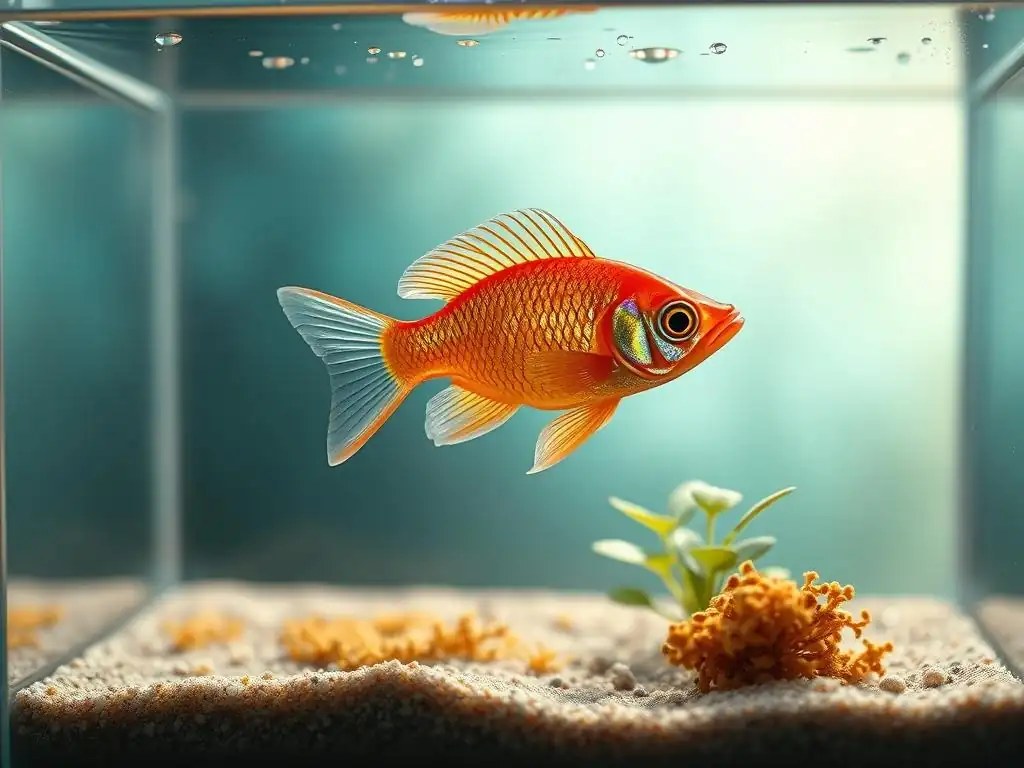
Creating an optimal environment is fundamental to the well-being of Chili Rasboras and their chosen companions. Beyond just water parameters, the physical layout of the aquarium plays a critical role in mimicking their natural habitats, providing security, and encouraging natural behaviors. A well-designed tank reduces stress, enhances color, and promotes overall fish health, making it a cornerstone for successful long-term keeping of these delicate fish.
Thoughtful aquascaping, including the right substrate, appropriate decor, and robust filtration, contributes significantly to a stable and aesthetically pleasing setup. These elements work in concert to create a thriving miniature ecosystem that supports all inhabitants.
Planted Tank Benefits: Providing Shelter and Natural Environment
A heavily planted aquarium is indispensable for Chili Rasboras and most Chili Rasbora compatible tank mates. Dense planting, particularly with fine-leaved and stem plants like Hornwort, Cabomba, or various Ludwigia species, provides essential hiding spots and a sense of security for these shy fish. Plants also offer shaded areas, which Chili Rasboras prefer, mimicking their natural blackwater habitats where light is often subdued by overhead canopy.
Beyond providing shelter, live plants contribute significantly to water quality by absorbing nitrates, a byproduct of fish waste, thus helping to maintain stable water parameters. They also oxygenate the water through photosynthesis, further enhancing the living conditions. A lush, natural environment encourages Chili Rasboras to display their best colors and engage in more confident schooling behavior, transforming them from timid hiders to vibrant, active members of the tank.
Substrate and Decor: Creating a Comfortable Habitat
The choice of substrate and decor is crucial for creating a comfortable and safe habitat for Chili Rasboras and their companions. A dark, fine-grained substrate, such as sand or very fine gravel, is ideal. Dark substrates help to bring out the vibrant colors of Chili Rasboras, making them appear less washed out. Fine substrates are also beneficial for bottom-dwelling Chili Rasbora compatible tank mates like Pygmy Corydoras, allowing them to sift through without damaging their delicate barbels.
Driftwood and botanicals, such as Indian almond leaves or alder cones, are excellent additions. Driftwood provides natural hiding spots and perching areas, while botanicals slowly release tannins into the water. These tannins create a natural blackwater effect, lowering the pH and softening the water, which is highly beneficial for Chili Rasboras and many of their preferred tank mates. These elements also contribute to a sense of naturalism and security within the tank.
Filtration and Water Changes: Maintaining Water Quality
Effective filtration and regular water changes are non-negotiable for maintaining pristine water quality, which is critical for the health of Chili Rasboras and their Chili Rasbora compatible tank mates. A gentle filter, such as a sponge filter or a small hang-on-back (HOB) filter with adjustable flow, is ideal. The small size of Chili Rasboras makes them susceptible to strong currents, so a robust but gentle flow that circulates water without creating a whirlpool is essential.
Regular water changes, typically 20-25% weekly, are vital to remove accumulated nitrates and replenish essential minerals. For a 10-gallon tank, this would mean changing 2-2.5 gallons of water each week. This consistent maintenance prevents the buildup of harmful toxins, ensures stable water parameters, and introduces fresh, oxygenated water, all of which contribute significantly to a healthy and stress-free environment for these tiny and delicate fish.
Introducing New Tank Mates: A Gradual and Careful Approach
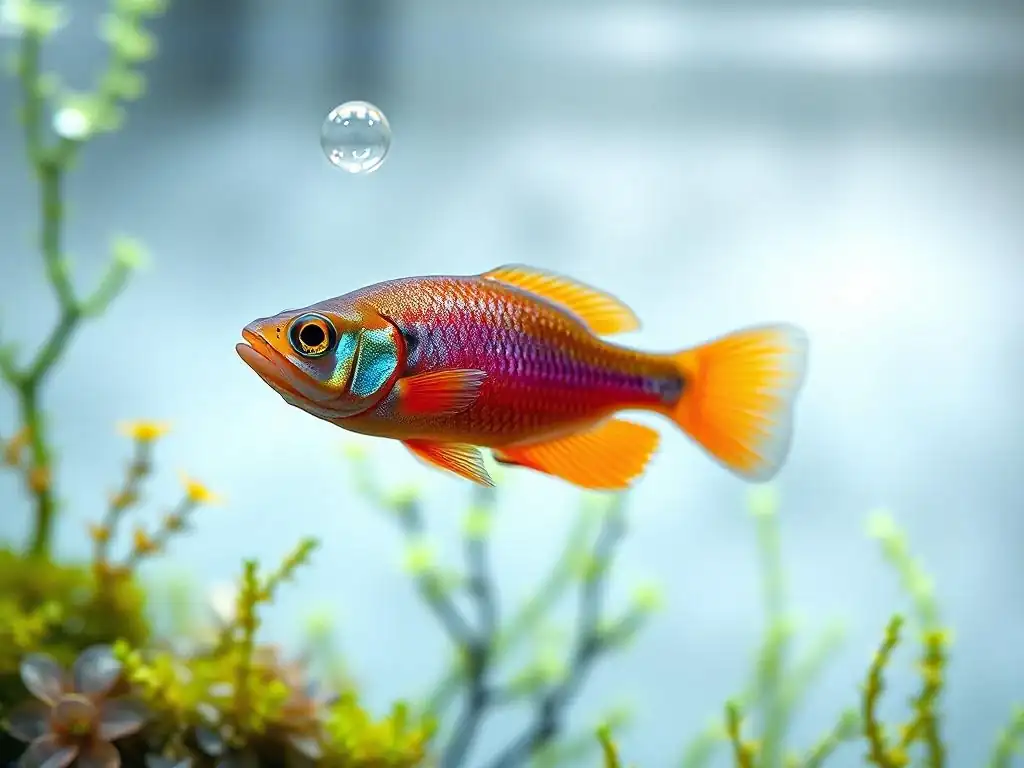
Introducing new fish to an established aquarium, especially one housing delicate species like Chili Rasboras, requires a methodical and patient approach. Rushing this process can lead to undue stress, disease outbreaks, or aggression, compromising the health of both new and existing inhabitants. A gradual introduction minimizes shock and allows fish to acclimate to their new surroundings and each other.
Following proper quarantine and acclimation procedures is not merely a recommendation but a vital practice for responsible aquarium keeping. These steps safeguard the entire aquarium ecosystem, preventing the introduction of pathogens and ensuring a smooth transition for new arrivals.
Quarantine Procedures: Preventing Disease Introduction
Quarantining new fish is the single most important step when introducing new Chili Rasbora compatible tank mates to your established aquarium. A separate, small quarantine tank (e.g., 2.5-5 gallons) should be set up with a heater, sponge filter, and basic decor. New fish should be housed in this tank for a minimum of two to three weeks, or even longer if any signs of illness appear. This isolation period allows you to observe them closely for symptoms of common fish diseases like Ich, fin rot, or parasitic infections without risking the health of your main display tank.
During quarantine, you can treat any emerging issues proactively, preventing the spread of pathogens to your healthy Chili Rasboras. This practice significantly reduces the risk of wiping out an entire community and saves considerable time and expense on treating a full tank outbreak. Even seemingly healthy fish can carry dormant diseases or parasites, making quarantine an indispensable preventative measure.
Acclimation Process: Minimizing Stress During Transition
Once the quarantine period is successfully completed, the acclimation process is crucial for minimizing stress when transferring new Chili Rasbora compatible tank mates to the main aquarium. The drip acclimation method is highly recommended for sensitive fish and invertebrates, as it slowly equalizes the water parameters between the transport bag and the tank. This involves placing the fish in a container with their transport water and slowly dripping water from the main tank into the container over an hour or more, gradually changing the water chemistry.
This gradual change in temperature, pH, and hardness prevents osmotic shock, which can be fatal to fish. After acclimation, gently net the fish and introduce them to the main tank, discarding the old water from the container. Avoid simply floating the bag and dumping the fish, as this sudden change can cause immense stress and make the fish more susceptible to illness or aggression from existing inhabitants.
Monitoring Behavior: Observing Interactions Between Fish
After introducing new Chili Rasbora compatible tank mates to the main aquarium, continuous monitoring of their behavior and interactions is essential for the first few days and weeks. Observe how the new fish integrate into the existing community. Look for signs of aggression, such as chasing, fin-nipping, or bullying, from either the new or established fish. Conversely, observe if the new fish are overly stressed, hiding constantly, or showing signs of fear.
Pay close attention during feeding times to ensure all fish are getting enough food and that no single fish is dominating access. If any significant signs of stress, aggression, or illness are observed, be prepared to intervene, which may include separating the fish or re-evaluating the compatibility. Early detection of issues allows for timely intervention, preventing long-term problems and ensuring a harmonious environment for all inhabitants, especially the delicate Chili Rasboras.
Maintaining a Healthy and Balanced Aquarium Ecosystem for Chili Rasboras
Sustaining a healthy and balanced aquarium ecosystem is an ongoing commitment that extends beyond initial setup and stocking. For Chili Rasboras and their Chili Rasbora compatible tank mates to thrive, consistent care and attention to detail are paramount. This involves a routine of proper feeding, vigilant water parameter monitoring, and proactive health management.
A well-maintained tank is a stable tank, and stability is the cornerstone of fish health, reducing stress and boosting immunity. Neglecting these fundamental practices can quickly lead to declining water quality, disease outbreaks, and a compromised environment for your delicate aquatic inhabitants.
Feeding Schedule: Providing Adequate Nutrition for All Tank Inhabitants
Establishing a consistent and appropriate feeding schedule is vital for the health of Chili Rasboras and their Chili Rasbora compatible tank mates. Due to their small mouths, Chili Rasboras require very small, high-quality foods. Ideally, they should be fed small amounts two to three times a day, only what they can consume within two to three minutes. Overfeeding can quickly foul the water, leading to elevated ammonia and nitrite levels, which are toxic.
Suitable foods include crushed high-quality flake food, micro pellets, and especially live or frozen micro-foods like daphnia, cyclops, and baby brine shrimp. These provide essential proteins and nutrients, enhancing their coloration and vitality. When feeding a community tank, ensure that all inhabitants, including bottom dwellers like Pygmy Corydoras and invertebrates, receive adequate nutrition. This might involve sinking pellets or wafers specifically designed for their dietary needs, ensuring no one is left out.
Regular Water Testing: Monitoring Water Parameters and Adjusting as Needed
Regular water testing is the backbone of a healthy aquarium, especially for sensitive species like Chili Rasboras that demand stable parameters. At a minimum, weekly testing for ammonia, nitrite, and nitrate is crucial, along with pH and temperature. Ammonia and nitrite should always read 0 ppm. Nitrate levels should be kept below 20 ppm, ideally below 10 ppm for blackwater species, as higher levels indicate accumulated waste and can stress fish.
If tests reveal undesirable levels, immediate action is required. For instance, high ammonia or nitrite necessitates an immediate partial water change (e.g., 50%) and investigation into the cause (e.g., overfeeding, insufficient filtration, or an uncycled tank). Consistent monitoring allows for proactive adjustments, preventing minor fluctuations from escalating into major problems that could endanger your Chili Rasboras and their Chili Rasbora compatible tank mates.
Recognizing and Addressing Common Fish Diseases: Protecting Your Aquarium's Health
Vigilance in recognizing and addressing common fish diseases is critical for protecting the health of your Chili Rasboras and their community. Despite best efforts, fish can occasionally fall ill, and early detection significantly improves the chances of successful treatment. Common signs of illness include clamped fins, lethargy, loss of appetite, abnormal swimming patterns, white spots (Ich), fuzzy growths (fungus), or red streaks on the body.
If any symptoms are observed, it's important to act quickly. Isolate the affected fish if possible in a hospital tank to prevent the spread of disease and to administer targeted treatment without harming beneficial bacteria or invertebrates in the main tank. Research the specific disease to ensure correct diagnosis and treatment. Maintaining excellent water quality and providing a nutritious diet are the best preventative measures, as healthy fish with strong immune systems are far less susceptible to illness.
Frequently Asked Questions
What are some good community fish to keep with Chili Rasboras?
Chili Rasboras are peaceful and thrive in community tanks. Good options include other small, non-aggressive fish like Pygmy Corydoras, Ember Tetras, and other nano fish species.
Why is it important to choose the right tank mates for Chili Rasboras?
Chili Rasboras are very small and easily stressed. Larger, more aggressive fish can bully or even eat them, leading to illness or death.
What type of invertebrates can be kept with Chili Rasboras?
Small, peaceful invertebrates like Cherry Shrimp and Nerite Snails are generally safe. Avoid larger shrimp or snails that may disturb the Chili Rasboras' delicate environment.
What kind of fish should I avoid keeping with Chili Rasboras?
Avoid any fish that are known to be fin nippers, bullies, or are significantly larger than the Chili Rasboras. Examples include Tiger Barbs, larger Tetras, and most Cichlids.
How does tank size affect compatibility when choosing tank mates for Chili Rasboras?
A larger tank provides more space, which can reduce aggression and stress. However, even in a large tank, it's crucial to choose tank mates with similar temperament and size requirements.
Final Reflection: Harmony in Miniature Worlds
The delicate balance of a nano aquarium, especially one housing the vibrant Chili Rasbora, is a microcosm of the larger ecosystems we strive to understand and protect. Understanding the nuances of compatibility is not just about keeping fish alive; it's about fostering a thriving, stress-free environment where these tiny jewels can truly shine. The choices we make in selecting tank mates directly impact the well-being and longevity of these captivating creatures, highlighting the profound responsibility we bear as aquarists.
This journey into the world of Chili Rasbora companions has underscored the importance of mindful observation and informed decision-making. It's a reminder that even the smallest of ecosystems require careful consideration and a deep respect for the interconnectedness of life. The greatness of a nation and its moral progress can be judged by the way its animals are treated.
- Mahatma Gandhi. This quote, though often applied to larger animals, resonates deeply within the context of nano aquariums. Our commitment to ethical aquascaping and responsible stocking reflects our broader values of compassion and stewardship.
Now, as you embark on your own journey to create a harmonious haven for your Chili Rasboras, remember that patience and observation are your greatest allies. Let the knowledge gained here inspire you to not only select compatible tank mates, but to cultivate an environment where all inhabitants can flourish. Consider the long-term impact of your choices and strive to create a miniature world that reflects the beauty and balance we wish to see in the larger world around us.
Ignite Your Aquarium: Cultivate a Thriving Rasbora Paradise!
Thanks for diving deep into the world of Chili Rasboras and their perfect companions! We hope you've discovered some inspiring ideas for creating a serene and harmonious aquarium environment. Now, let's put that knowledge into action!
- Prioritize a Peaceful Community: Begin by carefully selecting tank mates known for their calm temperament and small size to ensure your Chili Rasboras remain the stars of the show.
- Share your expertise! Connect with fellow aquarists on forums or social media to exchange tips and stories about successful Chili Rasbora communities.
- Embrace the unexpected! Research obscure or unique nano fish species that could add an intriguing twist to your Chili Rasbora habitat.
What's the first step you'll take to create your ideal Chili Rasbora haven?